


Is Quiet Luxury Worth the Price? An Honest 2026 Breakdown
Reading time 12 min • 2440 words
The phrase quiet luxury has been circulating long enough that it now attracts a fair amount of scepticism. Critics call it a rebranding exercise, a way to charge more for less visible design. Supporters call it the only rational approach to building a wardrobe. Both camps have a point, which is precisely why the question deserves a concrete answer rather than a mood board.
This article is not a defence of spending money for its own sake. It is a practical audit of what you actually receive when you pay a premium for cashmere, silk, or fine linen, and where the line sits between genuine value and inflated marketing. We will look at fabric science, cost-per-wear arithmetic, and the specific occasions where quality cloth earns its keep.
By the end, you will have a clear framework for deciding which pieces in your wardrobe are worth upgrading and which are not. That is the only question that matters.
Key takeaways
- Cost per wear, not sticker price, is the correct measure for premium clothing.
- Cashmere, silk, and high-count linen age well and hold their look through years of wear, where synthetic blends do not.
- A quiet luxury wardrobe built on five to eight anchor pieces outperforms a large fast-fashion wardrobe in both longevity and versatility.
- Fabric weight and thread count are the fastest ways to verify quality before you buy.
- Not every piece needs to be premium: prioritise the items closest to your skin and the ones worn most often.
In this guide
- What Quiet Luxury Actually Means in Fabric Terms
- The Cost-Per-Wear Calculation Nobody Does But Should
- Where the Price Premium Is Justified and Where It Is Not
- Building a Quiet Luxury Wardrobe Without Overcommitting
- How to Verify Quality Before You Buy
- The Honest Verdict: When Quiet Luxury Pays and When It Does Not
- Frequently asked questions
What Quiet Luxury Actually Means in Fabric Terms
Quiet luxury is not a brand category. It is a construction philosophy: the idea that quality should be legible to the person wearing the garment before it is legible to anyone else. That means fabric hand-feel, fit precision, and structural integrity rather than logos or seasonal embellishment.
In practical terms, it comes down to three material families: cashmere, silk, and fine linen. Each has a measurable quality spectrum. Cashmere is graded by fibre diameter, measured in microns; Grade A fibres run below 15.5 microns and produce a handle that is noticeably softer and less prone to pilling than the 19-micron fibres used in mass-market knitwear. Silk quality is assessed by momme weight, a unit describing fabric density. A heavyweight satin silk shirt at 22 momme drapes differently and resists snagging far better than the 12-momme silk common in fast fashion. Linen is measured by thread count and yarn fineness; a high count fine linen shirt at 120 threads per centimetre has a crisp, smooth surface that a 60-count equivalent simply cannot replicate.
Understanding these numbers removes the guesswork. When a brand uses the word 'premium' without specifying fibre grade, momme weight, or thread count, that is the first signal to probe further. When those numbers are present and verified, the price premium becomes a specification rather than a claim. For a broader overview of how fabric quality is classified across the industry, the Wikipedia entry on textile manufacturing provides a useful technical foundation.
Expert insightRun a fabric between your thumb and forefinger and apply light friction. High-quality cashmere and silk will warm immediately and feel smooth without drag. Pilling within the first two washes is almost always a sign of short-staple fibres, regardless of what the label says.

The Cost-Per-Wear Calculation Nobody Does But Should
The honest case for quiet luxury pricing is arithmetic, not aesthetics. A fast-fashion linen shirt at $30 that loses its structure after eight washes costs $3.75 per wear over its lifespan. A high count navy blue fine linen shirt at $129 that holds its drape through three summers and 60 or more wears costs roughly $2.15 per wear. The premium item is the cheaper one.
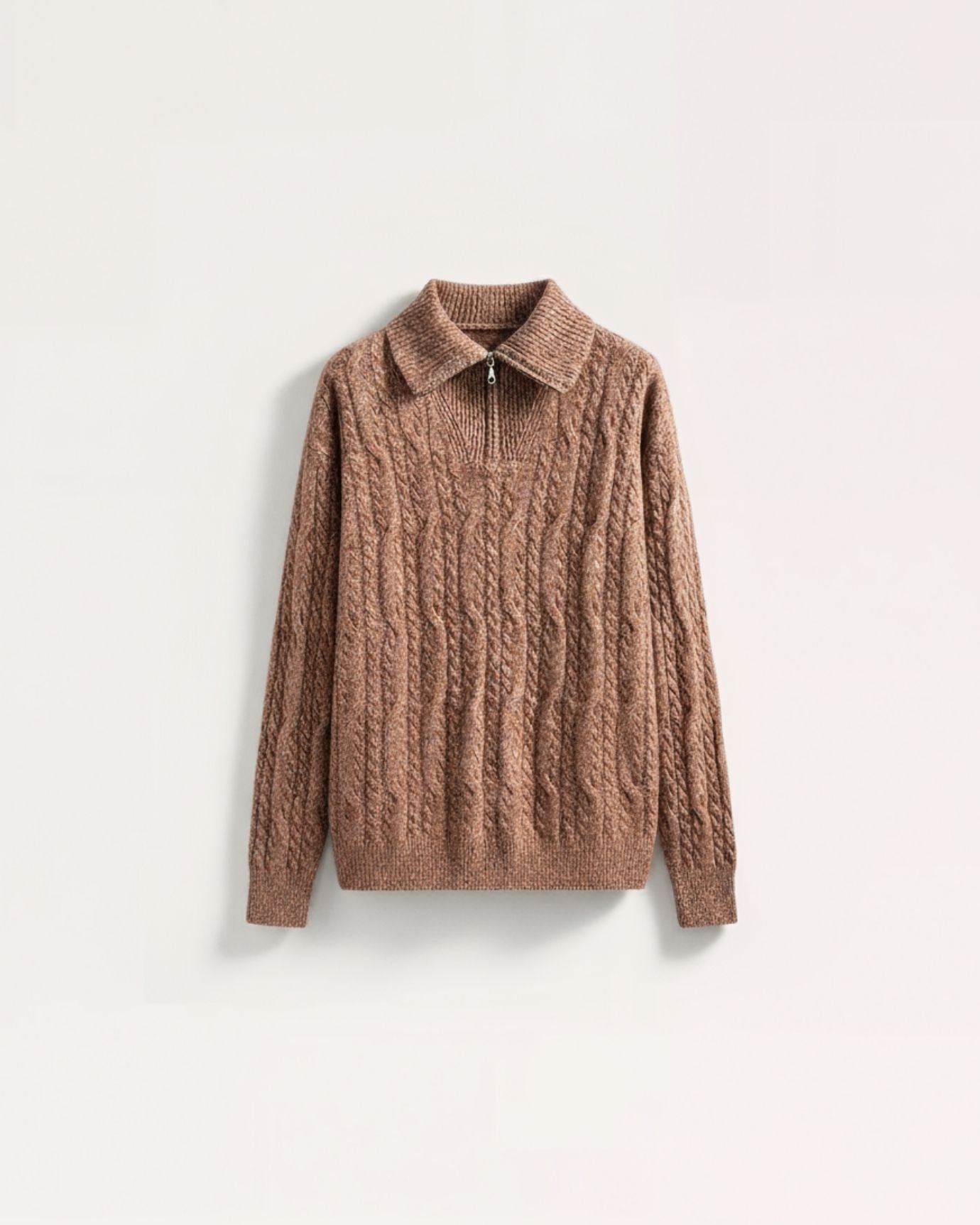
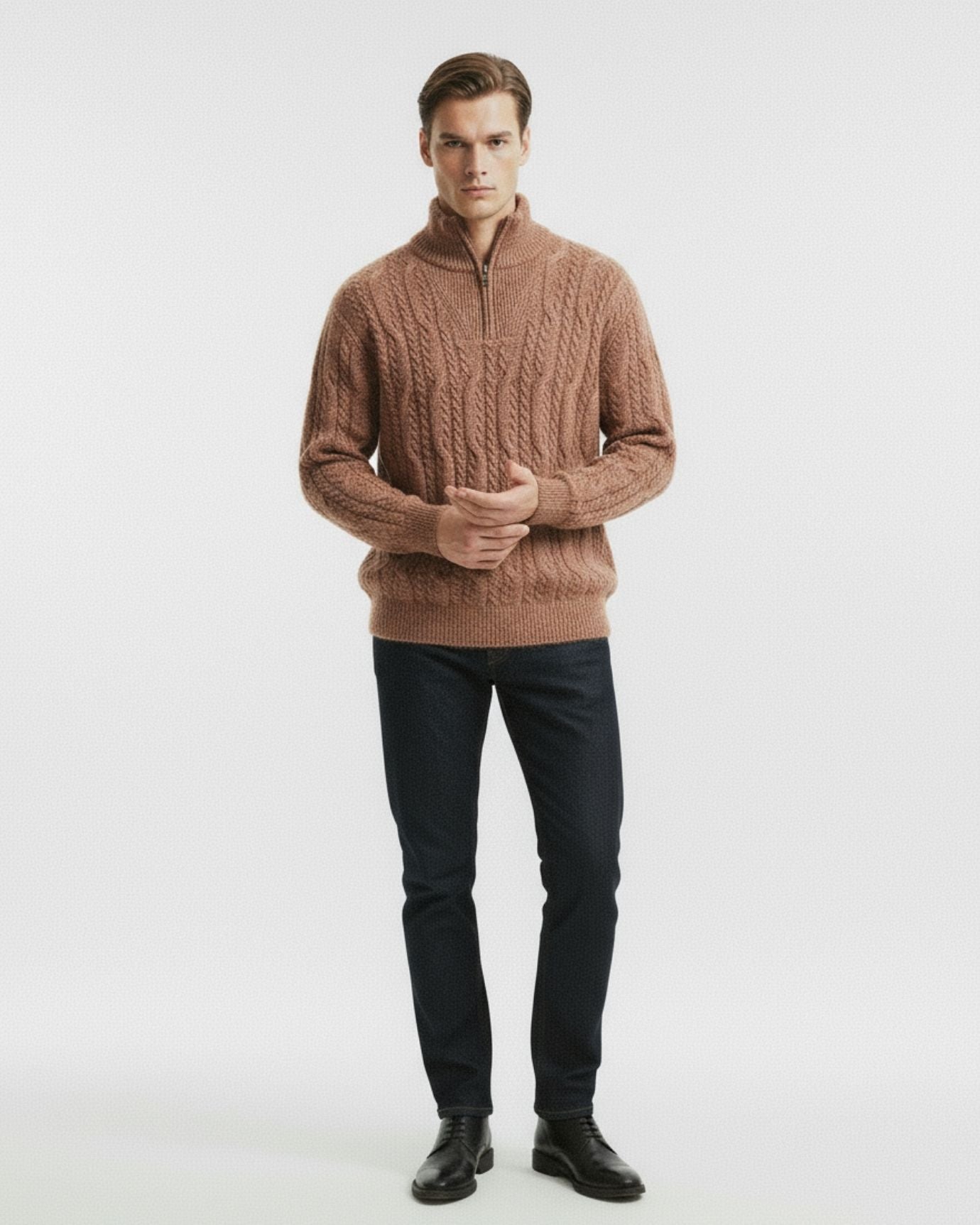
The same logic applies to cashmere. A Berlin cashmere sweater at $215 worn across two seasons, through 40 occasions, costs $5.37 per wear. A blended acrylic-cashmere sweater at $70 that pills by month four and is unwearable by month eight costs considerably more per actual use.
Silk follows a different curve because it requires more careful laundering, but a well-constructed mulberry silk piece worn to dinners, client meetings, and weekend travel accumulates wear count quickly. The calculation changes, though, if you buy premium pieces and then wear them rarely. Cost-per-wear only favours quality when the item genuinely fits your life and gets used. This is why the first question before any purchase should be: how many times per month will I actually reach for this?
Our affordable luxury clothing buying guide walks through this framework in more detail with specific wardrobe scenarios.
Expert insightTrack your most-worn items for one month. In most wardrobes, five to seven pieces account for over 60 percent of actual wear. Those are the pieces where upgrading quality pays off most directly.

Where the Price Premium Is Justified and Where It Is Not
Not every category rewards a premium investment equally. Here is where the money is well spent and where it is not.
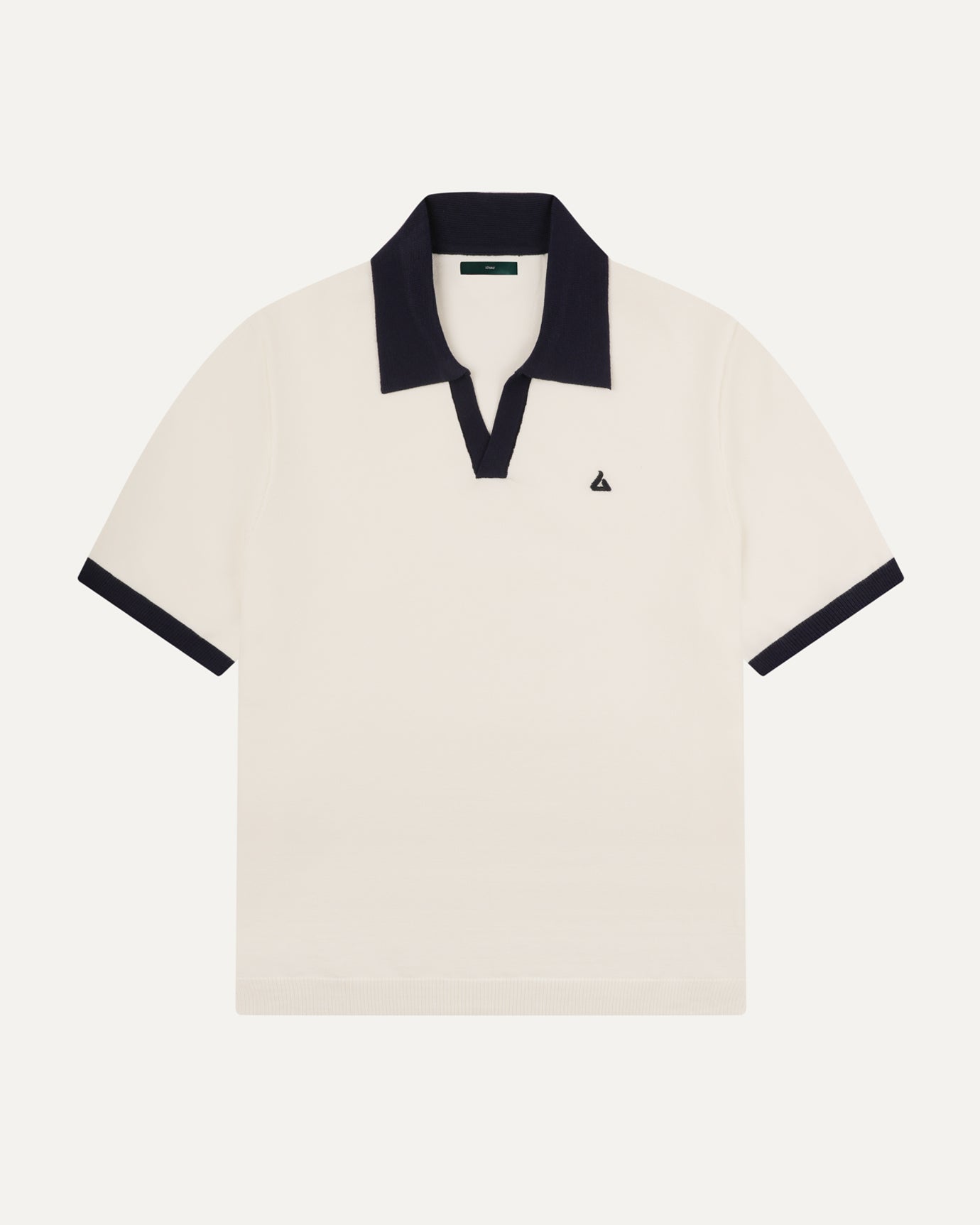
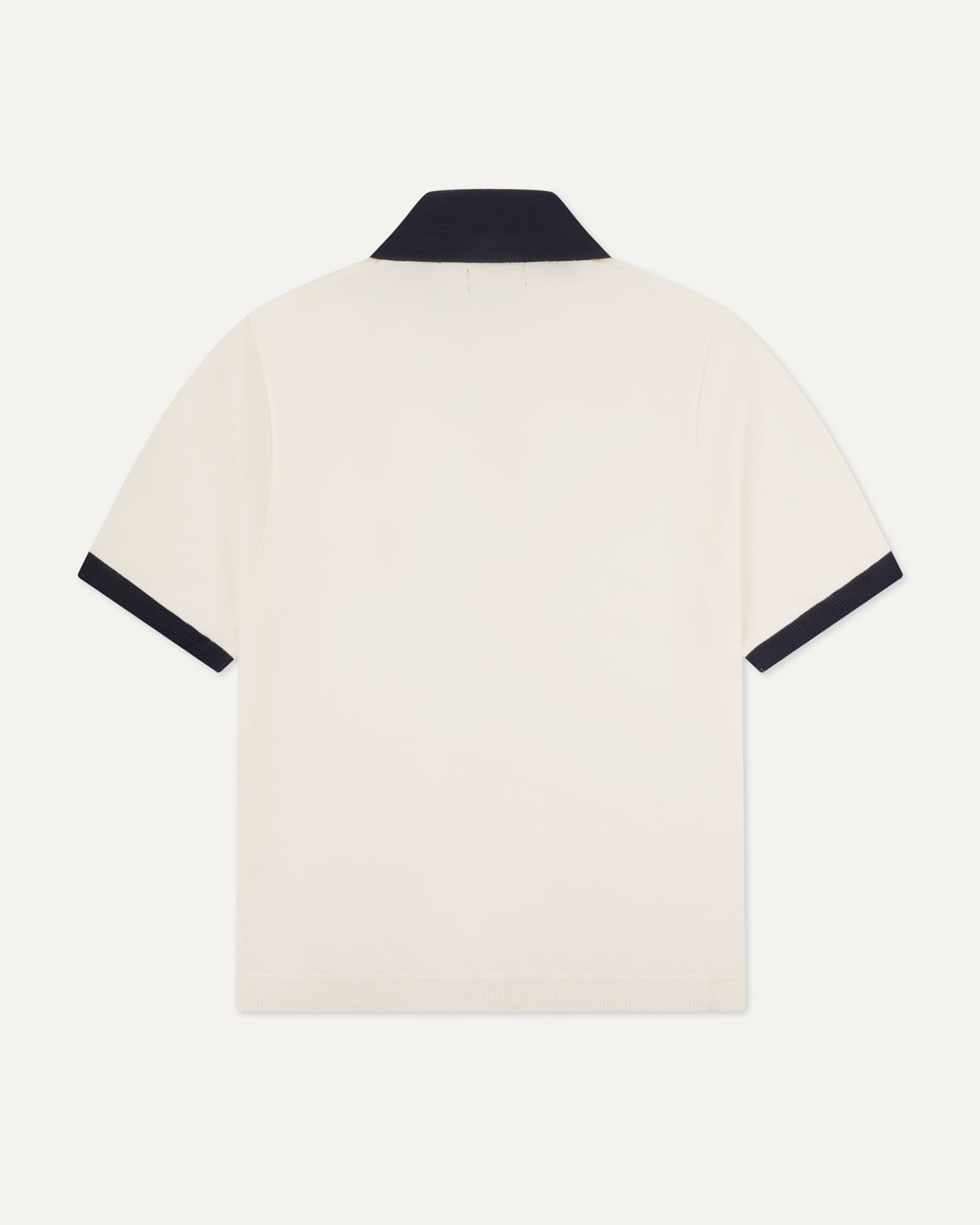
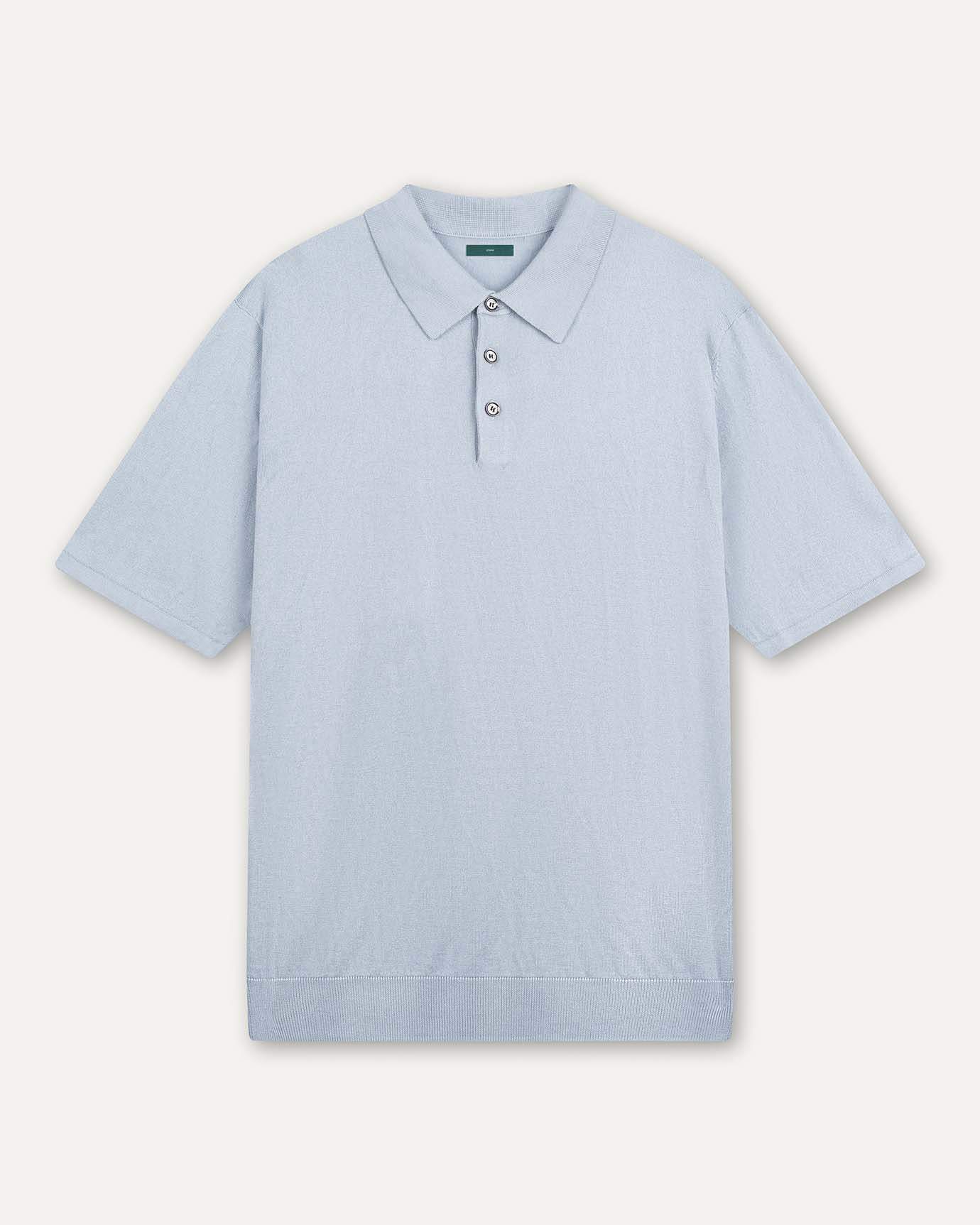
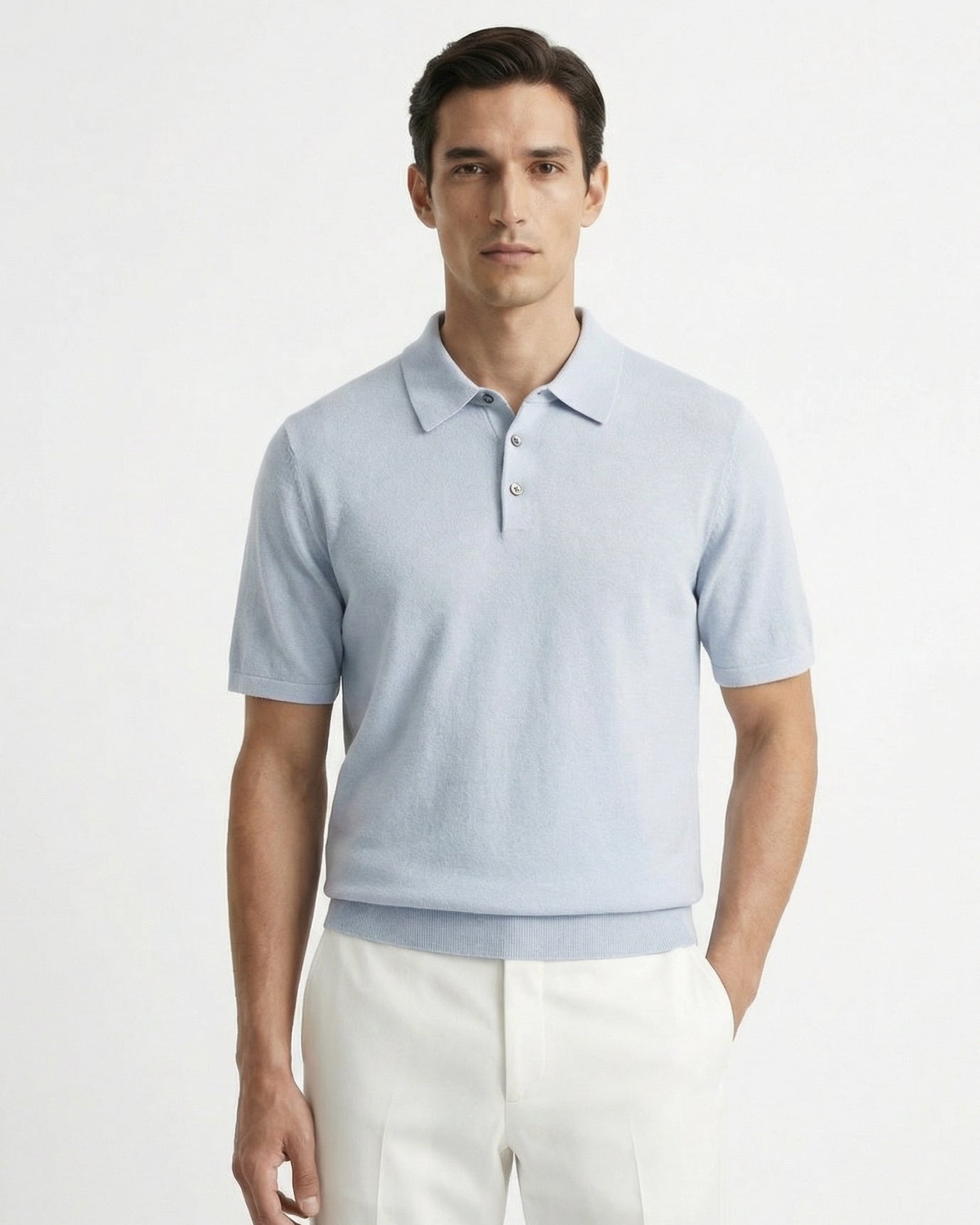
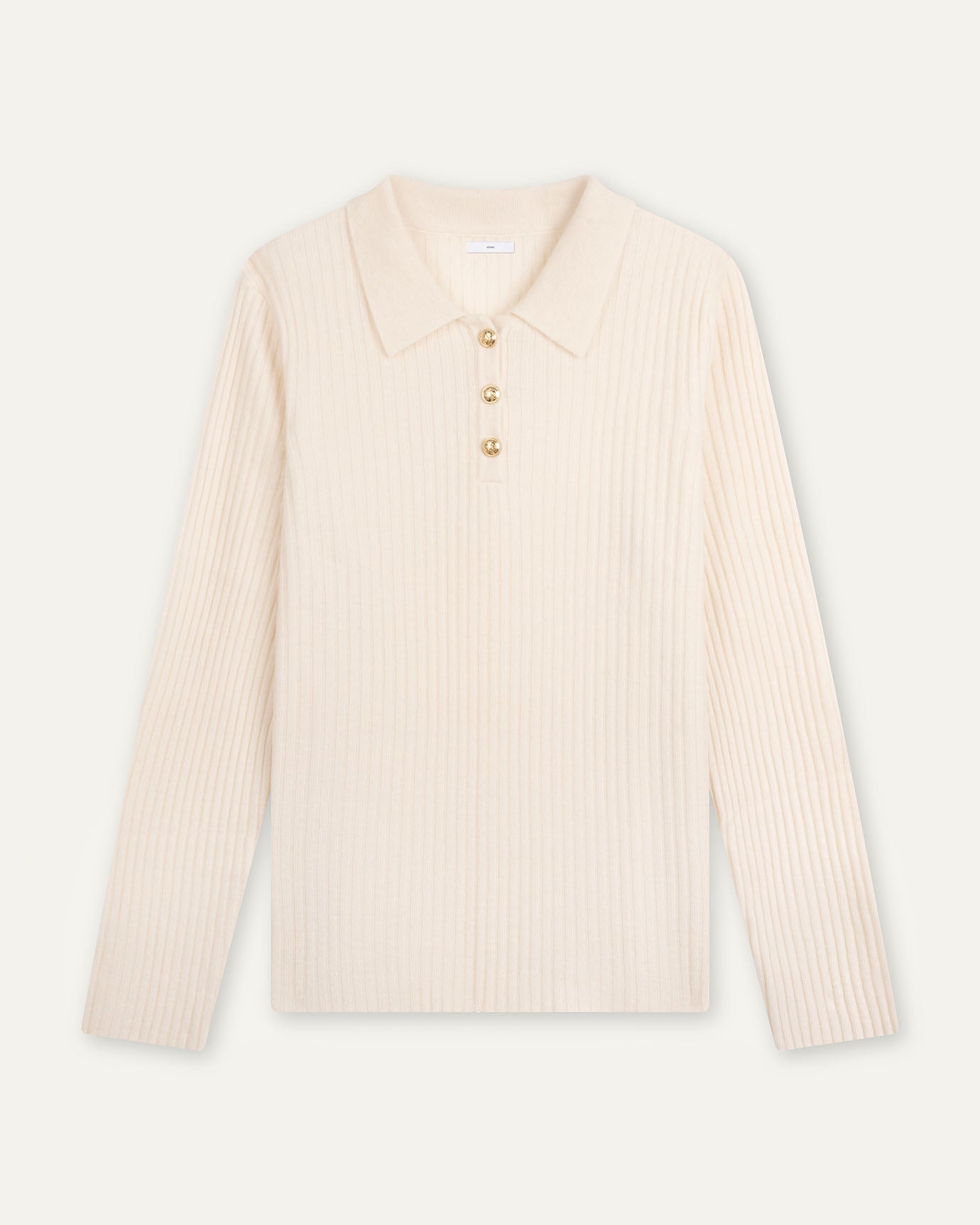
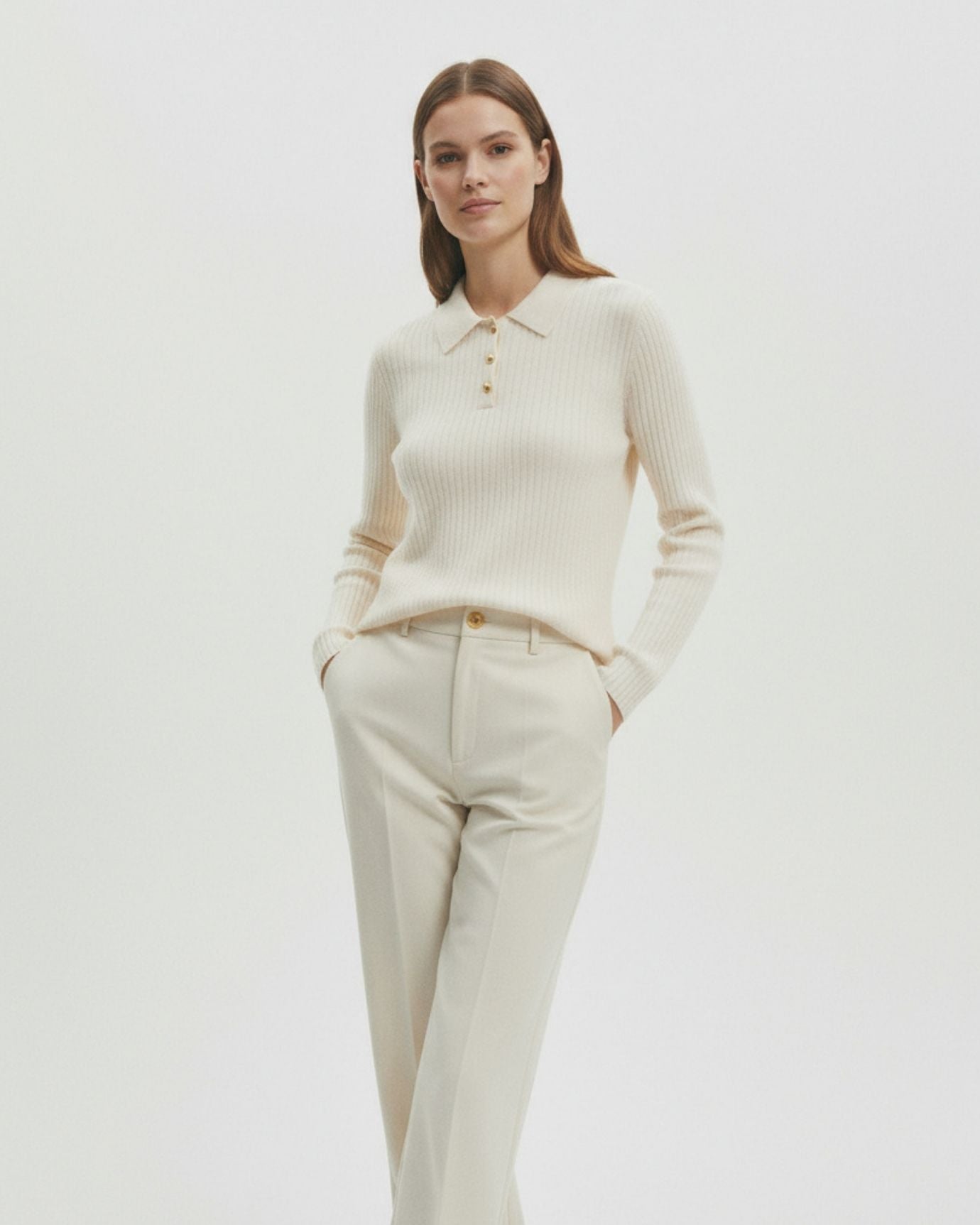
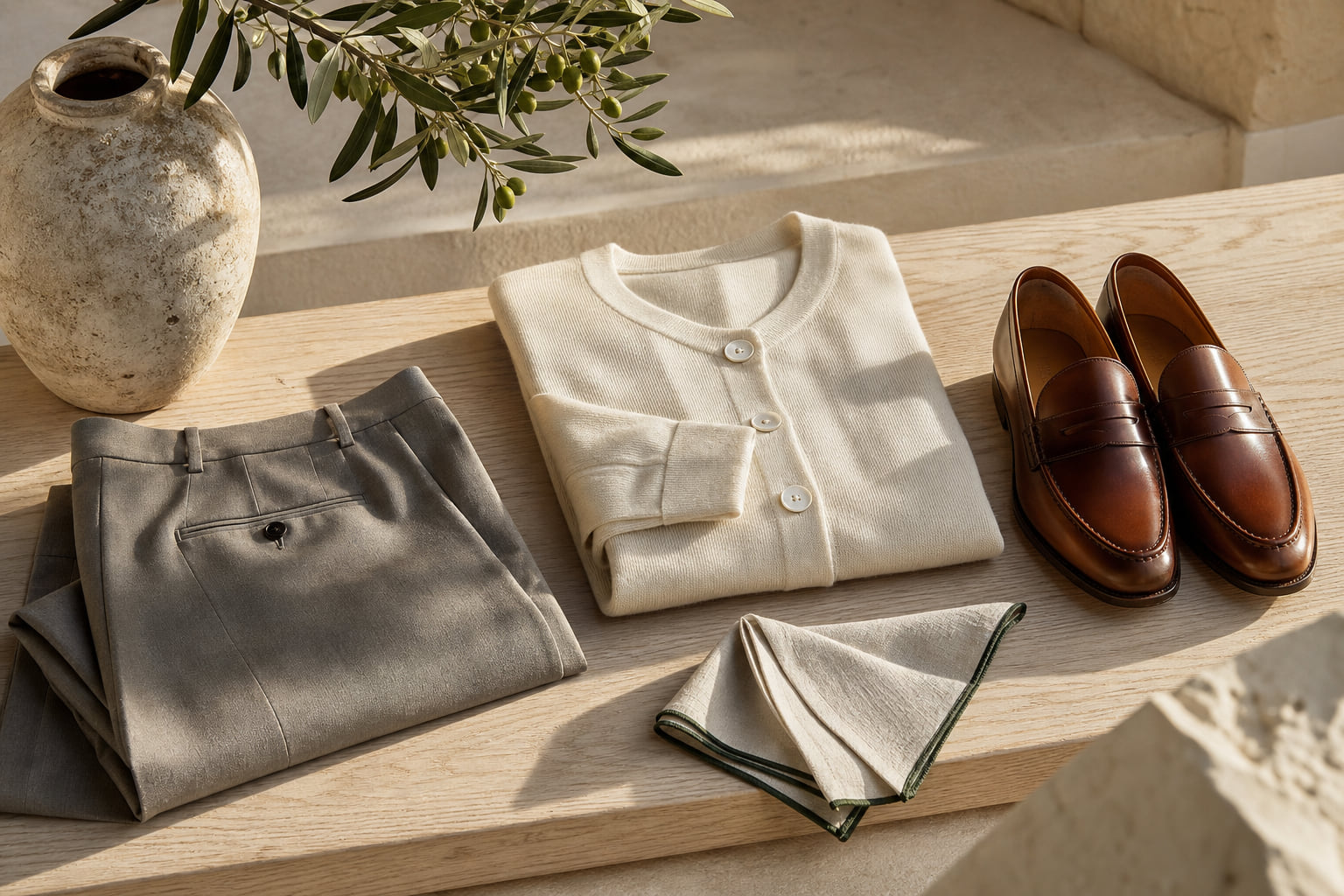
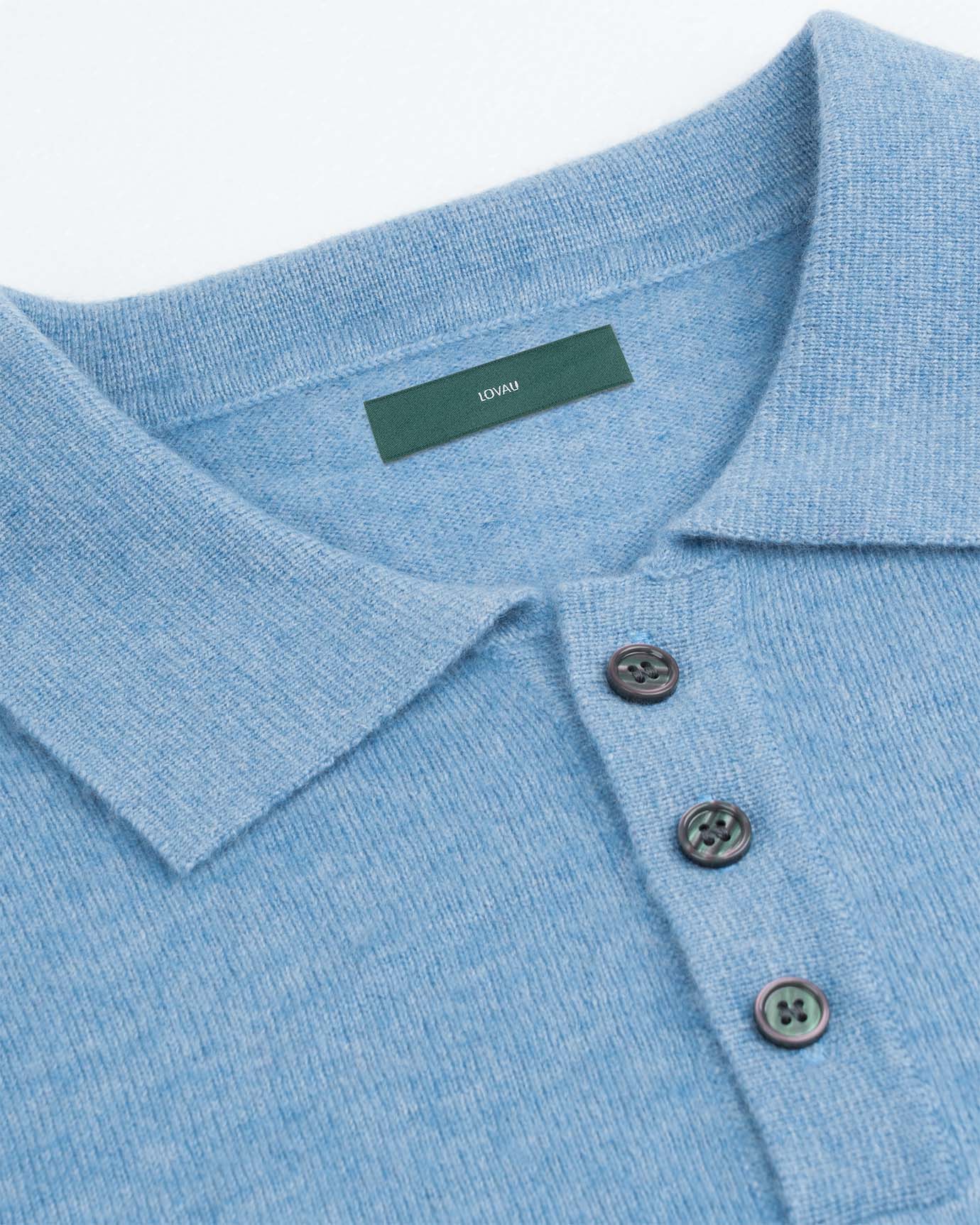
Justified: Knitwear and layering pieces. A mulberry silk cashmere polo or a cashmere and wool cardigan jacket sits against your skin all day. Fibre quality is immediately felt. These pieces also anchor multiple outfits, so wear count accumulates fast.
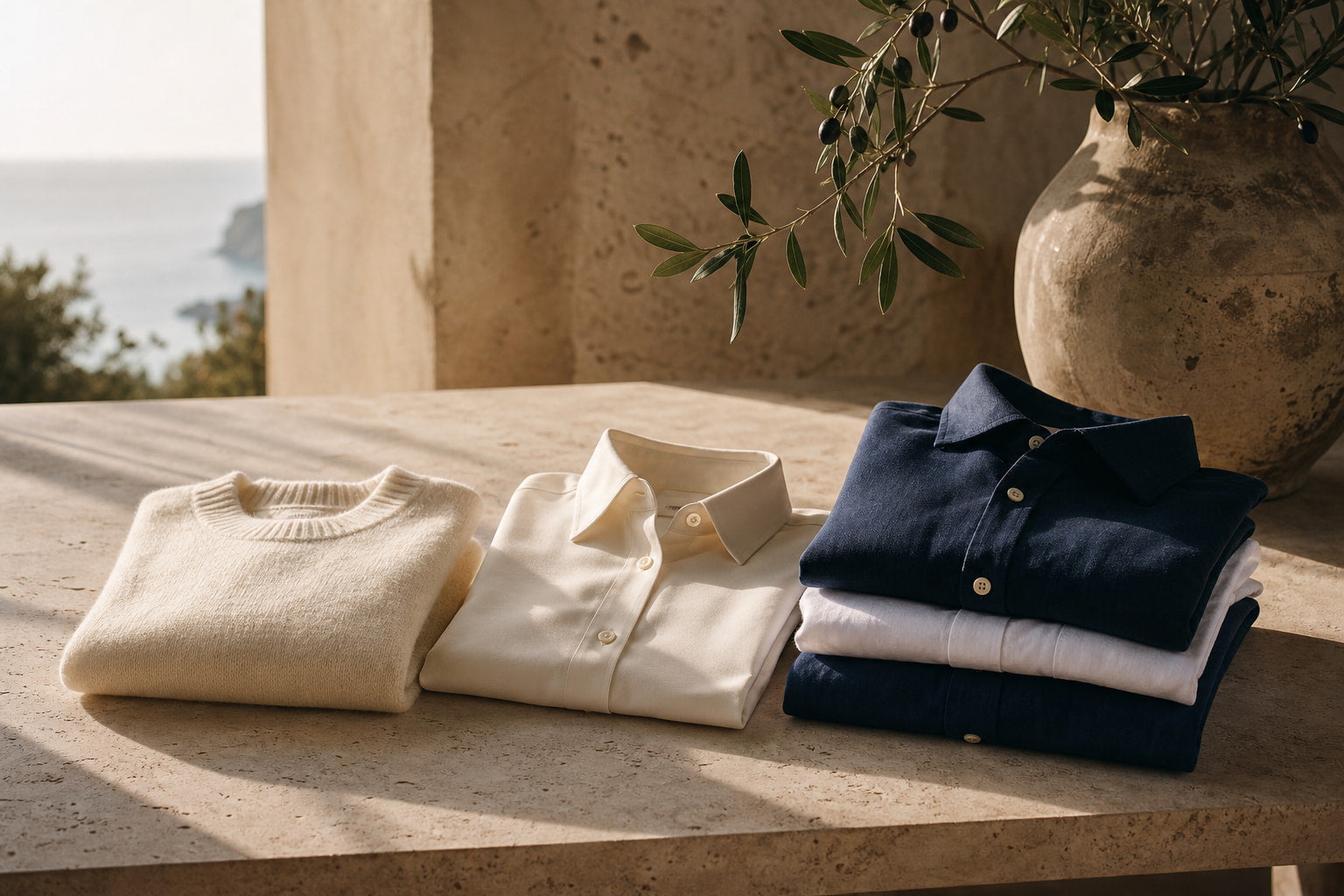
Justified: Linen shirts for warm climates and travel. High-count linen breathes at a rate that synthetic blends cannot match, and it softens with washing rather than degrading. A striped v-neck linen shirt in a classic pattern reads correctly from the Balearics to a terrace lunch in London. The old money linen shirts collection demonstrates how versatile a well-made linen shirt becomes across contexts.
Justified: Silk as a formal or occasion layer. Silk regulates temperature better than any synthetic, which matters at long dinners and in over-air-conditioned offices. The investment is real but so is the comfort differential.
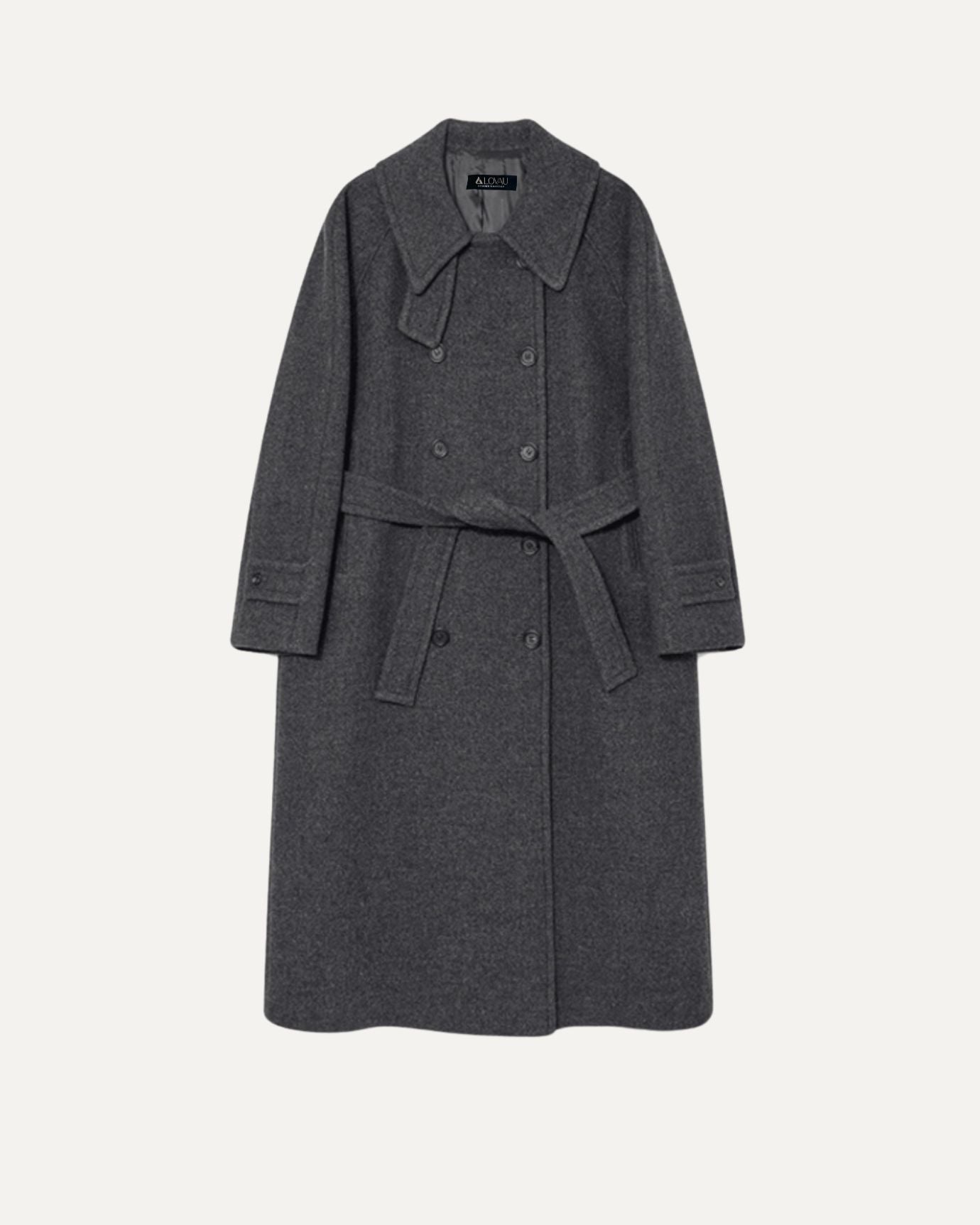
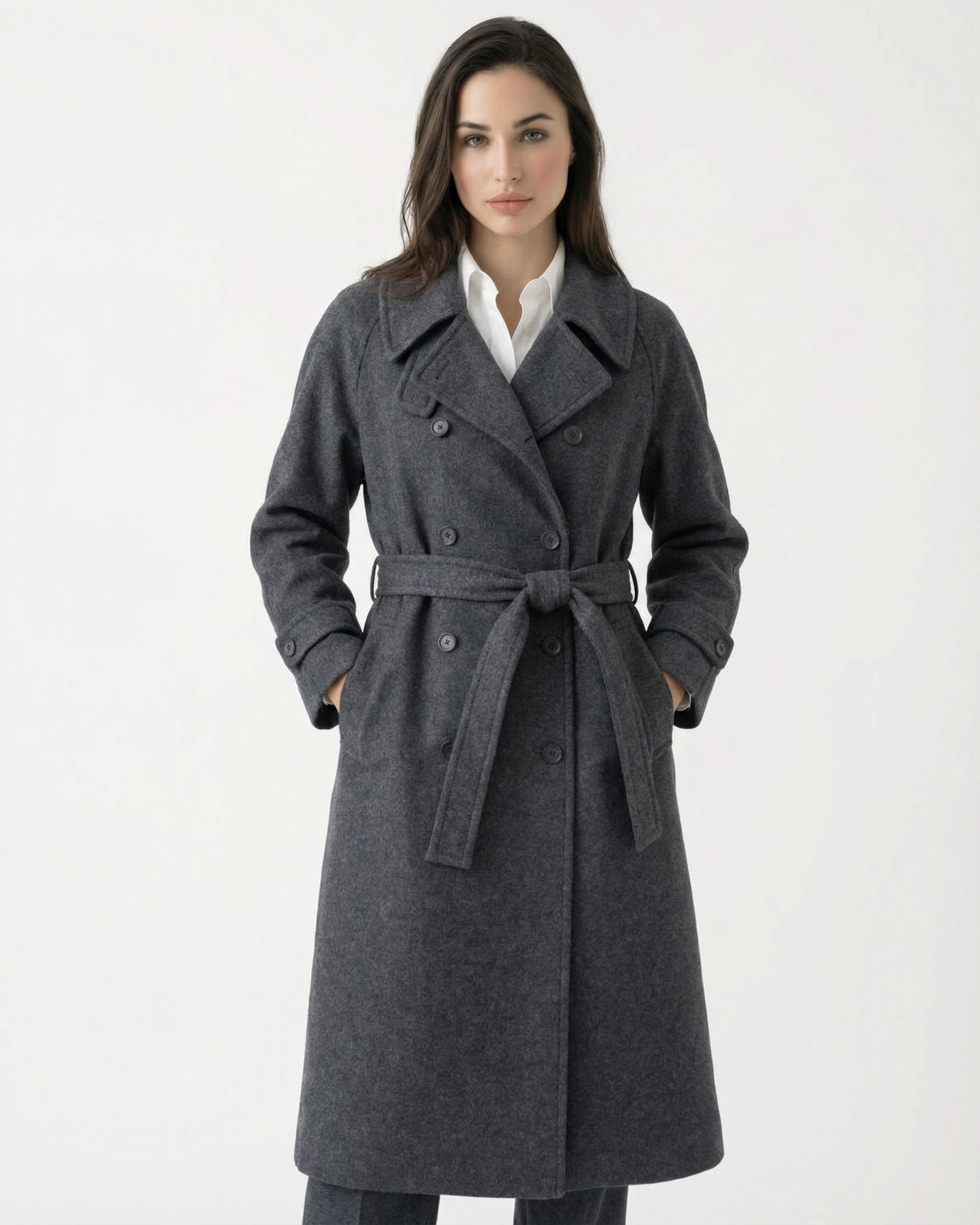
Less justified: Outerwear worn only a few times per year. Unless you live in a cold climate and wear a coat daily from October through March, a $600 cashmere overcoat may never reach the cost-per-wear threshold. A cashmere and wool coat at $215 hits the value window more reliably for moderate-climate wearers.
Not justified: Trend-driven statement pieces in premium fabrics. A wide-lapel silk blazer that reflects a specific season's silhouette will look dated in two years regardless of fabric quality. Quiet luxury's value proposition collapses the moment the cut becomes conspicuously of its moment.

Building a Quiet Luxury Wardrobe Without Overcommitting
The most common mistake is trying to replace an entire wardrobe at once. That produces financial stress and, paradoxically, worse decisions because urgency overrides judgement. A more rational approach is to replace items as they wear out, but to replace them with significantly better versions.
For men, the anchor sequence is: one or two fine linen shirts, one cashmere or silk-blend polo, one pair of well-cut linen trousers, and one layering piece in cashmere or wool. The Paris linen trousers at $105 and a Marbella cooling acetate silk polo at $99 together create a complete warm-weather foundation for under $210, which competes directly on price with two or three mid-range fast-fashion equivalents that will not last as long.
For women, the equivalent sequence runs through a heavyweight silk shirt, a fine linen skirt or vest, and a cashmere knit. Our essential quiet luxury wardrobe guide for women maps this out with specific outfit combinations and occasion guidance.
Colour discipline matters as much as fabric quality. A quiet luxury wardrobe in ivory, navy, stone, and black can be mixed into significantly more combinations than the same number of pieces in seasonal or trend colours. This multiplies the effective wardrobe size without adding items.
Expert insightBuy one piece per quarter rather than a seasonal haul. This gives you time to assess what you actually wear and what gaps genuinely exist, rather than filling imagined ones.

How to Verify Quality Before You Buy
Scepticism about quiet luxury pricing is healthy when brands provide no verifiable evidence of their quality claims. Here is what to look for.
Fabric specification on the product page. A reputable brand states fibre content, grade, and weight. 'Cashmere blend' with no further detail is not a specification. '70 percent Grade A Mongolian cashmere, 30 percent silk, 14.5 micron average fibre diameter' is a specification.
Construction details. Look for single-needle stitching on dress shirts, full canvas or half-canvas construction in tailored pieces, and reinforced seams at stress points. Mother-of-pearl or horn buttons rather than plastic signal attention to detail that extends to the fabric itself.
Weight and drape in hand. A 22-momme silk shirt has visible weight when held. A fine linen shirt at 120 thread count feels smooth, almost cool, rather than scratchy. These are tactile tests you can perform before purchasing in person, or verify through fabric weight specifications listed online.
Return policy and care instructions. Brands confident in their materials provide clear care guidance and stand behind the product. Vague care labels and restrictive return windows are signals worth noting.
For men exploring the full range of what precise fabric construction looks like across a collection, the high end cashmere selection provides a useful benchmark. For a broader breakdown of what makes a wardrobe investment-grade across categories, Business of Fashion has covered the economics of premium basics with useful industry context.

The Honest Verdict: When Quiet Luxury Pays and When It Does Not
Quiet luxury is worth the price under a specific set of conditions: you wear the item frequently, the fabric quality produces a measurable comfort or longevity advantage, and the cut is classic enough to remain correct for five or more years. Under those conditions, the cost-per-wear mathematics and the reduced replacement cycle make premium pricing rational.
It is not worth the price when the item is trend-driven, worn rarely, or when the premium is attached to a logo rather than a material specification. In those cases, you are paying for a signal rather than a garment, and signals depreciate faster than fine linen.
The luxury elegant wardrobe checklist for 2026 provides a structured way to audit your current wardrobe against these criteria before committing to any new purchases. And for those building out a work wardrobe specifically, premium timeless fashion pieces for work covers the professional context in detail.
The question is not whether quiet luxury is worth it in the abstract. The question is whether a specific piece, at a specific price, in a specific fabric grade, will be worn enough and last long enough to justify the outlay. Ask that question precisely, and the answer is usually clear.

| Fabric | Fast Fashion Spec | Mid-Market Spec | Quiet Luxury Spec | Lifespan Difference |
|---|---|---|---|---|
| Cashmere | 19-22 micron, short staple, acrylic blend | 16-18 micron, 90% cashmere | Under 15.5 micron, 100% Grade A, long staple | Fast fashion: 1-2 seasons. Quiet luxury: 7-10+ years |
| Silk | 8-12 momme, often polyester blend | 14-16 momme, 100% mulberry silk | 19-22 momme, 100% long-filament mulberry silk | Fast fashion: 10-15 washes. Quiet luxury: years with correct care |
| Linen | 60-80 thread count, rough hand | 90-100 thread count, softened finish | 110-130 thread count, fine yarn, smooth hand | Fast fashion loses structure in 1 season. Quiet luxury softens and improves |
| Wool blend | Polyester dominant, wool under 30% | 50-70% wool, synthetic fill | 90-100% wool or cashmere-wool, full canvas | Fast fashion pills within months. Quiet luxury holds shape for years |
| Linen-cotton blend | Low thread count, loose weave | Medium count, decent drape | High count, tight weave, natural fibre only | Fast fashion fades and thins quickly. Quality blend lasts 4-6 years |
Frequently asked questions
Is quiet luxury just a trend that will fade?
The aesthetic has a name that is relatively recent, but the underlying principle, buying fewer, better-made pieces in neutral colours and natural fibres, has been the approach of understated European dressing for decades. The trend label will fade. The wardrobe logic will not. A well-cut high count fine light blue linen shirt looked correct in 1985 and will look correct in 2035.
How do I know if a cashmere piece is genuinely high quality before buying?
Look for fibre diameter stated in microns, staple length described as long or Grade A, and a 100 percent cashmere fibre content with no synthetic filler. Weight matters too: a quality cashmere knit at medium gauge should feel substantial without being stiff. Pilling within the first few washes is the clearest sign of short-staple, low-grade fibre. Browsing the cashmere collection with these criteria in mind gives you a useful reference point for what specifications should look like on a product page.
Can I build a quiet luxury wardrobe on a limited budget?
Yes, but it requires prioritising correctly. Identify the three or four items you wear most often and upgrade those first. For most people that is one or two shirts, a trouser, and a layering piece. Replacing these with quality versions while keeping everything else as-is produces a noticeably better wardrobe without a large outlay. Our smart luxury clothing buying guide covers this sequencing in practical detail.
Do quiet luxury pieces require special care that makes them impractical?
Fine linen and many silk pieces can be hand-washed or machine-washed on a delicate cycle with cold water and a gentle detergent. Cashmere benefits from hand-washing or dry cleaning a few times per season. None of this is significantly more demanding than reading a care label carefully. The main adjustment is air-drying rather than tumble-drying, which applies to most natural fibres regardless of price point.
Quiet luxury is worth the price when it is purchased deliberately, worn consistently, and chosen in cuts that will not date. It is not worth the price when it is bought reactively, worn rarely, or selected for its signal value rather than its material quality. The honest answer is that the premium is real, the justification is arithmetic, and the decision comes down to how you actually live and dress. If you are ready to audit your wardrobe against these criteria, the elegant luxury outfit formulas for 2026 is a practical next step.