


Investment Pieces vs Fast Fashion: What's Actually Cheaper?
Reading time 12 min • 2432 words
The argument against spending real money on clothing usually goes like this: why pay $150 for one shirt when you can buy three for the same price? It is a reasonable question, and it deserves a direct answer rather than vague talk about quality and heritage.
The honest answer is that the $150 shirt is almost always cheaper. Not in the way a sale sticker is cheaper, but in the way a well-maintained car is cheaper than buying a new cheap one every two years. The unit of measurement that makes this clear is cost-per-wear: the price of a garment divided by the number of times you actually wear it before it leaves your wardrobe.
This article works through that calculation in concrete terms, using the three fabric categories where the gap between fast fashion and investment pieces is widest: cashmere, linen, and leather. If you have ever felt vaguely guilty about spending more on a single piece of clothing, the numbers here should settle that feeling for good.
Key takeaways
- Cost-per-wear, not sticker price, is the only honest way to compare fast fashion against investment pieces.
- A quality linen shirt worn 80 times over four summers costs far less per wear than a cheap alternative replaced every season.
- Cashmere, linen, and full-grain leather are the three fabric categories where the investment case is strongest and most measurable.
- Fast fashion carries hidden costs: frequent replacement, dry-cleaning of poorly constructed garments, and the time spent shopping again.
- A wardrobe of 15 to 20 well-chosen pieces outperforms a wardrobe of 60 mediocre ones in both daily function and long-term spend.
In this guide
- The Cost-Per-Wear Calculation, Explained Plainly
- Linen: The Summer Investment That Pays Back Fastest
- Cashmere: Where the Price Gap Is Most Misunderstood
- Leather: The One Category Where Fast Fashion Simply Cannot Compete
- The Hidden Costs Fast Fashion Never Shows You
- Building the Case for Three Key Pieces Right Now
- Frequently asked questions
The Cost-Per-Wear Calculation, Explained Plainly
Cost-per-wear is simple arithmetic. Take the purchase price of a garment and divide it by the number of times you wear it. A $30 fast-fashion shirt worn 8 times before it pills, fades, or falls apart costs $3.75 per wear. A $129 fine linen shirt worn 80 times over four summers costs $1.61 per wear. The more expensive shirt is, in the only sense that matters financially, less than half the price.
The calculation only works if you are honest about how long cheap pieces actually last. Fast fashion garments are engineered for a short life: low thread counts, synthetic blends that degrade with washing, and construction shortcuts that show within a season. Most people replace them within 6 to 18 months, often sooner.
Investment pieces, by contrast, are built around materials and construction that hold. The key variables are fibre quality, weave density, seam reinforcement, and the absence of synthetic shortcuts. Once you understand which materials genuinely last, the wardrobe maths become straightforward.
For a practical starting point, the affordable luxury clothing buying guide covers how to identify quality at various price points without relying on brand names alone.
Expert insightBefore buying any piece, ask yourself honestly: how many times will I wear this in the next two years? If the answer is under 20, even a modest price tag may not justify itself.
Linen: The Summer Investment That Pays Back Fastest
Linen is the clearest example of the cost-per-wear principle in action because its seasonal use is so predictable. A well-constructed linen shirt will be worn repeatedly from April through September, year after year, provided the cut is classic enough not to date.
What separates quality linen from cheap linen is thread count and weave tightness. High-count linen, woven from long-staple flax fibres, softens with every wash rather than degrading. The texture becomes more comfortable over time. Cheap linen, by contrast, goes limp and translucent after a dozen washes, and the collar and cuffs begin to fray within a season.
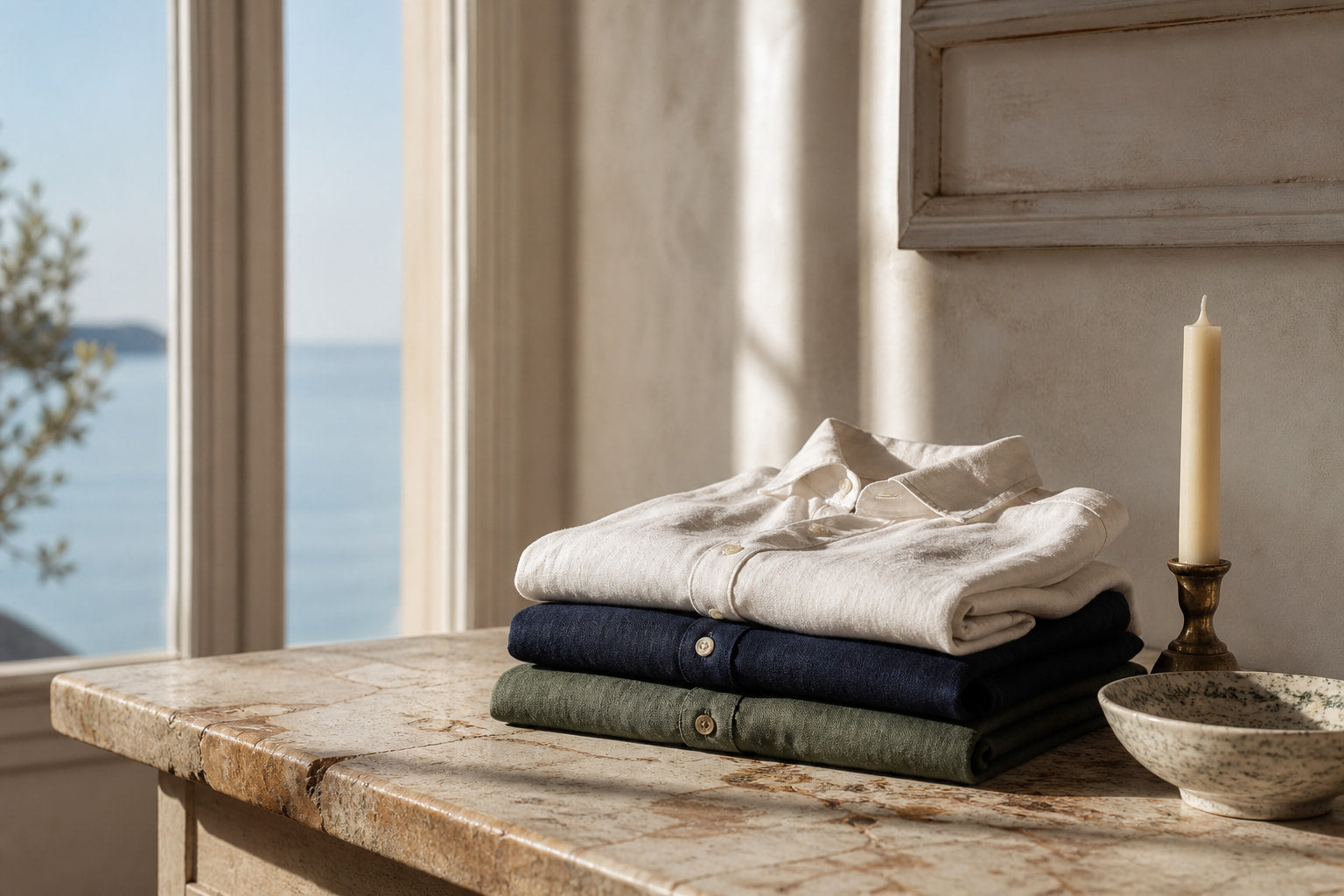
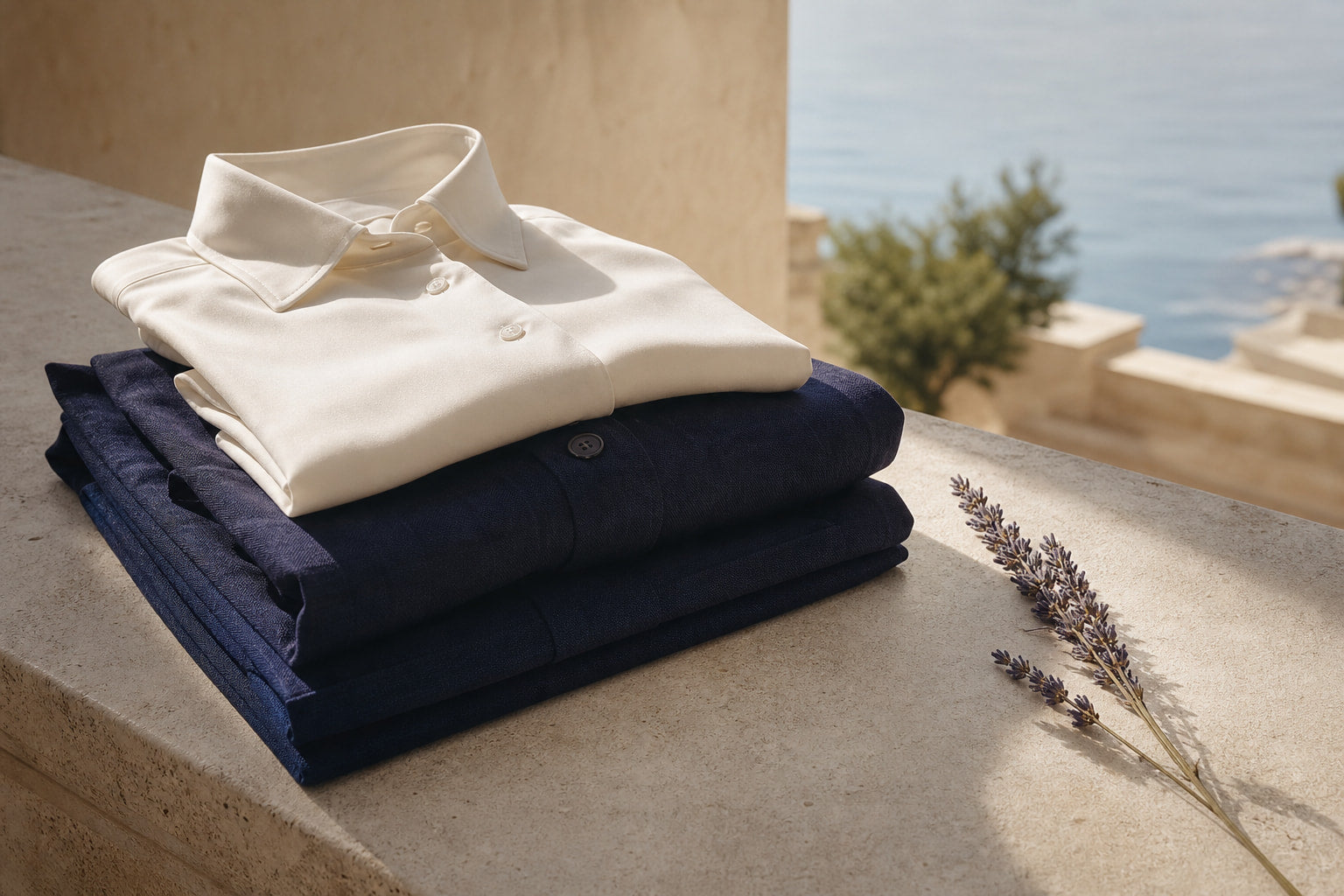
A shirt like the fine white linen shirt or the navy blue fine linen shirt is built on high thread-count fabric with a cut that works for a decade without looking dated. At $129, worn 15 times per summer over four summers, that is under $2.15 per wear.
For trousers, the same logic applies. The Paris linen trousers at $105 are cut in a straight, slightly tapered line that works equally well with a casual shirt or a lightweight blazer. They will not look different in 2028 than they do today, which is the whole point.
Browse the full linen shirts collection to see how a small number of quality pieces covers most warm-weather occasions without repetition.
Expert insightStore linen folded rather than hung to prevent shoulder distortion, and iron it while still slightly damp. Properly cared for, a quality linen shirt should outlast five or six fast-fashion alternatives bought over the same period.

Cashmere: Where the Price Gap Is Most Misunderstood
Cashmere is the category where people most often talk themselves out of a good decision. The sticker price looks alarming compared to a $40 acrylic-blend jumper, but the comparison is not really between two sweaters. It is between one sweater and eight replacements.
Genuine cashmere, sourced from the undercoat of Capra hircus goats and properly finished, does not pill in the way blended alternatives do. A two-ply cashmere sweater with a tight knit structure will maintain its shape and surface for a decade with basic care: hand washing in cool water, flat drying, and cedar storage in summer. An acrylic or low-grade wool blend begins to bobble after three or four washes.
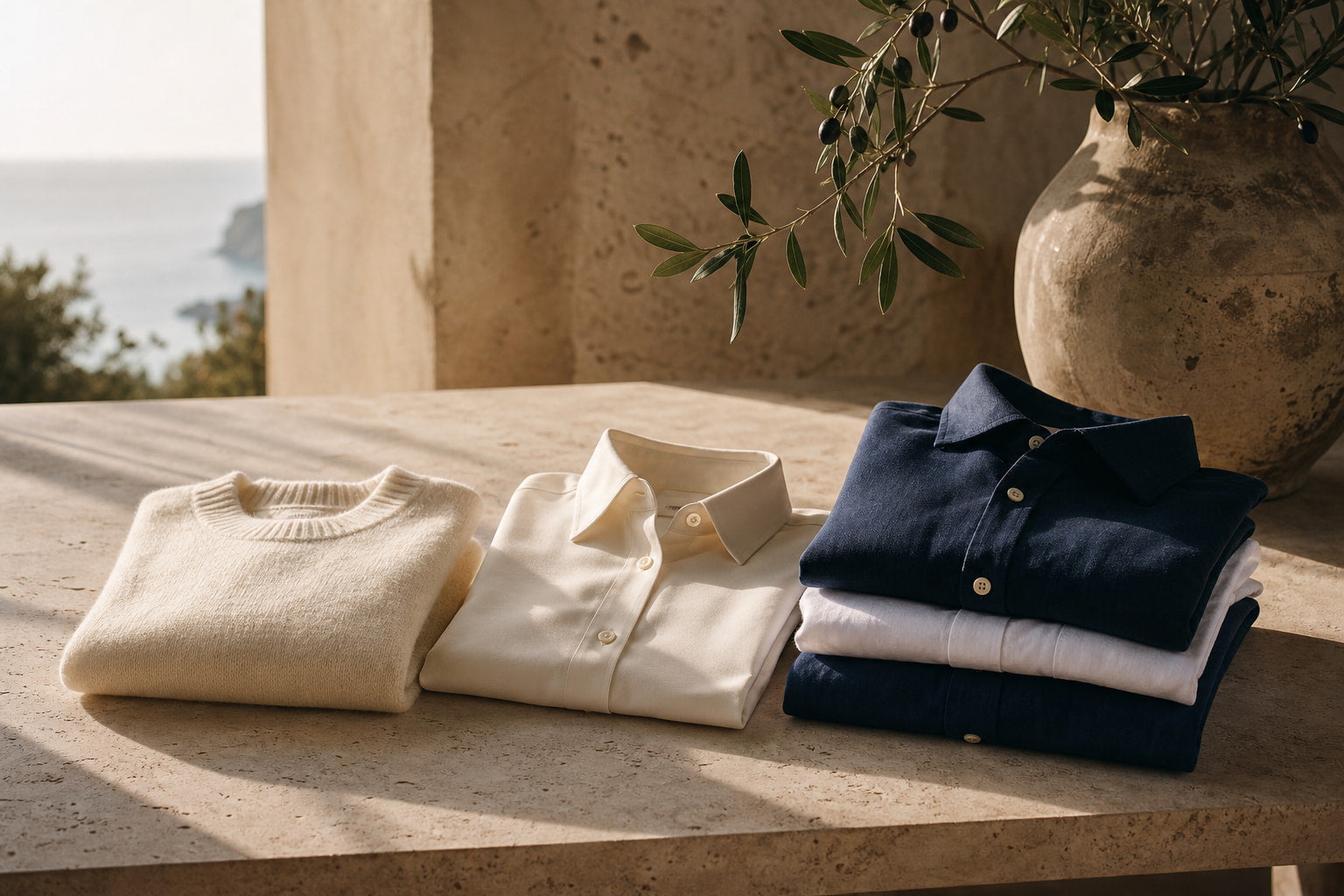
The cashmere turtleneck sweater at $149 is the kind of piece that sits in a wardrobe for years. A plain, well-proportioned turtleneck in a neutral tone works under a coat, over a shirt, or as a standalone layer. It does not belong to a trend. Compare that to a $45 fast-fashion alternative that needs replacing every winter, and over five years the cashmere costs less in total.
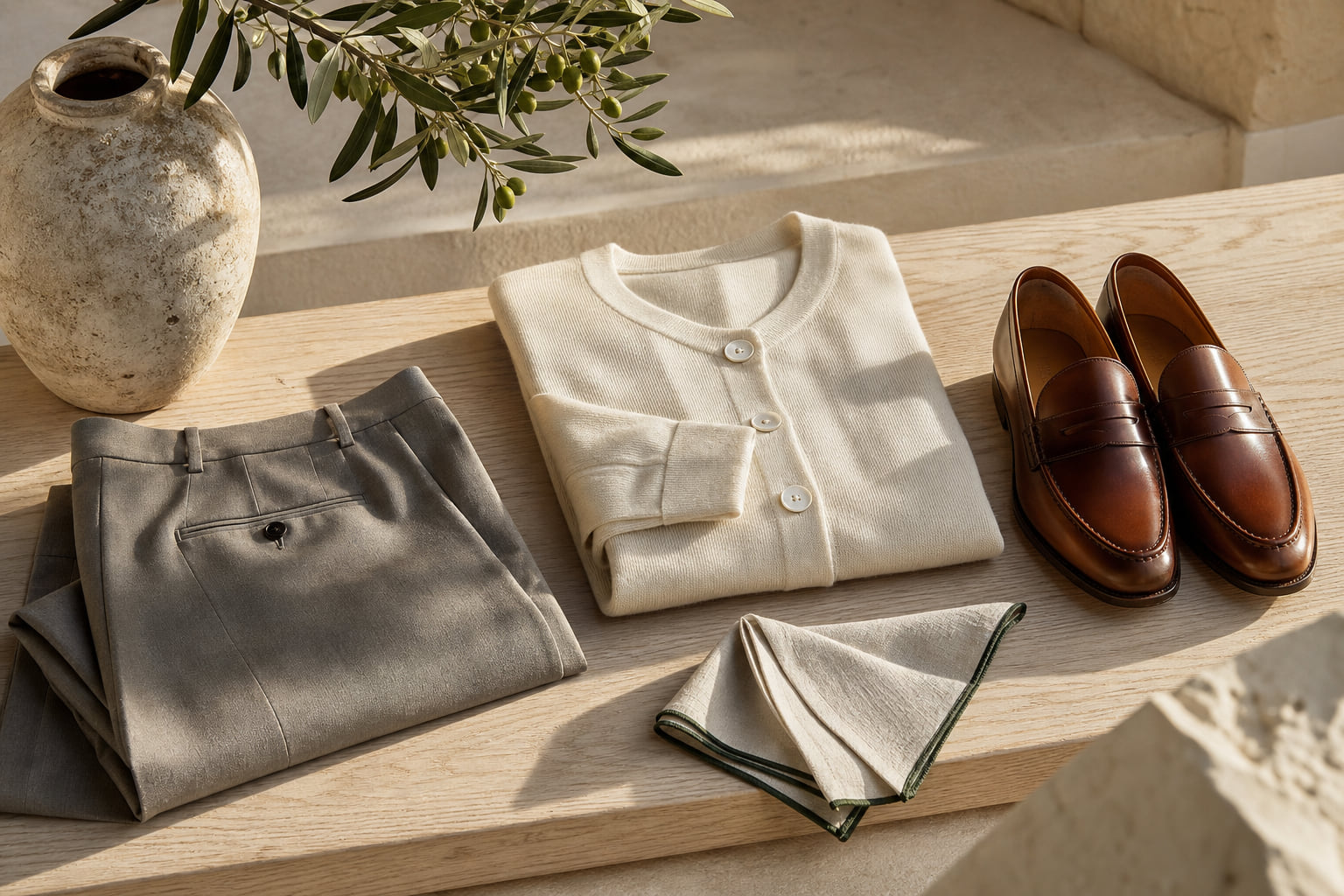
For a complete outfit built on the same principle, the cashmere set sweater and trousers offers coordinated pieces designed to be worn together or separately, which multiplies the cost-per-wear calculation further.
The full cashmere collection is worth reviewing if you are building a cooler-weather wardrobe with longevity in mind. For more on which specific pieces deliver the best return, the best fashion investment pieces for 2026 breaks it down by category.
Expert insightPilling on a cashmere sweater is not a sign of poor quality on its own. It is caused by friction and is easily removed with a cashmere comb. The real test of quality is whether the knit holds its structure and weight after repeated washing.

Leather: The One Category Where Fast Fashion Simply Cannot Compete
Leather goods are where the investment case becomes almost unanswerable. Full-grain leather, the top layer of the hide with its natural grain intact, develops a patina over years of wear that makes it more attractive over time, not less. It is one of very few materials in fashion that genuinely improves with age.
Fast fashion leather is almost always bonded leather or PU: a backing material coated with a thin polyurethane film. It looks reasonable in the first season. By the second, it peels, cracks, and flakes. There is no repair possible. The piece goes to landfill.
Full-grain leather shoes worn regularly and polished every few weeks last 10 to 20 years. The British style Chelsea boots in genuine leather at $119 are a practical example. A classic Chelsea silhouette does not date, the leather takes polish well, and the construction allows for resoling if needed. Over a decade of regular wear, the cost-per-wear approaches negligible.
For warmer months, the Ibiza leather sandals at $129 follow the same principle: vegetable-tanned leather that moulds to the foot over time and holds its shape season after season.
Leather care is simple but non-negotiable. A conditioning cream applied every few months, cedar shoe trees between wears, and storage away from direct heat are the only requirements. The minimalist luxury wardrobe essentials guide covers leather care alongside the broader logic of a quality-first wardrobe.

The Hidden Costs Fast Fashion Never Shows You
The price tag comparison between fast fashion and investment pieces ignores several real costs that accumulate on the cheap side of the ledger.
Replacement frequency is the most obvious. A $35 shirt replaced every 18 months costs $140 over six years. A $129 shirt that lasts the same six years costs $129. But the hidden costs go further.
- Time spent shopping. Replacing worn-out pieces requires returning to shops or scrolling through sites repeatedly. A wardrobe built on durable pieces needs far fewer replacements and less ongoing attention.
- Dry-cleaning costs on poorly constructed garments. Cheap fabrics often require professional cleaning because home washing accelerates deterioration. Quality linen and cashmere, properly constructed, can both be hand-washed at home.
- Fit alterations on throwaway pieces. Spending $30 on tailoring to improve a $40 shirt is poor economics. The same $30 alteration on a $129 shirt that will last six years is a sound investment.
- The psychological cost of wearing things you do not trust. This is harder to quantify but real. A wardrobe of pieces you know are well-made and well-fitting requires fewer decisions and less daily friction.
The smart elegant wardrobe checklist is a useful tool for auditing an existing wardrobe and identifying where replacements would pay back quickly. The essential old money outfit ideas article also demonstrates how a small number of quality pieces covers far more outfit territory than a large collection of mediocre ones.
As Business of Fashion has reported, the average garment in a Western wardrobe is worn fewer than 10 times before disposal. That statistic reframes the entire debate: the cheap option is only cheap if you actually wear it.

Building the Case for Three Key Pieces Right Now
The practical question is where to start if you are moving from a volume-based wardrobe to a quality-based one. The answer is not to overhaul everything at once. It is to identify the three or four categories where you replace items most often, and replace the next one with something that will last.
For most people, the highest-frequency replacements fall into shirts, knitwear, and footwear. Those are exactly the three categories where the investment case is strongest.
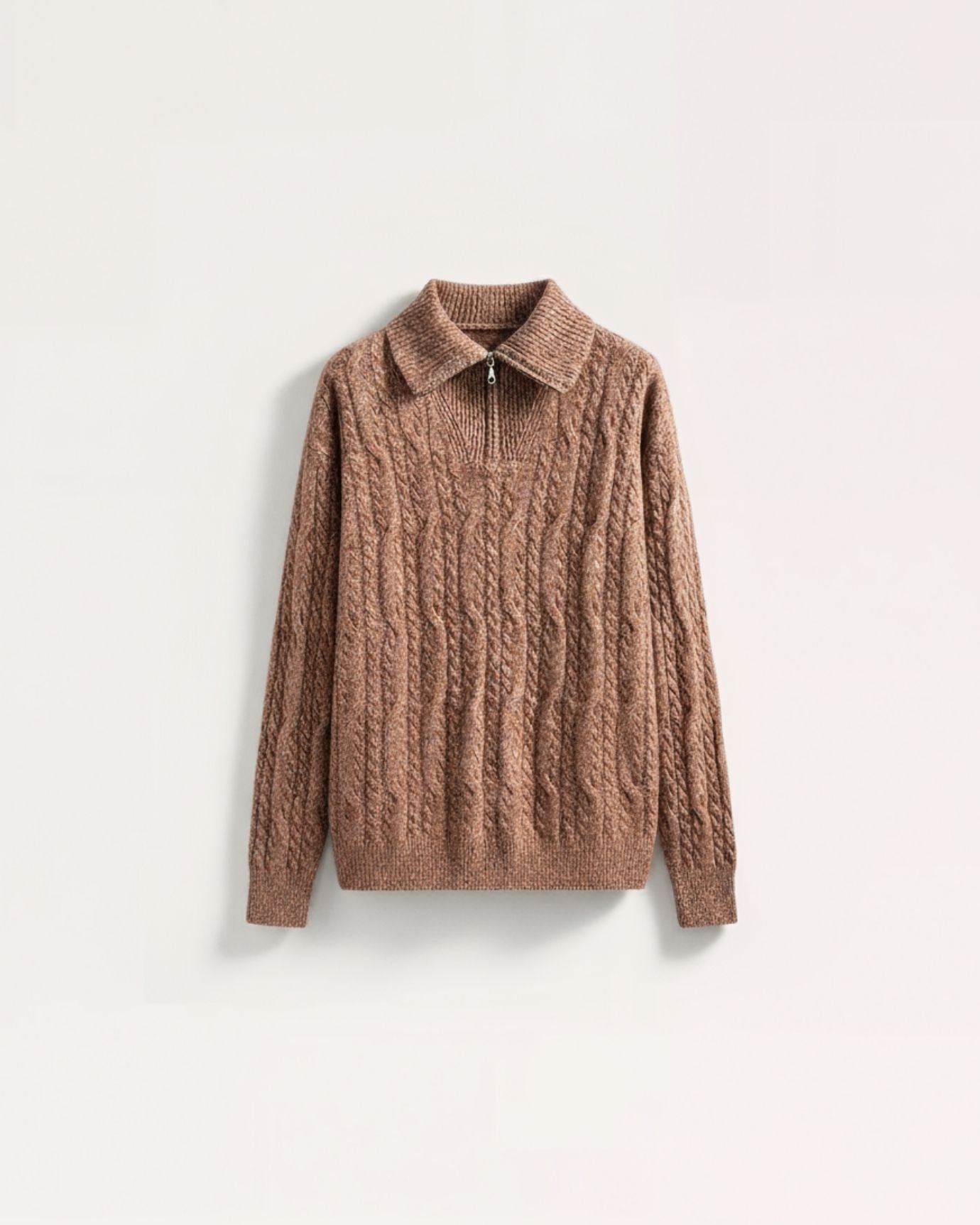
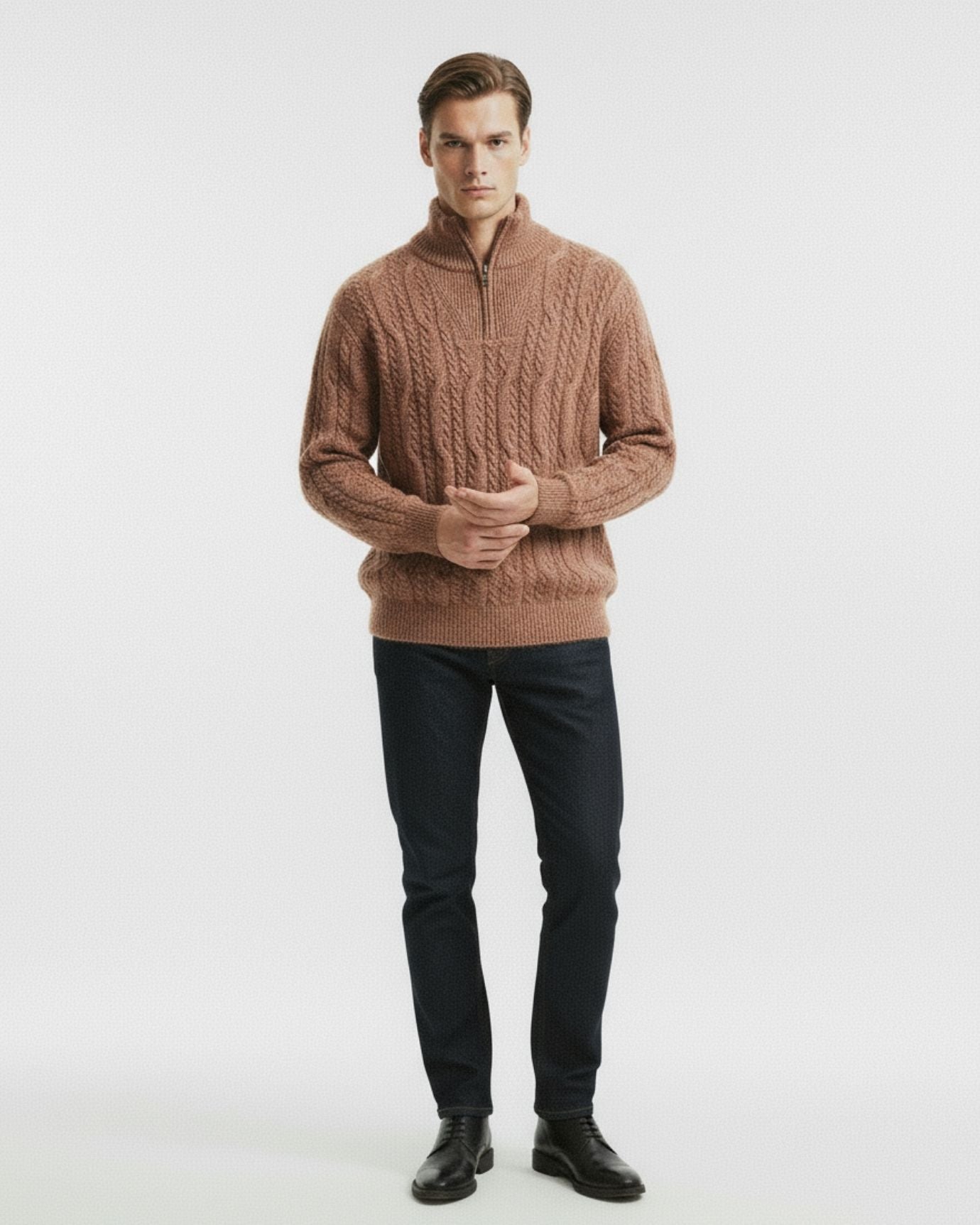
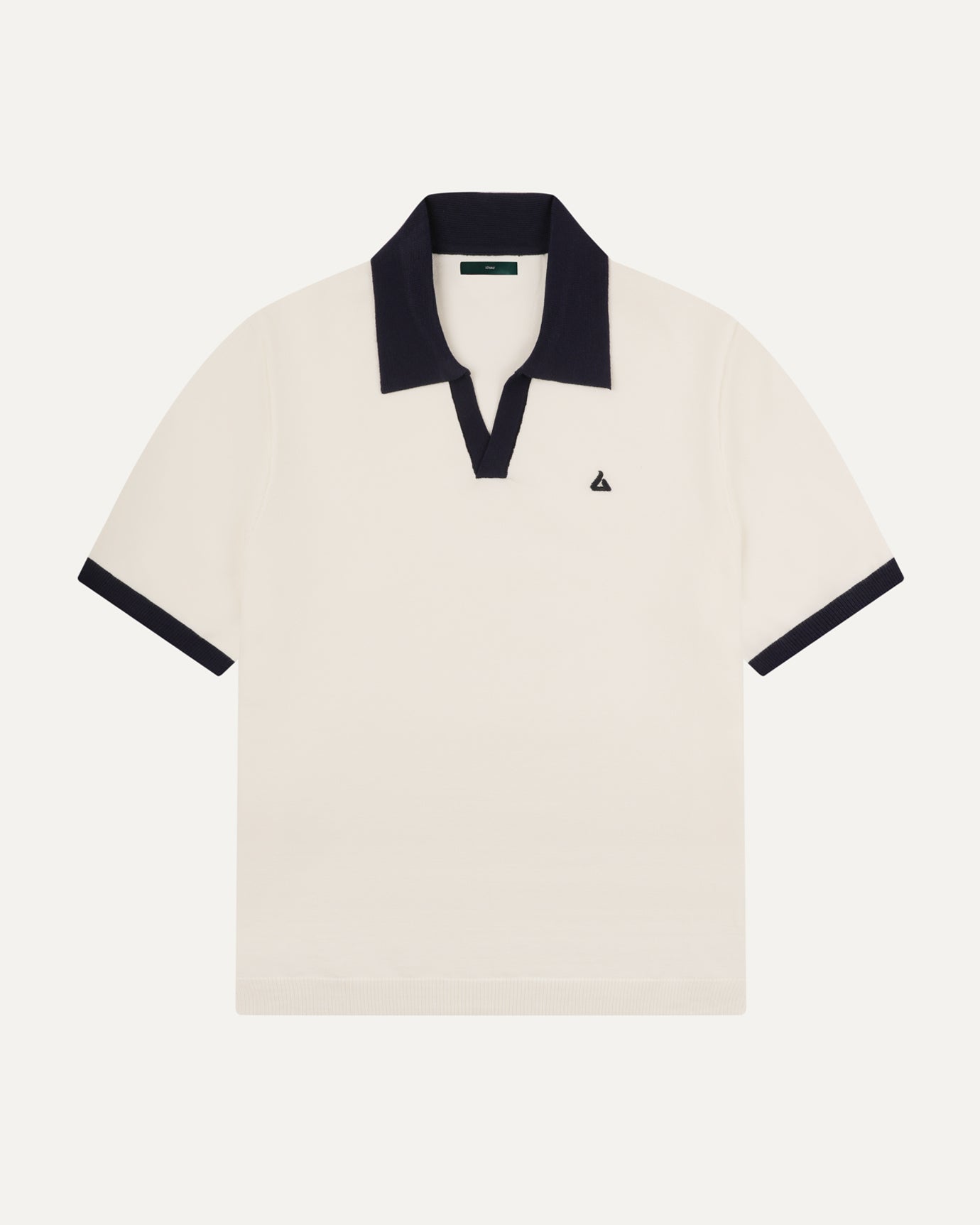
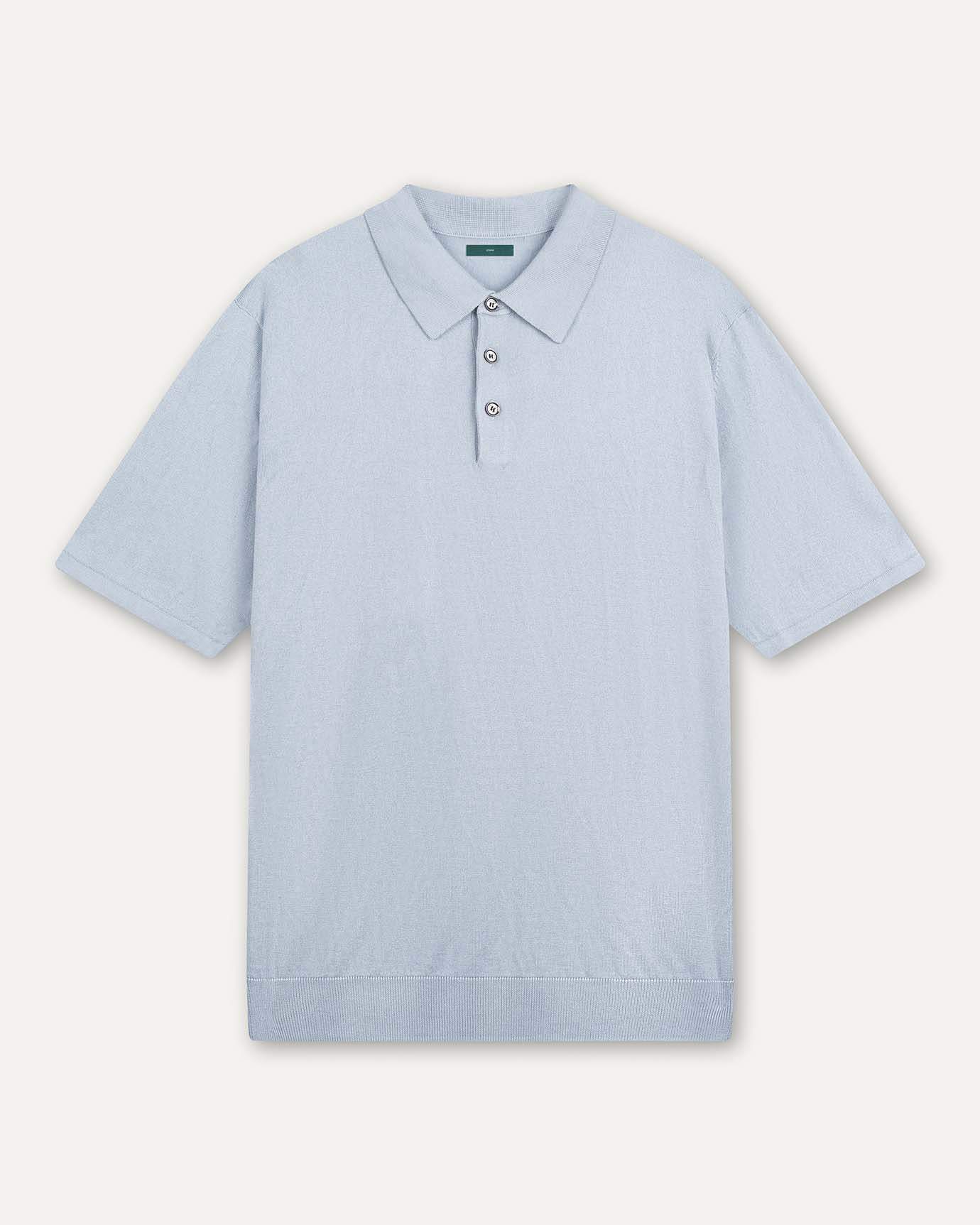
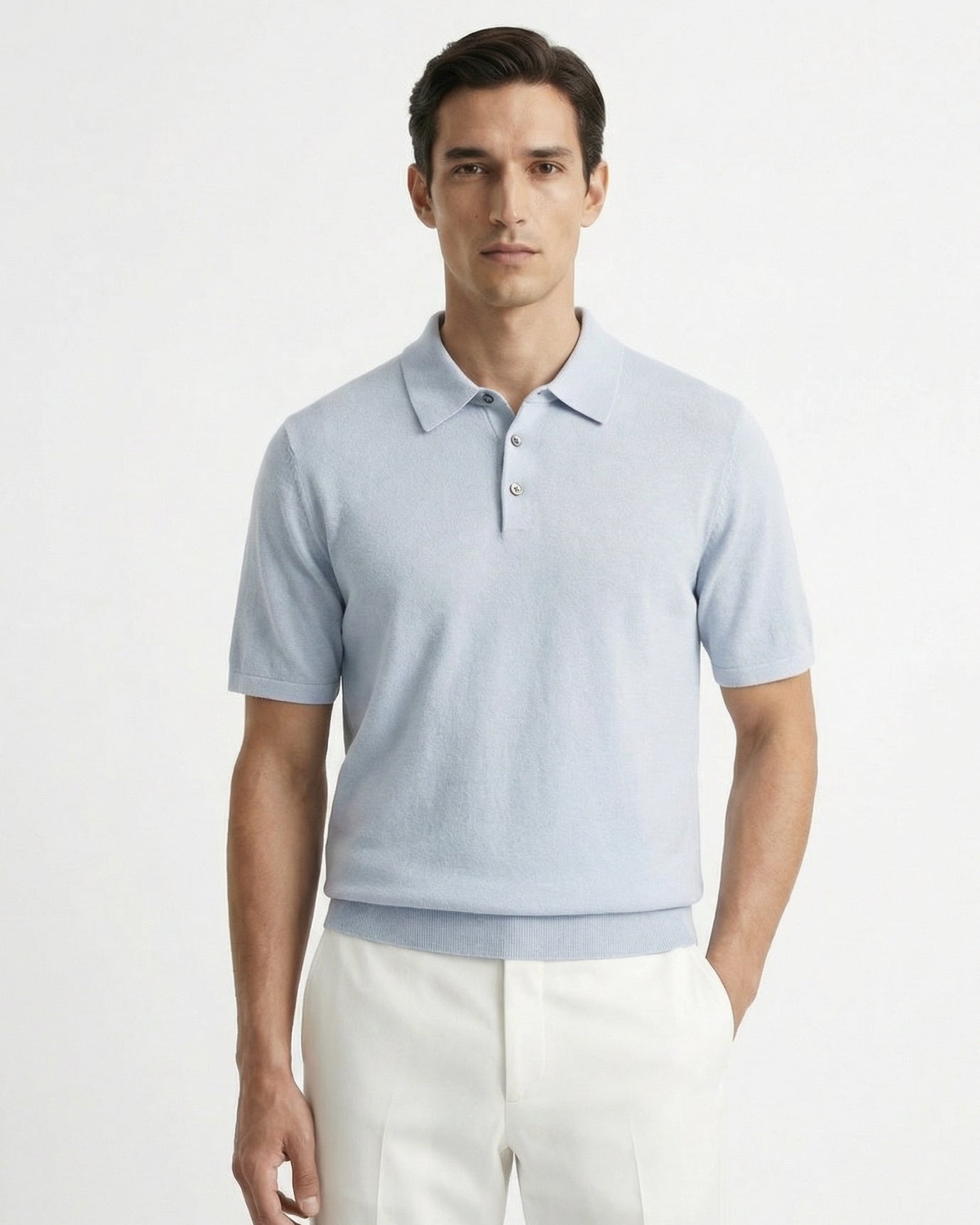
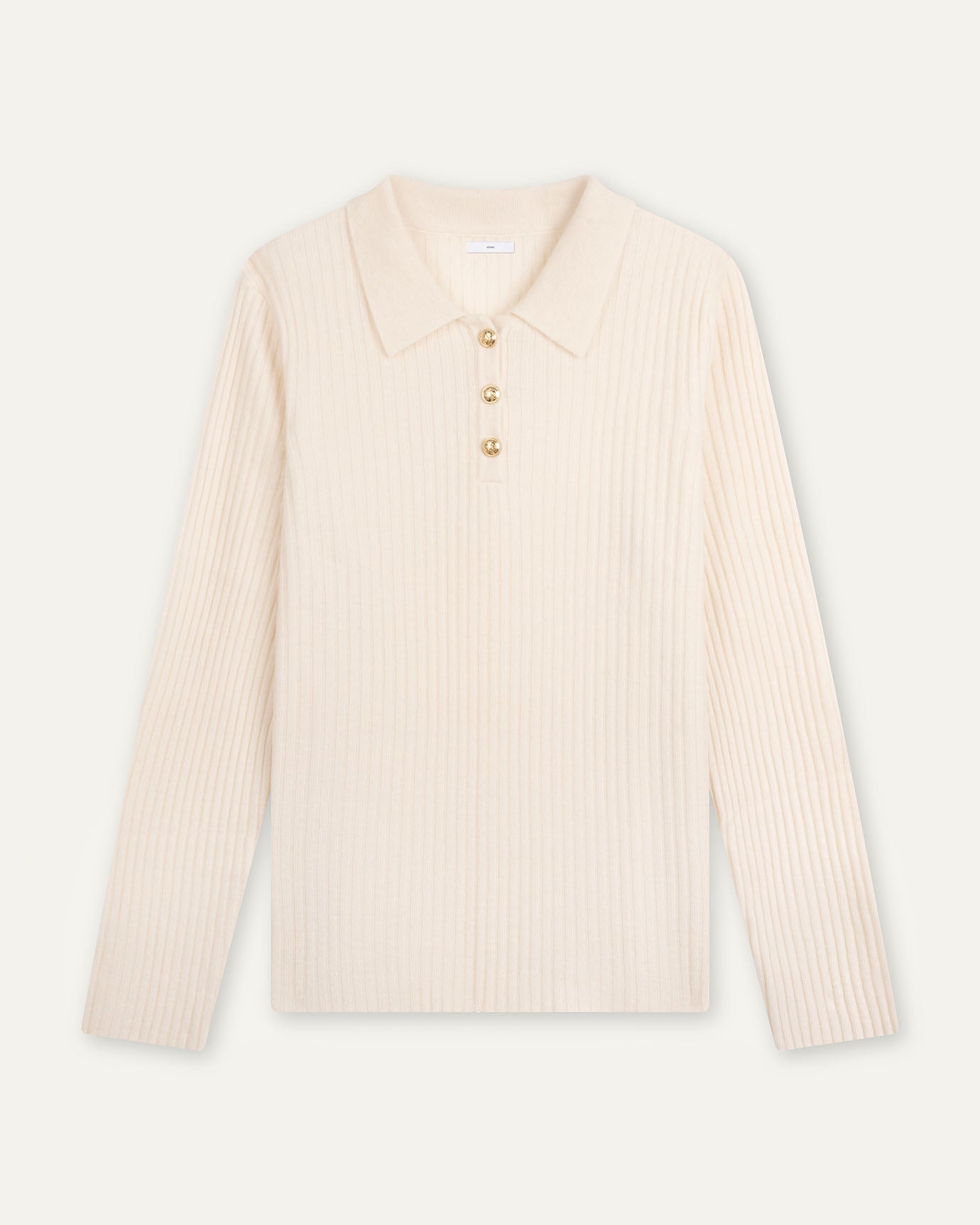
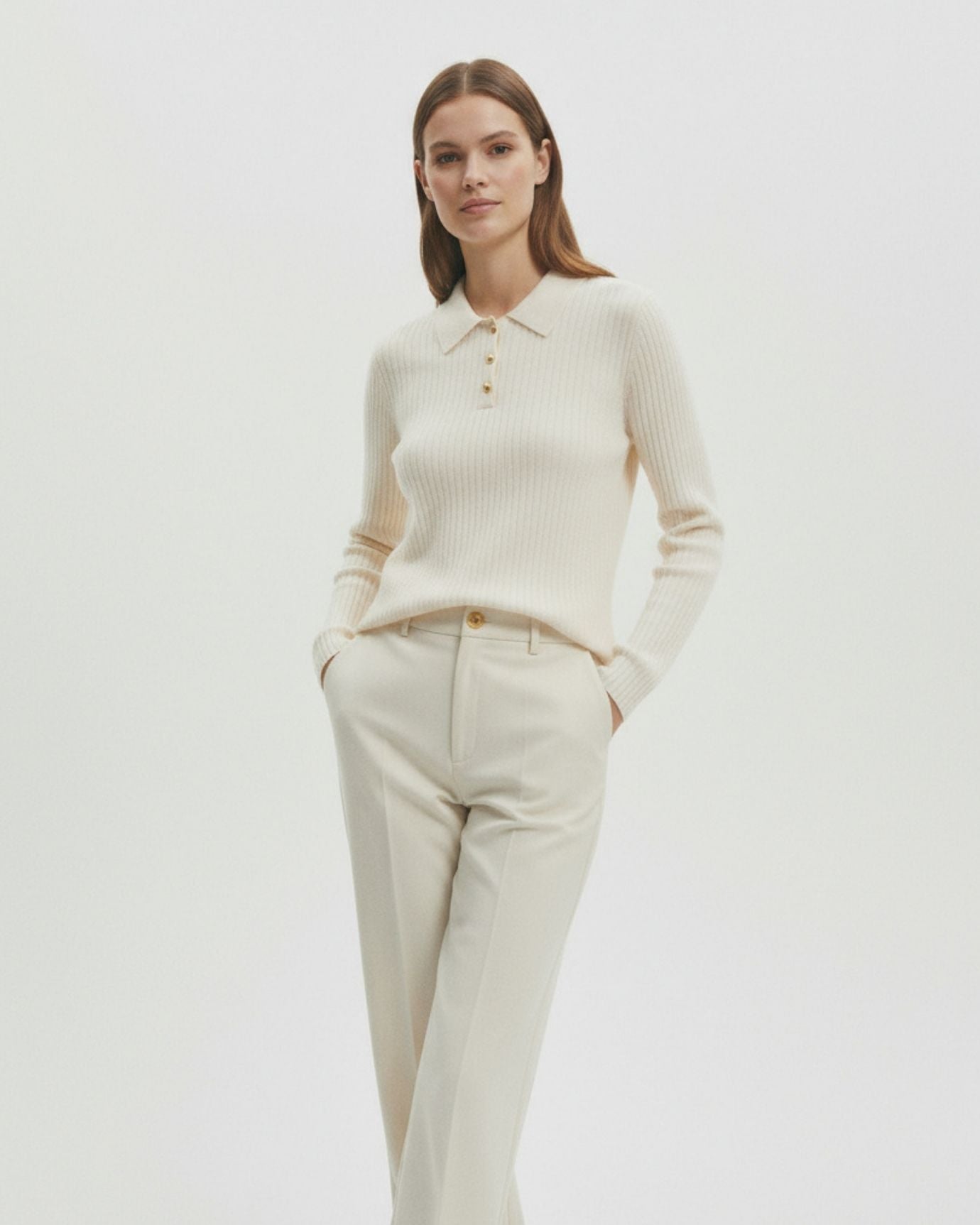
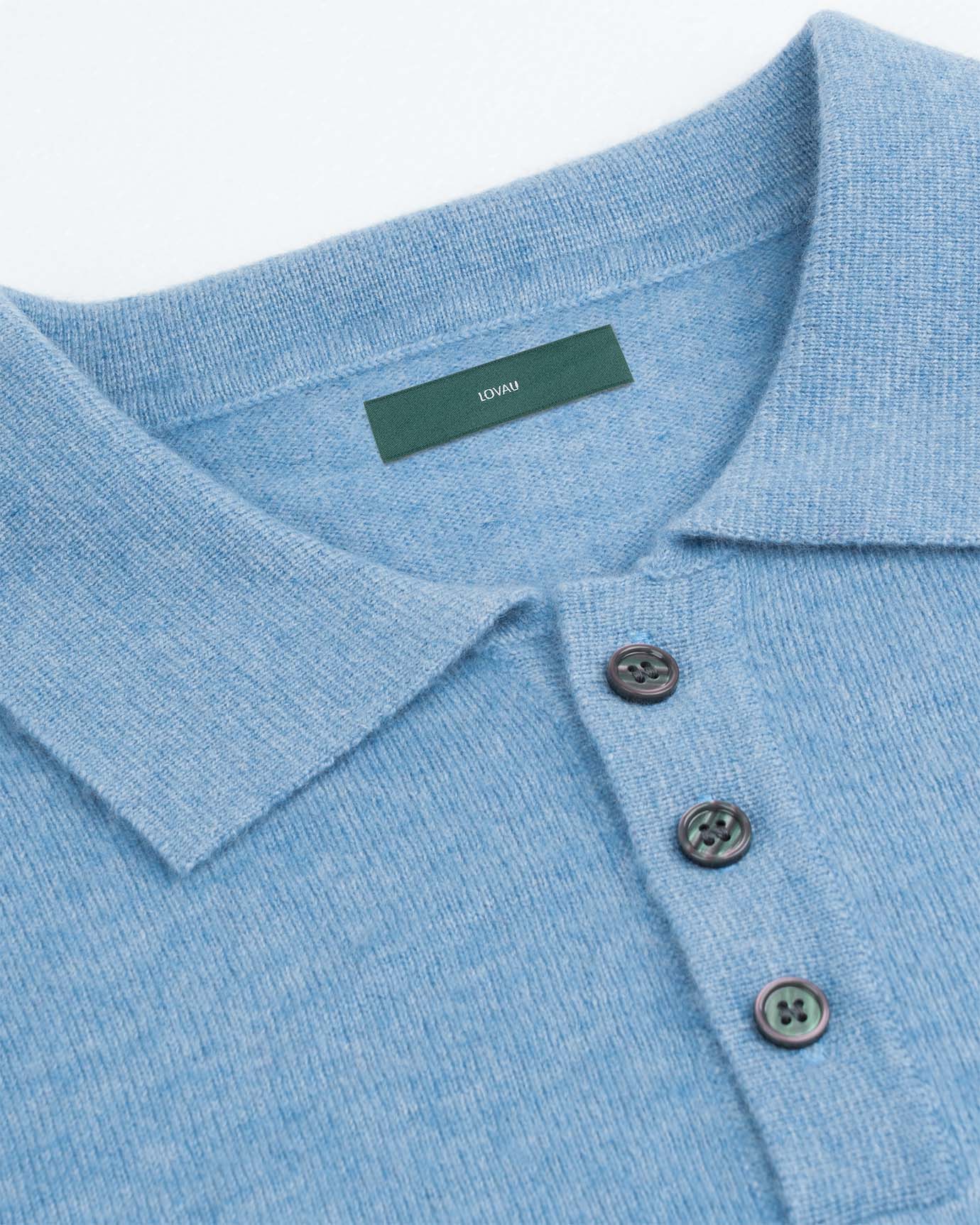
A single high count fine linen shirt in a versatile colour covers more occasions than three cheap alternatives and costs less per wear within two summers. A cashmere wool polo at $159 replaces the cycle of cotton-blend polos that lose their shape after a few washes. A pair of soft leather mules at $149 will outlast four or five synthetic alternatives while looking considerably better throughout.
The best sellers collection is a reasonable place to start identifying which pieces have proven their longevity in practice. These are not trend-driven items. They are pieces that sell consistently because they work consistently.
If you want a fuller picture of how to build this kind of wardrobe deliberately, the timeless summer outfit ideas article shows how a handful of quality warm-weather pieces combine to cover a full season without repetition.

| Category | Fast Fashion Price | Wears Before Replacement | Cost Per Wear | Investment Piece Price | Wears Over 5 Years | Cost Per Wear |
|---|---|---|---|---|---|---|
| Linen shirt | $35 | 12 to 15 | $2.50 to $2.90 | $129 | 80 to 100 | $1.29 to $1.61 |
| Cashmere sweater | $45 | 20 to 25 | $1.80 to $2.25 | $149 | 120 to 150 | $0.99 to $1.24 |
| Leather shoes | $65 | 30 to 40 | $1.63 to $2.17 | $129 to $149 | 250 to 400 | $0.37 to $0.60 |
| Linen trousers | $40 | 15 to 20 | $2.00 to $2.67 | $105 | 70 to 90 | $1.17 to $1.50 |
| Knit polo | $38 | 18 to 22 | $1.73 to $2.11 | $159 | 100 to 130 | $1.22 to $1.59 |
Frequently asked questions
How many wears does a quality linen shirt need to justify its price over a fast-fashion alternative?
If a fast-fashion linen shirt costs $35 and a quality one costs $129, the quality shirt needs to be worn roughly 37 times more than the cheap one to break even on cost-per-wear, assuming the cheap shirt lasts 12 wears. In practice, a well-made high count linen shirt worn through two or three summers easily clears that threshold.
Is cashmere actually worth the price, or is it just a status purchase?
Cashmere is worth the price specifically when it is genuine two-ply or heavier cashmere, not a cashmere-blend marketed to look premium. The practical difference is longevity: a real cashmere piece, properly cared for, holds its structure and softness for a decade. A blend degrades within two or three seasons. The cost argument is straightforward once you factor in replacement frequency.
Can you really tell the difference between quality leather and bonded leather after one season?
Usually yes. Bonded leather, which is the material used in most fast-fashion footwear, begins to show surface cracking and peeling within 12 to 18 months of regular wear. Full-grain leather develops a patina and moulds to the foot. The surface difference is visible by the end of the first year, and by the second year the bonded leather is typically unwearable.
Where should someone start if they want to shift from fast fashion to investment pieces without spending a lot at once?
Start with whichever single category you replace most often. For most people that is either shirts or footwear. Replace the next item you would have bought cheaply with one quality piece instead, and track how long it lasts. The smart elegant wardrobe checklist is a practical tool for identifying the highest-priority replacements in your current wardrobe.
The case against investment pieces rests almost entirely on sticker price, and sticker price is the least useful number in the whole transaction. Once you apply cost-per-wear honestly, and factor in replacement frequency, care requirements, and the time spent shopping again, the cheap option is rarely cheap. The three categories where this is most demonstrable, linen, cashmere, and leather, are also the three where quality is most identifiable and most durable. Start with one piece, track it over two seasons, and the maths will make the argument better than any article can. For a clear view of which specific pieces deliver the strongest return right now, the best fashion investment pieces for 2026 is the logical next read.