


How to Spot High-Quality Tailoring Before You Buy
Reading time 15 min • 3082 words
There is a particular frustration in buying a jacket or a pair of trousers that looked sharp in the store, only to find the shoulders twisting after three wears and a seam unravelling by month two. Quality tailoring does not always announce itself with a high price tag, and a high price tag does not always mean quality tailoring. The two are related, but the relationship is not automatic.
Learning to read a garment before you buy it is one of the most practical skills in building a wardrobe that lasts. It costs nothing except a few minutes and a willingness to look closely. The markers are consistent across categories: a well-constructed linen shirt, a pair of worsted wool trousers, a structured blazer. Once you know what to look for, you see it everywhere.
This guide covers the specific physical details that separate a garment built to last from one built to a price point. We will move from fabric to construction to fit, so you can apply these checks in a store, at a market, or when shopping online using detailed product photography.
Key takeaways
- Check stitch density: quality construction uses 12 to 16 stitches per inch, not 8 or fewer.
- Turn the garment inside out before buying and inspect seam allowances and finishing.
- Fabric weight and hand-feel are reliable indicators: quality cloth has substance and drapes without pulling.
- Pattern matching at seams, especially on stripes and checks, is a reliable sign of careful cutting.
- Buttons made from corozo, horn, or mother-of-pearl signal a maker who cares about every detail.
In this guide
- Start With the Fabric: Weight, Hand, and Fiber Honesty
- Construction Details: Where Quality Actually Lives
- Pattern Matching and Cutting: The Marks of a Careful Maker
- Buttons, Buttonholes, and Hardware: Small Details with Large Implications
- Fit Architecture: How a Well-Cut Garment Actually Sits on the Body
- Building a Wardrobe on These Principles
- Frequently asked questions
Start With the Fabric: Weight, Hand, and Fiber Honesty
Before you look at a single seam, hold the fabric. Quality cloth has what tailors call hand: a combination of weight, drape, and texture that communicates its fiber content and construction. Thin, papery fabric that crumples immediately when bunched in your fist is almost always a sign of low thread count or a synthetic blend marketed as something better.
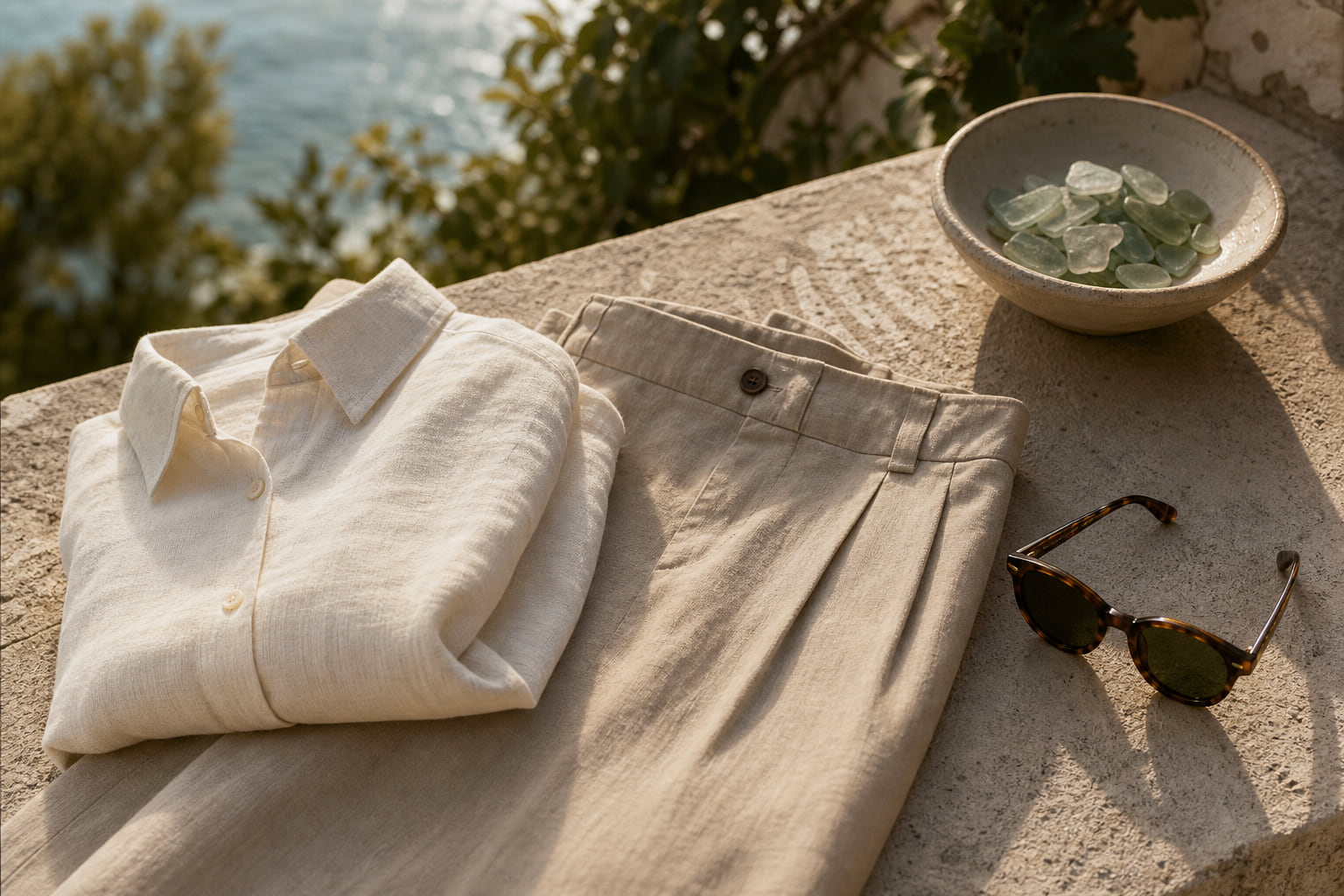
For shirting, the thread count matters directly. A high-count cotton or linen shirt, woven with a finer, tighter weave, will feel smooth and dense without being stiff. It will release wrinkles more readily and resist pilling far longer than a loose-weave equivalent. A fine linen shirt made from long-staple linen fibers, for instance, will feel noticeably heavier per square centimeter than a lower-grade linen, and will soften gracefully with washing rather than degrading.
For trousers and tailored separates, worsted wool is the benchmark fabric for structured pieces. Worsted yarns are combed so the fibers align parallel, producing a smooth, tight surface with a natural sheen. A worsted wool trouser holds its crease, resists abrasion, and breathes. Loosely spun woolen fabrics, by contrast, pill quickly and lose their shape at the knee and seat within a season. You can often distinguish them by pulling the fabric gently: quality worsted has minimal stretch on the bias and springs back cleanly.
For cotton basics, mercerization is a finishing process that treats cotton yarn under tension with sodium hydroxide, permanently straightening the fibers and producing a smooth, lustrous surface that takes dye more evenly and resists shrinking. A mercerized cotton t-shirt will have a subtle, natural sheen and feel noticeably denser than standard jersey. According to Encyclopaedia Britannica, mercerization also increases the tensile strength of cotton by approximately 20 percent, which directly translates to longer garment life.
Always read fiber content labels skeptically. "Viscose" and "polyester" are not inherently inferior fibers, but they are frequently used to simulate the appearance of silk or wool at a fraction of the cost, and they behave very differently in wear and care. If a label says "wool-feel" rather than "wool," that is the answer.
Expert insightHold the fabric up to a light source. In a tightly woven quality cloth, you will see an even, consistent weave structure. In a loosely constructed fabric, the light passes through unevenly, and you can often see the individual threads shifting. This thirty-second check has saved many buyers from a poor investment.

Construction Details: Where Quality Actually Lives
The interior of a garment tells you more than the exterior. Turn the piece inside out before you decide anything. What you are looking for is evidence that the maker expected this garment to be worn repeatedly, washed, and stressed.
Seam allowances should be generous: at least 1.5 centimeters on a quality garment, ideally 2 centimeters or more on structured pieces. Narrow seam allowances mean the garment cannot be let out for fit adjustments, and they are also more likely to fray and pull apart under stress. In fast fashion, seam allowances are often cut to 6 or 7 millimeters to save fabric.
Seam finishing is equally important. Look for clean, enclosed seams, flat-felled seams (where both raw edges are folded under and stitched down flat, as seen on quality denim and dress shirts), or neatly overlocked edges with no loose threads. A raw, unfinished seam edge is a cost-cutting measure, not a design choice.
Stitch density is measurable. Count the stitches per inch along a seam. Quality construction sits between 12 and 16 stitches per inch. Below 10, seams are structurally weaker and more prone to splitting. You can check this quickly by laying the seam flat and counting with your fingernail.
For tailored trousers, examine the waistband. A quality waistband is interfaced with a firm woven interlining, not a fusible adhesive. You can feel the difference: a properly interfaced waistband is firm but flexible and will not bubble or separate from the outer fabric after washing. Fused interlinings, common in lower-cost production, frequently delaminate and create a bubbled, stiff appearance that cannot be repaired.
On jackets and structured coats, press the chest and lapel area between your fingers. A quality chest piece uses a floating canvas construction, a layer of horsehair canvas that is hand-stitched to the jacket front and molds to the wearer's body over time. A fused chest, by contrast, uses a bonded interlining glued to the outer fabric. Fused construction feels stiffer and more uniform, and it will eventually bubble and separate, particularly after dry cleaning.
Expert insightPress the lapel of any jacket between your thumb and forefinger and roll it gently. A canvas chest piece will feel slightly layered and supple, almost alive. A fused front feels like a single stiff sheet. This one test is the fastest way to separate a genuine tailored jacket from an imitation.

Pattern Matching and Cutting: The Marks of a Careful Maker
One of the clearest visual indicators of quality construction is pattern matching: whether stripes, checks, or woven motifs align correctly across seams, pockets, and collar joins. Matching patterns requires more precise cutting and more fabric, which is why it is routinely skipped in mass production.
On a striped shirt, the stripes should meet cleanly at the side seams and continue without interruption across the pocket if one is present. On a checked blazer or trouser, the check should align at the side seams, the back seam, and ideally at the sleeve head. On the Naples striped high-waisted trousers, look at the side seam: the stripe should run continuously from waistband to hem without stepping to one side at the seam line. If it does not match, the cutting was careless or the fabric allowance was too tight.
Beyond pattern matching, look at the overall symmetry of cut. Lay a shirt flat on a surface. The collar points should be identical in length and shape. The placket should be perfectly centered. The two sides of a trouser waistband should be even. These are basic quality controls that any careful manufacturer applies as standard, and their absence is a reliable signal of rushed production.
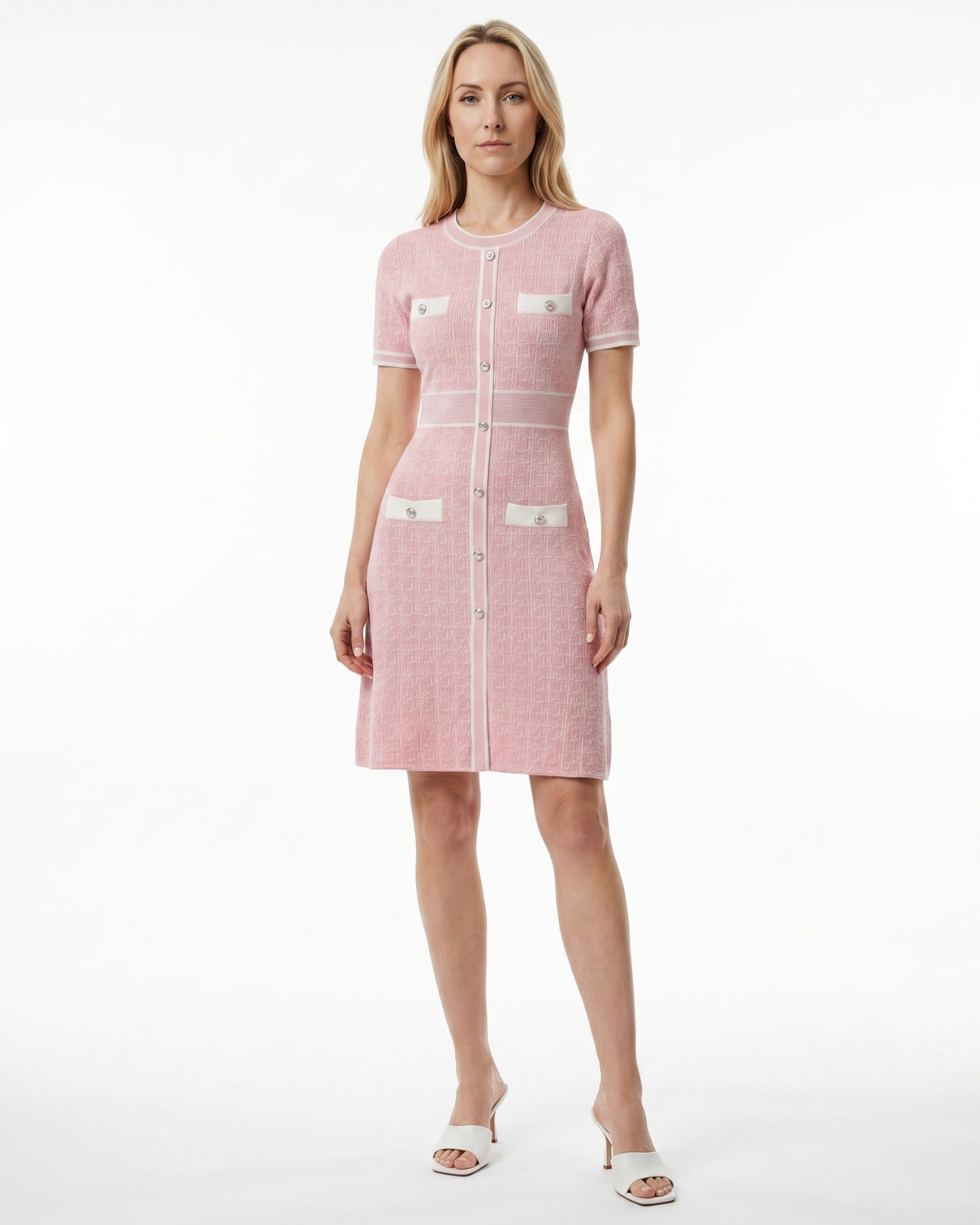
For women's pieces, the same principles apply. A high-waisted pleated dress should have pleats that are evenly spaced and pressed to a consistent depth. The contrast collar should sit flat and symmetrically, with mitered corners rather than rounded or puckered ones. These details cost time, and time costs money, which is why they distinguish a considered piece from a disposable one.

Buttons, Buttonholes, and Hardware: Small Details with Large Implications
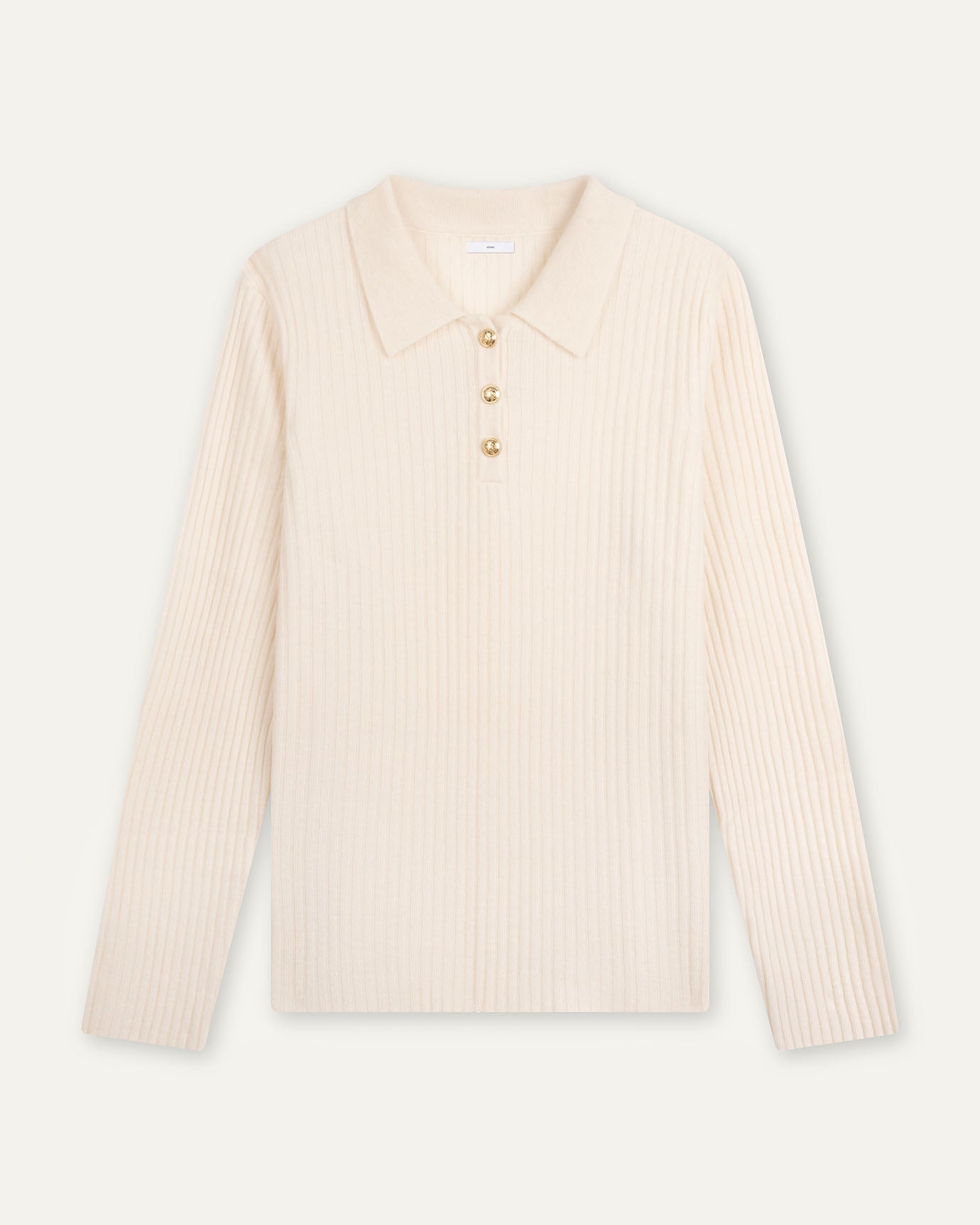
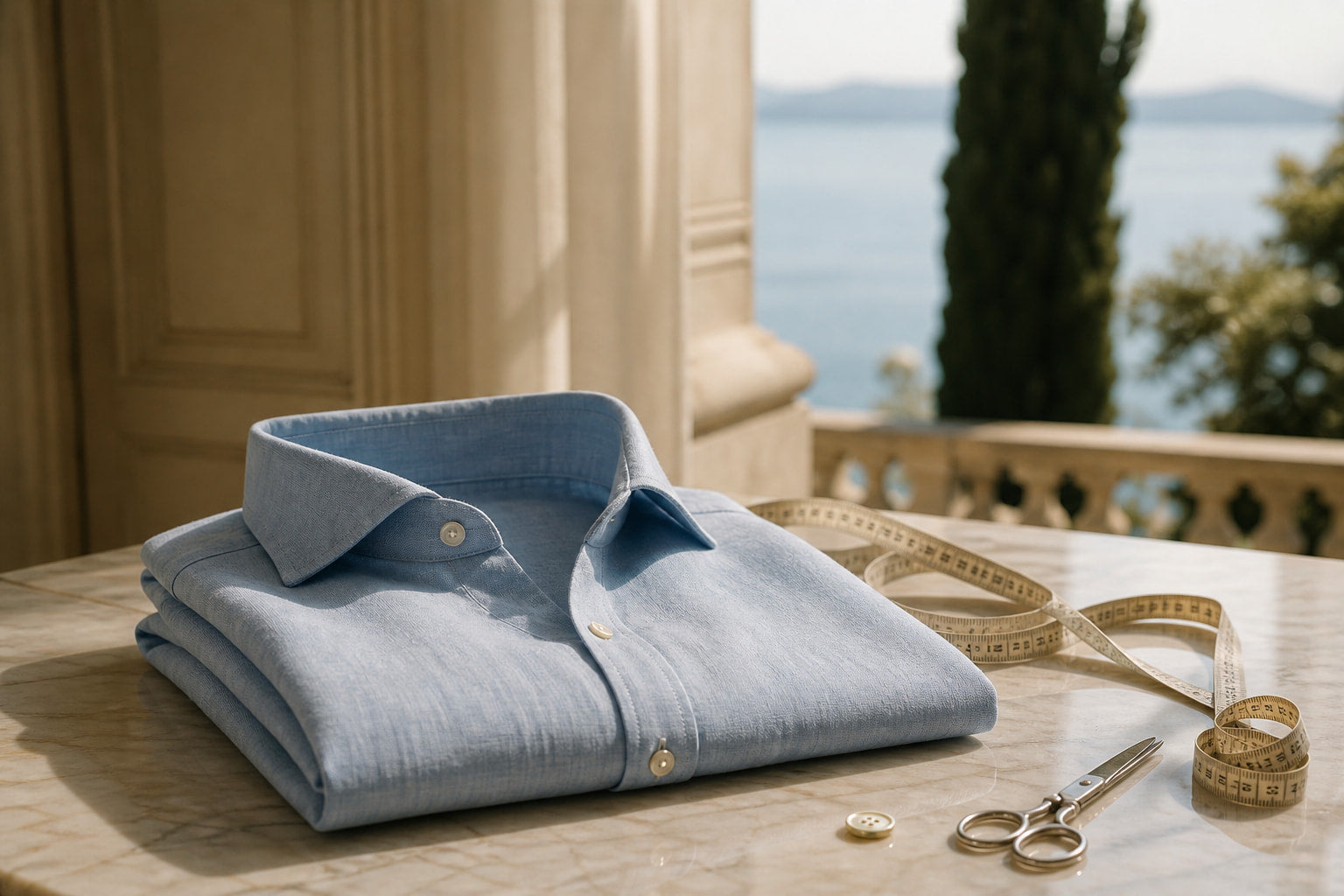
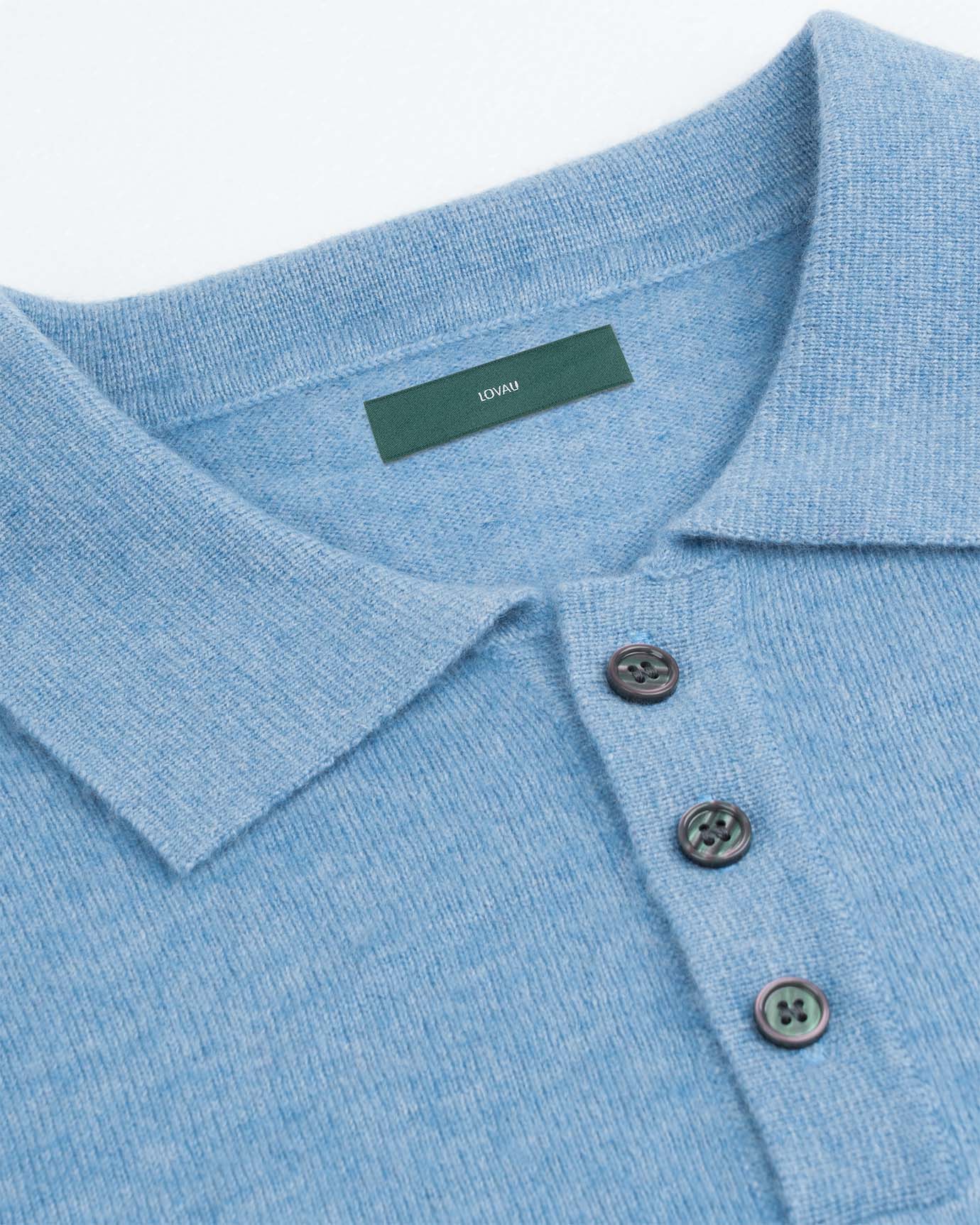
Buttons are one of the most frequently overlooked quality indicators, and one of the most revealing. Corozo buttons, cut from the tagua nut, have a slightly matte, organic surface and a density that plastic cannot replicate. Horn buttons, used on quality blazers and coats, have natural variation in tone and a warm, slightly translucent depth. Mother-of-pearl buttons, standard on fine dress shirts, have a visible iridescence and a cool, smooth surface. All three materials are more expensive than plastic and signal a maker who chose materials deliberately rather than by default.
Plastic buttons are not inherently a disqualifier on casual pieces, but they should be thick, well-finished, and firmly attached. Thin, lightweight plastic buttons with visible mold lines are a cost-cutting detail.
Buttonholes are equally diagnostic. On a quality shirt or jacket, buttonholes are tightly worked, with no loose threads, no fraying at the edges, and a clean bar tack at each end. A keyhole buttonhole, used on jacket sleeves and formal shirts, should have a clean round end that allows the button to sit without pulling the fabric. On the sleeve of a quality jacket, the buttons should be functional: the cuffs should actually unbutton. Decorative-only sleeve buttons that are simply sewn on without a working buttonhole are a standard shortcut in lower-tier production.
For accessories and footwear, the same logic applies to hardware. On genuine leather Chelsea boots, examine the elasticated side panels: quality elastic is thick, tightly woven, and maintains its tension after repeated stretching. Look at the welt, the strip of leather stitched between the upper and the sole. A Goodyear-welted or hand-stitched welt is visible as a neat row of stitching running around the perimeter of the sole, and it means the boots can be resoled. A cemented sole has no visible stitching and cannot be repaired once the adhesive fails.
Expert insightOn a jacket sleeve, try to unbutton the last button. If it opens, the maker invested in proper working buttonholes. If it is purely decorative, that single detail tells you a great deal about the shortcuts taken elsewhere in the construction.

Fit Architecture: How a Well-Cut Garment Actually Sits on the Body
Fit is the final and most visible quality marker, but it is also the most misunderstood. Many people confuse tightness with tailoring and looseness with poor fit. Neither is accurate. A well-cut garment is neither tight nor loose: it follows the body's geometry without restricting movement or creating excess fabric.
For trousers, the critical checkpoints are the seat, the thigh, and the break. The seat should have no horizontal pulling creases (too tight) and no vertical draping folds (too much fabric). The thigh should allow a full stride without the fabric pulling across the front. The break at the hem, the point where the trouser meets the shoe, should be intentional: a full break means the fabric rests on the shoe in a single fold, a half break means it just grazes the top of the shoe, and a no-break hem sits cleanly above the shoe entirely. All three are correct; none of them is accidental in quality tailoring.
For shirts, the shoulder seam is the most telling point. It should sit exactly at the edge of the shoulder, where the arm begins to slope away from the body. A shoulder seam that falls down the arm signals a too-large cut; one that pulls toward the neck signals too small. Neither can be corrected without a full re-cut. The high-waisted women's corduroy trousers follow the same principle at the waist: the waistband should sit at the natural waist without gapping at the back or pulling at the front hip.
For luxury sets and structured pieces, the geometry of the cut is particularly important. The mulberry silk and worsted cashmere set is a good example of a piece where the drape of the fabric does the work: the cut is designed to allow the cloth to fall naturally, and any pulling or twisting indicates either a fit issue or a fabric that lacks the weight and construction to behave correctly. According to Permanent Style, the relationship between cloth weight and garment behavior is one of the most consistent markers separating Savile Row-level construction from off-the-rack approximations.
Finally, check the lining, if present. A quality lining is cut with ease: it should be slightly fuller than the outer shell so it does not pull or restrict movement. A lining that is cut too tight causes the outer fabric to pull and distort, and it usually means the entire garment was cut to a minimum fabric allowance throughout.

Building a Wardrobe on These Principles
Knowing how to read quality construction changes the way you shop, but it also changes what you choose to invest in. Once you understand that a well-cut worsted wool trouser in a neutral tone will outlast five pairs of trend-driven fast fashion alternatives, the economics of buying less and buying better become obvious rather than aspirational.
The same principle applies across every category. A mercerized cotton t-shirt with a tight, even knit and a clean finish at the neck and hem will hold its shape and color through dozens of washes. A pair of old money style pleated trousers with a properly interfaced waistband and generous seam allowances can be adjusted as needed and will maintain their three-dimensional structure through years of wear.
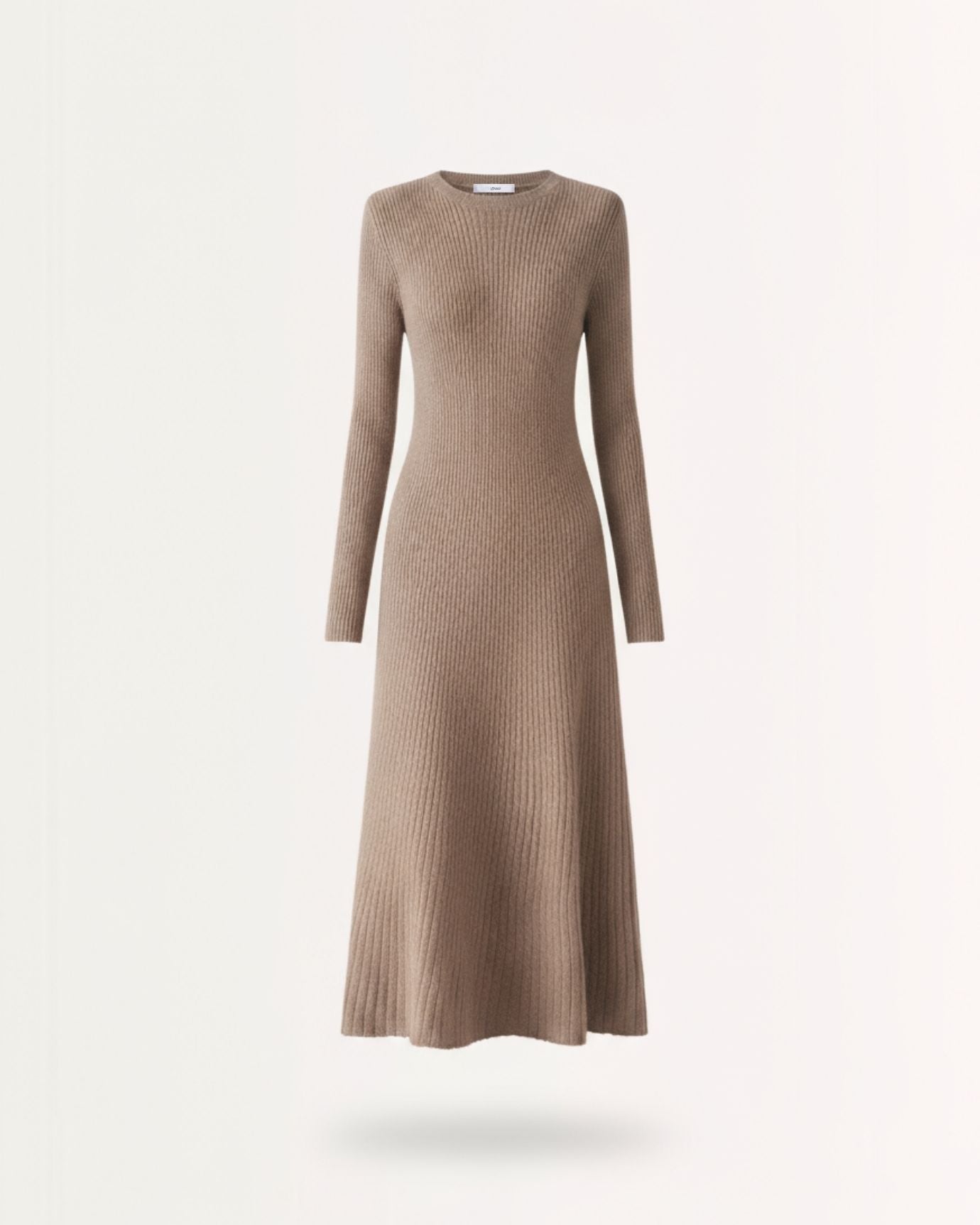
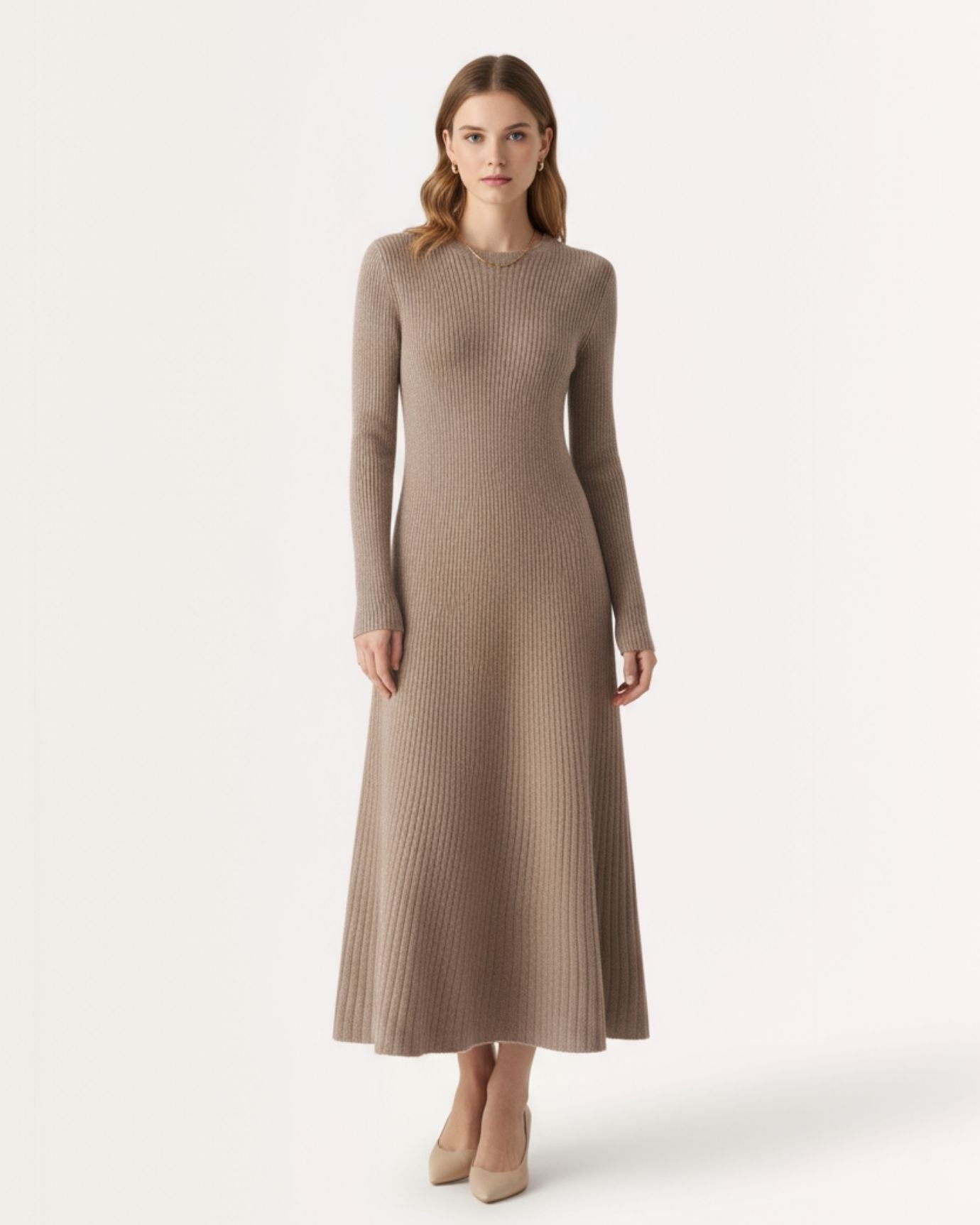
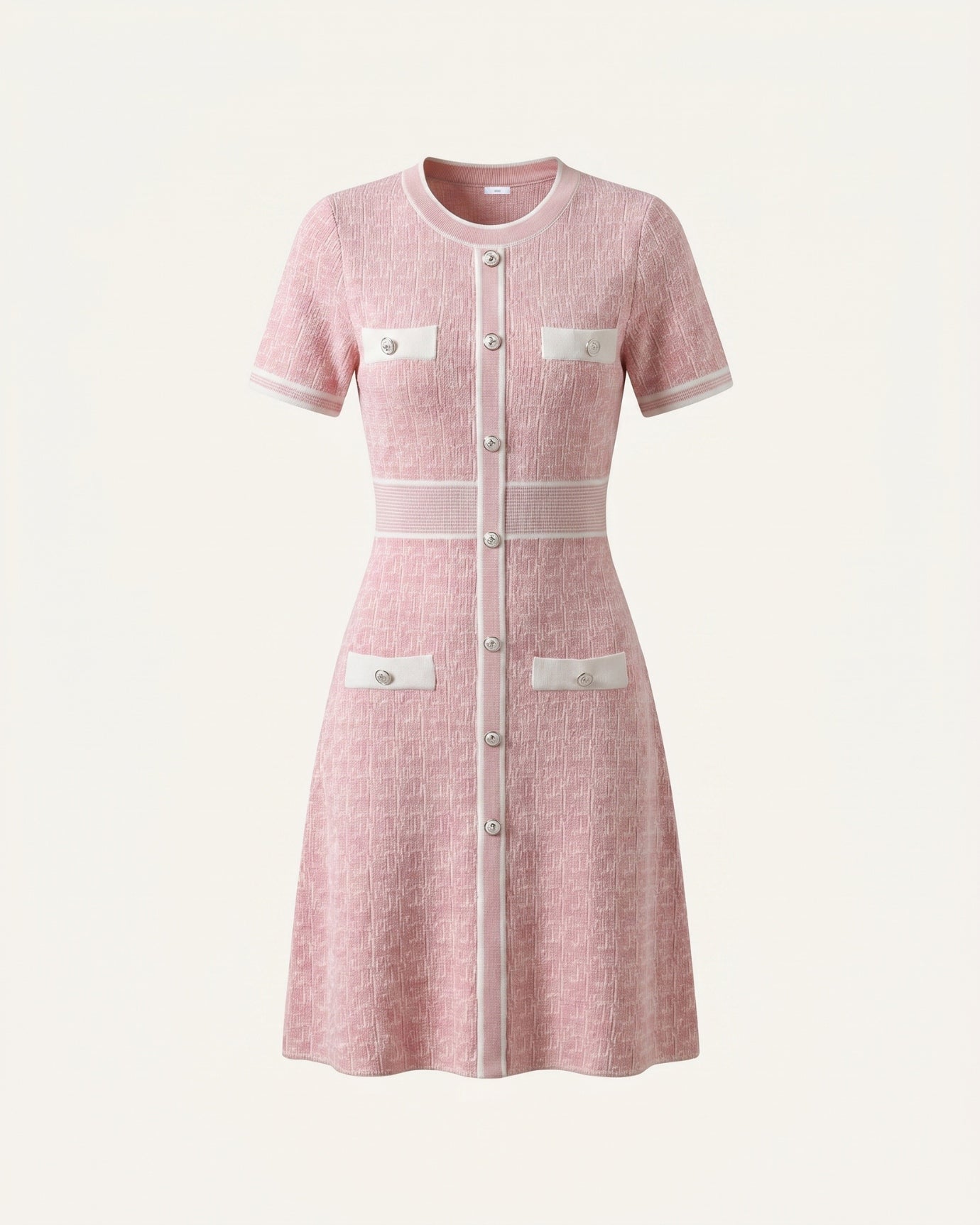
For women, the same investment logic holds. A belted long-sleeved dress cut from a substantial fabric with clean seams and a properly finished hem is a garment you wear for a decade, not a season. The Diana loafers follow the same construction principles as the Chelsea boots: look at the welt, the hardware, the quality of the leather at the toe box where lesser materials crack first.
The old money wardrobe philosophy is, at its core, a construction philosophy. It is not about spending more for the sake of spending more. It is about understanding that the visible details, the fabric, the seam, the button, the fit, are each a decision made by the people who built the garment. Learning to read those decisions before you buy is the most practical style education available.

| Detail | Fast Fashion | Mid-Market | Quality Tailoring |
|---|---|---|---|
| Seam allowance | 6 to 8 mm, raw edges | 10 to 12 mm, overlocked | 15 to 20 mm, finished or flat-felled |
| Stitch density | 7 to 9 stitches per inch | 10 to 11 stitches per inch | 12 to 16 stitches per inch |
| Chest interlining (jackets) | Fused adhesive, no canvas | Partial fuse with light canvas | Floating horsehair canvas, hand-stitched |
| Buttons | Thin plastic, molded | Thick plastic or basic resin | Corozo, horn, or mother-of-pearl |
| Sleeve buttons | Decorative only | Decorative only | Functional, working buttonholes |
| Pattern matching at seams | Not matched | Matched on main seams only | Matched at all seams, pockets, and collar |
Frequently asked questions
How can I tell if a suit jacket uses floating canvas or fused construction without cutting it open?
Pinch the chest of the jacket between your thumb and forefinger, away from any seams, and roll the fabric gently. A floating canvas chest piece will feel layered and slightly supple, with a subtle give between the outer fabric and the inner layer. A fused construction feels like a single uniform sheet with no movement between layers. You can also look for bubbling or rippling near the lapel roll, which is a sign that a fused interlining has begun to separate.
What is the fastest single check I can do when shopping for quality trousers?
Turn the waistband inside out and press it between your fingers. A quality waistband uses a firm woven interlining that feels structured but flexible. A fused or under-interfaced waistband feels thin, slightly stiff in an artificial way, or has a papery texture. Also check the seam allowance at the side seam: if it is less than 1.5 centimeters, the trousers cannot be let out. For a starting point in quality trouser construction, the worsted wool Italian trousers illustrate what a properly interfaced waistband and generous seam allowance should feel like.
Is a higher price always a reliable indicator of better construction?
No. Price correlates with quality in many cases, but it is not a guarantee. A garment can be expensive because of brand positioning, retail markup, or marketing investment rather than construction quality. The physical checks in this guide, stitch density, seam allowance, button material, pattern matching, apply regardless of price. Use them on a $400 jacket as readily as on a $100 one.
What fabrics should I prioritize for a long-lasting wardrobe foundation?
For shirts: high-count cotton or long-staple linen. For trousers: worsted wool, cotton twill, or corduroy in heavier weights. For knitwear: two-ply cashmere or merino wool. For t-shirts and basics: mercerized cotton rather than standard jersey. For footwear: full-grain leather with a stitched welt rather than a cemented sole. Each of these fabric and construction choices directly extends the usable life of a garment.
Quality tailoring is not a mystery. It is a set of specific, physical decisions made during cutting and construction, and every one of those decisions is readable before you buy. Once you know where to look, the difference between a garment built to last and one built to a margin becomes immediately visible. Start with the fabric in your hand, move to the seams inside, check the buttons, and finally move in the piece before you commit. Those four steps, applied consistently, will change the quality of every purchase you make. For a considered starting point in building a wardrobe on these principles, explore the best sellers and apply everything you have just learned.