


How to Shop for Quality Clothing Online in 2026
Reading time 14 min • 2892 words
Shopping for clothing online in 2026 is faster and more convenient than it has ever been. It is also, if you are serious about quality, one of the more demanding exercises in consumer judgment. You cannot run a shirt between your fingers, check how a trouser falls from the hip, or hold a dress up to the light. You are working from photographs, descriptions, and, if you are lucky, a few honest customer photographs buried in the reviews.
The good news is that quality leaves a trail. Fabric composition, weave density, construction details, and a brand's willingness to be transparent about its sourcing are all readable signals, once you know what to look for. This guide is built around that premise: you do not need to touch a garment to make a sound judgment about it.
At Lovau, we build our collections around Mediterranean craftsmanship and timeless cut. Everything here is designed to be worn for years, not seasons. The principles below apply broadly, but we will illustrate them with specific examples from our own range where they genuinely fit.
Key takeaways
- Read fabric composition labels carefully: thread count, fiber origin, and weave type tell you more than marketing copy ever will.
- Zoom into product photography and study seam lines, button quality, and fabric drape rather than the overall look.
- Understand a brand's supply chain and manufacturing region before trusting its quality claims.
- Return and sizing policies reveal how confident a brand is in its own product consistency.
- A smaller, focused wardrobe of verified quality pieces outperforms a large wardrobe of uncertain ones every time.
In this guide
- Start With the Fabric Composition, Not the Product Name
- Read the Photography Like a Quality Inspector
- Understand Construction Beyond the Fabric
- Evaluate the Brand, Not Just the Product
- Fit, Sizing, and the Importance of Measurements
- Building a Quality-First Online Wardrobe Over Time
- Frequently asked questions
Start With the Fabric Composition, Not the Product Name
The single most informative piece of information on any product page is the fabric composition listed in the details tab, not the headline, not the lifestyle photography. A shirt described as "luxury summer white" tells you nothing useful. A shirt listed as 100% high-count European linen, woven at 60 threads per centimeter, tells you a great deal.
Thread count and fiber grade are the two variables that determine how a fabric feels, breathes, and ages. For linen, a higher thread count produces a finer, softer hand without sacrificing the natural breathability that makes linen worth wearing in warm weather. For silk, the momme weight (a unit of fabric density) signals quality: anything below 16 momme tends to feel thin and translucent in use, while 19 to 25 momme is the range where silk drapes with real body.
For natural fibers broadly, look for single-origin sourcing. Irish or Belgian linen, Mulberry silk from Jiangsu province, and Mongolian or Scottish cashmere are all designations that carry meaning because the growing and processing conditions in those regions produce a measurably superior fiber. Our high count fine linen shirts use exactly this kind of specified linen, and the composition is listed plainly in the product details rather than hidden behind vague language.
Synthetic blends are not automatically inferior, but they require scrutiny. A 5% elastane addition to a linen trouser is reasonable for recovery. A 40% polyester content in a "silk-look" blouse is not silk, regardless of how the copy reads. Read the percentage breakdown, not just the fiber name.
Expert insightWhen a brand lists only the fiber name without a percentage breakdown, that is almost always intentional. Quality producers specify proportions because they are proud of them. Vagueness in fabric descriptions is a reliable warning sign.

Read the Photography Like a Quality Inspector
Good product photography is designed to sell. High-quality product photography also, incidentally, gives you the information you need to assess construction, because a confident manufacturer has nothing to hide.
What to look for in product images:
- Seam lines: On a well-made garment, seams lie flat and follow the grain of the fabric without puckering. If the photography is high resolution enough to show the seams, check them at the shoulders, side panels, and cuffs.
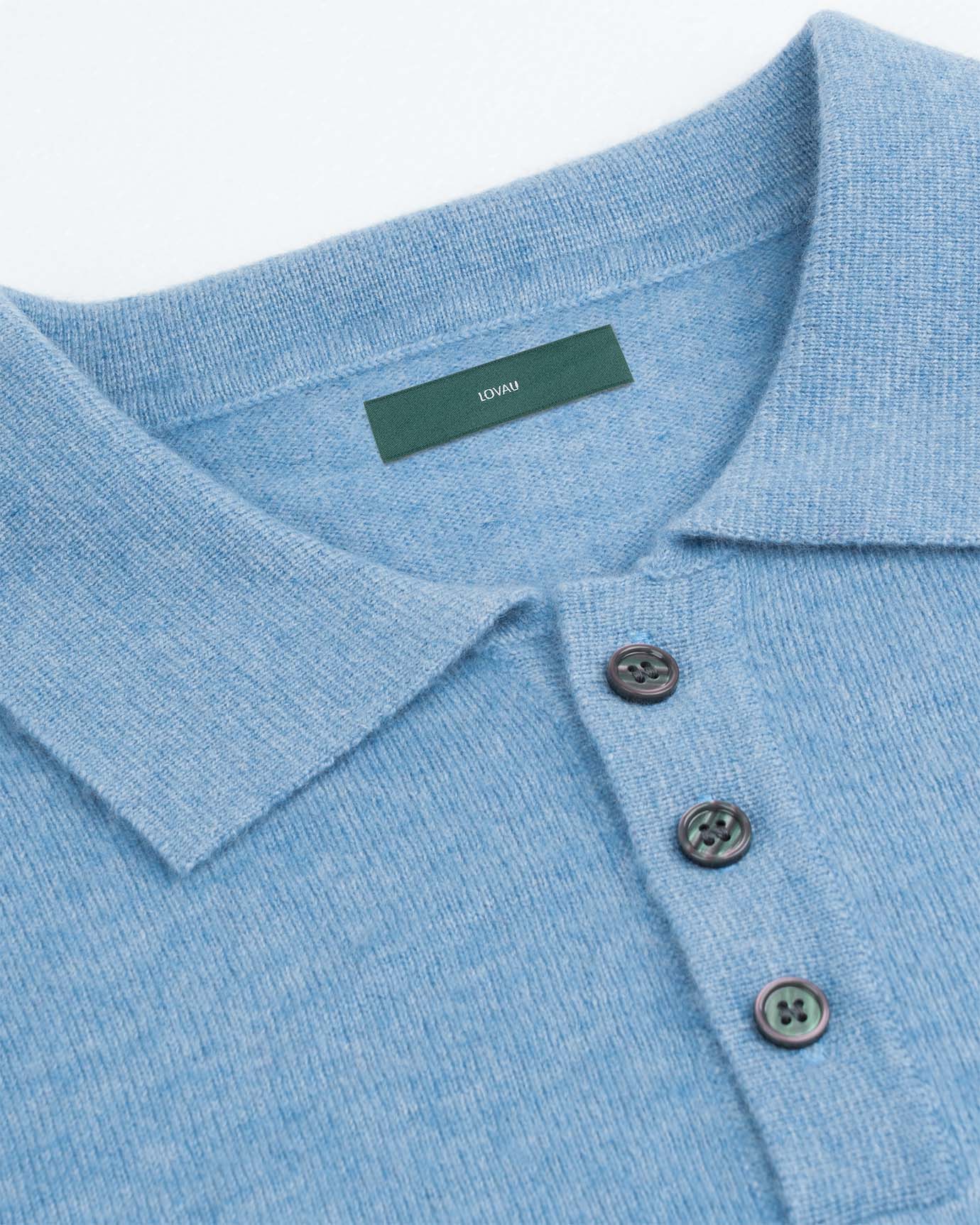
- Button quality and spacing: Genuine horn, mother-of-pearl, or corozo buttons catch light differently from plastic ones. They also sit flush against the fabric rather than slightly proud of it. Buttonholes on quality shirts are stitched tightly with no loose threads visible at the corners.
- Fabric drape: How does the garment hang from a hanger versus a body? Fine linen drapes with a slight natural crinkle and falls cleanly. A poor linen blend holds its fold lines from the packaging and looks stiff.
- Pattern matching: On striped or printed garments, check whether the pattern continues across the pocket seam or chest pocket. Matching patterns at seams requires more fabric and more skill. It is a reliable indicator of considered construction.
For women's pieces, the same logic applies to finishing details. The Cira White Hollow-Out Lace Dress is a useful case study: the lace overlay requires clean attachment at every border edge, and in the photography you can examine whether those transitions are finished neatly or left raw. Similarly, a piece like the Dina Short-Sleeve Lace Dress shows you through close-up imagery how the lace panels integrate with the body fabric, which tells you a great deal about the manufacturer's attention to construction.
If a brand offers only one or two images at a single angle, take that as a signal. Brands that are confident in their construction show you the collar stand, the interior seam finishing, the hem, and the back yoke.
Expert insightZoom into the armpits and collar join in shirt photography. These are the two points of highest stress in a garment and the first places a manufacturer will cut corners if the construction budget is tight.

Understand Construction Beyond the Fabric
Fabric quality and construction quality are related but distinct. You can have a beautiful linen and ruin it with careless cutting. You can take a modest cotton and turn it into a garment that lasts a decade with proper tailoring and finishing.
The key construction markers to assess online:
- Cut and silhouette: A well-cut trouser has a specific rise, inseam, and leg opening that produces a clean line from hip to shoe. The Sakura Pleated Pants Loose Wide Leg uses a double pleat at the waistband, a construction choice that adds visual weight to the front panel and allows the fabric to fall without tension across the thigh. That is not a decorative choice; it is a functional tailoring decision.
- Lining and interfacing: For structured garments, ask whether they are lined and what the lining material is. A polyester lining in a linen jacket will trap heat and reduce the breathability that makes linen worth wearing. A cotton or silk lining is the correct choice.
- Hem finish: Blind-stitched hems on trousers and dresses indicate hand finishing or at minimum a specialized machine. A raw overlocked hem is faster and cheaper. Neither is necessarily wrong, but they signal different levels of finishing investment.
For men considering a more formal investment piece, the High End Mulberry Silk and Worsted Cashmere Set is an example of a piece where the construction method matters as much as the fiber. Worsted cashmere is combed to align fibers parallel before spinning, producing a smoother, more durable yarn than carded cashmere. That distinction is worth understanding before you spend at that price point.
Our article on how to spot high-quality tailoring before you buy goes into greater depth on the structural markers of well-made garments, and it is worth reading alongside this guide. For cashmere specifically, we also have a dedicated piece on how to spot fake cashmere when shopping online.
Expert insightA double-pleated front on a trouser is not a trend statement. It is a construction technique that distributes fabric across the thigh more generously, allowing cleaner movement and longer wear without seat distortion.

Evaluate the Brand, Not Just the Product
In online shopping, the brand's credibility functions as a proxy for the tactile experience you cannot have. A brand that is transparent about its sourcing, manufacturing region, and quality standards is giving you information that substitutes, at least partially, for the ability to handle the goods.
Questions worth asking before you buy from any brand:
- Where is the garment made, and is that information provided without being requested?
- Does the brand specify fiber origins, not just fiber types?
- Is the size guide detailed and body-measurement-based, or does it use only S/M/L/XL?
- What is the return window, and is it unconditional?
- Are customer reviews verified, and do they include photographs?
A brand that publishes a generous, unconditional return policy is effectively guaranteeing that its sizing is consistent and its products match their descriptions. A brand that makes returns difficult or charges restocking fees is, in many cases, managing a higher-than-acceptable rate of disappointed customers.
It is also worth reading how a brand talks about itself. Specific language about fabric sourcing, production methods, and design intent signals a brand that knows what it is making. Generic language about "premium quality" and "luxurious feel" signals a brand that is buying finished goods and applying a label. The difference matters enormously at the $100 to $400 price point where most serious online shoppers are working.
For context on how to identify fraudulent quality claims more broadly, our piece on how to spot fake luxury clothing in 2026 covers the specific tactics used by lower-quality producers to mimic the language of genuine luxury.
External resources are also useful here. The Business of Fashion's glossary on fabric and construction provides standardized definitions that let you cut through marketing language with precision.

Fit, Sizing, and the Importance of Measurements
Fit is the variable that online shopping handles least well, and it is also the variable that determines whether a quality garment looks quality on your body. A beautifully constructed linen shirt in the wrong size looks like a beautifully constructed linen shirt that belongs to someone else.
How to size correctly when shopping online:
- Always measure in centimeters and compare against the brand's size chart directly, not against your usual size in another brand. Sizing conventions differ significantly between Italian, French, Portuguese, and Asian manufacturers.
- For shirts, the collar measurement and sleeve length are more reliable fit indicators than chest measurement alone.
- For trousers, rise (the distance from the crotch seam to the top of the waistband) determines where the trouser sits on the body and how it falls from the hip. A mid-rise trouser on a longer torso reads differently than the same trouser on a shorter one.
- For dresses, waist-to-hem length is often the most overlooked measurement. A dress described as "midi" on a 5'9" model may fall at the knee on a 5'4" frame.
For women building a considered warm-weather wardrobe, pieces like the Elegant Santorini Strapless Dress and the Dreamy Retro Gentle Floral Dress both include detailed measurement guides precisely because the fit of a strapless or loosely structured garment depends on knowing your actual bust and waist dimensions, not your usual dress size.
For men, double pleated linen shorts are a good example of a garment where the waist and outseam measurements matter more than the size label, because the pleat construction adds volume that varies the visual silhouette significantly depending on where the waistband sits.
When in doubt, size up on structured pieces and size true on draped or relaxed cuts. You can always have a waistband taken in by a tailor for a fraction of the garment's cost. You cannot add fabric that was never there.
For broader wardrobe building context, our luxury minimalist wardrobe checklist offers a practical framework for deciding which categories to invest in first, which is a useful companion to any quality-focused shopping approach. The textile entry on Wikipedia also provides a clear primer on how fabric construction affects drape and fit, which is useful background reading.

Building a Quality-First Online Wardrobe Over Time
The discipline of shopping for quality online is, ultimately, a discipline of restraint. Buying fewer pieces that you have researched thoroughly and sized correctly produces a wardrobe that serves you better than a larger collection of uncertain items.
A practical approach is to organize your wardrobe by occasion and climate, then identify the two or three pieces in each category where you are currently making compromises. Those are the investments worth making first.
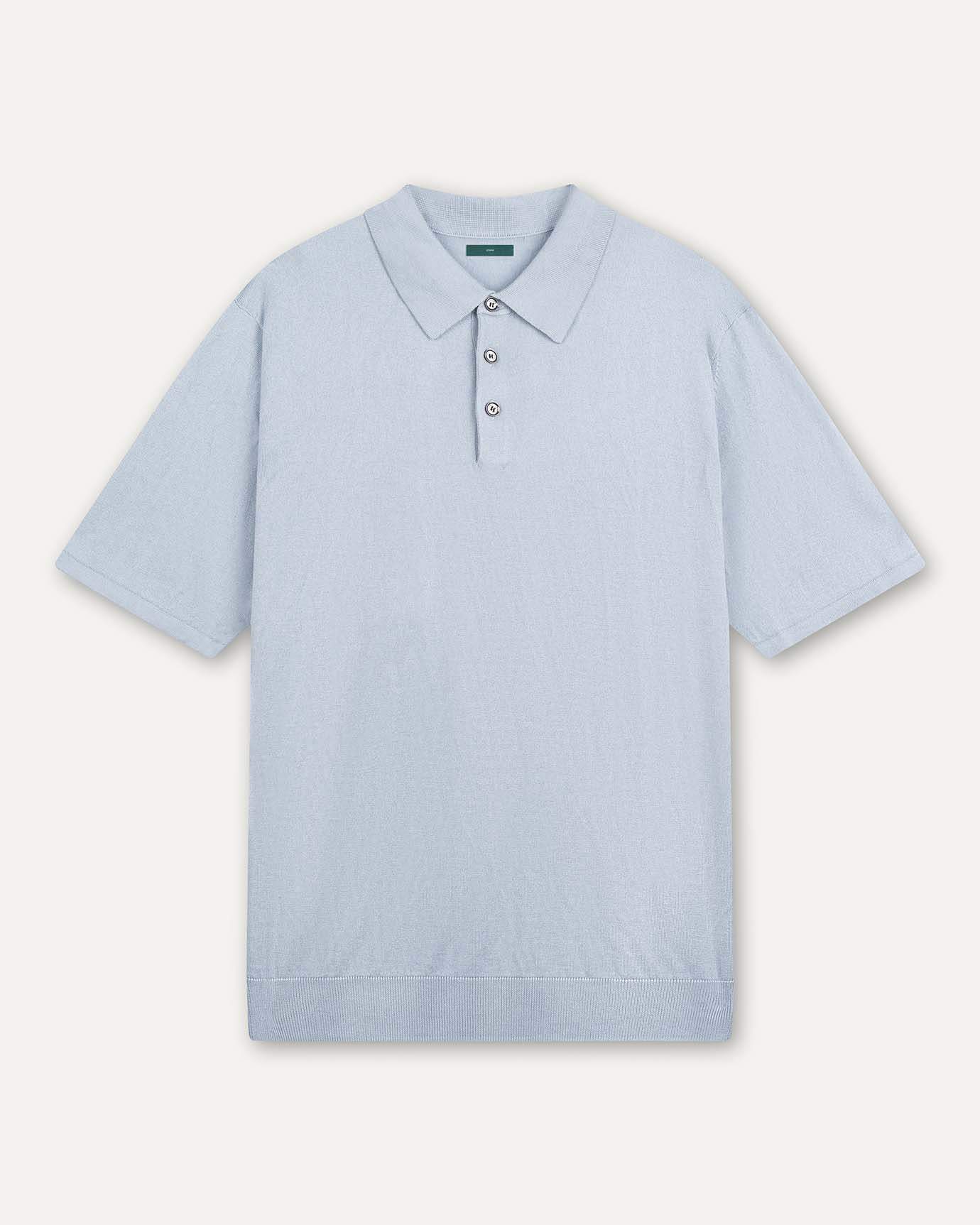
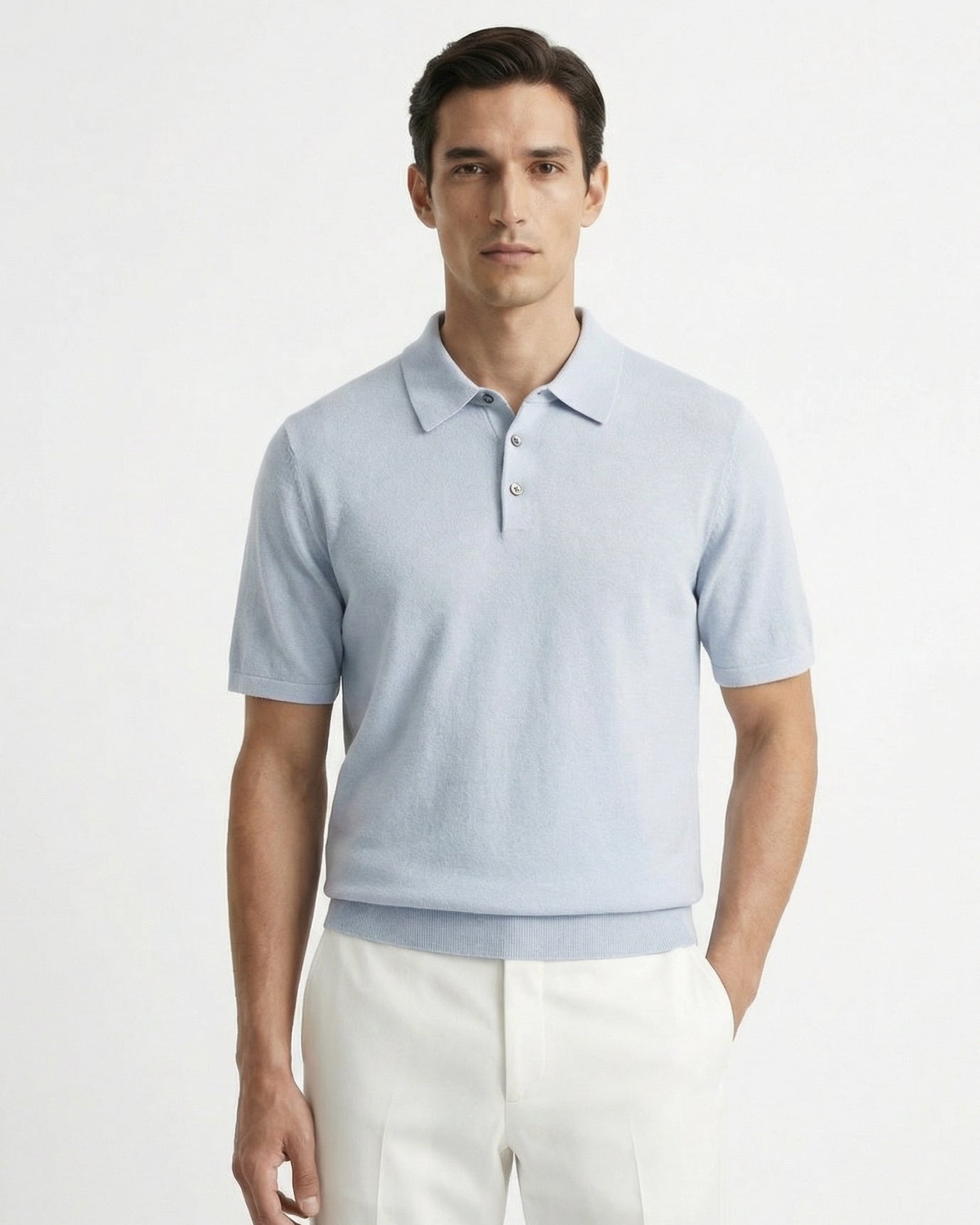
For warm-weather occasions, a high count fine light blue linen shirt and a pair of Ibiza leather sandals represent the kind of investment that pays forward across multiple summers. The linen, if cared for correctly, softens and improves with washing rather than degrading. The leather, resoled once, will last a decade.
For women building a Mediterranean-inflected warm season wardrobe, our beachwear and summer clothing collection groups the pieces most suited to warm-weather occasions in one place, which simplifies the research process considerably.
The old money approach to wardrobe building, which we write about in our Spring 2026 old money fashion trends for women, is not about spending more. It is about spending more deliberately, on fewer things, with a clearer sense of how each piece will be worn and for how long. That discipline is as applicable to online shopping as it is to anything else.

| Fabric | Quality Indicator | Red Flag | Best Use | Price Signal |
|---|---|---|---|---|
| Linen | High thread count, European origin (Irish, Belgian), natural slub texture | "Linen-look" or unspecified blend percentage | Warm-weather shirts, trousers, shorts | $80 to $150 for a quality shirt |
| Cashmere | 2-ply or higher, Mongolian or Scottish origin, 16 to 18 micron fiber diameter | Single-ply, unspecified origin, under $80 for a full sweater | Knitwear, layering pieces, scarves | $150 to $400 for a genuine piece |
| Silk | Mulberry silk, 19 to 25 momme weight, charmeuse or crepe de chine weave | "Silky" fabric, satin polyester marketed as silk, momme weight unspecified | Dresses, blouses, set pieces | $100 to $300 for a quality garment |
| Cotton | Long-staple (Pima or Egyptian), mercerized finish, 200+ thread count for shirting | "Cotton blend" with polyester above 20%, no origin or grade specified | Shirts, trousers, lightweight layers | $60 to $150 for quality shirting |
| Leather (footwear) | Full-grain or top-grain, vegetable-tanned, country of origin stated | "Genuine leather" label (lowest grade), bonded leather, synthetic lining | Loafers, sandals, mules | $120 to $250 for quality entry footwear |
Frequently asked questions
How can I tell if a fabric is genuinely high quality from an online product page?
Start with the composition label: the fiber type, percentage breakdown, and, where listed, the origin or grade of the fiber. Then look at the product photography at maximum zoom for seam finish, button quality, and fabric drape. A brand that provides this information clearly and specifically is signaling that it has nothing to hide. Our guide on how to spot high-quality tailoring before you buy covers the construction markers in detail.
What is the safest fabric to buy online without being able to touch it first?
High-count linen is one of the more reliable categories for online purchasing because its quality markers, thread count, fiber origin, and weave type, are objective and verifiable. It also improves with washing rather than degrading, which means a well-specified linen piece carries low long-term risk. Cashmere and silk require more caution because the gap between genuine quality and imitation is wider and harder to detect from images alone.
How do I get sizing right when I cannot try something on?
Measure your body in centimeters and compare against the brand's size chart directly, ignoring your usual size label. For shirts, prioritize collar and sleeve length. For trousers, check rise and outseam. For dresses, check waist-to-hem length. If the brand does not provide a detailed measurement chart, that is itself a useful signal about how seriously they take fit consistency.
Is it worth paying more for quality clothing online, or is the risk too high?
The risk is manageable if you follow the right process: read composition details, study photography carefully, check the return policy, and research the brand's manufacturing transparency. A $130 linen shirt from a brand that specifies its fiber origin and offers unconditional returns is a lower-risk purchase than a $40 shirt from a brand that provides neither. Over time, fewer, better purchases cost less than repeated replacements of lower-quality items.
Shopping for quality clothing online is a skill, and like any skill it sharpens with practice and the right framework. Read the fabric composition before the product name. Study the photography for construction detail. Size from your own measurements, not from a label. And choose brands that are specific and transparent about what they make and how. The garments that reward this approach are the ones that remain in your wardrobe for years rather than seasons. If you are building that kind of wardrobe now, our old money style guides and clothing offer a useful starting point for understanding which pieces carry the most weight over time.