


How to Master Monochrome Dressing the Old Money Way
Reading time 13 min • 2628 words
Monochrome dressing has a long history inside European aristocratic wardrobes, and for good reason. A single colour, worn thoughtfully from collar to hem, communicates a kind of self-assurance that pattern and contrast cannot. There is no need to coordinate. There is no visual noise. The wearer simply arrives, and the clothing does not compete for attention.
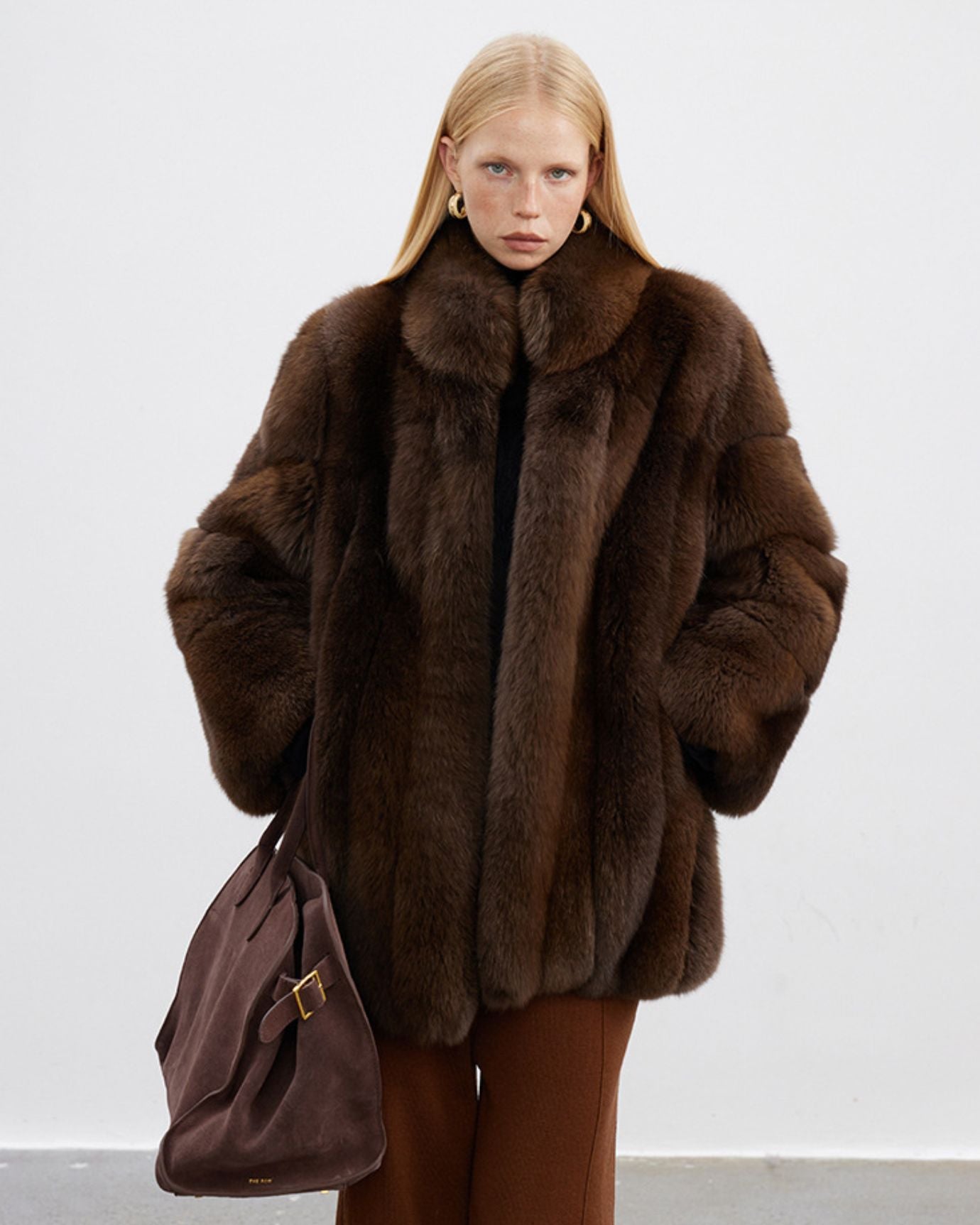
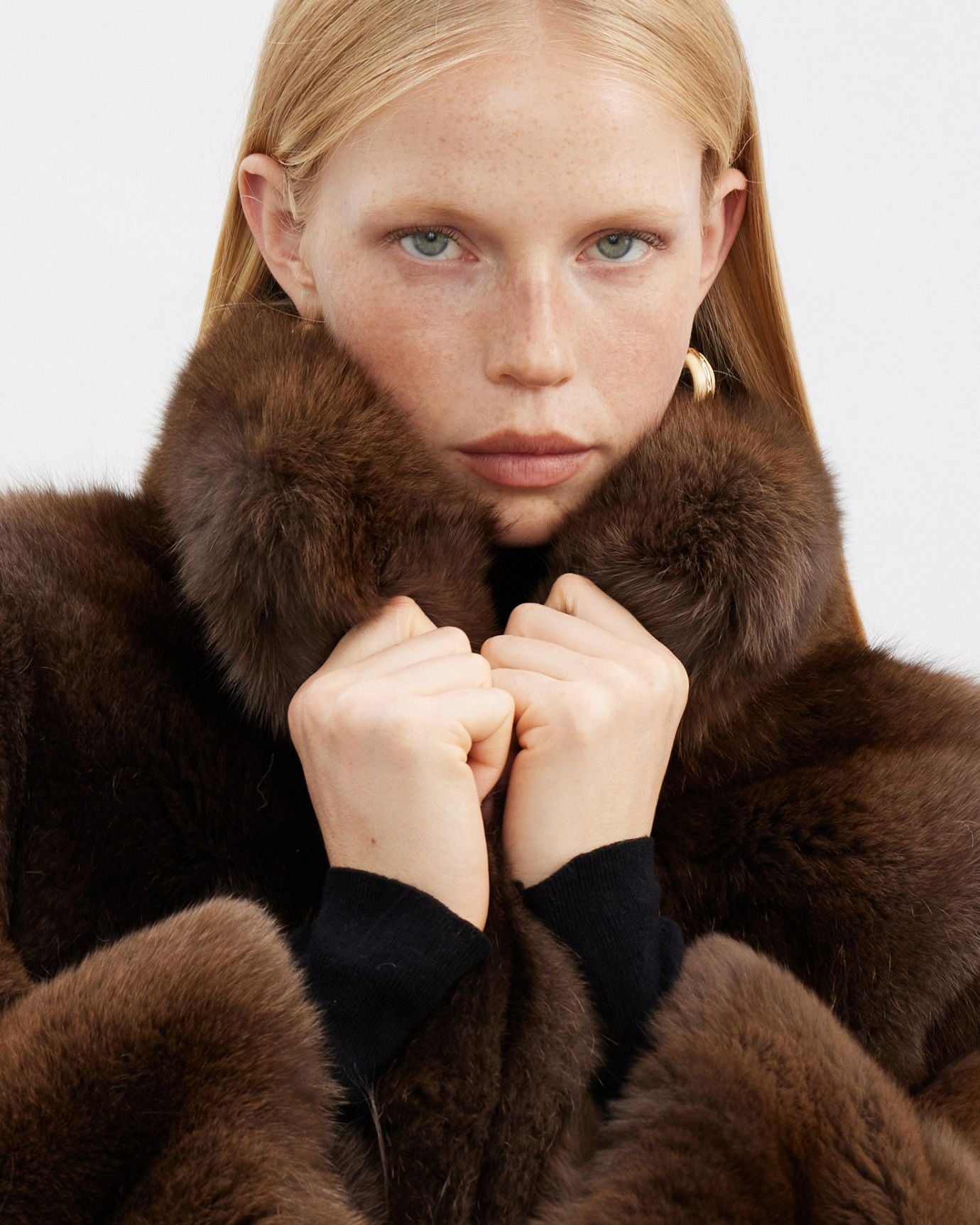
The difference between monochrome done cheaply and monochrome done with genuine class is almost entirely about texture and fit. A polyester blouse in the same shade as polyester trousers reads as a uniform. A fine-knit wool dress layered under a brushed wool coat in the same deep camel reads as considered, inherited taste. The colour is the same. The fabrics are different. That distinction is everything.
This guide walks through the colour families that work best for tonal dressing, the fabrics that hold a monochrome look together, how to break the look correctly with one grounding element, and the specific pieces worth building a monochrome wardrobe around. Whether you are approaching this for the first time or refining a habit you already have, the principles are the same: restraint, quality, and a clear understanding of proportion.
Key takeaways
- Vary texture within one colour family rather than matching fabrics exactly, this creates depth without noise.
- Stick to navy, ivory, camel, charcoal or forest green as your monochrome base; these read as old money, not costume.
- Fit matters more in a monochrome look because there is nothing else to distract the eye from a poor silhouette.
- A single contrast element, a leather belt, a gold clasp, a dark shoe, anchors the look and stops it reading as uniform.
- Knit, wool and silk are the three fabric families that hold tonal monochrome best; avoid mixing matte cotton with shiny polyester in the same shade.
In this guide
- Choose Your Monochrome Base Colour Wisely
- Texture Is the Technique: How to Layer One Colour Without Looking Flat
- The One Grounding Element Rule
- Monochrome Dressing by Occasion: From Day to Formal Evening
- Common Mistakes and How to Avoid Them
- Building a Monochrome Capsule: The Pieces Worth Owning
- Frequently asked questions
Choose Your Monochrome Base Colour Wisely
Not every colour rewards a head-to-toe treatment. Old money monochrome gravitates toward a very specific palette, and understanding why helps you make better choices.
Navy is the single most reliable base. It reads as serious without being severe, it works across seasons, and it flatters almost every skin tone. A navy knitted dress worn with navy loafers and a navy overcoat is one of the most quietly authoritative looks a woman can build.
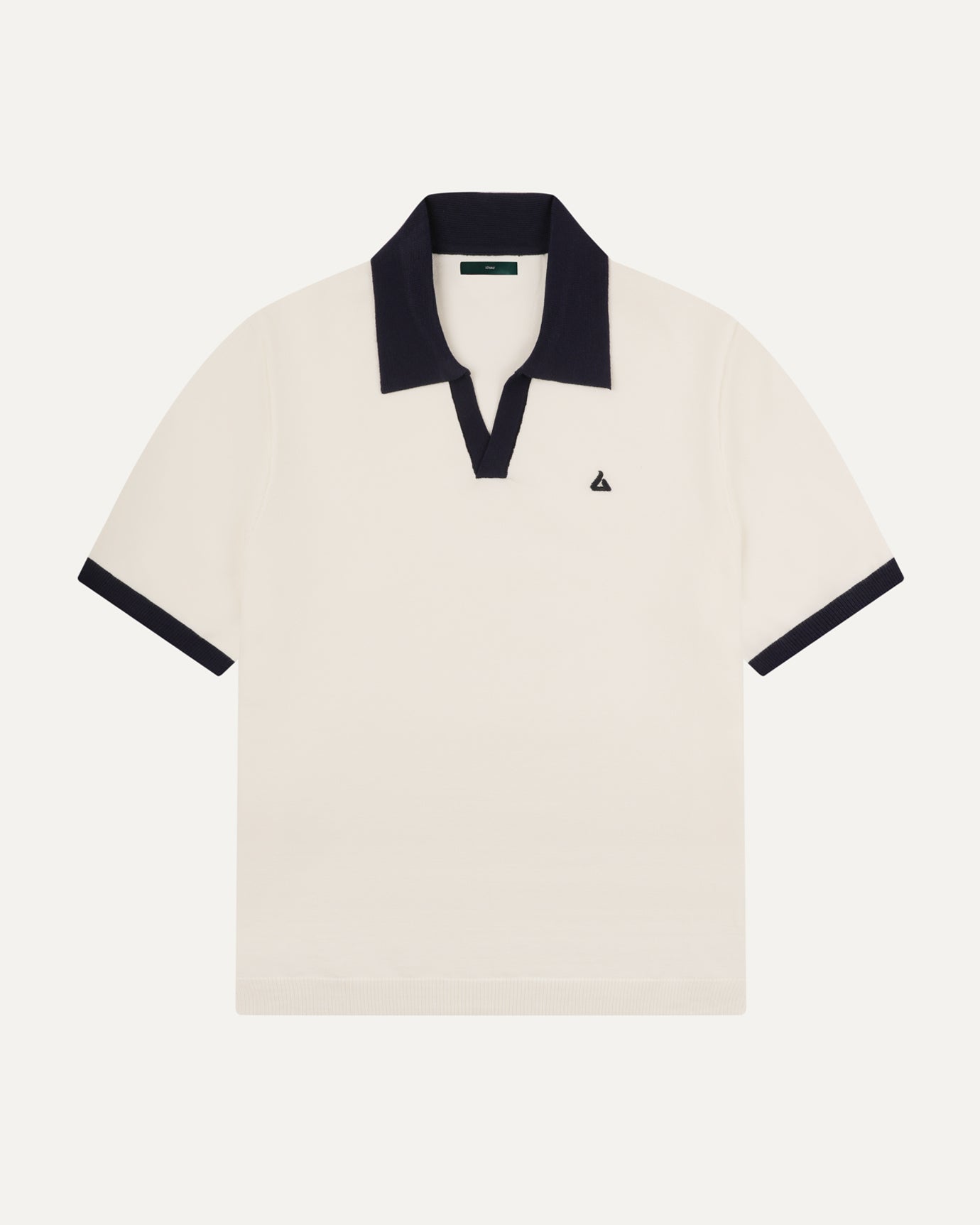
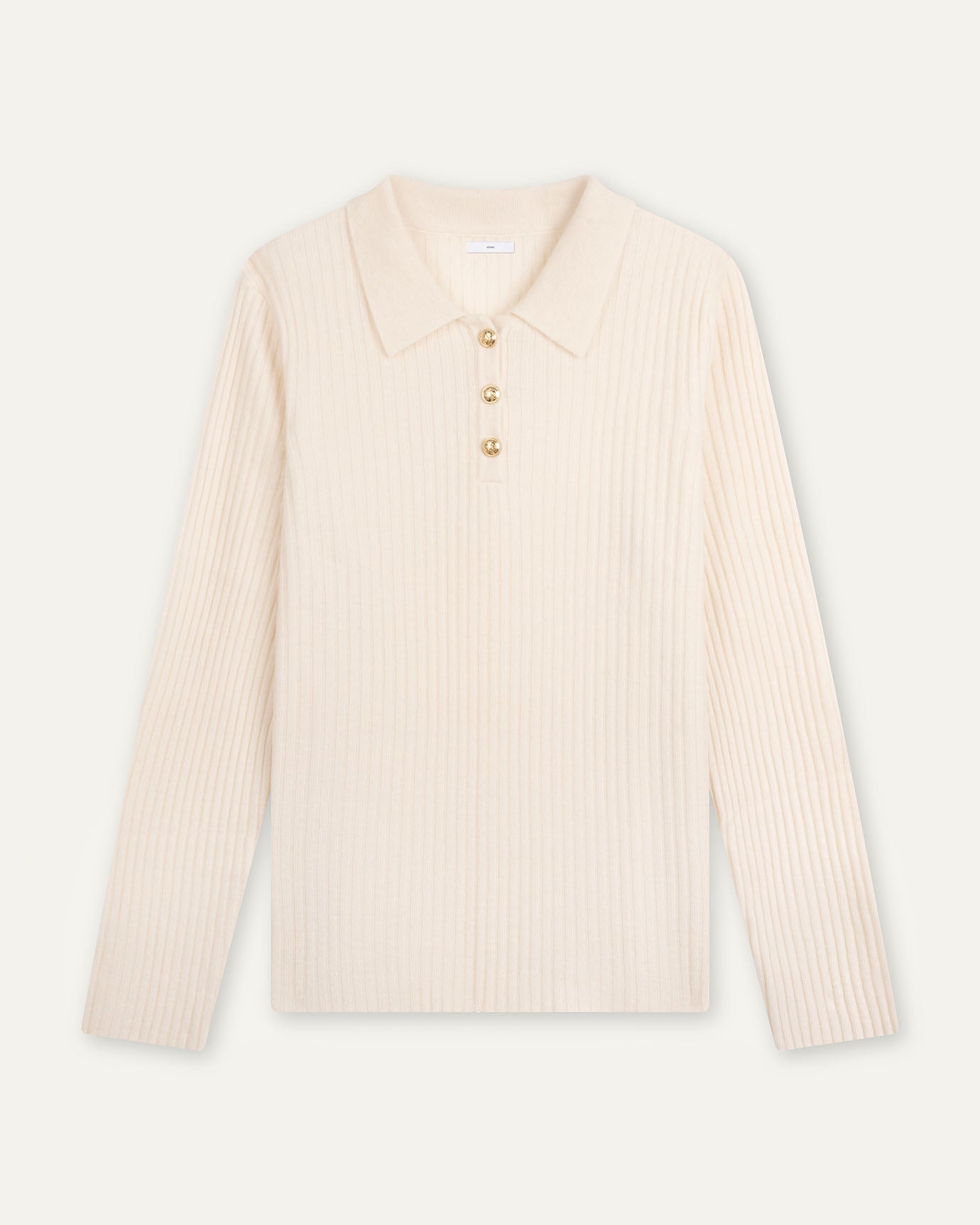
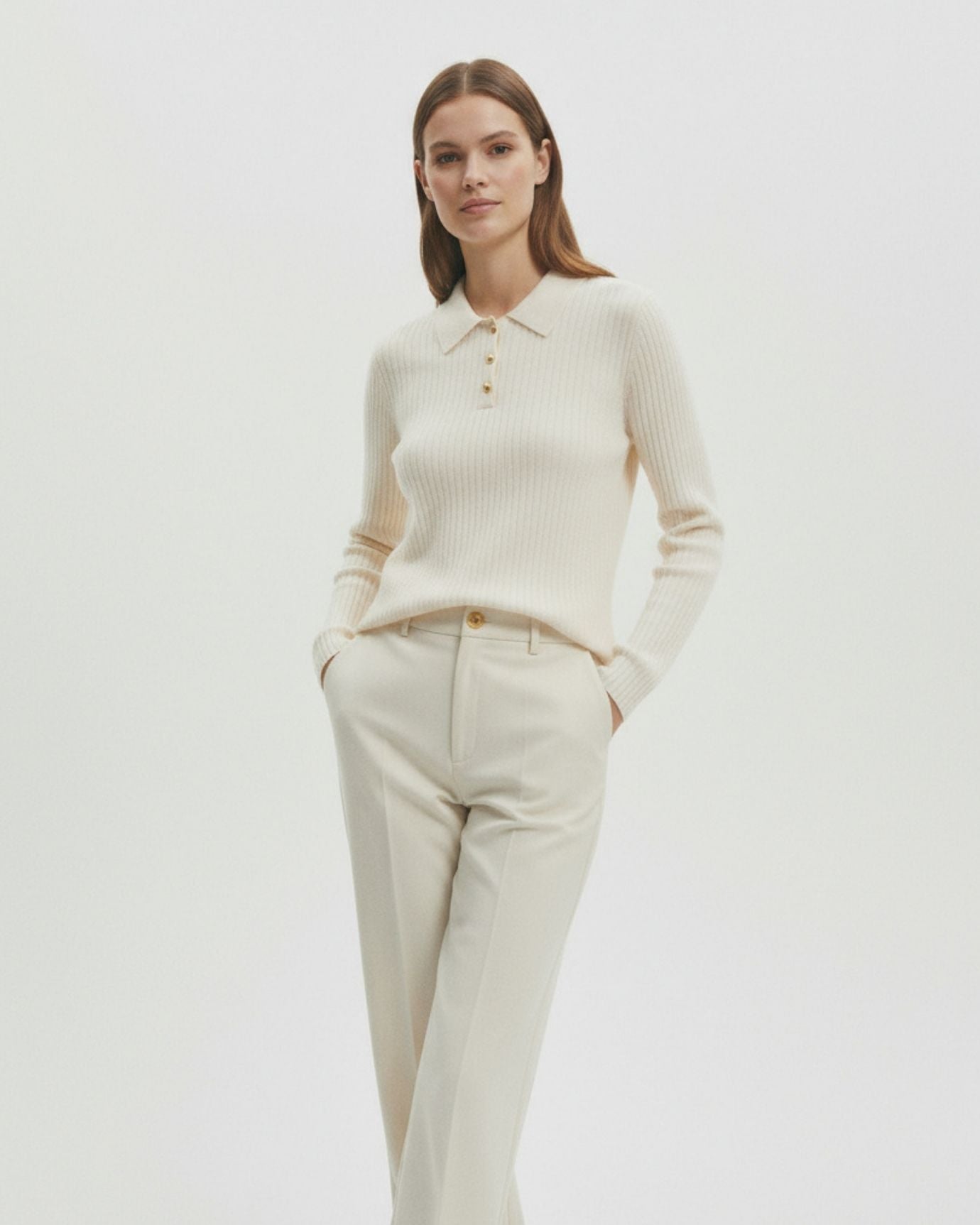
Ivory and cream are the warm-weather counterpart. They photograph beautifully, they suit linen and silk naturally, and they carry an unhurried, continental quality that white, by contrast, lacks. White is too clinical. Ivory belongs to a slower, more considered world.
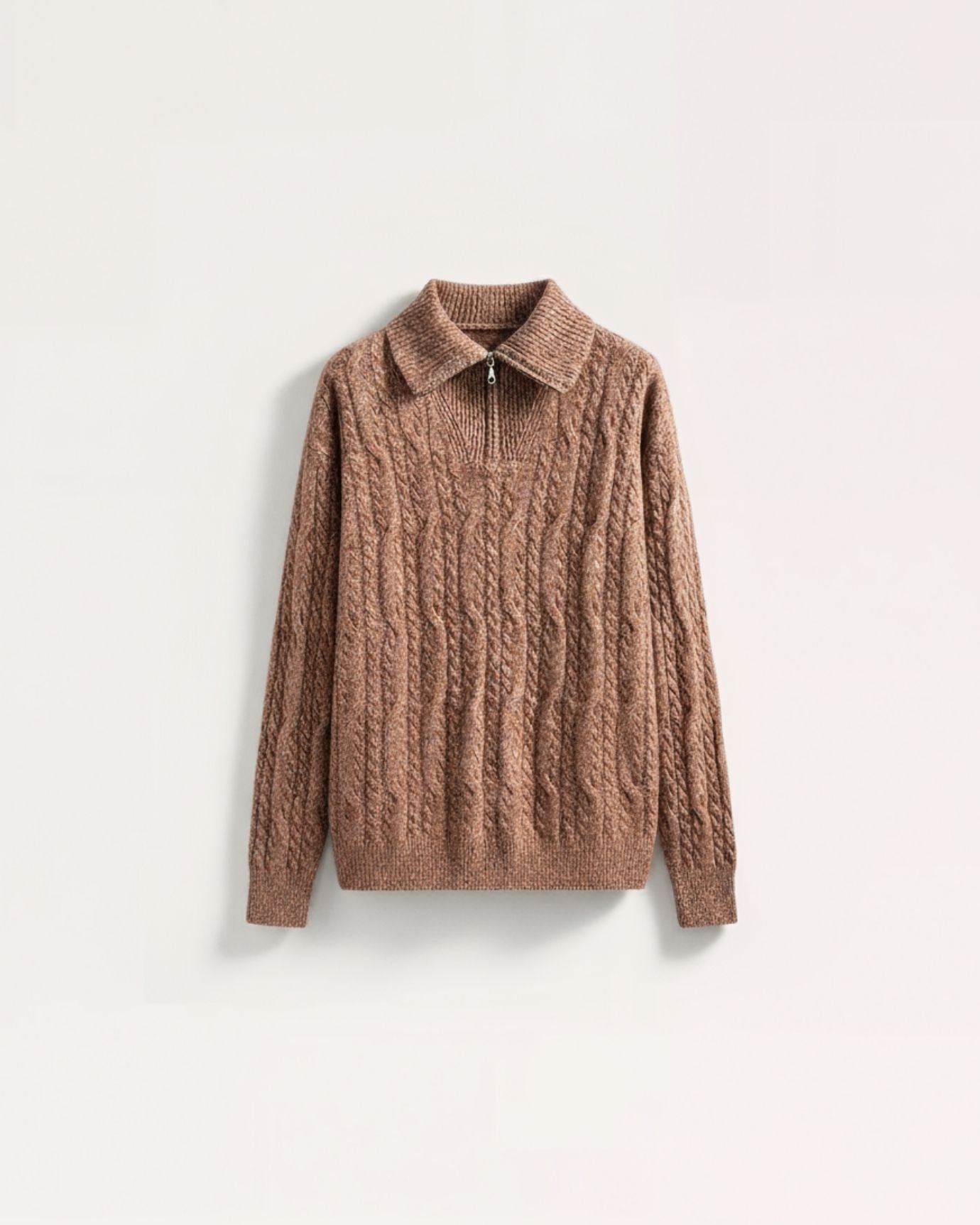
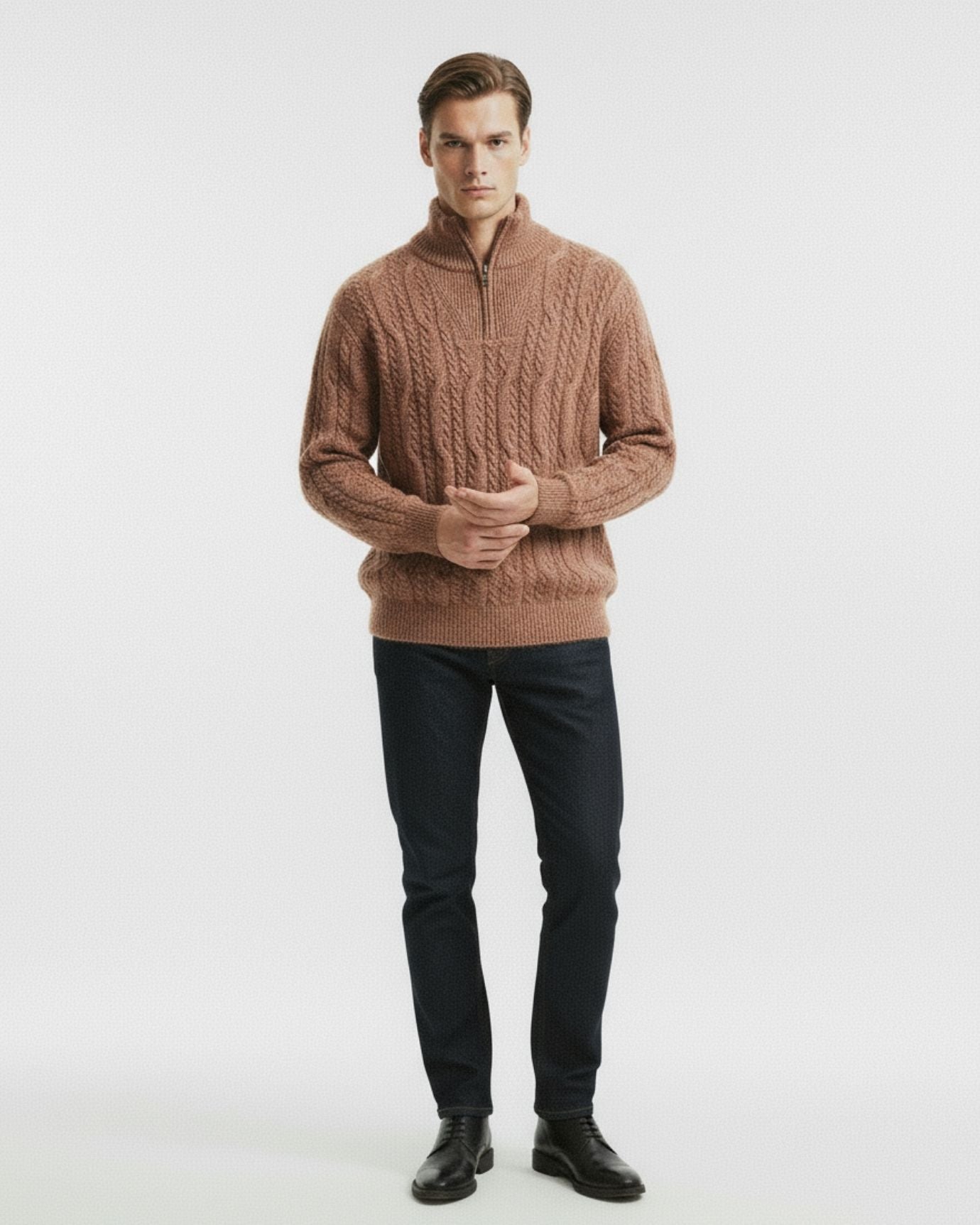
Camel and tobacco are the autumnal entries. These tones work best in wool and suede, fabrics that hold the warmth of the colour.
Charcoal rather than black is the winter choice for those who want depth without severity. True black can look harsh in monochrome unless the fabrics are soft, which is why an old money knitted black dress in fine knit works where a stiff black cotton blazer over black cotton trousers would not.
For a broader understanding of how colour communicates status and restraint in fashion history, the history of colour in Western dress provides useful context on why certain tones became associated with wealth and discretion.
Avoid burgundy, cobalt and bright green as monochrome bases. They are beautiful as accent colours but exhausting as a full look. The colours that work are those you could imagine seeing repeated in a wardrobe passed down over generations.
Expert insightWhen in doubt between two shades of the same colour, always choose the deeper one for your base garment and the lighter one for the layer on top. Light over dark reads as intentional. Dark over light reads as an accident.

Texture Is the Technique: How to Layer One Colour Without Looking Flat
The fundamental skill in monochrome dressing is mixing textures within the same colour family. This is what separates a considered tonal outfit from a matching set bought off one rail.
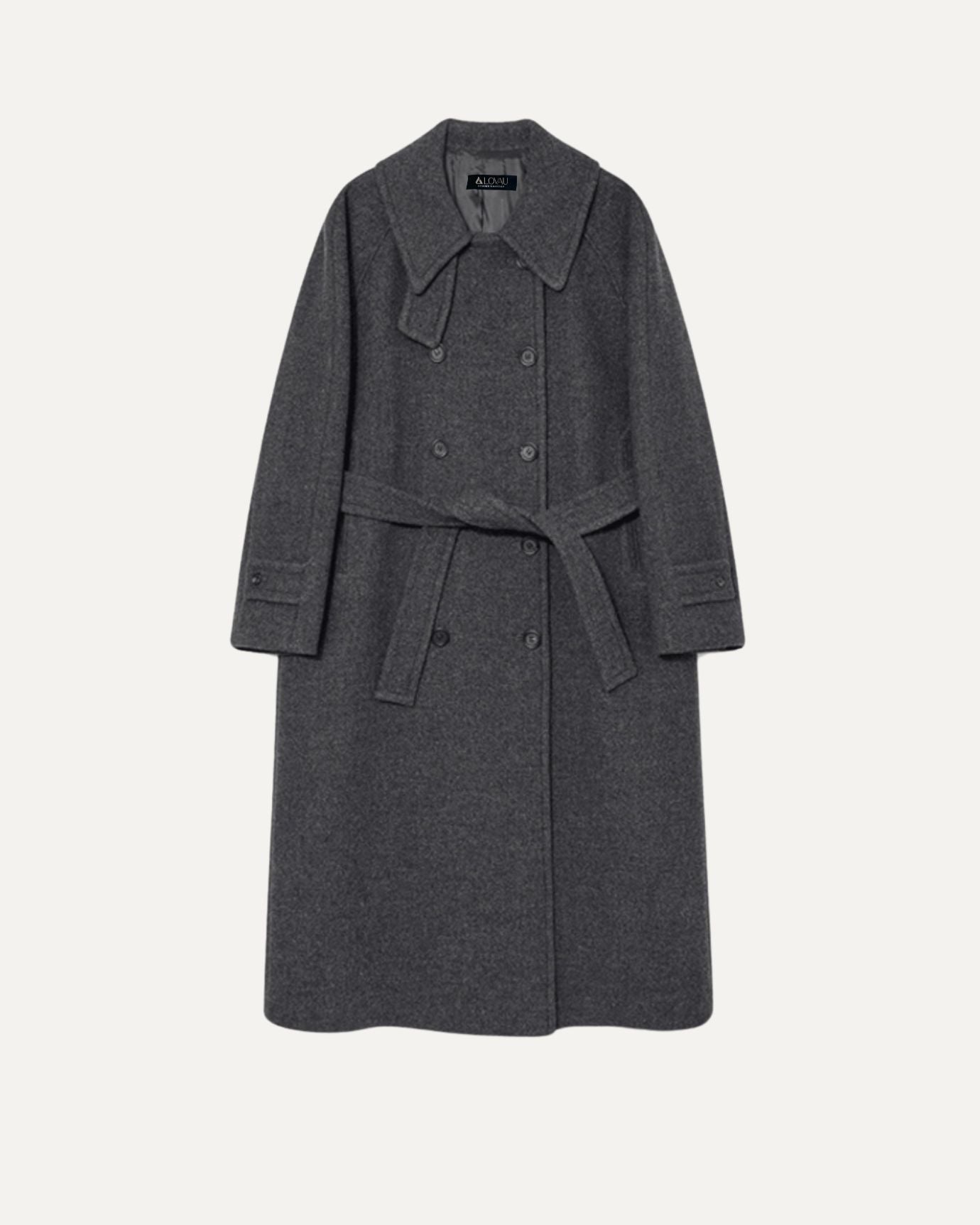
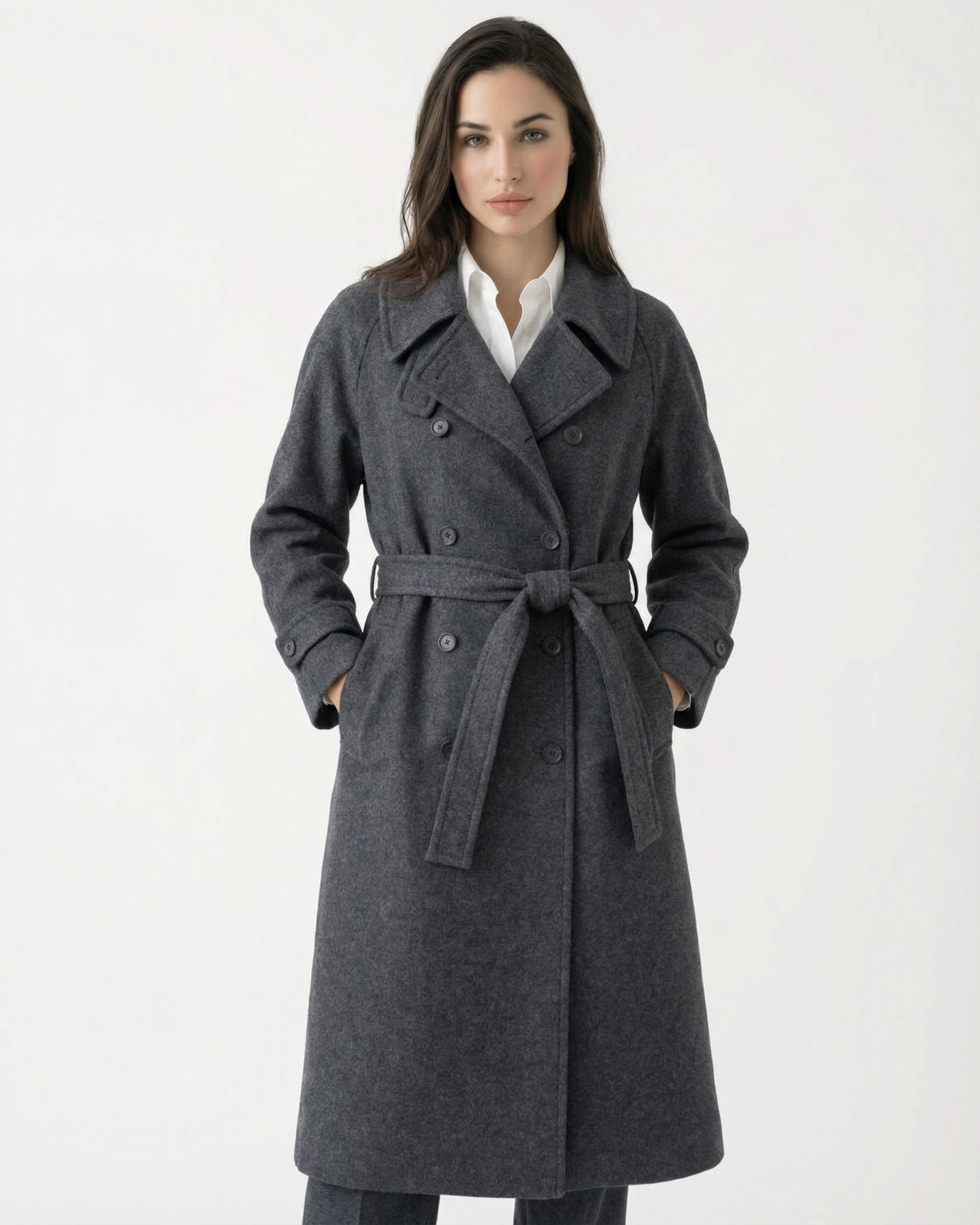
Consider an all-ivory winter look: a fine merino knit turtleneck beneath a brushed-wool midi dress, finished with a smooth leather belt in the same ivory-cream range. Three different surface qualities, one colour. The eye reads the difference between the fabrics as visual interest, not as a clash.
Fabric combinations that work within a single colour: - Knit with woven wool - Velvet with matte crepe - Brushed cotton with smooth leather - Silk with linen - Corduroy with fine merino
A velvet dress in a deep, saturated tone worn with velvet loafers would be too much of one texture. But that same dress with a smooth leather bag and a brushed wool coat in the same colour family is exactly right.
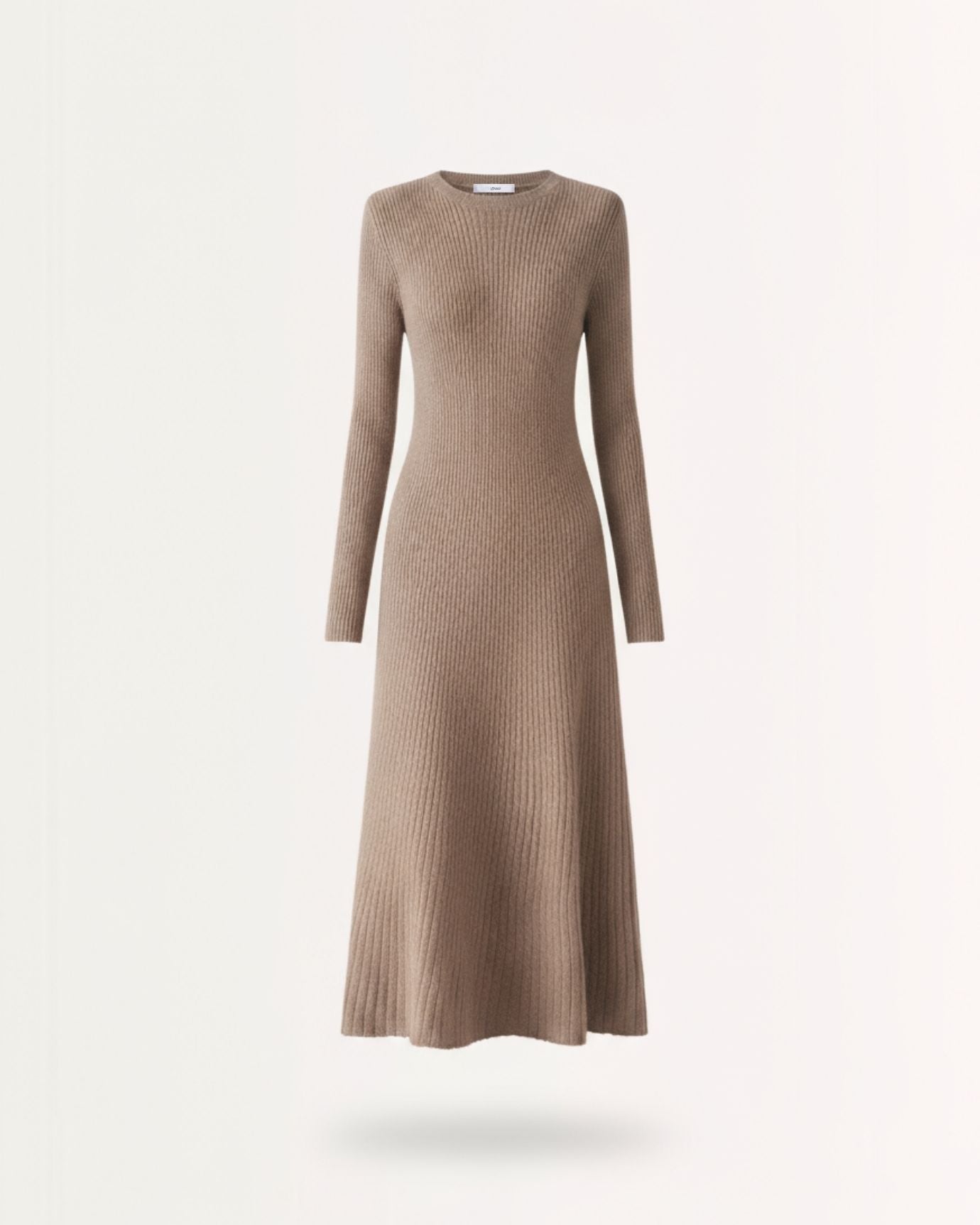
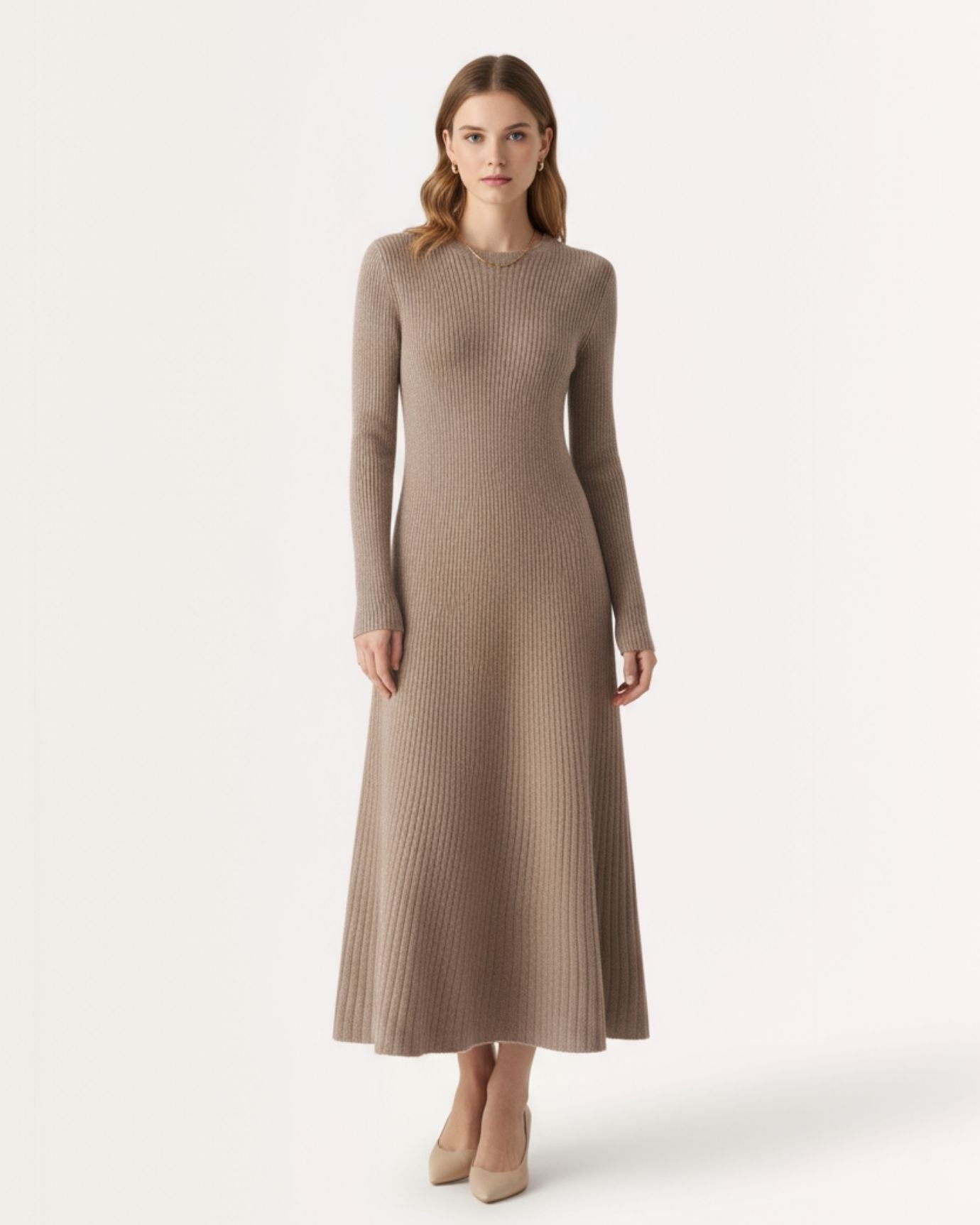
For women building a tonal wardrobe around dresses specifically, the knitted dress category is the most versatile starting point. A long-sleeved wool dress in old money style in camel or charcoal can be worn alone in autumn, layered under a coat in winter, and belted differently for each occasion. The single garment does the work across multiple contexts.
The rule to remember: vary the surface, hold the colour. If two pieces in your monochrome look are too close in both colour and texture, one of them needs to change.
Expert insightMatte and shine within the same colour are particularly powerful in evening contexts. A matte crepe dress with a satin-finish belt or a silk scarf in the same tone creates just enough contrast to read as dressed up without introducing a second colour.

The One Grounding Element Rule
Pure monochrome, every single item in one colour including shoes and bag, can tip into costume territory if not handled carefully. The old money approach introduces one grounding element: a single piece that anchors the look and provides a quiet reference point for the eye.
This element is almost always either the shoe or the belt, and it is almost always slightly darker or slightly more structured than the rest of the outfit.
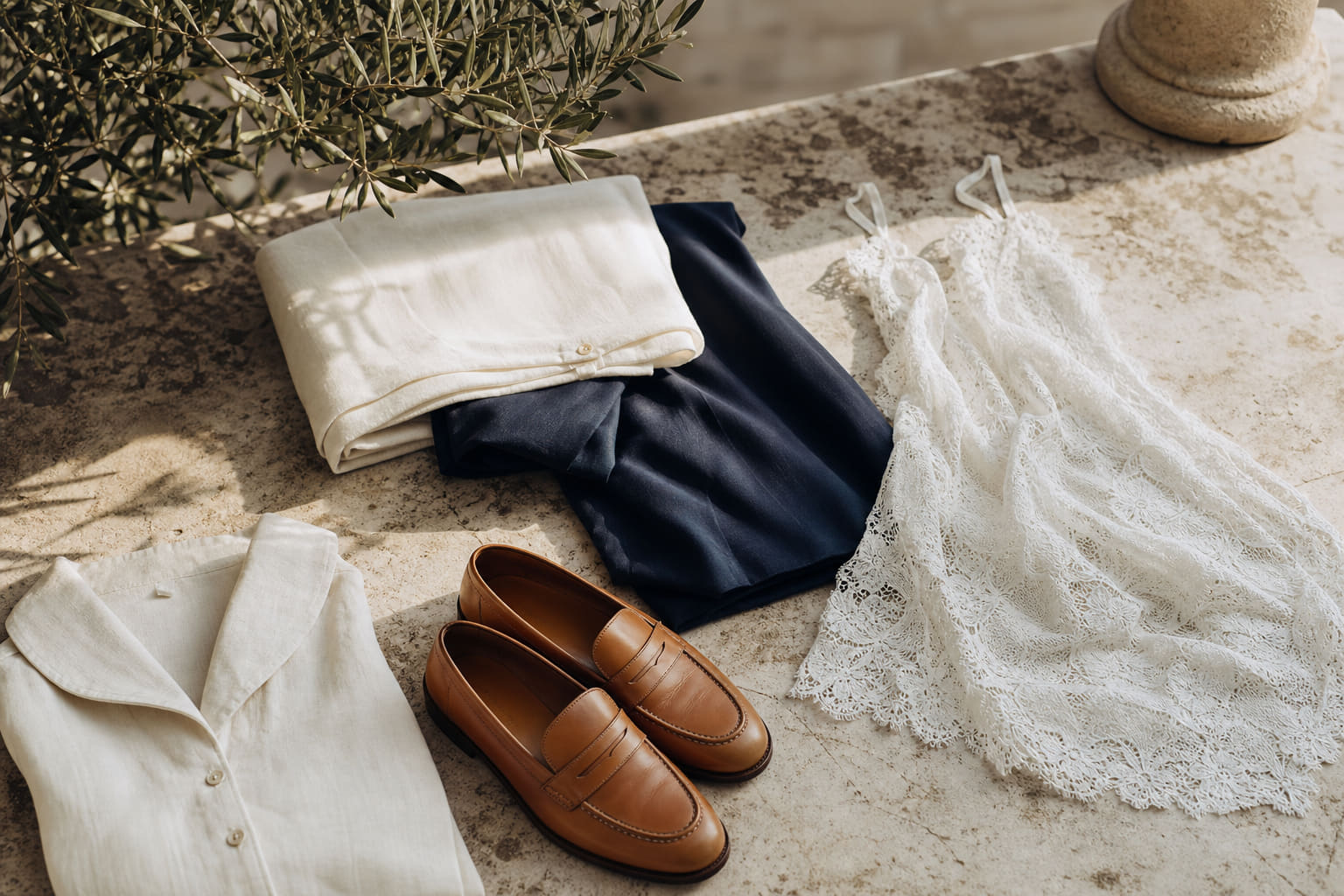
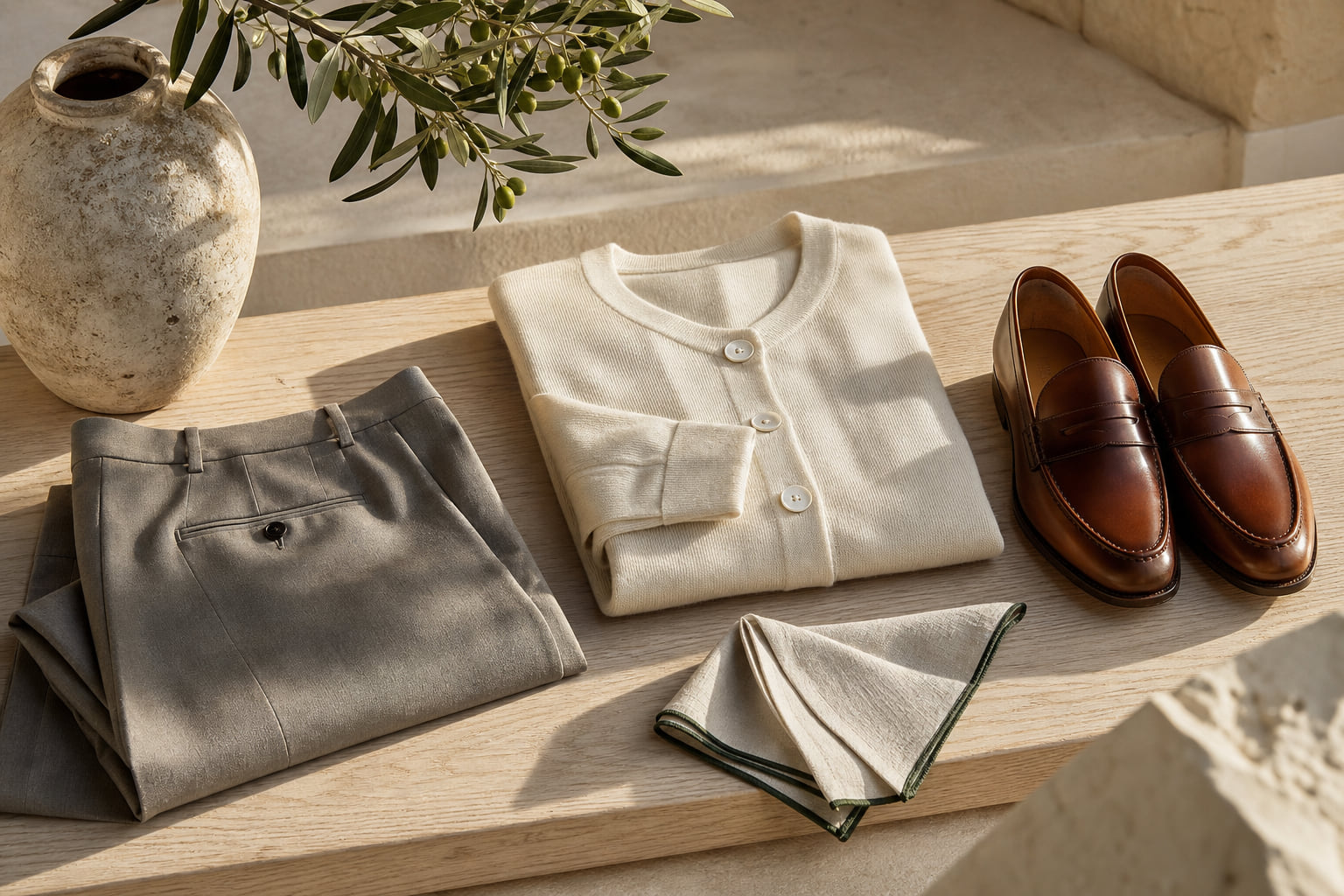
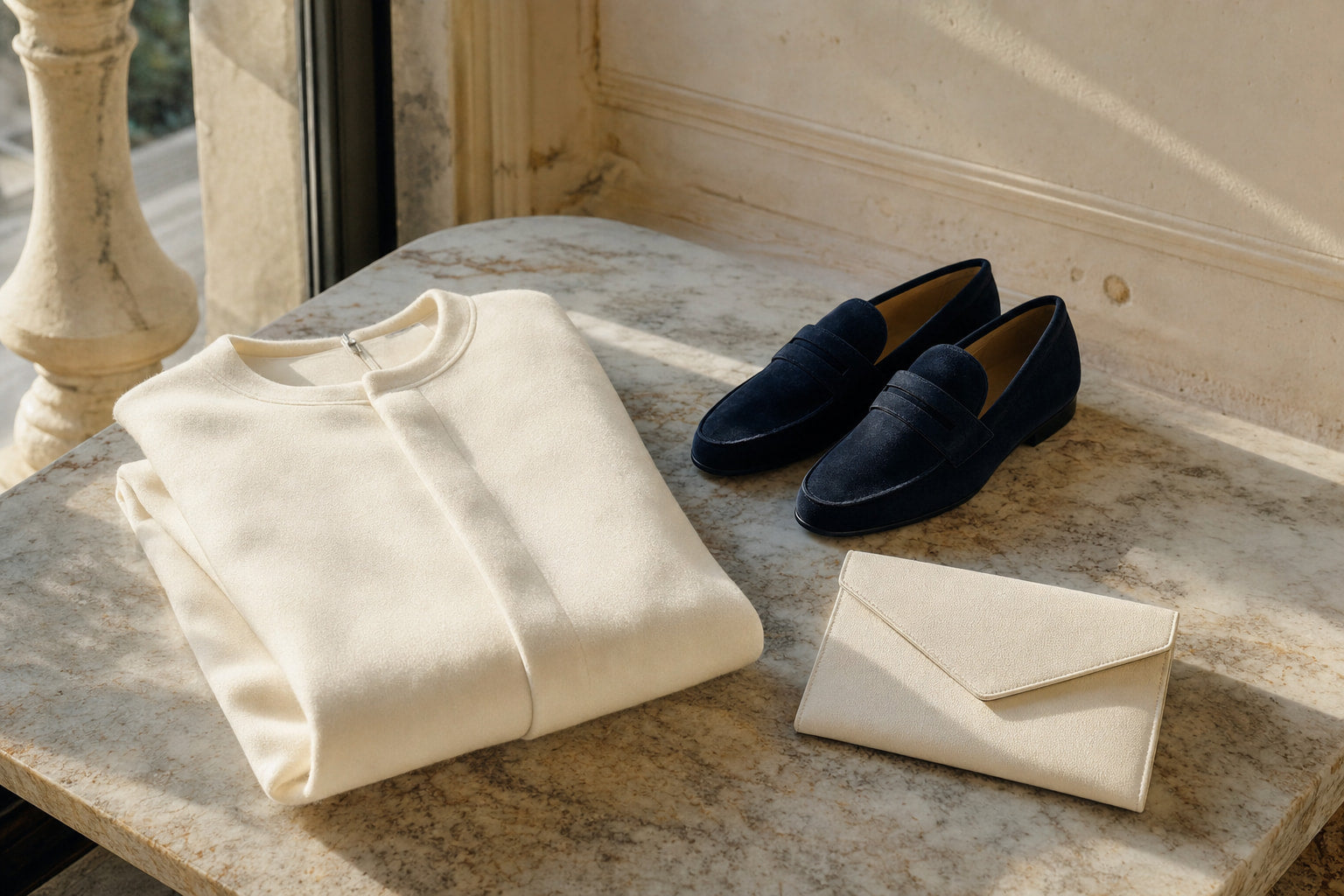
In a head-to-toe ivory look, a pair of genuine leather loafers in a warm tan or a deep camel grounds the outfit at the foot, preventing it from floating. In an all-navy look, a navy leather belt with a gold clasp adds structure at the waist without introducing a new colour.
For men, the grounding element is typically the shoe. Worsted wool trousers in charcoal with a charcoal merino sweater are completed, not interrupted, by a dark chocolate Oxford or a black Chelsea boot. The shoe is close in tone but different in surface and weight.
The grounding element is not a contrast piece. It is not a pop of colour. It is simply a denser, more structured version of the palette you are already working in. This is the distinction between old money monochrome and the kind of bold colour-blocking that belongs to a different aesthetic entirely.
For those interested in how colour relationships function more broadly in a refined wardrobe, our guide on wearing colour the old money way covers the underlying logic in detail.

Monochrome Dressing by Occasion: From Day to Formal Evening
Monochrome is one of the few dressing strategies that genuinely scales across occasions without requiring a different approach. The colour and fabric shift, but the logic stays the same.
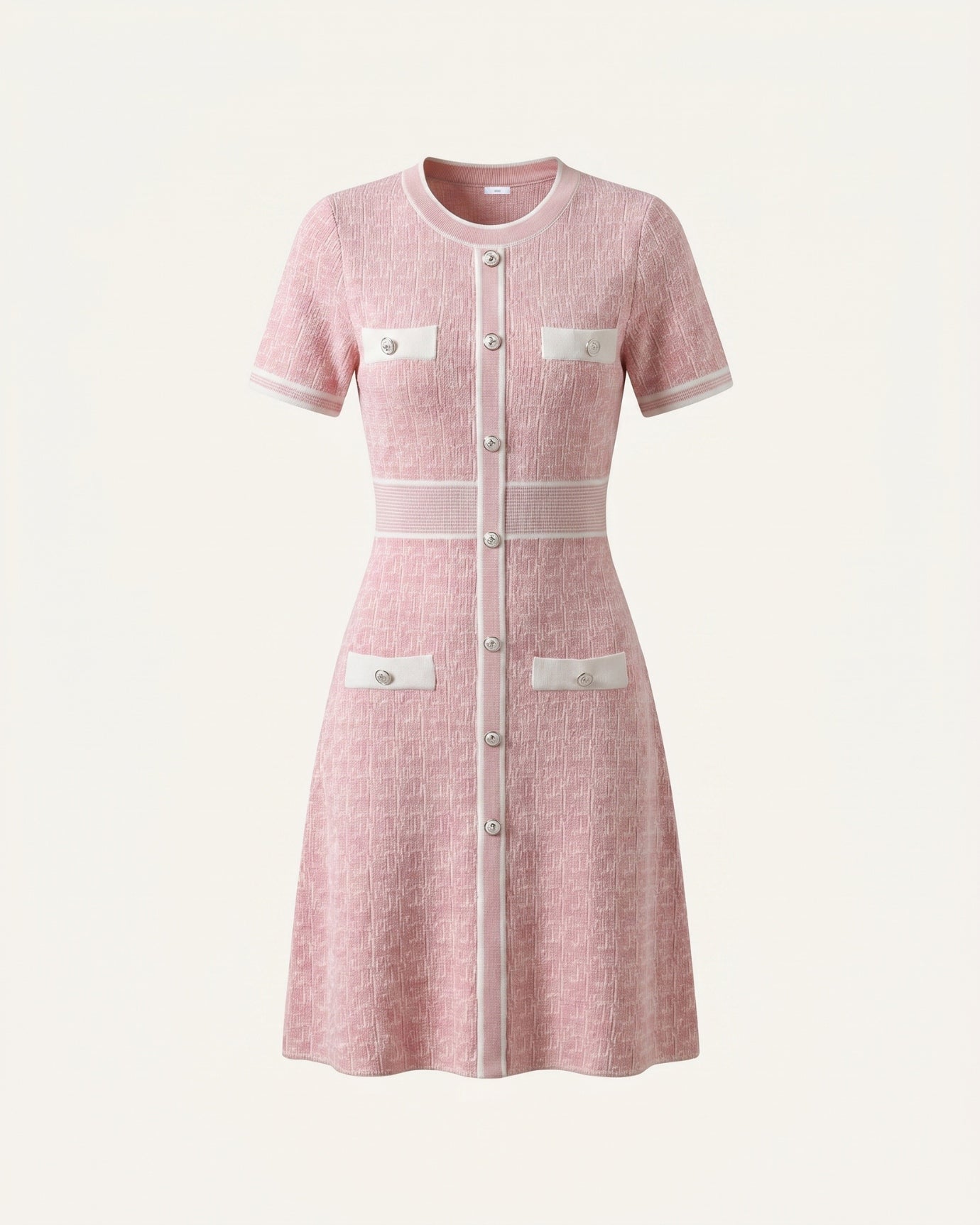
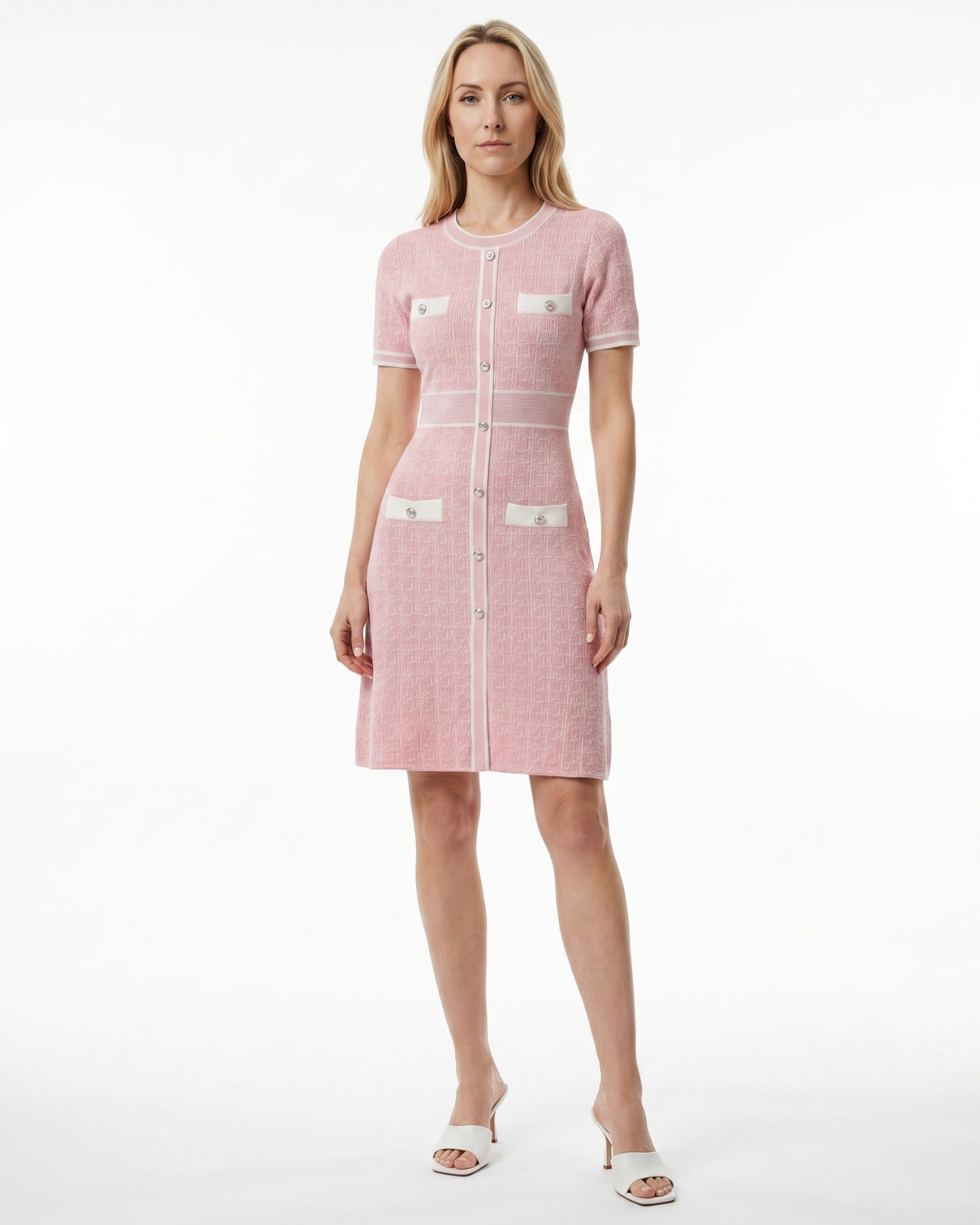
Daytime and weekend: A lighter palette works best. Ivory, pale camel and soft grey in relaxed fabrics like fine knit or brushed cotton. A knitted dress with embroidered lapel in a single tone worn with matching loafers reads as polished without effort, appropriate for a long lunch, a gallery visit, or a quiet afternoon in a European city.
Office and professional contexts: Navy, charcoal and deep forest green in structured fabrics. The silhouette should be clean, the fit precise. A well-cut long-sleeved dress with a belt in a single deep tone is one of the most efficient professional looks a woman can own. It requires no coordination decisions and reads as authoritative from the moment you walk in.
Formal and evening: This is where velvet, silk and fine knit earn their place. Deep jewel tones in monochrome, a claret or midnight navy, carry a formal weight that lighter colours cannot. The texture of the fabric does the work that embellishment would do in lesser dressing. Our article on midi dresses as the most elegant length explores why the midi silhouette works particularly well for evening monochrome.
Seasonal adjustments: In summer, move toward ice silk, linen and light cotton in ivory or pale stone. The ice silk short-sleeve dress in a single neutral tone is the warm-weather version of what a wool knit dress does in winter: one fabric, one colour, complete.
Expert insightFor formal evening events, the most reliable monochrome move is a single deep colour in a fabric with natural sheen, silk, velvet or fine knit. Avoid matte fabrics for evening monochrome; they can read as daywear in a dimly lit room.

Common Mistakes and How to Avoid Them
Monochrome has a short list of reliable failure points. Knowing them in advance saves a great deal of frustration.
Matching too precisely. When every piece is exactly the same shade from the same dye batch, the look reads as a set rather than a wardrobe. Slight tonal variation within the same colour family is not a flaw, it is the point. Aim for pieces that are in the same colour family, not the same colour code.
Ignoring proportion. A monochrome outfit removes colour as a tool for breaking up the silhouette, which means the silhouette itself must be well-considered. A boxy top and wide trousers in the same colour will read as shapeless. In monochrome, the fit has to carry the look. This is why a well-structured old money dress in a single tone often works better than separates for those newer to tonal dressing: the dress imposes its own silhouette without requiring coordination between two pieces.
Choosing the wrong fabric for the colour. Pale colours in stiff, structured fabrics can look institutional. Pale colours in soft, draping fabrics look expensive. Dark colours in very shiny fabrics can look cheap. Dark colours in matte or softly lustrous fabrics look authoritative.
Over-accessorising to compensate. The impulse when wearing one colour is to add interest through accessories. Resist this. One well-chosen accessory in the same colour family or in a neutral metal is enough. More than that and the monochrome logic collapses.
For those building a broader neutral wardrobe alongside their monochrome pieces, our guide to neutral colours that never go out of style covers the specific shades worth investing in.
Vogue's coverage of quiet luxury as a sustained aesthetic movement is also worth reading for context on why restraint in colour has become such a defining marker of considered dressing in recent seasons.

Building a Monochrome Capsule: The Pieces Worth Owning
A functional monochrome wardrobe does not require many pieces. It requires the right pieces in the right colours, with enough textural variety to create different looks from the same palette.
For women, the foundation is a small collection of dresses in three to four base colours. A long-sleeve dress in the old money tradition in navy, one in camel, and one in charcoal covers the majority of occasions across all seasons. Add a fine-knit option in ivory and the core is complete.
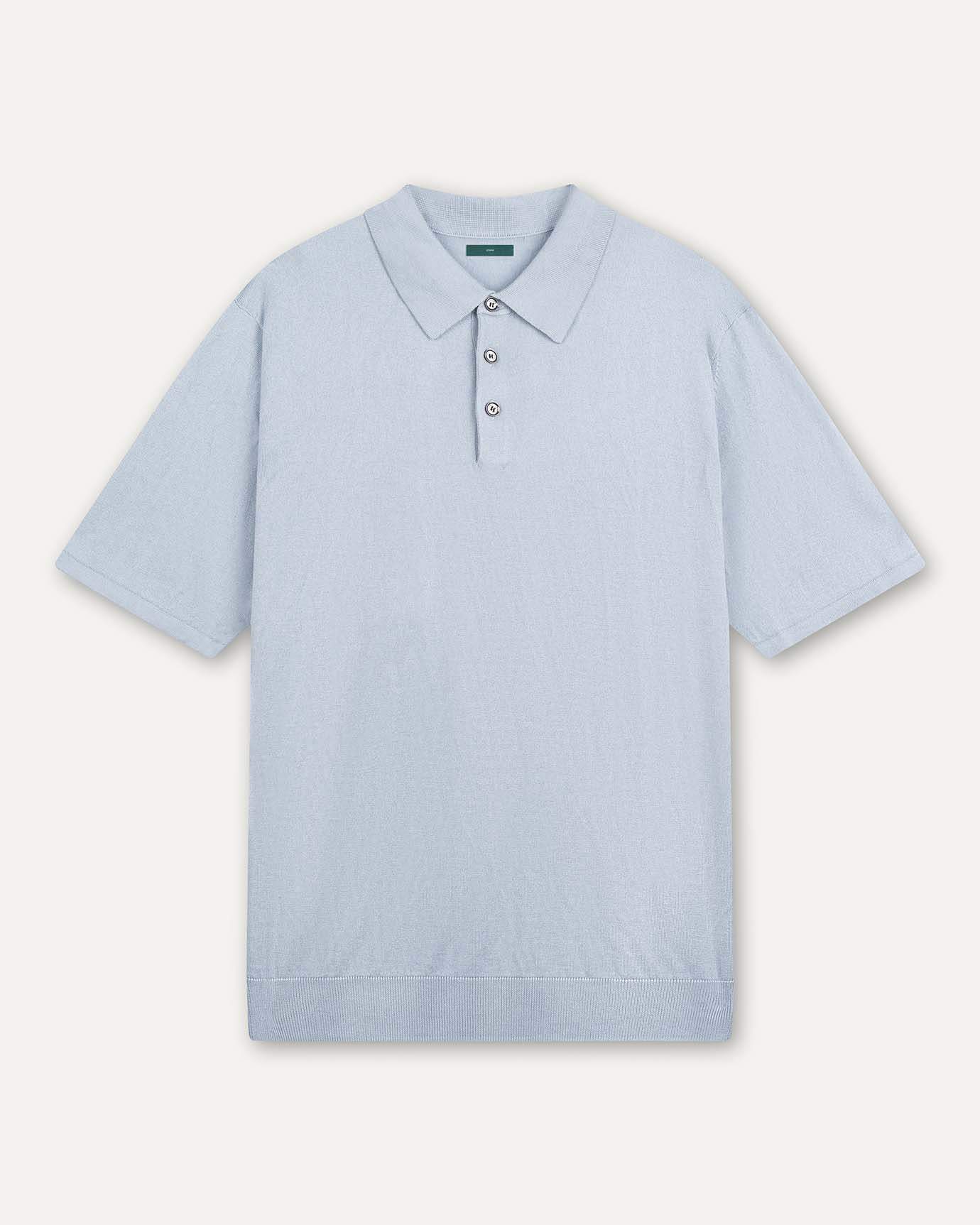
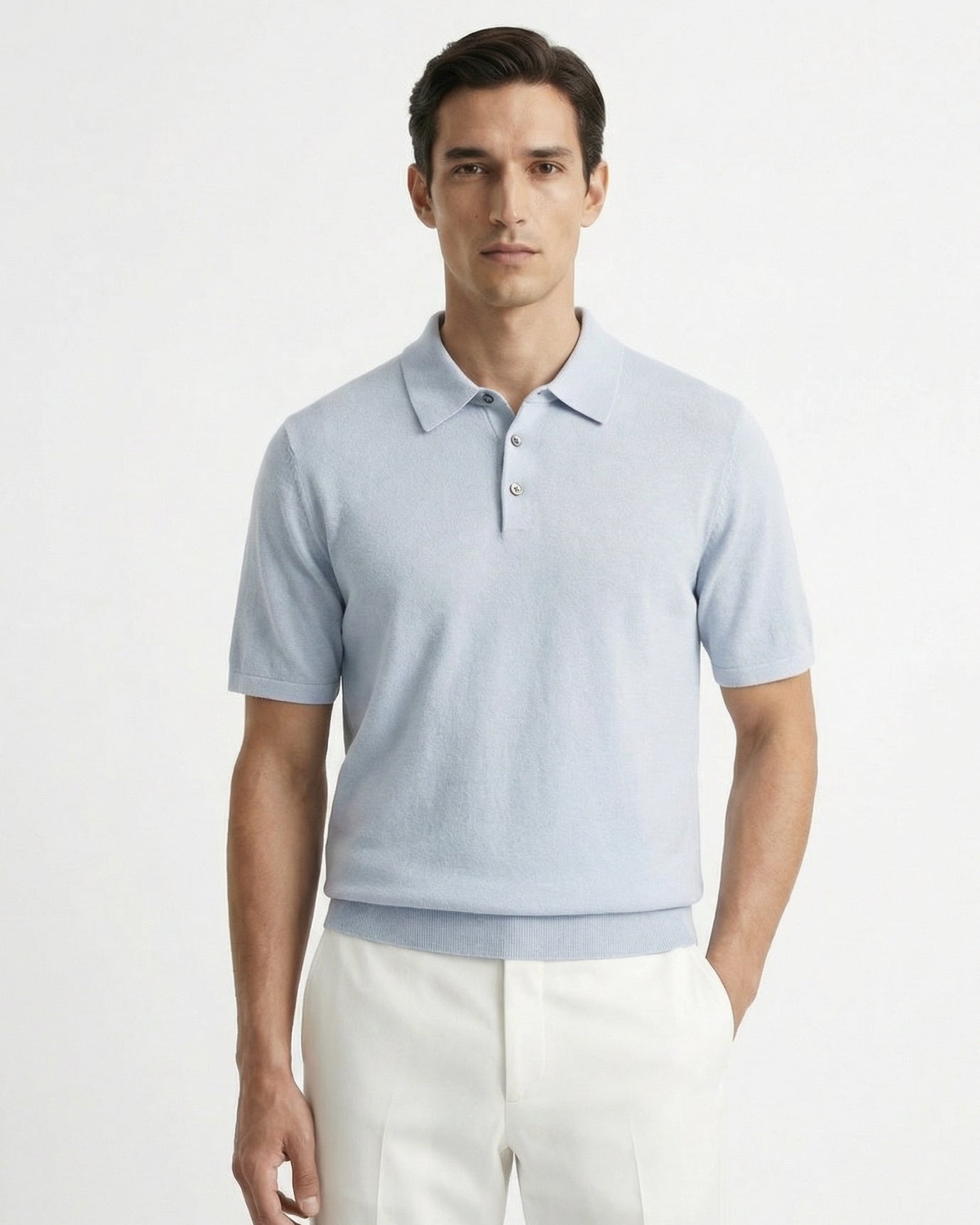
For men, the monochrome approach translates most naturally into trouser-and-knitwear combinations. Well-cut pleated trousers in charcoal or camel paired with a merino turtleneck in the same tone is the male equivalent of the tonal dress: one decision, complete result.
Shoes are the most important investment in a monochrome wardrobe because they are the grounding element for every look. A pair of genuine leather Chelsea boots in dark tan or black will anchor navy, charcoal and forest green monochrome looks with equal reliability.
Finally, consider the best sellers from our collection as a starting point if you are building from scratch. The pieces that consistently perform are those that have proven their tonal versatility across a wide range of customers and contexts.
Monochrome is not a trend. It is a discipline. Once you understand the logic of texture, tone and proportion that holds it together, it becomes one of the most reliable tools in a considered wardrobe.

| Base Colour | Best Fabrics | Ideal Occasion | Season | Grounding Element |
|---|---|---|---|---|
| Navy | Fine knit, worsted wool, silk crepe | Office, formal, travel | All year | Dark tan leather, gold hardware |
| Ivory / Cream | Linen, ice silk, brushed cotton | Weekend, warm-weather events | Spring, Summer | Camel leather, warm-toned metal |
| Camel / Tobacco | Wool, suede, brushed tweed | Countryside, weekend, autumn lunch | Autumn, Winter | Dark chocolate leather, tortoiseshell |
| Charcoal | Merino knit, flannel, velvet | Evening, professional, winter | Autumn, Winter | Black leather, gunmetal hardware |
| Forest Green | Corduroy, wool blend, fine knit | Casual formal, weekend, outdoor events | Autumn, Winter | Tan or cognac leather, brass |
Frequently asked questions
Does monochrome dressing mean everything has to be exactly the same shade?
No, and in fact exact matching is one of the most common mistakes in tonal dressing. The goal is to stay within the same colour family while varying the shade slightly and the texture significantly. Two pieces in slightly different navies, one a fine knit and one a woven wool, will look more considered than two pieces dyed to the same specification. Think of it as a tonal range rather than a single fixed point.
What is the easiest monochrome look to start with?
A single-colour dress is the most direct entry point because it removes the coordination question entirely. A long-sleeved dress in a deep neutral in navy or charcoal, worn with shoes and a bag in the same colour family, is a complete monochrome look with one decision. From there you can begin experimenting with layering and tonal variation.
Can men do monochrome dressing in old money style?
Completely. The male version typically centres on a trouser-and-knitwear combination in charcoal, camel or navy, with a shoe in the same tonal family. The same texture rules apply: a smooth merino turtleneck with a slightly heavier wool trouser in the same tone reads as intentional. The key difference from womenswear is that men tend to have fewer layering options, so the shoe becomes even more important as the grounding element.
Is all-black considered old money monochrome?
All-black can work within this aesthetic but it requires careful fabric selection. Stiff, synthetic or heavily structured black pieces together read as corporate or severe. All-black works in old money dressing when the fabrics are soft and varied in texture: a fine-knit dress, a cashmere scarf, a smooth leather shoe. Our cashmere collection is a useful reference for the kind of soft, tonal black pieces that hold this look together.
Monochrome dressing rewards patience and precision more than it rewards spending. The foundational investment is in a small number of well-made pieces in colours you trust, fabrics that hold their texture over time, and shoes that can anchor the palette across multiple looks. The logic, once understood, makes getting dressed considerably simpler. If you are beginning to build this out, our old money colour palette guide for 2026 is a natural next step for understanding how tonal dressing fits into a broader, seasonally considered wardrobe.