


How a Plain T-Shirt Can Look Luxurious (Fabric Matters)
Reading time 15 min • 3024 words
Most men have experienced it. You pull on a plain white or navy t-shirt that cost very little, stand in front of a mirror, and it looks exactly what it is: a cheap piece of cloth. The collar stretches out after two washes, the fabric goes slightly transparent under bright light, and it hangs rather than drapes. Nothing about it says anything good.
The instinct is to blame the simplicity of the garment. In fact, the problem is almost never the design. A plain t-shirt is one of the most refined things a man can wear, precisely because there is nowhere for bad fabric to hide. No print, no texture, no pattern to distract the eye. The quality of the cloth is the entire statement.
This guide is about understanding what makes fabric look and feel expensive, specifically the difference between standard cotton and the treated, high-count alternatives that give a t-shirt genuine presence. Once you understand what mercerization does, what ice silk contributes, and why yarn count matters, buying a plain tee becomes a straightforward decision rather than a gamble.
Key takeaways
- Fabric weight and yarn count determine almost everything about how a plain tee drapes and catches light.
- Mercerized cotton has been treated to produce a permanent lustre and resist pilling, making it visually cleaner than untreated cotton.
- Ice silk blends bring a cool, smooth hand-feel and a subtle sheen that reads as expensive without being flashy.
- Fit must be precise: even the finest fabric collapses when the shoulder seam sits off-position or the hem billows.
- Neutral tones in high-quality fabric telegraph old-money restraint far more effectively than branding or decoration.
In this guide
- Why Standard Cotton Reads as Cheap
- What Mercerization Actually Does to Cotton
- Ice Silk: The Material That Changes the Equation
- Fit, Weight, and the Details That Finish the Picture
- Colour Selection and the Logic of Restraint
- When to Wear a Quality Plain Tee and How to Style It
- Frequently asked questions
Why Standard Cotton Reads as Cheap
Regular cotton t-shirts are made from short-staple yarn, spun quickly and woven at relatively low thread counts. The result is a fabric that is functional but visually flat. The surface has a matte, slightly rough texture that absorbs light rather than reflecting it. Under natural daylight it can look dull; under artificial light it can look grey and lifeless, even when new.
Beyond the visual, standard cotton has structural weaknesses that reveal themselves fast. The fibres pill after friction, the collar loses its shape after a few washes, and the fabric thins unevenly over time. A plain tee in this material communicates nothing except that it is a plain tee.
Thread count and staple length are the two numbers that separate mass-market cotton from something worth wearing as a standalone piece. Long-staple cotton, such as Egyptian or Pima, produces smoother, stronger yarn. Higher thread counts produce a denser, more uniform surface. These are the starting points of quality, but they are only the beginning. What happens to the cotton after weaving matters just as much.
For a broader look at how fabric origin and processing affect luxury garments, our guide on natural versus synthetic fabrics and why it matters for luxury covers the foundational principles in detail.
Expert insightHold a t-shirt up to a light source before buying. If the fabric is thin enough to see your hand through clearly, it will look transparent on the body and drape without structure. That single test eliminates most cheap options immediately.
What Mercerization Actually Does to Cotton
Mercerization is a finishing process developed in the nineteenth century by John Mercer, a British textile chemist. The process involves treating cotton yarn or fabric with a sodium hydroxide solution under tension, which causes the fibres to swell, become rounder in cross-section, and align more uniformly. The result is a permanent transformation in the physical structure of the fibre.
The practical effects are significant. Mercerized cotton has a natural lustre, not a shine in the synthetic sense, but a clean, soft reflectivity that makes colour appear deeper and the surface appear smoother. It also absorbs dye more completely, which is why mercerized tees hold their colour wash after wash rather than fading to a washed-out version of themselves. The fabric resists pilling, maintains its shape better, and feels smoother against the skin.
You can read more about the chemistry and history of this process in our dedicated piece on mercerized cotton and the secret behind premium basics, but the practical point is this: a mercerized cotton tee looks categorically different from an untreated one. The surface has authority. It sits flat, it catches light cleanly, and it holds its colour in a way that communicates care and quality without announcing itself.
Double mercerization takes the process further, treating the fabric twice to deepen the lustre and further tighten the fibre structure. The hand-feel becomes noticeably silkier and the surface gains additional depth. For a plain t-shirt worn without a jacket or layering piece, this level of finish is the difference between a garment that reads as a luxury basic and one that simply reads as a t-shirt.
The high-count mercerized cotton round neck breathable t-shirt in dark navy is a strong example of what double mercerization produces at a practical level: a dense, breathable weave with a surface that holds its shape through repeated wear.
Expert insightDouble mercerization is not a marketing term to ignore. Run your thumb across the fabric surface: a single-mercerized tee feels smooth, a double-mercerized one feels almost cool to the touch, with a subtle resistance that signals structural density.

Ice Silk: The Material That Changes the Equation
Ice silk is a category of fabric, not a single fibre, that combines the breathability of natural yarns with a smooth, cool surface more commonly associated with silk. Most quality ice silk fabrics use a high-count mercerized cotton base blended or finished to produce a lightweight, cool-to-the-touch hand-feel and a gentle sheen that is distinctly different from standard cotton.
The name comes from the sensation: the fabric feels cool against the skin even in warm temperatures, because the tight weave and smooth surface conduct heat away from the body efficiently. For a man wearing a plain t-shirt in a warm climate or during the warmer months, this is not a minor comfort detail. It is the reason the garment works in contexts where a thick cotton tee would become uncomfortable within an hour.
Visually, ice silk has a quiet luminosity. It does not shine like a satin or a polyester blend. It reflects light gently, in a way that gives the fabric depth and makes neutral tones, white, ivory, grey, caramel, appear richer rather than flat. This quality is what allows a plain tee in ice silk to work as the primary garment in a considered outfit rather than as an underlayer.
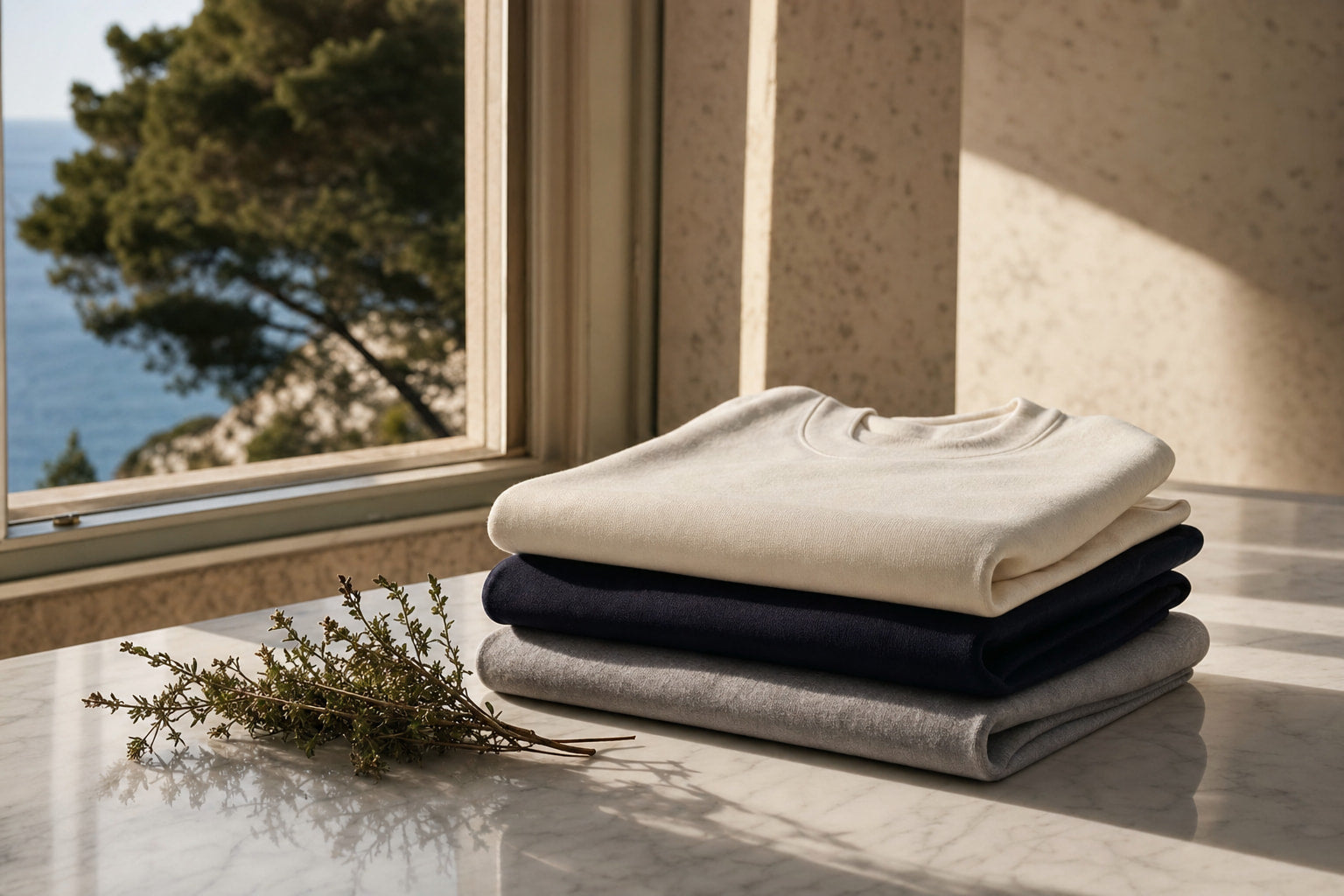
The mercerized cotton ice silk t-shirt in white demonstrates this well. In white, a colour that exposes every fabric weakness, the ice silk construction produces a clean, structured surface that reads as intentional rather than casual. Compare that to a standard white cotton tee and the difference is immediately visible.
For those who prefer a cooler, more restrained tone, the mercerized cotton silky light gray t-shirt shows how the same fabric performs in a neutral that works across a wide range of situations, from a weekend in the city to a dinner where a jacket is not required.
For further context on how summer-weight fabrics compare across categories, the article on the best summer fabrics for hot weather is worth reading alongside this one.
Expert insightIce silk fabrics are particularly unforgiving of poor fit because their smooth surface makes every structural line visible. This is a feature, not a problem: it means a well-fitted ice silk tee communicates precision, while the same fabric on an ill-fitted garment communicates nothing useful.

Fit, Weight, and the Details That Finish the Picture
Fabric is the foundation, but fit determines whether the fabric does its job. A plain t-shirt in the finest mercerized cotton will still look wrong if the shoulder seam falls past the shoulder point, if the body is cut too wide through the chest and waist, or if the hem length is inconsistent. These are not minor details. On a plain garment with no decoration to draw the eye, they are the entire garment.
Shoulder seam placement is the first checkpoint. The seam should sit exactly at the shoulder point, where the arm meets the torso. If it falls onto the upper arm, the silhouette widens and softens in a way that reads as sloppy rather than relaxed. Chest and waist fit should be close without being tight: enough room to move without fabric bunching or pulling, but no excess that collapses the clean line the fabric is capable of producing.
Fabric weight also contributes to how a tee sits on the body. A very lightweight fabric, under 150 gsm, tends to cling and shift throughout the day. A mid-weight fabric in the 160 to 200 gsm range has enough structure to hold its position and drape cleanly from the shoulder. The high-count constructions used in quality mercerized tees typically fall in this range by design.
Collar construction is often where inexpensive tees reveal themselves most quickly. A ribbed crew neck in low-quality cotton stretches out of shape after a few washes and never recovers. A properly reinforced collar in mercerized or ice silk fabric retains its circular shape and lies flat against the collarbone, which is the detail that makes a plain tee look considered rather than thrown on.
For men who want to understand how neutral tones in quality fabric create a consistent, refined wardrobe foundation, the guide on the best neutral t-shirts for an old money look addresses colour selection and styling in practical terms.
The high-end mercerized cotton ice silk coffee t-shirt is a useful example of how a warm neutral tone in the right fabric weight creates a tee that works independently as a finished look, without requiring additional layers to justify its presence.

Colour Selection and the Logic of Restraint
A plain t-shirt in a quality fabric earns its place in a wardrobe through versatility. The colours that make that versatility work are not complex. White, ivory, light grey, dark navy, dark grey, and soft earth tones cover nearly every situation a man will encounter. The reason is not conservatism for its own sake. It is that these tones allow the fabric quality to be the visible element, rather than the colour itself.
Bright colours or unusual tones in a plain tee shift attention to the colour decision, which means the fabric quality becomes secondary. In a neutral, the fabric is what the eye registers. A mercerized cotton silky dark gray t-shirt in a well-fitted cut reads as a deliberate, quietly expensive choice. The same cut in a loud colour reads as a statement about the colour, regardless of the fabric beneath it.
This does not mean the palette needs to be entirely without variation. Earth tones, warm caramels, and muted greens work well within the same logic. The mercerized cotton silky orange caramel t-shirt demonstrates how a warmer tone, kept in the muted, earthy range, sits within a refined palette rather than outside it. The ice silk construction keeps the surface clean and the tone appears richer than it would in standard cotton.
For a complete view of which tones are working well in men's basics this year, the article on best colors for men's t-shirts in 2026 gives specific guidance on palette building.
The broader Lovau men's old money collection shows how these fabric choices sit within a full wardrobe context, including the trousers, polos, and outerwear that a quality tee is built to work alongside.
According to Textile Research Journal via Wikipedia's entry on mercerized cotton, the mercerization process increases tensile strength and dye uptake significantly, which explains both the deeper colour saturation and the longevity that makes these tees worth the price difference over time.

When to Wear a Quality Plain Tee and How to Style It
A plain t-shirt in mercerized or ice silk fabric is not a casual item in the way a standard cotton tee is. Its surface quality and structural drape make it appropriate in situations where a cheaper tee would look underdressed.
Worn alone with tailored trousers and clean leather shoes or loafers, a quality plain tee functions as a refined, minimal alternative to a dress shirt for evenings that are smart but not formal. The fabric surface carries enough presence to hold the look together without a collar. This is a combination that reads as considered rather than casual, provided the fit of both garments is precise.
Layered under an unstructured blazer or a lightweight overshirt, the tee becomes the visible foundation of a composed outfit. Here the fabric quality matters in a different way: the tee needs to sit flat and maintain its shape under the outer layer, which lower-quality fabrics fail to do. The high-count white mercerized cotton round neck breathable t-shirt works particularly well in this role, as the white creates a clean visual break between trouser and jacket while the high-count construction keeps the surface taut.
For warmer months, the ice silk construction becomes especially relevant. The breathability and cool hand-feel mean the tee remains comfortable and maintains its shape throughout the day, which standard cotton does not do reliably in heat. The spring and summer old money collection shows how these tees sit within a warmer-weather wardrobe.
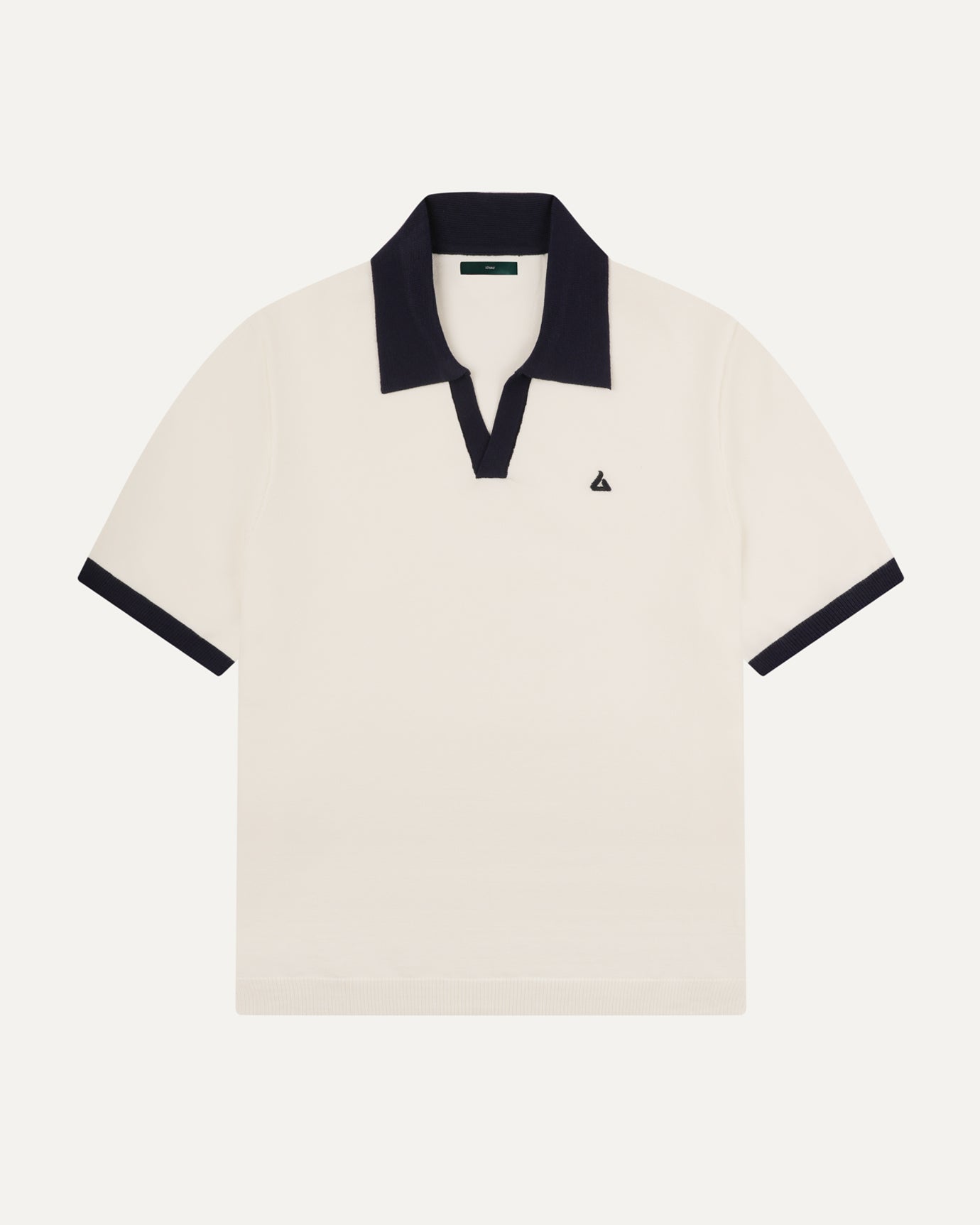
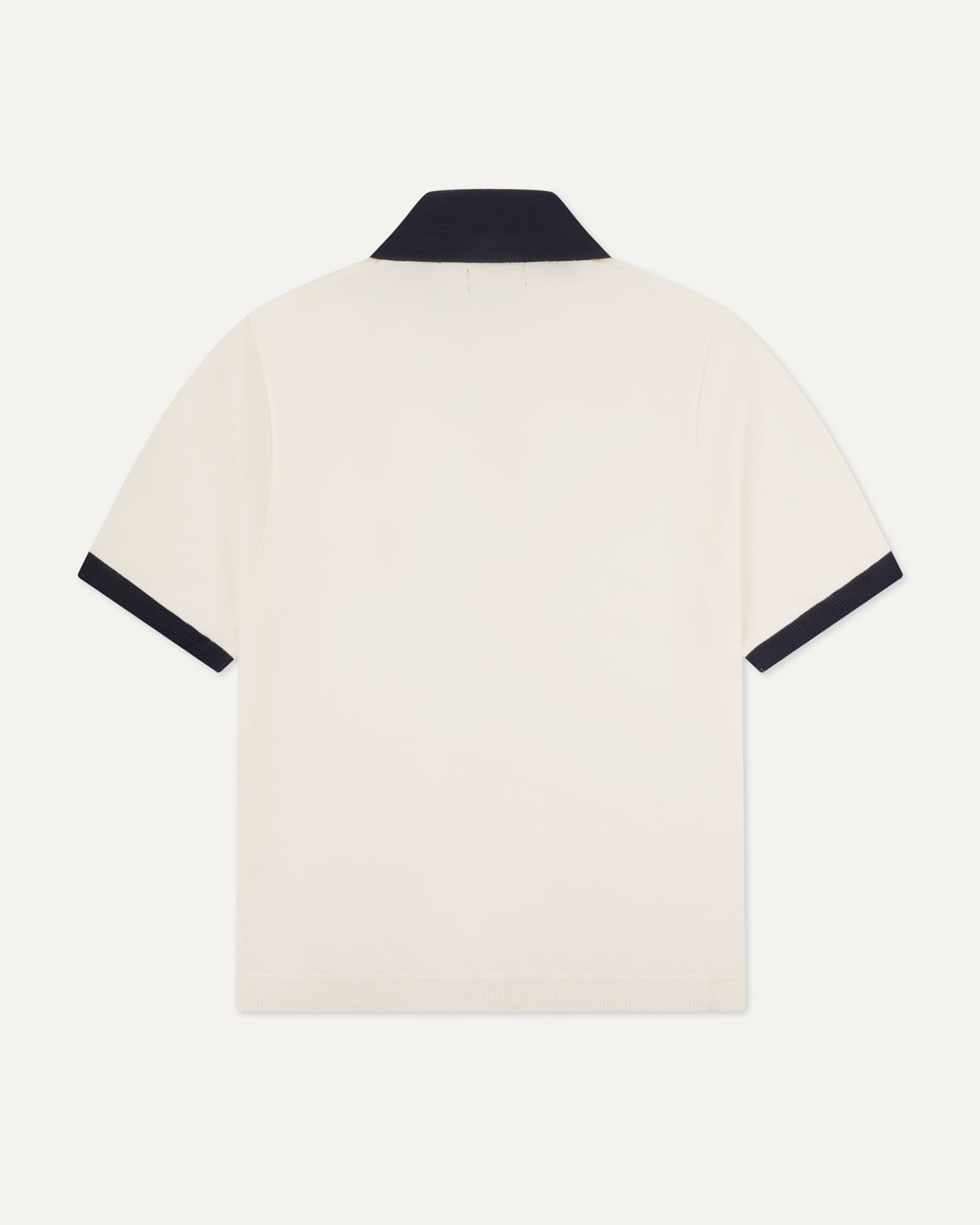
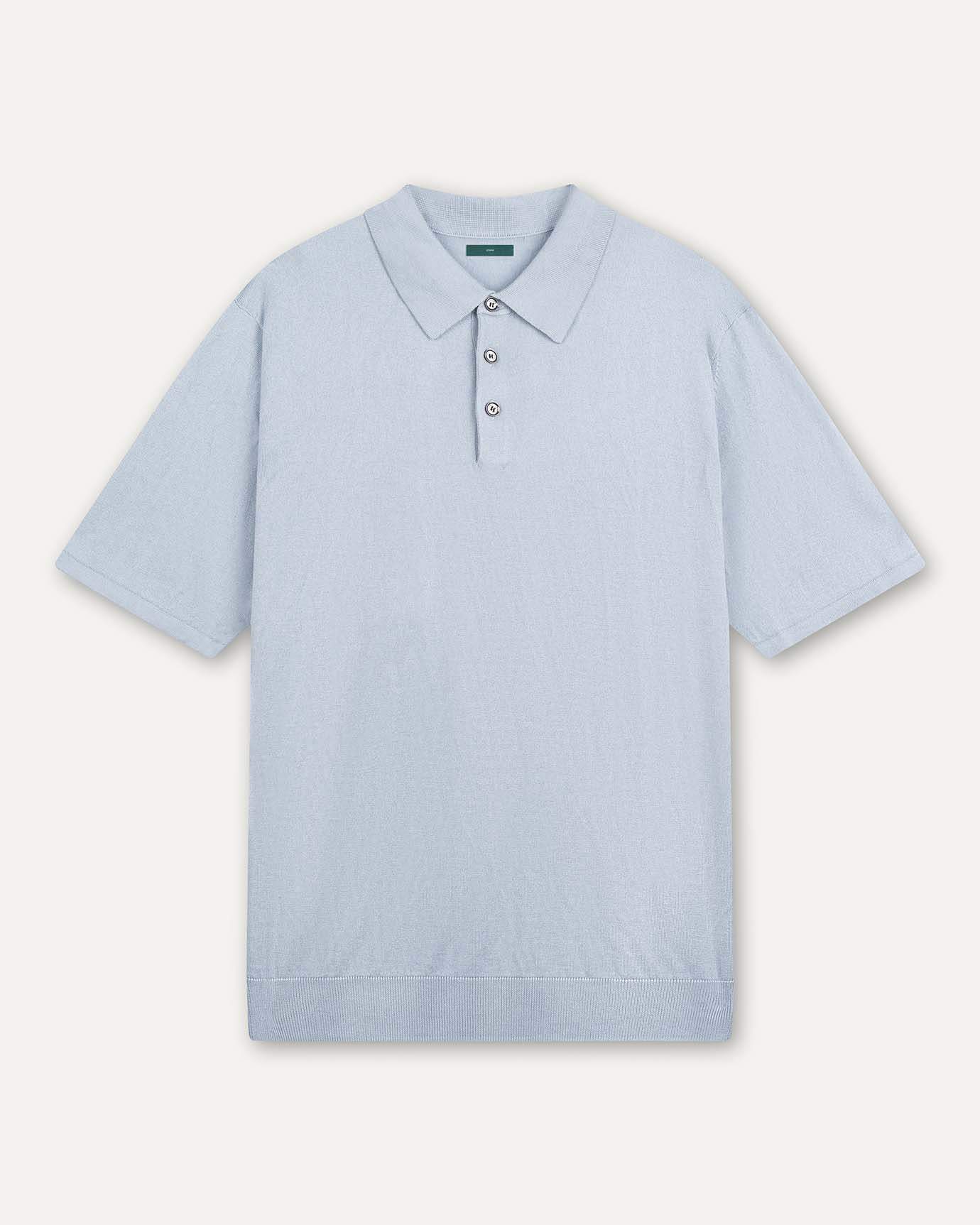
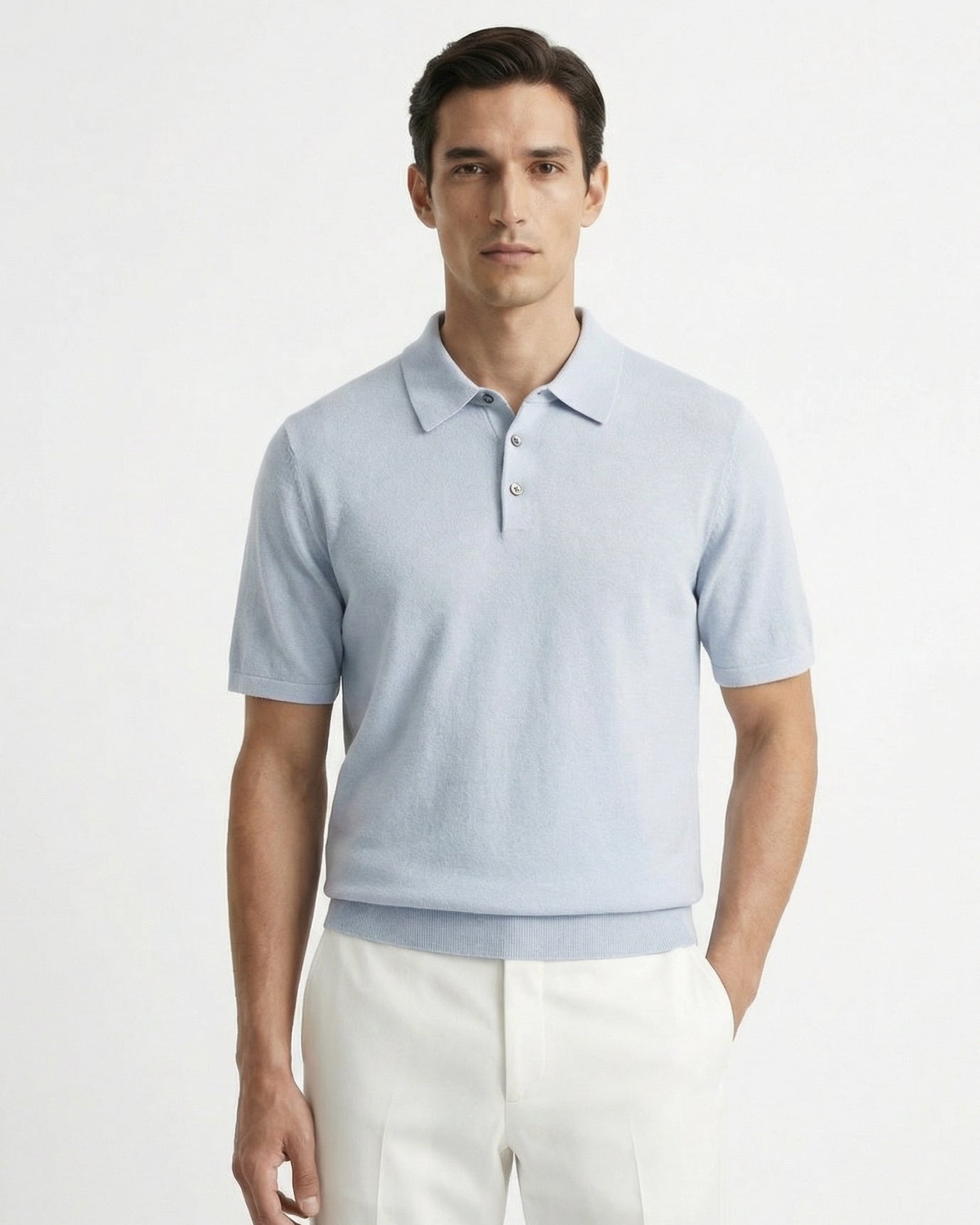
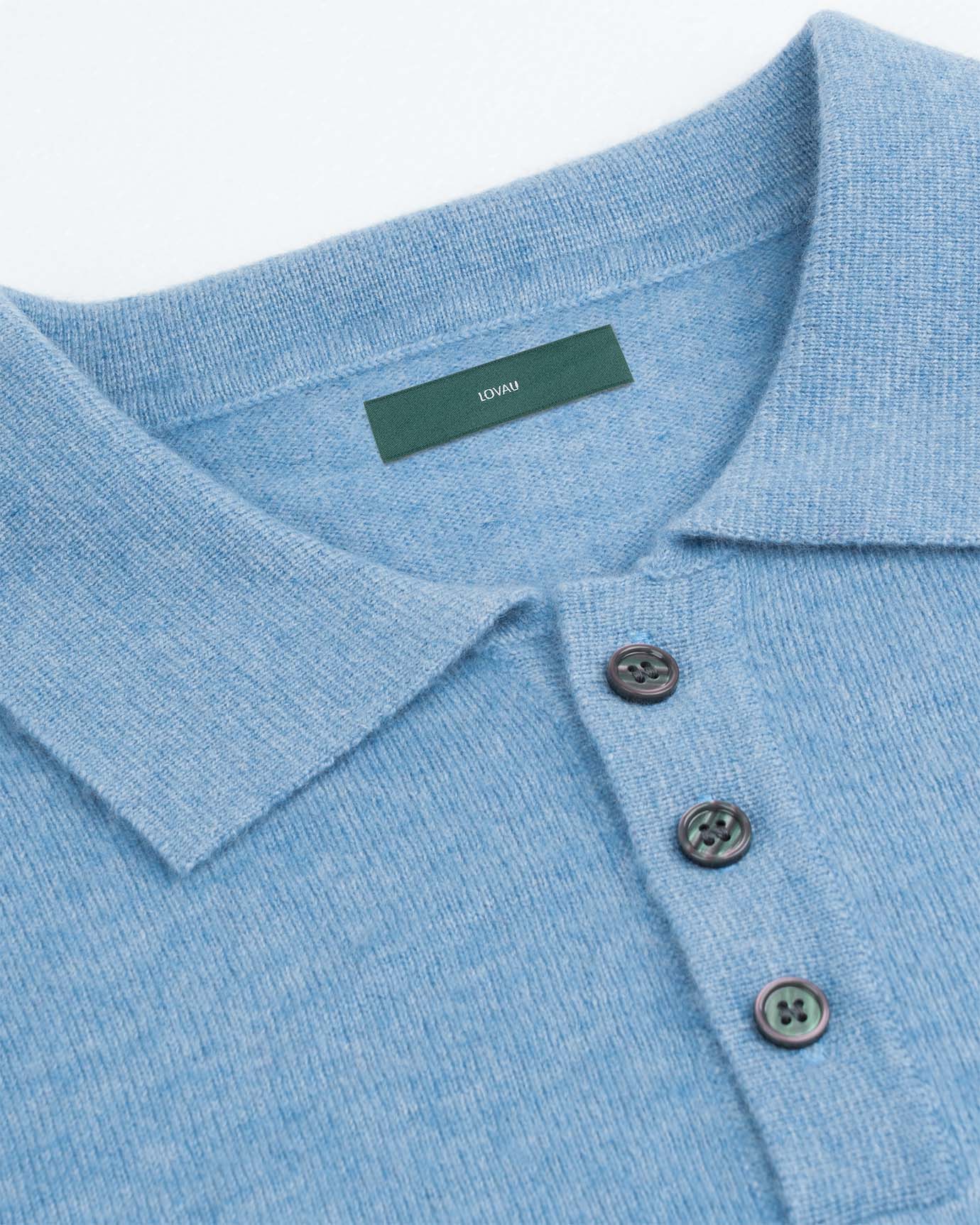
For men who want to extend the same fabric logic into a more structured piece, the double mercerized cotton silk long-sleeve polo shirt applies the same surface quality and construction principles to a polo format, giving the option of a collar without sacrificing the refined, minimal character of the plain tee aesthetic.
Style authority Permanent Style has written extensively on why fabric quality in basics is the most reliable indicator of a man's understanding of dress, and the logic applies directly here: the case for investing in fabric over decoration is the foundation of a wardrobe that improves with time rather than dates.

| Fabric Type | Surface Appearance | Durability After Washing | Hand-Feel | Best Use Case |
|---|---|---|---|---|
| Standard cotton (short-staple) | Matte, flat, slightly rough | Pills and fades within 10 to 15 washes | Soft initially, becomes coarse | Underlayer, gym, casual only |
| Long-staple cotton (Pima, Egyptian) | Smoother matte, minimal sheen | Good, resists pilling better | Noticeably softer than standard | Smart casual, standalone wear |
| Single mercerized cotton | Clean lustre, deeper colour | Very good, colour holds well | Smooth, slightly cool | Smart casual, standalone wear, layering |
| Double mercerized cotton | Rich, structured lustre, precise surface | Excellent, shape retention over years | Silky, cool, dense | Standalone refined wear, dinner, travel |
| Ice silk (mercerized cotton blend) | Gentle luminosity, not glossy | Excellent, resists deformation | Cool to touch, very smooth | Warm weather, standalone, smart casual |
Frequently asked questions
What makes a plain t-shirt look expensive?
Fabric quality is the primary factor. A tee in double mercerized cotton or an ice silk construction has a surface lustre, colour depth, and structural drape that standard cotton cannot replicate. Fit is the second factor: the shoulder seam must sit precisely at the shoulder point, and the body should be close without pulling. These two elements together, fabric and fit, account for almost all of the visible difference between a cheap tee and an expensive-looking one.
Is mercerized cotton worth the higher price for a plain tee?
Yes, for a garment worn as a standalone piece rather than an underlayer. Mercerized cotton holds its colour and shape significantly longer than untreated cotton, which means the cost-per-wear over time is often lower. The surface quality also means the tee works in more situations, including smart casual contexts where a standard cotton tee would look underdressed. The high-count oatmeal mercerized cotton round neck t-shirt is a practical example of this value over time.
What is the difference between ice silk and regular silk in a t-shirt?
Regular silk, particularly mulberry silk, is a natural protein fibre with a high-gloss sheen and delicate care requirements. Ice silk is typically a high-count mercerized cotton, sometimes blended with lyocell or other smooth fibres, engineered to produce a cool hand-feel and gentle luminosity without the fragility or cost of true silk. For a plain t-shirt worn regularly, ice silk is the more practical choice: it washes well, maintains its shape, and provides the smooth, refined surface quality without demanding specialist care.
What colours work best for a plain t-shirt that looks refined?
White, ivory, light grey, dark grey, dark navy, and warm earth tones (caramel, oatmeal, muted green) are the most versatile. These tones allow the fabric quality to be the visible element rather than the colour choice. For a direct comparison of two of the most useful options, the article on light blue versus white t-shirts and which looks more expensive addresses this question specifically.
A plain t-shirt is not a simple purchase. It is one of the most demanding garments in a man's wardrobe precisely because it asks fabric and fit to carry the entire impression without any decorative support. The solution to a tee that looks cheap is almost always the same: better cloth. Mercerized cotton and ice silk constructions produce a surface quality, a colour depth, and a structural drape that standard cotton simply cannot match. Choose the right fabric, confirm the fit is precise, and keep the colour within a restrained palette. The result is a garment that communicates exactly what quiet, considered dressing should: that the man wearing it understands quality and has no need to announce it. Start with the Lovau men's old money collection to see how these fabric principles translate into a complete wardrobe.