


Cashmere vs Merino Wool: Which Sweater Is Warmer?
Reading time 13 min • 2505 words
The question arrives every autumn: cashmere or merino? Both fibres sit at the top of the natural knitwear hierarchy. Both feel considerably better than the acrylic blends that crowd the high street. But they are not interchangeable, and choosing the wrong one for your climate, your lifestyle or your budget is a common and expensive mistake.
This guide goes fibre by fibre, comparing warmth, weight, durability, care and cost with the specificity that the question deserves. No vague praise for softness. No hand-waving about luxury. By the end you will know exactly which sweater belongs in your wardrobe, and likely why a well-chosen blend might belong in both.
A note on context: the comparisons here apply to men's sweaters in the mid-gauge to fine-gauge range, the territory where cashmere and merino most often compete directly. Chunky fisherman knits and technical base layers are a separate conversation.
Key takeaways
- Cashmere is warmer by weight than merino, roughly three times the insulating value per gram of fibre.
- Merino wool is more durable and resilient for everyday wear; cashmere is finer but pills faster without proper care.
- Gauge matters as much as fibre: a thickened cashmere zip sweater will outperform a thin merino in cold weather.
- Blends of cashmere and merino or cashmere and silk offer a practical middle ground, balancing warmth, drape and longevity.
- Buy cashmere for occasions and travel; buy merino for daily rotation and active wear.
In this guide
- How Each Fibre Is Made and Where It Comes From
- Warmth: The Real Numbers Behind the Softness
- Durability, Pilling and Long-Term Wear
- Price, Value and When Each Fibre Makes Sense
- How to Wear Each Fibre: Occasion and Outfit Logic
- Silk Blends and the Next Level of Fine Knitwear
- Frequently asked questions
How Each Fibre Is Made and Where It Comes From
Merino wool comes from the Merino sheep, a breed originating in Spain and now farmed predominantly in Australia and New Zealand. The fibre diameter of quality merino runs between 15 and 24 microns. Anything below 18.5 microns is classified as superfine and sits close to the skin without irritation. The wool is shorn annually, and a single animal yields several kilograms per year, which keeps supply relatively stable and prices accessible.
Cashmere comes from the undercoat of the Cashmere goat, bred primarily across Mongolia, China and the Kashmir region of northern India. Each goat yields only 150 to 200 grams of usable fibre per year, combed out by hand in spring. Quality cashmere runs between 14 and 19 microns. The scarcity of raw material, the labour of combing and the long sorting process are what make genuine cashmere cost what it does.
The distinction matters because cashmere knitwear commands its price for structural reasons, not marketing. When you are comparing a $99 merino pullover to a $275 pure cashmere zip, you are not comparing equivalent quantities of effort or raw material. You are comparing two different decisions about your wardrobe.
Expert insightWhen buying cashmere, ask or look for the micron count if the brand publishes it. Anything above 19 microns is technically cashmere but will feel noticeably coarser after a few washes. The best pieces sit between 14 and 16 microns.

Warmth: The Real Numbers Behind the Softness
Cashmere is warmer than merino wool by a significant margin relative to its weight. The hollow structure of the cashmere fibre traps more air per gram than merino, which is why a fine cashmere sweater can feel warmer than a heavier merino knit. Independent textile tests and cashmere fibre research consistently place cashmere's thermal resistance roughly two to three times higher than standard wool of equivalent weight.
In practical terms: a mid-gauge fine cashmere and wool sweater pullover worn over a dress shirt will carry you through a cold European October evening without a coat. A merino sweater of the same weight will not quite match that, though it will perform better than most men expect.
Merino's advantage is that it regulates temperature actively. The fibre absorbs up to 35 percent of its weight in moisture before feeling damp, which means it manages body heat across a range of temperatures rather than simply insulating. For a man who walks between a heated office and a cold street, merino is often the more comfortable daily choice.
Cashmere, by contrast, insulates passionately and does not manage moisture as efficiently. It is the better choice when the goal is warmth in still, cold air, not warmth during movement.
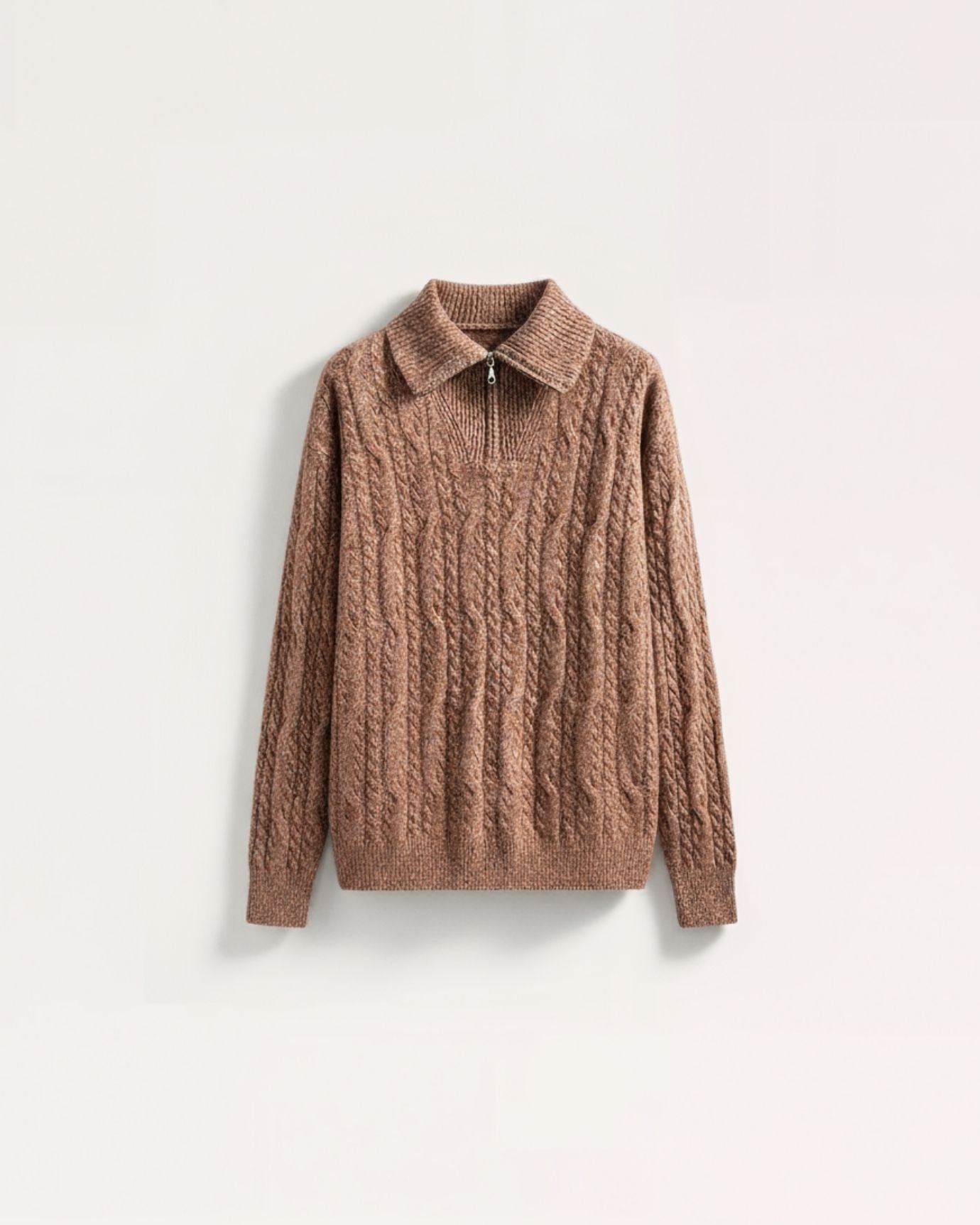
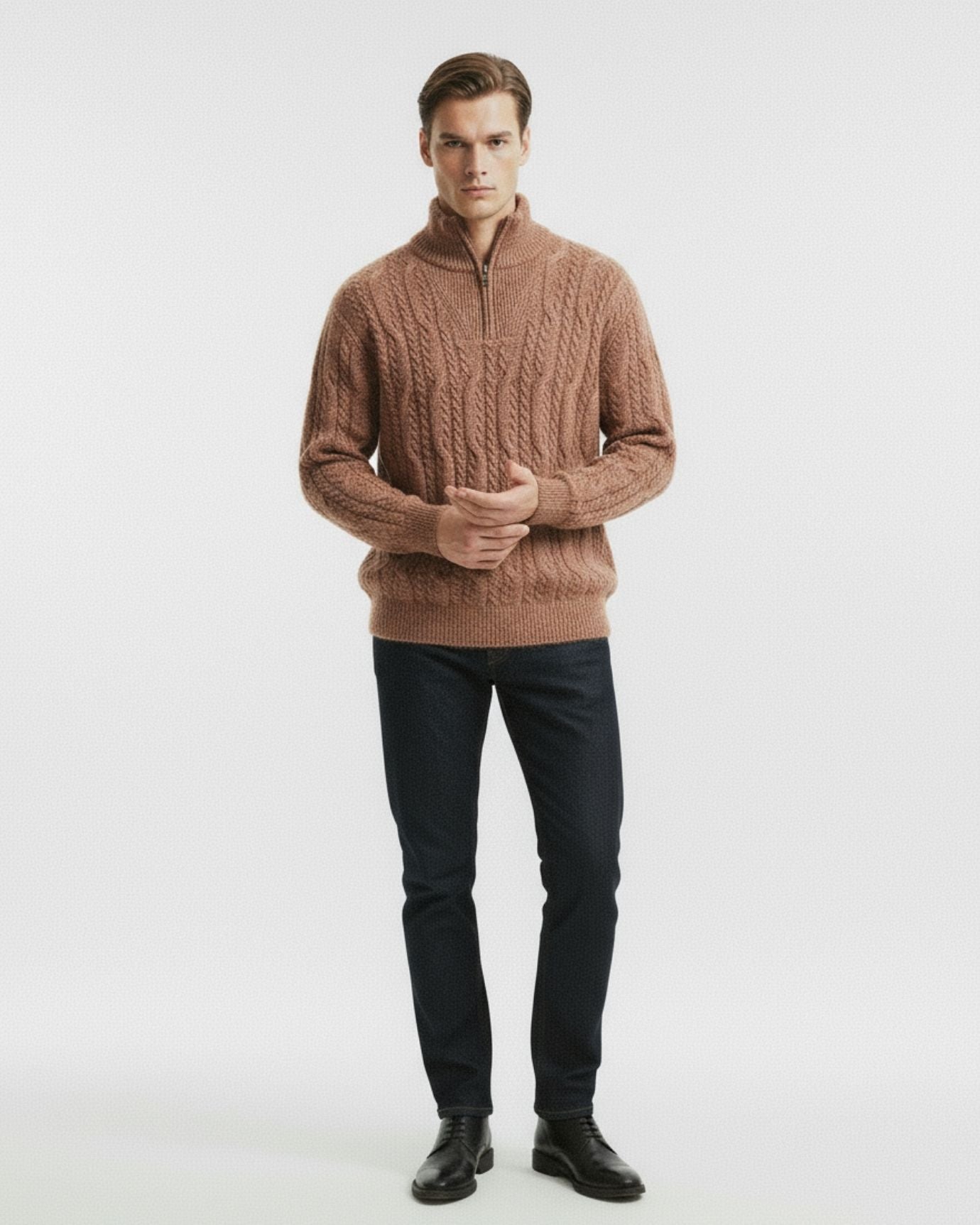
The gauge factor: a thickened, double-knit cashmere sweater will be substantially warmer than a fine-gauge version of the same fibre. The cashmere sweater with thickened construction represents this principle directly: the warmth comes from the knit structure as much as the fibre itself.
Expert insightIf you are buying one sweater for cold-weather travel, choose cashmere. It packs smaller than merino for equivalent warmth, which is the kind of practical detail that matters when you are moving between cities.

Durability, Pilling and Long-Term Wear
This is where merino wins clearly and cashmere owners need to be honest with themselves.
Merino wool has a natural crimp in the fibre that gives it elasticity and resilience. It returns to shape after stretching, resists pilling better than cashmere under friction, and tolerates frequent washing more gracefully. A quality merino sweater worn two or three times a week will look presentable for years with basic care.
Cashmere pills. Not always dramatically, not always quickly, but it pills. The shorter staple fibres that give cashmere its softness are also what cause them to migrate to the surface and tangle under friction, particularly at the elbows, underarms and where a bag strap sits. Higher-quality cashmere with longer staple fibres and tighter construction pills less, which is one concrete reason why a premium cashmere zip sweater at $215 behaves better over time than a budget cashmere piece at $60.
Pilling can be managed with a cashmere comb or a fine fabric shaver, and it does not indicate a defective garment. But it does mean cashmere requires more attention. Wash it by hand in cold water or on the gentlest machine cycle, lay it flat to dry and store it folded, never on a hanger.
Blends are designed precisely to address this trade-off. A cashmere and merino blend, or a cashmere and silk blend, retains much of the softness and warmth of pure cashmere while adding the structural resilience of the secondary fibre. The old money wool and cashmere sweater is a practical example of this logic: the merino content stabilises the knit and extends wearable life without sacrificing the handle that makes cashmere worth buying.
Expert insightStore cashmere with cedar blocks, not mothballs. Cedar repels moths without leaving a chemical odour in the fibre, and the scent dissipates before you wear the piece again.

Price, Value and When Each Fibre Makes Sense
The price gap between merino and cashmere reflects genuine differences in supply and production, not brand mythology. Merino is produced in volume; cashmere is not. A well-made merino sweater might run $75 to $120. A comparable cashmere piece starts around $149 for a blend and rises considerably for pure cashmere in fine gauge.
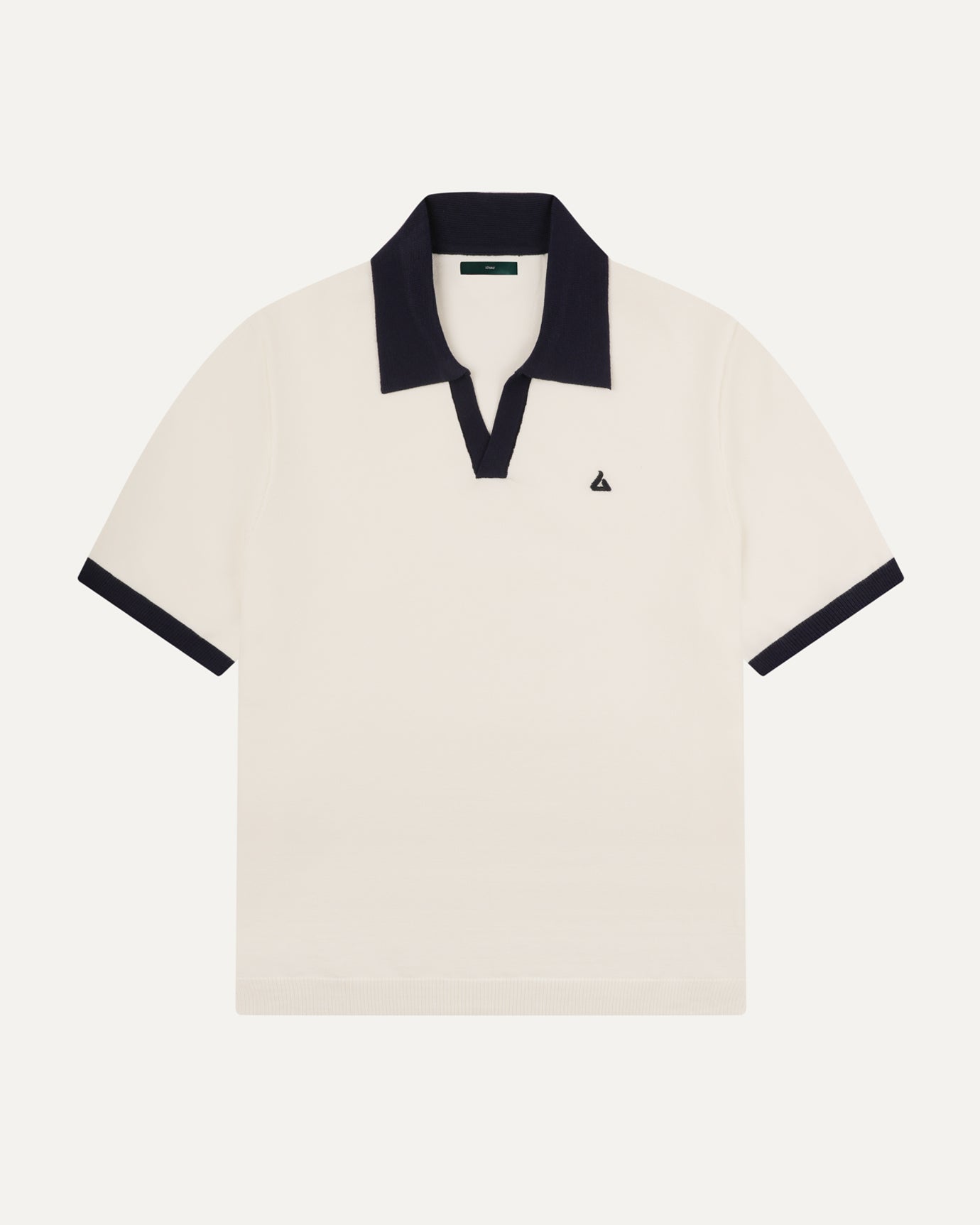
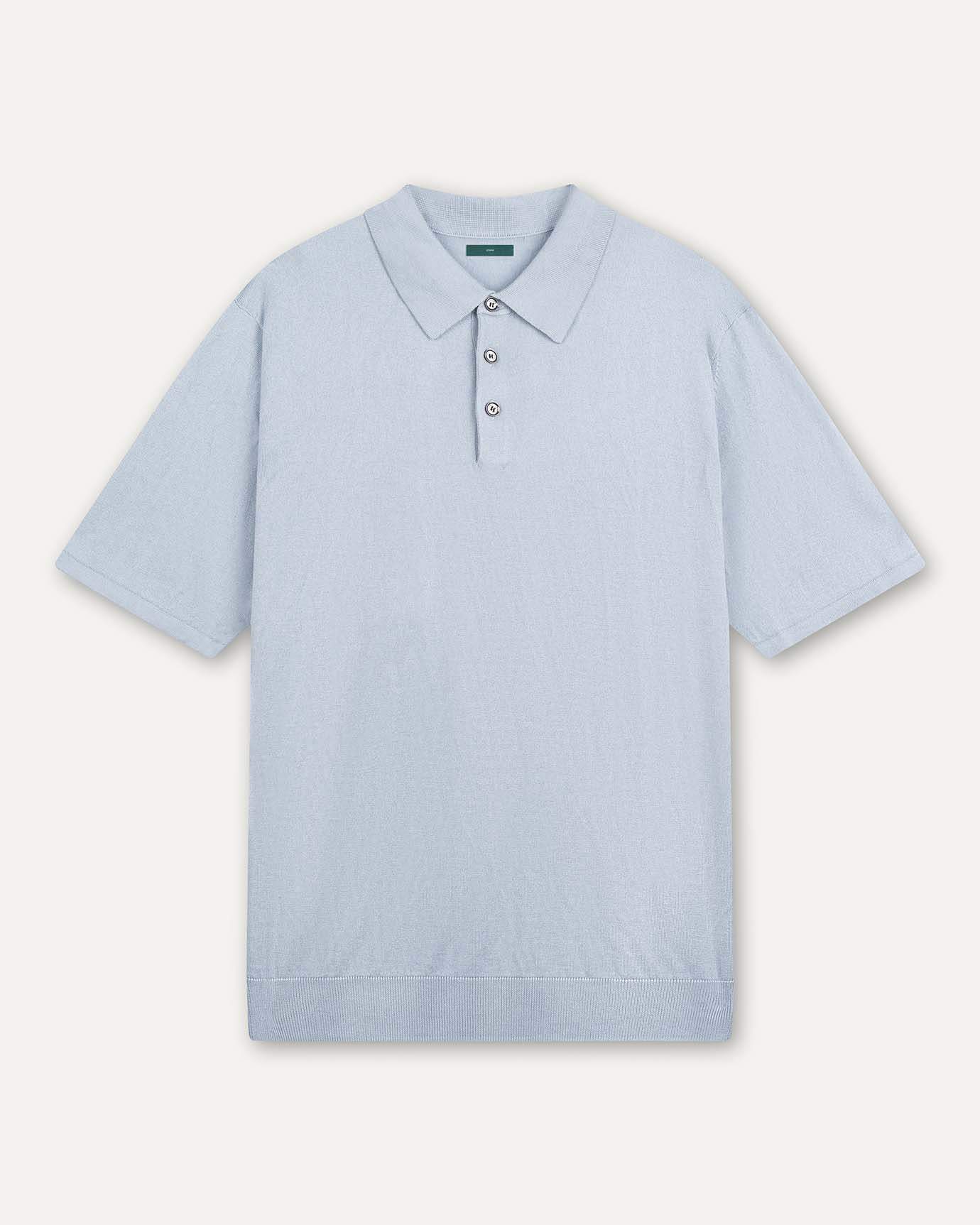
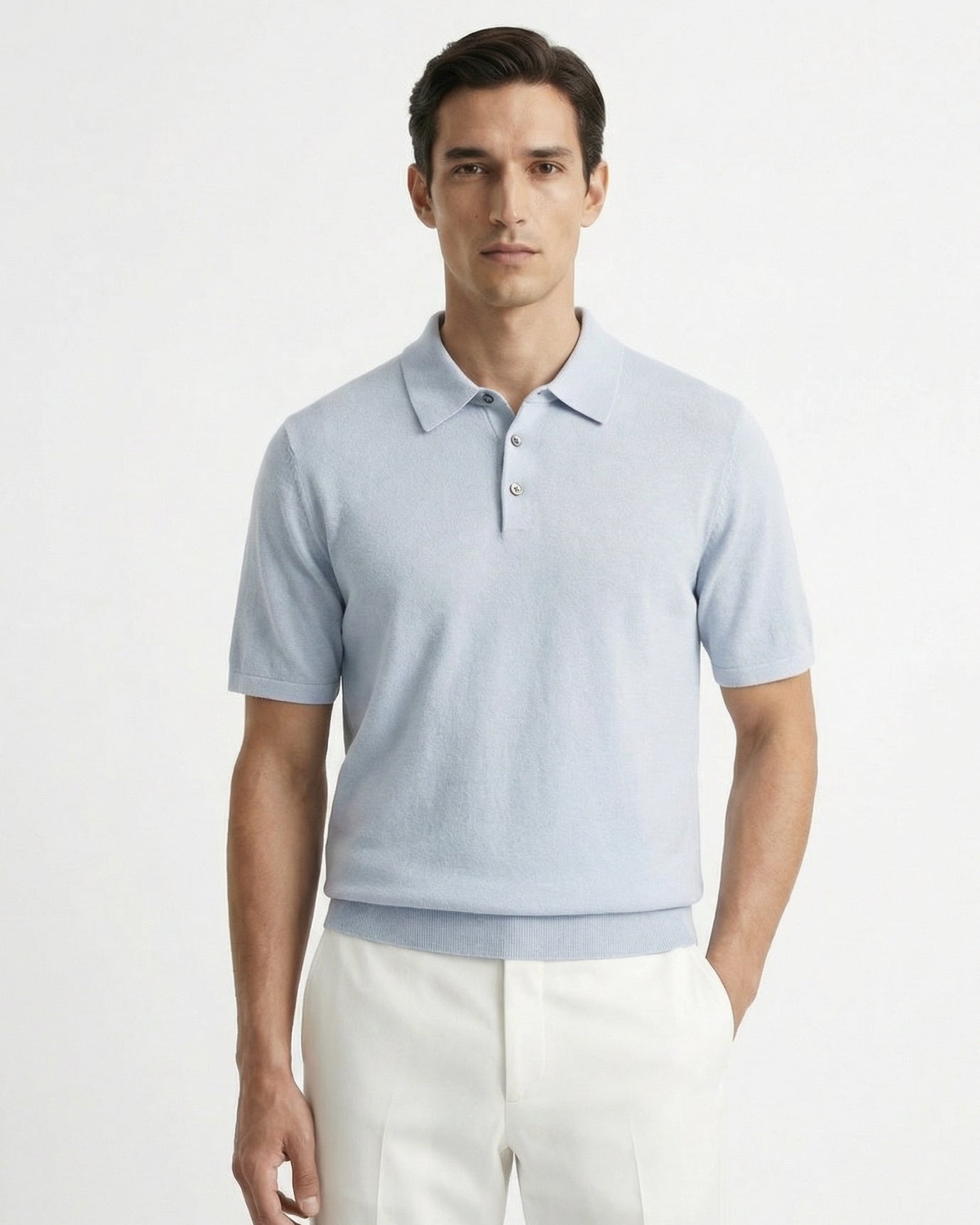
Value, however, is not the same as price. A $99 wool polo in fine merino worn three times a week across two seasons delivers more total value than a $275 cashmere piece treated with the same casualness. The right question is not which fibre is better, but which fibre suits the role you are buying it for.
Buy merino when: - You need a sweater for daily office rotation - You travel frequently and want a garment that tolerates repeated wear and packing - You are building the foundation of a knitwear wardrobe and need reliable, versatile pieces - The garment will be worn actively, over long walks or during commutes
Buy cashmere when: - You are dressing for specific occasions, dinners, travel in cold climates, or formal social settings - You want the finest possible handle against the skin for a dress shirt combination - You are investing in a piece meant to last years with careful maintenance - Weight and pack size matter, as cashmere delivers warmth in a thinner, lighter profile
For men building a serious knitwear wardrobe, the cashmere collection offers a range of weights and constructions suited to different purposes, from lightweight blends to full cashmere zip pullovers.

How to Wear Each Fibre: Occasion and Outfit Logic
The fibre choice should follow the occasion, not the other way around.
Merino for structured daily dressing: A fine merino crewneck or zip sweater in navy, charcoal or mid-grey works as a layering piece over an Oxford shirt for business casual environments. It sits neatly under a blazer without adding bulk, and it tolerates the friction of jacket lining without pilling in the way cashmere might. The business casual sweater with zip in a merino or merino-blend construction fills this role precisely.
Cashmere for evening and occasion dressing: A cashmere turtleneck sweater worn with tailored trousers and a clean leather shoe is one of the most quietly authoritative combinations in a man's wardrobe. No tie required. No jacket necessary. The fabric does the work. The same logic applies to a cashmere cardigan worn as a substitute for a blazer in a relaxed dinner setting.
Blends for versatility: The half-zip cashmere wool sweater represents the practical centre of this conversation. It carries the warmth and handle of cashmere with enough structural integrity for regular wear. In a neutral tone, it moves from a weekend lunch to a Monday meeting without adjustment.
Colour strategy is consistent across both fibres. Navy, camel, oatmeal, forest green and charcoal are the tones that age well and pair with the widest range of trousers, coats and shoes. Avoid novelty colourways in expensive knitwear. The garment should still feel correct in five years.
For a complete cold-weather outfit built around fine knitwear, consider the proportion of the piece relative to your trousers. A fine-gauge cashmere turtleneck looks best tucked into or paired with a slim, tailored trouser. A heavier half-zip or zip sweater can carry a slightly more relaxed trouser without losing structure. Refer to the men's sweater collection for the full range of constructions available across both fibre categories.

Silk Blends and the Next Level of Fine Knitwear
Beyond the cashmere and merino comparison, there is a third category worth understanding: cashmere and silk blends, and merino and silk blends. Silk adds a subtle sheen, reduces weight further and improves drape without meaningfully reducing warmth at moderate temperatures.
The Mulberry Silk Wool Sweater Shirt demonstrates this: the silk content gives the knit a surface quality that reads as more formal and refined than either fibre alone, making it suitable for occasions where a standard sweater might feel too casual but a full dress shirt feels excessive.
At the top of the range, the High End Mulberry Silk and Worsted Cashmere Set combines worsted cashmere, which is combed and spun for greater smoothness and durability, with Mulberry silk for a result that genuinely occupies different territory from standard knitwear. Worsted cashmere resists pilling more effectively than woollen-spun cashmere, and the silk content means the garment drapes rather than sits, which changes how it reads under a coat or alongside tailoring.
For most men, this tier is an investment piece rather than a wardrobe staple. But understanding that it exists clarifies what you are paying for at each level of the market, and why fibre content alone does not fully explain price or performance. The construction method, the spinning process and the secondary fibres all contribute to the final result. As Permanent Style notes in its coverage of fine knitwear, the difference between a good cashmere sweater and a great one is often invisible to the eye and entirely apparent to the hand.

| Property | Cashmere | Merino Wool | Cashmere-Merino Blend |
|---|---|---|---|
| Warmth by weight | Very high (2-3x merino) | High | High |
| Softness | Exceptional (14-19 microns) | Very good (15-24 microns) | Excellent |
| Durability | Moderate, pills under friction | High, resilient crimp | Good, improved over pure cashmere |
| Moisture management | Low to moderate | Excellent (absorbs 35% weight) | Good |
| Care requirements | Hand wash, lay flat dry | Machine gentle or hand wash | Hand wash preferred |
| Price range (mid-gauge sweater) | $149 to $275+ | $75 to $130 | $99 to $185 |
Frequently asked questions
Is cashmere actually warmer than merino wool?
Yes, cashmere is warmer than merino by weight. The hollow structure of the cashmere fibre traps more air per gram, giving it roughly two to three times the thermal resistance of standard merino at equivalent weight. A fine-gauge cashmere pullover will outperform a heavier merino in still, cold conditions. Merino compensates with active moisture management, making it more comfortable across varying temperatures.
Which wool sweater is better for everyday wear?
Merino wins for daily rotation. It is more resistant to pilling under friction, tolerates more frequent washing, and returns to shape more reliably after repeated wear. For a sweater worn four or five times a week in an office or urban environment, merino is the more practical and cost-effective choice. Cashmere is better reserved for occasions where you want the finest possible handle and are prepared to care for the garment accordingly.
What is the difference between a cashmere blend and pure cashmere?
Pure cashmere contains only cashmere fibre. A blend combines cashmere with merino wool, silk or another fibre to improve durability, reduce cost or modify drape. Blends pill less than pure cashmere and tolerate more regular wear. The trade-off is a slight reduction in the exceptional softness that defines pure cashmere. For most men, a high-quality blend such as the old money wool and cashmere sweater offers the better balance of performance and longevity.
How do I stop a cashmere sweater from pilling?
Pilling in cashmere is caused by short staple fibres migrating to the surface under friction. To reduce it: wash the garment inside out in cold water, avoid wearing it under rough jacket linings or bag straps, and remove existing pills with a cashmere comb rather than pulling them. Buying higher-quality cashmere with longer staple fibres and tighter construction reduces pilling significantly from the outset.
Cashmere is warmer, finer and more demanding. Merino is resilient, versatile and forgiving. Neither is universally superior; they serve different purposes in a considered wardrobe. The clearest path for most men is to build daily knitwear around quality merino and invest in cashmere for the pieces that will be worn deliberately and cared for properly. If you are ready to start, the men's sweater collection covers both fibres, several blends and every construction from fine-gauge crewnecks to thickened zip pullovers, giving you the range to make the right choice for each role in your wardrobe.