


Why Silk-Blend Knits Are Worth the Investment for Your Wardrobe
Reading time 11 min • 2237 words
There is a short list of fabrics that genuinely change how a garment behaves on the body. Silk is one of them. But pure silk, woven into a shirt or dress, has limitations: it can be stiff, it marks easily, and the structure rarely adapts well to knitwear construction. Silk-blend knits solve this. By combining silk with fibres such as acetate, cashmere, or worsted wool, designers create a fabric that moves, breathes, and drapes in ways that neither fibre could achieve alone.
At Lovau, the Mediterranean approach to dressing has always prioritised material intelligence over trend. A silk-blend knit polo worn in Porto Cervo in July, or a silk-cashmere vest layered under a jacket in Paris in October, is not a compromise. It is a considered choice. This guide explains the fabric science, the practical care, and the specific pieces worth adding to a wardrobe built to last.
Key takeaways
- Silk blended with acetate or cashmere retains the sheen and drape of pure silk while gaining structural stability and easier care.
- A silk-blend knit polo or vest worn at the right weight will regulate temperature more effectively than cotton or synthetic alternatives.
- Mulberry silk is the quality benchmark: look for it listed first or second in the fibre composition.
- Hand-wash cold or use a mesh bag on a delicate cycle, and always dry flat to preserve the knit structure.
- Price per wear on a quality silk-blend piece is lower than it appears: the fabric does not pill, bag, or fade the way cheaper blends do.
In this guide
What Makes Silk-Blend Knit Fabric Different
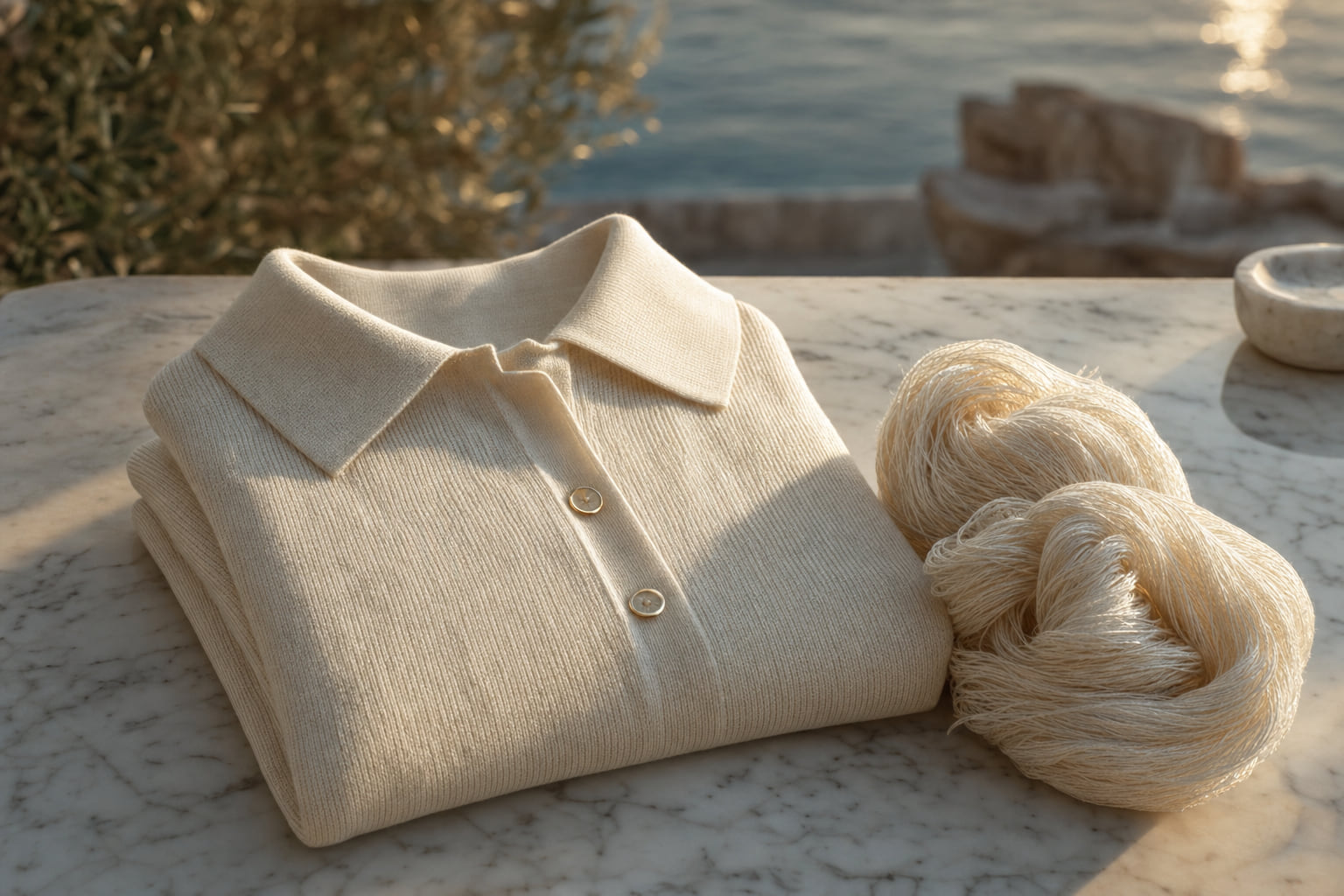
Silk is a protein fibre produced by the Bombyx mori silkworm. Its triangular cross-section acts like a prism, refracting light and creating the characteristic lustre that no synthetic can replicate. Silk's unique fibre structure also gives it a natural temperature-regulating quality: it feels cool against the skin in warm conditions and traps warmth when the air is cold.
When silk is blended into a knit construction rather than a woven one, the fibre gains flexibility. The interlocking loop structure of knitwear allows the fabric to stretch and recover, which is something a woven silk cannot do without reinforcement. The challenge, historically, was that pure silk knits are fragile. They lose shape, snag, and require intensive care.
Acetate is the most common blending partner in warm-weather silk knits. It shares silk's visual brightness, dries quickly, and adds a lightness that makes the finished fabric feel almost weightless. Cashmere and worsted wool serve a different purpose: they add warmth, body, and resilience, producing a fabric suited to transitional and cooler-weather dressing. The blend ratio matters. A piece with 40 percent or more mulberry silk will behave very differently from one where silk is a minor additive at 10 to 15 percent.
Expert insightWhen reading a care label, the fibre listed first makes up the largest share of the fabric. On a quality silk-blend knit, mulberry silk or acetate should appear before any synthetic filler.

The Case for Mulberry Silk Specifically
Not all silk is equal. Mulberry silk, produced by silkworms fed exclusively on mulberry leaves, yields a longer, finer, and more uniform filament than wild or tussah silk. The result is a fabric with a smoother hand, greater tensile strength, and a more consistent sheen. In knitwear, this translates to a surface that resists pilling and holds its colour across many seasons.
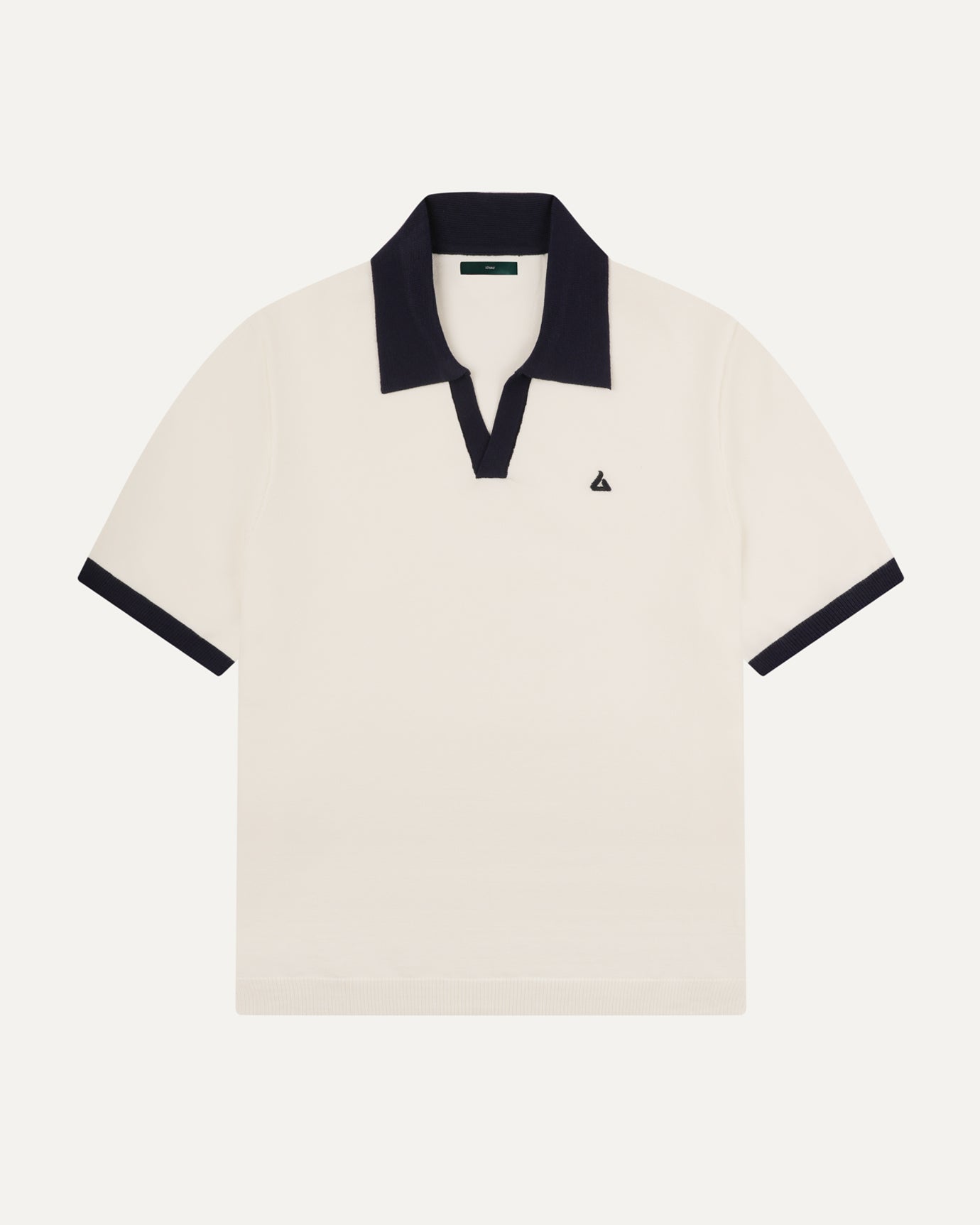
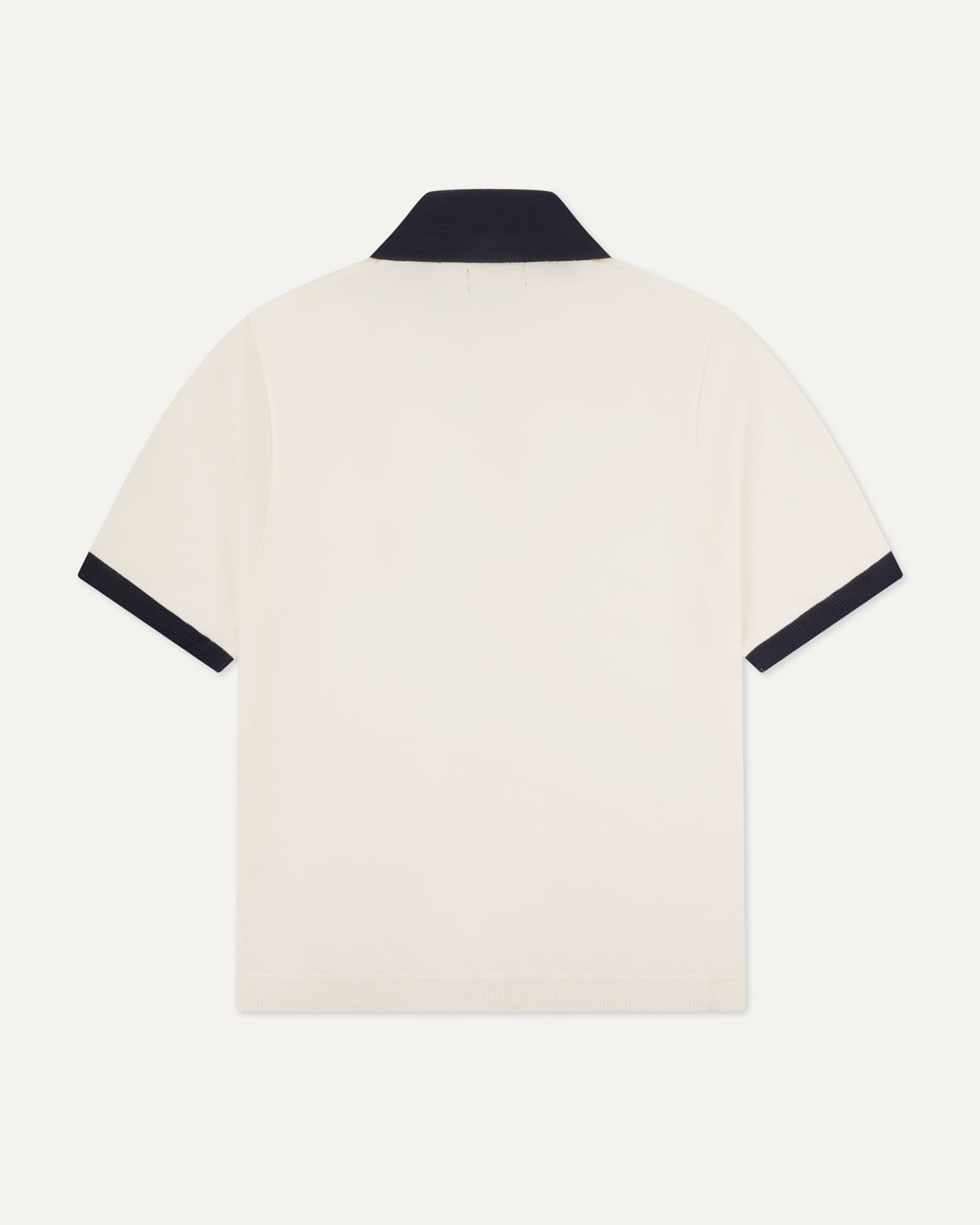
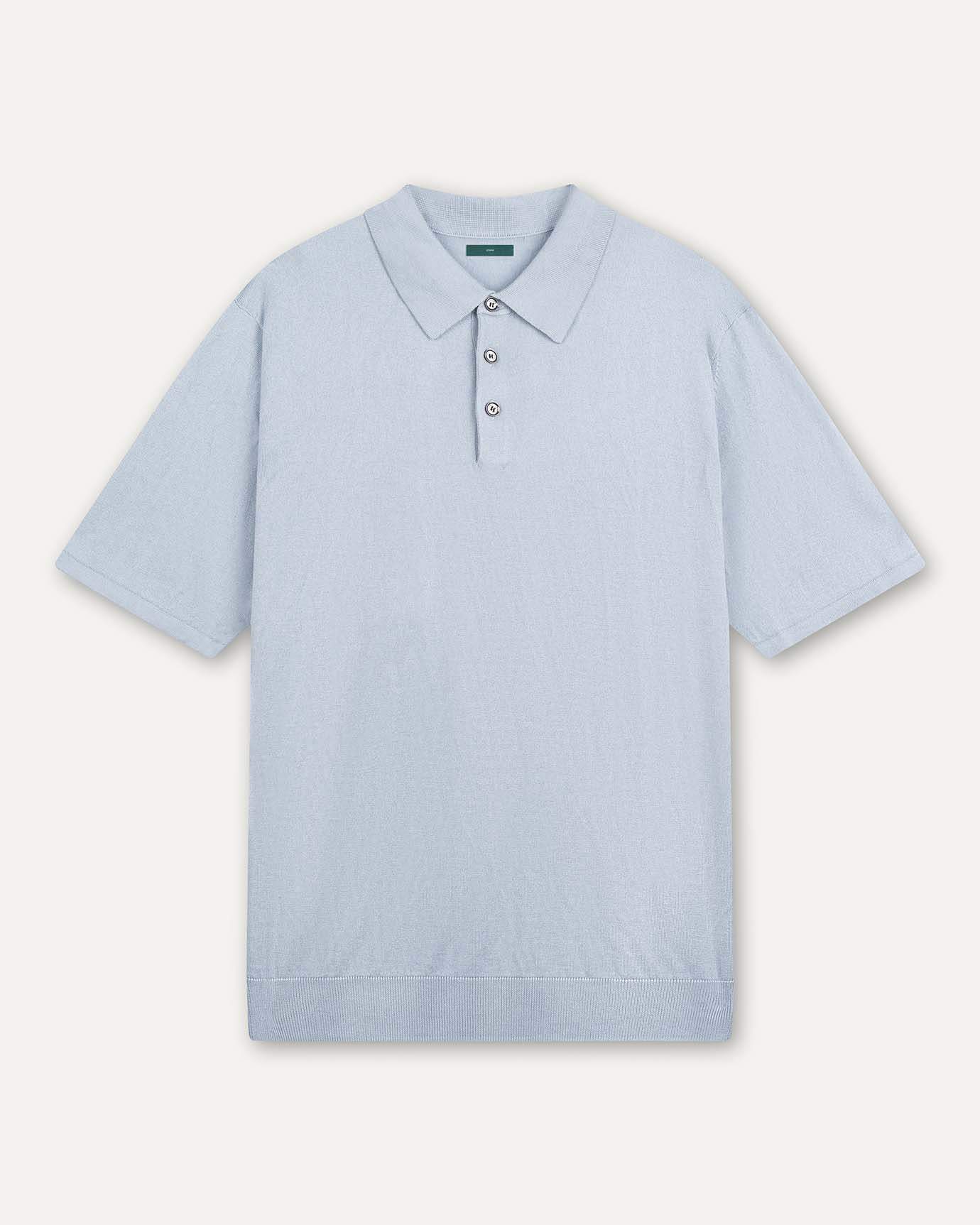
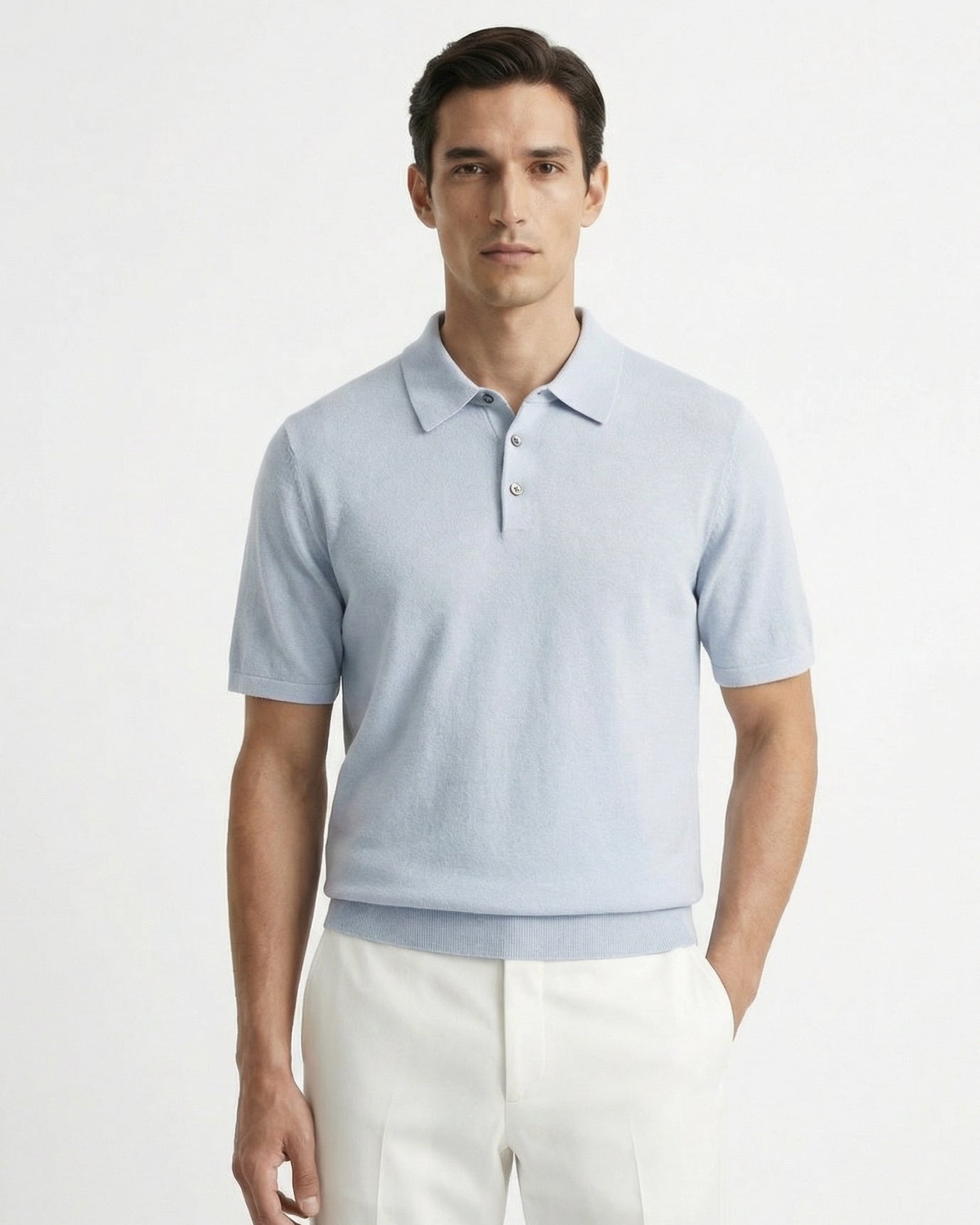
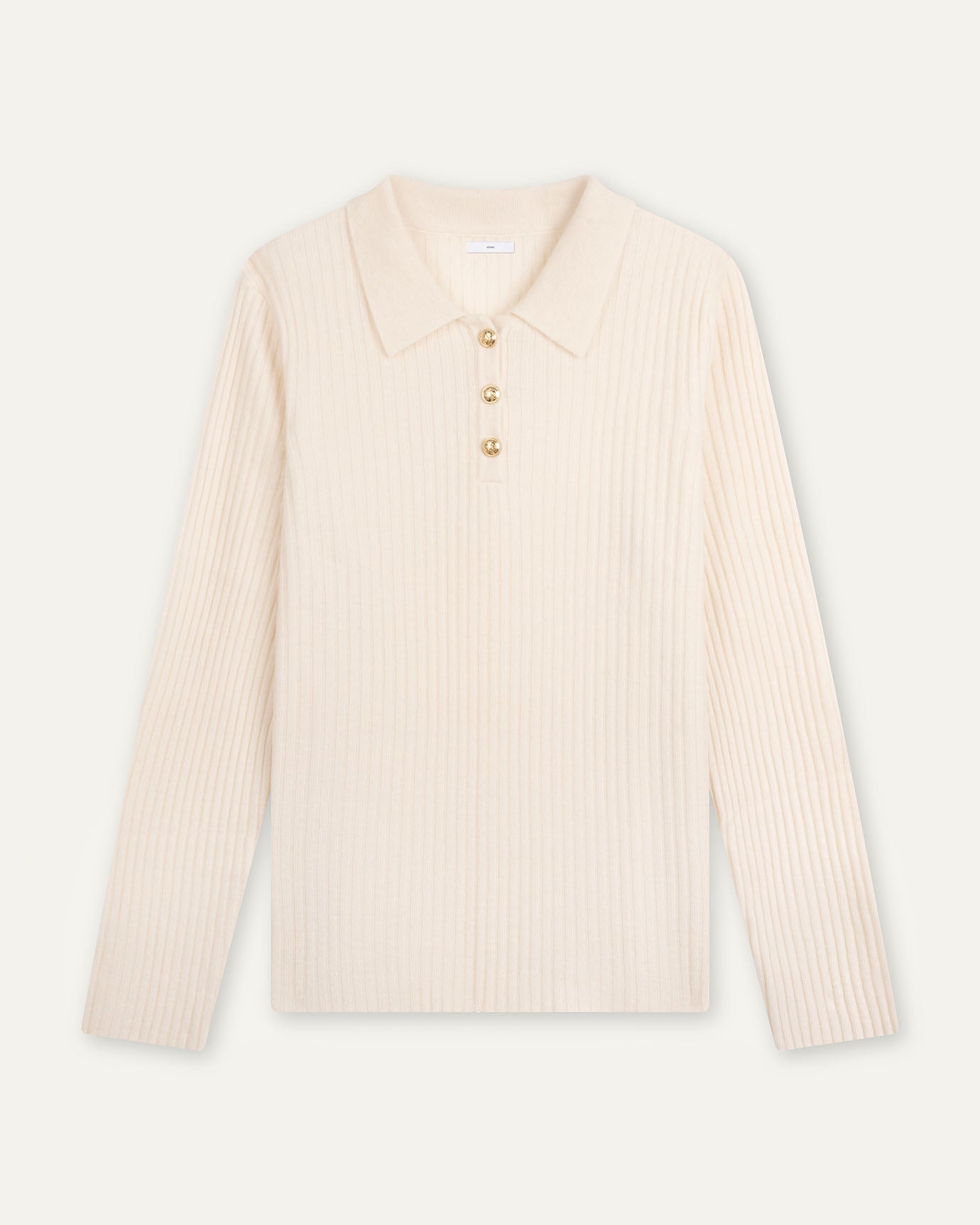
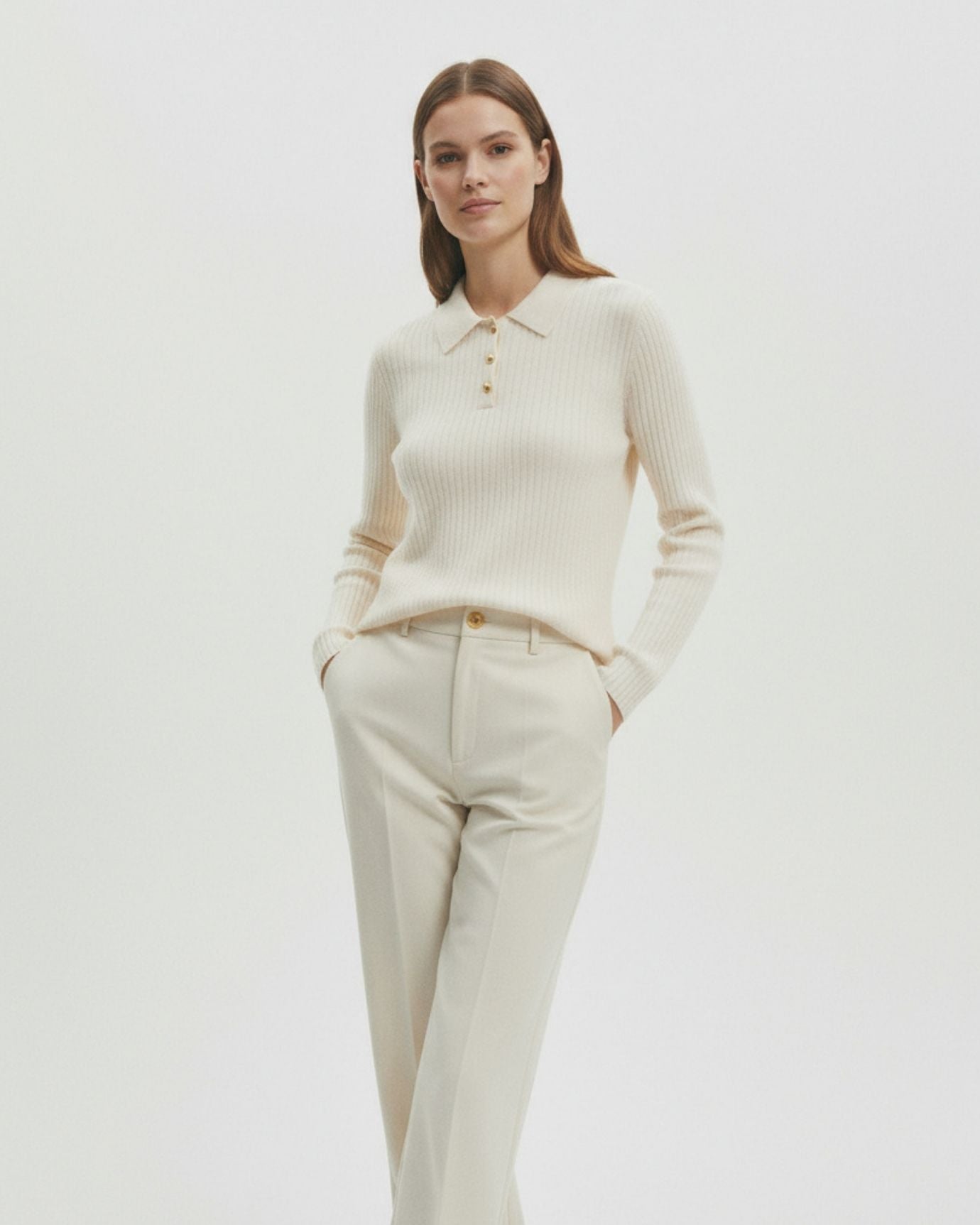
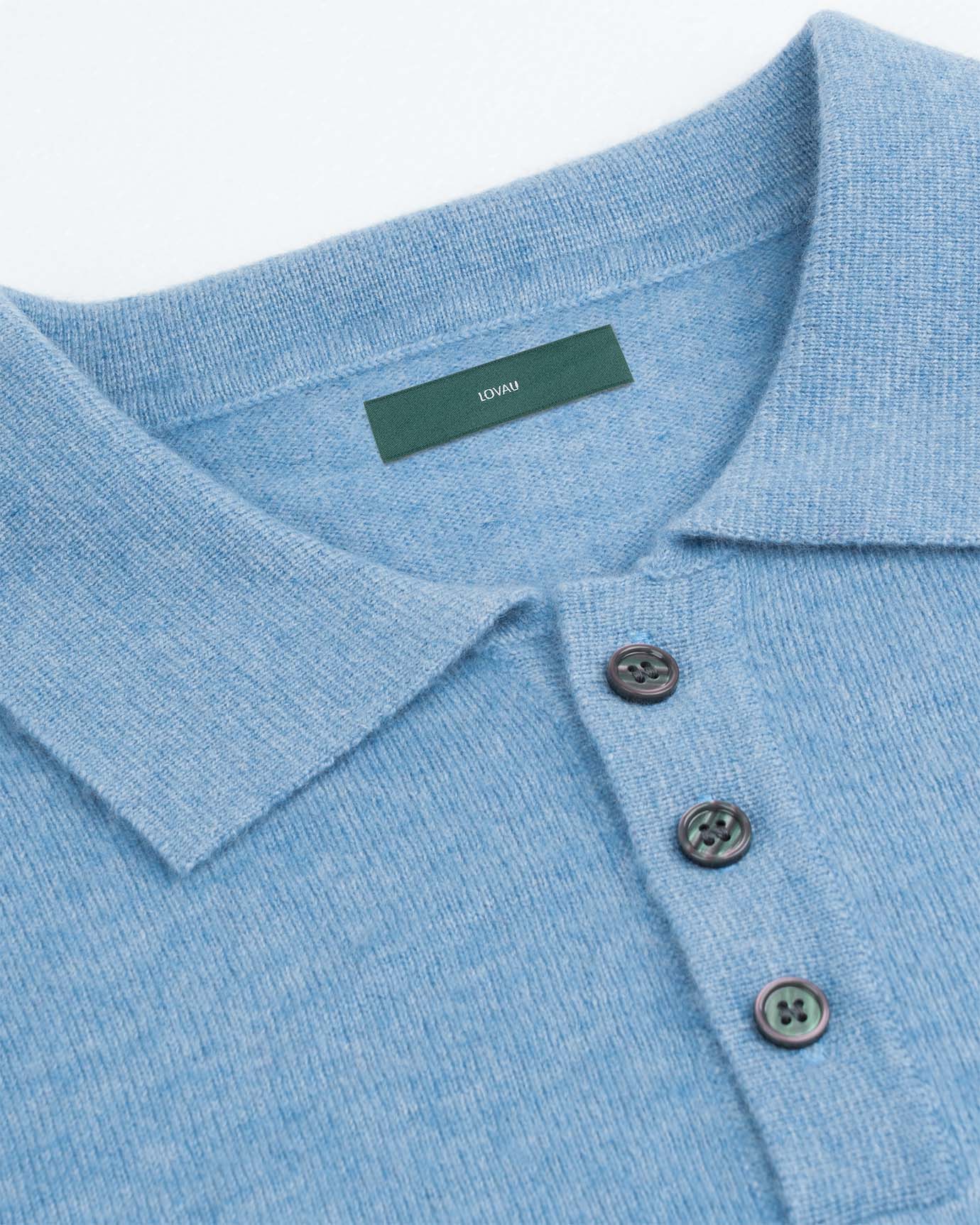
The High End Acetate Mulberry Silk Blend Polo is built on exactly this logic: the mulberry silk provides the drape and temperature regulation, while the acetate content stabilises the knit and keeps the weight low enough for warm-weather wear. At $175, the price reflects the raw material cost, not a marketing premium.
For a more layered approach to the same fabric family, the Mulberry Silk & Worsted Cashmere Set pairs a silk-cashmere knit top with a coordinating piece. Worsted cashmere, which is combed and twisted for greater durability than regular cashmere, gives the set a structure that holds through a full day of wear without looking tired by evening. This is the kind of combination that reads as old money precisely because it requires no visible effort to look correct.
Expert insightWorsted cashmere is spun differently from standard cashmere: the fibres are aligned parallel before twisting, which reduces pilling significantly. It is the reason a well-made silk-cashmere piece outlasts a cheaper pure cashmere one.

How to Wear Silk-Blend Knits Across Seasons
The versatility of silk-blend knitwear is practical, not theoretical. The same fabric that works for a summer dinner in a coastal town works for a boardroom in September if the weight and construction are right.
For men in warm weather, a cooling acetate silk polo worn with cotton linen blend trousers is the correct formula. The silk-acetate surface breathes, the trousers add structure, and the combination requires no jacket to look intentional. The French Retro Striped Knit Polo uses a similar lightweight knit construction with a stripe pattern that references Riviera dressing without being literal about it.
For women, the knit vest format is one of the most adaptable pieces in this fabric category. A silk-blend knit vest worn over a collar mulberry silk shirt creates layering with real depth. The Classy Old Money Vest demonstrates this: structured enough to wear alone, lightweight enough to layer without bulk.
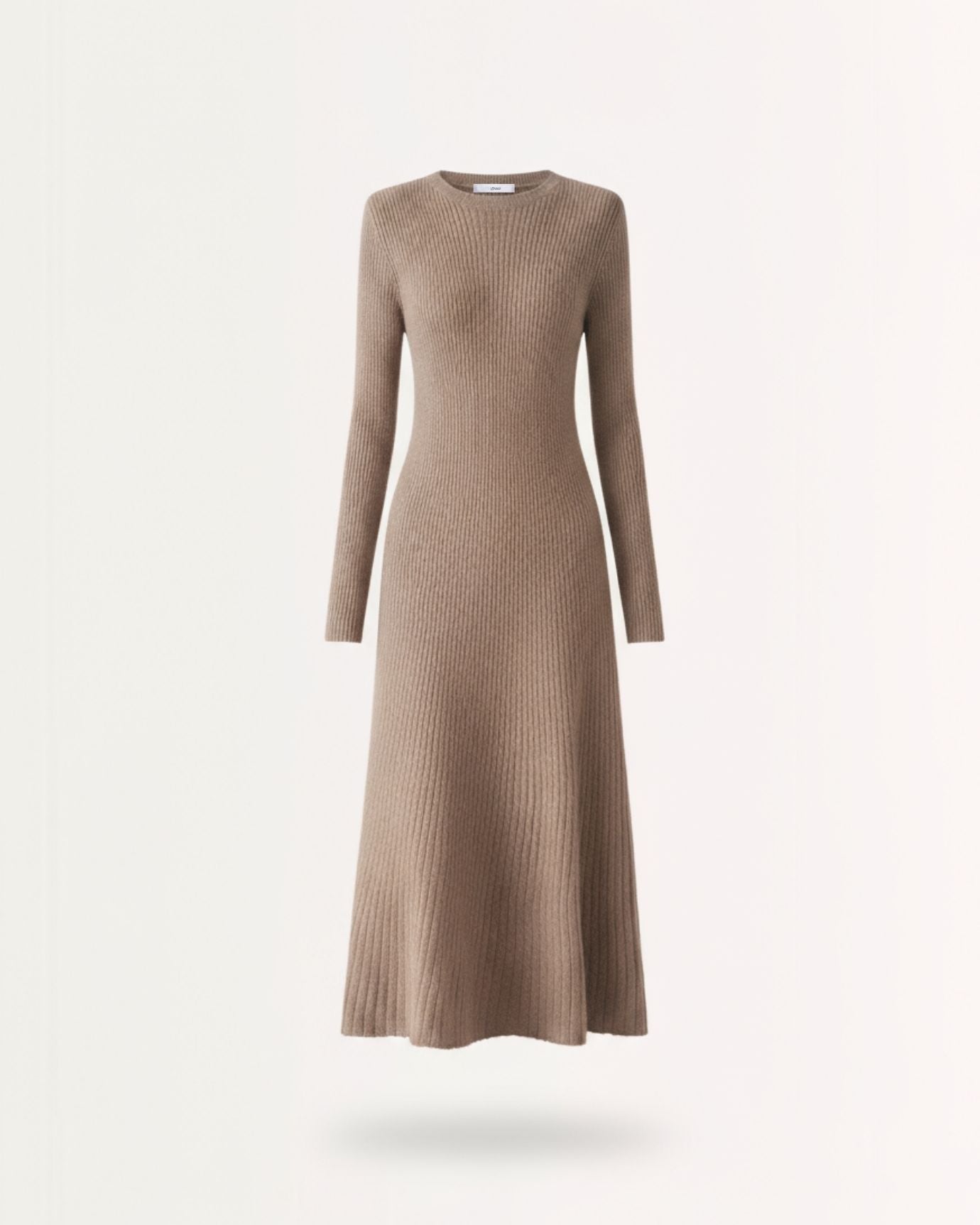
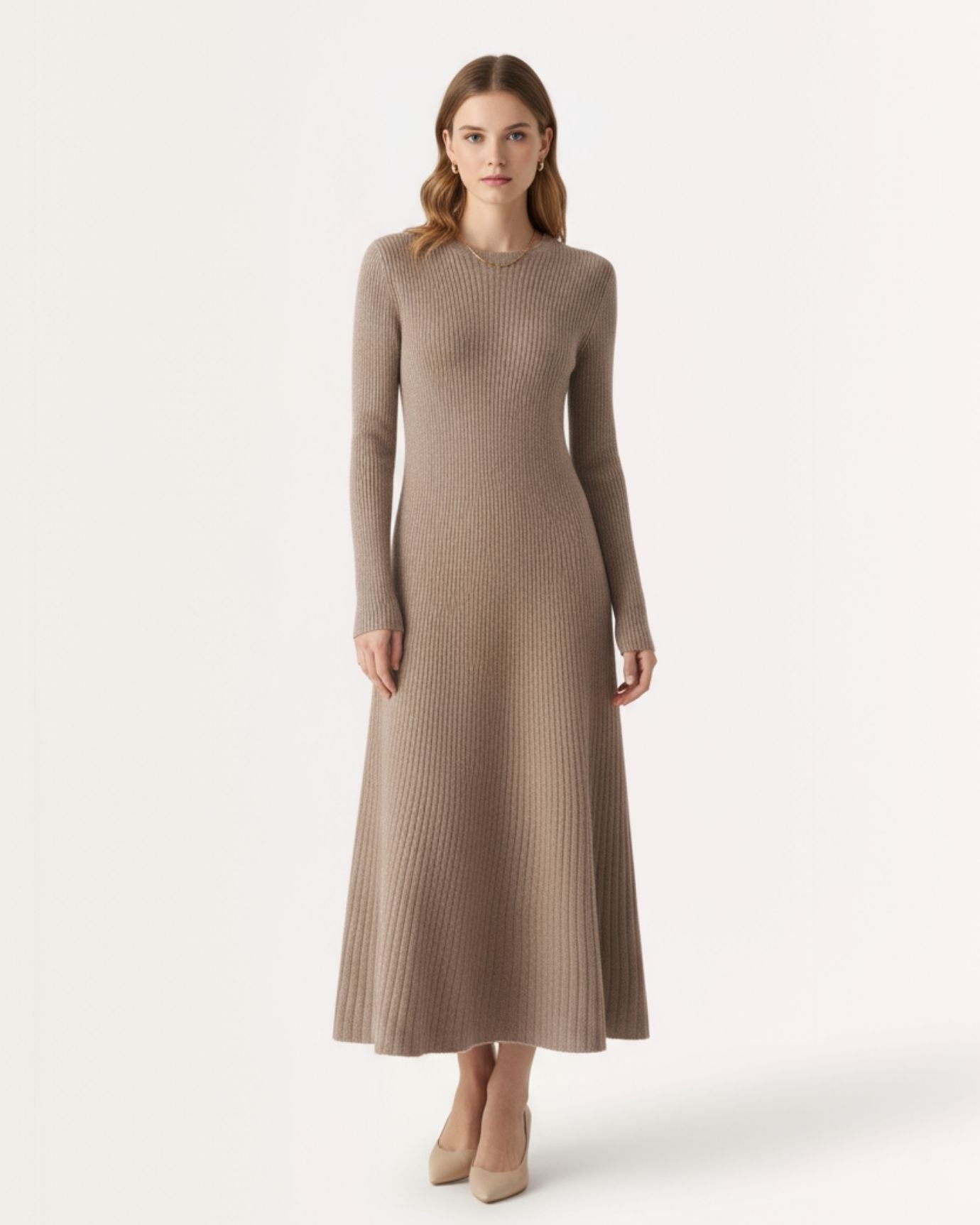
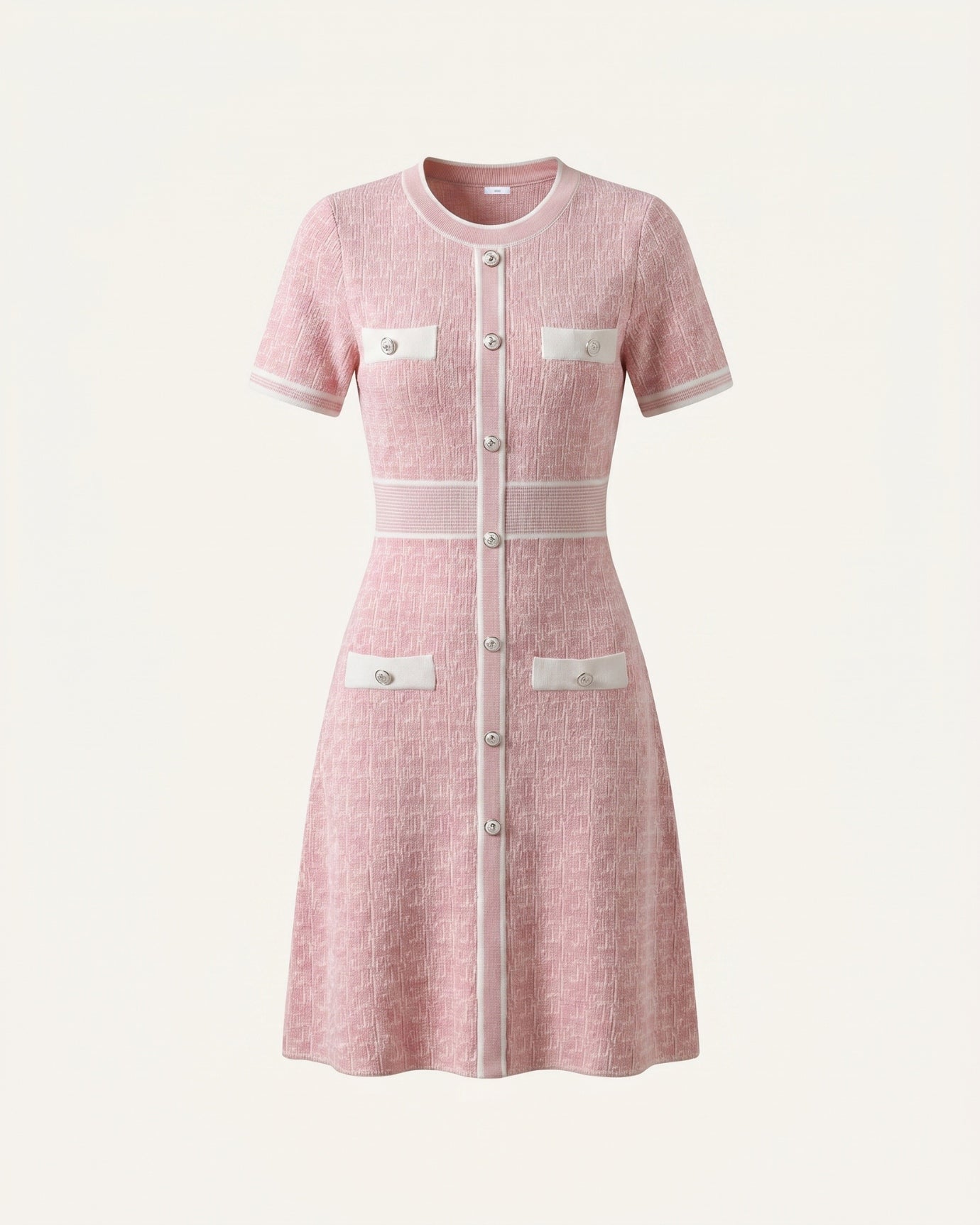
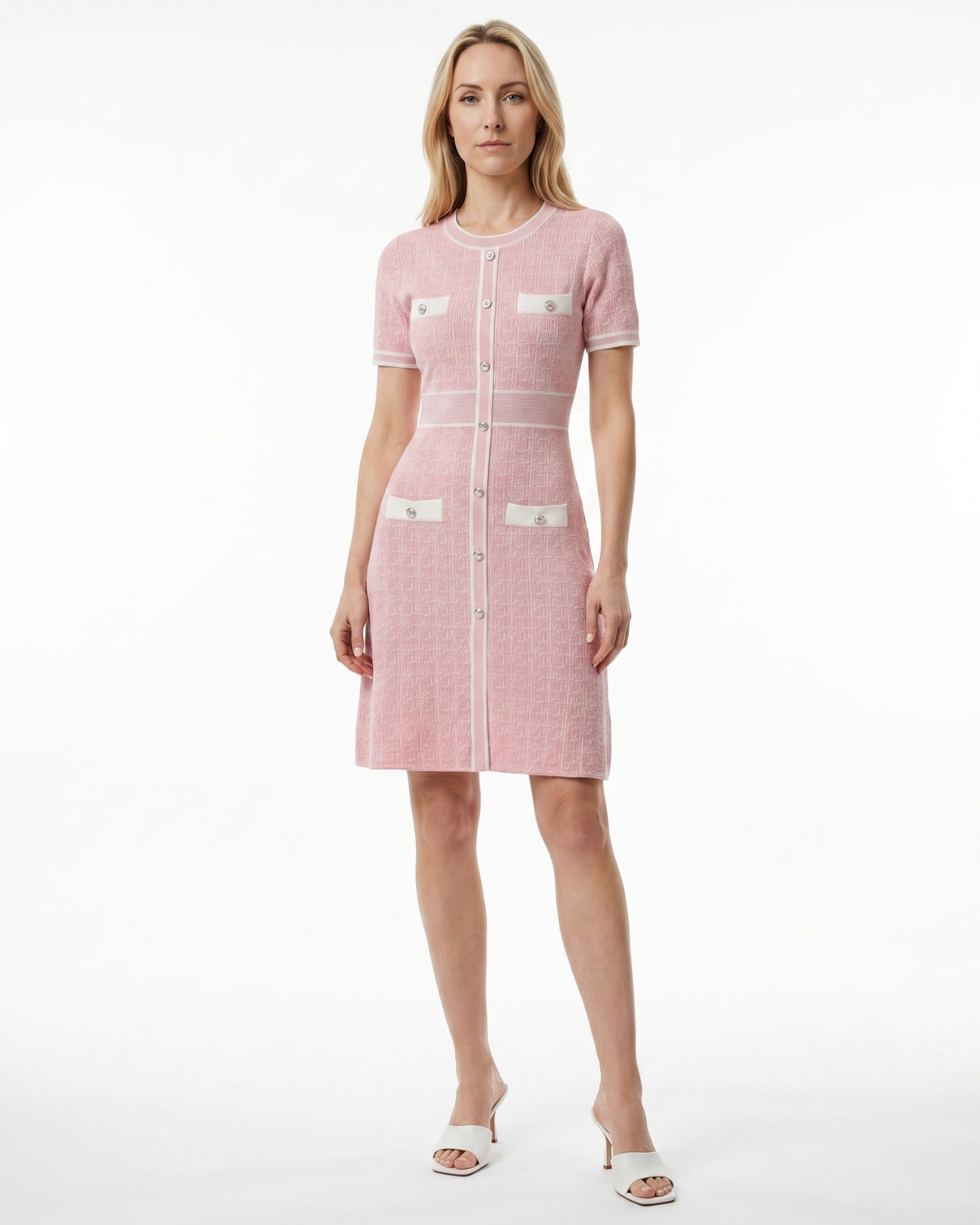
In transitional months, the Anna Collared Knit Short Dress shows how a knit construction in a silk-adjacent fabric reads as polished rather than casual. The collar adds formality, the knit adds comfort, and the result is a piece that moves between contexts without requiring a change of shoes or bag.
Expert insightIn warm climates, choose silk-acetate blends over silk-cotton. Cotton absorbs moisture and holds it; acetate releases it. On a warm evening, the difference is noticeable within the first hour.

Caring for Silk-Blend Knits Correctly
The most common reason people avoid silk-blend knitwear is care anxiety. The reality is more straightforward than the reputation suggests, provided the fibre composition is understood.
Hand-washing is the safest method. Use cool water, 30 degrees Celsius or below, and a small amount of pH-neutral detergent designed for delicate fibres. Do not wring or twist. Press the water out gently and roll the piece in a clean towel to remove excess moisture before laying it flat on a drying rack.
Machine washing is possible on most silk-blend knits if the machine has a genuine delicate or hand-wash cycle that keeps agitation minimal. Use a mesh laundry bag. The risk is not the water: it is the mechanical friction of the drum that breaks down the silk filaments over time.
Storage matters more than most people realise. Silk-blend knits should be folded, never hung. Hanging stretches the shoulder and armhole area over time, particularly in pieces with any weight to them. Cedar blocks or lavender sachets in the drawer deter moths without the chemical residue of mothballs.
Ironing: if the piece has creased in storage, use a steamer rather than a direct iron. Hold the steamer a few centimetres from the fabric surface. Direct heat on a silk-blend knit, even on a low setting, risks flattening the knit structure and dulling the surface sheen.

The Investment Calculation: Cost Per Wear
A silk-blend knit piece priced at $175 can feel like a significant outlay compared to a cotton polo at $40. The calculation changes when wear frequency and longevity are factored in.
A quality silk-blend knit, cared for correctly, will not pill after five washes, will not lose its shape after a season, and will not fade in a way that makes it look old. A cheap cotton-synthetic knit typically shows visible wear within a year of regular use. If the silk-blend piece is worn 30 times per year over four years, the cost per wear is approximately $1.46. The $40 cotton piece, replaced every 18 months, costs more over the same period.
This is the logic behind building a wardrobe around fewer, better pieces. The Divina High-end Set Top Knit Shirt and Half-length Skirt at $129 is a clear example: the knit construction and fabric quality mean both pieces will remain in rotation long after trend-driven alternatives have been discarded.
For women looking at the knit skirts category, the same principle applies. A silk-blend knit skirt in a neutral colour, cut well, will work across more occasions and more years than the price suggests at first reading.
The Candie Knit Dress with Embroidered Lapel at $149 is another piece where the construction justifies the number. The embroidered detail is executed in a way that reads as artisanal rather than decorative, and the knit base means the dress has real comfort in wear, not just on a hanger.

Building a Silk-Blend Knit Wardrobe: Where to Start
The most practical entry point for most wardrobes is a silk-blend polo or vest in a neutral colour. These are the pieces with the widest application: smart enough for dinner, relaxed enough for a weekend afternoon, and structured enough to layer under a jacket without adding visible bulk.
For men, the High End Acetate Mulberry Silk Blend Polo in a solid tone is the clearest starting point. It replaces both a formal shirt and a casual top in a large number of contexts, which is the definition of a wardrobe workhorse.
For women, the Diana Decorative Texture Vest demonstrates how a silk-blend knit vest can carry texture and detail without becoming heavy or overdressed. Worn with tailored trousers or a linen blend skirt, it is the kind of piece that photographs as expensive because it is.
The second purchase, once the foundation is in place, should address a specific gap: a transitional layer, an occasion piece, or a knit dress for the warmer months. The Bodycon Buttoned Stretch Knit Dress is worth considering here: the stretch knit construction means it fits precisely without requiring tailoring, and the button detail gives it a formality that a plain knit dress lacks.
The principle throughout is the same: choose the piece that will be reached for most often, in the fabric that will hold its quality longest. Silk-blend knitwear, chosen with this logic, earns its place in the wardrobe every time it is worn.

| Fabric | Breathability | Drape & Sheen | Durability in Knit | Care Level | Best Season |
|---|---|---|---|---|---|
| Silk-Acetate Blend | Excellent | High, natural lustre | Good, resists pilling | Delicate wash | Spring / Summer |
| Silk-Cashmere Blend | Very good | Soft sheen, rich hand | Very good with worsted | Hand wash preferred | Autumn / Winter |
| Pure Cotton Knit | Good | Matte, minimal drape | Moderate, pills over time | Machine wash | All seasons |
| Merino Wool Knit | Good | Soft, low sheen | Very good | Delicate or hand wash | Autumn / Winter |
| Synthetic Polyester Knit | Poor | Artificial shine | High, but ages poorly | Machine wash | All seasons |
| Pure Silk Knit | Excellent | Very high lustre | Fragile, snags easily | Hand wash only | Spring / Summer |
Frequently asked questions
Is a silk-blend knit suitable for warm weather, or will it feel too hot?
Silk-acetate blends are among the best warm-weather fabrics in knitwear. The acetate releases moisture quickly and the silk regulates temperature naturally. A cooling acetate silk polo worn in direct heat will feel cooler than a cotton alternative because it does not hold perspiration against the skin.
How often should silk-blend knitwear be washed?
Less frequently than you might assume. Silk is naturally resistant to odour-causing bacteria. Airing a silk-blend knit after wearing, rather than washing it immediately, preserves the fibre structure. Wash after two to three wears in warm conditions, or every four to five wears in cooler weather.
Can silk-blend knits be dry-cleaned?
Most can, but it is not always necessary and repeated dry-cleaning can dull the silk sheen over time. Check the care label: if hand-washing is listed as an option, that is preferable for long-term fabric health. Reserve dry-cleaning for pieces with complex construction, linings, or heavy embellishment.
What is the difference between a silk-blend knit and a regular silk shirt in terms of how they wear?
A woven silk shirt has no stretch and marks easily from body heat and contact. A silk-blend knit moves with the body, recovers its shape after sitting, and is significantly more forgiving in daily wear. For most occasions that are not strictly formal, the knit construction is the more practical choice without any sacrifice in refinement.
Silk-blend knitwear is not a category that rewards impulsive buying, but it does reward deliberate investment. The fabric science is sound, the longevity is real, and the visual result is one that cheaper alternatives cannot replicate. Start with a single well-chosen piece, care for it correctly, and it will anchor a significant portion of your wardrobe across seasons. For a complete foundation in this fabric family, the High End Mulberry Silk & Worsted Cashmere Set represents exactly the kind of considered purchase that defines a wardrobe built on quality rather than volume.