


Why Cashmere Is Worth the Investment in 2026
Reading time 13 min • 2699 words
There is a moment, usually somewhere around the third or fourth winter of owning a good cashmere sweater, when the question of whether it was worth the money stops feeling like a question at all. The garment has softened further with each wash, held its shape, and outlasted two or three cheaper alternatives you bought in the meantime. That is the cashmere argument made in physical form.
But the question deserves a proper answer before you spend the money, not after. In 2026, the cashmere market sits at an interesting crossroads: supply from the Mongolian plateau has tightened due to climate pressures on grazing land, production costs have risen, and at the same time a flood of labelled-but-diluted product has made the category harder to navigate. Knowing what to look for, what to spend, and which pieces to prioritise is more relevant now than it was five years ago.
This guide covers the material itself, how quality is graded, how cashmere compares to its closest alternatives, and which specific pieces represent genuine value. No category is oversold here. Some cashmere products are not worth their price. Others absolutely are.
Key takeaways
- Grade-A cashmere fibre from Inner Mongolia measures 14 to 15.5 microns in diameter, finer than most wool and the primary reason for cashmere's softness.
- A well-maintained cashmere piece can last 20 or more years, making the cost per wear competitive with fast-fashion alternatives within two seasons.
- Pilling is not a sign of low quality alone; it is caused by friction and reduces after the first few washes if the garment is hand-washed correctly.
- Two-ply cashmere is the minimum to look for in a sweater; single-ply feels luxurious in the shop but pills and thins quickly with regular wear.
- Blended cashmere and wool garments offer a practical middle ground: the wool adds structure and durability while cashmere contributes softness and drape.
In this guide
- What Cashmere Actually Is, and Why the Source Matters
- Cashmere vs. Wool vs. Blends: A Practical Comparison
- The Real Cost of Cashmere: Price Per Wear Over Time
- How to Build a Cashmere Wardrobe That Actually Works
- Caring for Cashmere: The Practices That Protect Your Investment
- Which Cashmere Pieces Represent the Best Value in 2026
- Frequently asked questions
What Cashmere Actually Is, and Why the Source Matters
Cashmere comes from the soft undercoat of the Capra hircus goat, combed out during the spring moulting season. The finest fibres originate from Inner Mongolia and the high-altitude regions of China, where extreme winters force the goats to develop an exceptionally fine undercoat. Cashmere wool is defined by fibre diameter: true Grade-A cashmere measures between 14 and 15.5 microns. For comparison, standard Merino wool sits around 18 to 24 microns, and a human hair is roughly 70 microns. That fineness is the direct cause of cashmere's characteristic softness against skin.
The problem in the current market is that the label 'cashmere' requires only a minimum percentage of cashmere fibre in many jurisdictions, and grading is inconsistently enforced in retail. A garment described as cashmere might contain coarser guard hairs mixed in to increase yield, or it might be blended with acrylic without clear disclosure. The practical test: hold the fabric up to light and look for uniformity. Rub a small section gently between your fingers for thirty seconds. If it starts to pill or shed immediately, the fibre quality is low.
Ply count is the other variable that matters. Single-ply cashmere is soft but fragile. Two-ply, where two yarns are twisted together before knitting, produces a garment with real durability. Three-ply is heavier and warmer, suited to outerwear-weight knits. For a sweater you intend to wear twice a week through autumn and winter, two-ply is the baseline.
Expert insightWhen buying cashmere online, check the weight of the finished garment if the retailer lists it. A quality two-ply cashmere sweater in a medium typically weighs between 350 and 450 grams. Anything significantly lighter is likely single-ply or heavily blended.

Cashmere vs. Wool vs. Blends: A Practical Comparison
The choice between pure cashmere, pure wool, and cashmere-wool blends is not simply a question of budget. Each material has specific properties that suit specific uses, and understanding the differences helps you build a wardrobe where each piece earns its place.
Pure cashmere is the warmest fibre by weight, the softest against skin, and the most temperature-regulating of the three. It is also the most delicate and the most expensive to replace if damaged. It suits garments worn close to the body in moderate conditions: a fine-knit sweater, a dress, accessories like scarves and hats.
Pure wool, particularly Merino, is more resilient, holds its structure better over time, and handles moisture more effectively. It is the better choice for heavier outerwear, structured pieces, and anything that sees rough daily use.
Cashmere-wool blends occupy a genuinely useful middle ground. The wool adds tensile strength and helps the garment hold its shape through repeated wear, while the cashmere content brings softness and reduces the scratchiness that some people experience with pure wool. A blend of 70 percent wool and 30 percent cashmere, or even 50-50, produces a garment that is more forgiving to care for and more durable than pure cashmere at a meaningfully lower price point.
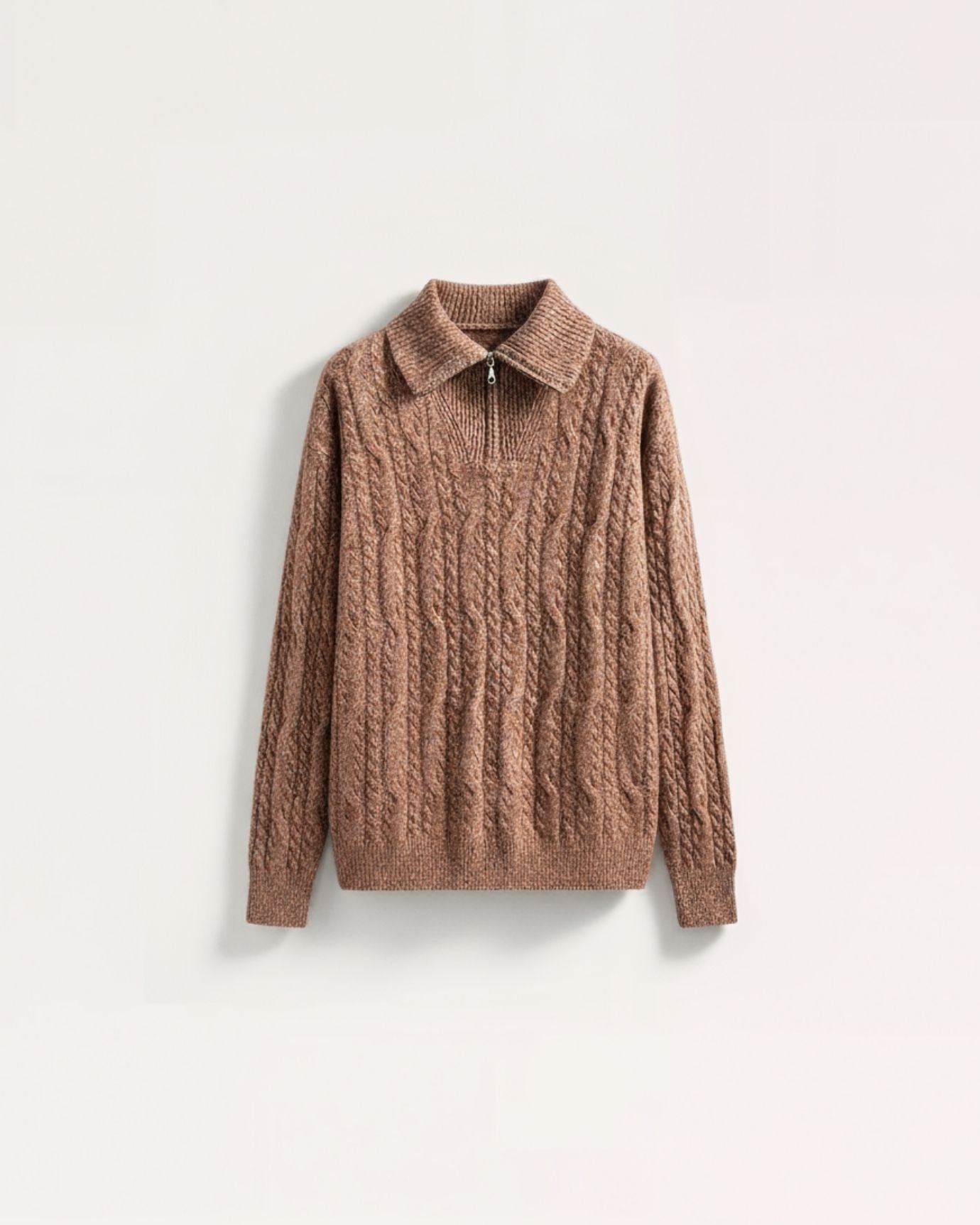
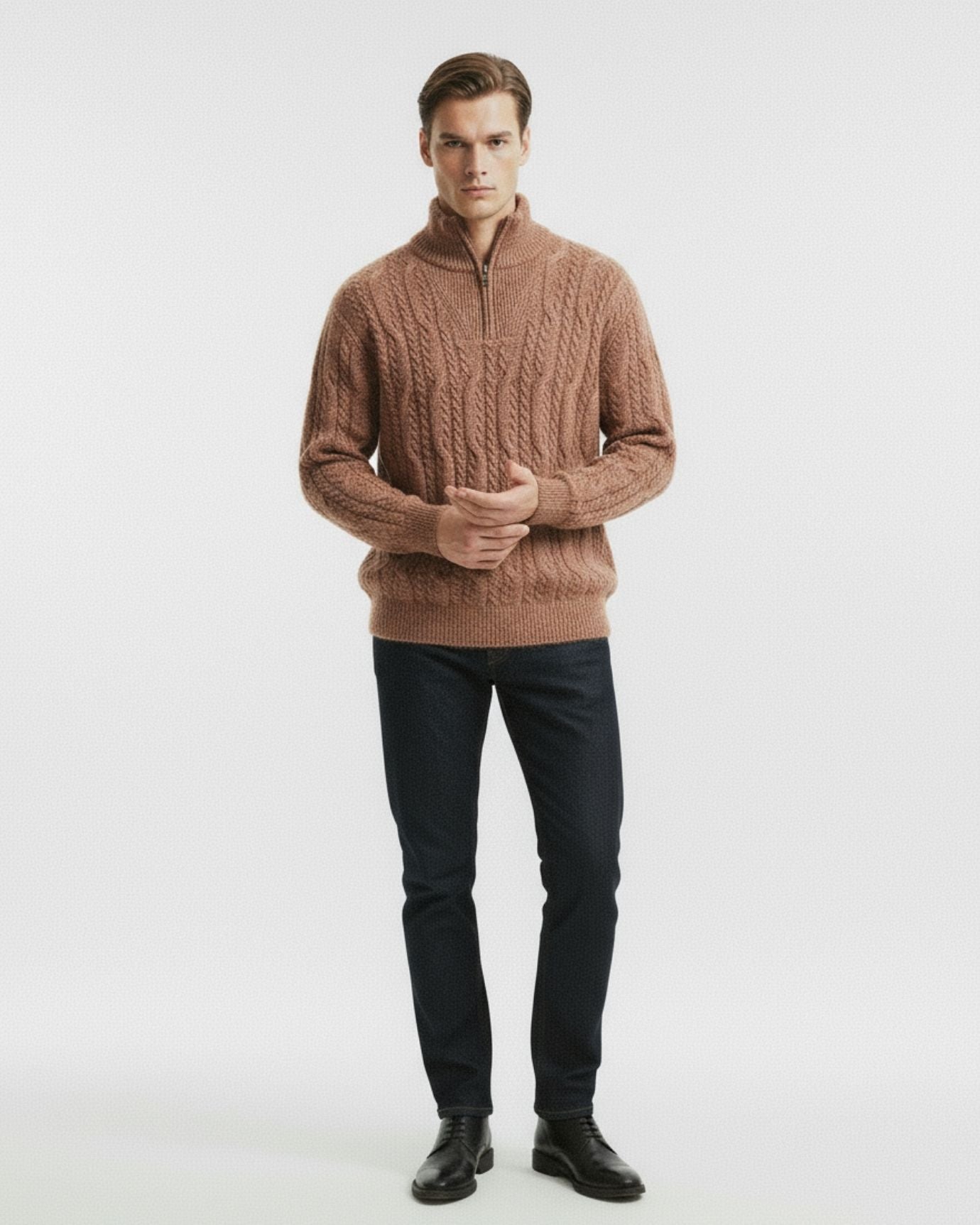
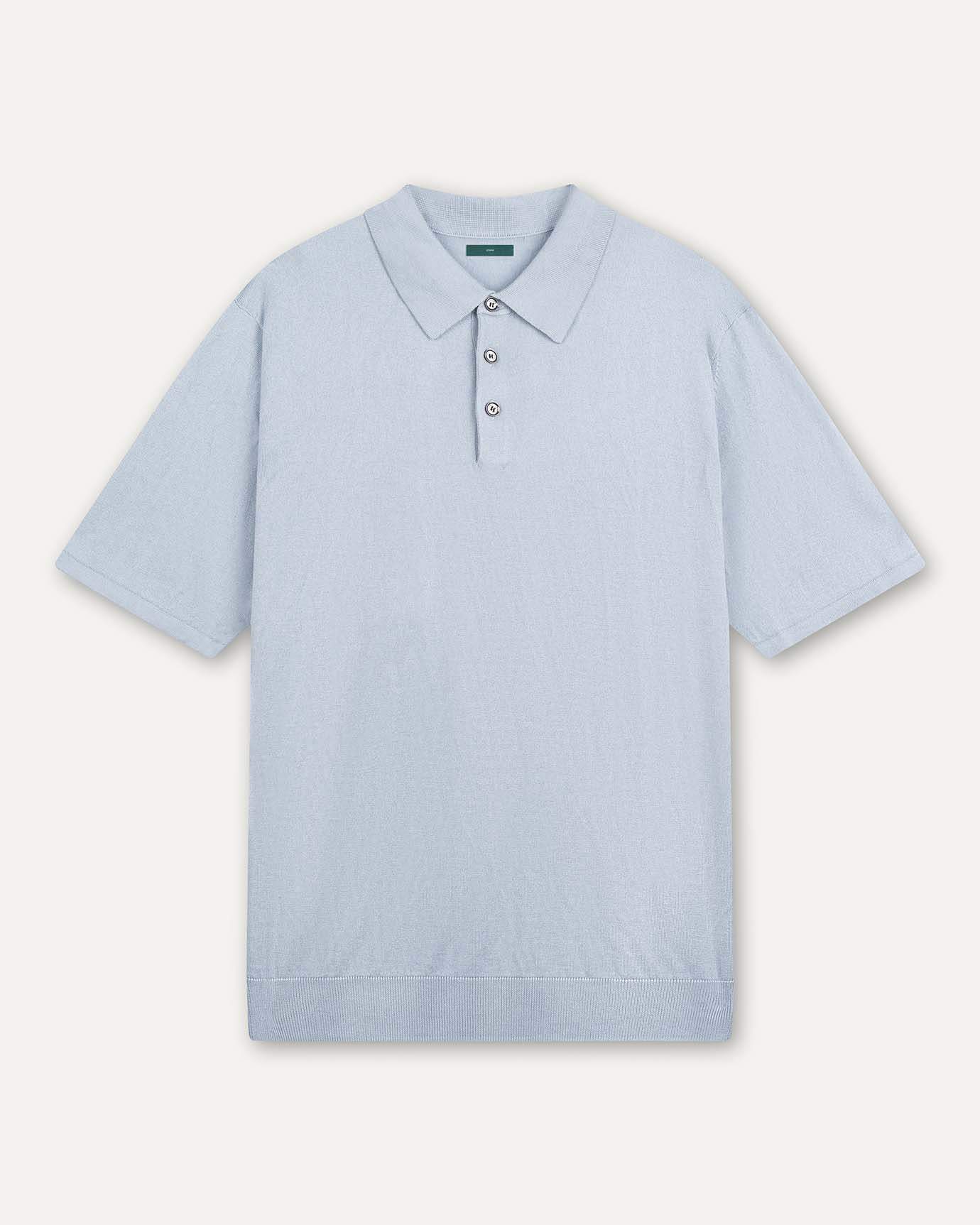
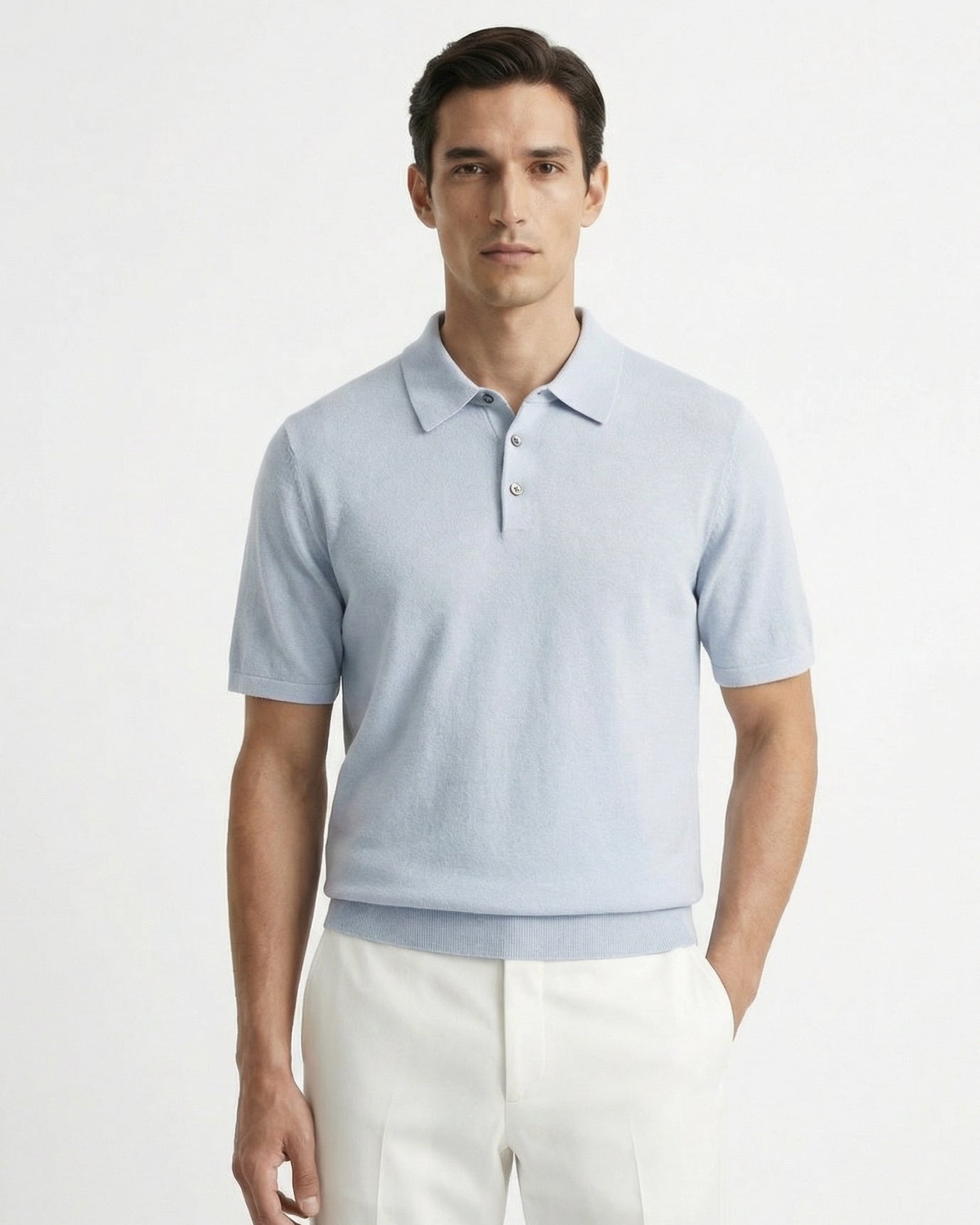
The cashmere and wool pullover sweater is a good example of this logic applied well: the blend delivers warmth and a refined handle without the fragility of a single-fibre pure cashmere knit. Similarly, the cashmere and wool polo with long sleeve zipper uses the blend to add structure to a polo silhouette that needs to hold its collar and placket cleanly across a full day of wear.

The Real Cost of Cashmere: Price Per Wear Over Time
A cashmere sweater at $215 sounds expensive beside a merino option at $80 or a cotton knit at $40. The comparison changes completely once you factor in lifespan and frequency of wear.
A quality cashmere sweater, properly cared for, will last fifteen to twenty years. Worn twice a week from October through March, that is roughly 120 wears per season, or 1,800 to 2,400 wears over its life. At $215, the cost per wear drops to under twelve cents. The $40 cotton knit, replaced every two seasons, costs twenty cents per wear at the same frequency, and occupies more physical and mental space in your wardrobe through constant replacement.
This is the logic that underpins the old money approach to dressing: buy fewer things, buy better things, and maintain them correctly. It is not about spending more for status. It is about spending once instead of repeatedly.
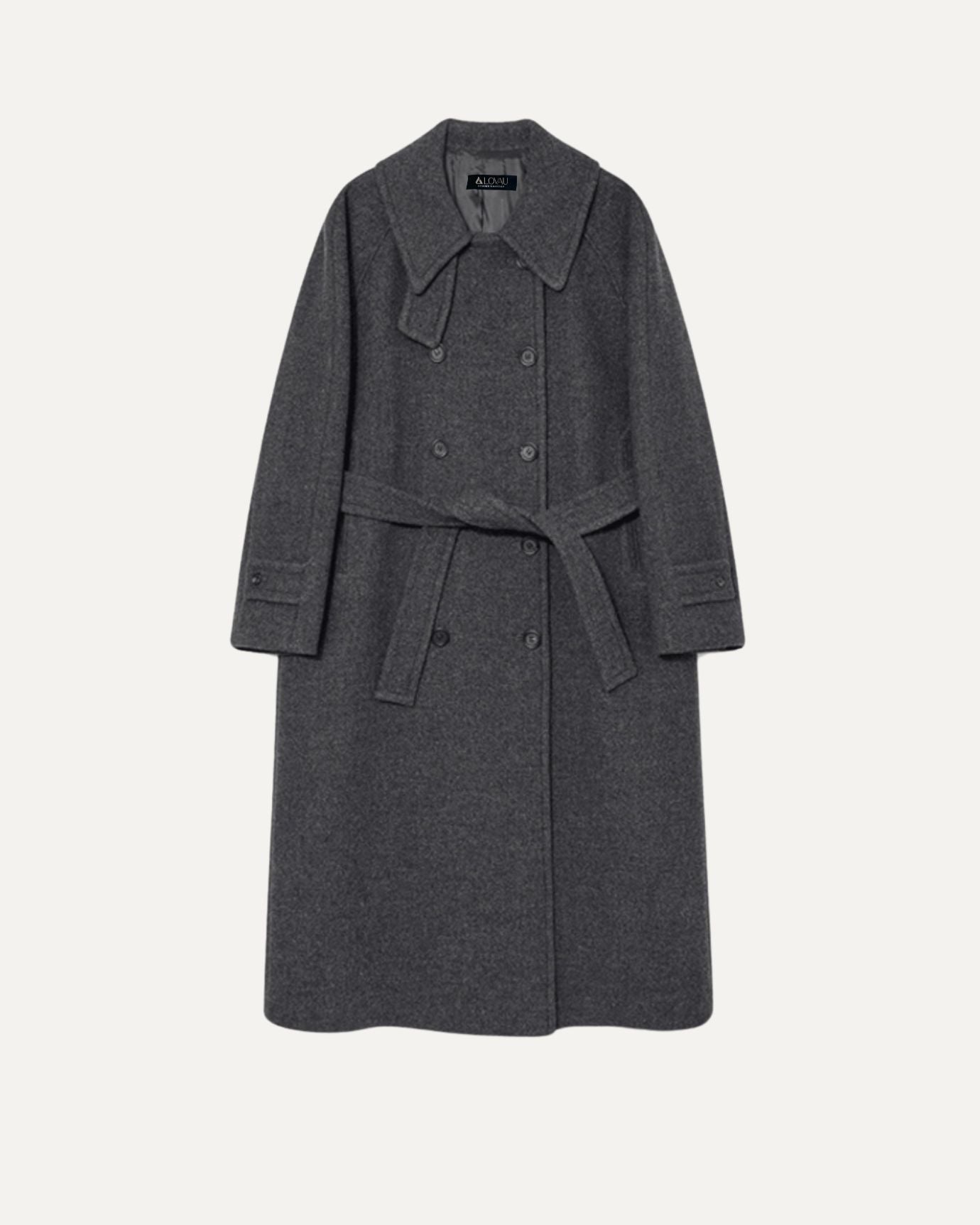
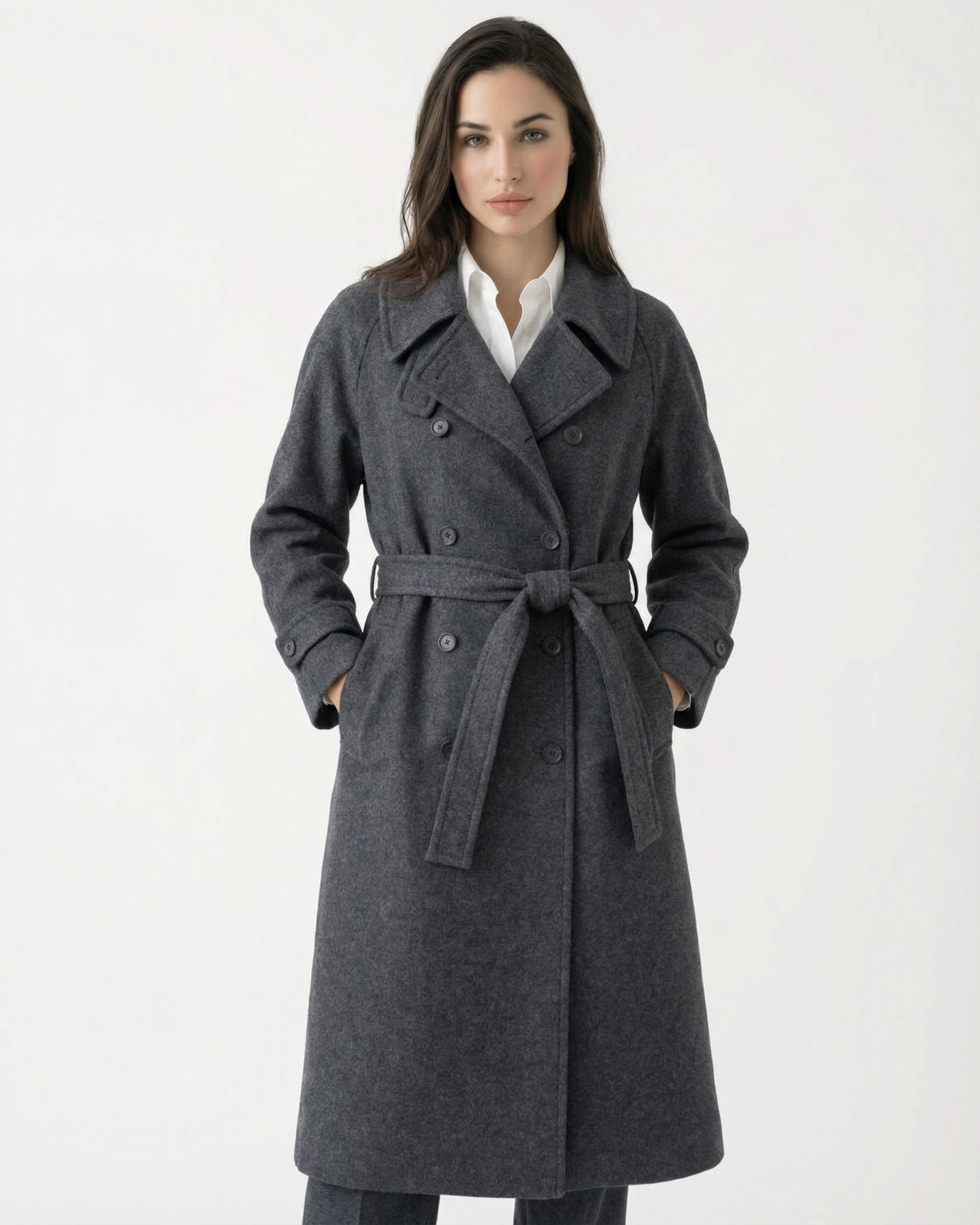
The Berlin Cashmere Sweater Zip at $215 and the Cashmere & Wool Coat Loose Fit at the same price both represent this kind of calculation. A coat worn over three or four months every year for a decade accumulates hundreds of wears. The initial outlay becomes increasingly irrelevant with each passing season.
For those building a complete wardrobe around the material, the Man Cashmere & Wool Sets collection offers coordinated pieces that compound the value argument: buying a set means the pieces are designed to work together, which reduces the need to purchase additional items to complete an outfit.
Expert insightThe single most effective thing you can do to extend the life of a cashmere garment is to never hang it. Hanging stretches the shoulders and distorts the knit over time. Fold and store flat, ideally with a cedar block nearby to deter moths.

How to Build a Cashmere Wardrobe That Actually Works
The mistake most people make with cashmere is buying one statement piece and stopping there. A single sweater, no matter how good, does not constitute a wardrobe strategy. The more useful approach is to identify the three or four cashmere pieces that cover the most ground across your actual life, then acquire them in a deliberate sequence.
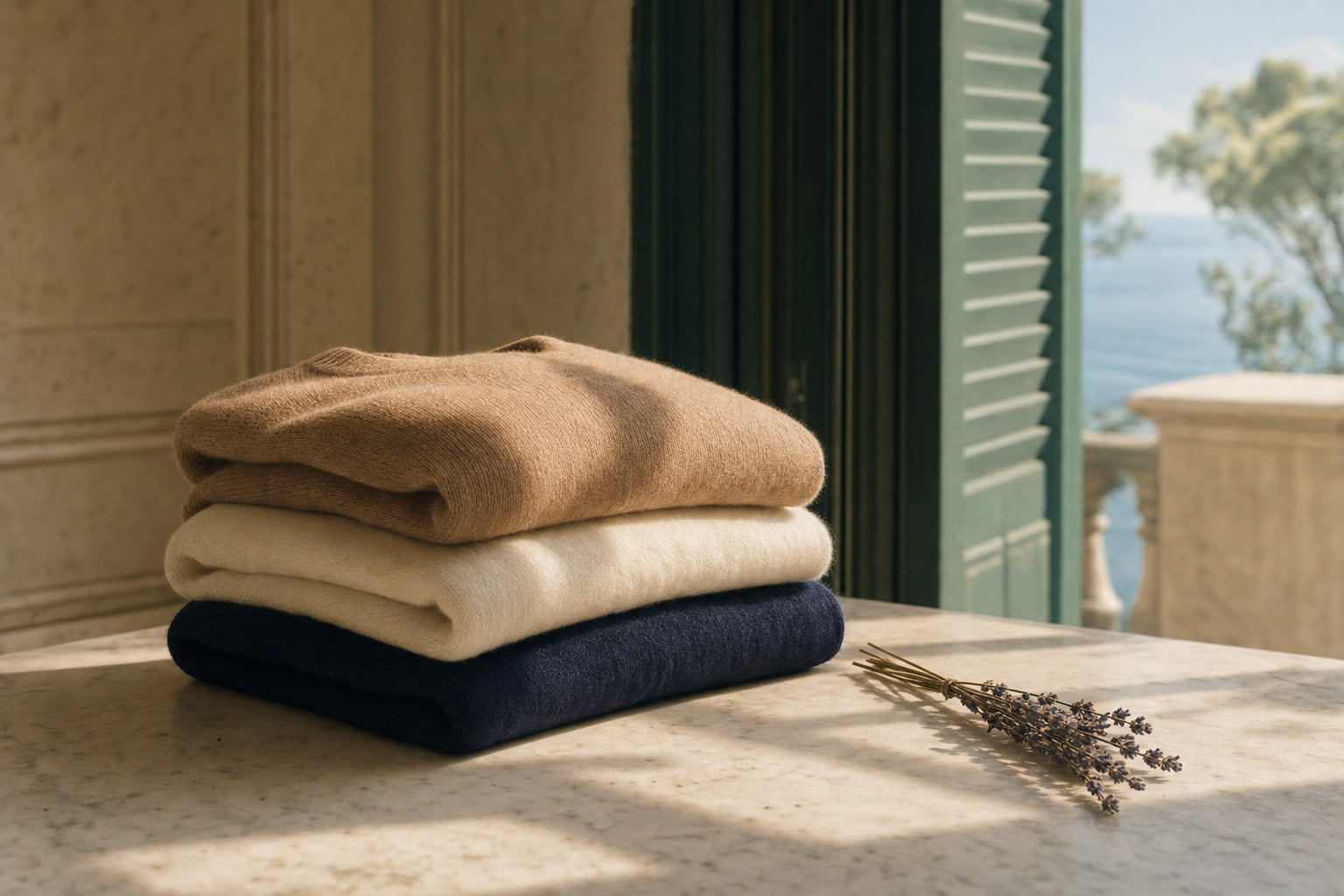
Start with a neutral-toned sweater or cardigan. Camel, navy, ivory, and mid-grey are the colours that work across the most contexts and age best. The cashmere and wool cardigan jacket, lined is a practical first acquisition: it functions as a layering piece over a shirt for business-casual settings and as a standalone top in relaxed environments.
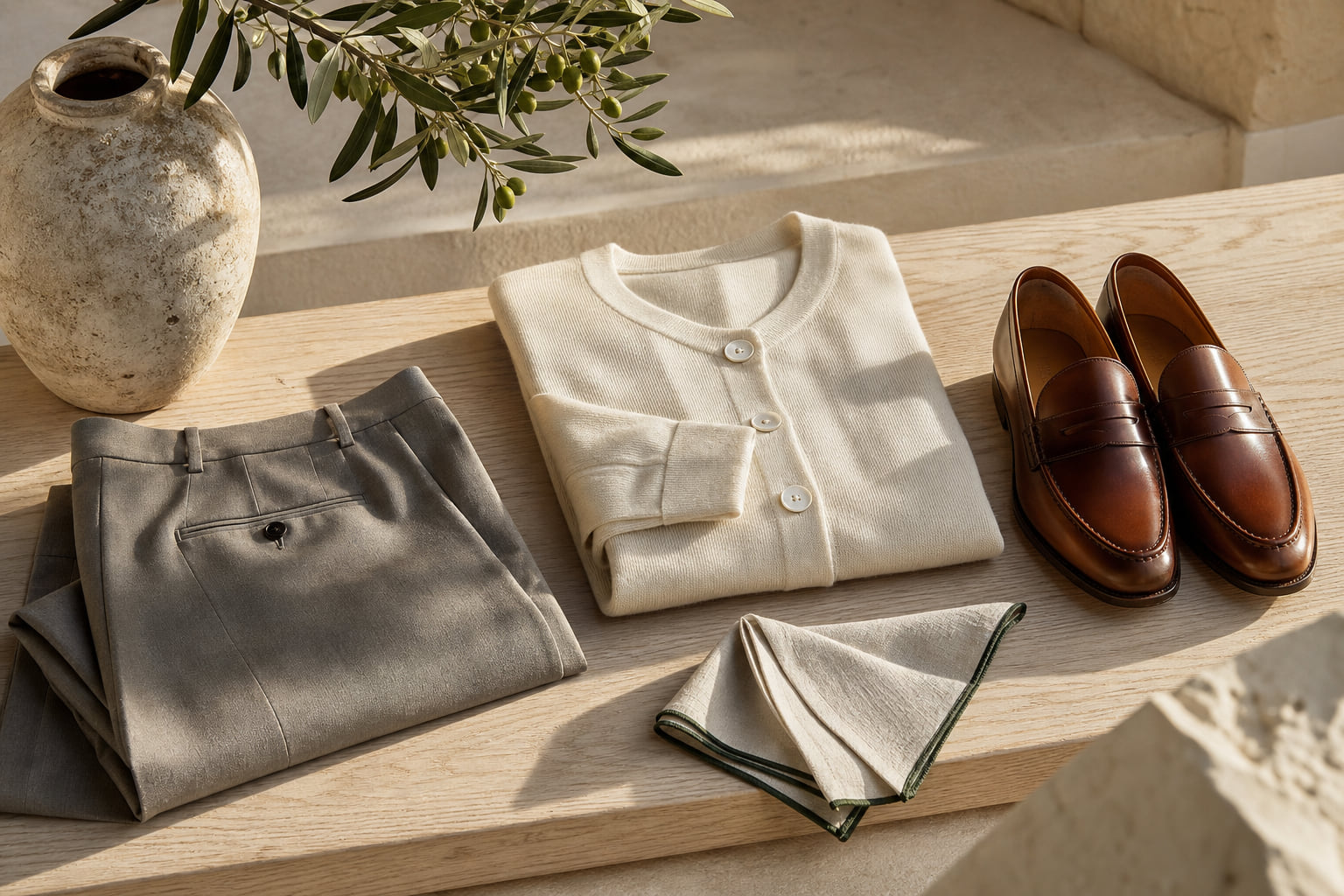
Add a set if your lifestyle supports it. A matched cashmere knit set, whether sweater-and-trousers or cardigan-and-skirt, removes the daily decision of what to wear together and creates an immediate sense of intention in how you dress. The Cashmere Set Sweater and Pants for men and the Cashmere Set Cardigan with knitted staple skirt for women are both designed with this in mind.
Extend into accessories last. Cashmere accessories, a scarf, a hat, a pair of socks, offer the material's qualities at a lower entry price and add warmth without adding bulk to an outfit. The Cashmere Shawl Scarf at $95 is the kind of piece that works across multiple seasons and outfit types without ever looking like an afterthought. The Cashmere Knitted Socks are a detail that most people overlook but notice immediately once they have worn them.
For women looking for a comprehensive starting point, the Woman Cashmere collection organises the range by category and makes it straightforward to identify where to begin.
Expert insightA cashmere scarf is the single highest-value entry point into the material. It sits against the neck, which is where softness is most perceptible, and it adds warmth to any coat without changing the silhouette of the outfit beneath.

Caring for Cashmere: The Practices That Protect Your Investment
Poor care is the reason most cashmere garments fail before their time. The material is not inherently fragile, but it does require specific handling that differs from standard laundry routines.
Washing. Hand-wash in cool water, 30 degrees Celsius or below, with a small amount of gentle detergent or baby shampoo. Do not wring or twist the fabric. Press the water out gently, then roll the garment in a clean towel to remove excess moisture. Reshape and dry flat on a clean surface away from direct heat or sunlight. Machine washing on a wool or delicate cycle is acceptable if the spin speed is low and the garment is placed in a mesh bag, but hand-washing extends fibre life significantly.
Pilling. Pilling occurs when short fibres work their way to the surface and tangle together through friction. It is most common under the arms and at the sides of the body. It does not indicate poor quality in isolation; it indicates friction. A cashmere comb or fine fabric shaver removes pills cleanly without damaging the underlying knit. Most garments pill most in the first few wears and then stabilise.
Storage. Fold, never hang. Store in breathable fabric bags, not plastic. Cedar blocks or lavender sachets deter moths, which are the primary threat to cashmere in storage. Before storing for summer, wash the garment first: food and skin oils attract moth larvae even when the garment appears clean.
For those investing in higher-end pieces, the High End Cashmere collection includes garments where care instructions are specific to the fibre composition. Reading and following those instructions from the first wear is the simplest way to protect the purchase.

Which Cashmere Pieces Represent the Best Value in 2026
Not every cashmere product offers the same return on investment. Some categories, by their nature, deliver more value per pound spent than others. Here is a concrete assessment based on use frequency, durability, and versatility.
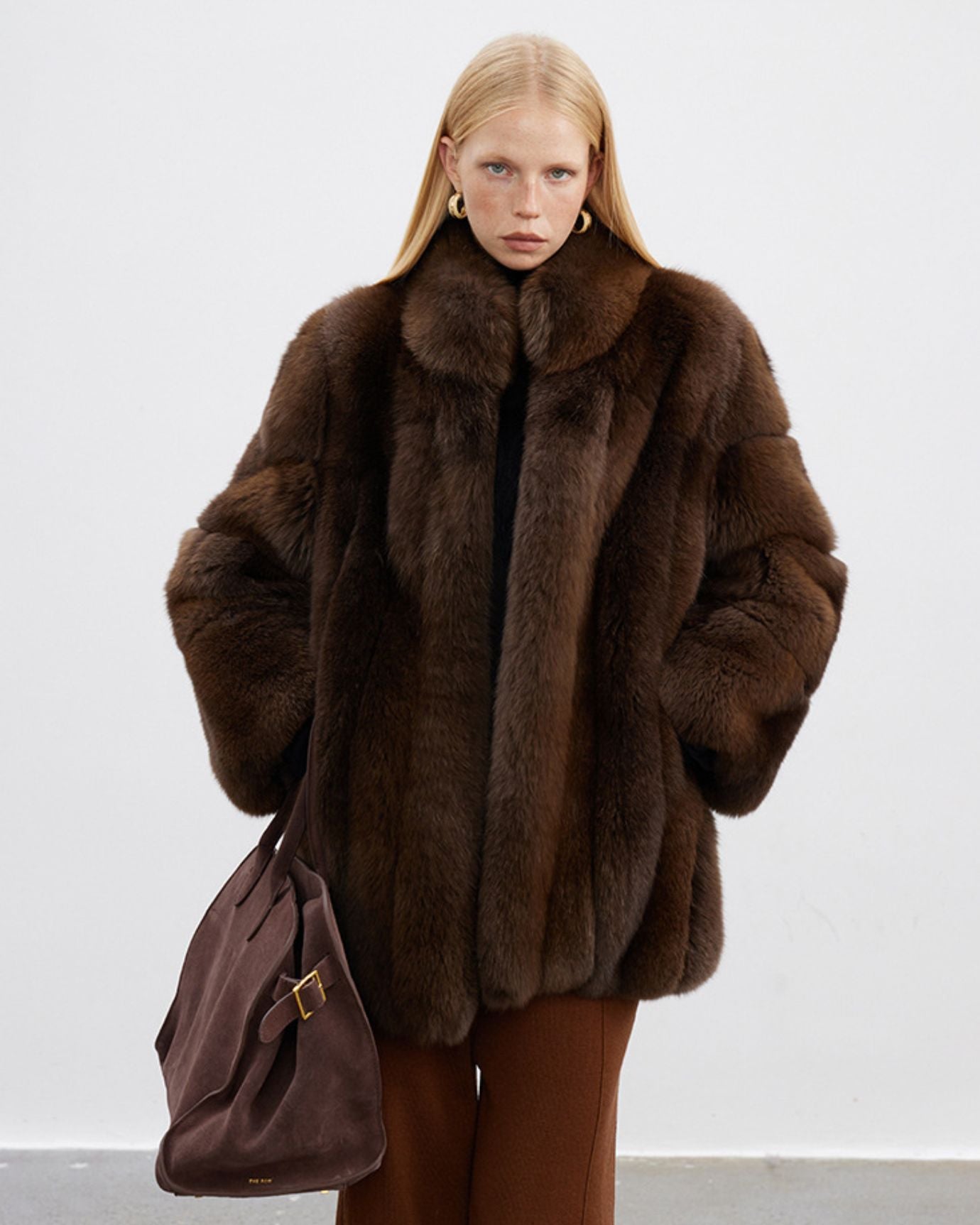
Best value for men: A cashmere-wool blend coat delivers more value than a pure cashmere fine-knit sweater at the same price, because a coat is worn over everything and accumulates the most wears per season. The Cashmere & Wool Coat Loose Fit at $215 is a strong candidate here. For a complete dressed look, the High End Mulberry Silk and Worsted Cashmere Set at $399 is a significant outlay but one that covers formal and business occasions with a single coordinated purchase.
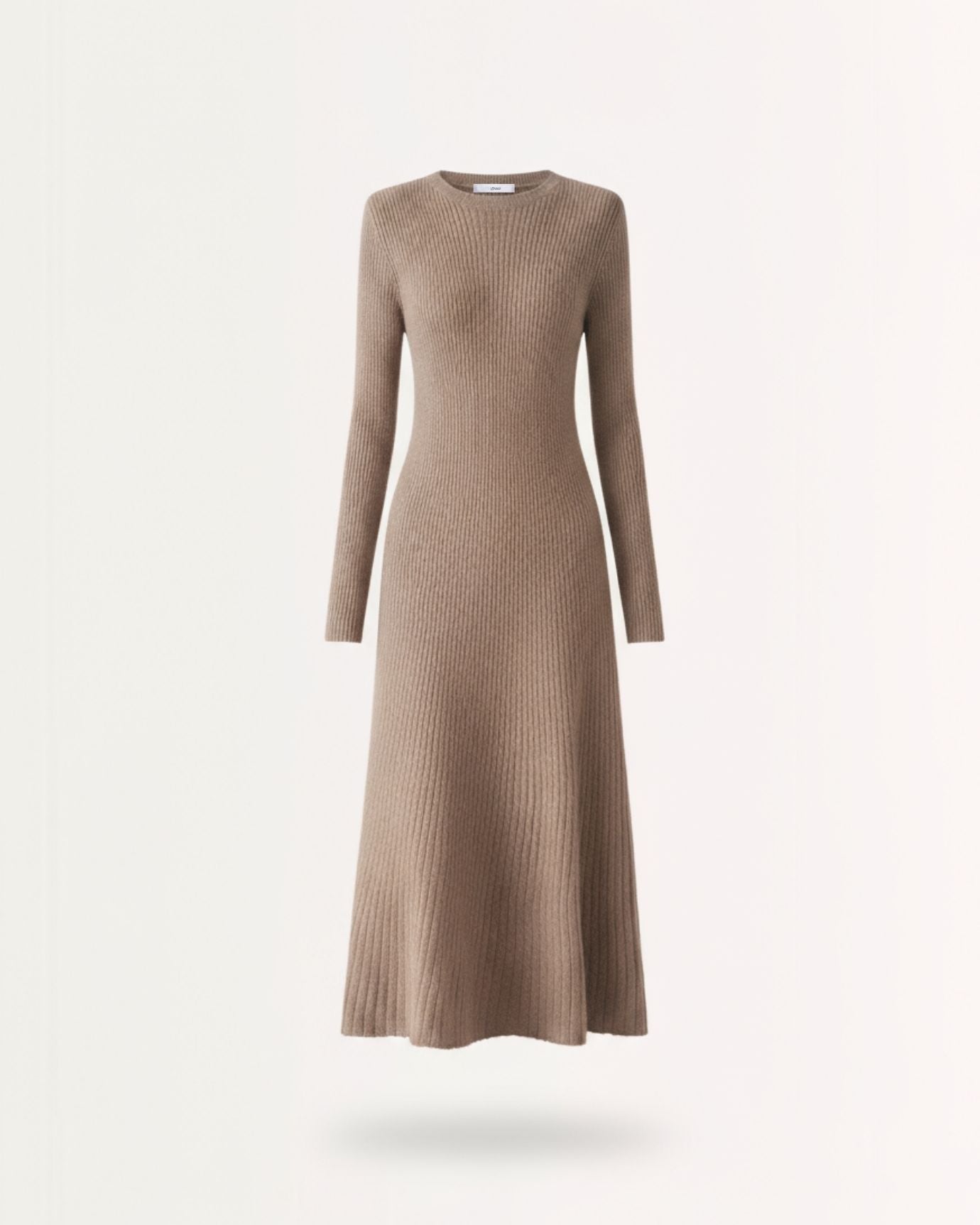
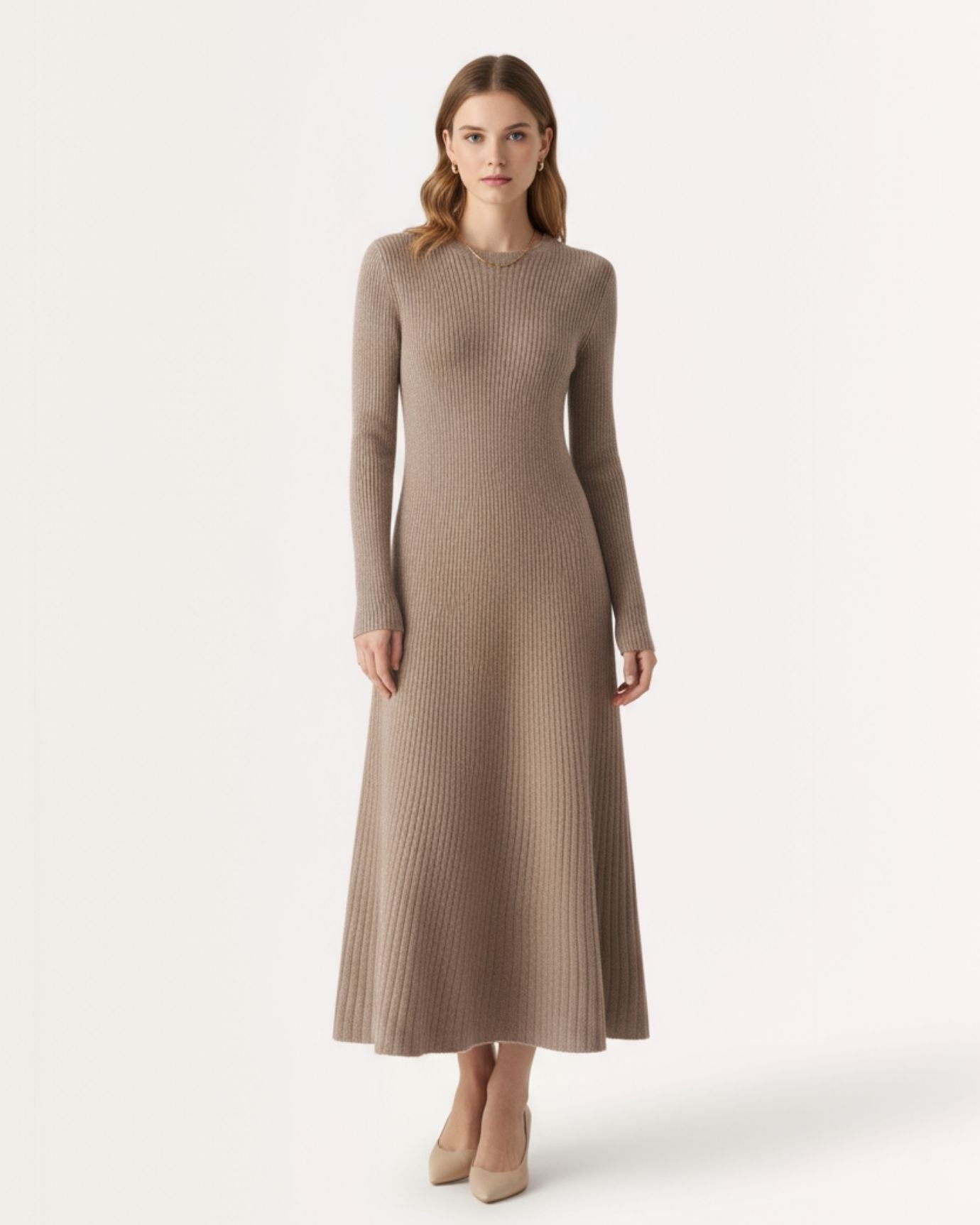
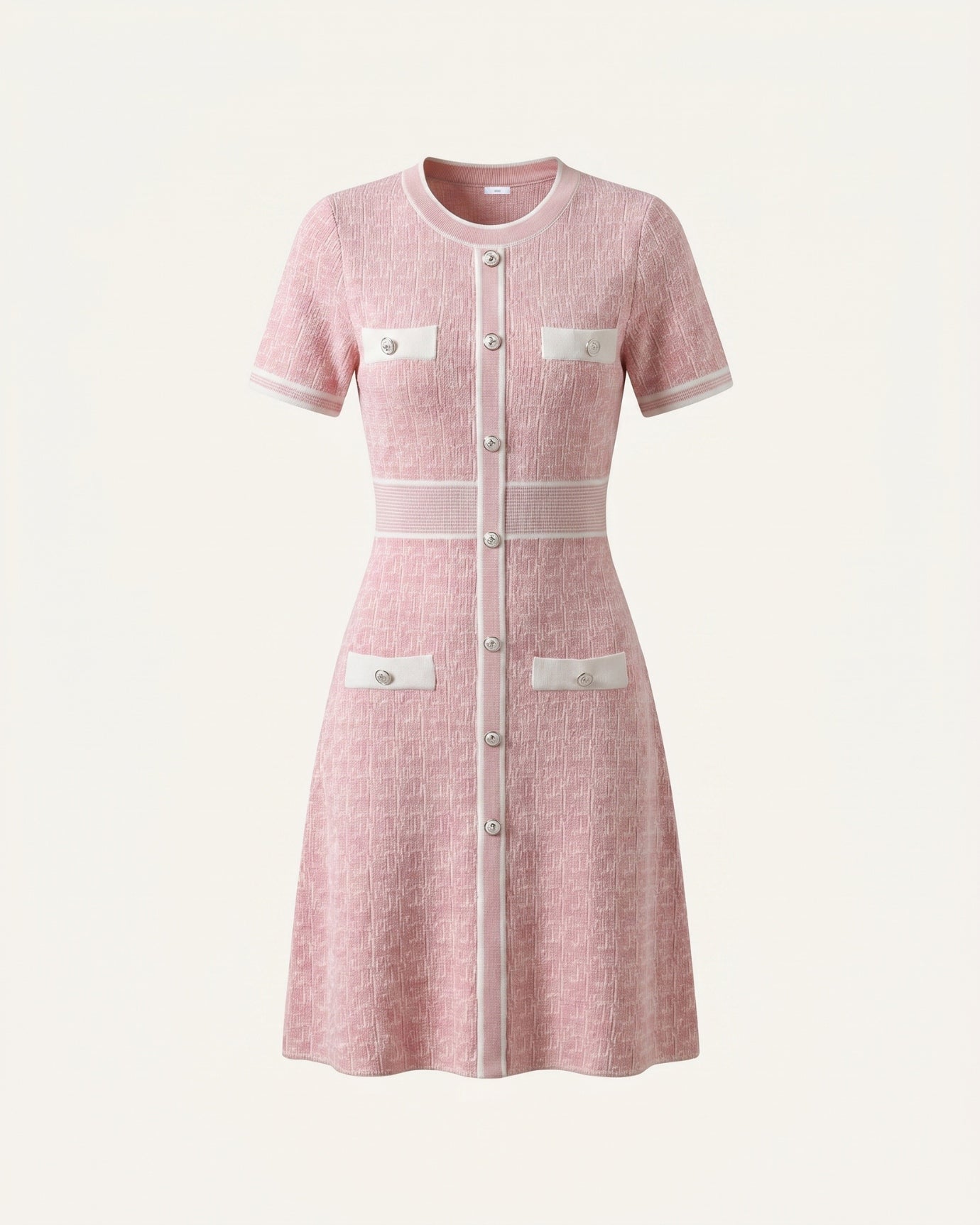
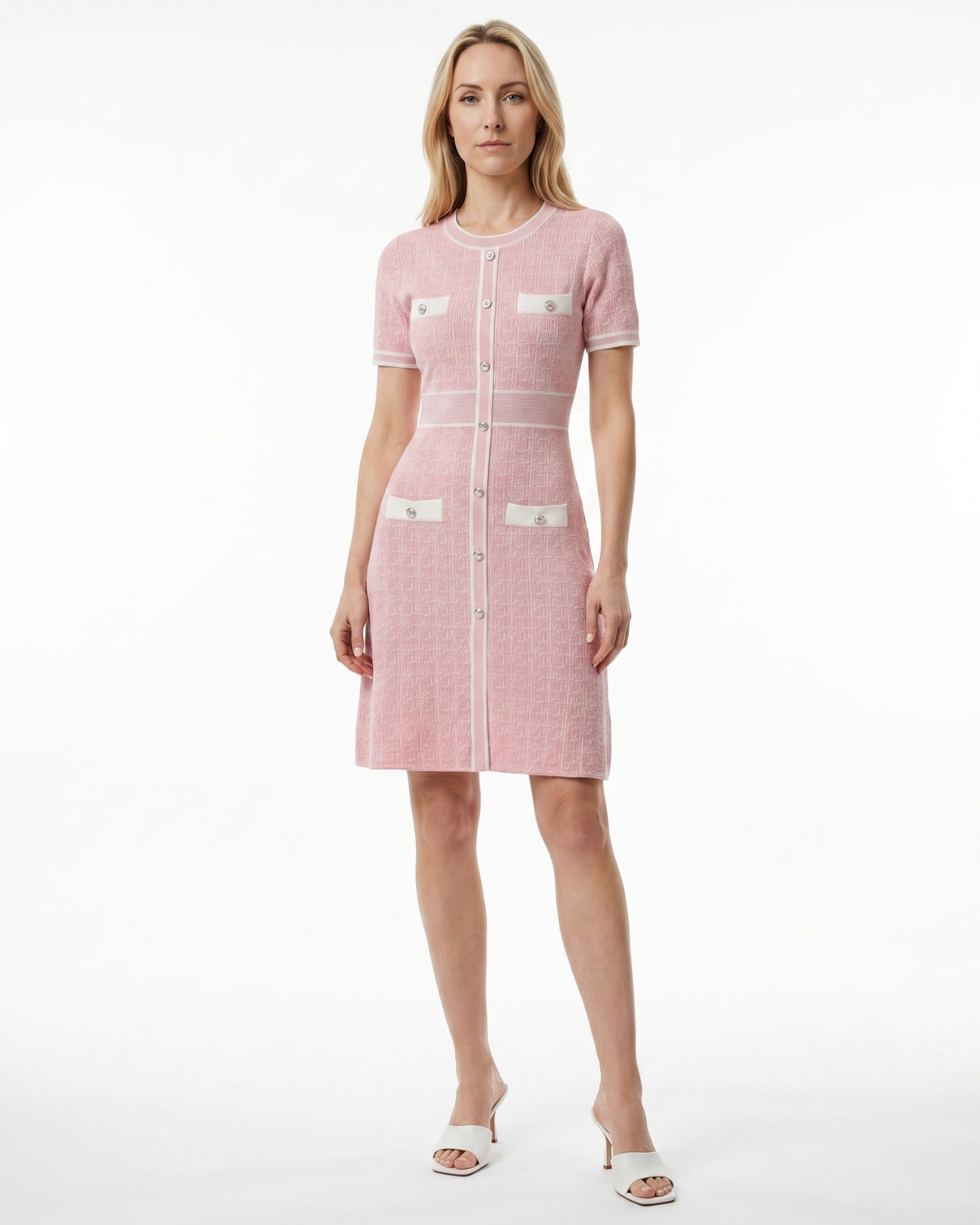
Best value for women: The Cashmere Dress Skin Proof Tested V-Neck at $149 covers more occasions than a sweater at the same price because it functions as a complete outfit rather than a component. A cashmere dress that moves between a dinner setting and a daytime appointment through a change of shoes and jewellery earns its cost faster than a piece with narrower application.
Best value across both: Accessories. A cashmere knitted hat with ear protection at $69 or a pair of cashmere and wool breathable socks at $69 deliver the tactile qualities of the material at a price that removes the hesitation entirely. They also make the case, physically and immediately, for why the material is worth spending more on in larger pieces.
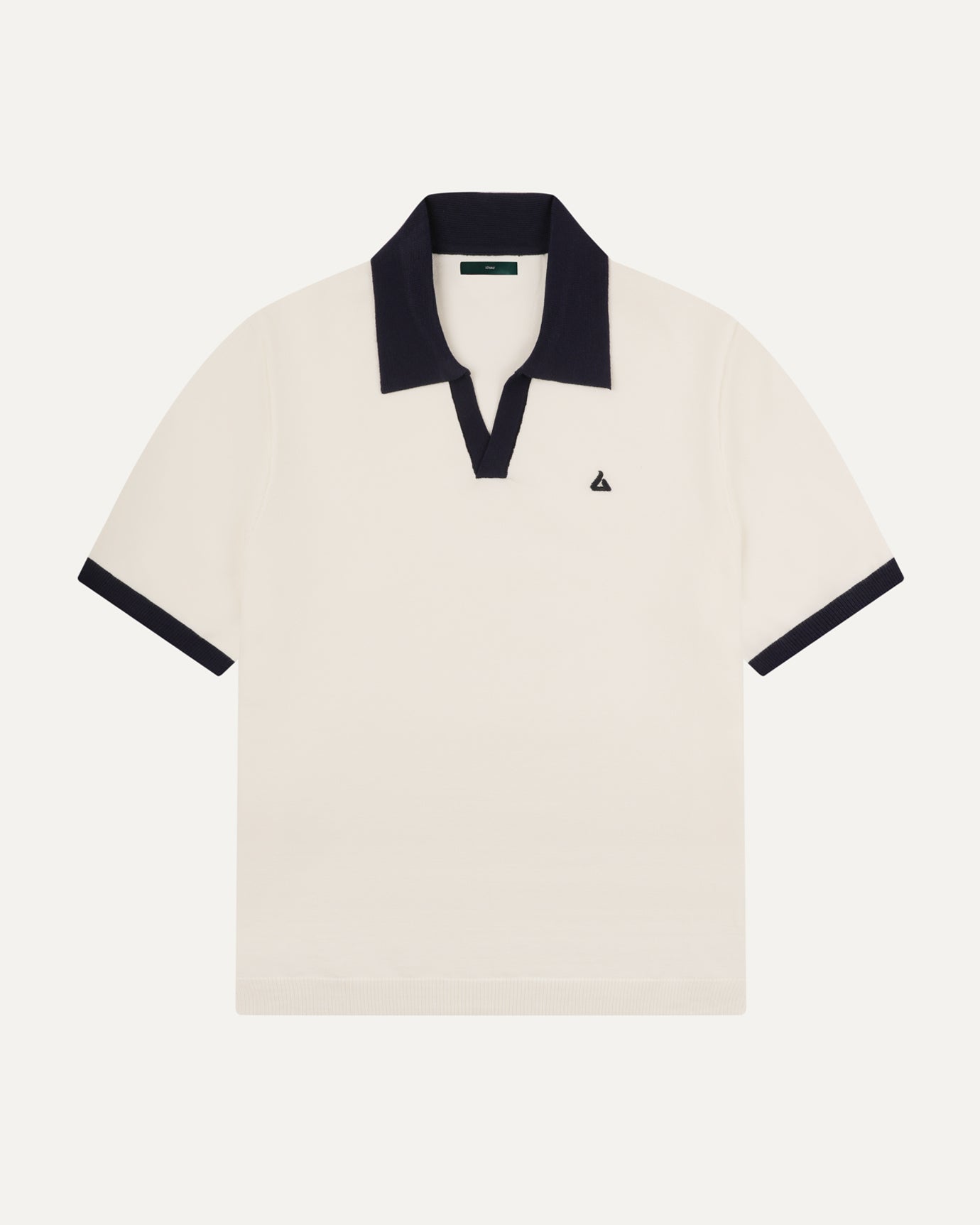
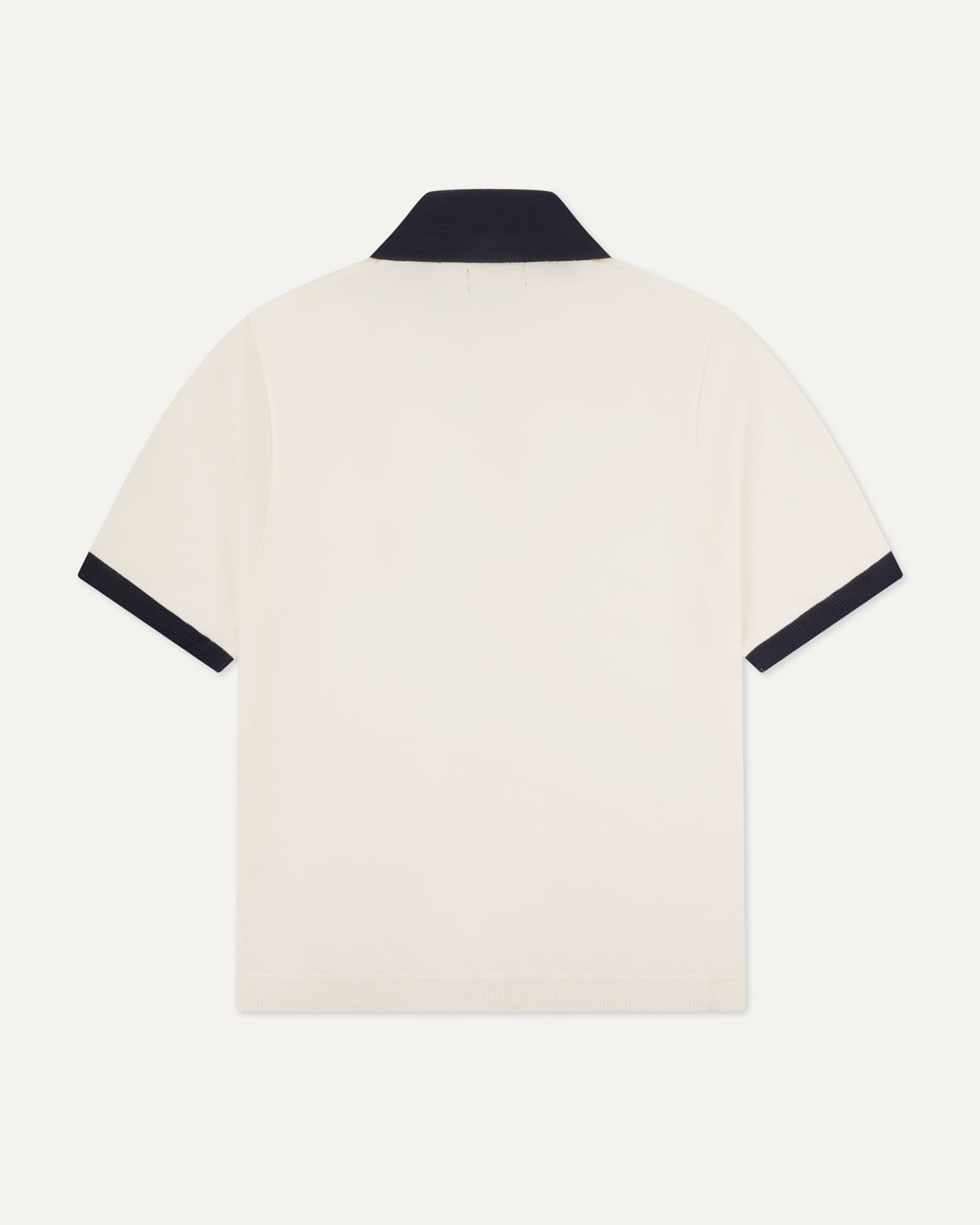
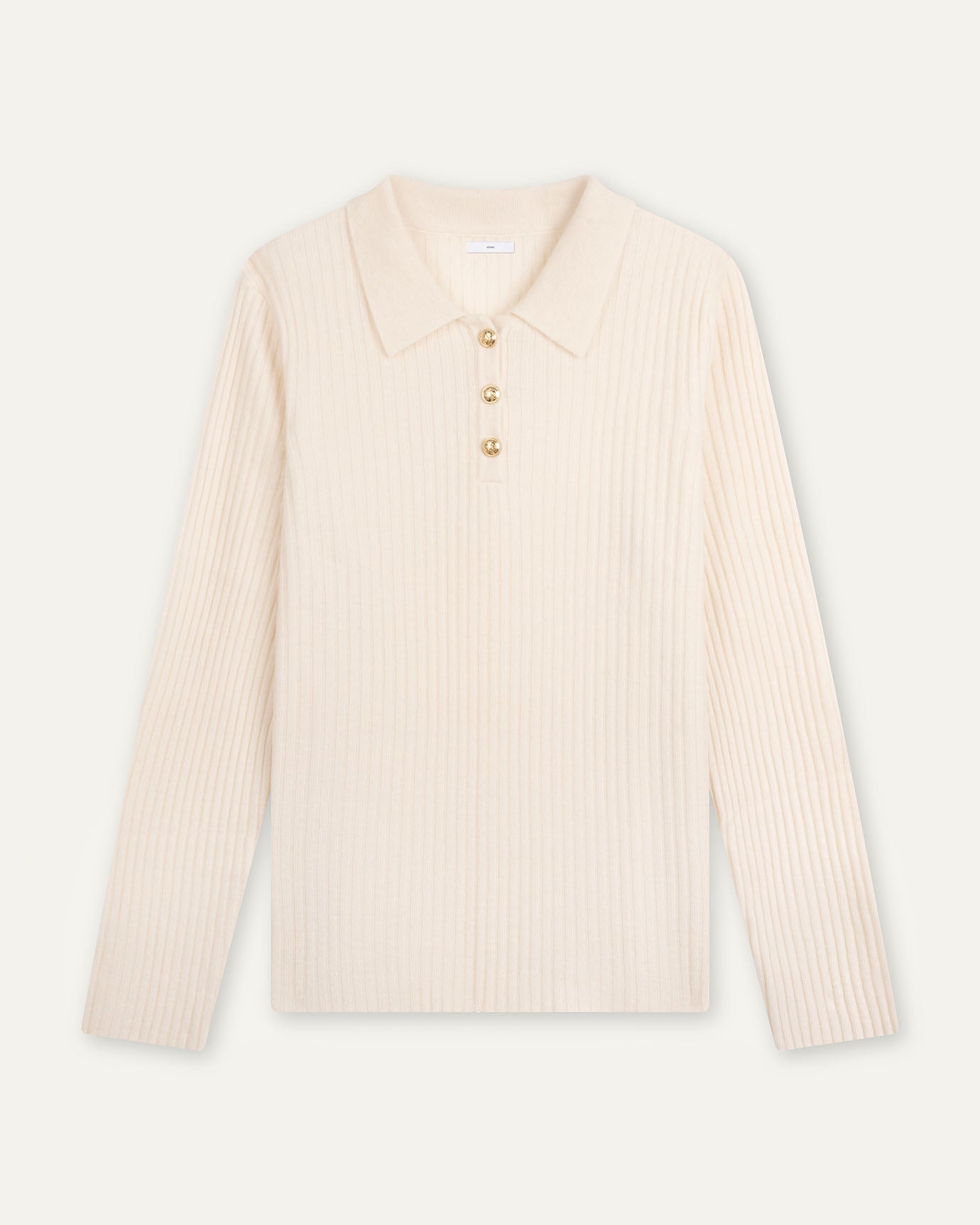
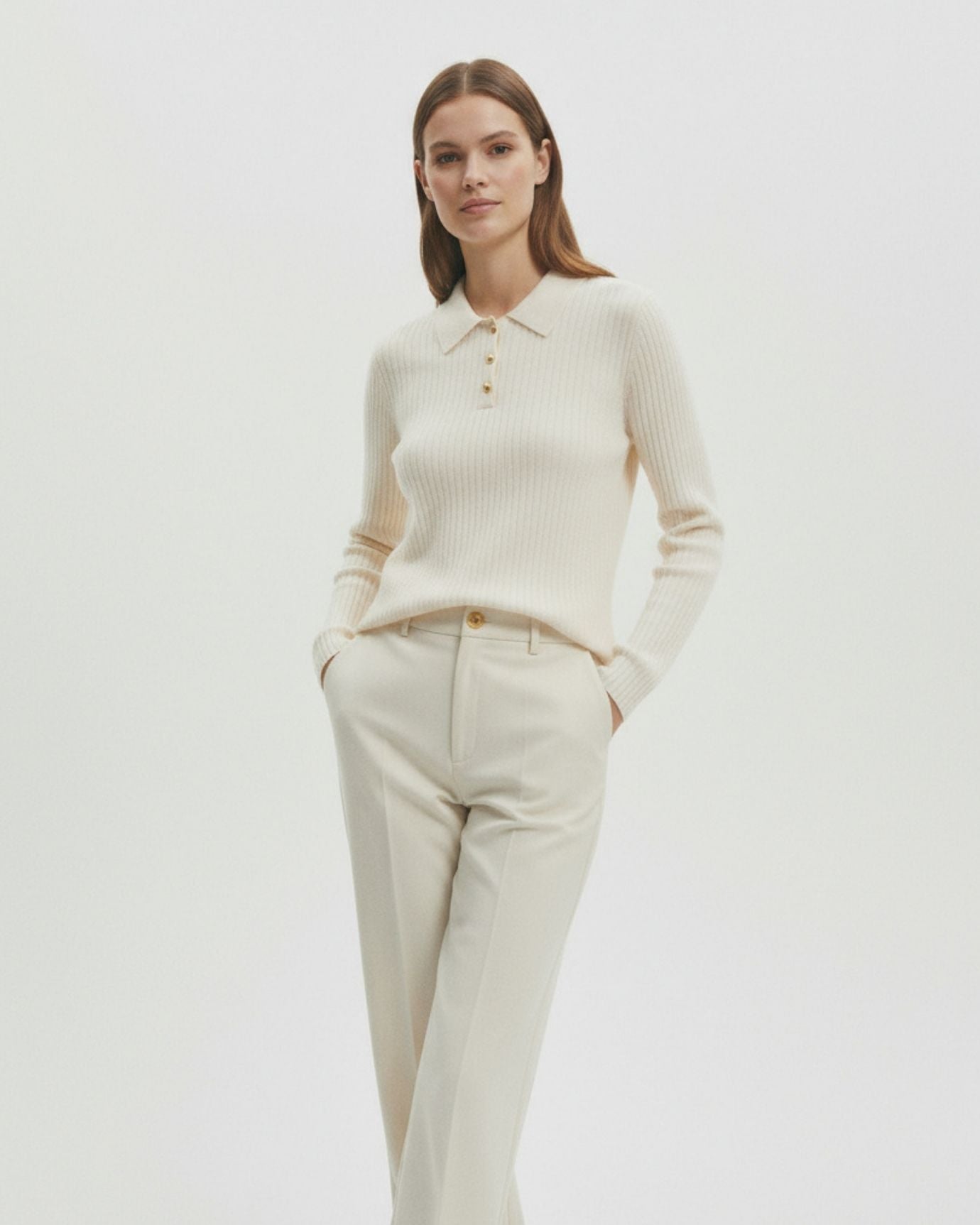
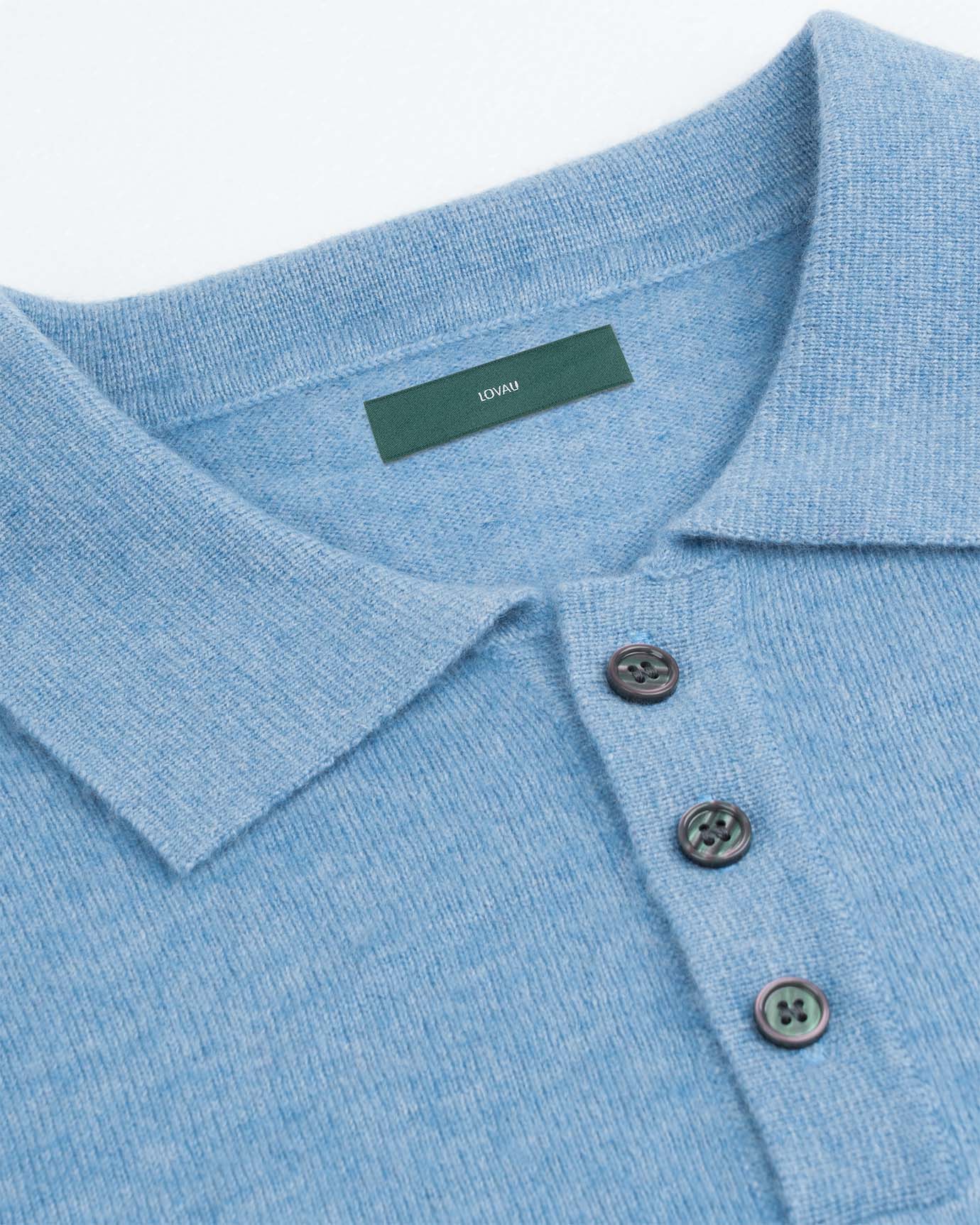
For a broader view of the range and how the pieces sit together, the full Cashmere Collection provides the clearest picture of where to start and where to build toward. The Cashmere Polo Woman also deserves mention as a versatile piece that works in both professional and relaxed contexts without requiring much thought about how to wear it.

| Property | Pure Cashmere | Merino Wool | Cashmere-Wool Blend |
|---|---|---|---|
| Fibre diameter | 14 to 15.5 microns | 18 to 24 microns | Varies by ratio |
| Softness against skin | Exceptional | Good to very good | Very good |
| Warmth by weight | Highest | High | High |
| Durability with daily wear | Moderate (requires care) | High | High |
| Ease of care | Hand-wash, fold-store | Machine-washable (many) | Hand-wash preferred |
| Price range (sweater) | $150 to $400+ | $60 to $180 | $90 to $220 |
| Lifespan with proper care | 15 to 20+ years | 10 to 15 years | 12 to 18 years |
Frequently asked questions
How can I tell if cashmere is genuine before buying?
Check the product label for fibre composition percentages. Genuine cashmere should be listed as 100% cashmere or with a clearly stated blend percentage. In person, rub a small area between your fingers for thirty seconds: low-quality or blended cashmere will begin to pill or shed almost immediately. Online, look for garment weight listed in grams and check that the retailer provides specific care instructions, which reputable cashmere producers always include.
Is a cashmere blend better than pure cashmere for everyday wear?
For pieces worn frequently in active conditions, yes. A cashmere-wool blend adds structural resilience and reduces pilling compared to pure cashmere at the same ply count. The cashmere and wool cardigan jacket lined is a practical example: the wool content helps it hold its shape through repeated use while the cashmere keeps the hand soft and the weight low.
How often should I wash a cashmere sweater?
Every three to five wears, assuming you are wearing it over a base layer. Cashmere does not need frequent washing and benefits from airing between wears. Over-washing shortens fibre life. When you do wash, hand-wash in cool water with a small amount of gentle detergent, press out moisture without wringing, reshape, and dry flat.
What is the difference between Grade-A cashmere and standard cashmere?
Grade-A cashmere refers to fibres measuring 14 to 15.5 microns in diameter, sourced from the finest undercoat of the goat. Standard or lower-grade cashmere may include coarser fibres, guard hairs, or a wider diameter range, all of which reduce softness and increase the likelihood of pilling. The distinction is not always visible in the finished garment but becomes apparent over the first season of wear.
Cashmere earns its cost through longevity, versatility, and a quality of wear that no synthetic or lower-grade natural fibre matches over a ten or fifteen year horizon. The key is buying with clarity: the right ply count, the right fibre grade, the right piece for the right frequency of use. Approached that way, it is one of the more rational decisions a wardrobe can contain. Start with what you will wear most, maintain it correctly, and the question of whether it was worth it answers itself within a single season. Browse the full Cashmere Collection to identify where the material fits most naturally into how you already dress.