


Why Amber Brown is the Ultimate Sunglass Tint for 2026
Reading time 13 min • 2584 words
There is a moment, usually around late spring, when a man reaches for his sunglasses and realises the pair he owns tells the world more about his taste than almost anything else he is wearing. Sunglasses are one of the few accessories that sit directly on the face. The frame and the lens colour together make an immediate, legible statement.
Amber brown has been the insider choice among opticians, pilots, and serious sportsmen for decades, and in 2026 it is finally being recognised for what it always was: the most intelligent and most elegant lens tint a man can wear. The reasons are both optical and aesthetic, and they reinforce each other in a way that grey, black, and green lenses simply do not.
This guide covers the science behind amber lenses, why the tint works so well with the warm, earthy palette that defines considered menswear right now, and how to choose the right frame to carry it properly.
Key takeaways
- Amber brown lenses enhance contrast and depth perception more than grey or black tints, making them genuinely practical for everyday wear.
- The warm copper-gold tone of amber lenses photographs well and flatters most skin tones, particularly olive and tan complexions common in Mediterranean and Southern European climates.
- Rectangular and geometric frames in amber tint read as quieter and more considered than mirrored or gradient alternatives.
- Amber pairs naturally with the earth-tone wardrobe staples of the old money aesthetic: camel, chocolate brown, ivory, and warm khaki.
- A 79 to 85 percent visible light transmission block is the functional sweet spot for amber lenses worn in mixed light conditions.
In this guide
- What Amber Brown Actually Does to Light
- Amber vs Grey vs Black: The Honest Comparison
- Why Amber Belongs in the Old Money Colour Palette
- Choosing the Right Frame Shape for an Amber Lens
- How to Wear Amber Sunglasses Across Different Occasions
- Caring for Amber Lenses: What Actually Matters
- Frequently asked questions
What Amber Brown Actually Does to Light
Before discussing style, it is worth understanding what an amber lens actually does. All sunglass lenses filter visible light, but they do not all filter it in the same way. A grey lens reduces brightness roughly uniformly across the visible spectrum, which preserves colour accuracy but does nothing to sharpen contrast. A black or very dark charcoal lens simply dims everything.
An amber brown lens works differently. It selectively filters short-wavelength blue light while allowing the longer red, orange, and yellow wavelengths to pass through. The practical result is that the world appears warmer, slightly heightened in contrast, and sharper in definition, particularly along horizontal edges and across uneven terrain. This is why amber is the preferred tint for contrast-enhancing sunglass lenses used in aviation, shooting sports, and driving.
For a man walking through a sun-bright piazza or sitting at a terrace lunch, this contrast enhancement means less eye fatigue over the course of a day. The eyes do not have to work as hard to resolve edges and shadows. That is a concrete functional advantage, not marketing copy.
Visible Light Transmission (VLT) is the percentage of light a lens allows through. For amber lenses worn in bright Mediterranean or Southern European conditions, a VLT of 15 to 25 percent is the practical range. In variable or overcast light, amber lenses with a VLT of 25 to 35 percent perform better than a dark grey lens because they maintain contrast even as overall brightness drops.
Expert insightOpticians in Southern Italy and the South of France have recommended amber and brown tints to their clients for generations, precisely because the warm light of those latitudes makes blue-light filtering lenses more comfortable across a full day outdoors.

Amber vs Grey vs Black: The Honest Comparison
The three dominant lens tints in men's sunglasses are grey, black or very dark charcoal, and amber brown. Each has a different optical profile and a different stylistic register.
Grey lenses are the neutral choice. They reduce glare without shifting colour perception, which makes them the technically correct option for activities where colour accuracy matters, such as driving in unfamiliar territory. Stylistically, grey reads as clean and urban. The Milano Black Square Sunglasses in Gray Gradient Tint are a strong example of this aesthetic: precise, cool, European city wear.
Black or very dark lenses project a harder, more guarded quality. They are associated with a certain kind of confident anonymity. The Black Gray Tint Sunglasses sit in this territory. They work on the right face and in the right context, but they absorb so much light that in mixed conditions they can actually reduce visual clarity rather than improve it.
Amber brown lenses occupy a different position entirely. They are warmer, more approachable, and optically more active. Where grey is passive, amber is engaged. The lens is doing something with light rather than simply dimming it. For men who spend time outdoors in warm climates, or who want a sunglass that performs from a bright midday terrace into the softer light of a late afternoon walk, amber is the more considered choice.
The Retro Black Amber Rectangular Sunglasses demonstrate how a dark frame with an amber lens creates balance: the frame grounds the warmth of the tint, so the overall effect is sophisticated rather than casual.
Expert insightIf you find yourself squinting more with dark grey lenses than you expect, the issue is often that the lens is reducing brightness without improving contrast. Switching to amber frequently solves the problem without requiring a darker tint.

Why Amber Belongs in the Old Money Colour Palette
The old money aesthetic is built on a specific set of colour relationships. Camel, chocolate brown, warm khaki, ivory, navy, and forest green are its foundations. These are colours drawn from natural materials: undyed wool, tanned leather, aged wood, Mediterranean stone. They are warm, grounded, and specific.
Amber brown sits directly inside this palette. It is not a neutral imposed from the outside; it is a colour that has always been present in the wardrobe. The amber of a well-worn leather strap, the golden-brown of a suede derby, the honey tone of a tortoiseshell frame, these are all the same family.
This is why amber-tinted sunglasses integrate so naturally with the kind of wardrobe Lovau builds. A pair of amber brown geometric rectangular sunglasses worn with worsted wool Italian trousers and a Milano linen shirt in brown creates a coherent, warm-toned outfit where every element belongs to the same colour family. Nothing fights for attention.
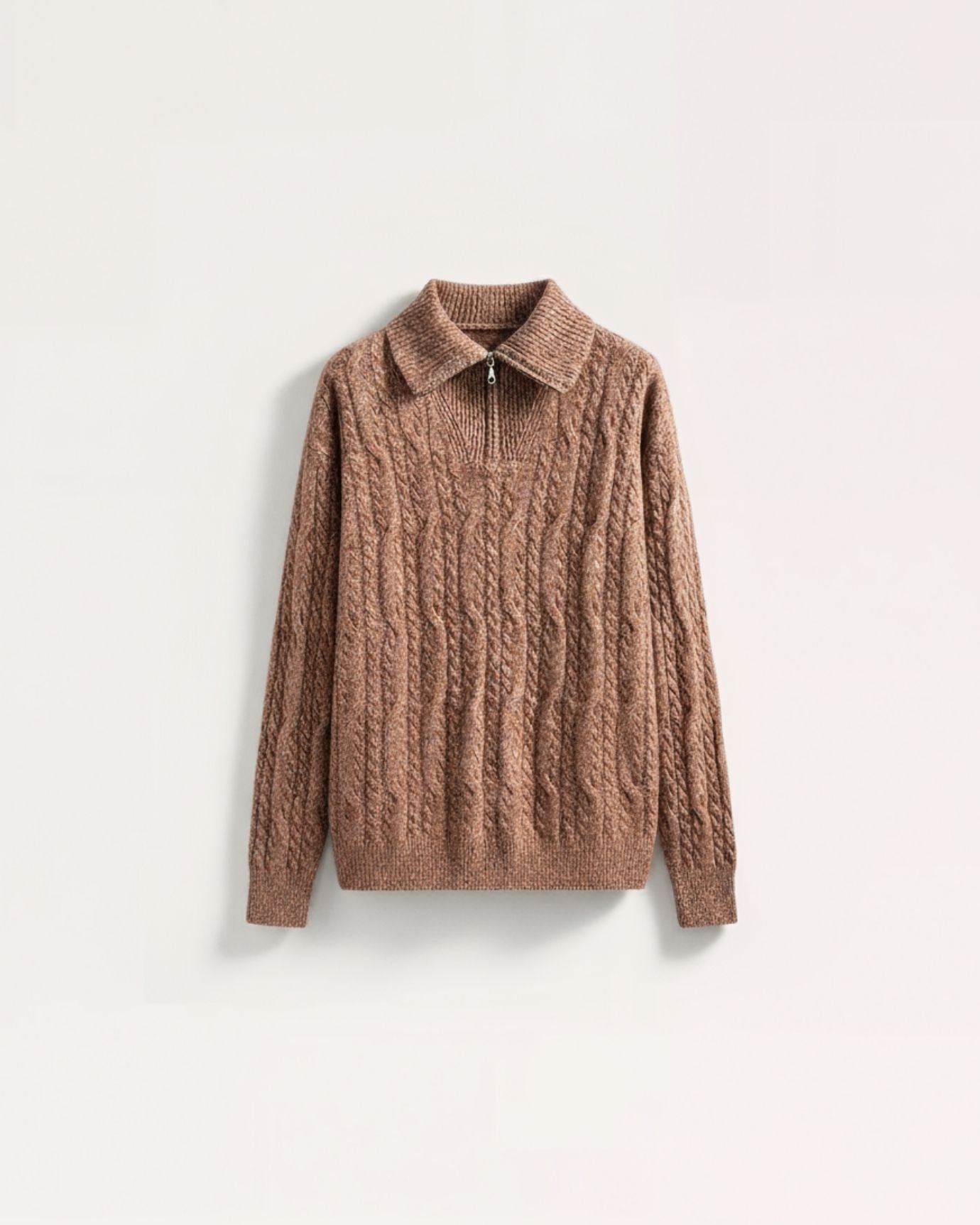
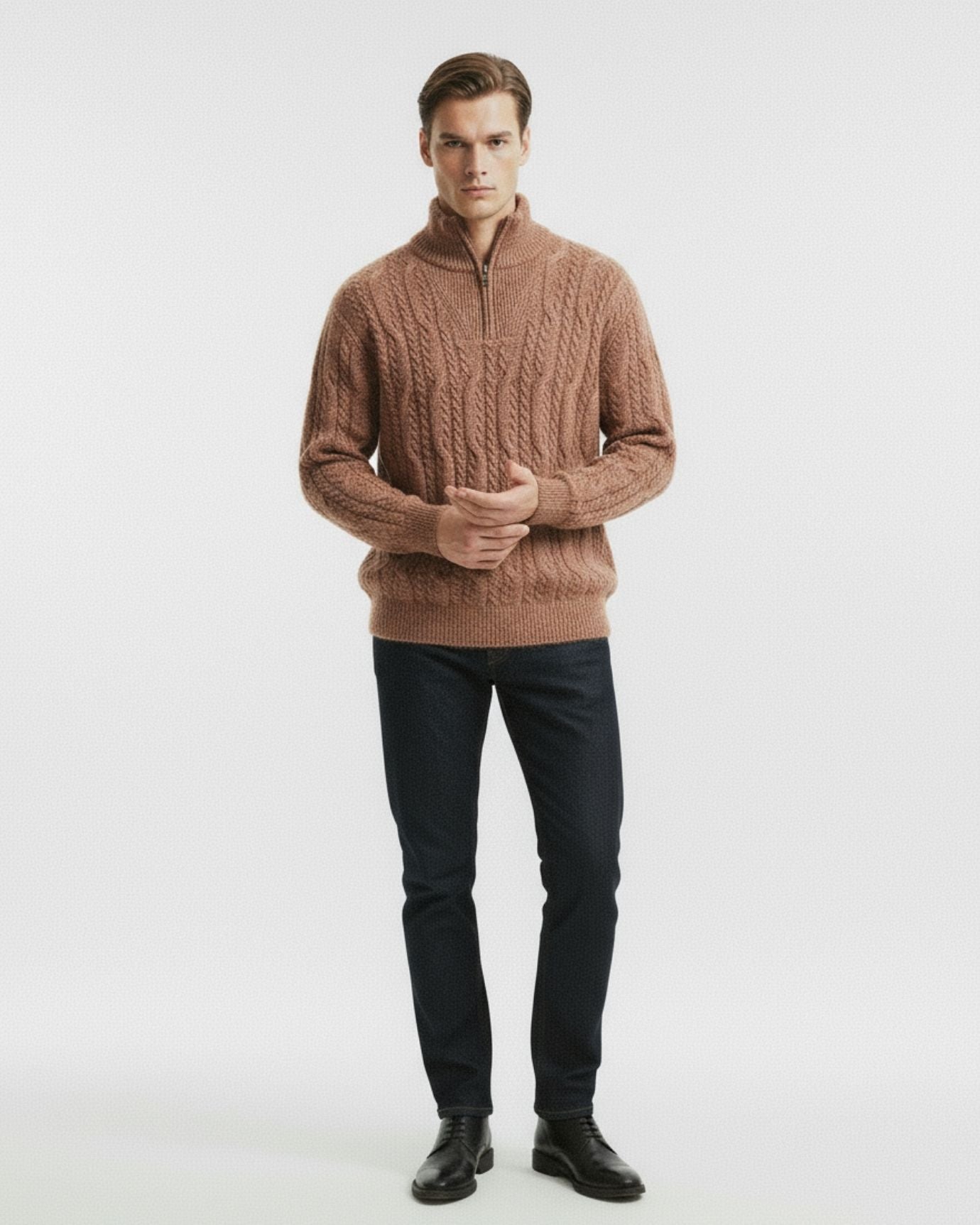
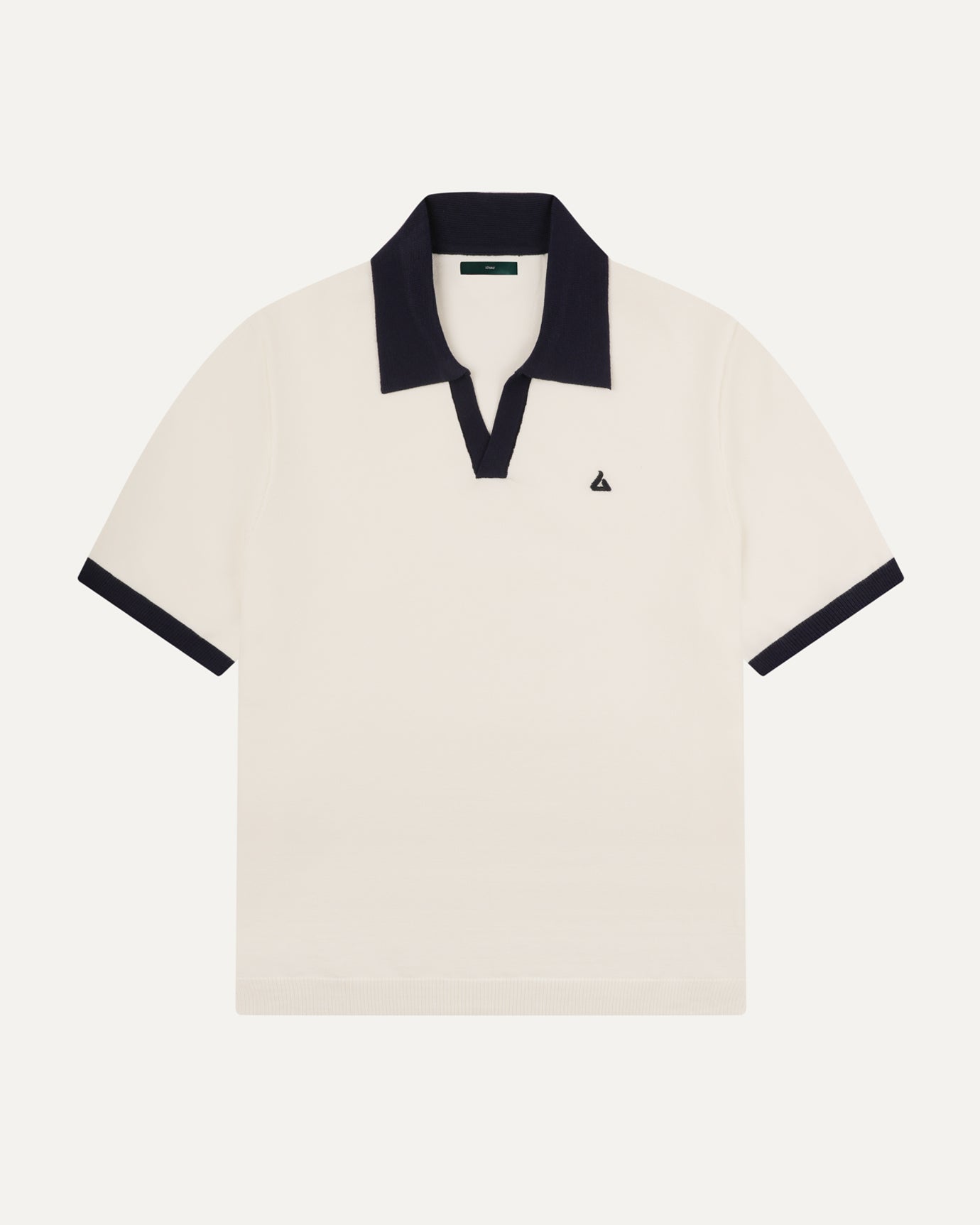
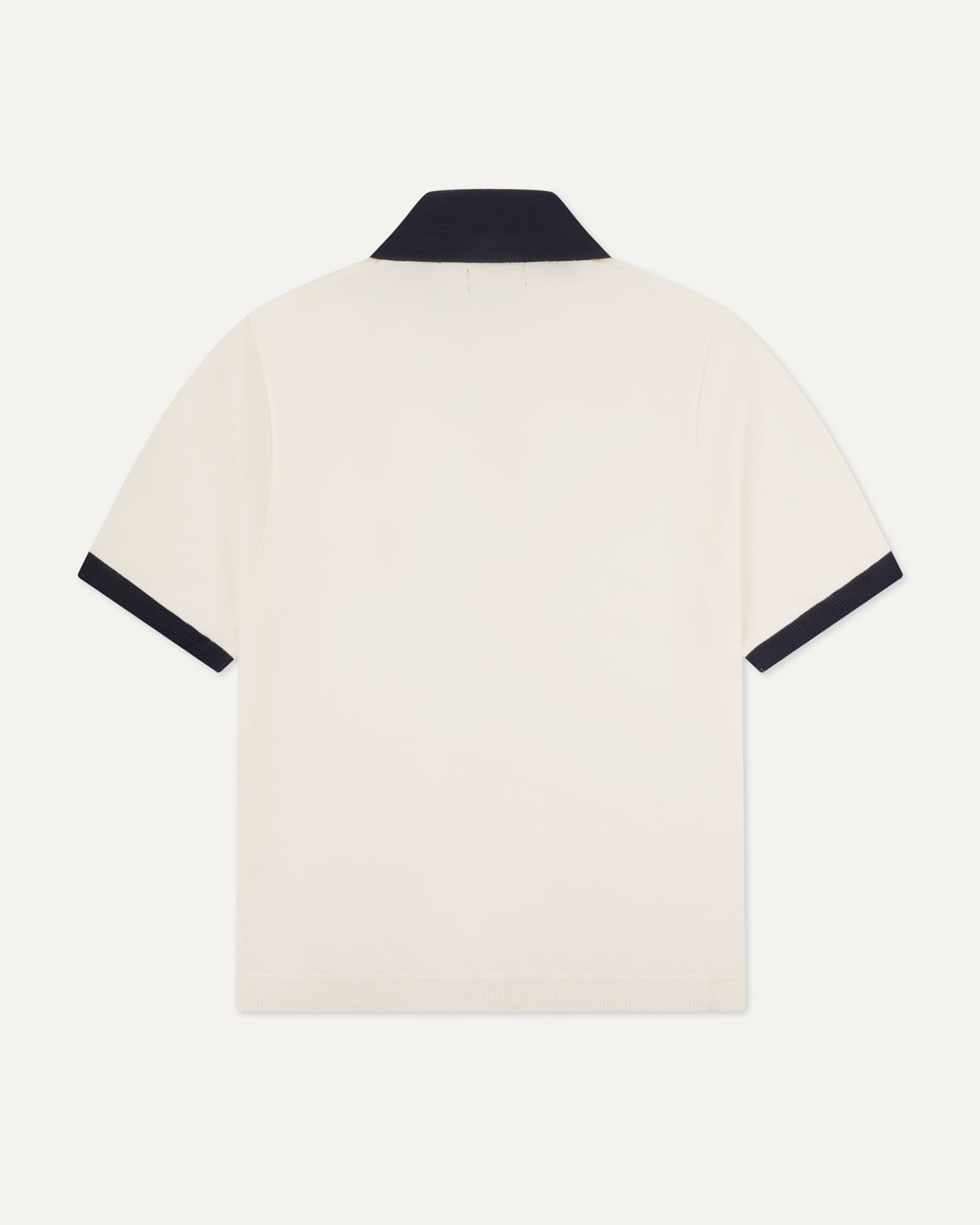
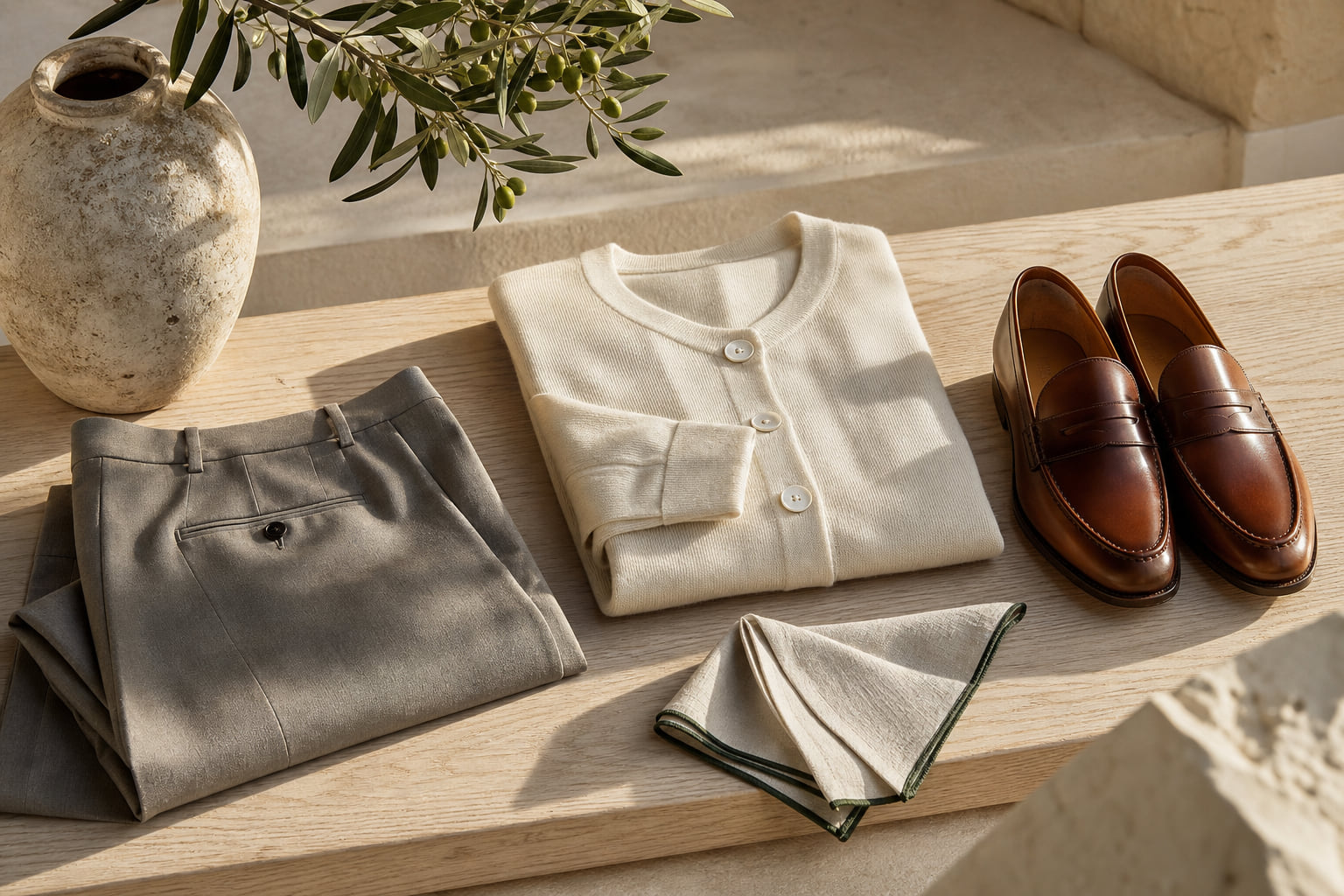
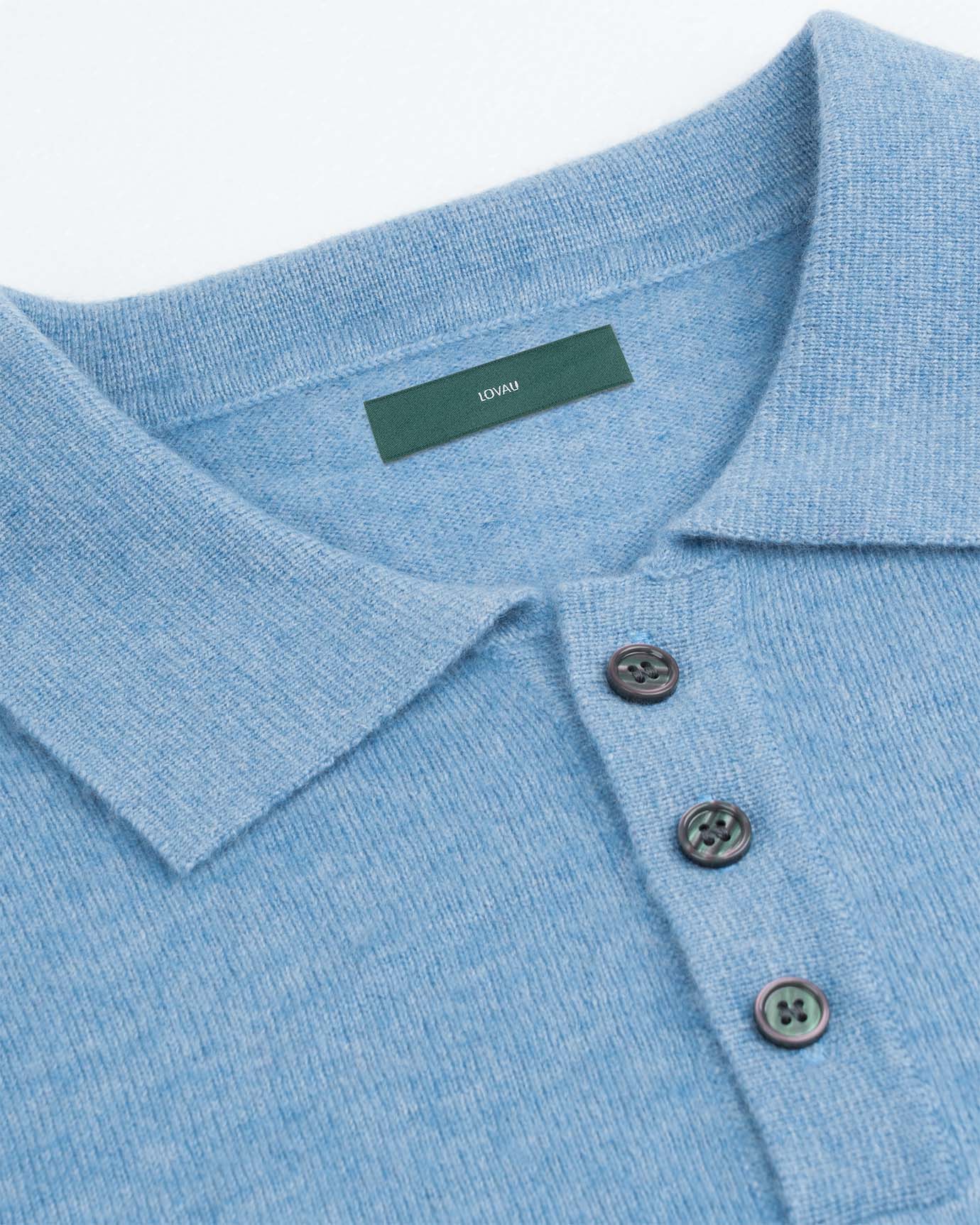
For a more relaxed register, the same amber lens pairs cleanly with a linen blend knitted polo and Positano brown loafers in genuine leather. The amber tint ties the warm brown of the loafers to the ivory or ecru of the polo without any deliberate coordination required.
For further guidance on building outfits around earth tones, the article on earth tones in fashion, covering brown, camel and coffee covers the full palette logic in detail.
Expert insightAmber lenses with a tortoiseshell or warm acetate frame are a particularly cohesive combination because both the frame material and the lens tint belong to the same brown-gold family. The frame and lens read as one considered object rather than two separate elements.

Choosing the Right Frame Shape for an Amber Lens
The lens tint is only half the decision. Frame geometry matters equally, and amber lenses are most legible, and most elegant, in frames that have some structural precision.
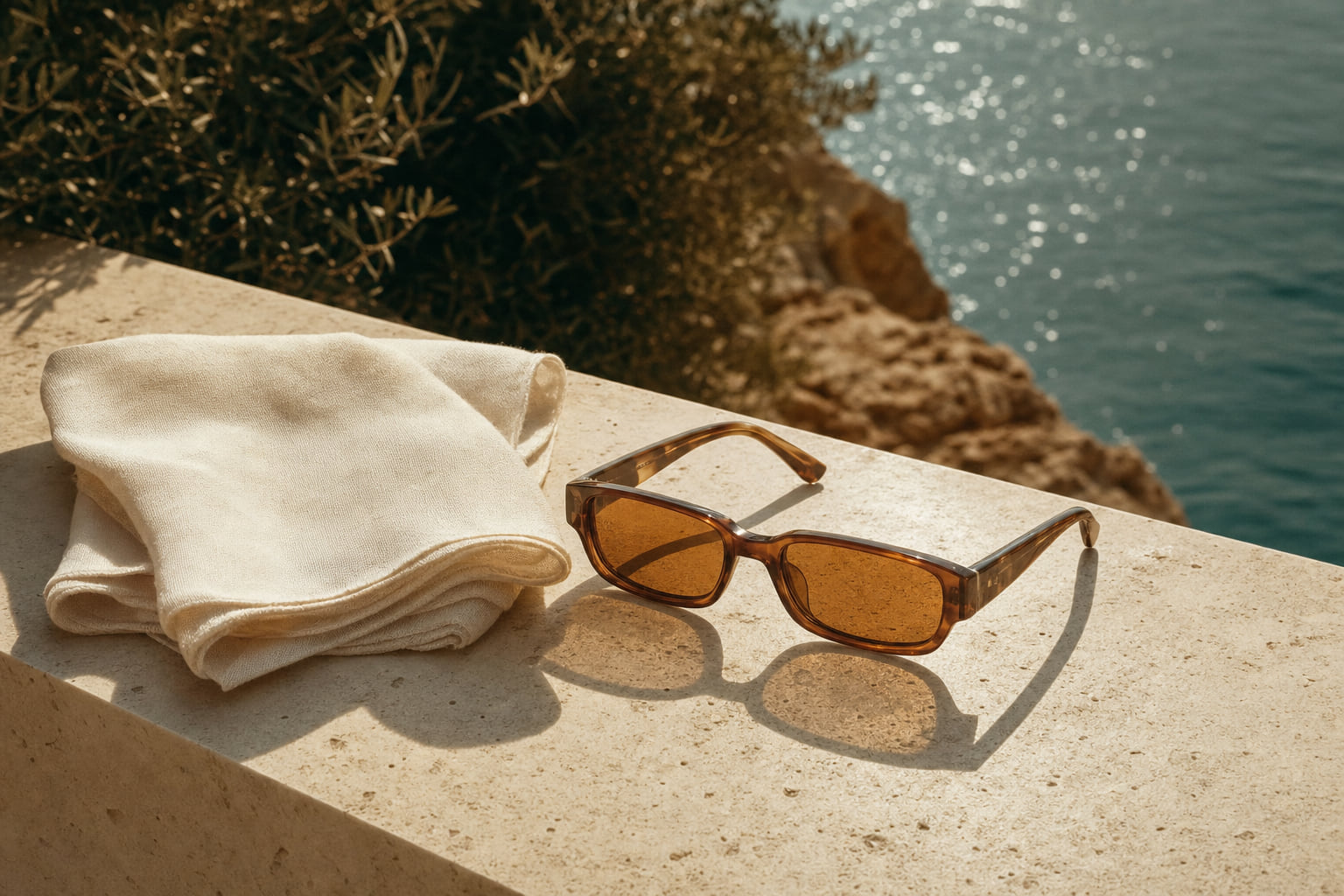
Rectangular and geometric frames are the natural home for amber lenses in 2026. The straight horizontal lines of a rectangular frame create a clean visual container for the warm tint. The amber brown geometric rectangular sunglasses are built on exactly this logic: the geometry is clear and deliberate, and the amber tint fills the frame with warmth without softening the structure.
Oversized round frames tend to make amber lenses look heavier and more casual than intended. The tint already adds warmth; a large round frame adds further softness, and the combination can lose precision.
Thin metal or acetate frames in dark tortoise, dark brown, or black work best with amber lenses because they anchor the warmth of the tint. A frame that is too light in colour, cream, gold, or pale tortoise, can make the overall combination feel underpowered.
Fit is non-negotiable. The frame should sit level on the face, with the lens height covering the eye socket without extending below the cheekbone. The temple arms should hold the frame parallel to the face without pressing the temples. A frame that tilts forward or sits too low reads as careless regardless of the quality of the lens.
For men building a complete eyewear wardrobe, the old money sunglasses collection offers a useful overview of the frame shapes and tints that work within a refined, restrained aesthetic. Understanding how sunglass lens colour affects visual perception is also worth a few minutes of reading before making a final decision.
How to Wear Amber Sunglasses Across Different Occasions
Amber sunglasses are not limited to a single context. Their optical performance and warm aesthetic make them adaptable across a wider range of situations than grey or black lenses.
Warm weather travel and resort wear: This is where amber lenses are most at home. Paired with double pleated linen shorts, a floral brown short-sleeve shirt, and leather sandals, amber sunglasses complete a warm-toned resort look that is relaxed but clearly considered.
City and business casual: In an urban context, amber lenses work best when the rest of the outfit is restrained. Old money pleated trousers in a warm neutral, a clean knit, and leather loafers create a backdrop that lets the amber lens be the one warm accent. For colour advice on building a business-appropriate palette, the guide on the best colour schemes for high-end business meetings is directly relevant.
Driving and outdoor activity: This is where amber lenses earn their technical reputation. The contrast enhancement is genuinely useful when reading road surfaces in variable light. A clean, well-fitted rectangular frame in amber is the practical and stylish choice for any man who spends time behind the wheel on bright days.
Late afternoon and golden hour: Grey and black lenses often become too dark in the lower light of late afternoon. Amber lenses, particularly in the 25 to 35 percent VLT range, remain effective and continue to enhance contrast, making them the better choice for a man who does not want to switch glasses between midday and evening.

Caring for Amber Lenses: What Actually Matters
Amber lenses are typically made from polycarbonate or high-index mineral glass with a tinted coating or a tint integrated into the material itself. The care requirements differ slightly depending on construction.
Polycarbonate amber lenses are lighter and more impact-resistant, but the tint is usually applied as a surface coating. Avoid abrasive cloths and dry wiping. Always use a microfibre cloth with a small amount of lens-cleaning solution. Store the glasses in a hard case, not loose in a jacket pocket, where the lenses contact keys or coins.
Mineral glass amber lenses are heavier but the tint is integral to the glass, making it more resistant to fading over time. They scratch more easily than polycarbonate but are optically clearer. The care principle is the same: microfibre cloth, proper case, no dry wiping.
UV coating is separate from the tint. An amber lens can have a full UV400 coating regardless of its VLT. Always confirm that any sunglass you purchase provides UV400 protection, meaning it blocks 100 percent of UV-A and UV-B radiation. A warm, attractive tint without proper UV protection is purely decorative and offers no eye health benefit.
Frame maintenance for acetate frames, which are common in better amber sunglass designs, involves keeping them away from prolonged heat. Leaving acetate frames on a car dashboard in direct sun will warp the temples over time. Metal frames are more tolerant of heat but should have their screws checked periodically, as vibration and daily use loosens them gradually.
| Tint | Contrast Enhancement | Colour Rendering | Best Light Condition | Style Register | VLT Range (typical) |
|---|---|---|---|---|---|
| Amber Brown | High, filters blue light for sharper edges | Warm shift, reds and oranges enhanced | Bright sun, variable, overcast | Warm, refined, old money | 15 to 35% |
| Grey | Low, uniform light reduction | Neutral, true colour perception | Bright sun, driving | Clean, urban, neutral | 10 to 25% |
| Black / Dark Charcoal | Very low, dims without differentiating | Slight cool shift, colours muted | Intense direct sunlight only | Hard, guarded, minimal | 8 to 18% |
| Green | Moderate, some blue light filtering | Slight green shift, natural tones | Bright sun and moderate shade | Sporty, outdoorsy | 12 to 30% |
| Rose / Pink | Moderate, enhances depth perception | Warm pink cast, enhanced greens | Low light, overcast | Fashion-forward, bold | 20 to 40% |
Frequently asked questions
Are amber brown lenses good for driving?
Yes, amber brown lenses are considered one of the best tints for driving precisely because they enhance contrast along road surfaces and edges without the colour distortion that can make reading traffic signals unreliable. The blue-light filtering effect sharpens the distinction between shadows and lit surfaces, which is directly useful in variable driving conditions. A VLT of 20 to 30 percent is the practical range for daytime driving in most climates.
Do amber lenses work for men with darker skin tones?
Amber lenses work particularly well on olive and darker skin tones because the warm golden cast of the lens complements rather than contrasts with warm undertones in the complexion. For men with very cool or pink-toned skin, amber can sometimes read as slightly heavy. The article on the best shirt colours for tan skin in 2026 covers the broader logic of warm tones and skin tone compatibility.
What is the difference between amber and brown sunglass lenses?
Amber and brown lenses are closely related but not identical. Brown lenses tend to have a more neutral warmth, closer to a warm grey-brown. Amber lenses have a more golden, yellow-orange quality that produces stronger contrast enhancement. In practice, most manufacturers use the terms interchangeably for lenses in the 580 to 620 nanometre warmth range. When in doubt, hold the lens up to a white surface in natural light: amber will show a clear golden cast, while brown will appear more muted and neutral.
Can amber sunglasses be worn indoors or at night?
A standard amber lens with a VLT of 15 to 25 percent should not be worn indoors or at night. The light reduction creates a genuine safety issue in low-light environments. However, amber-tinted lenses with a VLT above 75 percent exist as blue-light blocking glasses for screen use, and these are designed for indoor wear. For sunglasses specifically, amber is a daytime, outdoor tint.
Amber brown is not having a moment. It has always been the most intelligent lens tint for a man who pays attention, and in 2026 the rest of the market is simply catching up. The optical advantages are real and documented. The aesthetic fit with a warm, earth-toned wardrobe is direct and logical. And the frame shapes that carry it best, clean rectangles and precise geometric cuts, are exactly the shapes that align with a restrained, European sense of dress. Start with a pair of amber brown geometric rectangular sunglasses and build from there. The decision will not require revisiting.