


Ultrafine Wool vs Regular Wool: What's the Difference?
Reading time 12 min • 2303 words
Walk into any well-stocked fabric house in Milan or Lyon and you will find wool described in grades, counts, and micron measurements that mean very little without context. A label that reads "pure new wool" tells you almost nothing useful. A label that reads "17.5 micron superfine merino" tells you something precise.
The difference between ultrafine wool and regular wool is not a matter of marketing. It is a matter of fibre diameter, measured in microns, and that single number determines how a garment feels against the skin, how it drapes, how long it lasts, and what occasions it suits. Understanding it will make you a more deliberate buyer.
This guide explains the wool quality spectrum from the ground up, with specific numbers and practical advice on which grade belongs in which part of your wardrobe.
Key takeaways
- Wool quality is measured in microns: the lower the number, the finer and softer the fibre.
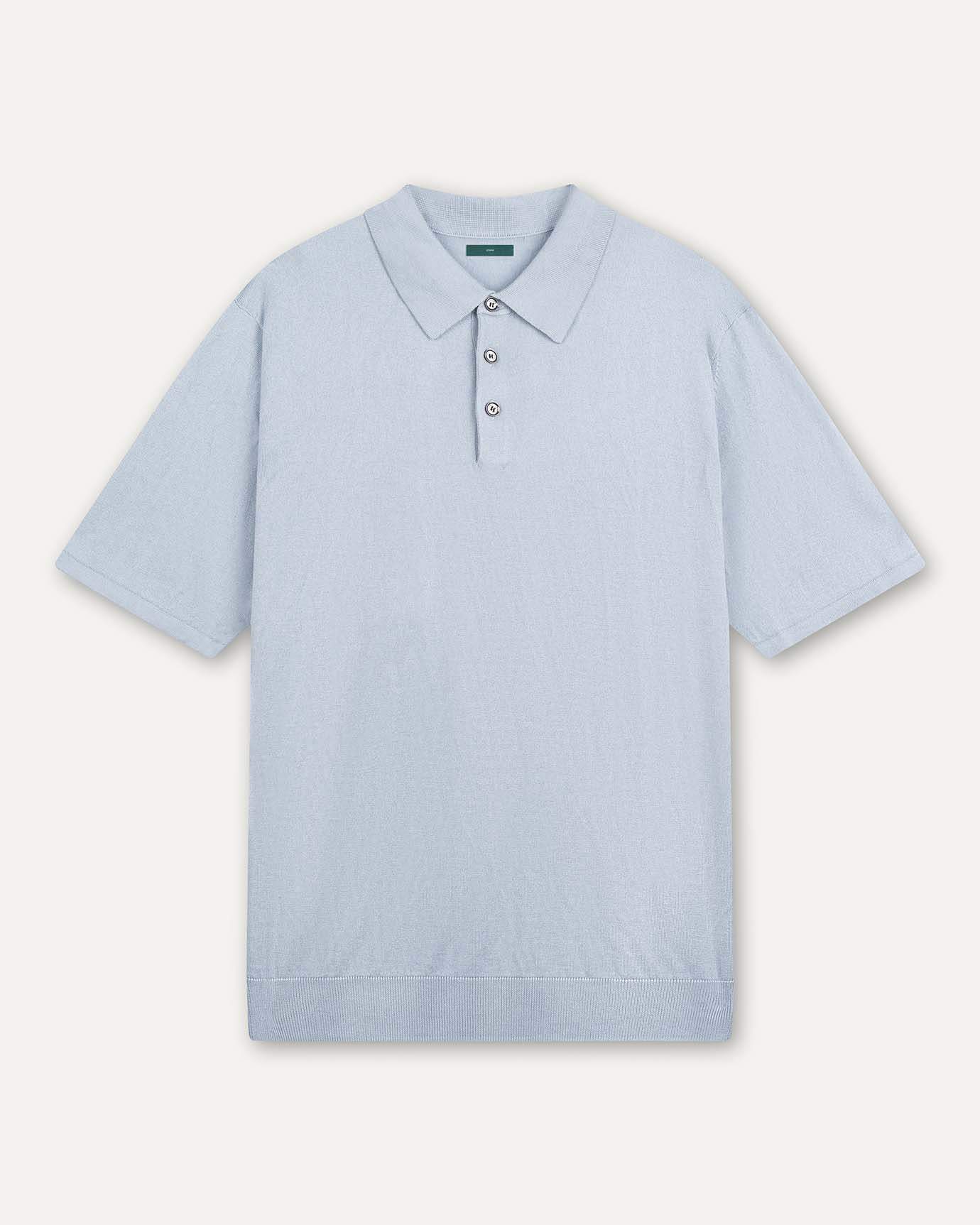
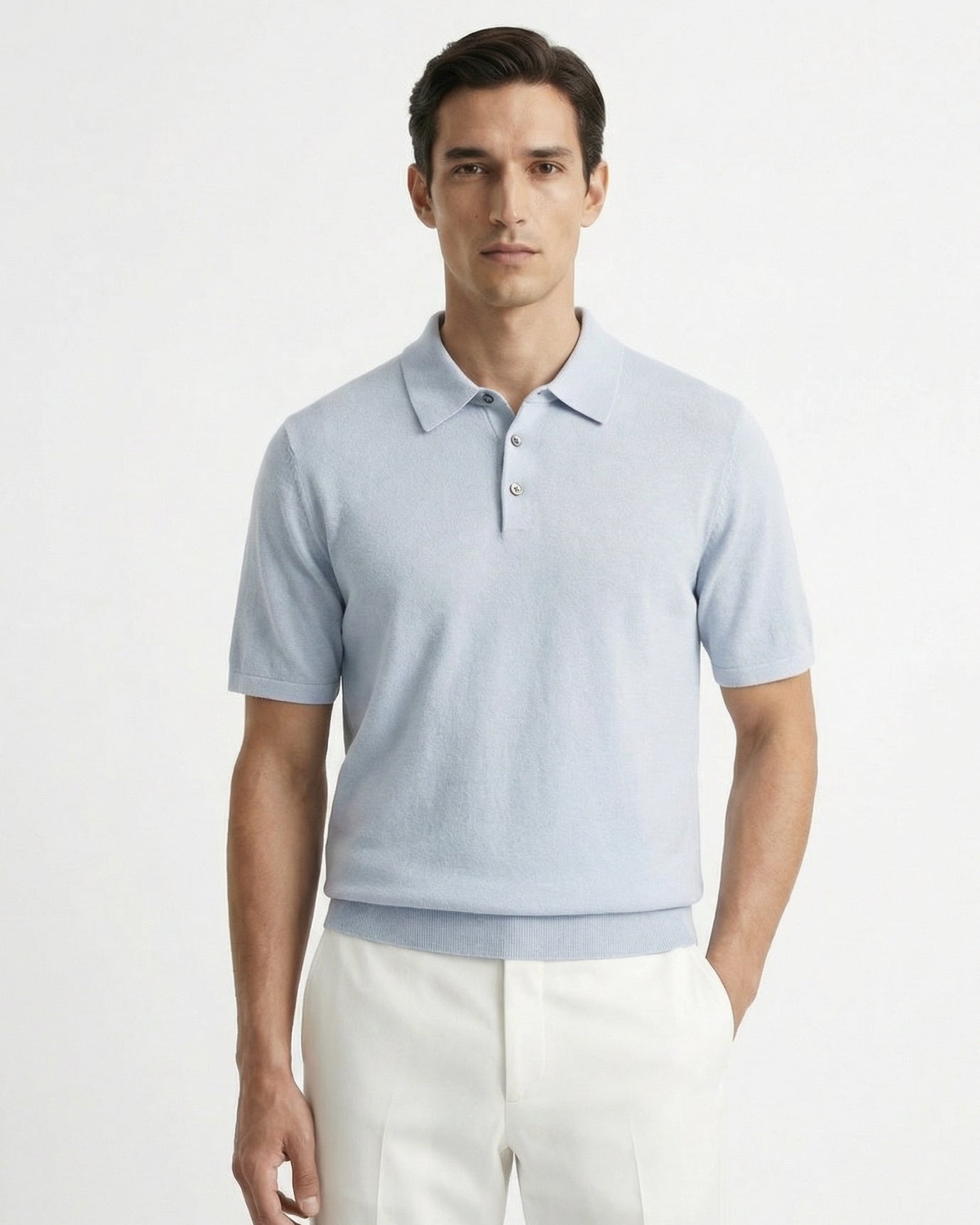
- Ultrafine wool (under 18.5 microns) sits next to skin without any irritation, making it suitable for shirts, polos, and base-layer knits.
- Regular wool (25 microns and above) is durable, structured, and ideal for outerwear, suits, and heavy-knit pieces.
- A cashmere and wool blend combines the softness of fine fibres with added body and longevity.
- For year-round dress wear, look for pieces between 18 and 22 microns: fine enough to be comfortable, sturdy enough to hold a clean silhouette.
In this guide
How Wool Is Graded: The Micron Scale Explained
Wool fibre diameter is measured in microns, one micron being one millionth of a metre. The human hair averages around 70 microns. Standard commercial wool used in blankets and entry-level knitwear sits between 28 and 35 microns. Premium dress wool ranges from 18 to 24 microns. Ultrafine wool falls below 18.5 microns, with the most exceptional fibres reaching 14 to 15 microns.
The wool micron grading system was formalised to give buyers and manufacturers a consistent language. Grades like "Superfine," "Ultrafine," and "Extrafine" all correspond to specific micron ranges, though terminology varies slightly between producers in Australia, New Zealand, and Patagonia, the three dominant sources of fine merino.
Why does diameter matter so much? Finer fibres bend more easily under pressure. When a coarser fibre, say 28 microns, presses against skin, its stiffness causes a pricking sensation. A 17-micron fibre deflects rather than pricks, which is why ultrafine wool can be worn directly against the skin all day without discomfort. This is the single most important practical distinction between the two categories.
The grading also affects lustre, dye absorption, and how tightly a fabric can be woven or knitted. Finer fibres allow for higher thread counts and denser structures, which translates to a smoother, more refined surface.
Expert insightA good rule of thumb from tailors: anything sitting against the neck or wrists should be 21 microns or finer. Coarser fibres in those contact zones cause cumulative irritation across a long day.

Regular Wool: Where It Excels and Where It Belongs
Regular wool, broadly defined as fibres above 24 microns, is not inferior. It is purpose-built for structure, weight, and durability. Worsted wool, a tightly spun and combed variant of regular wool, has been the backbone of European suiting for centuries precisely because it holds a pressed crease, resists pilling, and recovers its shape after a full day of wear.
For Italian-style worsted wool trousers, a fibre count in the 24 to 28 micron range provides exactly the right combination of drape and structure. The fabric hangs cleanly from the hip, breaks correctly at the shoe, and maintains a sharp front crease through hours of sitting and standing.
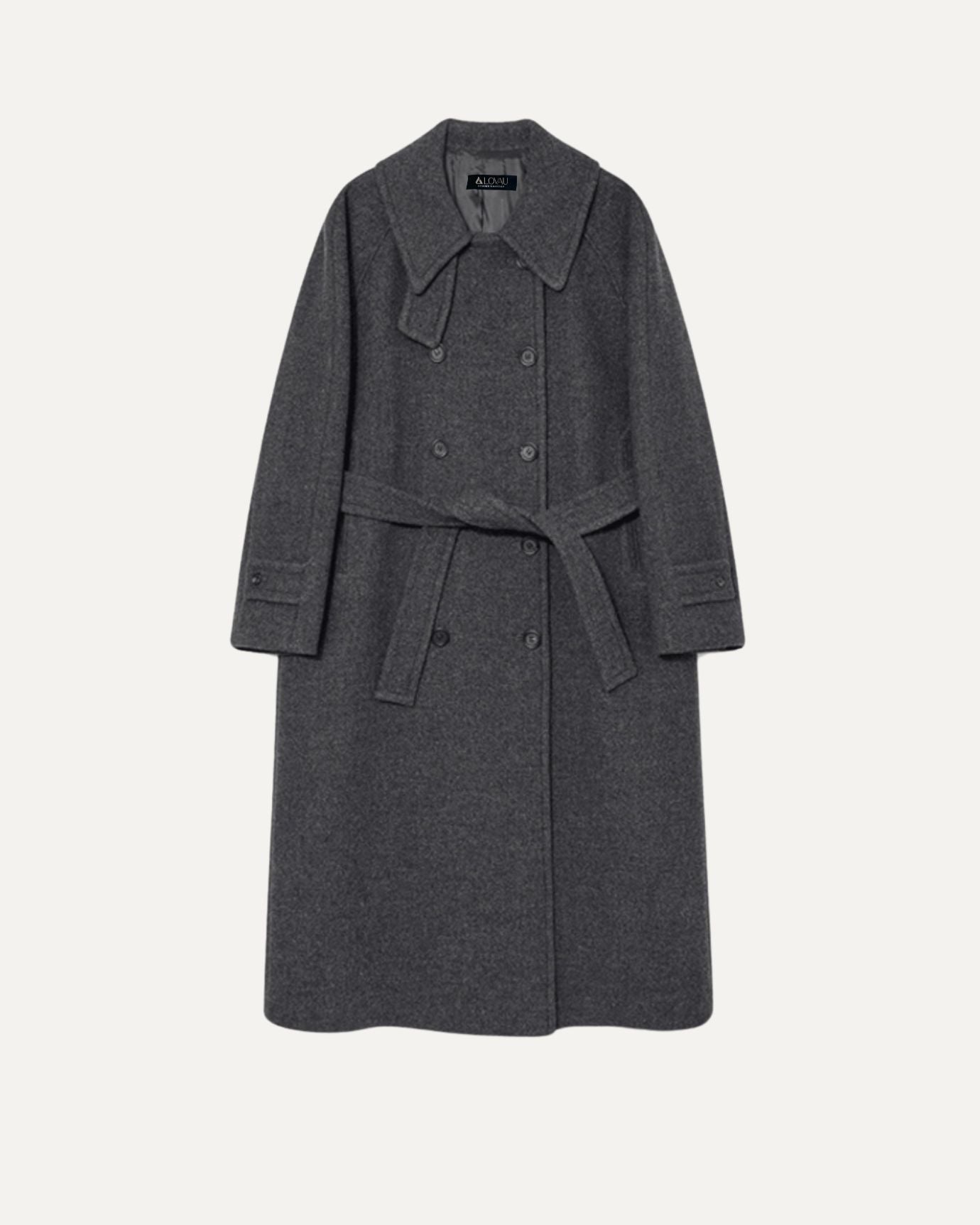
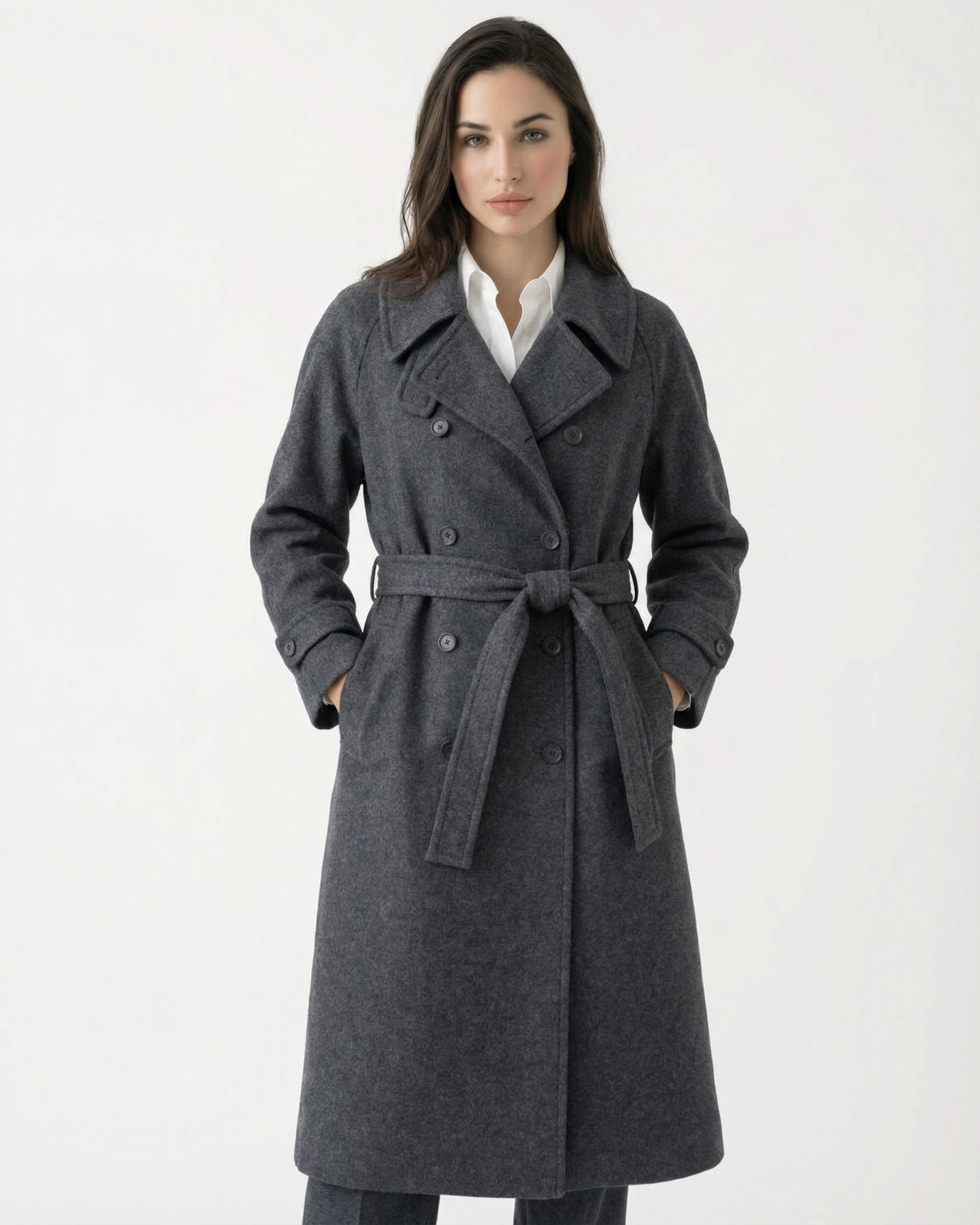
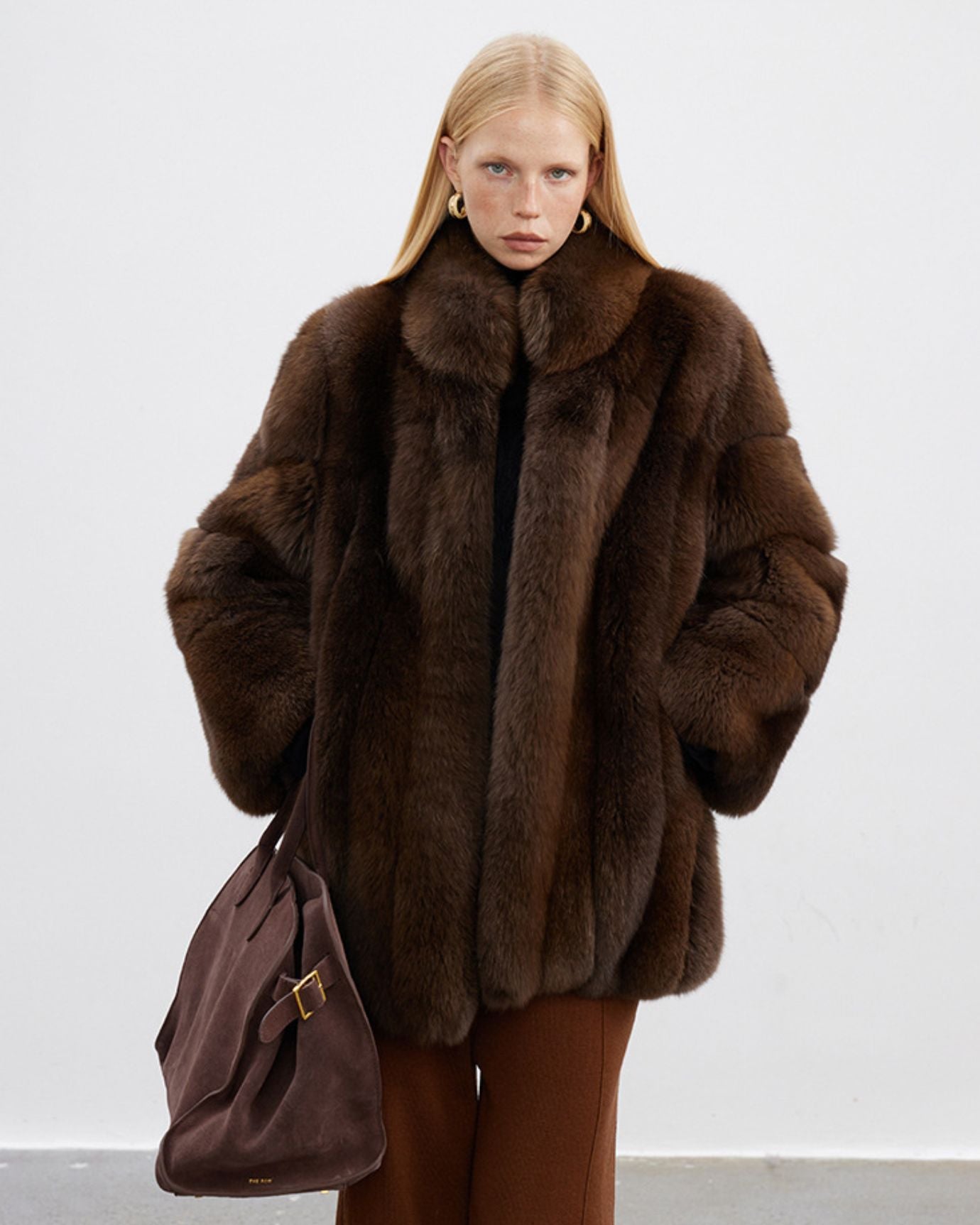
Regular wool also performs well in heavy outerwear. A heavyweight Chester wool coat in dark gray relies on denser, heavier fibres to create the kind of substantial, windproof weight that a fine merino coat simply cannot replicate. The slight roughness of the surface adds to the visual texture, which reads as serious and substantial, not rough or cheap.
Where regular wool struggles is in any application requiring prolonged direct skin contact. A coarse-fibre wool turtleneck worn against a bare neck will irritate most people within an hour. This is not a flaw in the material so much as a misapplication of it. Pair regular wool with a fine inner layer and it performs exactly as it should.
Expert insightWhen assessing a wool coat in a shop, fold the fabric and press it against the inside of your wrist for thirty seconds. Any persistent prickling at that micron count will be amplified at the collar and cuffs over a full day.

Ultrafine Wool: Softness, Breathability, and Versatility
Ultrafine wool, typically merino from Australia's Highlands regions or New Zealand's South Island, is the grade that made wool competitive with cashmere in luxury knitwear. At 15 to 18.5 microns, the fibre is finer than most cashmere from standard sources, and it carries a natural crimp that gives it remarkable elasticity and moisture management.
The breathability advantage is significant. Wool fibres are hygroscopic, meaning they absorb moisture vapour before it becomes liquid sweat. Ultrafine wool does this more efficiently than coarser grades because the greater surface area per unit of weight increases moisture exchange. In practice, a fine wool polo worn in a warm room or on a mild autumn day will feel noticeably cooler and drier than a polyester or even a cotton knit of similar weight.
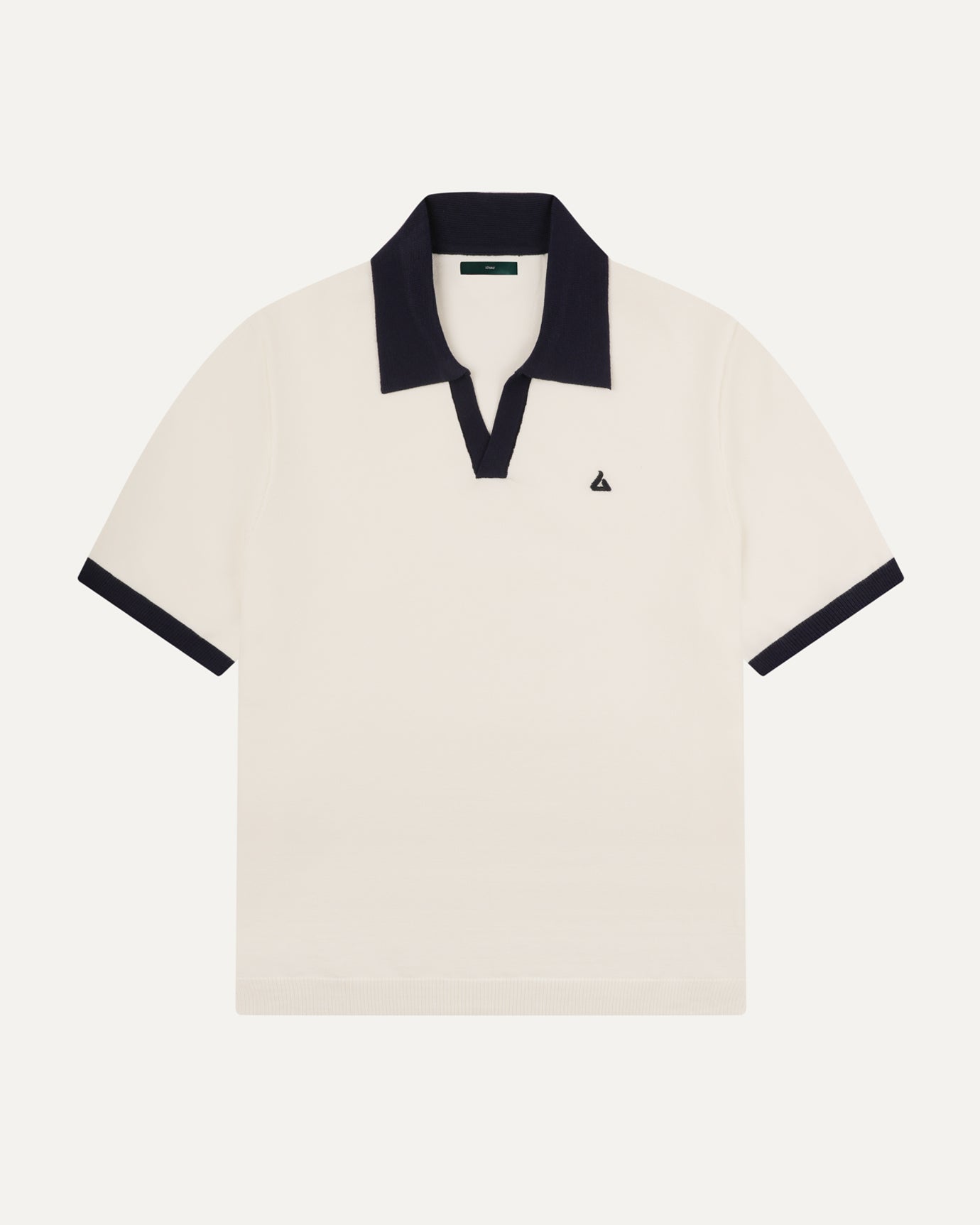
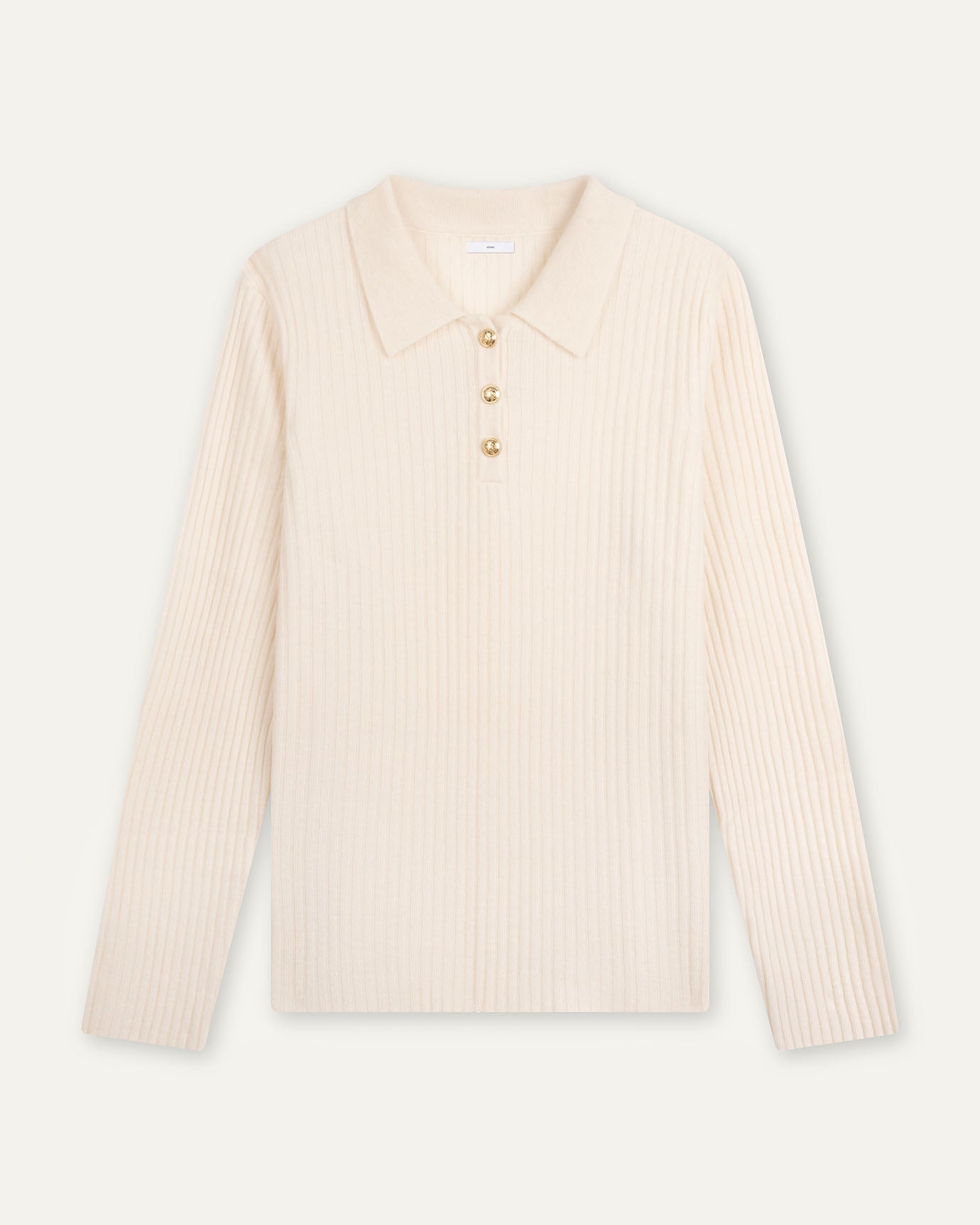
This makes ultrafine wool genuinely three-season fabric. A cashmere and wool polo in a long-sleeve cut worn in September or March sits in that useful middle ground: warm enough for a cool morning, breathable enough for an afternoon indoors. The natural fibre manages temperature passively, without any synthetic assistance.
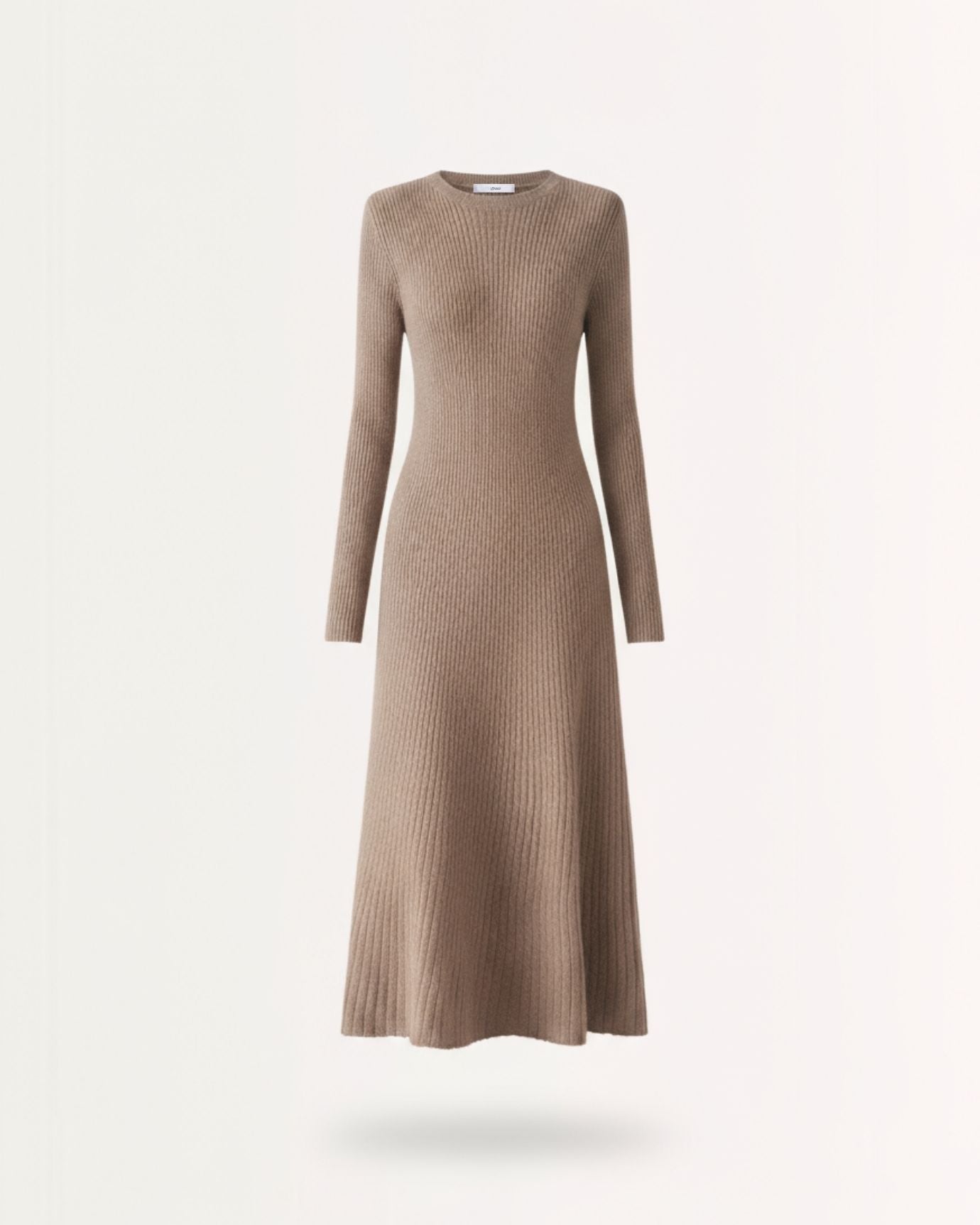
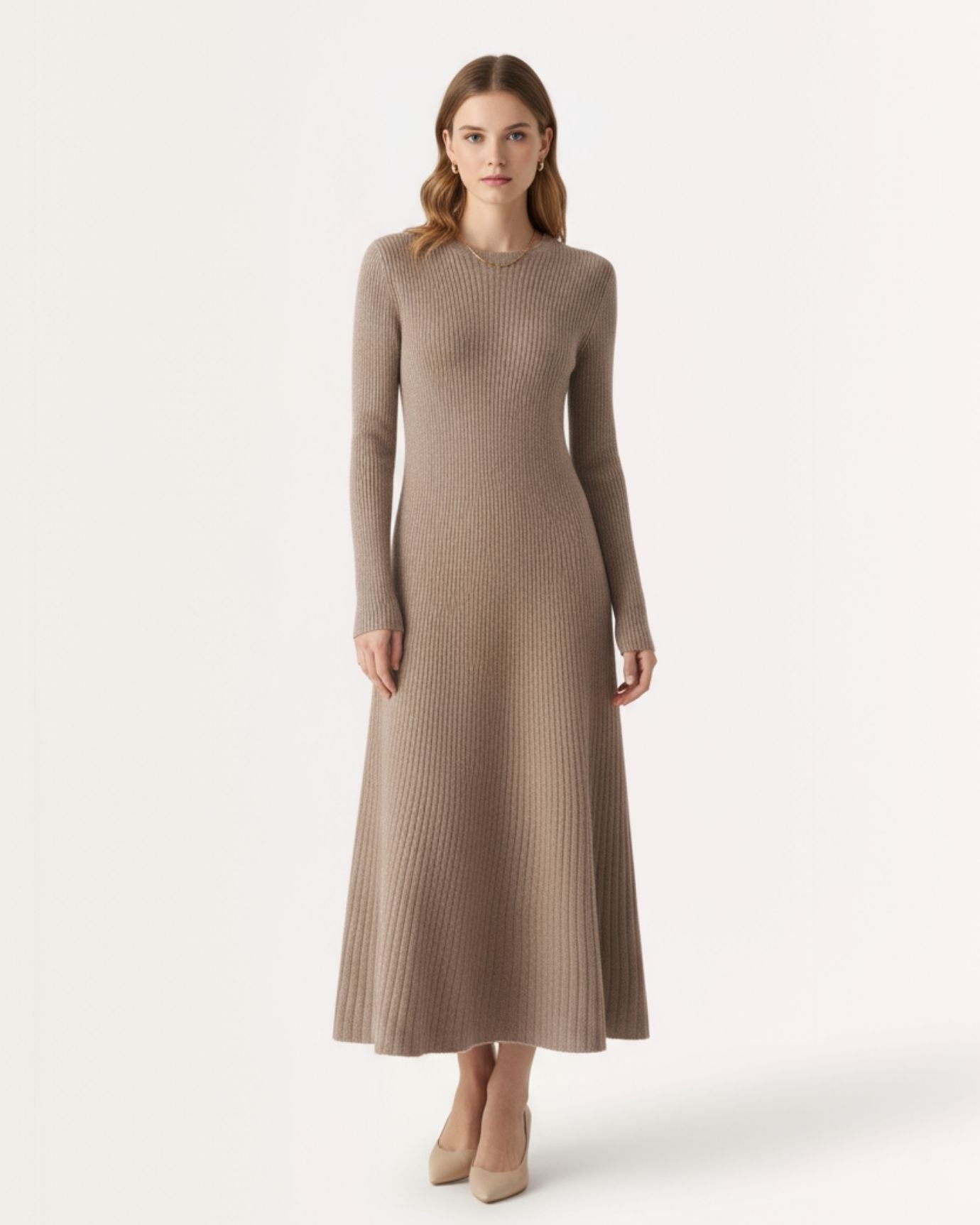
For women's knitwear, ultrafine wool and cashmere blends produce pieces with an almost liquid drape. A cashmere and wool pullover sweater in a fine blend will fall over the body rather than sit on it, which is the visual difference between a garment that looks expensive and one that merely is expensive.
Ultrafine wool does require more care than regular wool. The finer the fibre, the more vulnerable it is to agitation in a wash cycle. Cold hand wash or a delicate machine cycle with a wool-specific detergent is non-negotiable. Lay flat to dry, never hang, to prevent the weight of wet fibres from distorting the shape.
Expert insightUltrafine merino and cashmere blends are not the same thing. Cashmere comes from the undercoat of the Cashmere goat and typically measures 14 to 16 microns. The best ultrafine merino overlaps with this range, but the fibre structure differs, giving merino slightly more resilience and less of cashmere's characteristic halo.

Cashmere and Wool Blends: The Practical Middle Ground
Pure cashmere is extraordinarily soft but pills relatively quickly and loses shape with heavy use. Pure fine wool is more resilient but lacks cashmere's depth of warmth and surface lustre. Blending the two captures the best qualities of each, which is why the most enduring luxury knitwear tends to be a cashmere and wool composition rather than either fibre alone.
The standard blend ratios in quality garments run from 10% cashmere with 90% merino, which adds softness and lustre while keeping the price accessible, up to 50/50 compositions that produce a noticeably richer, warmer hand. For a fine cashmere and wool sweater pullover, the blend is visible in how the finished fabric catches light: a slight sheen that flat wool alone does not produce.
For outerwear, a cashmere and wool blend serves a different function. The Diosa Coat in wool and cashmere uses the weight and structure of wool to hold the coat's silhouette while the cashmere component softens the hand and adds warmth without adding bulk. This is why a quality blended coat can be worn with a fine-knit layer underneath and still feel comfortable at the collar and cuffs.
The man cashmere and wool sets collection illustrates how blended fabrics work across coordinated pieces: a consistent hand and drape across a jacket and trouser makes the outfit read as intentional rather than assembled.
A note on labelling: European textile law requires that blended fabrics list all fibre content by percentage. If a garment lists only "wool" without specifying grade or blend, the fibre could be anything from 14-micron ultrafine merino to 32-micron standard fleece wool. Always look for the micron specification or the named source fibre, merino, cashmere, lambswool, rather than the generic category.

Choosing the Right Grade for Each Piece in Your Wardrobe
The practical question is not which grade is better in the abstract, but which grade belongs in each category of garment. Here is how to think through it.
Trousers and suiting: Regular to mid-range wool, 22 to 28 microns, in a worsted construction. Structure and crease retention matter more than softness here. The Italian vintage wool jacket uses this principle: a mid-count worsted that holds its shape through a full day without the fragility of ultrafine.
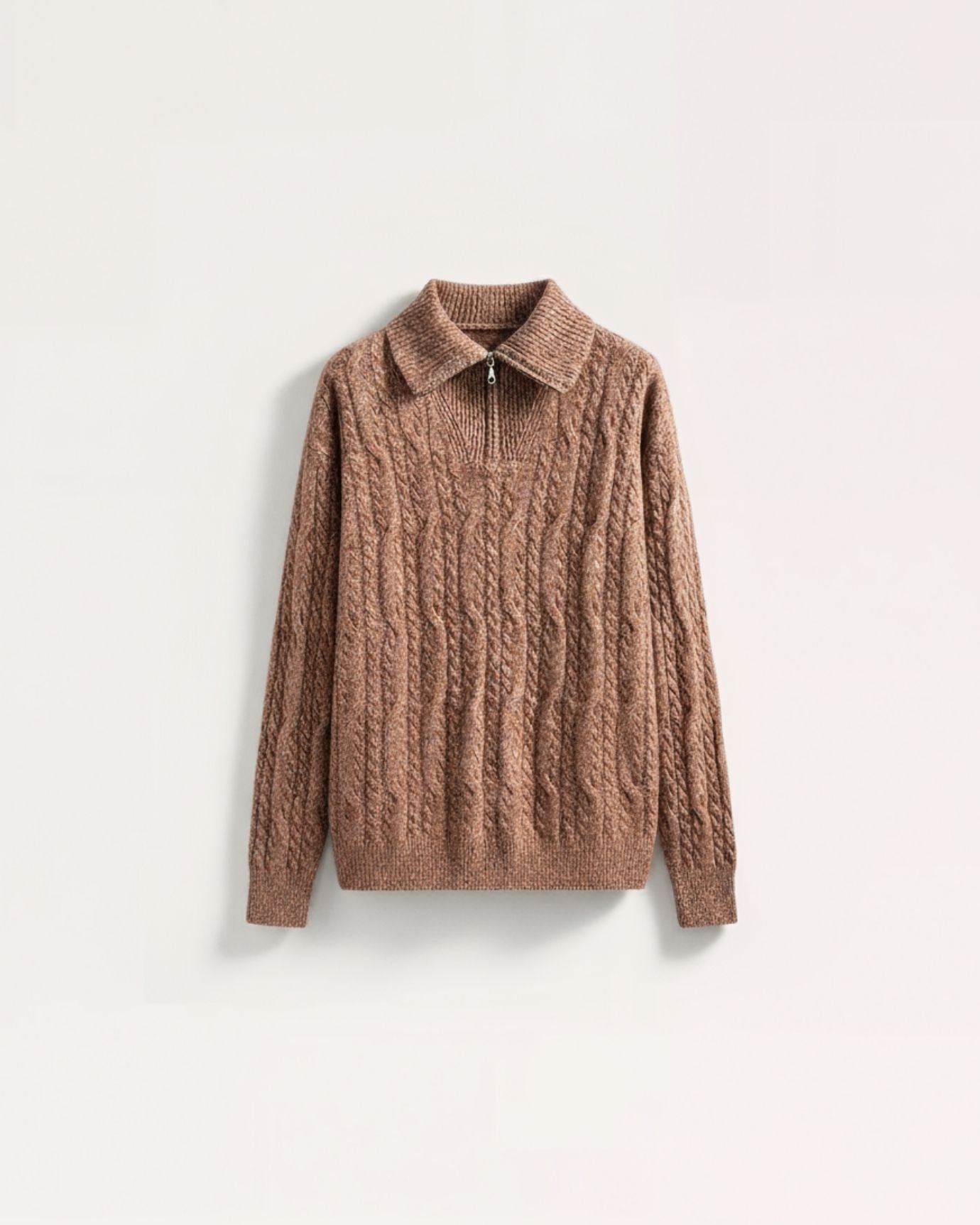
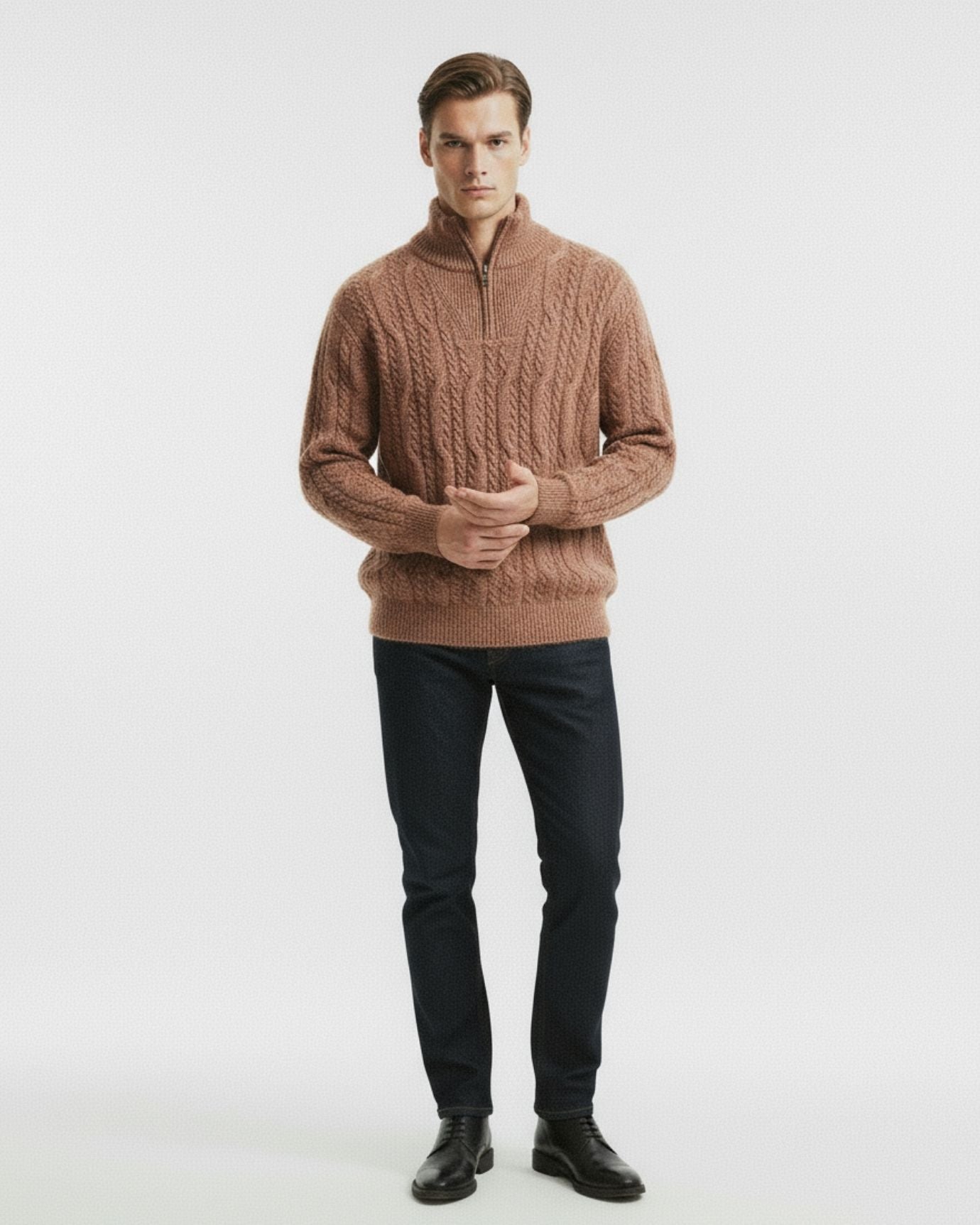
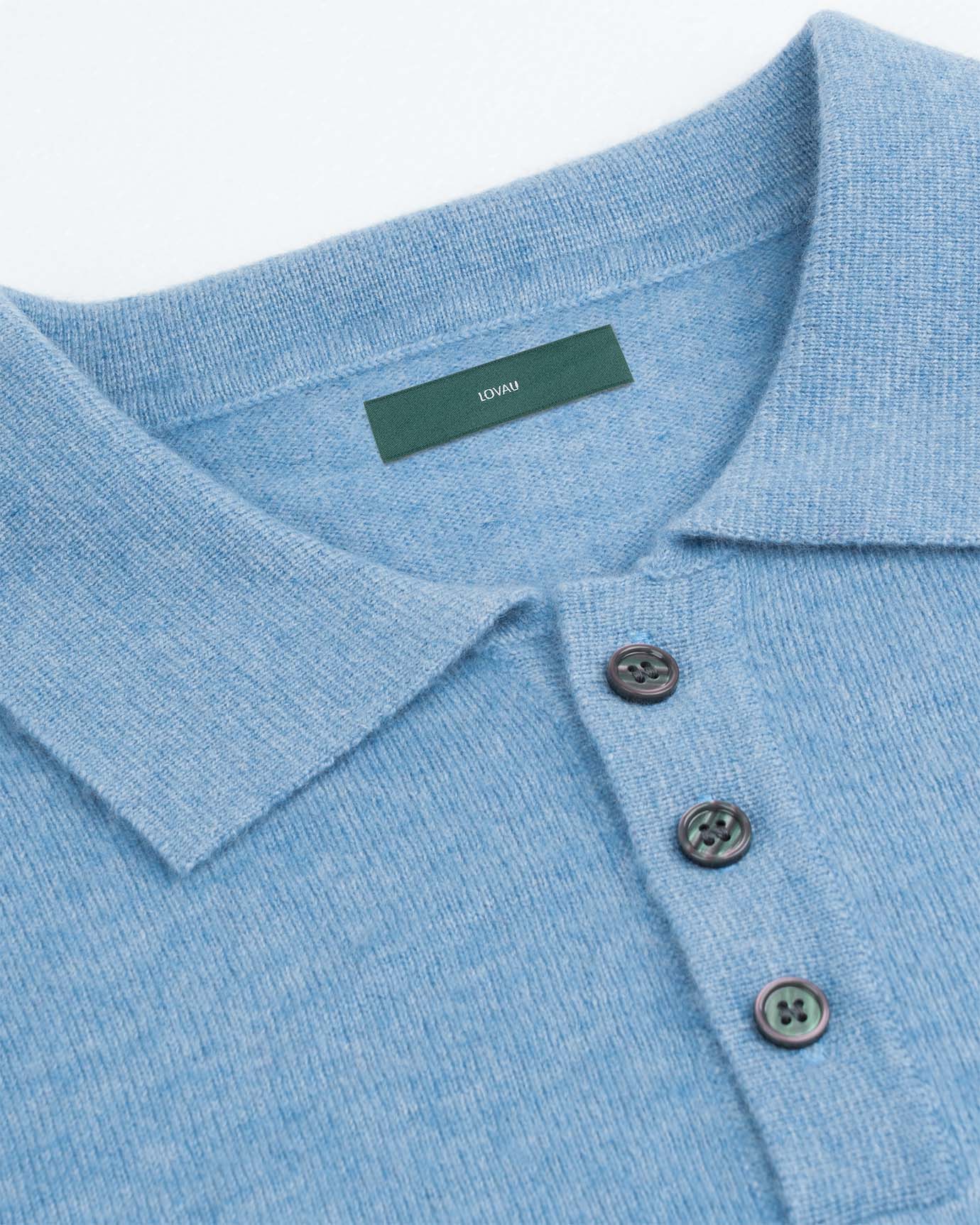
Knitwear worn against the skin: Ultrafine wool or a cashmere blend, under 20 microns. This includes polo shirts, crewneck sweaters, and cardigans worn without a shirt underneath. The half-zip cashmere wool sweater sits in this category, fine enough to wear directly against the neck without any irritation.
Heavy outerwear: Regular wool, 24 to 30 microns, with a dense weave or double-face construction. Weight and wind resistance are the priorities. The Chester Overcoat in dark brown is built on this logic: a substantial wool that creates a genuine weather barrier.
Accessories and socks: Fine wool or cashmere blends. Cashmere and wool socks benefit enormously from a fine fibre count because the foot is a high-friction, high-moisture environment where coarse fibres create blisters and discomfort.
Women's tailored pieces: Ultrafine wool or silk and wool blends for pieces that need to move with the body. The Dina Silk Wool Jacket combines the structure of wool with the fluidity of silk for a result that neither fibre achieves alone.
The consistent principle across all these categories is that fibre grade should match the garment's relationship to skin, structure, and movement. No single grade does everything well. A wardrobe built with this understanding will always look and feel more considered than one assembled by brand or price alone.

| Property | Ultrafine Wool (under 18.5 microns) | Fine/Mid Wool (18.5 to 24 microns) | Regular Wool (24 to 35 microns) |
|---|---|---|---|
| Fibre diameter | Under 18.5 microns | 18.5 to 24 microns | 24 to 35 microns |
| Skin feel | Completely itch-free, silky | Soft, minimal irritation | Can irritate at direct skin contact |
| Best use | Base layers, fine knitwear, polo shirts | Dress knitwear, blended coats, cardigans | Suiting, trousers, heavy outerwear |
| Durability | Moderate, requires careful washing | Good balance of softness and resilience | High, holds structure well |
| Warmth-to-weight ratio | Excellent, very warm for low weight | Very good | Good, heavier for equivalent warmth |
| Price range | Premium to luxury | Mid to premium | Accessible to mid |
Frequently asked questions
What micron count is considered ultrafine wool?
Ultrafine wool is generally defined as fibres measuring 18.5 microns or finer. Some classifications use 17.5 microns as the upper threshold for "ultrafine" specifically, with fibres between 18.5 and 21 microns labelled "superfine." For practical wardrobe purposes, anything under 20 microns can be worn comfortably against bare skin.
Is cashmere finer than ultrafine merino wool?
Top-grade cashmere measures 14 to 16 microns, which places it in the same range as the finest merino. However, standard commercial cashmere averages 16 to 19 microns, which means a well-sourced ultrafine merino can be equally fine or finer. The fibres differ in structure beyond just diameter: cashmere has a characteristic softness and slight halo, while merino has more natural crimp and resilience. A fine cashmere and wool sweater pullover combines both qualities.
Can ultrafine wool be washed at home?
Yes, but with specific conditions. Use cold water, a detergent formulated for wool or delicates, and either hand wash or a machine's wool or delicate cycle with no spin. The critical step is drying: lay the garment flat on a clean towel, reshape it while damp, and allow it to air dry away from direct heat or sunlight. Hanging a wet wool knit will stretch it permanently.
Does a higher wool grade always mean a better garment?
Not necessarily. Grade should match function. A 15-micron ultrafine merino is not the right fibre for a structured overcoat: it lacks the body and weight the garment needs. Conversely, a 30-micron wool is wrong for a polo shirt worn against the skin. The best garments use the grade appropriate to their purpose. The Italian trousers in worsted wool are a good example: a mid-count worsted chosen for structure and crease retention, not softness.
Wool quality is one of the most consequential and most overlooked variables in building a wardrobe that genuinely lasts. Once you understand the micron scale, the difference between a garment that performs well and one that merely looks good becomes legible. Ultrafine wool belongs against the skin. Regular wool belongs in structure. Blends bridge the two. Applied consistently, this logic produces a wardrobe with fewer pieces and more utility, which is precisely the kind of dressing that ages well. For pieces that put these principles into practice, the man cashmere and wool sets offer a starting point built on exactly this understanding.