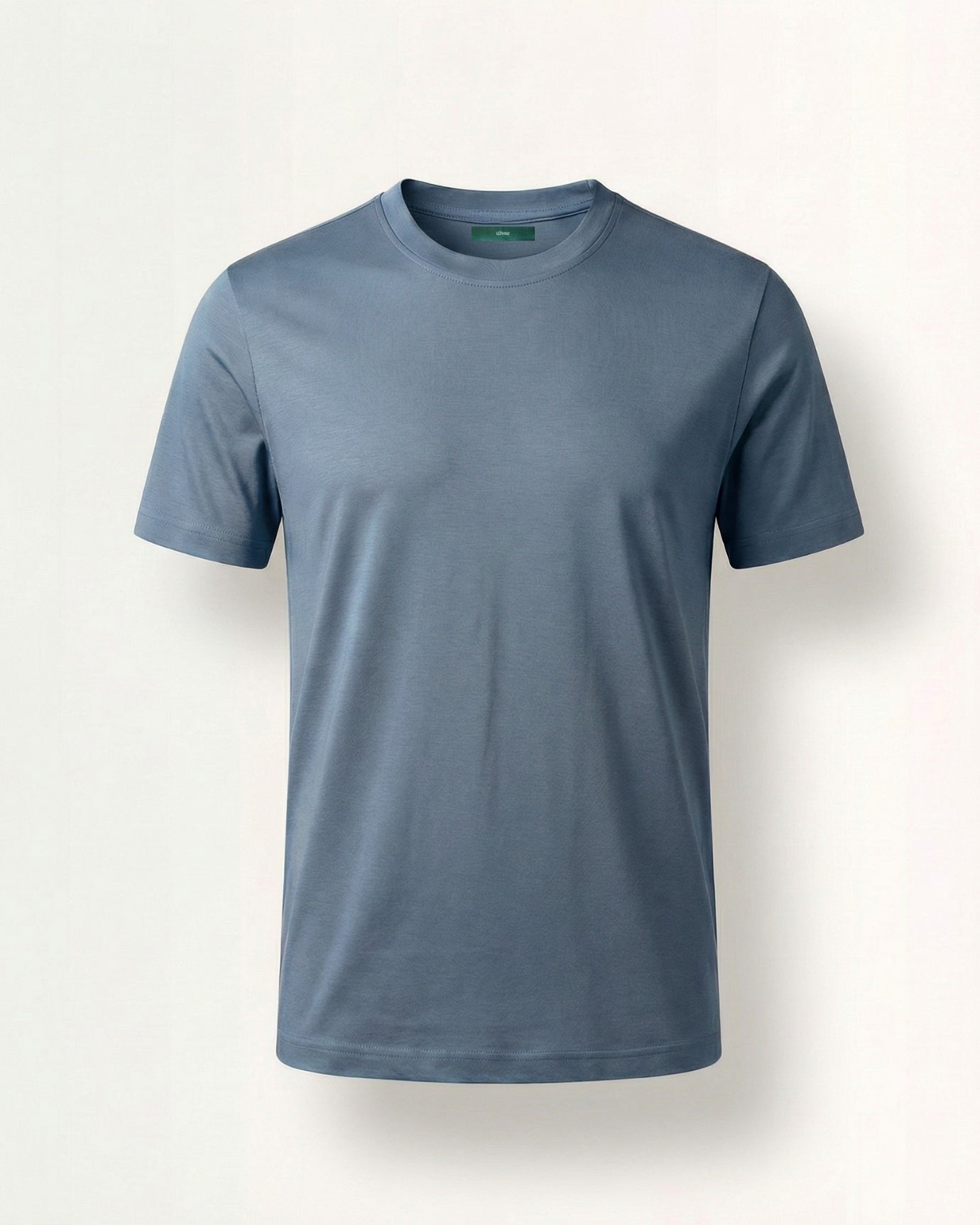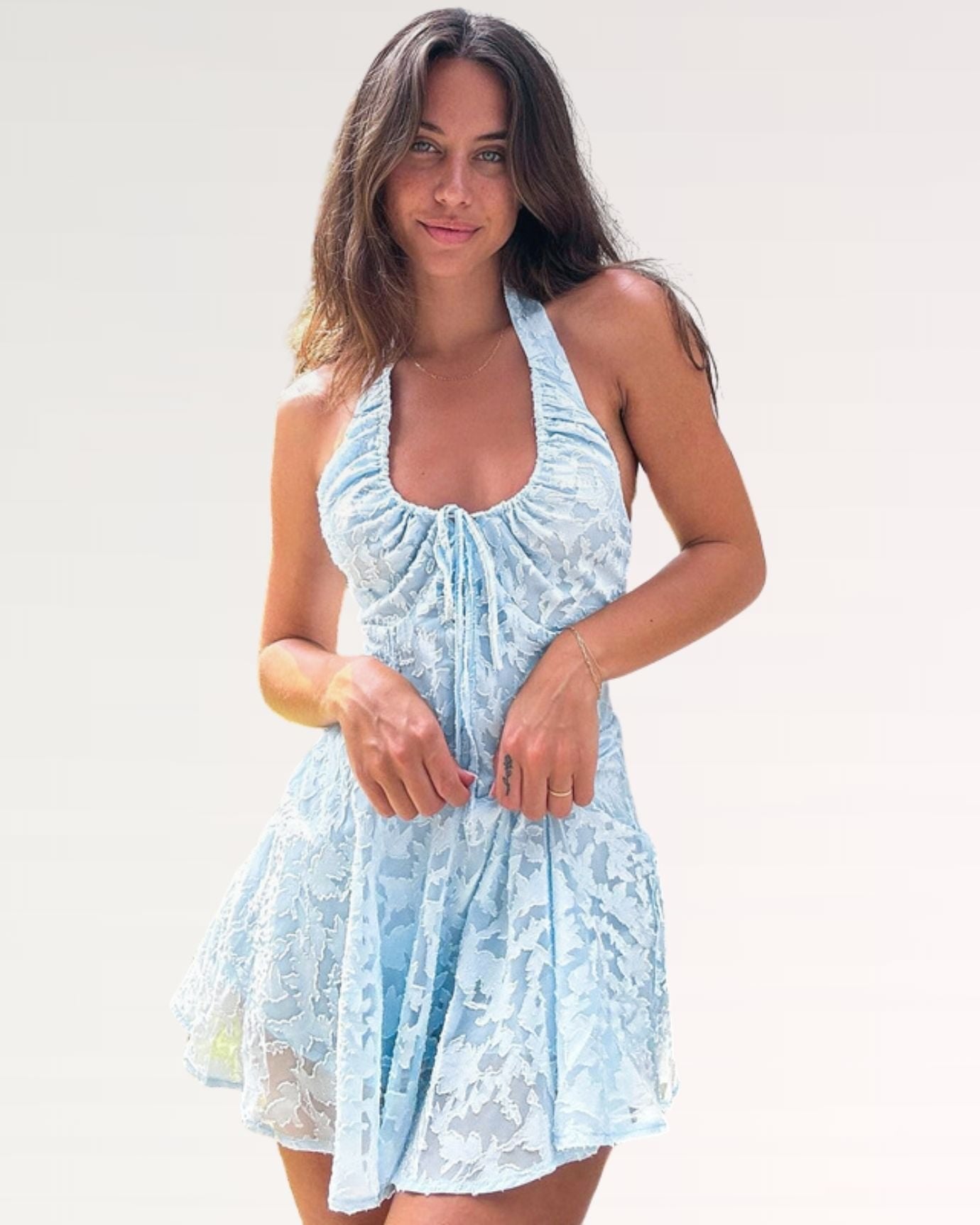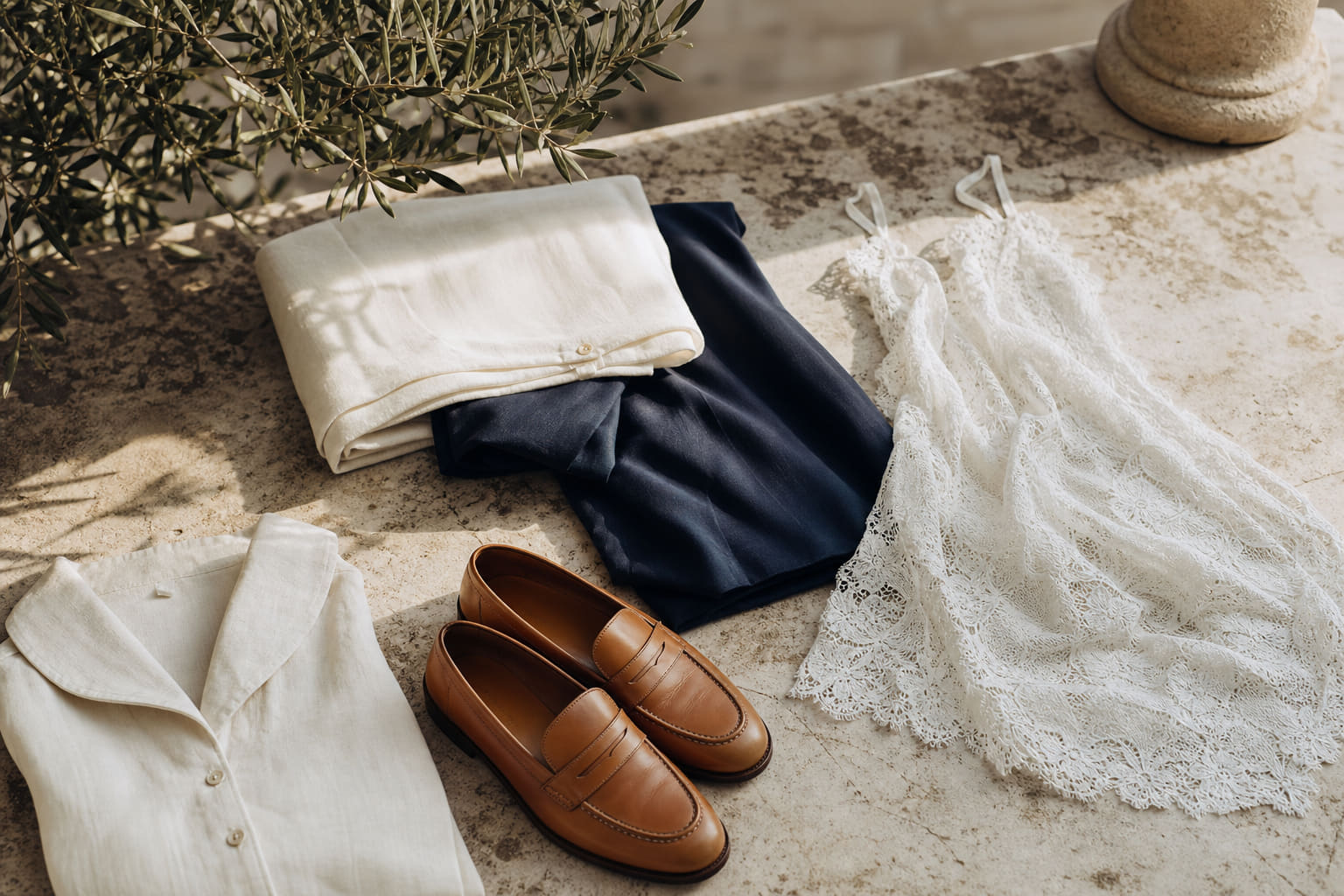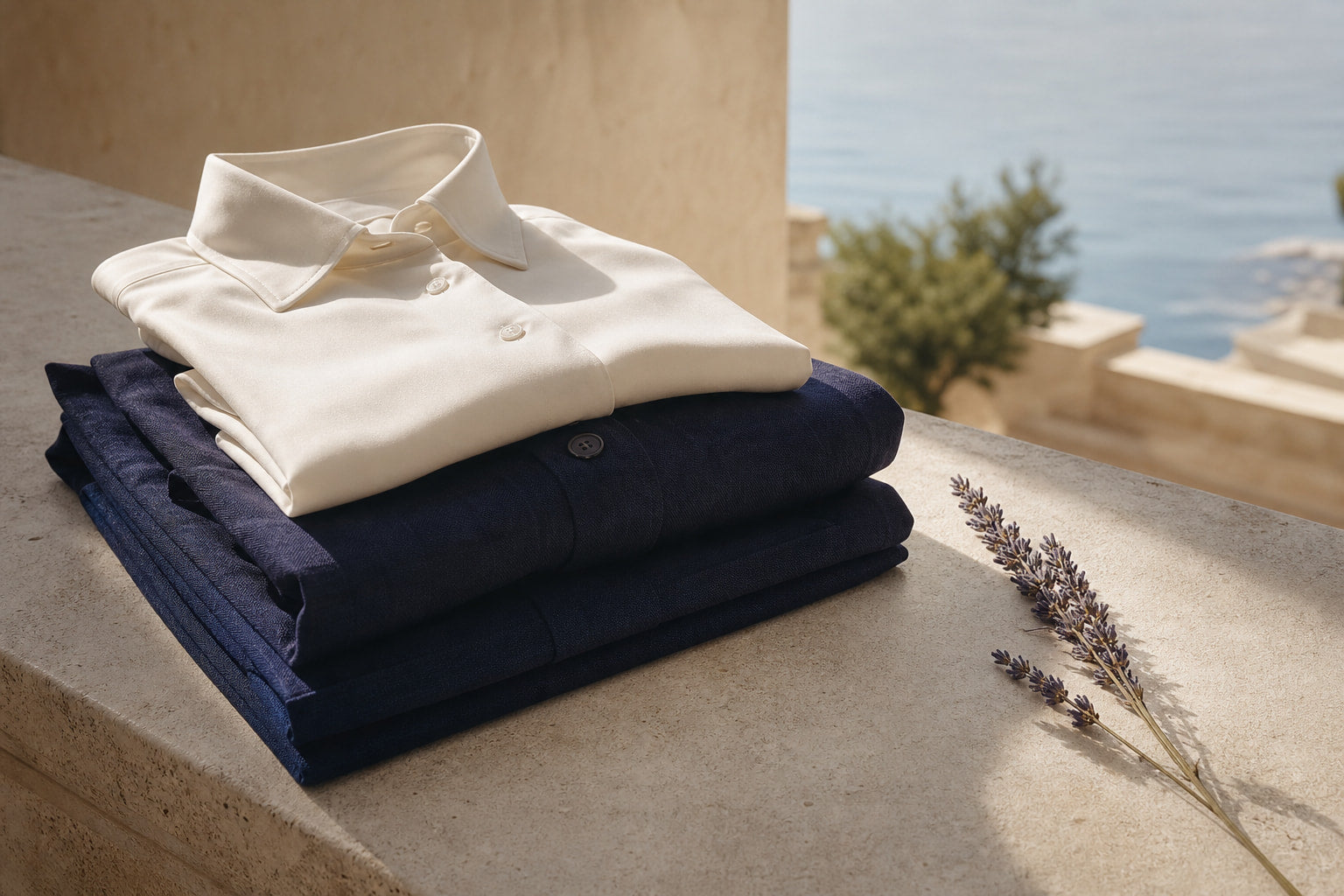



Der ultimative Old Money Style Guide für den Alltag
Der Ultimative Old Money Style Guide für den Alltag bietet eine maßgebliche Anleitung für diejenigen, die zeitlose Eleganz, gepaart mit subtilem Reichtum, verkörpern möchten. Verwurzelt in klassischen, Vintage-Einflüssen und doch perfekt auf das moderne Leben zugeschnitten, überwindet der Old Money Stil flüchtige Trends und Prunk. Es ist ein Modeansatz, der von leisem Wohlstand spricht – diskret, raffiniert und tadellos kuratiert. Dieser Leitfaden entschlüsselt die Grundlagen der Old Money Ästhetik und behandelt Stoffauswahlen wie Kaschmir und Seide, Investitionsstücke, Styling-Tipps und saisonale Überlegungen für Männer und Frauen. Ob Sie eine Capsule Wardrobe aufbauen oder Ihre bestehende Sammlung aufwerten möchten, die Experteneinblicke von Lovau helfen Ihnen dabei, sich jeden Tag mit selbstbewusster Eleganz zu kleiden.
Inhaltsverzeichnis
- Old Money Stil verstehen: Ein Fundament klassischer Eleganz
- Stoffgrundlagen: Zeitlose Materialien für den Old Money Stil wählen
- Die Old Money Capsule Wardrobe aufbauen: Kernstücke für Männer und Frauen
- Stilstrategien: Wie man Old Money Mode jeden Tag trägt
- Saisonale Anpassungen des Old Money Stils
- Anlageberatung: Eine Garderobe aufbauen, die hält
- Vintage-Funde in Ihre Old Money Garderobe integrieren
- Nachhaltigkeit und leiser Luxus: Die Zukunft der Old Money Mode
- Häufig gestellte Fragen zum Old Money Stil
- Fazit: Werten Sie Ihren Alltag mit dem ultimativen Old Money Style Guide auf
Old Money Stil verstehen: Ein Fundament klassischer Eleganz
Old Money versus New Money Mode definieren
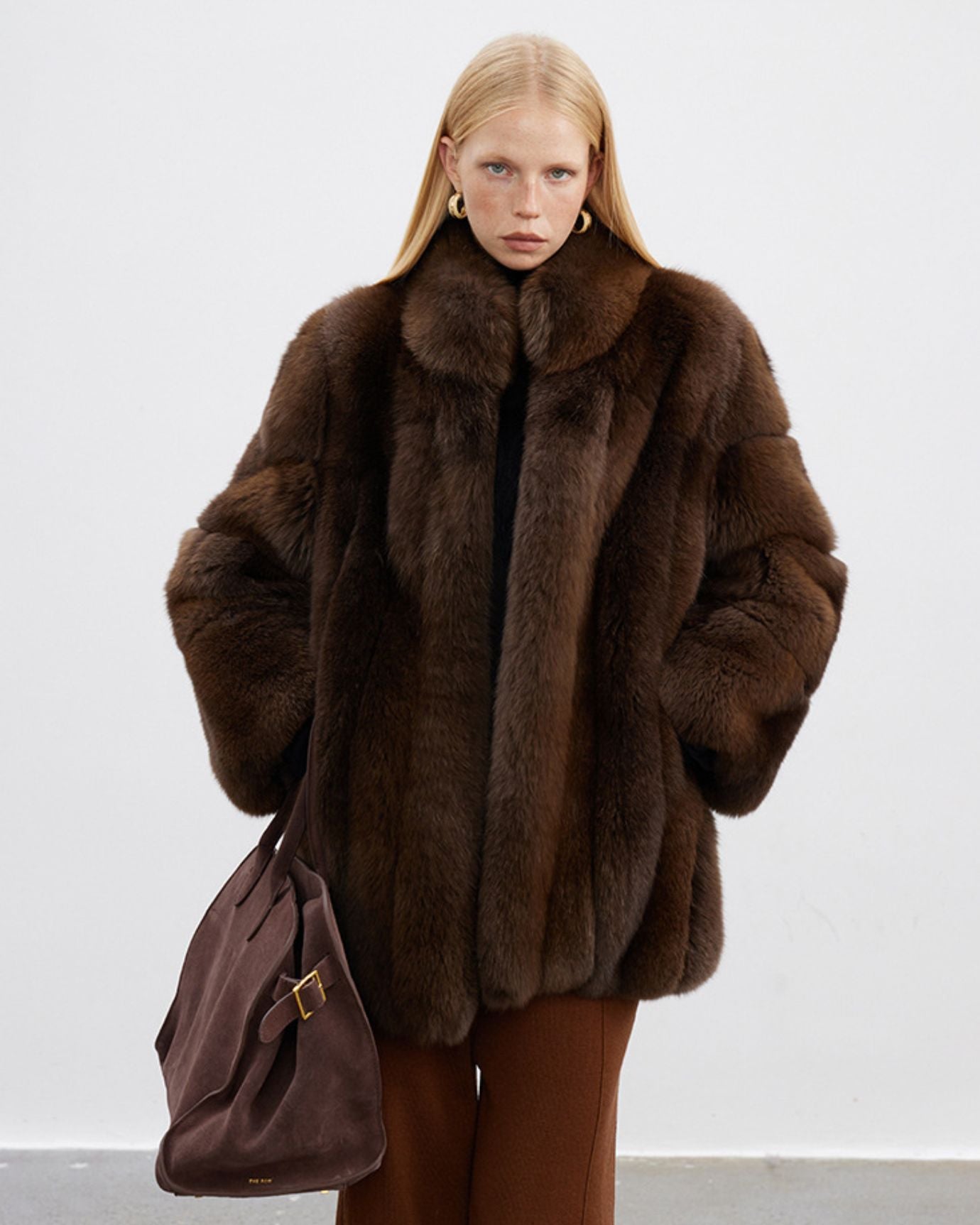
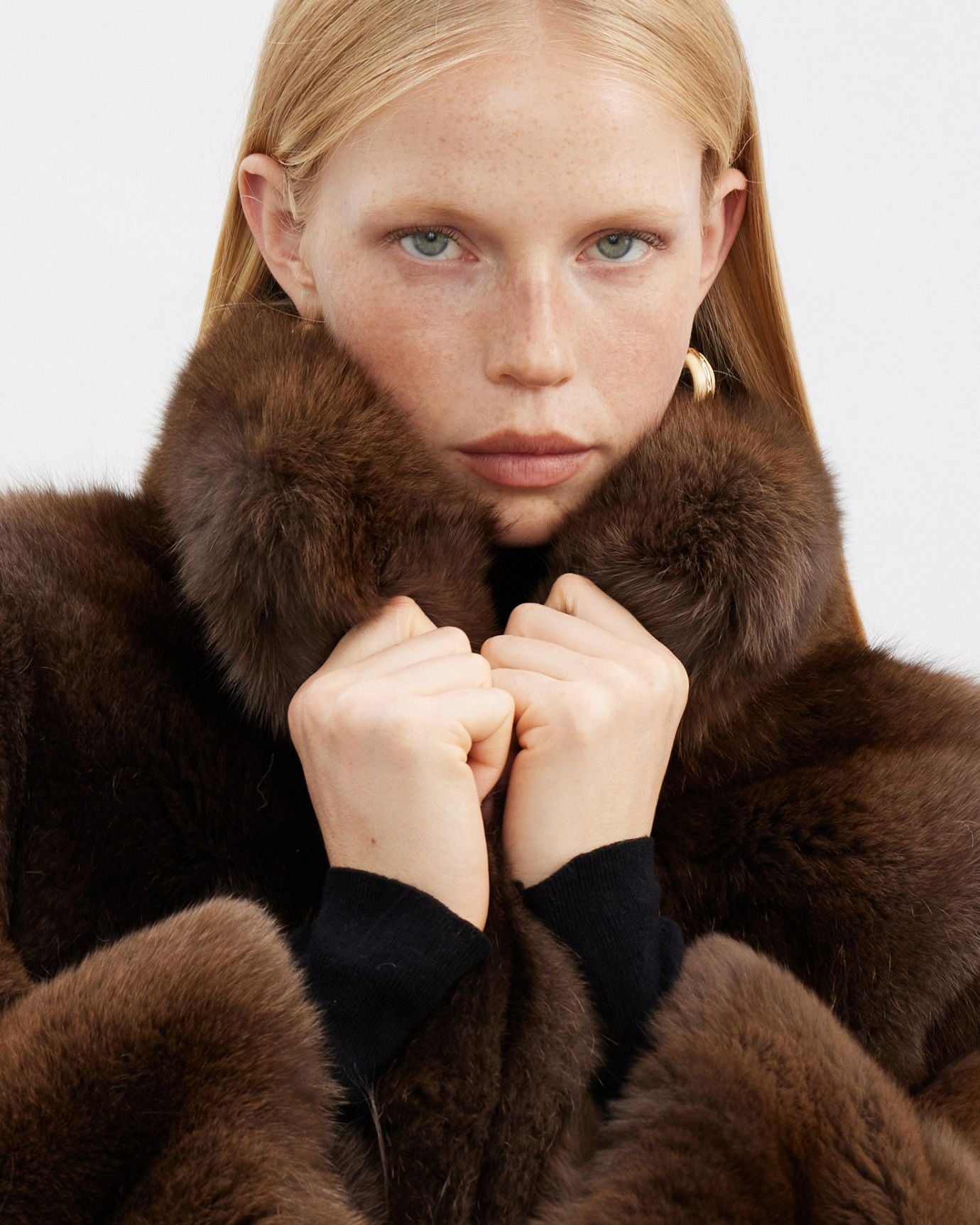
Old Money Stil zeichnet sich durch dezenten Luxus, Qualität statt Auffälligkeit und Langlebigkeit aus. Im Gegensatz zu den auffälligen Logos und offensichtlichen Zurschaustellungen von New Money setzt die Old Money Mode auf Diskretion mit Vintage- und klassischen Stücken, die die Zeit überdauert haben. Dieser Stil schätzt Handwerkskunst, Subtilität und Stoffe, die natürlich gut altern, wie Kaschmirpullover von Loro Piana oder maßgeschneiderte Wollhosen, die an Brunello Cucinelli erinnern. Die Wohlhabenden übernehmen dieses Modeethos, um Erbe, Tradition und einen kultivierten Geschmack zu signalisieren, anstatt offenkundigen Reichtum.
Historische Wurzeln und zeitgenössische Entwicklung
Historisch gesehen schöpft der Old Money Stil Inspiration aus dem europäischen Adel und den Eliten der Ivy League. Denken Sie an Ralph Laurens Polo-Kollektionen aus den 1980er Jahren, Hermès-Schals oder Vintage-Chanel-Jacken. Heute entwickelt sich diese Ästhetik mit einem Fokus auf Nachhaltigkeit und Zeitlosigkeit, indem sie Vintage-Funde mit modernen Schnitten in Einklang bringt. Die Bewegung des leisen Luxus, wie in Vogue hervorgehoben, zelebriert diesen diskreten, investitionsorientierten Ansatz beim Anziehen und macht ihn relevanter denn je.
Stoffgrundlagen: Zeitlose Materialien für den Old Money Stil wählen
Kaschmir: Der Inbegriff des Luxusstoffes
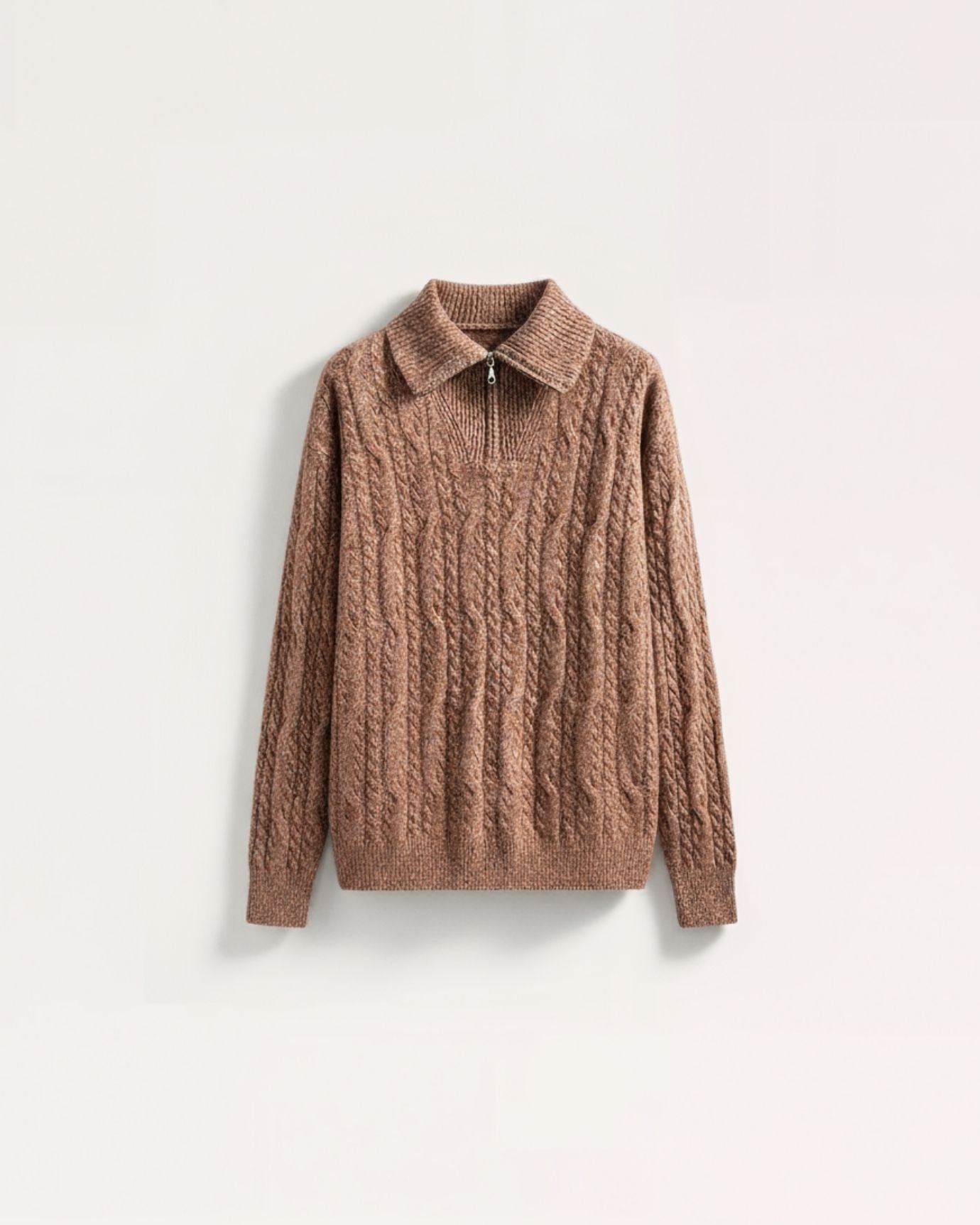
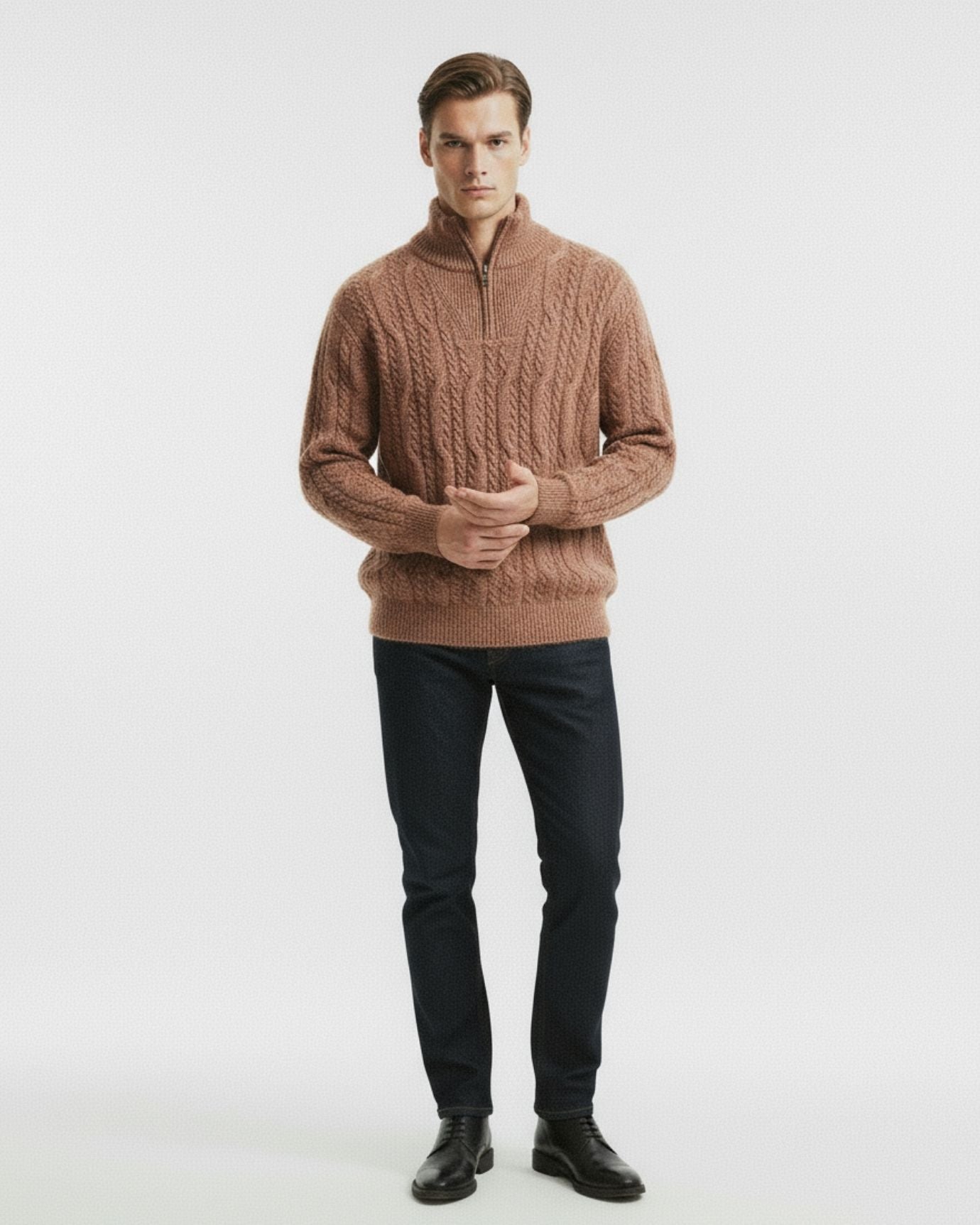
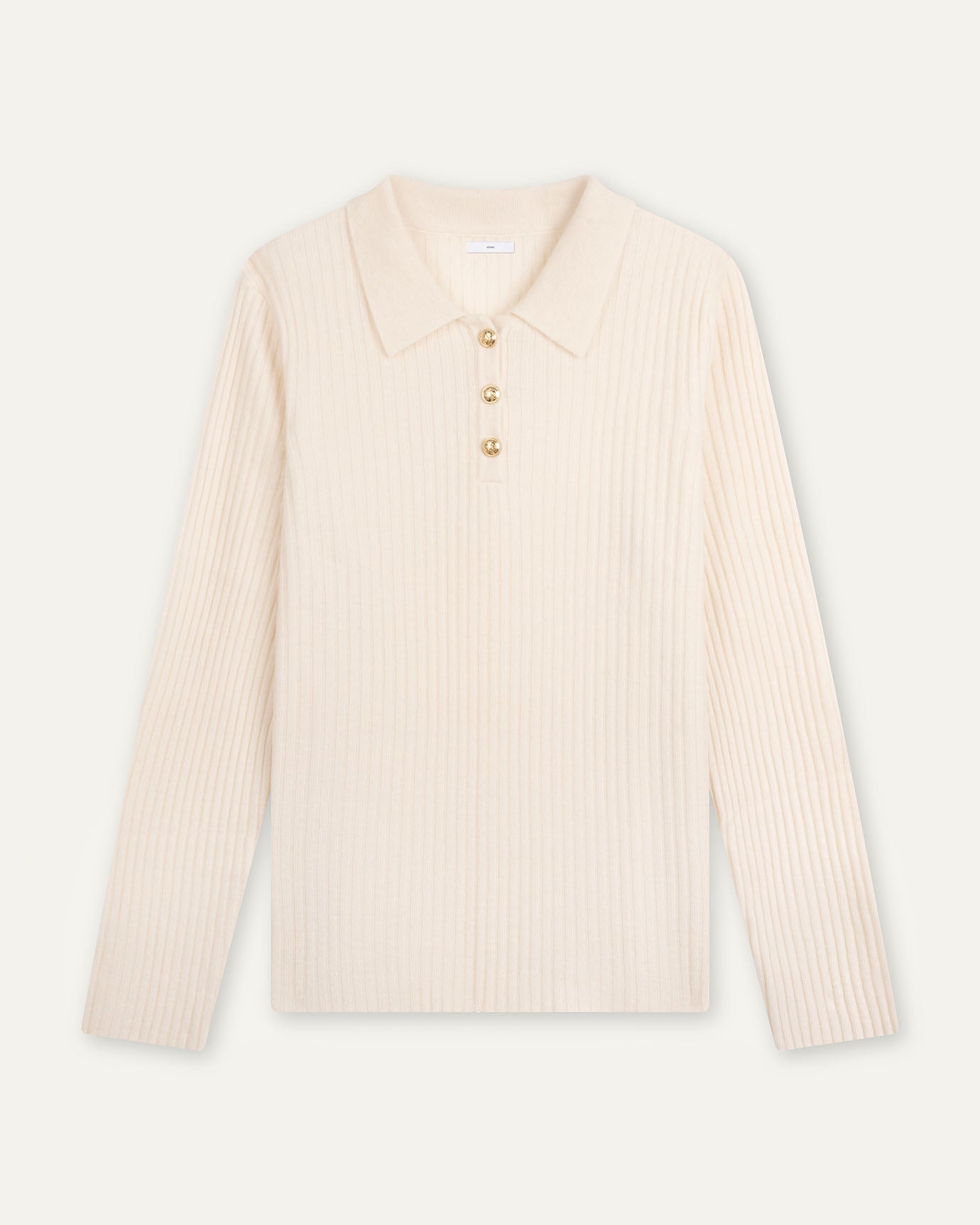
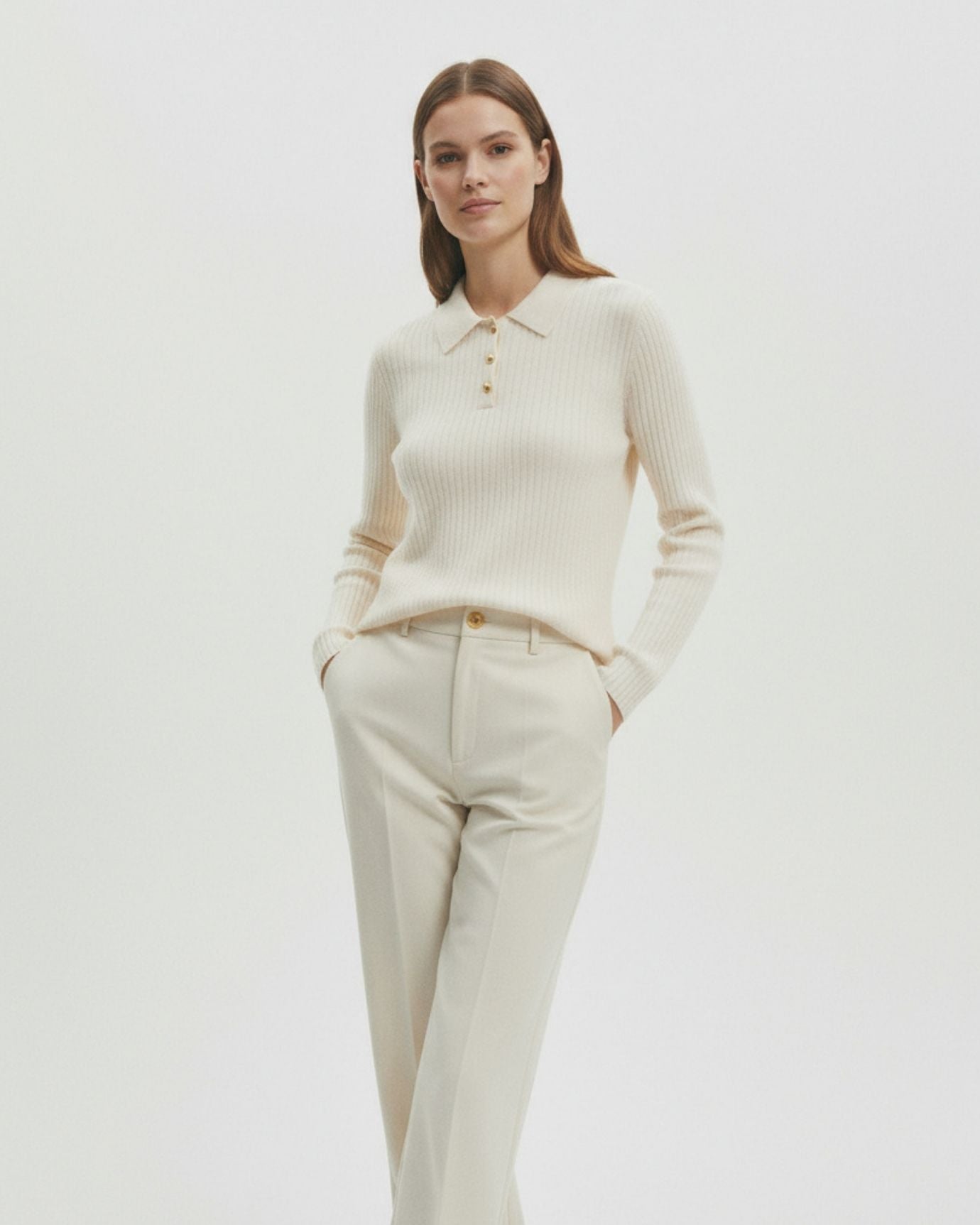
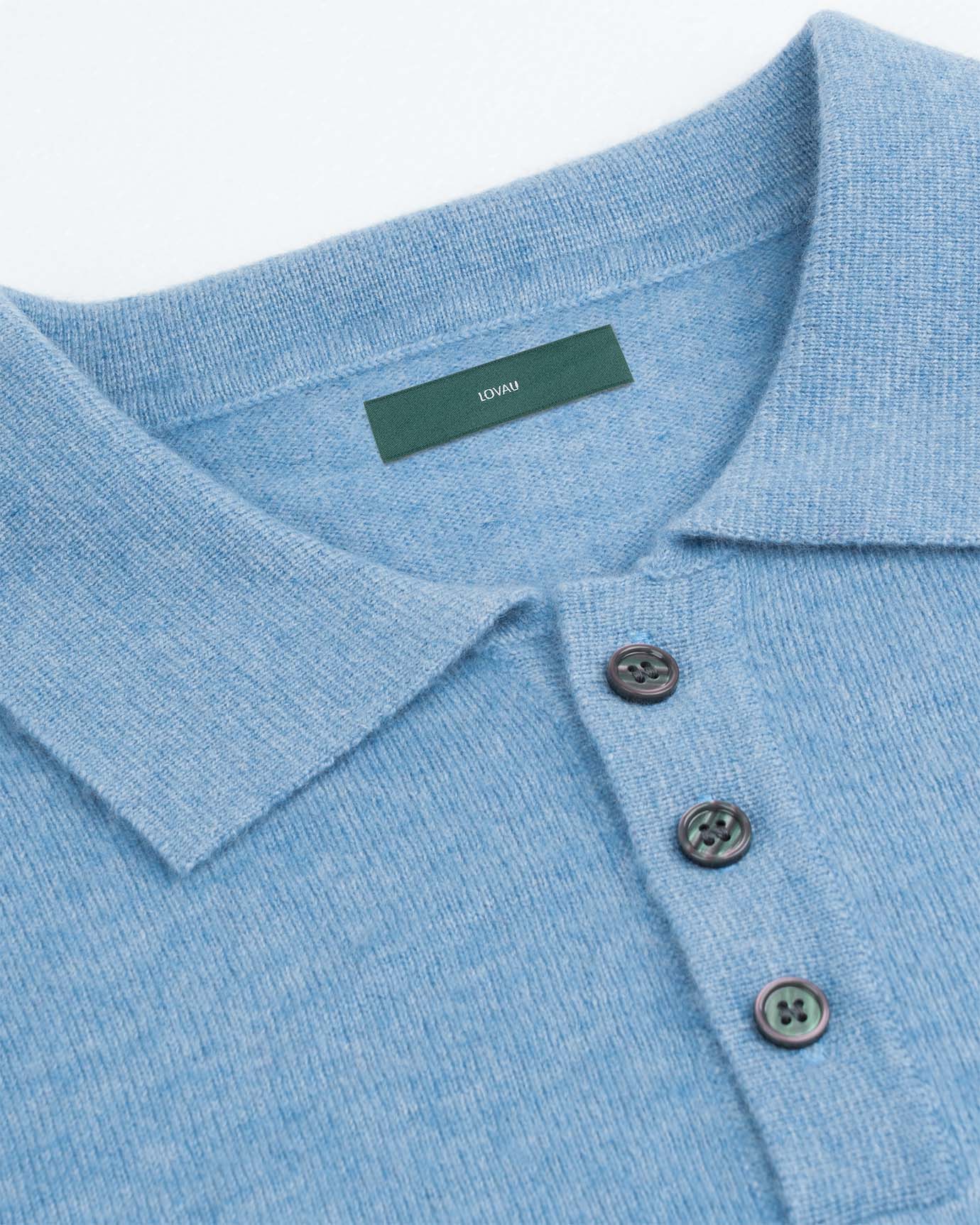
Kaschmir ist ein Synonym für Old Money Raffinesse. Seine Weichheit, Wärme und natürliche Widerstandsfähigkeit machen es zu einem idealen Stoff für Pullover, Schals und Mäntel. Wenn Sie in Kaschmir investieren, entscheiden Sie sich für Stücke von Marken wie Lovau oder Traditionsmarken wie Johnstons of Elgin. Die Preise liegen typischerweise zwischen 300 und 1200 US-Dollar für Qualität, aber diese Kleidungsstücke sind Garderobenklassiker, die bei richtiger Pflege Jahrzehnte halten.
Seide: Alltägliche Eleganz aufwerten
Der natürliche Glanz und die Atmungsaktivität von Seide machen sie perfekt für Blusen, Schals und Futter. Ikonische Designer wie Hermès und Gucci verwenden oft Seide in ihren Kollektionen, um ein Gefühl von müheloser Raffinesse zu vermitteln. Für Damengarderoben bieten Seidenblusen, kombiniert mit hoch taillierten Hosen oder einem Samtkleid, einen Look, der sofort elegant und luxuriös wirkt.
Wolle und Tweed: Klassische Oberbekleidung und Hosen
Wolle ist ein Eckpfeiler der Old Money Garderobe, insbesondere für Hosen und Blazer. Tweed, eine Unterart der Wolle, wird wegen seiner Strapazierfähigkeit und Textur bevorzugt. Ikonische britische Marken wie Harris Tweed und Burberry bieten ausgezeichnete Optionen für diese traditionellen Stoffe. Erwägen Sie Old Money Style Hosen mit weitem, geradem Bein aus hochwertigen Wollmischungen als vielseitiges Investitionsstück.

Die Old Money Capsule Garderobe aufbauen: Kernstücke für Männer und Frauen
Essentielle Herrenmode-Grundlagen
Die Herrenmode im Old Money Stil basiert auf klassischer Maßarbeit und subtilen Details. Wichtige Stücke sind:
- Maßgeschneiderte Blazer aus marineblauer oder camel-farbener Wolle
- Button-down Oxford-Hemden in Weiß oder Pastelltönen
- Kaschmirpullover, die unter Jacken getragen werden
- Klassische Lederloafer oder Brogues
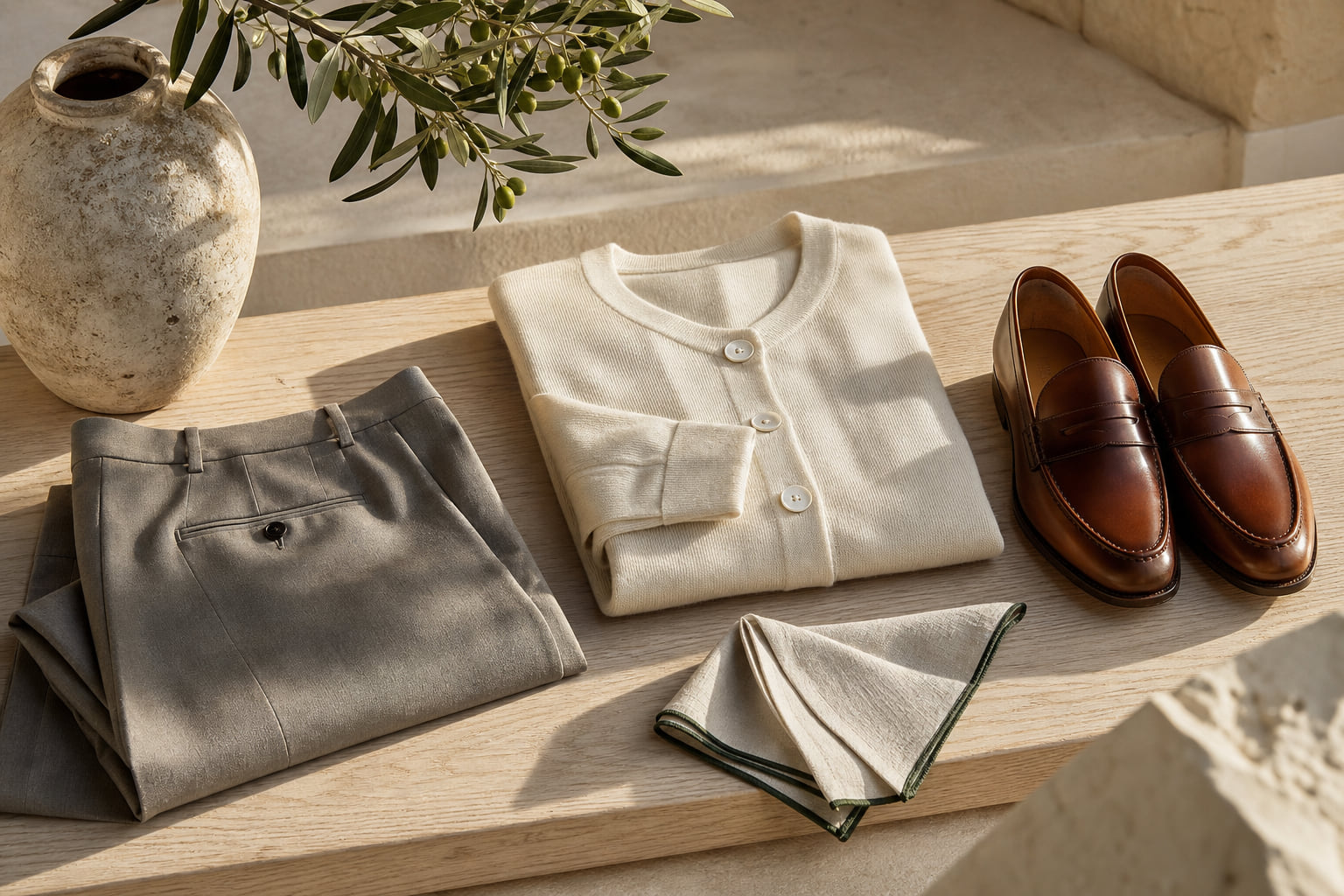
- Wollhosen wie die Old Money Style Hosen mit weitem, geradem Bein
Die Investition in gut geschnittene Stücke von Marken wie Lovau Herrenmode und traditionsreichen Designern gewährleistet Langlebigkeit und Vielseitigkeit. Die Preise reichen von 250 $ für hochwertige Hemden bis zu 1500 $+ für maßgeschneiderte Blazer.
Essentielle Damenmode-Grundlagen
Der Old Money Stil für Frauen zeichnet sich durch zeitlose Silhouetten und luxuriöse Texturen aus. Kernstücke sind:
- Seidenblusen in neutralen Tönen oder sanften Drucken
- Hoch taillierte Hosen wie die Cordhosen für Damen mit hoher Taille im Old Money Stil
- Kaschmircardigans und -pullover
- Klassische Lederloafer wie die Damenloafer aus echtem Leder im Old Money Stil
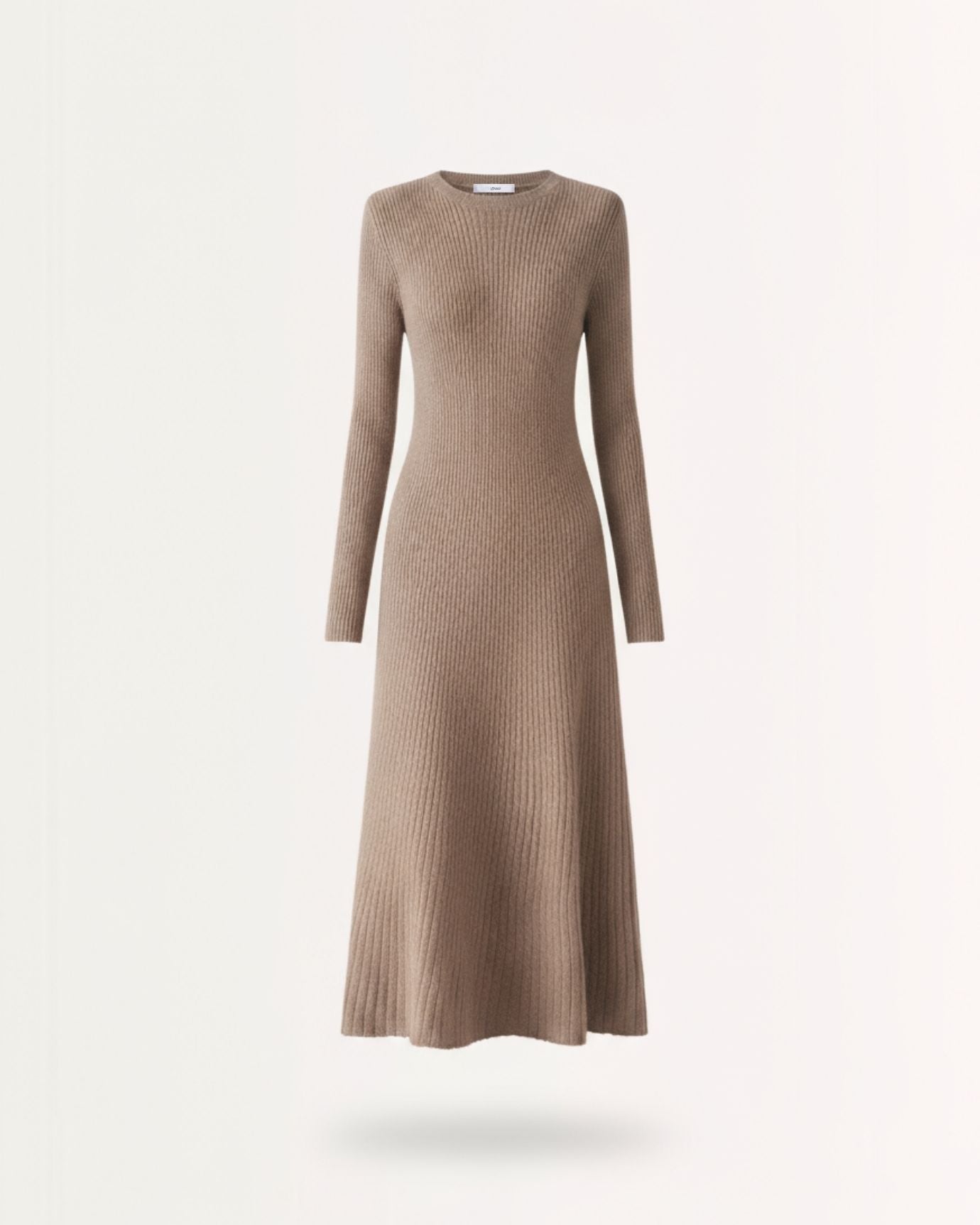
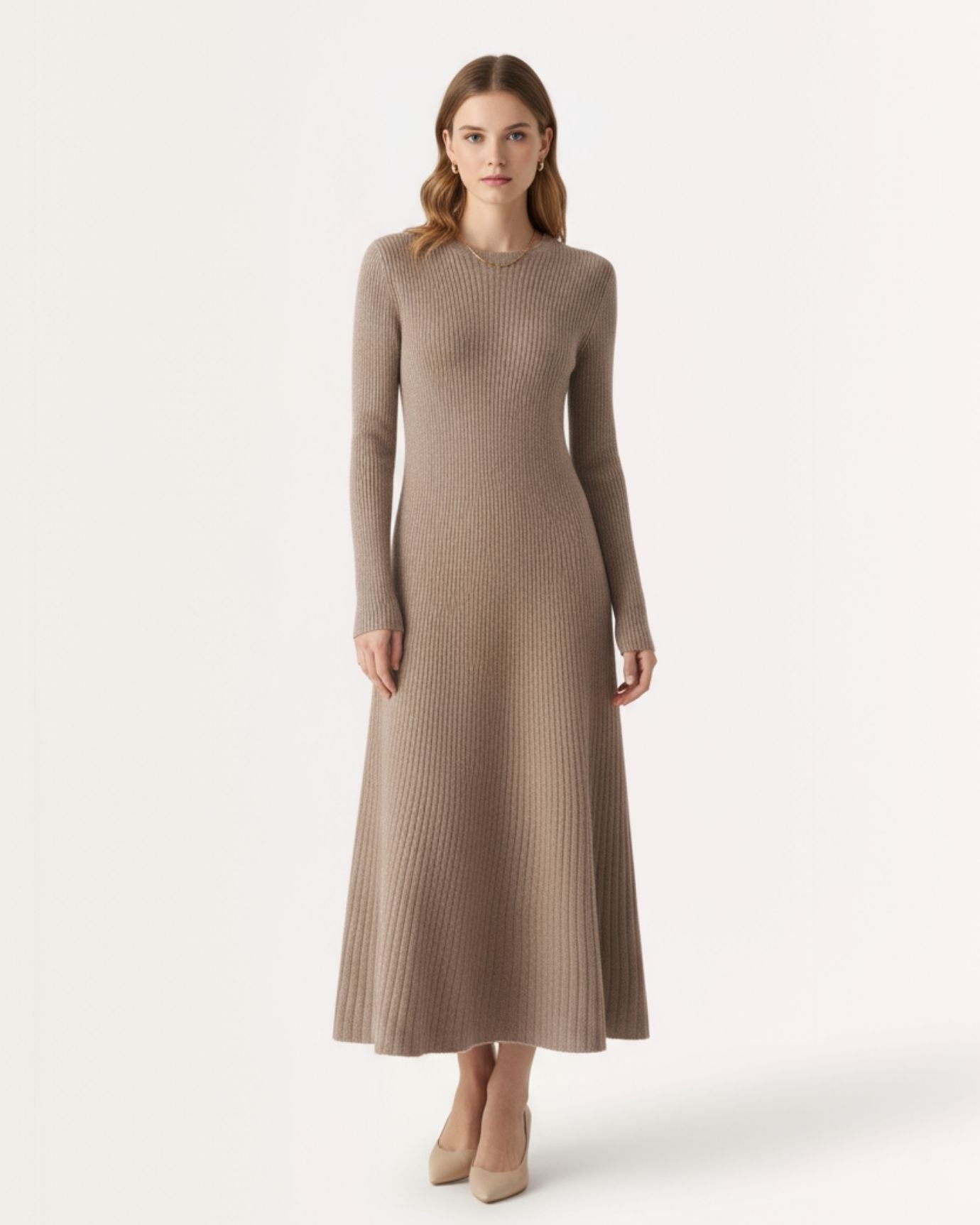
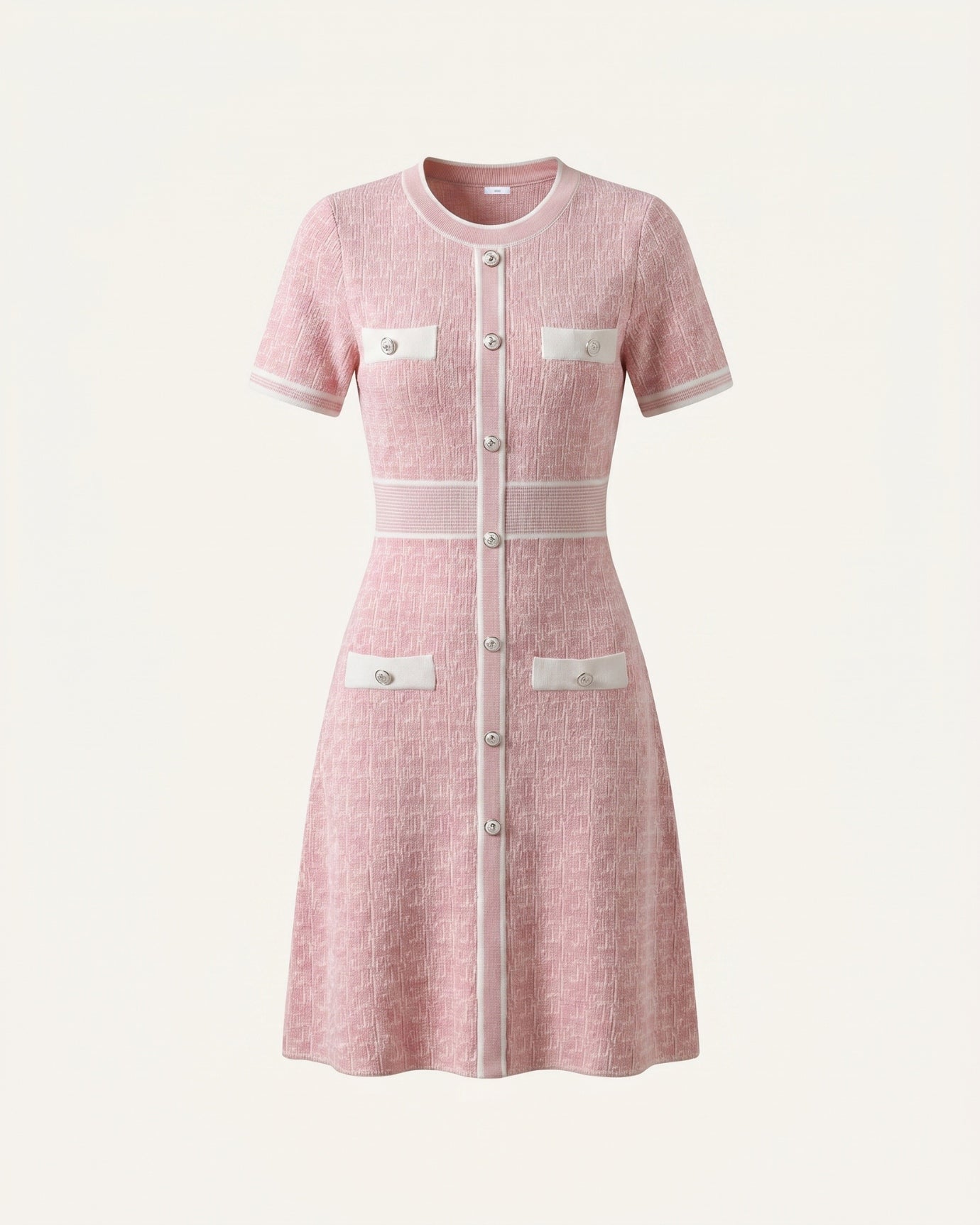
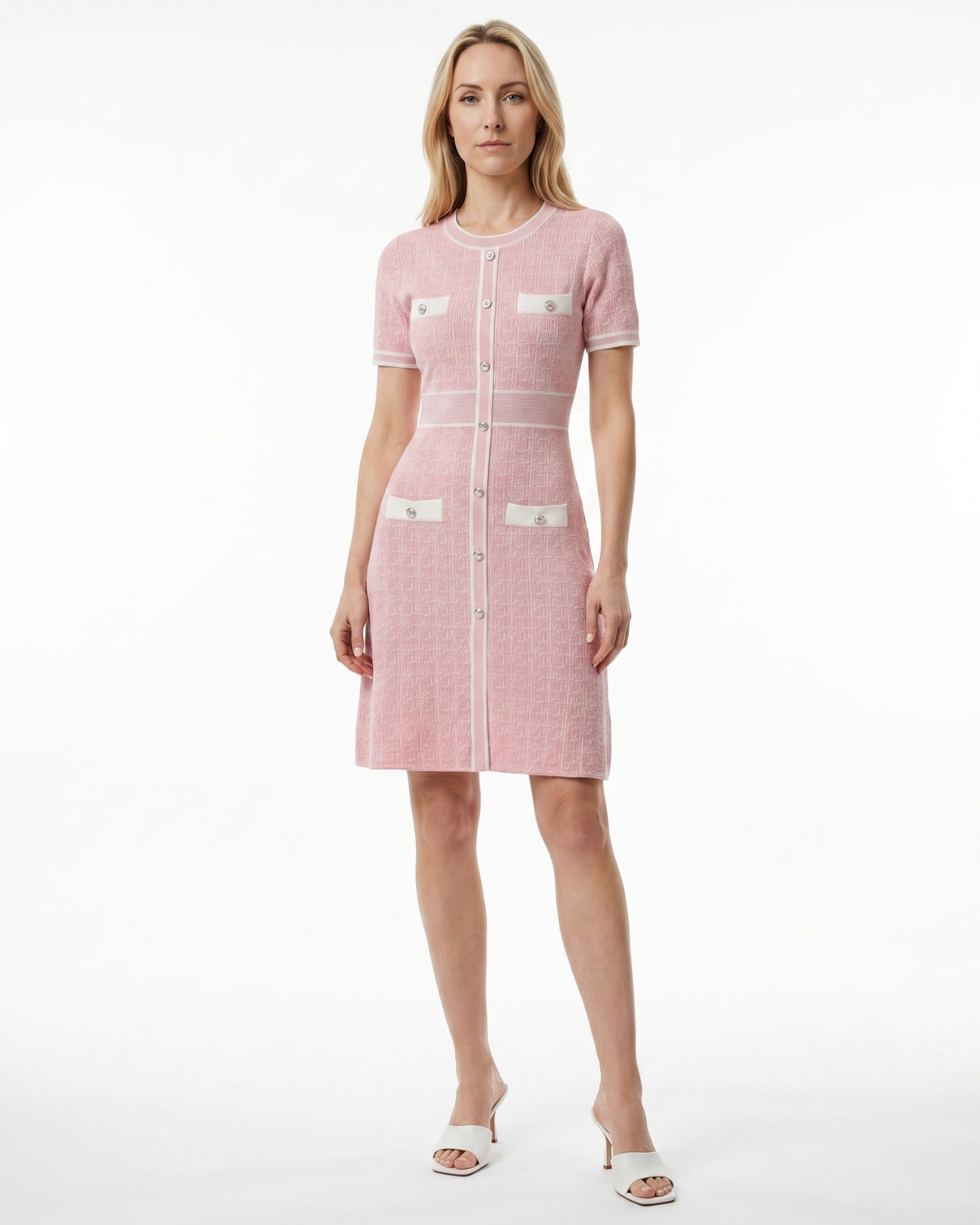
- Elegante Kleider wie das Designer-Samtkleid im Old Money Stil
Die Investition in diese Stücke, oft zwischen 150 $ für Strickwaren und 1000 $+ für Kleider, ist durch ihre zeitlose Attraktivität und überlegene Stoffqualität gerechtfertigt.
Stilstrategien: Wie man Old Money Mode jeden Tag trägt
Balance zwischen Komfort und Raffinesse
Der Old Money Stil bedeutet nicht, den Komfort einzuschränken, sondern ihn zu erhöhen. Die Kombination von weiten Hosen mit geradem Bein und weichen Kaschmirpullovern schafft einen Look, der sowohl elegant als auch tragbar ist. Zum Beispiel balanciert die Kombination von Lovau’s Old Money Style Hosen mit weitem, geradem Bein mit einem feinen Wollblazer Struktur mit Leichtigkeit aus. Für Frauen verkörpern weite Cordhosen, kombiniert mit Seidenblusen und Lederloafers, dieses Prinzip perfekt.
Mit Bedacht und Geschmack Accessoires wählen
Accessoires im Old-Money-Stil bevorzugen Qualität vor Quantität. Eine klassische Golduhr, dezente Perlenohrringe oder ein Seidenschal von Hermès verleihen unaufdringliche Eleganz, ohne das Outfit zu überladen. Vermeiden Sie auffällige Logos und entscheiden Sie sich für Ledergürtel und Handtaschen in neutralen Tönen. Bei Schuhen investieren Sie in Loafer aus echtem Leder, wie sie zum Beispiel von Lovau Woman angeboten werden, die sowohl Stil als auch Langlebigkeit bieten.

Saisonale Anpassungen des Old Money Stils
Frühling und Sommer: Leichte Lagen und Naturfasern
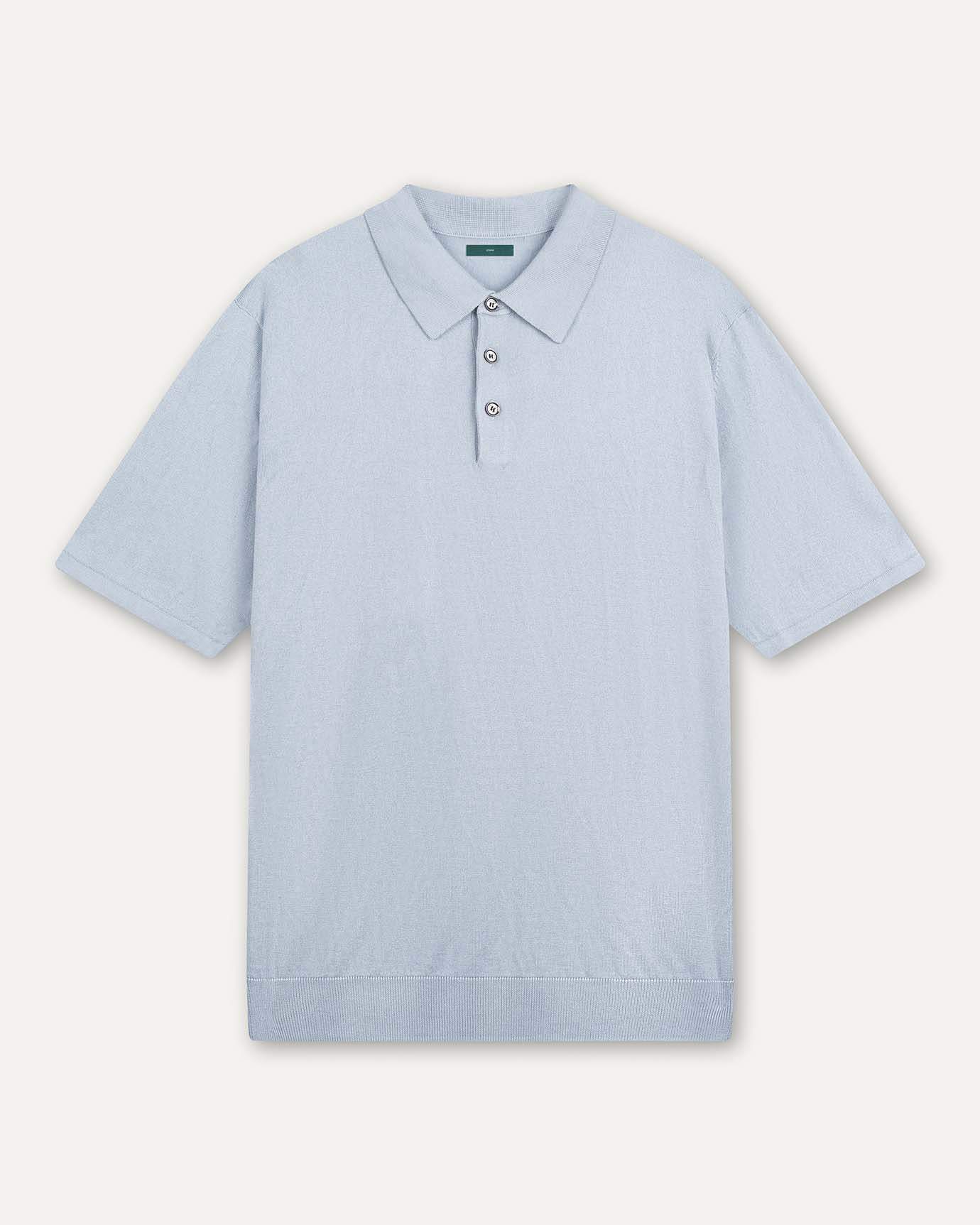
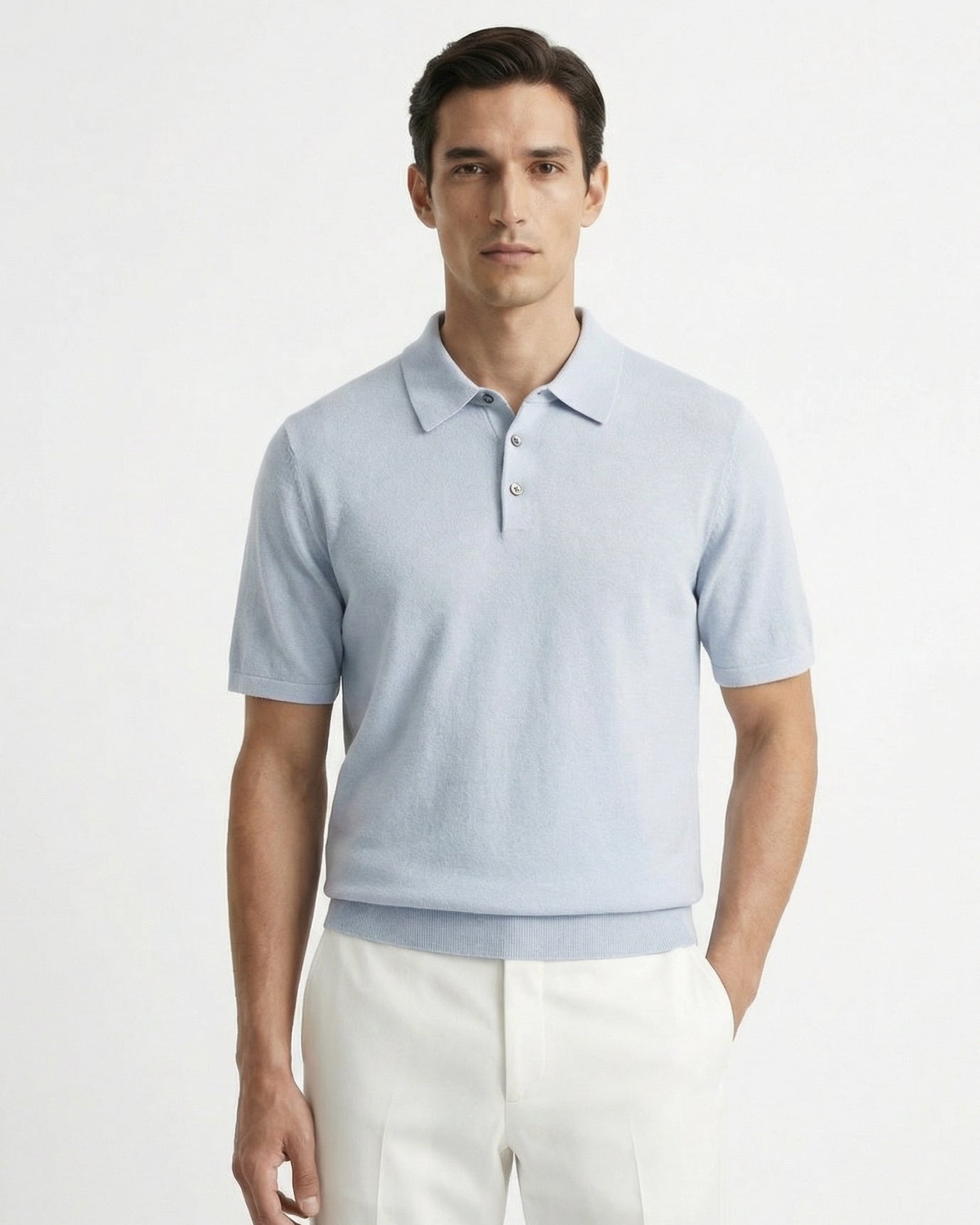
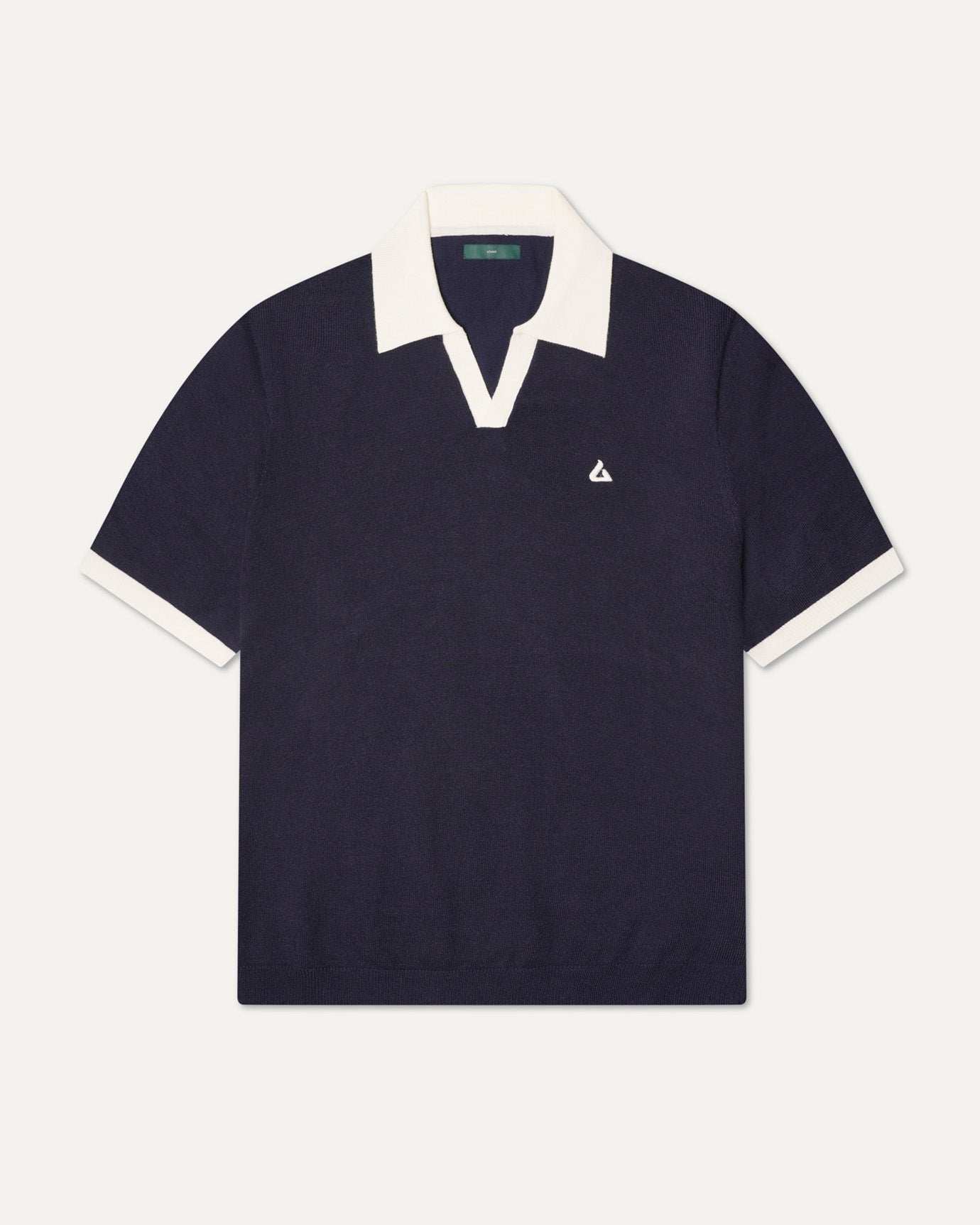
In den wärmeren Monaten setzt die Old-Money-Mode auf atmungsaktive Stoffe wie Leinen, Seide und feine Baumwolle. Weit geschnittene Hosen aus Naturfasern, kombiniert mit Seidenblusen, sorgen für einen frischen und dennoch eleganten Look. Leichte Kaschmir-Cardigans eignen sich perfekt für Lagenlooks. Neutrale Farbpaletten wie Beige, Elfenbein und Pastellblau dominieren die Frühlingsgarderobe und spiegeln klassischen Geschmack und Komfort wider.
Herbst und Winter: Reiche Texturen und Wärme
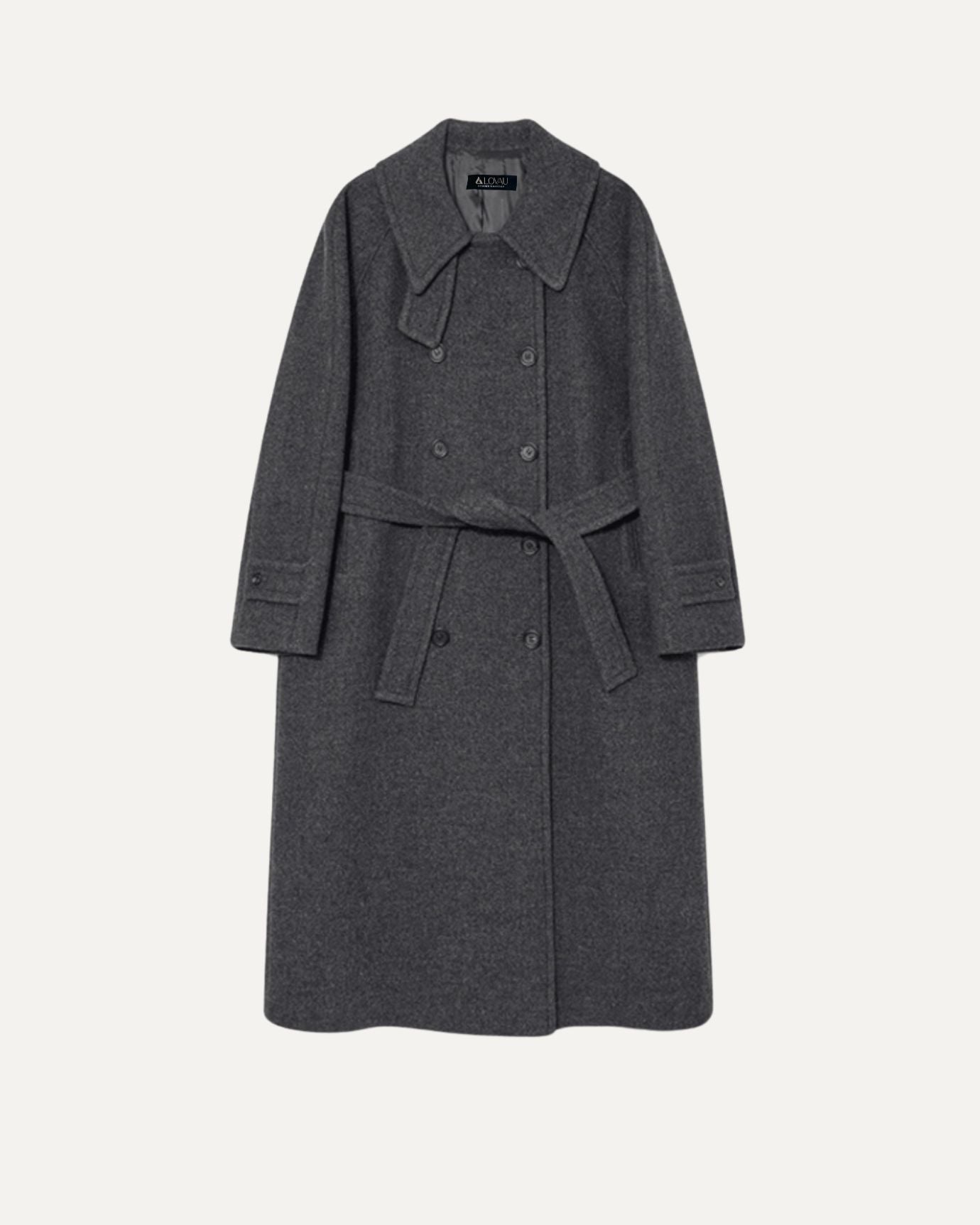
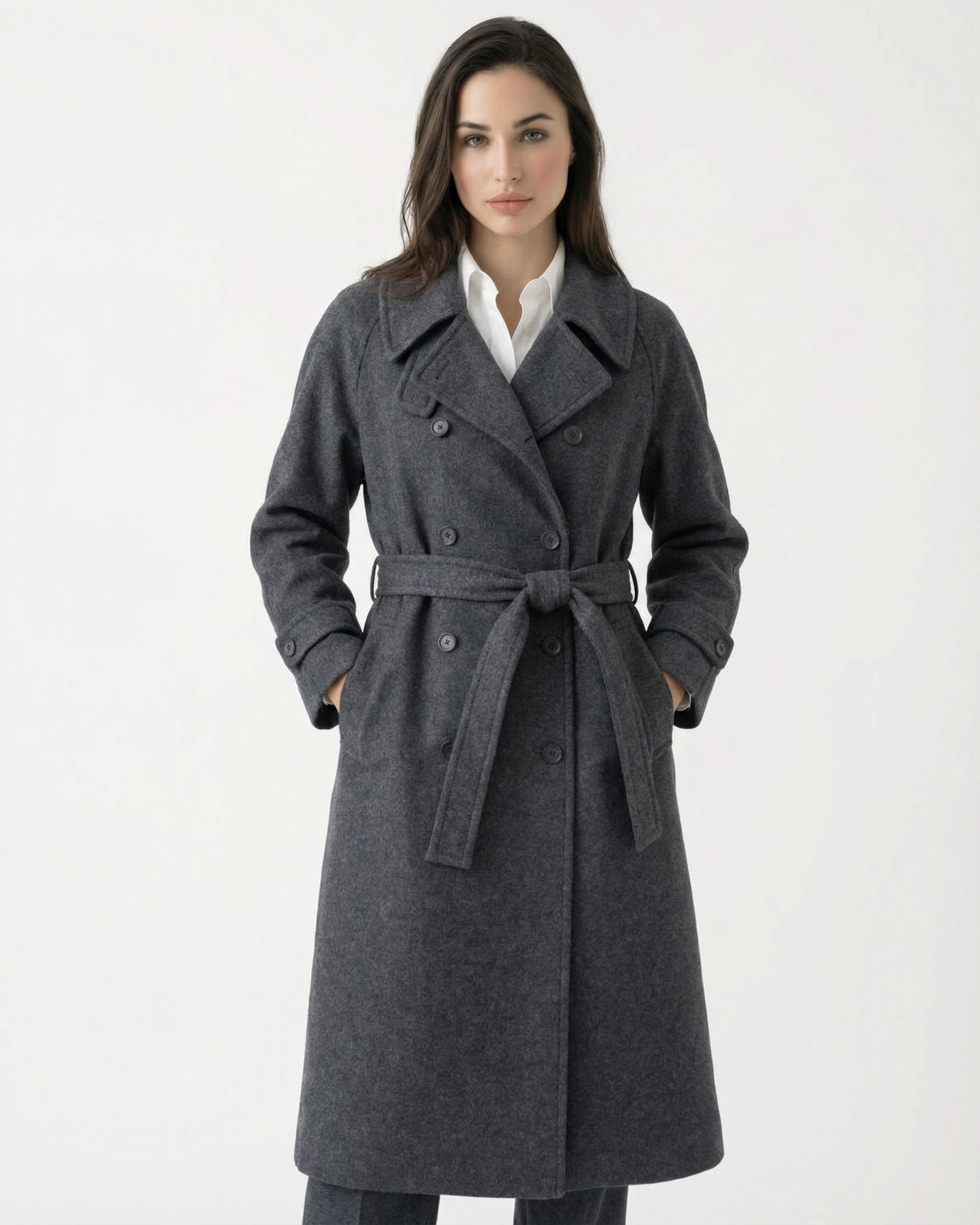
In den kälteren Monaten stehen Texturen wie Samt, Wolle und dickerer Kaschmir im Mittelpunkt. Samtkleider mit strukturierter Schnittführung, wie das Samt-Designer-Kleid im Old-Money-Stil, unterstreichen den saisonalen Luxus. Schichten bleiben entscheidend: Wollmäntel über Kaschmirpullovern oder Cordhosen, kombiniert mit Lederstiefeln, sorgen für Wärme, ohne auf Stil zu verzichten. Kräftige Farben wie Waldgrün, Burgunderrot und Marineblau verleihen Tiefe und bewahren gleichzeitig Eleganz.
Anlageberatung: Eine Garderobe aufbauen, die lange hält
Qualität über Quantität
Die Investition in zeitlose Stücke aus strapazierfähigen Stoffen ist der Eckpfeiler des Old-Money-Stils. Anstatt Fast Fashion zu jagen, konzentrieren Sie sich darauf, weniger, aber makellos gefertigte Kleidungsstücke zu erwerben. Zum Beispiel kann ein Kaschmirpullover im Preisbereich von 400 bis 1200 US-Dollar bei richtiger Pflege Jahrzehnte halten und übertrifft damit weitaus billigere Alternativen.
Markenerbe und Handwerkskunst bewerten
Marken mit einer reichen Geschichte an Handwerkskunst wie Lovau, Brunello Cucinelli und Hermès verkörpern die Werte des Old Money Stils. Beim Einkauf bewerten Sie die Qualität der Nähte, die Herkunft des Stoffes und ethische Produktionsprozesse. Diese Faktoren tragen zur Langlebigkeit des Kleidungsstücks bei und rechtfertigen die Premiumpreise, die typischerweise zwischen 500 und mehreren tausend Dollar liegen.

Vintage-Fundstücke in Ihre Old-Money-Garderobe integrieren
Warum Vintage wichtig ist
Vintage-Stücke verleihen jeder Garderobe Authentizität und einen Sinn für Geschichte. Die Investition in Vintage-Chanel-Jacken, Hermès-Tücher oder klassische Lederschuhe entspricht nicht nur den Old-Money-Stilprinzipien, sondern unterstützt auch nachhaltige Mode. Vintage-Artikel zeichnen sich oft durch eine überragende Handwerkskunst aus, die maschinell gefertigte Kleidungsstücke nicht reproduzieren können.
Wie man Vintage-Stücke auswählt
Bei der Auswahl von Vintage-Stücken sollten Sie Zustand und Zeitlosigkeit priorisieren. Suchen Sie nach klassischen Schnitten und neutralen Farben, die sich leicht in Ihre bestehende Kollektion integrieren lassen. Vertrauenswürdige Vintage-Boutiquen und Auktionshäuser bieten eine Authentifizierung an, die Qualität und Legitimität gewährleistet. Beginnen Sie mit einfachen Stücken wie Seidenschals oder Ledergürteln, bevor Sie in Statement-Artikel wie Abendkleider oder Oberbekleidung investieren.
Nachhaltigkeit und diskreter Luxus: Die Zukunft der Old-Money-Mode
Die Schnittmenge von Ethik und Wohlstand
Der Old-Money-Stil wird zunehmend mit Nachhaltigkeit in Verbindung gebracht, was eine wachsende Präferenz der Verbraucher für ethische Produktion widerspiegelt. Diskrete Luxusmarken wie Lovau legen Wert auf verantwortungsvoll beschaffte Stoffe, faire Arbeitsbedingungen und minimale Abfallproduktion. Dieser ethische Ansatz steigert den Wert jedes Stücks über die Ästhetik hinaus und verbindet wohlhabende Mode mit Umweltverantwortung.
Praktische Schritte zu nachhaltigem Luxus
Verbraucher können nachhaltige Old-Money-Mode unterstützen, indem sie:
- Priorität auf Investitionen in hochwertige, langlebige Stoffe wie Kaschmir und Wolle legen
- Marken mit transparenten Beschaffungs- und Produktionsrichtlinien wählen
- Vintage- und Secondhand-Stücke in ihre Garderobe integrieren
- Die richtige Pflege der Kleidungsstücke für eine längere Lebensdauer gewährleisten
Diese Maßnahmen wahren die Old-Money-Tradition des durchdachten Konsums und des zeitlosen Stils.
Häufig gestellte Fragen zum Old-Money-Stil
Was unterscheidet den Old-Money-Stil von anderen Luxusstilen?
Old-Money-Mode bevorzugt zeitlose, unaufdringliche Eleganz gegenüber auffälligem Branding oder trendorientierten Designs. Sie legt Wert auf hochwertige Stoffe, klassische Silhouetten und subtile Details, die Erbe und Raffinesse vermitteln, anstatt Reichtum offen zur Schau zu stellen.
Sind Vintage-Stücke notwendig, um den Old-Money-Stil zu erreichen?
Obwohl nicht zwingend erforderlich, erhöhen Vintage-Stücke die Authentizität und Nachhaltigkeit innerhalb der Old-Money-Garderobe. Sie bieten einzigartige Handwerkskunst und eine Verbindung zur Modegeschichte, die moderne Klassiker effektiv ergänzt.
Welche Stoffe eignen sich am besten für die tägliche Kleidung im Old-Money-Stil?
Kaschmir, Seide und Wolle sind aufgrund ihrer Haltbarkeit, ihres Komforts und ihres luxuriösen Aussehens die erste Wahl. Jeder Stoff eignet sich gut für verschiedene Kleidungsarten und Jahreszeiten und bietet die notwendige Vielseitigkeit für den Alltag.
Wie kann ich den Old-Money-Stil mit kleinem Budget umsetzen?
Konzentrieren Sie sich darauf, eine kleine Auswahl an gut gemachten Basics von erschwinglichen Marken aufzubauen, kaufen Sie Vintage- oder Secondhand-Artikel und legen Sie Wert auf die Pflege Ihrer Kleidungsstücke, um deren Lebensdauer zu verlängern. Lovau bietet zugängliche Investitionsstücke, die Qualität mit klassischem Design verbinden und diskreten Luxus erschwinglich machen.
Fazit: Veredeln Sie Ihren Alltag mit dem ultimativen Old-Money-Style-Guide
Der Ultimative Old-Money-Style-Guide für den Alltag befähigt Sie, eine Modephilosophie zu übernehmen, die auf Erbe, Qualität und zeitloser Eleganz basiert. Indem Sie in hochwertige Stoffe wie Kaschmir, Seide und Wolle investieren; Vintage- und klassische Stücke integrieren; und einen nachhaltigen, diskreten Ansatz zum Luxus verfolgen, kultivieren Sie eine Garderobe, die sich durch Raffinesse und Langlebigkeit auszeichnet. Ob Sie die perfekte Kordhose, ein Samtkleid oder Lederloafer auswählen, die Kollektionen von Lovau bieten die Grundlage für den Old-Money-Stil im Alltag. Beginnen Sie noch heute Ihre Reise zu müheloser, wohlhabender Mode, indem Sie lovau.com erkunden.
Für weitere Informationen zu Luxusmode und Stil besuchen Sie GQ Style und Harper’s Bazaar Fashion.
Häufig gestellte Fragen
Was unterscheidet den Old-Money-Stil von anderen Modetrends?
Der Old-Money-Stil legt Wert auf Qualität statt Quantität, auf zeitlose Stücke statt trendige Artikel und auf unaufdringliche Eleganz statt auffälliger Darstellungen. Er konzentriert sich auf gut verarbeitete Klassiker, die Jahrzehnte halten.
Wie baue ich eine Capsule Wardrobe mit kleinem Budget auf?
Beginnen Sie mit vielseitigen Basics in neutralen Farben. Investieren Sie lieber in ein hochwertiges Stück nach dem anderen, anstatt mehrere günstigere Artikel zu kaufen. Suchen Sie nach zeitlosen Silhouetten, die nicht aus der Mode kommen.
Welche Stoffe sollte ich für diskrete Luxusmode bevorzugen?
Konzentrieren Sie sich auf Naturmaterialien wie Kaschmir, Seide, Wolle, Leinen und hochwertige Baumwolle. Diese Stoffe altern gut, fühlen sich luxuriös an und behalten ihr Aussehen über die Zeit.