


The Best Color Schemes for High-End Business Meetings
Reading time 13 min • 2538 words
Color is not decoration. In a high-end business meeting, the palette you choose communicates your understanding of context, your sense of proportion, and, frankly, whether you belong in the room. The men who consistently project authority in boardrooms, private equity offices, and client dinners are not wearing the loudest suits. They are wearing the most considered ones.
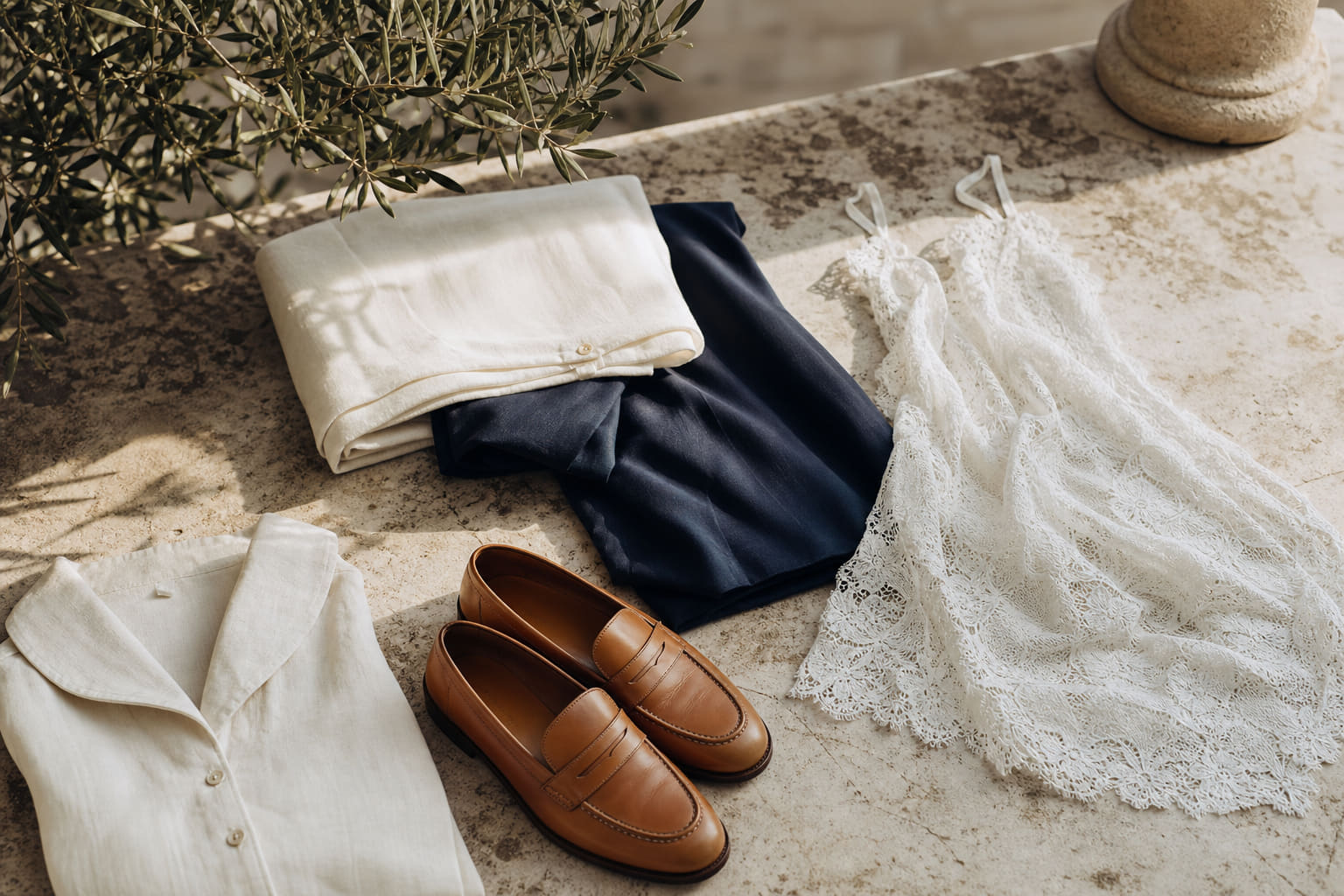
The old money approach to business dressing is built on restraint and precision. A navy trouser paired with a white linen shirt and dark leather boots says more than a patterned blazer ever could. The goal is not to disappear into convention, but to arrive dressed in a way that makes the conversation about your ideas rather than your clothes.
This guide covers the specific color schemes that perform best in high-end professional environments, which combinations carry weight in which settings, and how fabric choice interacts with color to sharpen or muddy the overall impression.
Key takeaways
- Navy and charcoal remain the most authoritative base colors for high-stakes business meetings, particularly in worsted wool or herringbone weaves.
- Burgundy used as a trouser or accent color adds distinction without drawing attention away from your presence.
- Monochromatic tonal dressing, such as navy on navy or grey on grey, reads as sophisticated and deliberate in senior-level settings.
- Fabric texture matters as much as color: a fine linen shirt in white or light blue performs differently than poplin at the same shade.
- Limit your palette to two or three colors per outfit; the restraint itself signals confidence.
In this guide
- Navy and Charcoal: The Foundation of Professional Authority
- Burgundy as a Power Accent: How to Use It Correctly
- The Monochromatic Tonal Approach: Sophisticated and Underestimated
- Neutral Palettes: Ivory, Oatmeal, and Warm Grey
- Shoes, Accessories, and the Role of Dark Accents
- Seasonal Adjustments: Shifting the Palette Without Losing Authority
- Frequently asked questions
Navy and Charcoal: The Foundation of Professional Authority
Navy and charcoal are not defaults. They are the result of decades of professional dressing proving that certain colors absorb light and command attention in a room without aggression. Both sit in the cool, neutral register that reads as composed and deliberate under office lighting, whether that is the fluorescent ceiling of a law firm or the warm pendant lamps of a private members club.
The key is in the fabric weight and weave. A flat navy trouser in a thin synthetic blend reads as budget. The same color in Italian worsted wool trousers carries a depth and subtle sheen that reads immediately as quality. Charcoal works best in a textured weave. Business grey trousers in a herringbone weave break the monotony of a flat grey and give the eye something to rest on without introducing a competing color.
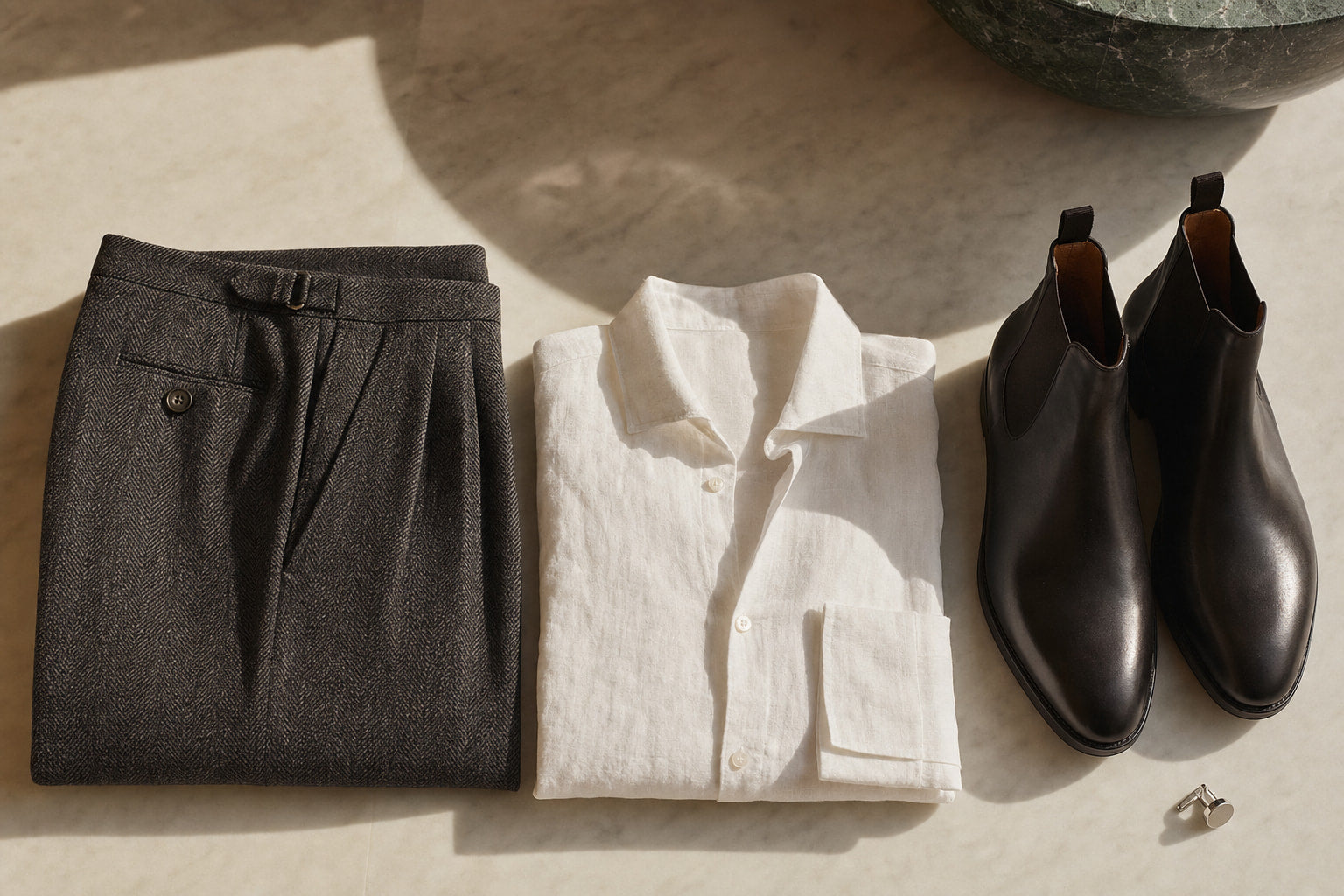
For the shirt layer, navy and charcoal both pair cleanly with white, light blue, and pale ecru. A high count fine light blue linen shirt worn with charcoal herringbone trousers and dark leather boots is one of the most reliable combinations in professional menswear. The light blue softens the grey without weakening the overall impression.
Avoid: pairing navy trousers with a navy shirt unless the shades are intentionally matched and the fabrics are clearly different in texture. An accidental near-match reads as an error rather than a choice.
Expert insightIn high-stakes meetings, charcoal herringbone reads as more considered than plain charcoal. The weave adds visual interest without color, which keeps the focus on your face and your argument.

Burgundy as a Power Accent: How to Use It Correctly
Burgundy is one of the most underused colors in serious business dressing. It carries the gravity of a dark color while avoiding the severity of black, and it sits in a warm register that reads as confident rather than cold. The critical distinction is in how it is deployed.
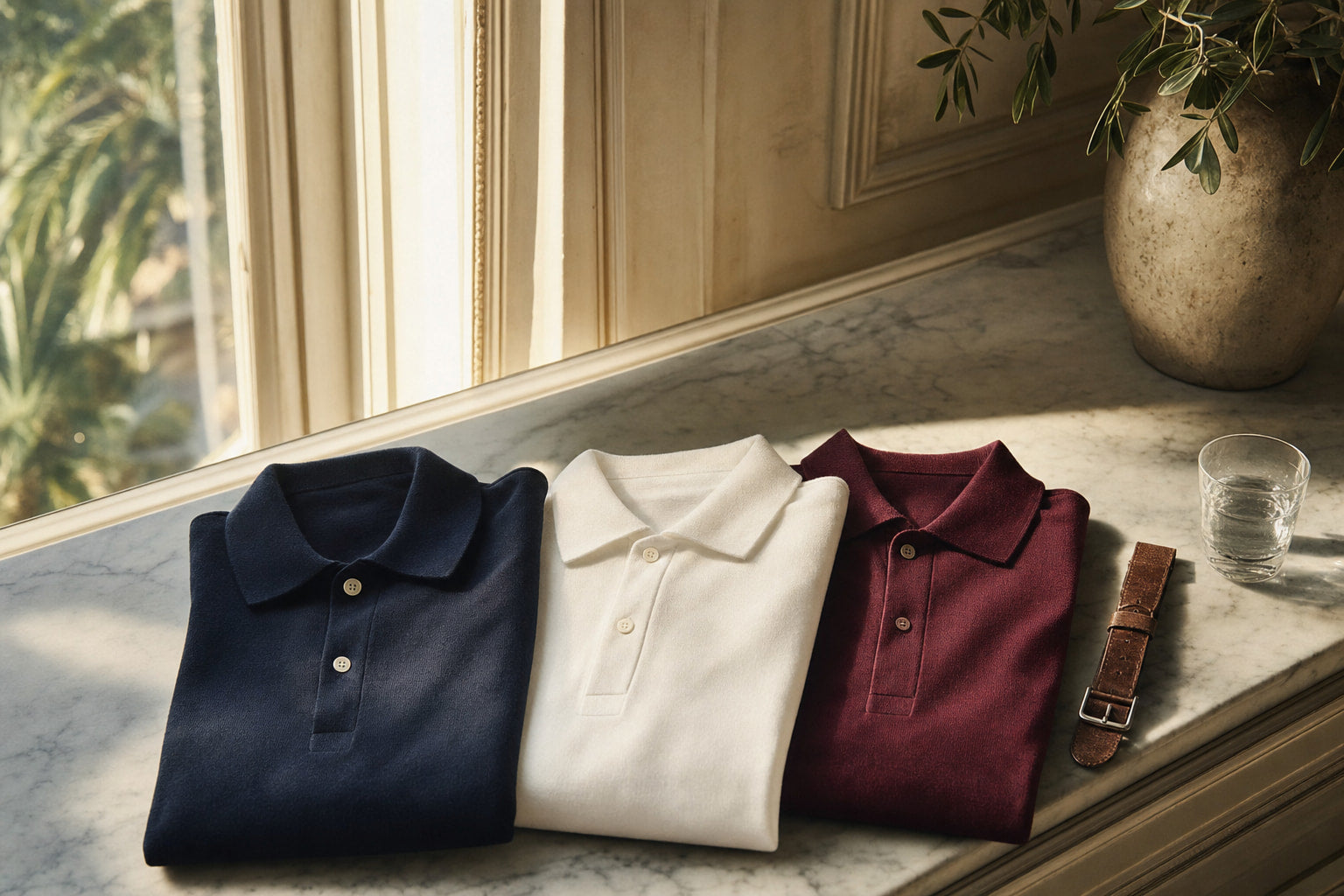
As a trouser, burgundy works best in a clean, non-iron finish with a high waist. Non-iron high waist business trousers in burgundy red worn with a white or oatmeal shirt and dark brown or black Chelsea boots is a combination that photographs well and performs equally well in person. The high waist extends the visual line of the leg and gives the silhouette a proportion that reads as tailored even without a jacket.
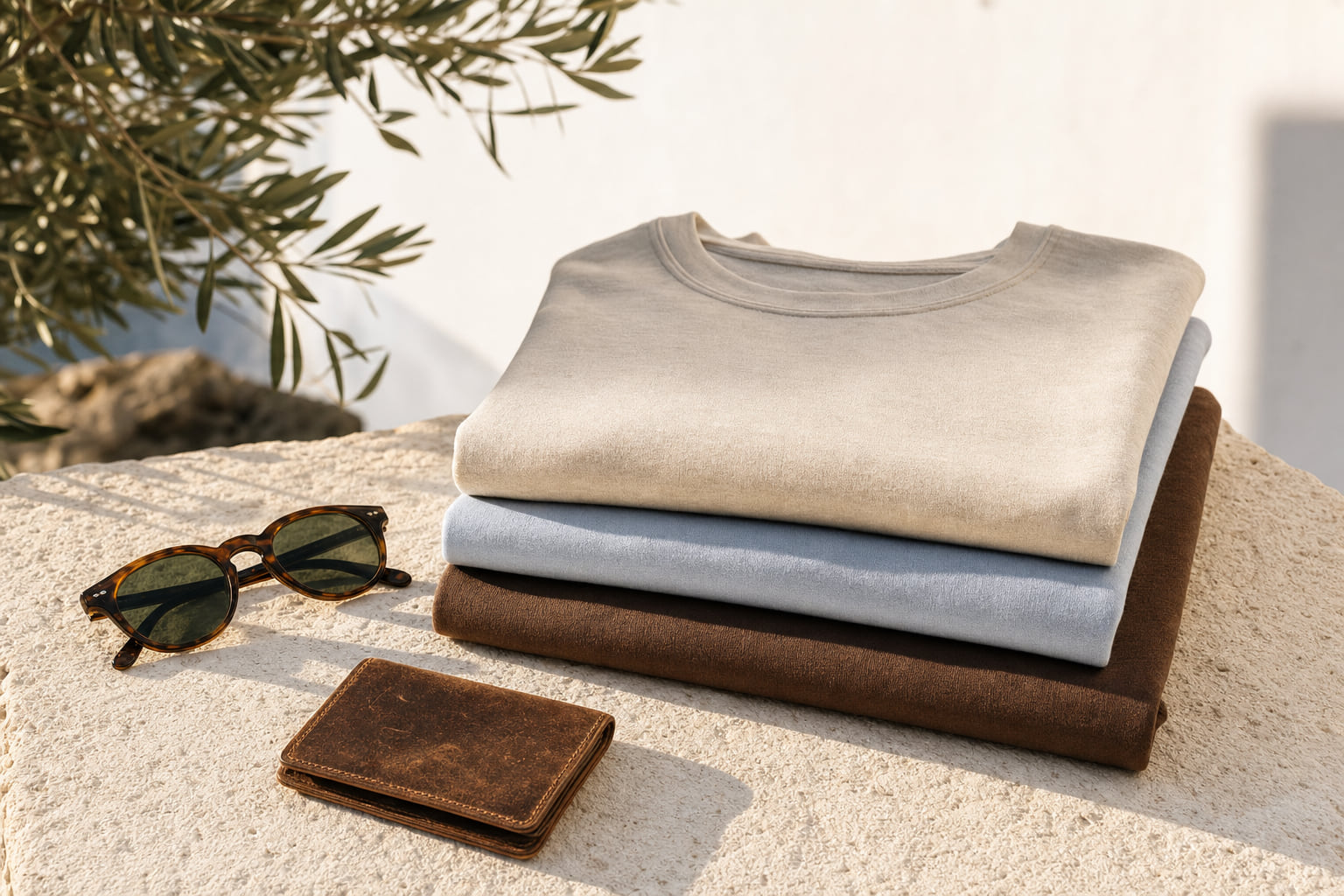
Burgundy should not be paired with navy. The two warm-cool tension between them creates a visual conflict that neither color wins. Instead, build around burgundy with neutrals: ivory, oatmeal, cream, charcoal, and warm grey all work. A high-count oatmeal mercerized cotton T-shirt under a structured jacket with burgundy trousers is a more interesting combination than most men consider for business-casual environments.
Burgundy works in: client dinners, creative industry meetings, business-casual offices, and evening presentations. It is less appropriate for highly conservative financial or legal contexts where charcoal and navy remain the unspoken expectation.
For a broader look at building a wardrobe around these accent colors, the luxury business casual outfit ideas guide covers the full spectrum of occasion dressing.
Expert insightBurgundy reads differently under warm versus cool light. In a candlelit dinner setting it deepens to something almost wine-dark. In a fluorescent boardroom it reads as a controlled, deliberate choice. Both readings work in your favor.

The Monochromatic Tonal Approach: Sophisticated and Underestimated
Tonal dressing, wearing two or three shades of the same color family in a single outfit, is one of the most sophisticated techniques available in professional menswear and one of the least commonly executed well. The reason it works is that it creates a unified visual impression that reads as intentional rather than assembled.
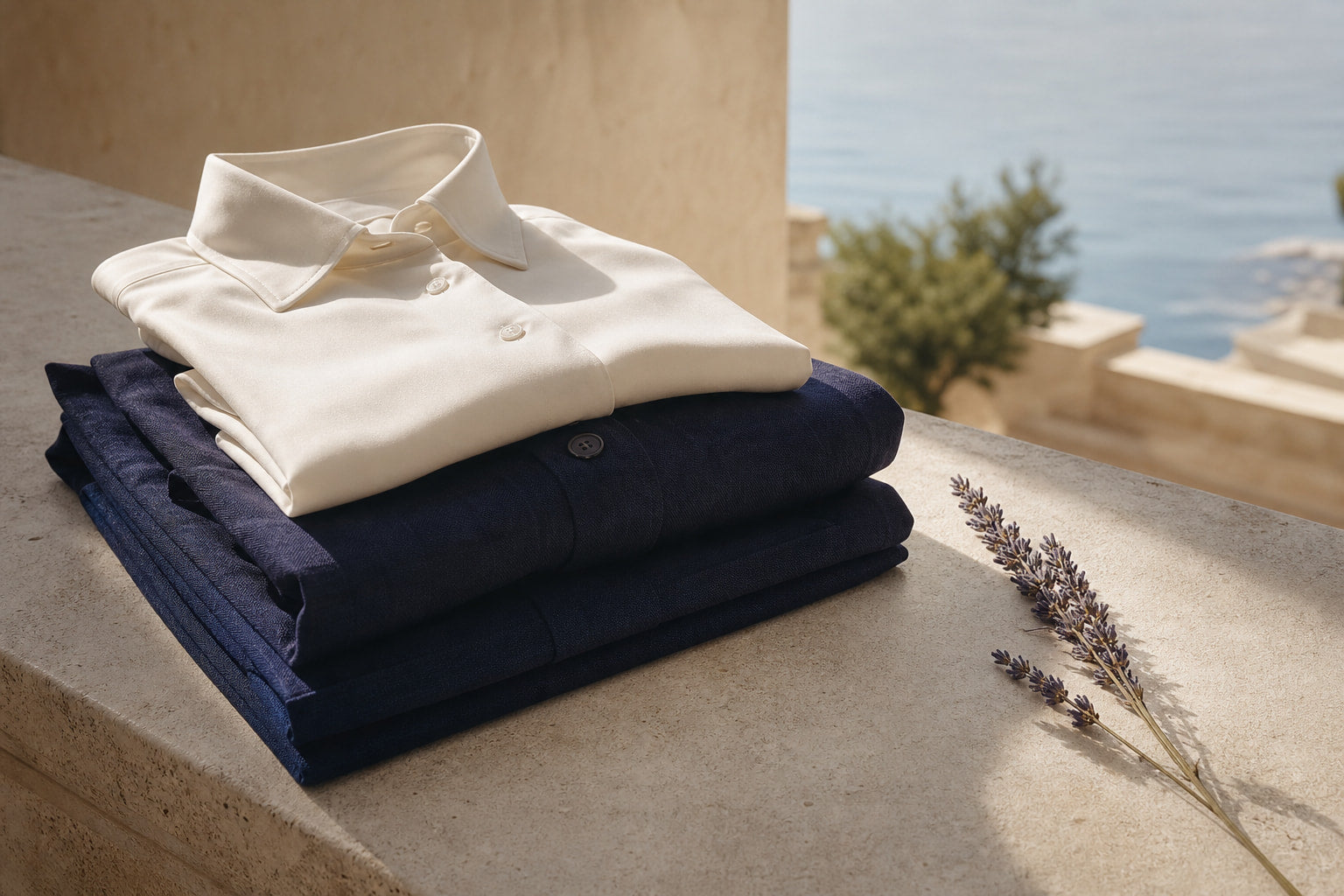
A navy shirt worn with navy or deep indigo trousers, differentiated by fabric texture rather than shade, is a strong choice for senior professionals in creative, consulting, or technology sectors. The high count navy blue fine linen shirt has the kind of fine weave that distinguishes itself clearly from a worsted wool trouser at the same color register. That contrast in texture is what makes the tonal approach legible rather than flat.
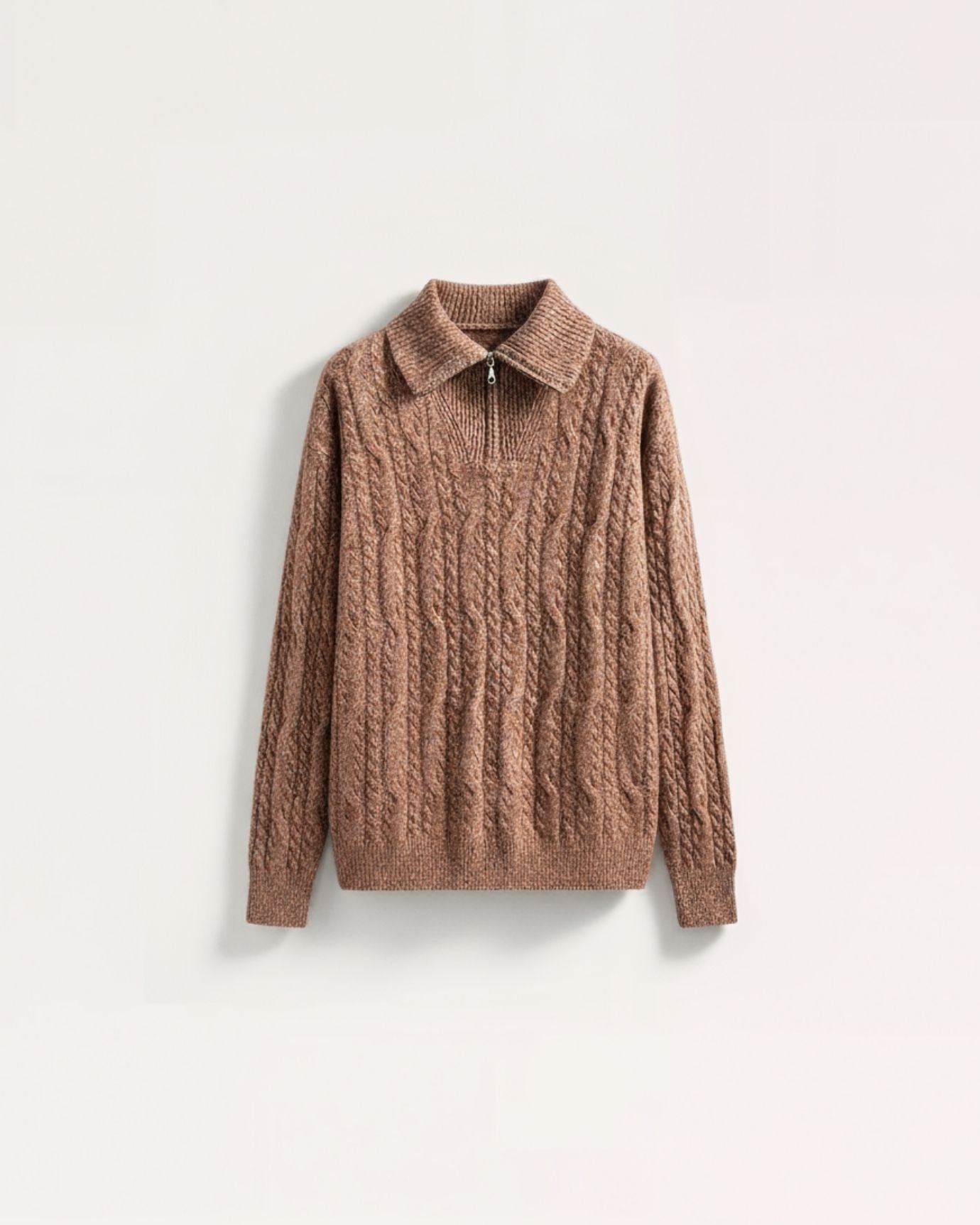
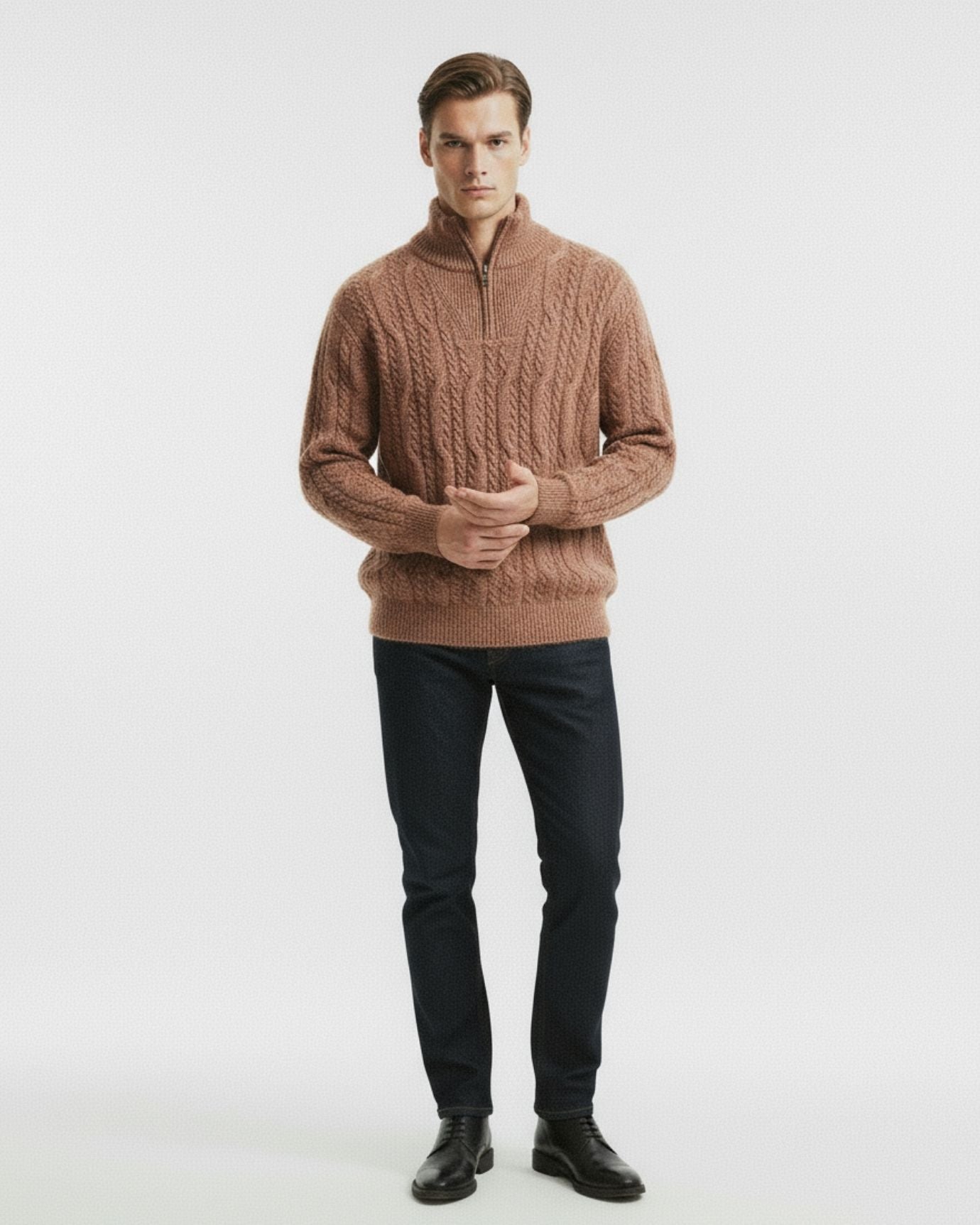
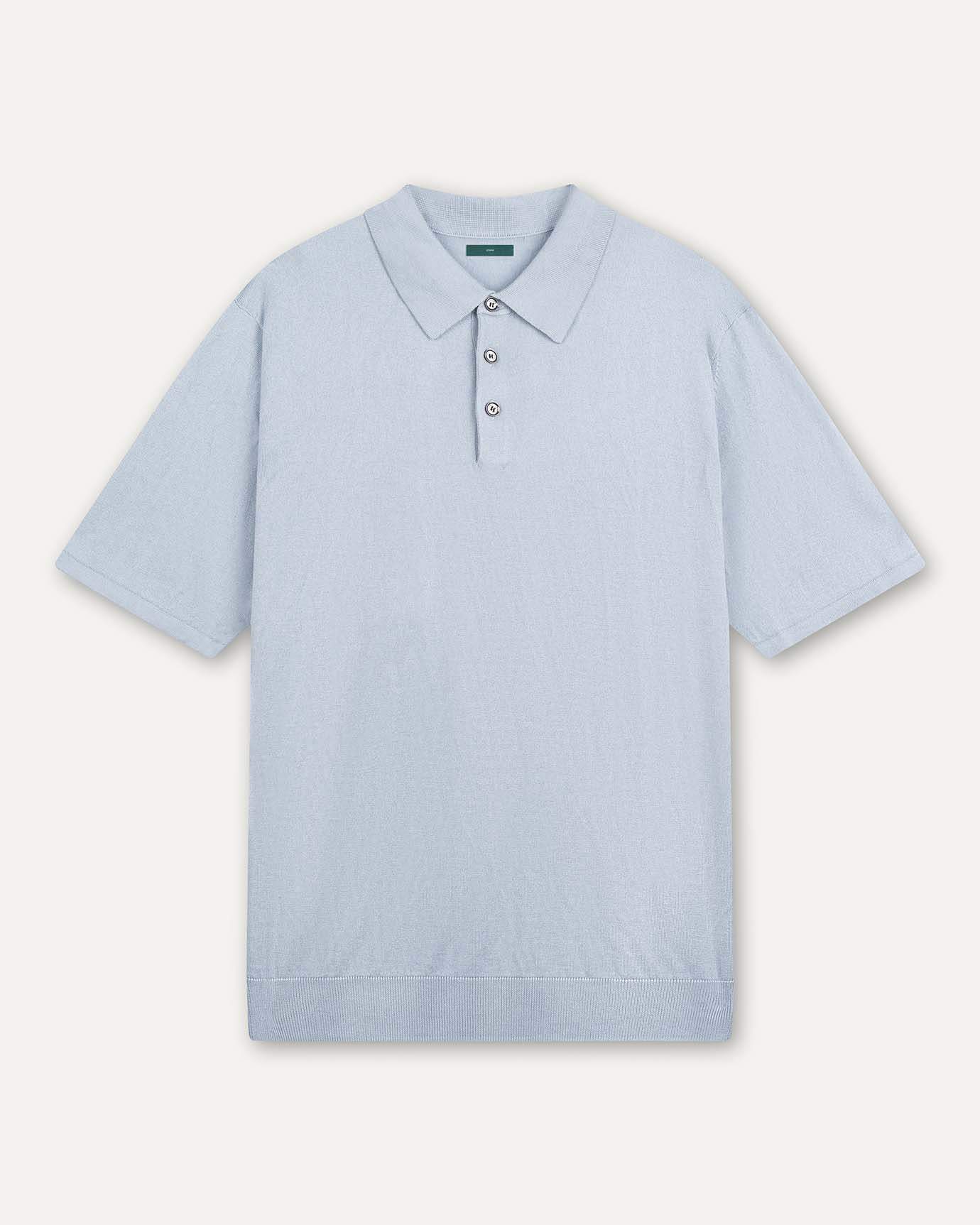
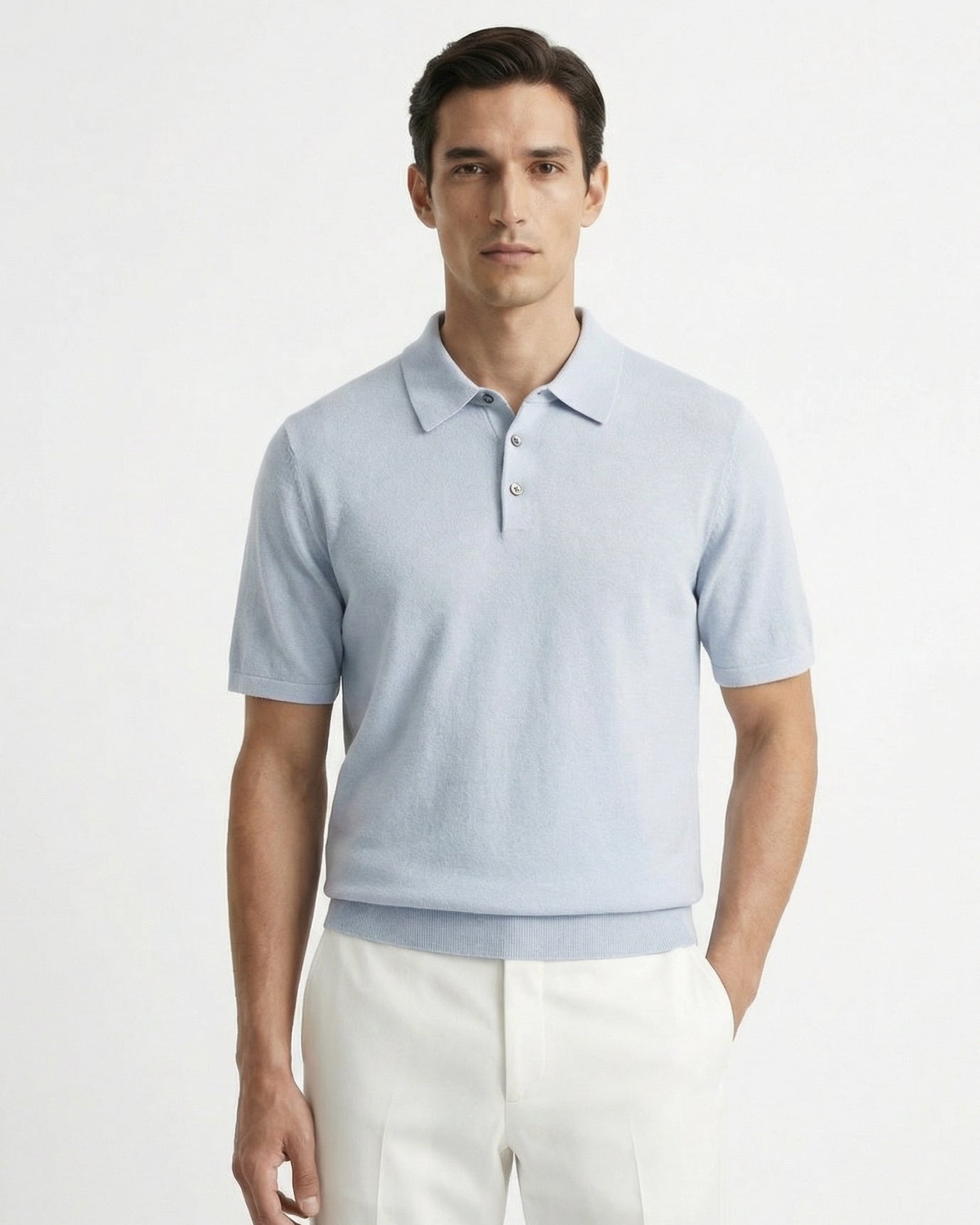
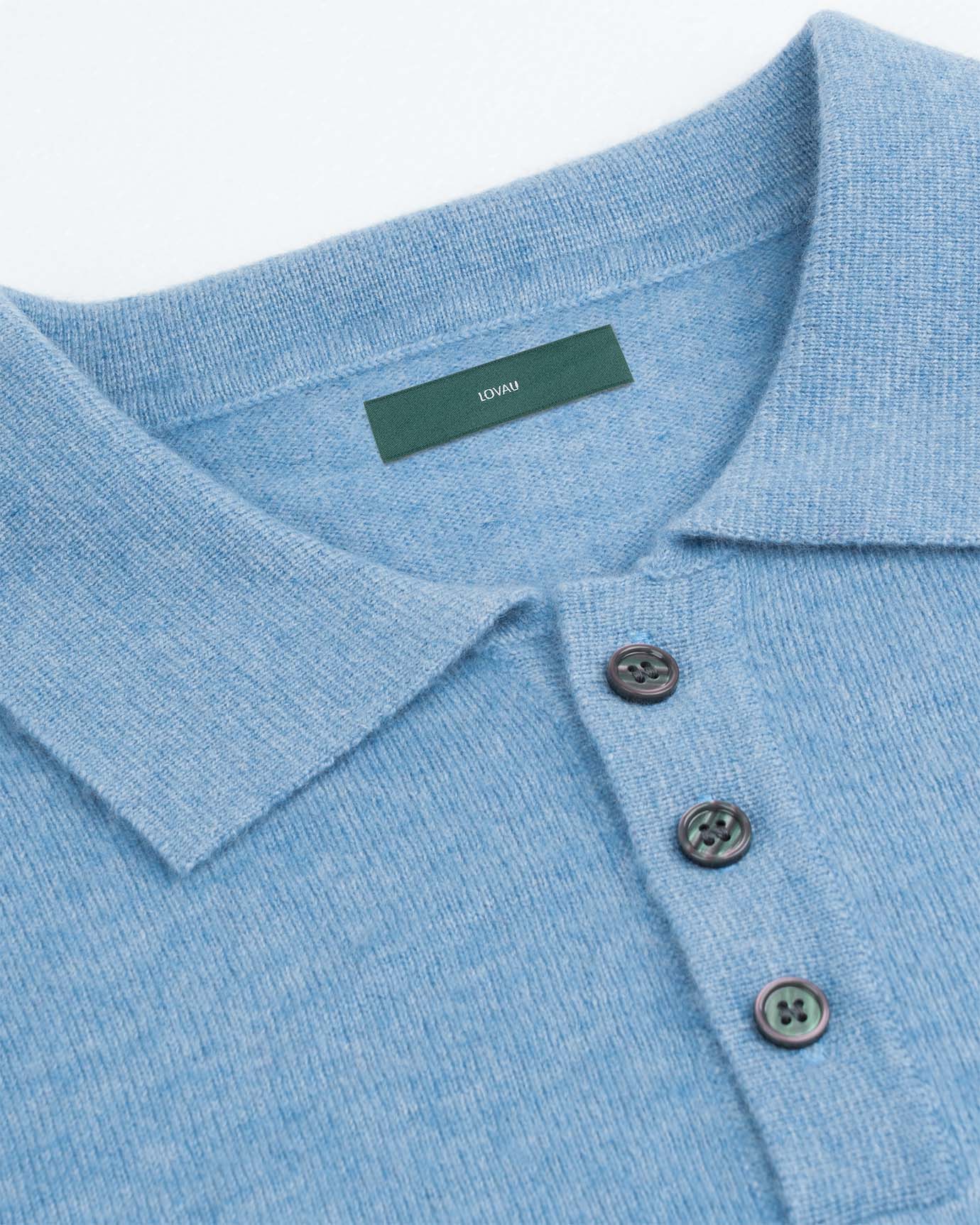
Grey-on-grey works by the same logic. A pale grey mercerized cotton layer under charcoal trousers, with a darker grey outer layer if the weather calls for it, produces a column of color that is visually elongating and quietly authoritative. The cashmere zipper polo in business casual in a neutral mid-tone provides exactly the kind of refined middle layer this approach requires.
According to Permanent Style, tonal dressing succeeds when at least one element introduces a clear textural contrast, otherwise the eye reads the outfit as a uniform rather than a considered ensemble. Keep that principle in mind when building a tonal look.
Practical rule: if you are wearing tonal navy, vary the fabric between linen, wool, and cotton. If you are wearing tonal grey, vary between a fine knit, a woven trouser, and a structured outer layer.
Expert insightTonal dressing is most convincing when at least one piece has a visible weave or texture. Without that contrast, the combination risks looking like a mismatched set rather than a deliberate palette.

Neutral Palettes: Ivory, Oatmeal, and Warm Grey
Neutral palettes are the most versatile color strategy for business meetings that cross multiple contexts in a single day, a morning pitch, an afternoon working lunch, an evening client dinner. Ivory, oatmeal, and warm grey are not passive choices. They are the colors of confidence that does not require announcement.
The key to making neutrals work in a professional setting is fabric quality. A cheap off-white shirt looks unfinished. A high count fine white linen shirt in the same shade reads as deliberate and expensive. The thread count and weave density determine whether a neutral reads as intentional or accidental.
Warm grey trousers are particularly effective because they pair with almost every other color in the professional palette. Navy above, burgundy above, ivory above, even a deep forest green above: warm grey anchors all of them. The business trousers in a cotton and linen blend offer the kind of breathable structure that holds its line through a full day of meetings without losing shape.
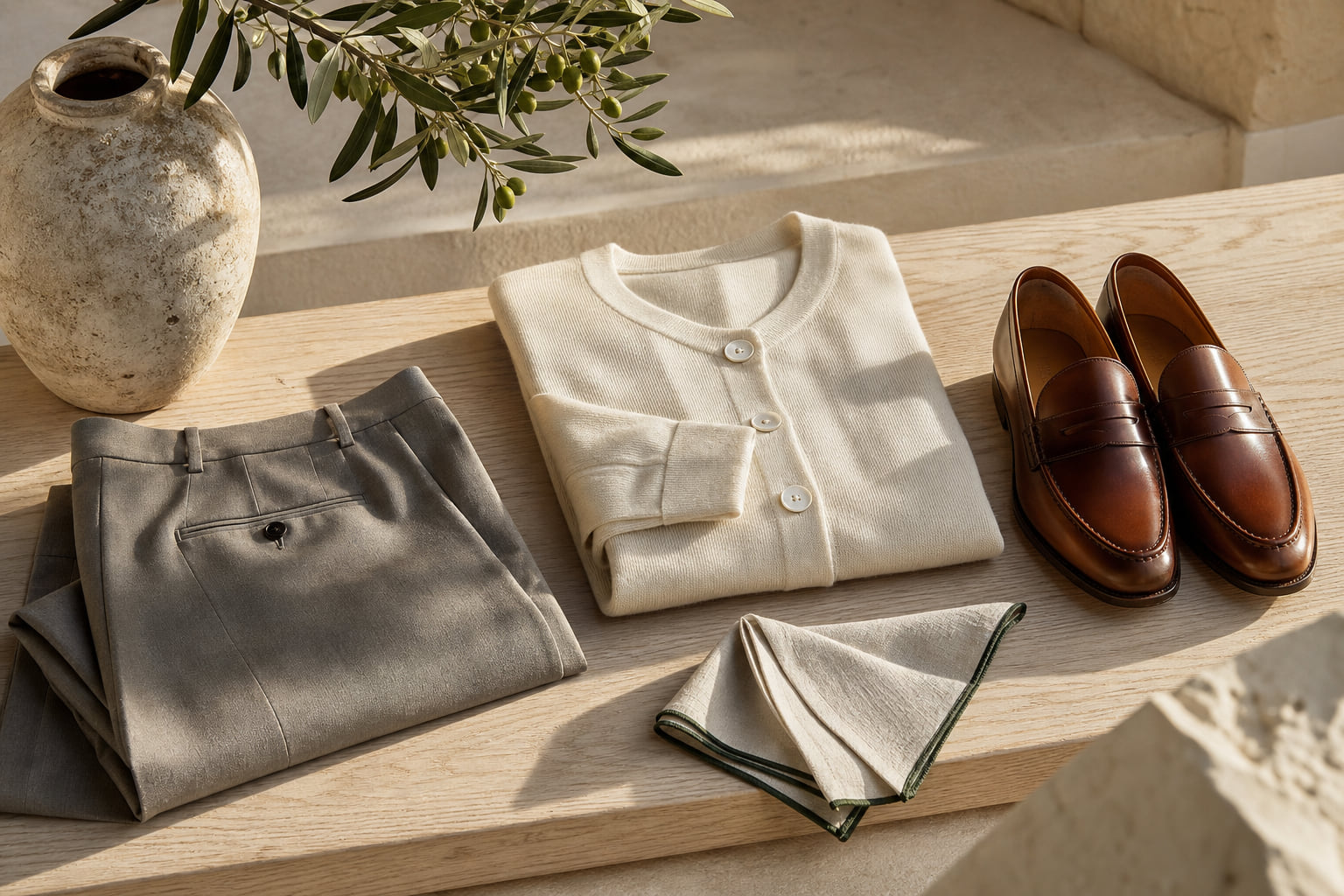
For spring and summer business settings, building a full outfit in the warm neutral register, oatmeal trousers, white or light blue shirt, tan or cognac leather boots, is one of the cleanest solutions available. It reads as considered, it reads as European, and it photographs without the color-cast problems that darker palettes can produce under mixed lighting.
For a full wardrobe strategy built around these neutral anchors, the luxury capsule wardrobe checklist for men is a useful reference point.

Shoes, Accessories, and the Role of Dark Accents
Color strategy does not end at the trouser hem. The shoe and accessory choices either confirm or undermine the palette you have built above.
Dark leather is the most reliable anchor for every color scheme covered in this guide. Black leather closes a navy or charcoal outfit with authority. Dark brown or cognac leather warms a neutral or burgundy palette. British style Chelsea boots in genuine leather work across all of these combinations because the clean silhouette does not compete with the trouser line, and the leather quality reads clearly in a professional setting.
Sunglasses, in a business context, are worn arriving and departing, not in the meeting room. That said, the choice still matters as part of the overall impression. Black square sunglasses with gold accents add a precise, finished quality to a navy or charcoal outfit when worn outside. The gold accent bridges to warm-toned accessories without introducing a competing color.
For a complete look at how accessories and outerwear integrate into a professional wardrobe, the complete luxury clothing buying guide for modern style covers the full picture.
As noted in GQ's coverage of professional dressing, the most common mistake in business dressing is not the wrong color but the wrong proportion. A shoe that is too casual, a trouser that breaks incorrectly at the ankle, an accessory that does not belong to the same tonal register: these details are what separate a composed outfit from one that simply has the right individual pieces.
Key principle: every dark accent, whether shoe, belt, or accessory, should belong to the same tonal temperature as the rest of the outfit. Mix warm and cool tones only when you are doing so deliberately.

Seasonal Adjustments: Shifting the Palette Without Losing Authority
The same color principles apply across seasons, but the specific shades and fabrics shift with the calendar. A charcoal herringbone wool trouser is a winter and autumn choice. In spring and summer, the same authority is carried by a high-waisted trouser in a lighter weave, a breathable cotton-linen blend in a warm neutral, or a finely constructed stripe that reads as structured rather than casual.
The Naples striped high-waisted trousers demonstrate this principle well. A stripe in a business context must be fine and controlled, the kind of vertical line that elongates the silhouette and reads as tailored. Broad stripes belong elsewhere. Fine chalk stripes and pencil stripes belong in the boardroom.
For summer business meetings, the linen shirt becomes a primary tool rather than a secondary layer. The old money shirts collection covers the full range of colors and weights available, from white through navy, allowing a man to build a complete warm-weather professional wardrobe around a single fabric family.
The pleated trousers in the Lovau old money style are worth noting here for their three-dimensional tailored construction, which maintains structure even in lighter fabrics and warmer months. Pleats, worn correctly with a high waist and a clean break at the shoe, are one of the most European and most authoritative silhouettes in professional menswear.
Season to season, the discipline remains the same: two or three colors maximum, fabric quality as the primary signal of investment, and proportion as the final arbiter of success.

| Color Scheme | Best Context | Fabric Recommendation | Shirt Pairing | Authority Level |
|---|---|---|---|---|
| Navy + Charcoal | Finance, law, formal boardroom | Worsted wool, herringbone | White or light blue linen | Very High |
| Burgundy + Ivory | Client dinners, creative industry | Non-iron cotton, fine weave | Ivory or oatmeal mercerized cotton | High |
| Tonal Navy | Consulting, senior creative, tech | Linen shirt + wool trouser | Navy linen over navy wool | High |
| Warm Neutral (oatmeal, warm grey) | Multi-context days, spring/summer | Cotton-linen blend | White or pale blue linen | Medium-High |
| Fine Stripe (navy or charcoal base) | Traditional business, private equity | Worsted wool or cotton blend | White linen or white shirt | High |
| Charcoal + Burgundy accent | Evening presentations, client meetings | Herringbone trouser + fine knit | White or pale grey | High |
Frequently asked questions
What is the single most authoritative color combination for a high-stakes business meeting?
Charcoal herringbone trousers, a white or light blue linen shirt, and dark leather Chelsea boots. This combination works across virtually every professional context from investment banking to senior client presentations. The herringbone weave adds texture without color, the linen shirt breathes and holds its line, and the dark leather grounds the entire outfit. Business grey trousers in herringbone are the most reliable starting point for this combination.
Can I wear burgundy trousers to a formal business meeting?
Yes, in the right context. Burgundy works well in client dinners, business-casual offices, and creative or consulting environments. In highly conservative sectors such as traditional finance or law, navy and charcoal remain the safer choice. When wearing burgundy, keep everything else neutral: ivory, white, oatmeal, or warm grey above, and dark brown or black leather below.
How many colors should a business meeting outfit contain?
Two to three, maximum. A trouser color, a shirt color, and optionally a shoe or accessory that anchors the palette. Adding a fourth distinct color almost always tips the balance from composed to busy. The restraint is the point: in a high-end professional environment, a simple, precise palette reads as confidence.
Does fabric affect how a color reads in a professional setting?
Significantly. The same navy in a flat synthetic blend and in a worsted wool trouser are not the same color in practical terms. Worsted wool has a subtle sheen and depth that reads as expensive under any lighting. A fine linen shirt in white holds its color cleanly and does not yellow or grey under fluorescent light the way cheaper cotton does. Fabric quality is inseparable from color strategy in serious business dressing. The luxury minimalist wardrobe checklist covers fabric selection in detail.
Color strategy in professional menswear is not about following rules for their own sake. It is about understanding that the men who consistently project authority in high-end business environments have made deliberate decisions about palette, fabric, and proportion, decisions that become invisible when executed correctly. Navy, charcoal, burgundy, and warm neutrals are not safe choices. They are precise ones. Build your palette around two or three colors, invest in fabric quality that makes those colors read correctly under real-world lighting, and let the restraint do the work. For a complete foundation to build this approach from, the Lovau men's old money collection covers every piece discussed in this guide.