


Natural vs Synthetic Fabrics: Why It Matters for Luxury
Reading time 13 min • 2574 words
Pick up any two white shirts and rub the fabric between your fingers. One will feel cool, slightly textured, and alive. The other will feel smooth in a flat, inert way. The first is almost certainly linen or a high-count cotton. The second is almost certainly polyester, or a blend where polyester dominates. That tactile difference is not superficial. It tells you everything about how the garment will behave on your body, how long it will last, and whether it belongs in a serious wardrobe.
The fashion industry has spent decades convincing buyers that technical fabrics are sophisticated. Performance blends, moisture-wicking polyesters, stretch synthetics: the language is impressive. But for anyone building a wardrobe around lasting elegance rather than seasonal novelty, the question is simpler. Does this fabric come from nature, or from a petrochemical plant? The answer shapes the garment's entire biography.
This guide is not a polemic against synthetics in every context. It is a practical explanation of what natural fibres do that synthetics cannot, where the genuine differences lie, and how to read fabric composition so you can make informed decisions every time you shop.
Key takeaways
- Natural fibres like linen, silk, and cashmere regulate temperature and improve with wear; synthetics do neither.
- Thread count and weave density are the fastest ways to judge fabric quality before you buy.
- Synthetic blends are not inherently bad, but the natural fibre should dominate the composition for luxury results.
- Linen wrinkles are a feature, not a flaw: they signal genuine fibre and read as relaxed confidence in warm climates.
- Cost per wear, not sticker price, is the correct metric for evaluating a quality natural-fabric garment.
In this guide
- What Natural Fibres Actually Are, and Why the Source Matters
- Linen: The Benchmark Fabric for Mediterranean Luxury
- Silk and Cashmere: Where Natural Fibres Reach Their Ceiling
- When Synthetics Belong in a Serious Wardrobe, and When They Do Not
- How to Read a Fabric Label and Identify Quality Before You Buy
- The Long View: Cost Per Wear and the Case for Natural Fibres
- Frequently asked questions
What Natural Fibres Actually Are, and Why the Source Matters
Natural fibres come from plants or animals. Linen is spun from the flax plant. Cotton from the cotton boll. Silk is the unwound cocoon of the silkworm. Wool and cashmere come from sheep and goats respectively. Each of these fibres has a cellular structure that evolved over millions of years to manage moisture, temperature, and physical stress.
According to the Encyclopaedia Britannica's overview of textile fibres, natural fibres have hygroscopic properties, meaning they absorb and release moisture vapour without feeling wet. This is why a linen shirt keeps you cooler on a 30-degree afternoon than a polyester one: linen can absorb up to 20 percent of its weight in moisture before it begins to feel damp, and it releases that moisture quickly.
Synthetic fibres, by contrast, are manufactured polymers. Polyester, nylon, acrylic, and viscose (in its cheapest forms) are derived from petroleum or wood pulp processed with heavy chemicals. They are engineered for consistency, low cost, and easy care. What they cannot replicate is the biological intelligence built into a natural fibre.
The practical consequence: a natural-fibre garment responds to your body. A synthetic one sits on top of it.
Expert insightWhen reading a care label, look at the order of fibres listed. Composition is always listed by percentage, highest first. If polyester appears before linen or cotton, the fabric will behave like polyester.

Linen: The Benchmark Fabric for Mediterranean Luxury
Linen is the oldest textile in continuous use, and it remains the most honest luxury fabric for warm-weather dressing. Its reputation for wrinkling is accurate, but framing that as a flaw misunderstands the fibre. Linen wrinkles because its cellulose fibres have low elasticity. That same property is what makes it exceptionally strong, breathable, and resistant to pilling.
High-count linen, specifically, is where quality diverges sharply from commodity fabric. Thread count in linen refers to the number of threads per square inch. A higher count means finer, more tightly woven cloth: smoother to the touch, more durable, and more refined in drape. This is the difference between a linen shirt that looks dishevelled after an hour and one that holds its shape through a long evening.
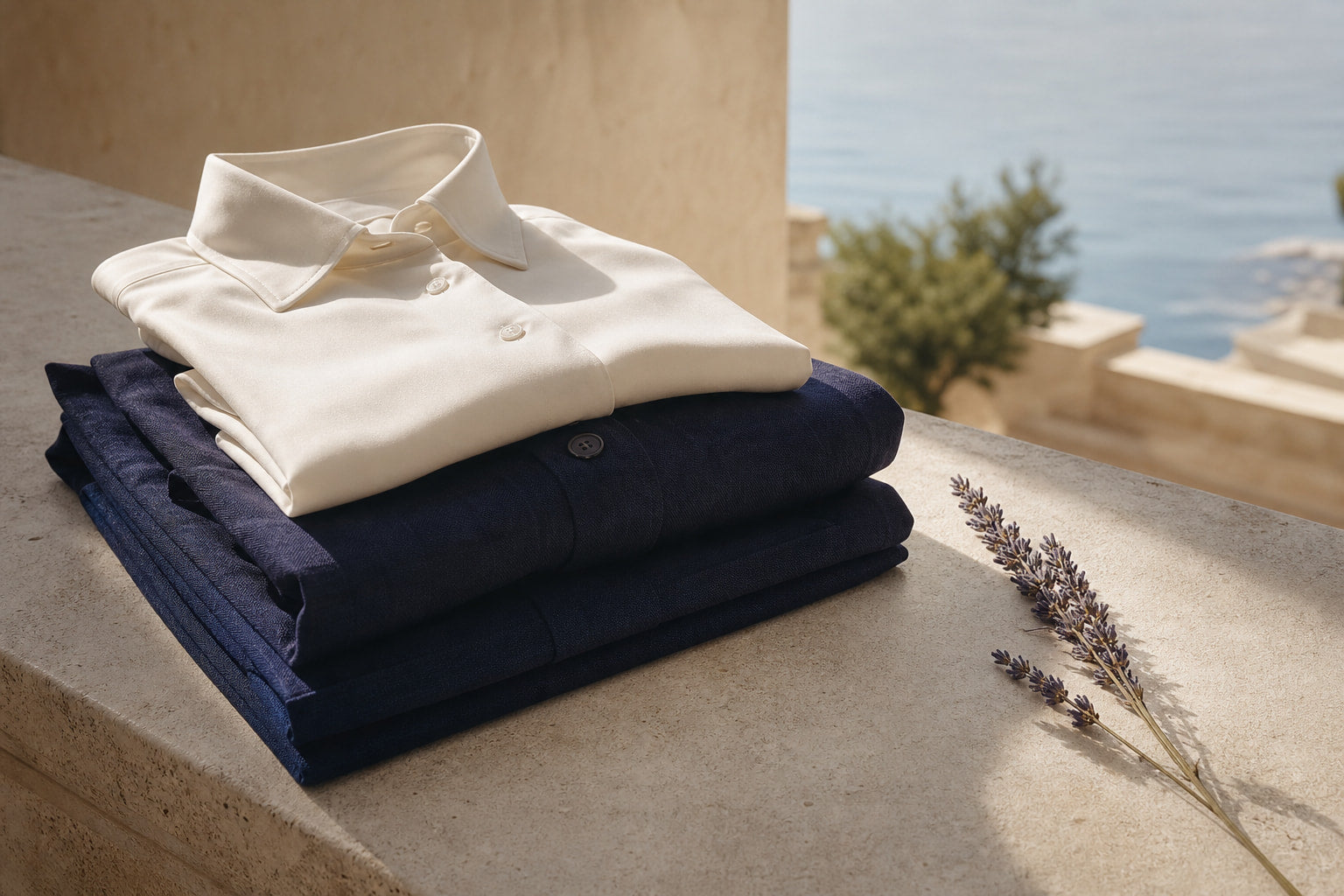
For men, the high quality linen shirt is the clearest demonstration of what fine-count linen does differently. The fabric has visible structure without stiffness. It presses well, drapes cleanly over the shoulder, and softens gradually with each wash rather than deteriorating.
For a slightly more relaxed expression of the same quality, the black yellow striped linen shirt shows how linen holds pattern and colour with a depth that synthetic fabrics cannot achieve. The yarn takes dye differently, producing a saturation that looks richer in person than in any photograph.
Linen also improves with age. The fibre becomes softer and more supple over time, which means a well-maintained linen garment is worth more to you in five years than it is today. No synthetic fabric can make that claim.
Expert insightTo test linen quality quickly: scrunch a small section in your fist and release. High-count linen will recover more than cheap linen, and the crease lines will be finer and less angular.

Silk and Cashmere: Where Natural Fibres Reach Their Ceiling
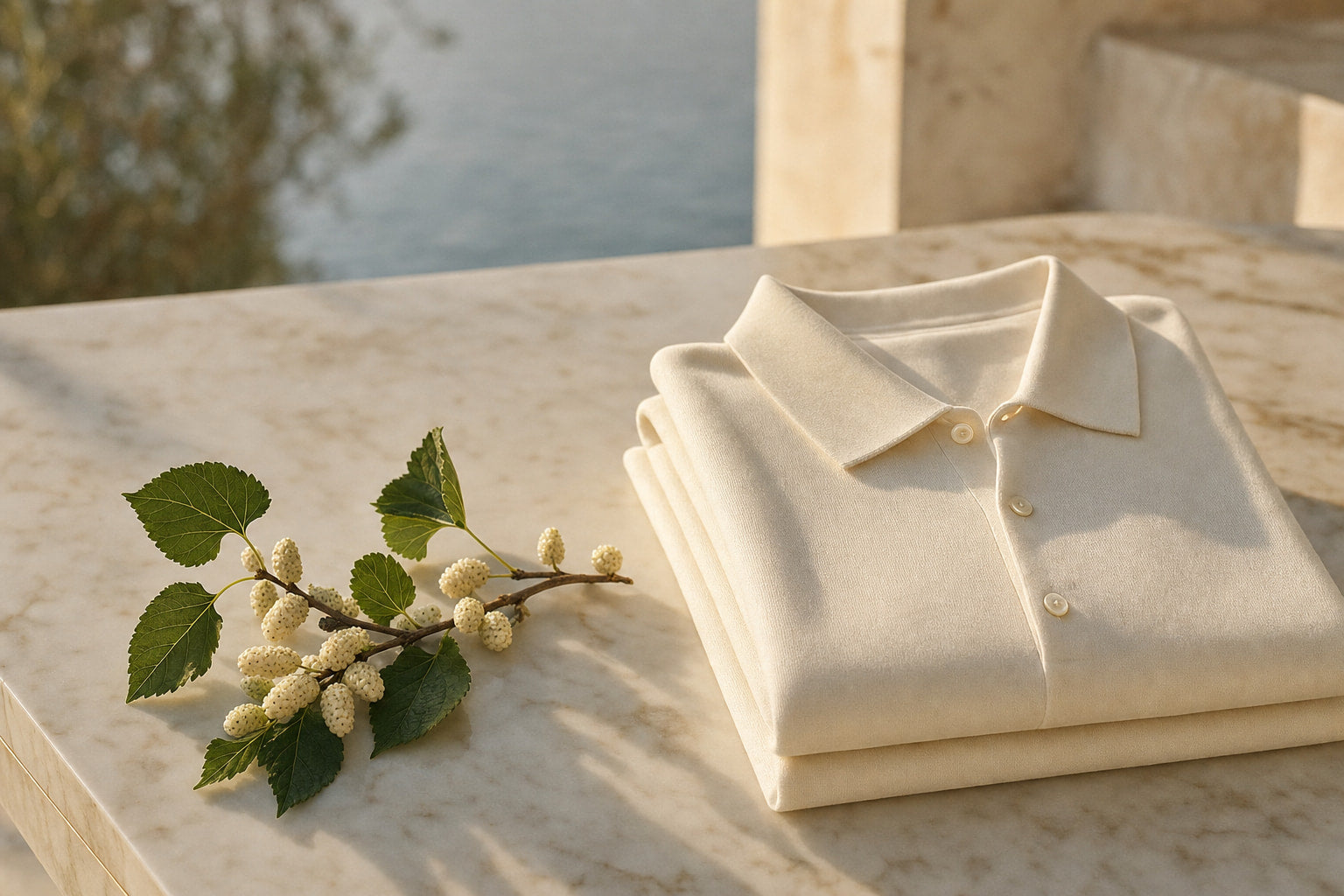
If linen is the workhorse of natural luxury, silk and cashmere are its most refined expressions. Both fibres are expensive because they are genuinely difficult to produce at quality. Mulberry silk, specifically, comes from silkworms fed exclusively on white mulberry leaves. The resulting thread is finer, more lustrous, and more consistent than wild silk varieties.
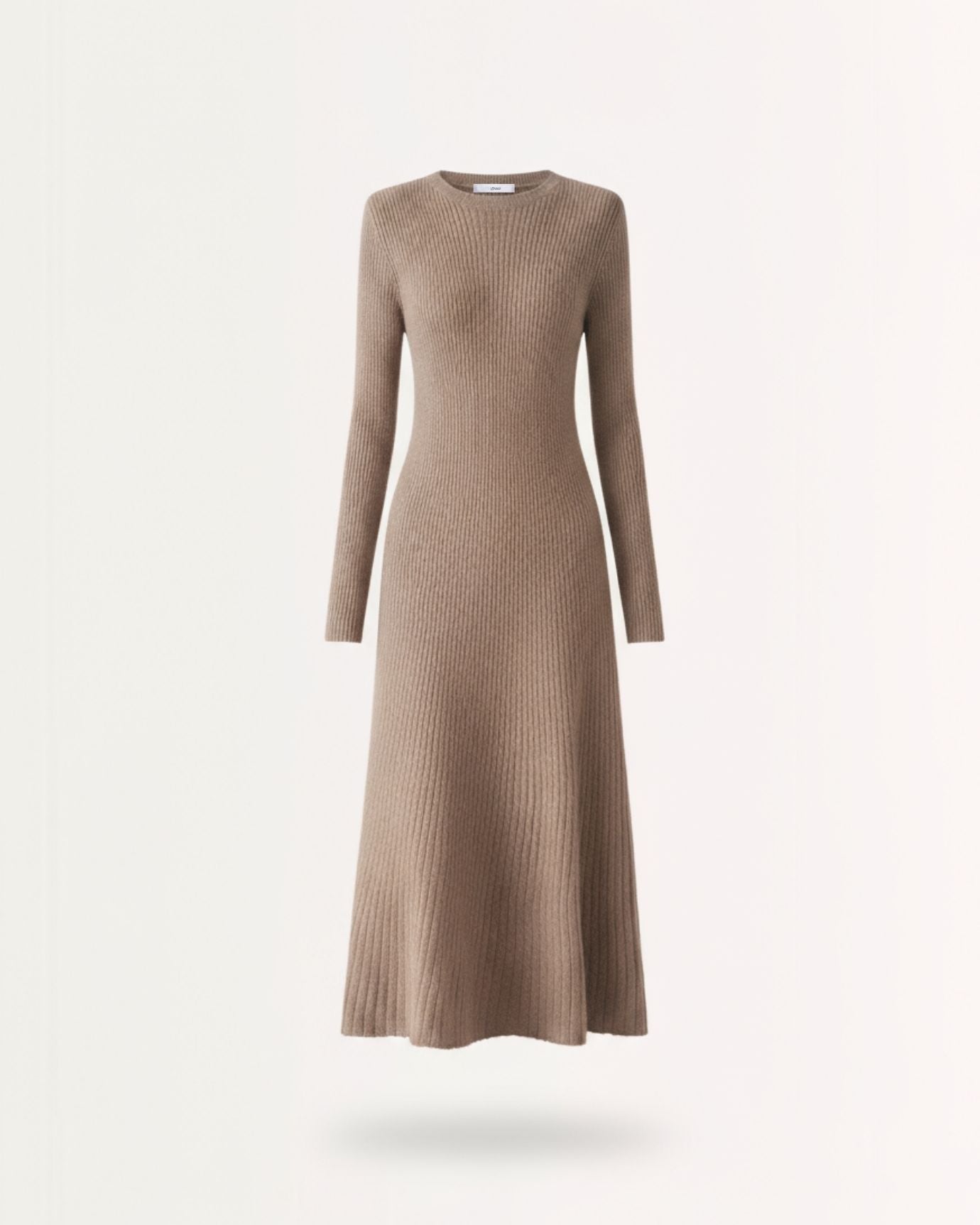
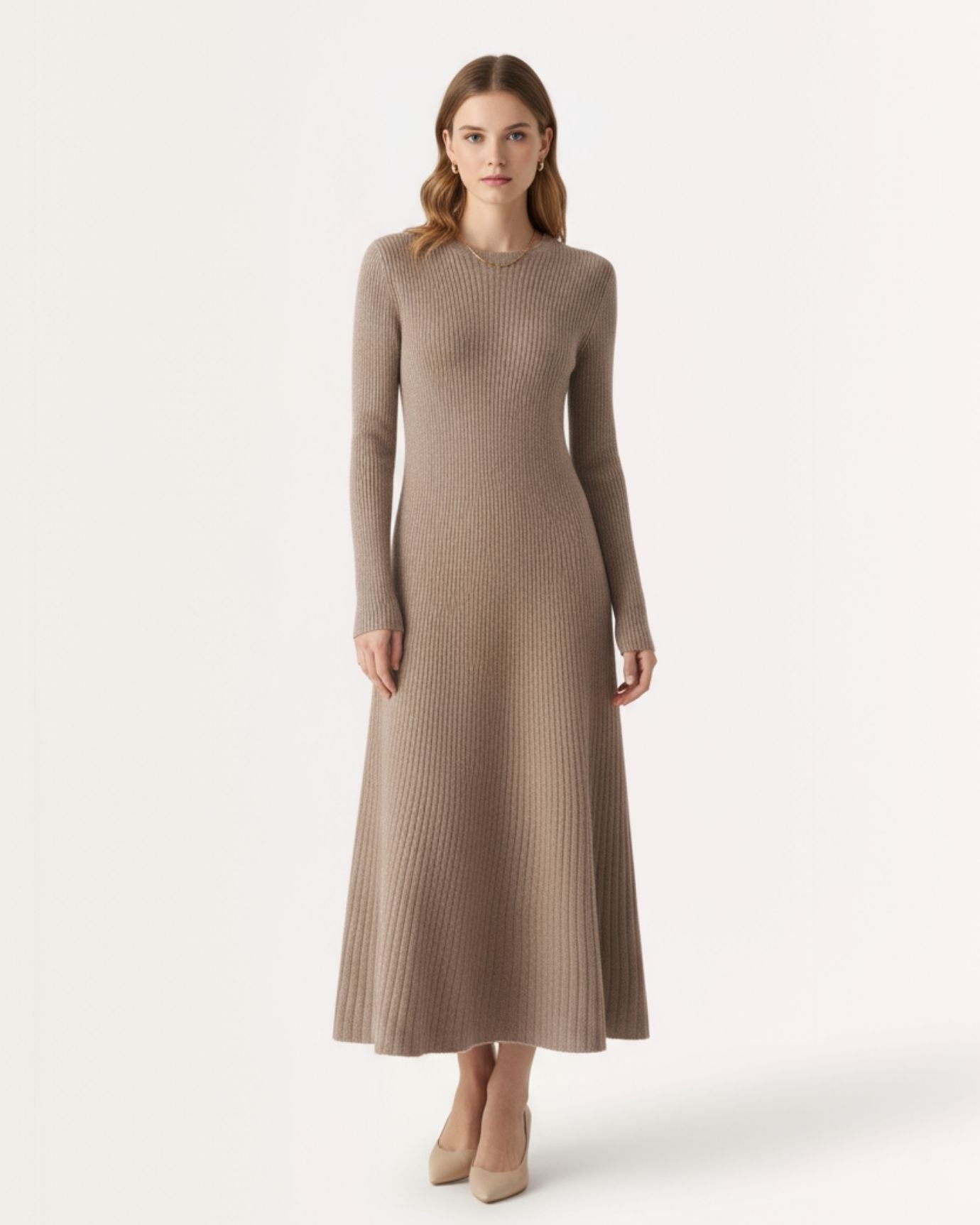
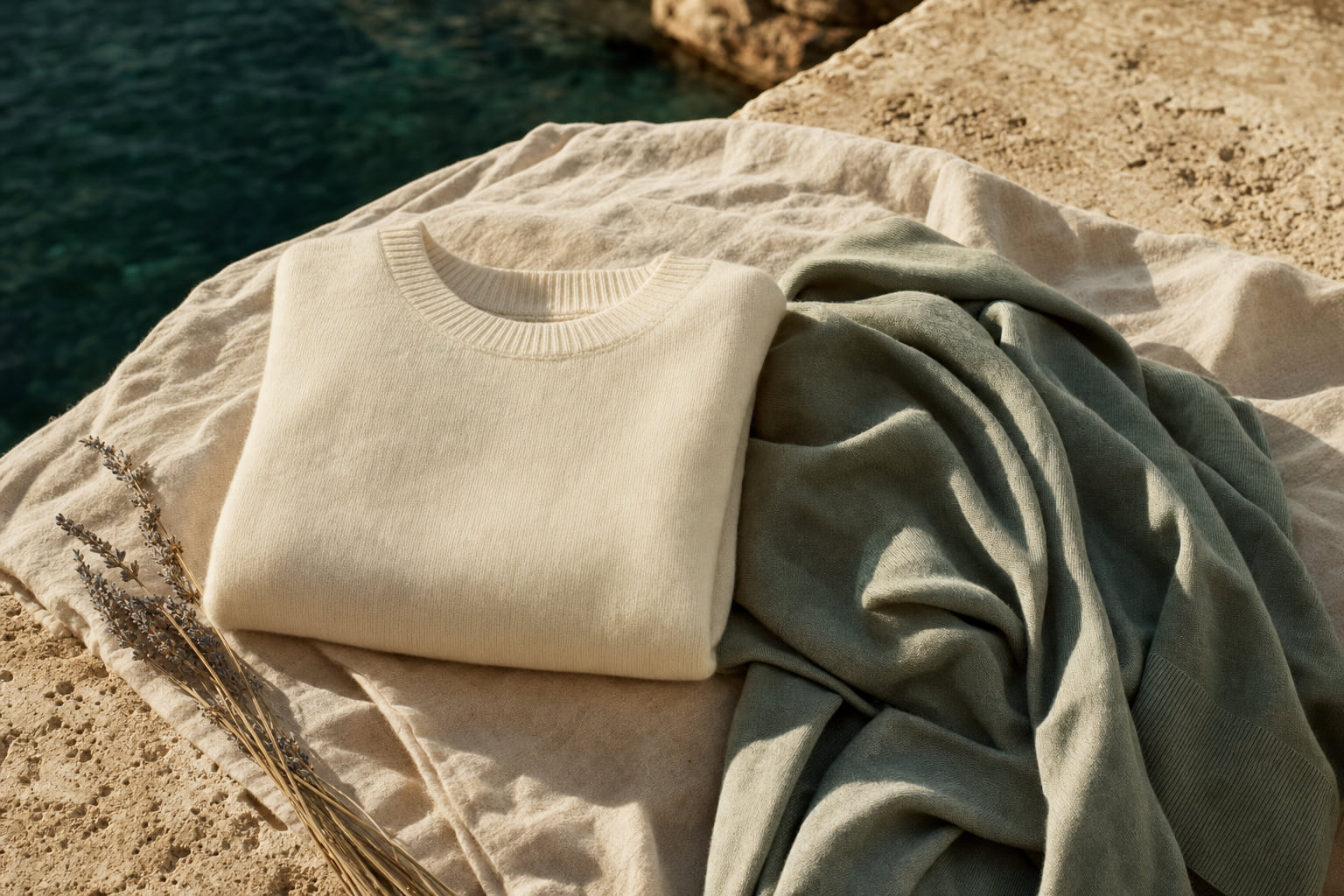
Cashmere comes from the undercoat of the Cashmere goat, combed by hand during the spring moult. A single goat produces roughly 150 to 200 grams of usable fibre per year. A quality cashmere sweater requires the fibre of three to five goats. The economics explain the price. They also explain why cashmere blended with acrylic at a low price point is not cashmere in any meaningful sense: the acrylic dilutes every property that makes the fibre valuable.
The mulberry silk and worsted cashmere set is the most direct illustration of what these fibres do together. Worsted cashmere has a tighter, smoother weave than standard cashmere, which gives it more structure and a longer lifespan. Combined with mulberry silk, the result is a fabric that drapes with weight, resists creasing better than pure cashmere, and has a surface sheen that reads as quiet authority rather than flash.
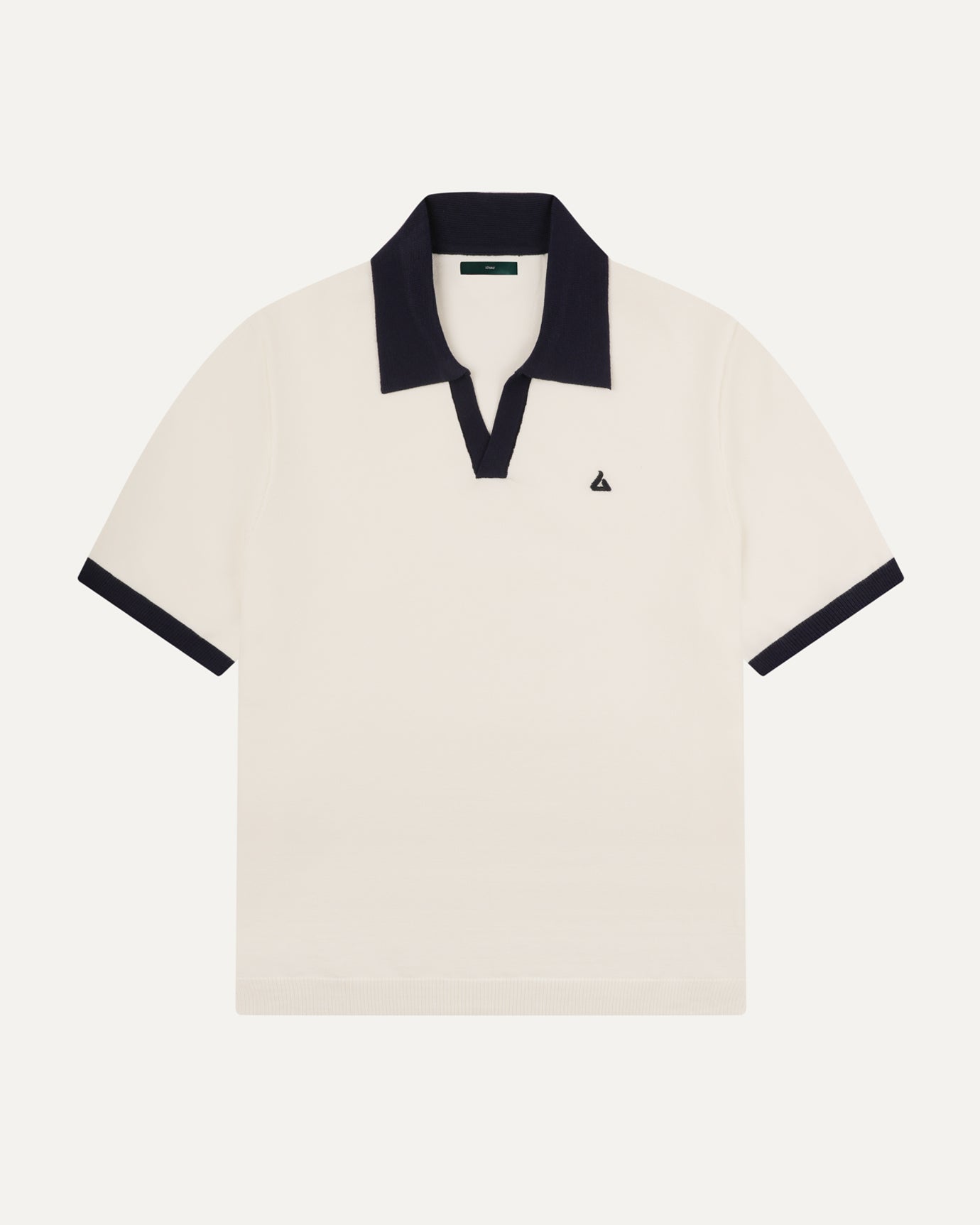
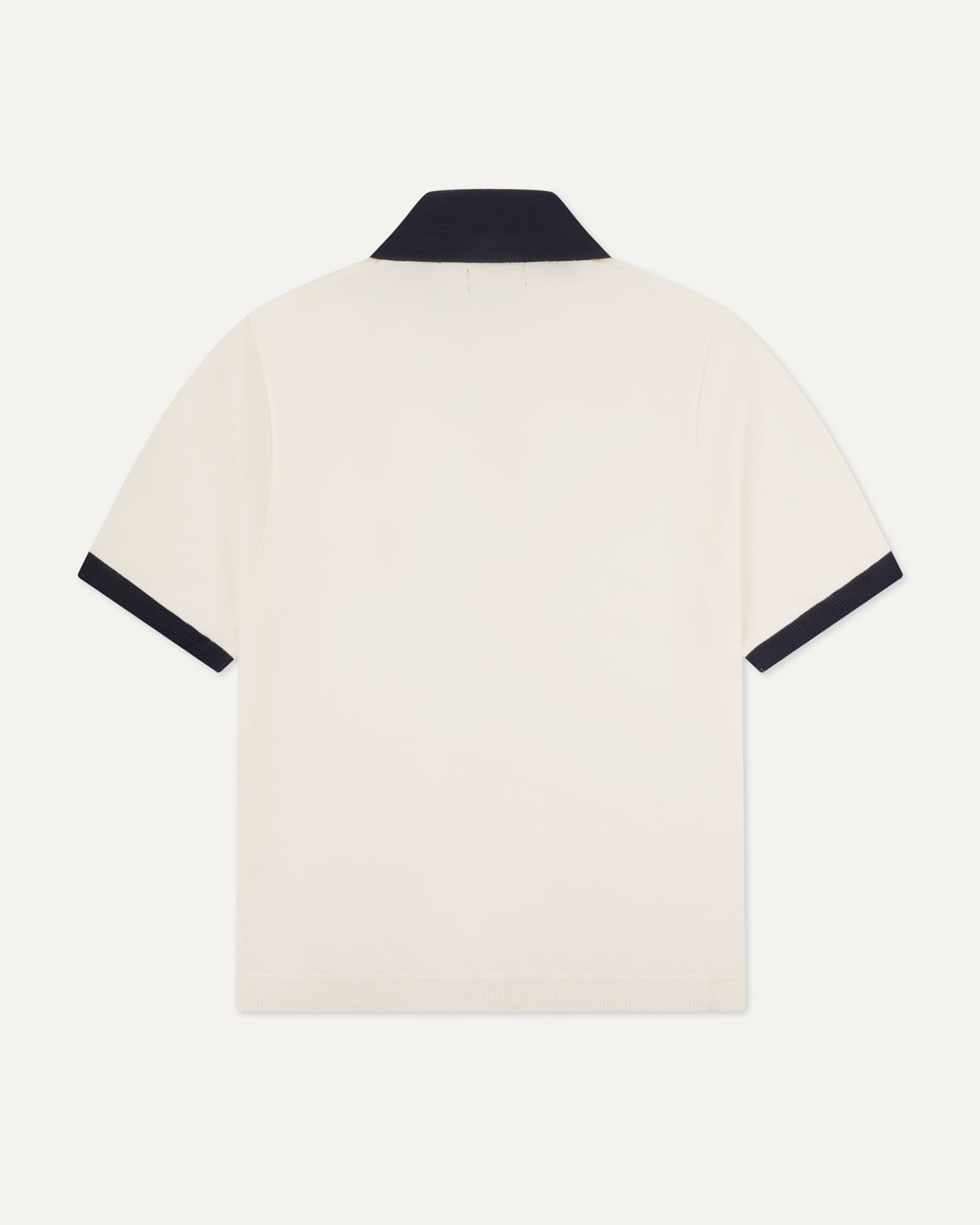
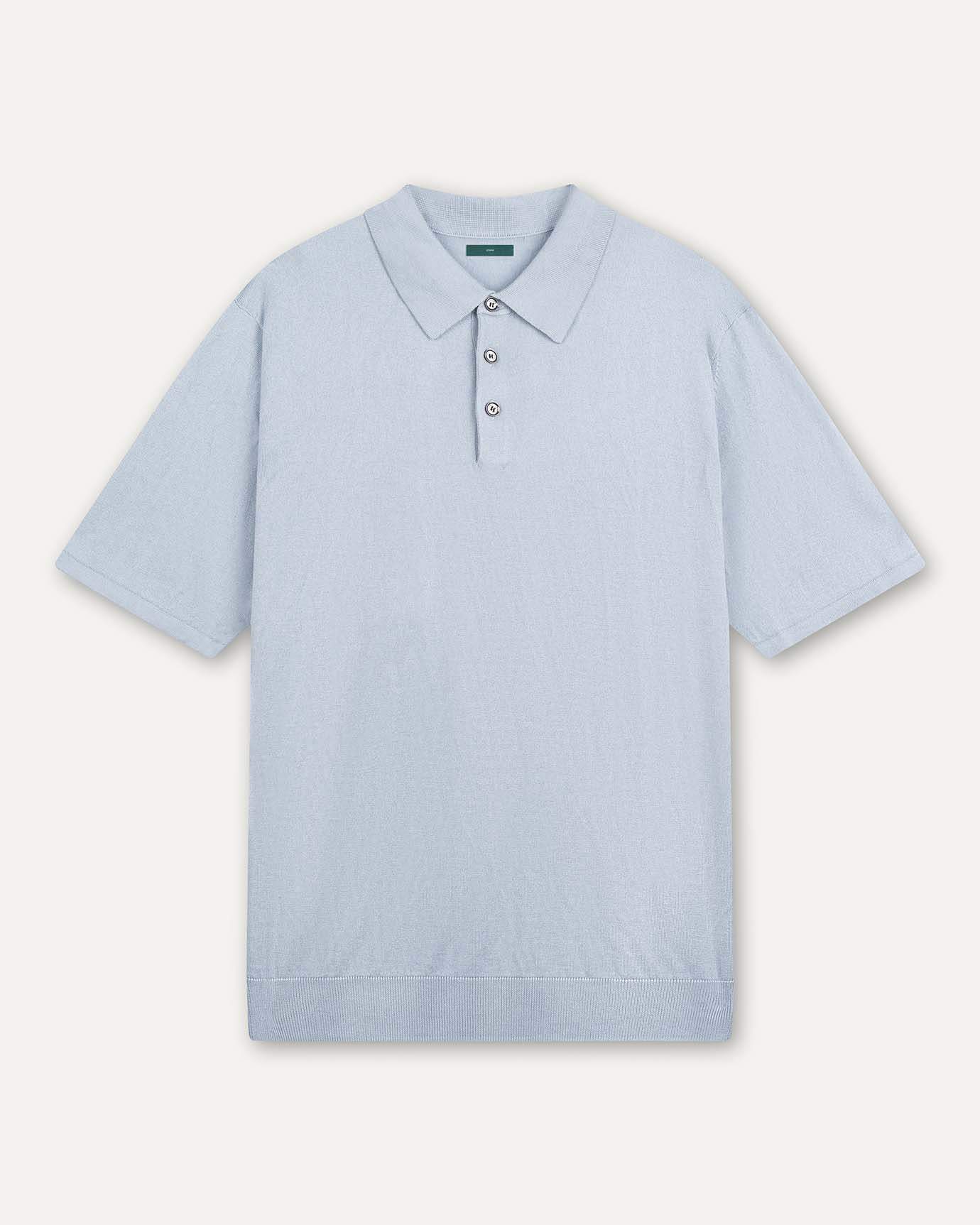
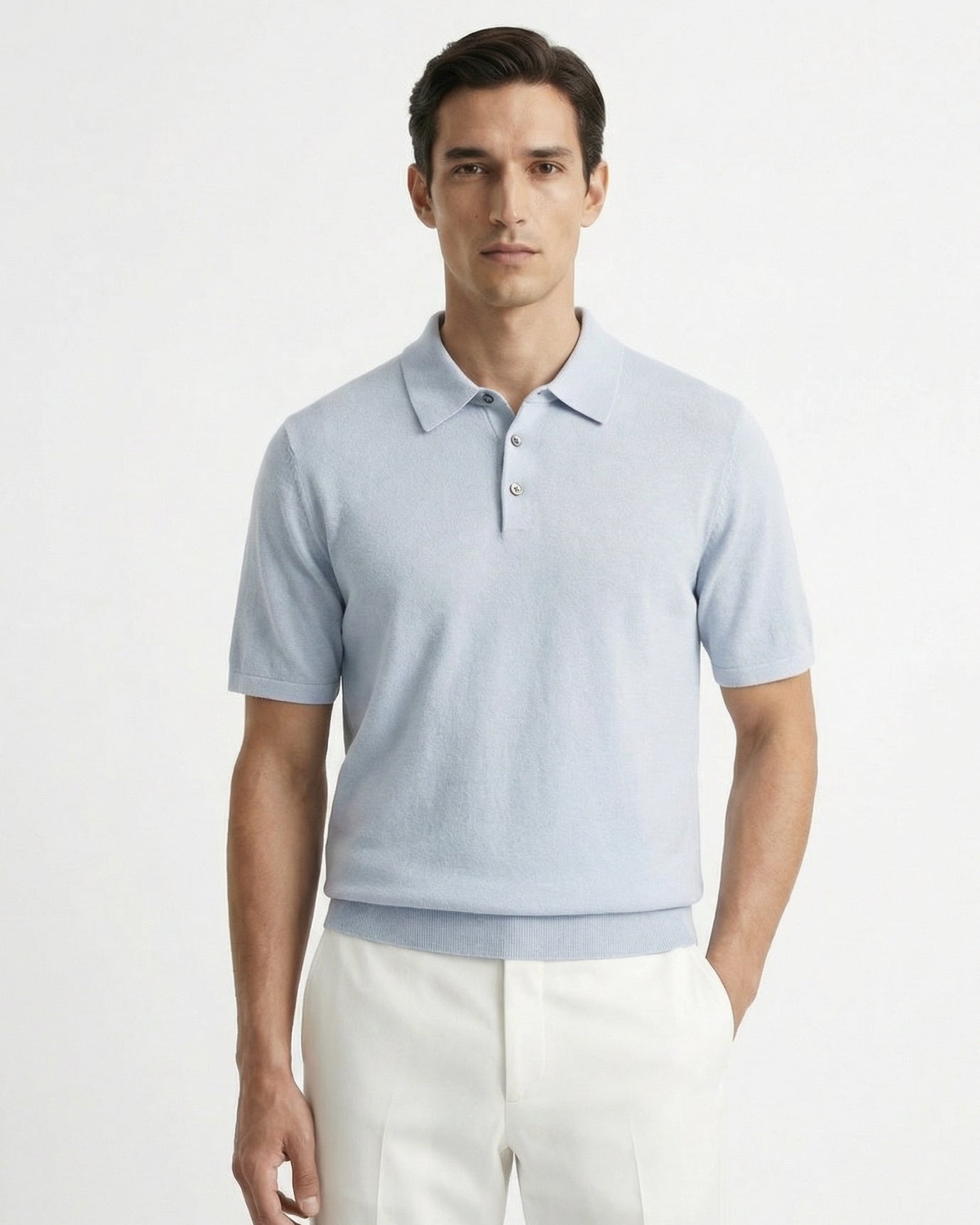
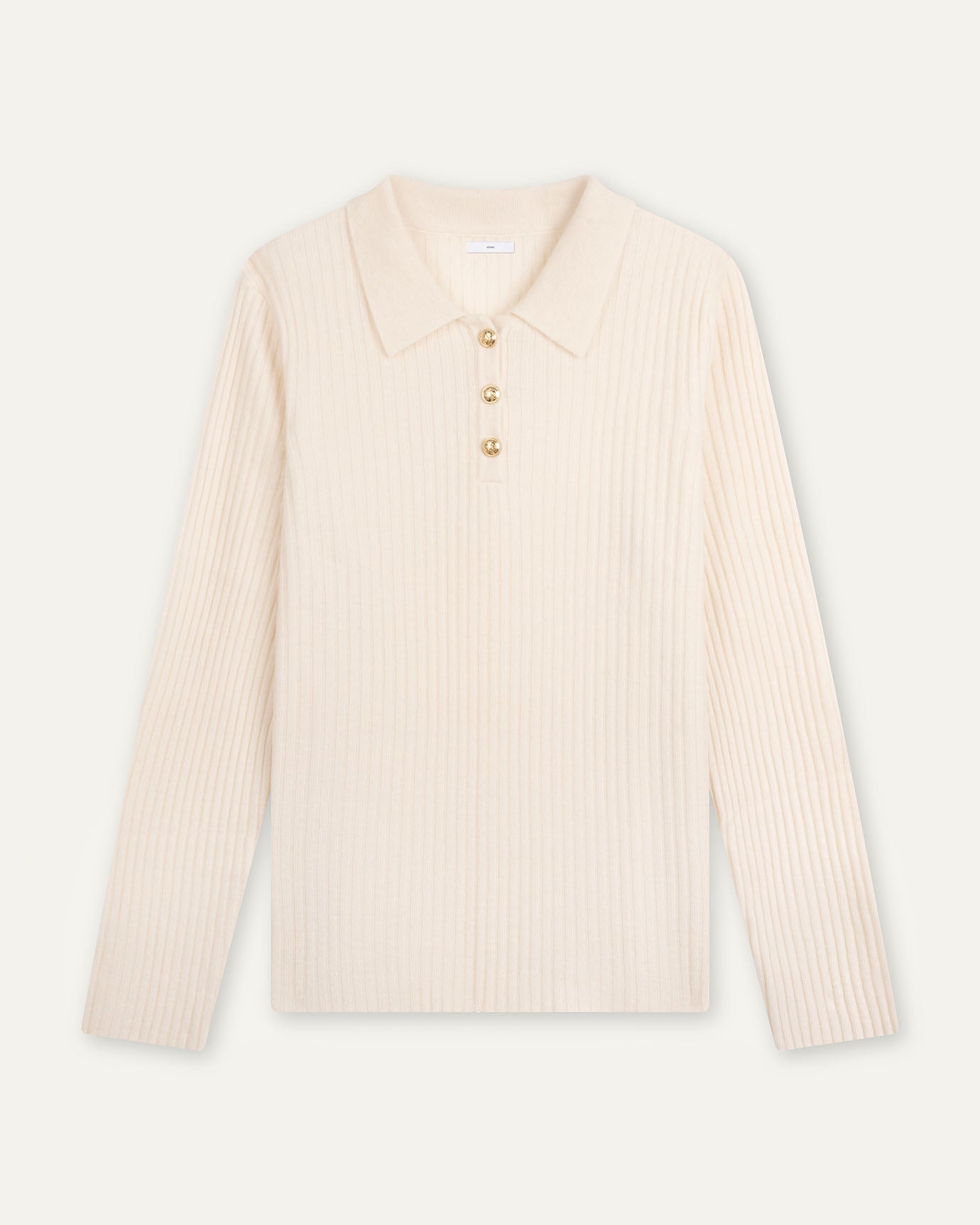
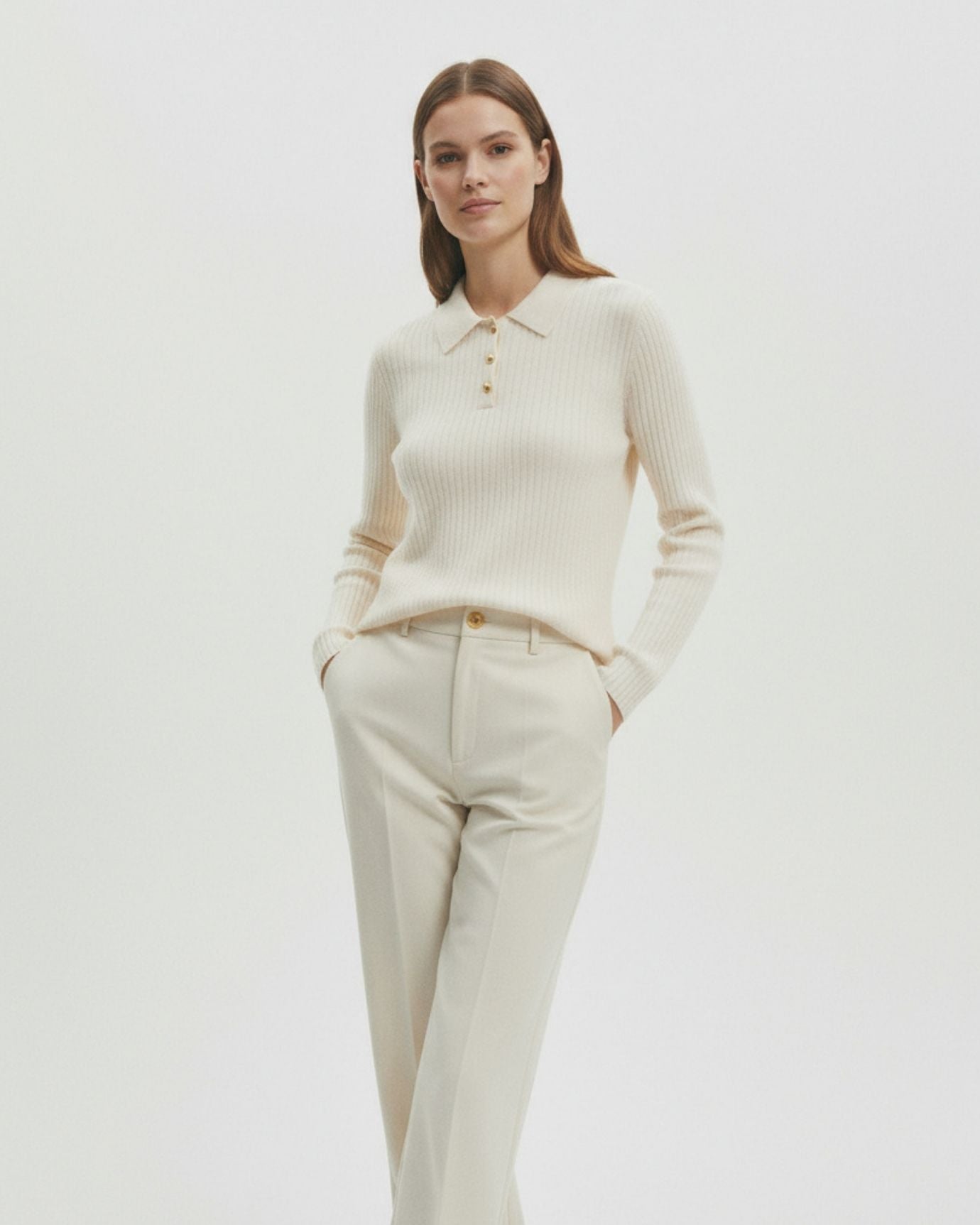
For a single piece that demonstrates the silk-blend principle at a more accessible entry point, the acetate mulberry silk blend polo uses acetate, a semi-synthetic derived from cellulose, as the structural partner to silk. This is one of the cases where a blend makes genuine sense: the acetate adds body and reduces the cost without compromising the way silk breathes or moves.
Expert insightRub silk gently between two fingers. Genuine mulberry silk will warm quickly from the friction and produce a faint rustling sound. Synthetic satin will stay cool and sound hollow.

When Synthetics Belong in a Serious Wardrobe, and When They Do Not
The position here is not that synthetics are always wrong. It is that they are wrong when used as a substitute for quality natural fibres in garments that depend on those properties to function correctly.
There are specific cases where a small synthetic component is rational. Elastane at two to five percent in a trouser gives mobility without compromising the natural-fibre behaviour of the surrounding fabric. A nylon reinforcement at the heel of a sock prevents wear without affecting breathability. These are engineering decisions, not shortcuts.
What is not rational is a shirt described as linen that is sixty percent polyester. Or a dress marketed as silk that is viscose and spandex. The language of luxury gets applied to fabrics that do not carry it, and the buyer pays a luxury price for a synthetic product.
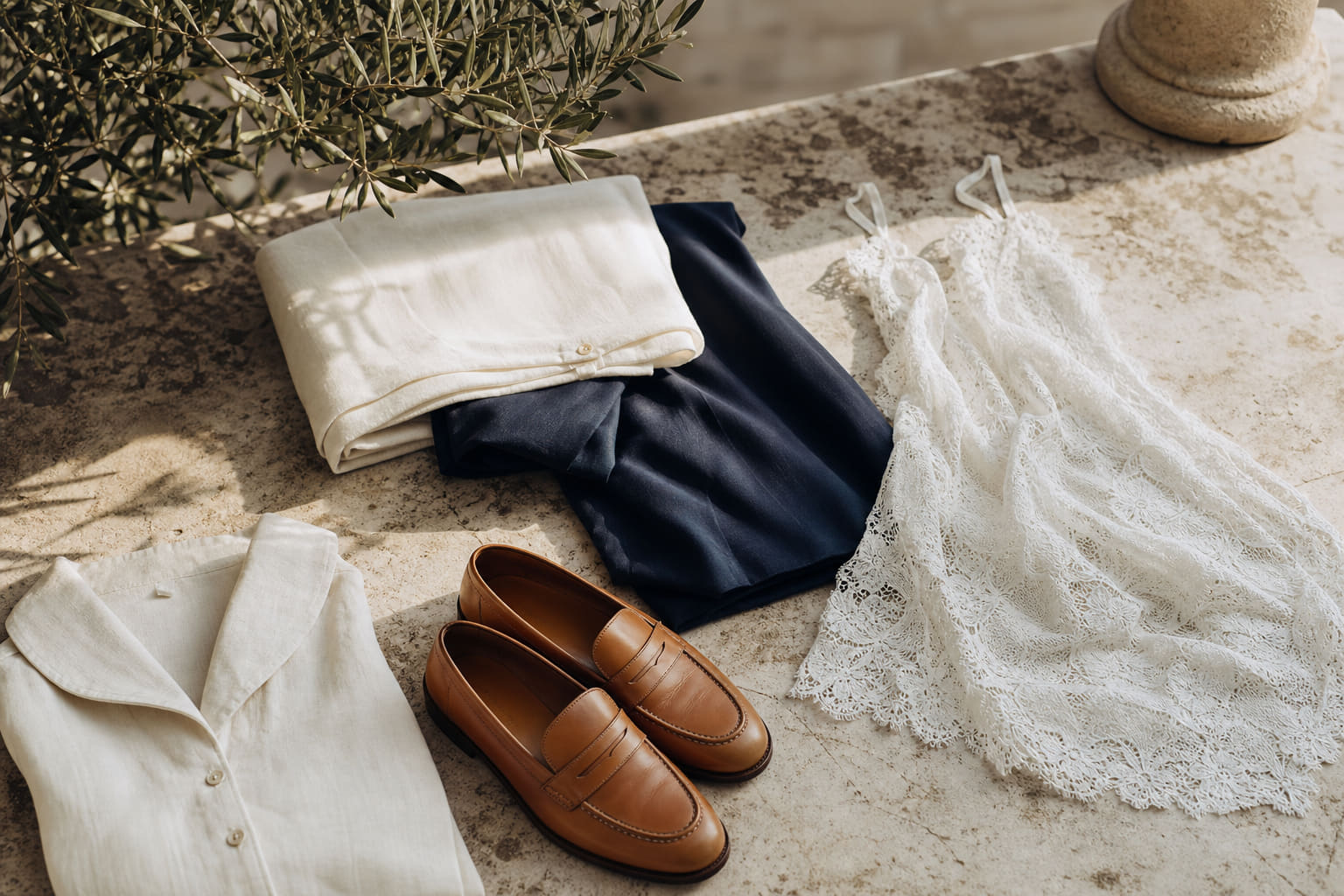
For men building a warm-weather wardrobe around natural fibres, the linen trousers in the Ibiza limited edition and the double pleated linen shorts represent the correct approach: dominant natural fibre, clean construction, no synthetic padding of the composition.
For women, the same logic applies. The Cira white hollow-out lace dress uses lace, a woven textile with a long European craft history, in a way that prioritises structure and texture over synthetic stretch. The Dina short-sleeve lace dress follows the same principle at a different silhouette.
The rule is simple: read the composition label before the price tag.

How to Read a Fabric Label and Identify Quality Before You Buy
Most buyers look at the care label only when something goes wrong. The fabric composition label, usually printed on the same strip, is one of the most useful tools in fashion and almost nobody uses it deliberately.
Here is what to look for, in order:
- Fibre composition by percentage: The dominant fibre determines the garment's behaviour. If linen is listed at 55 percent and polyester at 45 percent, the garment will behave more like polyester than linen.
- Country of fabric origin vs. country of manufacture: A shirt can be made in Portugal from Chinese commodity linen. Both facts matter. European linen, particularly from Belgium and France, is generally held to a higher standard because of stricter agricultural controls on flax cultivation.
- Thread count and weave description: Not all labels include this, but when they do, it is a reliable quality signal. High-count linen or a fine-gauge knit indicates investment in the raw material.
- Hand feel: Before any label, your fingers are the most reliable instrument. Cool, slightly textured, with a faint resistance: that is natural fibre. Warm, slick, uniformly smooth: that is synthetic.
According to Permanent Style's guide to cloth quality, the weight and handle of a cloth tell you more about its quality than its price in most cases. Weight is measured in grams per square metre for most fabrics. For linen, a summer shirt weight sits between 130 and 180 gsm. Below that, the fabric is too sheer. Above 200 gsm, it becomes too stiff for warm-weather wear.
For footwear, the same natural-material logic applies. The Ibiza linen leather loafers combine two natural materials, linen and leather, in a construction that breathes and ages correctly rather than degrading from the inside out the way synthetic-lined shoes do.

The Long View: Cost Per Wear and the Case for Natural Fibres
The most common objection to natural-fibre clothing is price. A high-count linen shirt at $129 costs more than a polyester-blend shirt at $30. Over a single season, the cheaper shirt appears to win.
Over five years, the calculation reverses entirely.
Natural fibres, properly cared for, do not pill. They do not develop the greying, flattened texture that synthetic fabrics acquire after repeated washing. They do not hold body odour the way polyester does, which means they require less frequent washing, which means they degrade more slowly. A quality linen shirt, washed at low temperatures and line-dried, will be in rotation a decade from now. A polyester-blend shirt will be unwearable in two seasons.
Cost per wear is the correct unit of analysis. If the $129 linen shirt is worn 80 times over five years, the cost per wear is $1.61. If the $30 polyester shirt is worn 20 times before it looks tired, the cost per wear is $1.50. The gap is negligible, and the linen shirt is the better garment by every other measure.
This is the quiet logic behind dressing well: buy less, buy better, keep it longer. The high count navy blue fine linen shirt is a practical expression of that principle: a colour that works across seasons, a fabric that improves with age, a silhouette that does not expire.

| Property | Linen | Silk | Cashmere | Polyester | Acrylic |
|---|---|---|---|---|---|
| Breathability | Excellent | Very good | Good | Poor | Poor |
| Moisture management | Absorbs and releases | Absorbs and releases | Absorbs and releases | Wicks surface only | Retains moisture |
| Durability | Very high, improves with age | Moderate, handle carefully | High if pure grade | High but degrades visually | Low, pills quickly |
| Temperature regulation | Cools in heat | Regulates both directions | Insulates in cool weather | Traps heat | Traps heat |
| Ageing behaviour | Softens, improves | Maintains lustre | Softens gradually | Pills, greys, flattens | Pills rapidly |
| Environmental impact | Low, biodegradable | Low, biodegradable | Low, biodegradable | High, microplastic shedding | High, microplastic shedding |
Frequently asked questions
Is linen suitable for formal occasions, or only casual wear?
Linen is appropriate for formal occasions in warm climates and warm seasons. A well-cut linen shirt or trouser in a fine weave reads as dressed rather than casual. The key is fit and colour: a slim-cut navy linen shirt with tailored trousers is entirely appropriate for a summer dinner or a Mediterranean wedding. The wrinkle question is one of context: in Southern Europe, linen wrinkles are expected and respected. In a Northern European boardroom in November, a different fabric is the correct choice.
What is the difference between regular linen and high-count linen?
Thread count in linen works the same way as in cotton: more threads per square inch means finer, denser, smoother cloth. Standard linen is coarser and more textured. High-count linen has a refined surface that presses crisply, drapes more cleanly, and holds its structure better over time. It is also more expensive to produce because it requires longer, finer flax fibres. The high count fine white linen shirt is a direct demonstration of what that difference looks and feels like.
Can synthetic fabrics ever be considered luxurious?
In very specific applications, yes. High-performance technical fabrics used in sailing or mountaineering have their own form of functional excellence. In fashion, some acetate-silk blends and high-grade viscose can perform respectably when used honestly, meaning when they are not marketed as something they are not. The problem is not synthetics in every context. It is the use of synthetic language to describe synthetic products sold at natural-fibre prices. Read the label and make the decision with full information.
How should I care for natural-fibre garments to make them last?
Wash linen at 30 to 40 degrees Celsius, inside out, on a gentle cycle. Line dry or dry flat rather than tumble drying. Iron while slightly damp for a clean press, or leave the natural wrinkle as it is. Silk should be hand-washed in cool water with a gentle detergent, never wrung, and dried flat away from direct sunlight. Cashmere should be hand-washed or dry-cleaned and stored folded, never hung. The most common cause of premature natural-fibre degradation is heat: hot washes, hot tumble drying, and direct sunlight all break down the fibre structure.
The choice between natural and synthetic fabrics is not a matter of tradition for its own sake. It is a practical decision with real consequences for comfort, appearance, and longevity. Natural fibres breathe, age well, and reward the care you give them. Synthetics do not. If you are building a wardrobe that will serve you for years rather than seasons, starting with high quality linen pieces and working outward from there is the most rational approach. Buy the better fabric once. You will not need to replace it.