


How to Stop Silk Shirts from Sticking to You in Humid Climates
Reading time 13 min • 2503 words
Silk has been the fabric of considered dressing for centuries, and for good reason. It is naturally temperature-regulating, lightweight, and carries a quiet authority that no synthetic can replicate. The problem is physics: when ambient humidity climbs above roughly 70 percent, silk charmeuse and silk satin begin to absorb surface moisture and cling to the skin in a way that is both uncomfortable and visually distracting.
The solution is not to abandon silk. It is to understand why the clinging happens and to make a handful of deliberate choices around fabric construction, fit, and layering that keep the shirt where it belongs: draped cleanly away from the body.
This guide covers the mechanics of moisture and silk, the specific shirt cuts and fabric treatments that resist humidity, and the practical daily habits that protect both your composure and the garment itself.
Key takeaways
- Choose silk with a looser, more open weave or a double-mercerized finish, both resist surface moisture better than standard charmeuse.
- Fit is the primary defence against clinging: a shirt with a quarter to half inch of ease at the torso will not vacuum-seal to your skin.
- A thin cotton or moisture-wicking undershirt, cut shorter than the hem, eliminates direct skin contact without adding bulk.
- Storing and caring for silk correctly, cool water hand wash, no tumble drying, preserves the fibre structure that makes it breathable.
- In sustained high humidity, high-count linen or lyocell-linen blends perform closer to silk than any synthetic alternative.
In this guide
- Why Silk Clings: The Moisture Science Behind the Problem
- The Case for Ice Silk and Mercerized Alternatives
- Fit: The Underrated Factor That Controls Clinging
- The Undershirt Strategy: How to Wear One Without Looking Like You Are
- When to Choose Linen or Lyocell-Linen Instead of Silk
- Washing and Storage: Preserving the Fibre Structure That Makes Silk Breathable
- Frequently asked questions
Why Silk Clings: The Moisture Science Behind the Problem
Silk is a protein fibre. Like wool, it is naturally hygroscopic, meaning it absorbs atmospheric moisture into the fibre itself rather than letting it bead on the surface. Under normal conditions this is a benefit: silk can absorb up to 11 percent of its weight in moisture before it feels damp. In high humidity, that capacity fills quickly.
When the outer surface of a silk shirt becomes saturated, surface tension pulls the fabric toward the nearest warm, slightly damp surface, which is your skin. The weave tightness makes this worse. Silk charmeuse and silk satin, the two most common shirt weights, have a very tight, smooth weave with almost no air gap between fabric layers. There is nowhere for trapped heat or moisture to go.
Silk crepe and silk georgette behave differently. Their textured, slightly puckered surface creates micro-gaps that allow air circulation, which slows the saturation process. If you are choosing a silk shirt specifically for warm climates, crepe or georgette constructions are the rational starting point.
One additional factor is static. Dry air with air conditioning after humid outdoor air creates rapid static buildup in silk, which compounds the clinging. The fix for static is different from the fix for moisture, and both are addressed below.
For a precise definition of how protein fibres interact with moisture, the properties of silk fibre are documented in detail, including its moisture regain characteristics under varying humidity conditions.
Expert insightFabric weight matters more than people expect. A silk shirt under 16 momme will cling visibly in humidity because there is simply not enough body to the cloth to hold its shape away from the skin. Aim for 18 to 22 momme for warm-weather shirts.

The Case for Ice Silk and Mercerized Alternatives
Not every shirt labelled silk is woven from pure mulberry filament. Ice silk is a mercerized cellulose fibre, usually viscose or a viscose-polyester blend, that has been treated to produce a silk-like surface sheen and a notably cooler hand feel. In humid conditions, a well-made ice silk shirt often outperforms natural silk precisely because the fibre structure is more resistant to moisture saturation.
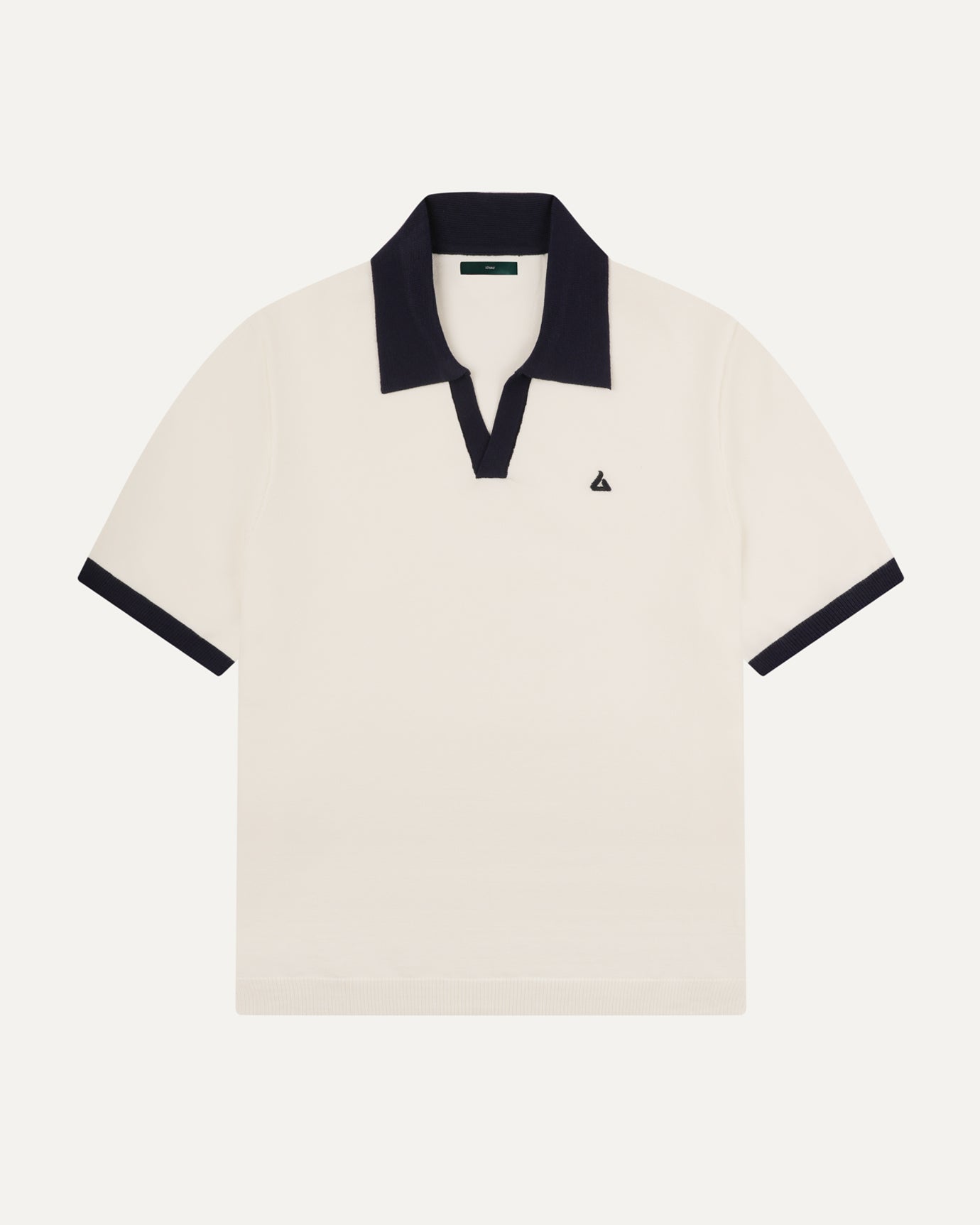
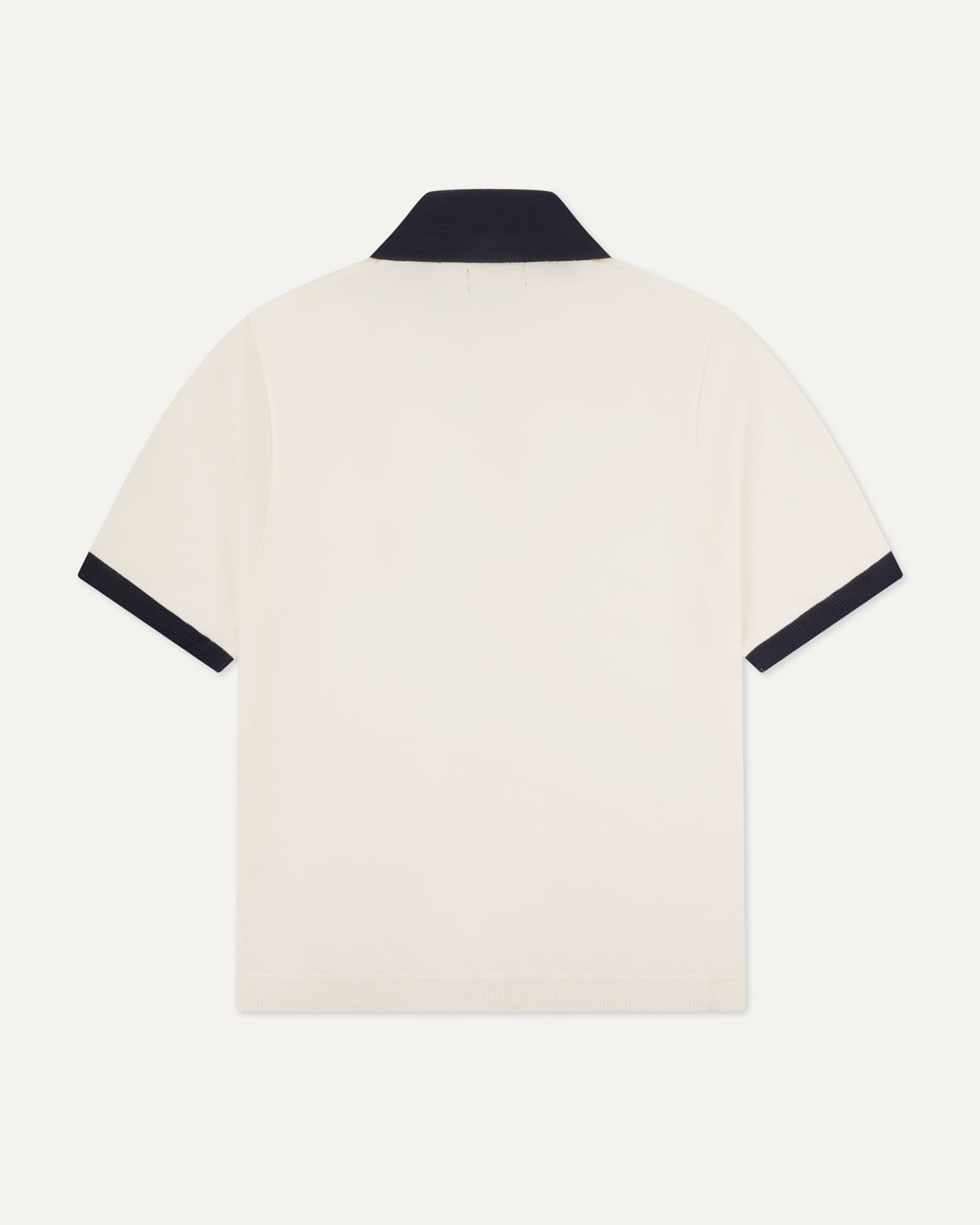
The Double Mercerized Ice Silk Shirt uses a double-mercerized process that tightens the fibre surface at a molecular level, reducing the rate at which the fabric absorbs ambient moisture. The result is a shirt that stays cooler against the skin and resists that characteristic humid-day cling far longer than standard charmeuse.
Double mercerization also improves colour stability, which matters in direct sun. A shirt that fades or goes patchy after one humid summer season is not a value proposition regardless of its original price.
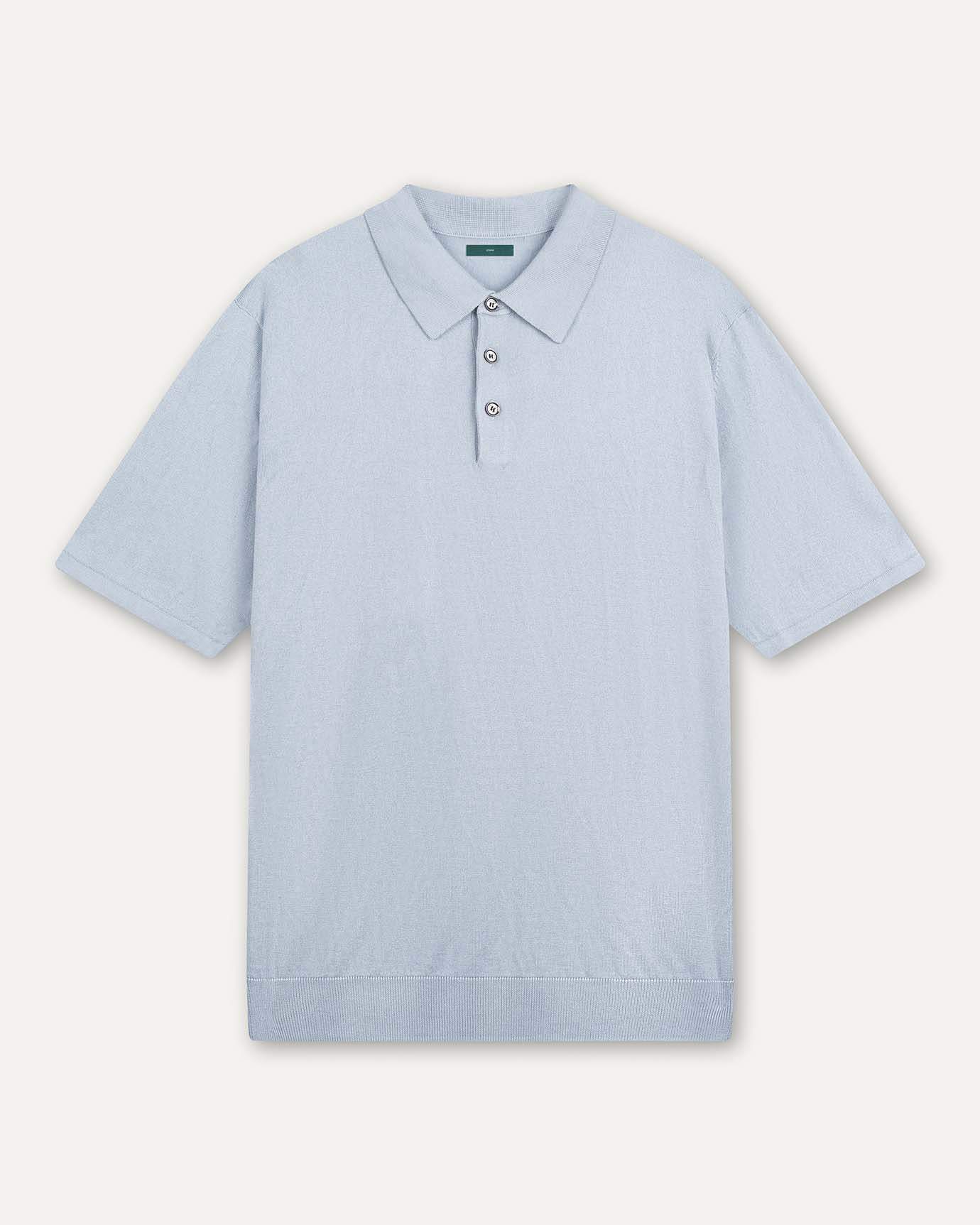
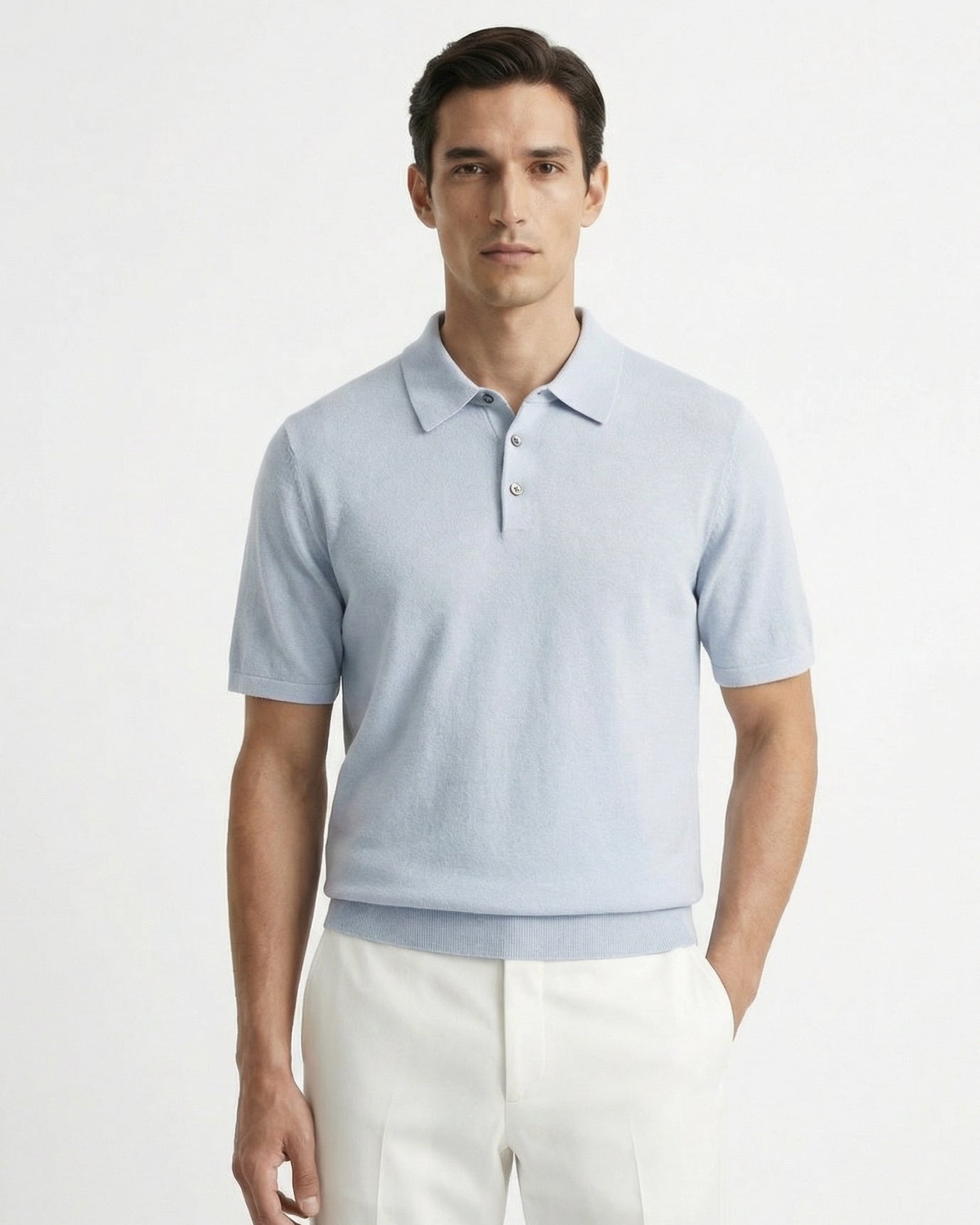
For those who prefer a longer sleeve in warm climates, the High-End Double Mercerized Cotton Silk Long-Sleeve Polo Shirt applies the same mercerized treatment in a relaxed polo collar format that works well when moving between air-conditioned interiors and outdoor heat.
Expert insightDouble mercerization is a finishing process, not just a marketing term. Ask the brand or retailer for the specific treatment method. A genuine double-mercerized fabric will have a smoother, more uniform surface and will not pill after hand washing.

Fit: The Underrated Factor That Controls Clinging
The most technically advanced silk shirt will still cling if it is cut too close to the body. Fit is the primary mechanical barrier between fabric and skin. A shirt with a quarter to half inch of ease through the chest and torso creates a still-air layer that acts as insulation against both heat and moisture transfer.
This does not mean wearing a shirt that reads as oversized. The old money approach to fit in warm climates is a clean, composed silhouette with deliberate ease, not a relaxed or casual drape. The shoulder seam sits precisely at the shoulder point. The chest has room to move without pulling. The hem falls straight rather than tucking inward at the waist.
Avoid darted shirts in silk for humid climates. Darts pull the fabric inward at the torso, reducing that critical air gap and directing the shirt toward the skin at exactly the points where the body sweats most.
A camp collar or open-collar cut also helps. It reduces the enclosed heat at the neck, which lowers the body's overall temperature and therefore reduces perspiration at the chest and back.
For women, a relaxed silk collar shirt with a slightly open neckline follows the same principle: ease through the body, no dart-induced compression, a collar that sits away from the throat.
For men browsing the broader range of dress shirts suited to warm climates, look specifically at the cut notes. A good product page will specify whether the cut is slim, regular, or relaxed.
Expert insightTry the sit-down test before committing to a silk shirt in humid weather. Sit, lean forward slightly, and check whether the fabric pulls across the back. If it does in a cool fitting room, it will cling visibly outdoors in 80 percent humidity.

The Undershirt Strategy: How to Wear One Without Looking Like You Are
The most reliable way to stop any shirt from sticking to your skin is to introduce a barrier layer. For silk, this means a thin, well-fitted undershirt cut from natural cotton or a moisture-wicking cotton-modal blend.
The rules for this to work invisibly are specific. The undershirt must be cut shorter than the outer shirt hem so it never prints through. The neckline must sit at least two inches below the outer collar so it is invisible when the top button is open. The sleeves must end well above the outer sleeve hem. And the colour must match your skin tone closely, not be white, because white undershirts are visible through any lightweight fabric in direct light.
A crew-neck undershirt works under a camp collar shirt. A deep V-neck works under a standard collar worn open. A sleeveless vest works under short-sleeve silk.
The undershirt absorbs perspiration before it reaches the silk, which extends the life of the garment significantly. Perspiration is mildly acidic and, over time, degrades silk protein fibres at the underarm. An undershirt is therefore both a comfort solution and a care investment.
For days when an undershirt feels like too much, a light mist of anti-static fabric spray on the interior of the shirt before dressing will address the static component of clinging. It will not solve moisture-driven adhesion, but it removes roughly half the problem on lower-humidity days.
When to Choose Linen or Lyocell-Linen Instead of Silk
There are days, and climates, where the honest answer is that silk is not the right fabric. A coastal town in August with 85 percent humidity and no air conditioning is one of them. Knowing when to substitute is part of dressing with intelligence.
High-count linen is the most direct substitute for silk in extreme humidity. It absorbs moisture and releases it quickly, it does not cling because the weave structure is open enough to allow airflow, and a fine-count linen shirt carries the same quiet authority as silk when it is properly cut. The High Count Fine Light Blue Linen Shirt is a practical example: 129 dollars, a fine weave count that reads as dressy rather than workwear, and a colour that stays composed in direct Mediterranean sun.
For a slightly more textured hand that bridges the gap between linen and silk, a lyocell-linen blend is worth considering. Lyocell (often sold under the Tencel trade name) is a closed-loop cellulose fibre with a slightly silky surface that pairs well with linen's structure. The Retro Vintage Lyocell Linen Shirt combines both fibres in a cut that reads as relaxed old-money, appropriate for lunches, boat days, and evening terraces.
The full range of linen shirts for warm climates covers several weights and colours if you want to compare options side by side. For women, the woman shirts collection includes several lightweight options suited to the same humid-climate logic.
The comparison table below sets out how silk, ice silk, linen, and lyocell-linen perform across the specific variables that matter in humid conditions.

Washing and Storage: Preserving the Fibre Structure That Makes Silk Breathable
Silk that has been washed incorrectly loses the fibre protein structure that gives it its breathability and drape. Once that structure is compromised, the fabric becomes limp, clingy, and difficult to recover.
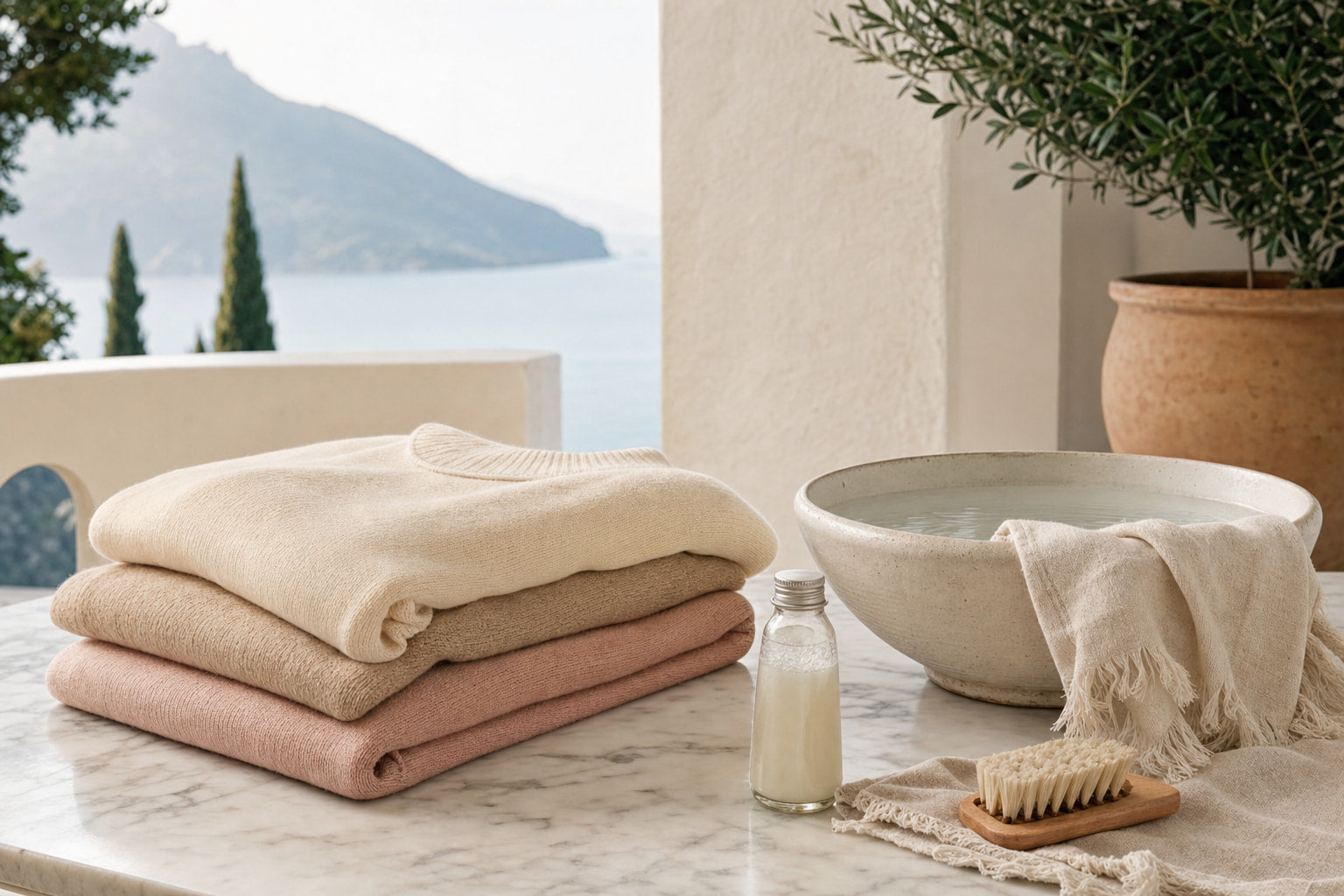
Wash silk in cool water, never above 30 degrees Celsius. Use a pH-neutral detergent formulated for protein fibres. Do not wring or twist. Roll the shirt in a clean dry towel to remove excess water, then lay it flat or hang it on a wide wooden hanger to dry away from direct sunlight. Never use a tumble dryer. The heat degrades silk at a molecular level and permanently reduces its ability to regulate moisture.
Iron silk while it is still slightly damp, on the reverse side, using a low-heat setting with no steam. Steam introduces moisture unevenly and can cause water marks on charmeuse.
Storage in humid climates requires attention. Silk stored in a damp wardrobe will develop mildew within weeks. Use cedar blocks or breathable cotton garment bags, never plastic. Leave space between garments so air can circulate. If your wardrobe is in a particularly humid room, a small silica gel desiccant pack placed inside the bag will absorb excess moisture without contact with the fabric.
For a broader view of how luxury fabrics should be maintained, the care principles outlined by Vogue cover silk alongside other delicate textiles and align closely with what professional garment conservators recommend.
Finally, consider the Fine Paris Linen Shirt as a rotation piece alongside silk. Alternating fabrics across the week reduces the frequency with which any single silk shirt is exposed to humidity and perspiration, which extends its lifespan significantly.

| Fabric | Moisture Absorption | Cling Risk in Humidity | Breathability | Care Complexity | Best Use |
|---|---|---|---|---|---|
| Silk charmeuse / satin | High (up to 11% weight) | High if close-cut | Moderate | High (hand wash only) | Cooler evenings, air-conditioned settings |
| Silk crepe / georgette | Moderate | Low to moderate | Good (textured weave) | High (hand wash only) | Daytime outdoor events, travel |
| Double mercerized ice silk | Low to moderate | Low | Good | Moderate (gentle machine wash) | All-day humid wear, business casual |
| High-count linen (100+ thread) | High but releases quickly | Very low | Excellent | Low (machine wash cool) | Coastal, outdoor, casual to smart casual |
| Lyocell-linen blend | Moderate | Low | Very good | Low to moderate | Versatile, day to evening in warm climates |
Frequently asked questions
Does anti-static spray actually stop silk from sticking in humidity?
Partially. Anti-static spray addresses the electrostatic component of clinging, which is most relevant in dry, air-conditioned environments. In genuinely high outdoor humidity, the primary cause of sticking is moisture saturation rather than static charge, and spray will not solve that. Use it as a supplementary measure on moderate-humidity days, not as a standalone solution.
Is ice silk a good substitute for real silk in hot weather?
For practical purposes in humid climates, yes. A well-made double-mercerized ice silk shirt will cling less, wash more easily, and hold its shape longer through a humid day than most natural silk charmeuse shirts. It does not carry the same hand feel or the same prestige as pure mulberry silk, but in terms of performance and daily wearability in heat, it is the more considered choice.
Can I wear a silk shirt in tropical humidity at all, or should I switch fabrics entirely?
You can wear silk in tropical conditions if you choose the right construction: silk crepe or georgette rather than charmeuse, a relaxed fit with deliberate ease through the torso, and a cotton undershirt barrier. That said, for sustained outdoor exposure above 80 percent humidity, a fine high-count linen shirt will keep you more composed with less maintenance effort. The honest answer is that silk rewards moderate climates and controlled environments more than it rewards sustained tropical heat.
How often should I wash a silk shirt worn in humid conditions?
After every wear, without exception. Perspiration, even light perspiration absorbed through an undershirt layer, deposits salt and acid into silk fibres. Leaving it unwashed accelerates degradation and yellowing at the collar and underarm. A gentle cool-water hand wash after each wearing is far less damaging to the fabric than the accumulated effect of perspiration left in the fibre over multiple wears.
Silk shirts remain one of the most considered choices in a warm-weather wardrobe, but they require a specific set of decisions to perform well in humidity. Choose the right weave construction, prioritise a fit with genuine ease, use a barrier layer when conditions demand it, and care for the fabric with the same attention you brought to selecting it. For the days when humidity makes even the most carefully chosen silk shirt a liability, a well-cut linen shirt from the old money linen collection is never a compromise. It is simply the right tool for the conditions.