


How to Dress Well When You Have Nothing to Wear
Reading time 14 min • 2805 words
You open the wardrobe, push through the rails, and feel nothing. Not because the wardrobe is empty, it is not, but because nothing inside it seems to belong with anything else. A sequined top beside a hiking fleece. A beautiful dress you have worn once, next to three pairs of jeans in nearly identical washes. This is not a shopping problem. It is a logic problem.
The wardrobe that produces this feeling is usually the result of years of reactive buying: a sale piece here, a holiday impulse there, a gift that was never quite right. The result is volume without coherence. What you need is not more clothes. You need a smaller, more deliberate selection of pieces that share a common palette, a consistent level of formality, and enough versatility to work across your actual life.
This guide will walk you through the diagnosis and the fix, with specific advice on what to look for, what to let go, and how a handful of well-chosen essentials will do more work in a week than a crowded rail ever could.
Key takeaways
- The problem is almost never too few clothes. It is too many clothes that share no common logic or colour palette.
- A small set of pieces in neutral or complementary tones will produce more workable outfits than a wardrobe of fifty unrelated items.
- Fit matters more than brand or price. A well-cut dress in a modest fabric reads as refined; an expensive piece in the wrong size does not.
- Identify two or three anchor pieces you actually reach for, then build backward from those to find what is missing.
- A single dress in a quality fabric, worn with different shoes, belts, or layers, can cover five distinct occasions without repeating itself visually.
In this guide
- Start With a Wardrobe Audit, Not a Shopping Trip
- The Compatibility Problem: Why Your Clothes Do Not Work Together
- The Anchor Piece Principle: Build Around What Already Works
- How One Good Dress Does the Work of Five Outfits
- What Is Actually Missing: The Capsule Gaps Most Wardrobes Have
- Buying Fewer Pieces, Buying Better: The Practical Standard
- Frequently asked questions
Start With a Wardrobe Audit, Not a Shopping Trip
Before you buy anything, pull everything out. Lay it on the bed. The exercise is uncomfortable but necessary, because you cannot make decisions about what is missing until you can see what is actually there.
Sort into three groups. First, pieces you wear regularly and feel good in. Second, pieces you keep but rarely touch. Third, pieces you genuinely cannot explain owning. The second and third groups are where most wardrobes collapse. They take up space, create visual noise every morning, and make the genuinely useful pieces harder to find and harder to pair.
The test for every piece is simple: can it work with at least three other things already in your wardrobe? If the answer is no, it is not serving you. A dress that only works with one specific pair of shoes, or a jacket that clashes with everything you own, is a cost, not an asset. Set it aside.
Once the wardrobe is reduced to pieces that actually function, the gaps become obvious. You may find you have no good neutral base, or no single dress that reads as polished enough for a dinner. That clarity is the starting point for buying well, not browsing a sale.
Expert insightStylists working with private clients consistently find the same thing: most people are wearing roughly 20 percent of what they own. The remaining 80 percent is aspiration, guilt, or inertia. Releasing it is not waste. It is editing.
The Compatibility Problem: Why Your Clothes Do Not Work Together
Most wardrobe failures come down to three specific issues: mismatched formality levels, a palette with no internal logic, and pieces bought for an imagined life rather than the actual one.
Formality mismatch is the most common. A beautifully structured blazer sitting next to a graphic T-shirt and a cocktail dress creates a wardrobe where nothing has a natural partner. Each piece exists in isolation. The fix is to define a formality bandwidth for your life, whether that is smart-casual, relaxed-formal, or something in between, and to buy only within it.
Palette chaos is the second issue. If your wardrobe contains olive, coral, burgundy, royal blue, mustard, and mint in roughly equal measure, nothing will pair naturally. A working wardrobe tends to have a dominant neutral, ivory, navy, stone, or charcoal, with one or two accent tones that repeat across several pieces. That repetition is what allows combinations to feel considered rather than accidental.
Aspirational buying is the third trap. The dress bought for a holiday not yet booked. The formal trousers for a job interview that never came. These pieces are perfectly good in isolation but they do not connect to your daily life. The ultimate capsule wardrobe checklist for everyday wear is a useful reference for identifying which categories actually matter for your routine.
A wardrobe built around timeless ready-to-wear pieces for women in a coherent palette sidesteps all three of these problems from the start.
Expert insightColour coherence does not mean wearing one colour head to toe. It means choosing a palette of four to six tones that genuinely complement each other, so that almost any combination from your wardrobe reads as intentional.
The Anchor Piece Principle: Build Around What Already Works
Rather than rebuilding from scratch, find the one or two pieces in your wardrobe you actually love and reach for instinctively. These are your anchors. The goal is to build outward from them, not to replace them.
For many women, the anchor is a dress. A dress is the most efficient garment in a wardrobe because it resolves the top-and-bottom combination problem in a single decision. The question is whether the dress you have is genuinely versatile, or whether it only works in one narrow context.
A dress with a clean silhouette, a controlled print, and a fabric with some weight to it can be styled across a wide range of occasions. The Dreamy Retro Gentle Floral Dress is a good example of this kind of piece: a floral that reads as refined rather than casual, with enough structure to carry a blazer in cooler weather and stand alone in summer. Pair it with a low heel and a small leather bag for lunch. Add a fine-knit cardigan and a belt for a more composed evening look.
Similarly, a dress with lace detailing in a neutral tone works across seasons. The Dina Short-Sleeve Lace Dress in particular offers the kind of considered detail, lace texture against a clean silhouette, that reads as dressed without requiring much additional effort from accessories.
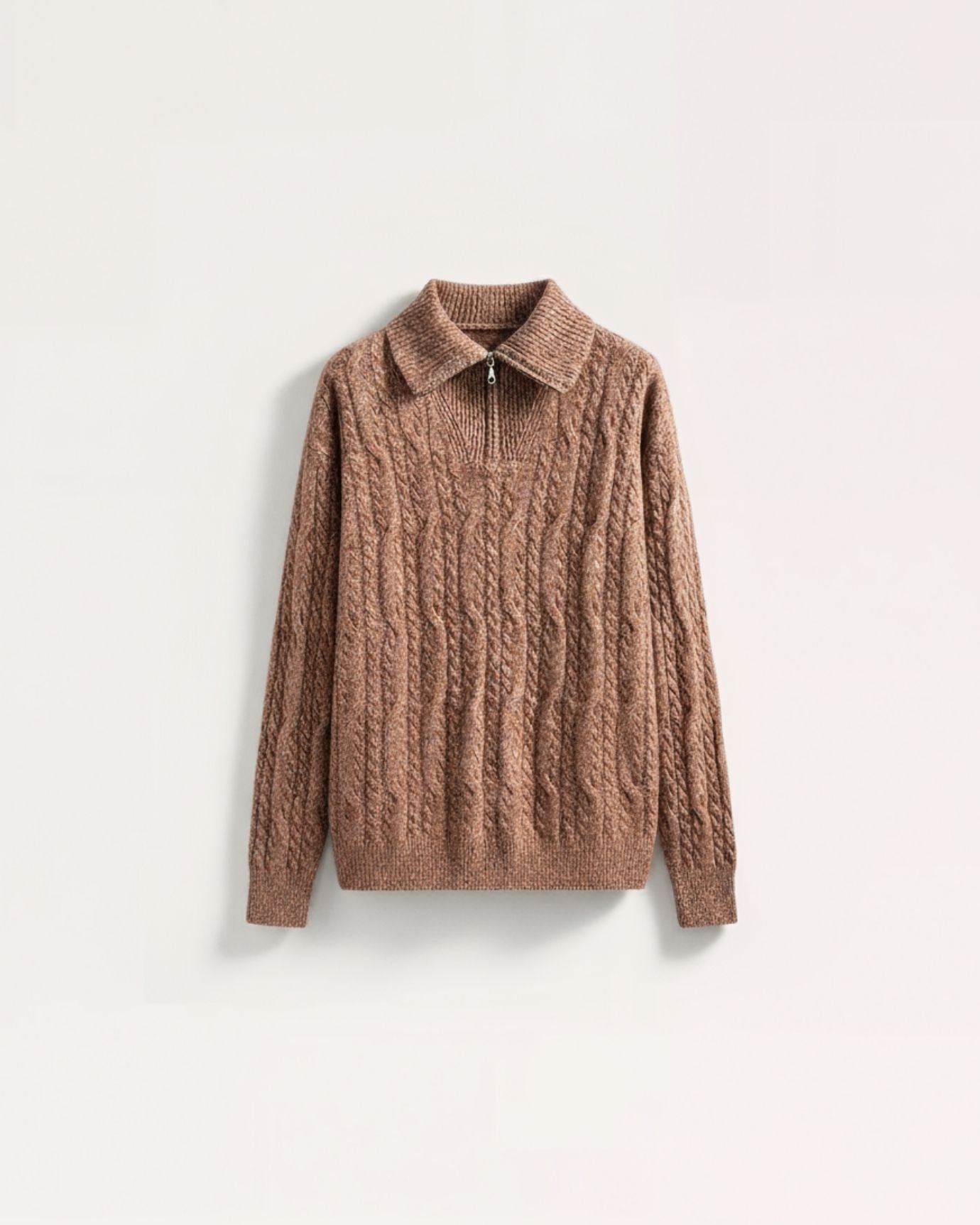
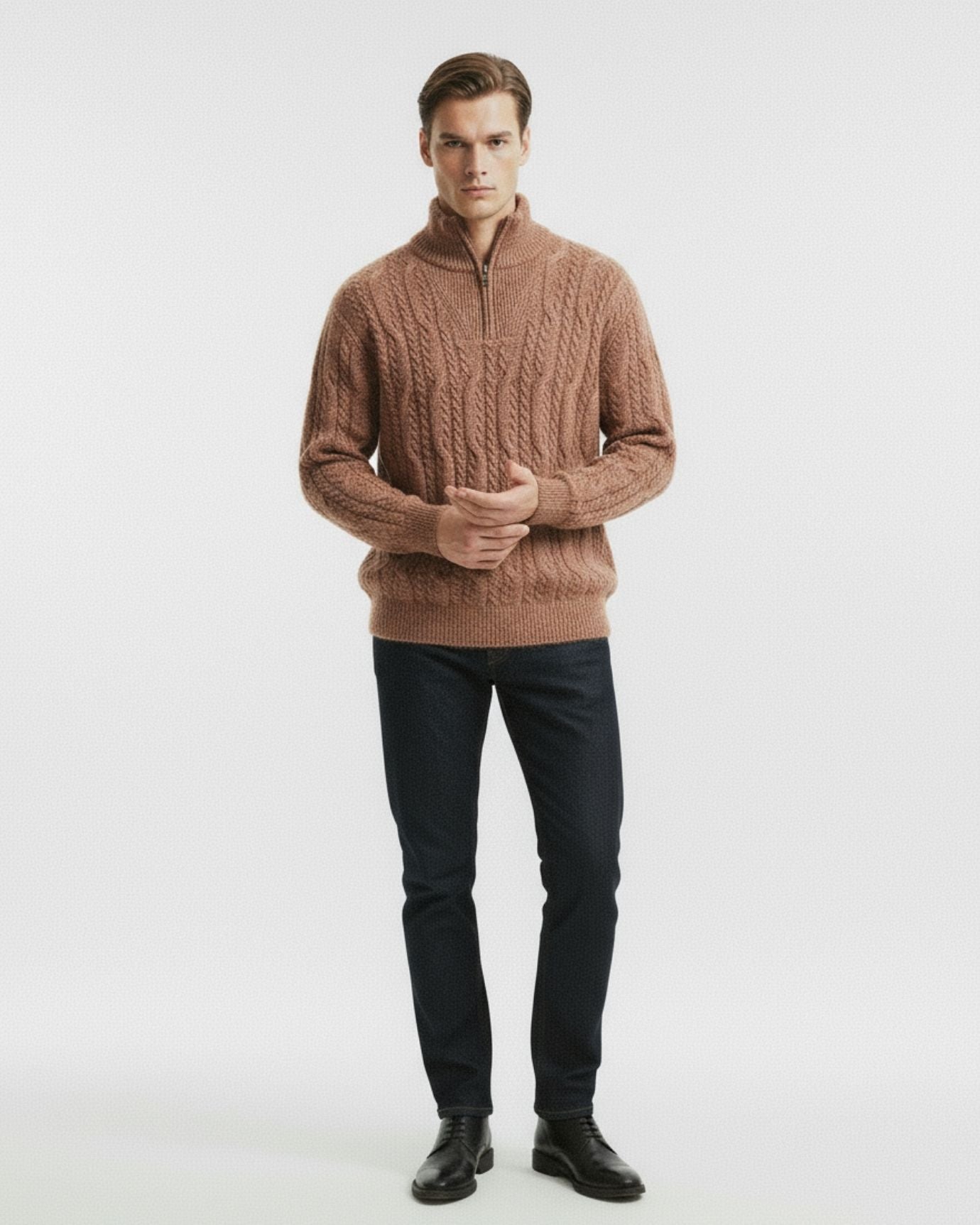
If you are building from a male wardrobe perspective, the anchor equivalent is usually a well-cut trouser and a quality top in the same tonal family. The high-end mulberry silk and worsted cashmere set addresses this directly: silk and cashmere together in a coordinated set removes the pairing question entirely and delivers a level of quiet authority that individual pieces rarely match.
For a deeper guide to building from anchor pieces outward, the stylish capsule wardrobe checklist for everyday wear covers the methodology in detail.
Expert insightAn anchor piece earns its place by being the thing you mentally reach for first when you are deciding what to wear. If you have to talk yourself into a piece every time, it is not an anchor. It is a visitor.

How One Good Dress Does the Work of Five Outfits
The wardrobe mathematics of a quality dress are often underestimated. A single dress in a well-chosen fabric and silhouette, styled differently across occasions, creates genuine variety without requiring a larger wardrobe.
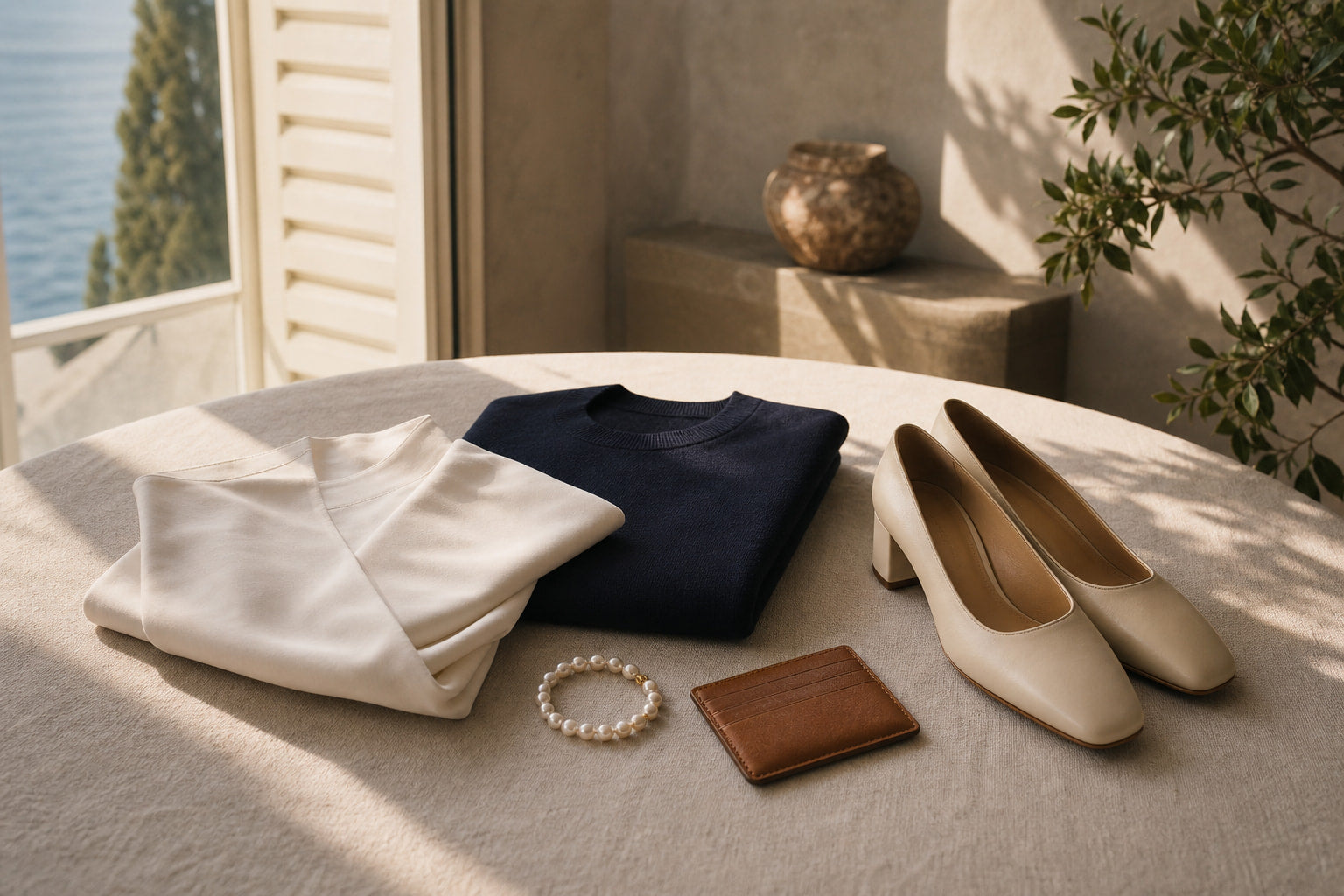
Consider how a structured midi dress in ivory or white moves through a week. With flat sandals and a woven tote, it reads as relaxed and Mediterranean. With block-heeled mules from a considered dress shoes selection and a structured small bag, it becomes appropriate for a business lunch. Layered under a fine merino cardigan with a narrow belt, it shifts toward early autumn without losing its character. Add a single piece of good jewellery, a pearl or a thin gold chain, and the formality lifts again.
The French Niche Style White Dress works exactly this way. Its silhouette is clean enough to absorb layering without becoming visually cluttered, and white as a base tone pairs with almost any neutral or accent you might already own.
For women who prefer a more defined waist and a slightly more romantic line, the Lace Strap Bubble Sleeve Slim Dress offers similar versatility with additional texture from the lace and sleeve detail. The bubble sleeve adds visual interest so that accessories can remain minimal, which is often where less-experienced dressers over-complicate things.
The logic applies to print dresses too, provided the print is controlled. A polka dot in a classic scale, such as the Marbella Puff Sleeve Polkadot Dress, has been a European wardrobe staple for decades precisely because it is graphic enough to be interesting but contained enough to pair with solid-colour accessories without conflict. According to Vogue's archive coverage of French wardrobe philosophy, the principle of buying fewer but better-considered pieces has been central to Parisian style thinking for generations.
For occasion-specific guidance, particularly around dresses for formal events, the what to wear to a wedding as a guest guide offers practical direction on how to take a single dress into a high-formality context.

What Is Actually Missing: The Capsule Gaps Most Wardrobes Have
Once the audit is done and the anchor pieces are identified, most wardrobes reveal the same recurring gaps. These are the specific items that, when added, suddenly make everything else work.
A clean neutral dress in a quality fabric. Not a going-out dress and not a casual one. A dress that sits in between, polished enough to be taken seriously, relaxed enough for a long afternoon. The Anna Collared Knit Short Dress fills this role precisely: the collar gives it structure, the knit fabric gives it comfort and a modest drape, and the short length keeps it versatile across seasons.
A dress with a defined waist. Many wardrobes are full of shapeless or boxy pieces that, despite being comfortable, read as unfinished. A dress that creates a waistline, whether through cut, a tie, or ruching, does more visual work with less effort. The Apricot Ruffled Tie Dress is a good example, with the tie waist allowing the wearer to adjust the silhouette to their own proportion.
A shirt dress in a controlled fabric. The shirt dress is one of the most adaptable garments in European wardrobes because it reads as both polished and practical. The Bodycon Cotton Shirt Dress in cotton offers structure and breathability together, which matters in Mediterranean climates and for days with varied indoor and outdoor commitments.
For men, a coordinated luxury set. The equivalent gap in a male wardrobe is almost always the absence of a top-and-bottom pairing that works as a unit. Individual pieces in similar tones rarely achieve the same result as pieces designed together.
For a structured approach to identifying which of these gaps apply to your wardrobe specifically, the minimalist capsule wardrobe checklist for everyday wear and the simple capsule wardrobe checklist for everyday wear both offer category-by-category frameworks.
The capsule wardrobe concept itself, as a deliberate approach to reducing wardrobe size while increasing outfit output, has been documented and refined since the 1970s and remains one of the most practically effective approaches to the problem this article addresses.

Buying Fewer Pieces, Buying Better: The Practical Standard
When the gaps are clear, the temptation is to fill them quickly and cheaply. This is where the problem regenerates itself. A poorly made version of the piece you need will not solve the problem. It will become another item in the second pile during the next audit.
The standard for any new addition should be: does this work with at least three things I already own, does it fit correctly without alteration, and will it look as good in three years as it does today? If all three answers are yes, it earns its place.
Fabric is the first indicator of longevity. Natural fibres, cotton, silk, wool, linen, and their blends, hold their shape and their appearance better than most synthetics over repeated wearing and washing. They also tend to drape more naturally, which is a significant part of why a simpler garment in a good fabric reads as more refined than a complex design in a lesser one.
Fit is the second indicator. A dress that fits the shoulders and the waist correctly, even if it requires minor hemming, will always look more considered than one that is technically the right size but pulls or gaps in the wrong places.
Colour is the third. New pieces should be chosen with your existing palette in mind, not in isolation. The most common buying mistake is falling for a colour in the shop that has no partner at home.
For women looking to explore the full woman dress range with this framework in mind, the collection is organised in a way that makes it straightforward to identify pieces by silhouette and occasion. The seasonal old money looks guide is also useful for understanding how to rotate a small wardrobe across the year without it feeling repetitive.

| Silhouette | Best Occasion Range | Styling Effort | Key Fabric to Look For | Lovau Example |
|---|---|---|---|---|
| Shirt Dress | Daytime, smart-casual, travel | Low, works alone | Cotton, cotton-blend | Bodycon Cotton Shirt Dress |
| Midi Floral | Lunch, garden event, weekend dinner | Low to medium, minimal accessories needed | Chiffon, viscose, light cotton | Dreamy Retro Gentle Floral Dress |
| Lace Detail Dress | Dinner, garden party, wedding guest | Medium, keep accessories simple | Lace over cotton or silk lining | Dina Short-Sleeve Lace Dress |
| Tie-Waist Dress | All-day, adjustable formality | Low, silhouette adjusts to wearer | Cotton, linen, crepe | Apricot Ruffled Tie Dress |
| Collared Knit Dress | Office, smart-casual, autumn | Low, collar does the work | Merino wool blend, fine knit | Anna Collared Knit Short Dress |
| Coordinated Luxury Set (men) | Business, formal dinner, travel | Very low, designed to work as a unit | Silk, cashmere, wool | High End Mulberry Silk & Worsted Cashmere Set |
Frequently asked questions
How many pieces do you actually need in a functional wardrobe?
There is no single correct number, but most style advisors working in the capsule tradition suggest that 30 to 40 carefully chosen pieces, including shoes and outerwear, are sufficient to cover the full range of daily life. The essential capsule wardrobe checklist for everyday wear breaks this down by category if you want a structured starting point.
Is it better to buy one expensive dress or three cheaper ones?
One well-made dress in a quality fabric that fits correctly and works with your existing wardrobe will almost always outperform three cheaper alternatives. The cheaper pieces tend to lose their shape faster, limit their own pairings, and collectively take up more mental and physical space. The cost-per-wear calculation almost always favours the single better piece.
How do I know if a dress is versatile enough to justify buying it?
Apply the three-outfit test before purchasing. If you can mentally construct three distinct outfits using the dress and things you already own, varying the shoes, the outer layer, and the accessories, it is genuinely versatile. If you can only picture it one way, it is a statement piece, not a workhorse, and should be bought only if you have a specific occasion in mind.
What is the single most useful thing I can add to a wardrobe that feels stuck?
A clean, well-cut dress in a neutral or near-neutral tone that sits in the smart-casual register. This is the most commonly missing piece in wardrobes that feel dysfunctional. It bridges the gap between casual basics and formal pieces, and it tends to make both ends of the existing wardrobe suddenly more usable by providing a middle point to build from.
The wardrobe that produces nothing to wear is almost always a wardrobe with too much of the wrong things and not enough of the right ones. The solution is not another shopping session. It is an audit, a clear sense of which pieces already earn their place, and a deliberate decision to fill only the genuine gaps with pieces that meet a real standard for fit, fabric, and compatibility. Start with what works, build outward with intention, and the problem resolves itself. For a complete framework to do exactly that, the modern capsule wardrobe checklist for everyday wear is the most practical next step.