


How to Buy Vintage Menswear That Looks Modern
Reading time 13 min • 2616 words
Vintage menswear has never been a trend. It is simply the recognition that good cloth, clean construction, and considered proportion do not expire. The problem is that most men approach a vintage rail the wrong way, scanning for something that looks old rather than something that looks right. The result is a wardrobe that signals costume rather than character.
The approach worth taking is more selective. You are not hunting for a relic. You are identifying pieces whose underlying architecture, fabric quality, and silhouette happen to align with how refined men dress today. That distinction changes everything about what you pick up and what you leave on the rail.
This guide covers the practical mechanics: what fabrics to seek, which silhouettes translate cleanly into a modern context, how to assess construction quality in thirty seconds, and how to style your finds so the whole thing reads as a wardrobe rather than a collection of individual curiosities.
Key takeaways
- Prioritise natural fabrics such as wool, linen, and cotton. They age far better than synthetics and press cleanly into a modern wardrobe.
- Fit is the single biggest factor separating vintage that looks current from vintage that looks like a costume. Budget for a tailor.
- Silhouette matters more than decade. A straight-leg trouser from 1965 and one from 2024 are functionally identical when cut correctly.
- A quality vintage hat, particularly a structured felt or straw brim, is one of the easiest single pieces to carry across seasons without alteration.
- Avoid pieces with decade-specific details such as extreme lapel widths, novelty prints, or outsized shoulder padding that cannot be corrected by a tailor.
In this guide
Start With Fabric, Not Era
The single most reliable filter when sorting through vintage is the cloth itself. Natural fibres, wool, linen, cotton, and silk, age with dignity. Synthetics from the 1970s and 1980s tend to pill, lose their hand, and carry a visual weight that resists any modern pairing you attempt.
Run the fabric between your fingers. Worsted wool should feel smooth and slightly cool, with a slight drape that holds its shape. Linen should feel slightly rough and stiff when new but will soften with wear without going limp. A vintage linen shirt in good condition is almost always worth the investment because the fibre only improves over time.
What to look for specifically: - Wool jacket linings that are still attached cleanly at the seams - Linen shirts without irreversible yellowing at the collar or cuffs - Cotton that has not been washed into a permanently softened, structureless state - Silk or silk-blend ties and pocket squares without cracking along the fold lines
For reference on how natural textile construction affects longevity, the differences between worsted and woollen weaves explain a great deal about why some vintage jackets press beautifully while others simply cannot hold a crease.
Once you have a piece in natural fabric that passes the hand test, the rest is assessment of construction and fit. Those are problems you can solve. Bad fibre content is not.
Expert insightWhen assessing a vintage wool jacket, hold it up to natural light and look across the surface at an angle. A well-woven worsted will show an even, tight grain. If you see loose loops or surface fuzz, the cloth has already begun to break down and no amount of pressing will restore it.

The Silhouettes That Always Read as Modern
Not every vintage silhouette travels well through time. Some shapes are so specific to their decade that no amount of clever styling rescues them. Others are structurally identical to what the best tailors are cutting today.
Trousers are the clearest example. A high-waisted, straight-leg or slightly tapered trouser from the 1950s or early 1960s is functionally the same as a classic old money style trouser made today. The proportions are generous at the thigh, clean at the knee, and break correctly at the shoe. Contrast this with the exaggerated pleats and tapered ankles of late-1980s trousers, which carry decade-specific signals that are very difficult to neutralise.
Jackets follow the same logic. A single-breasted two-button jacket with moderate lapels and a natural shoulder reads as contemporary in any decade. Extreme lapel widths, whether very narrow or very wide, date a piece immediately. The shoulder construction is equally important: a heavily padded, squared shoulder from the 1980s requires significant tailor intervention to wear today, while a soft, natural shoulder from an Italian vintage wool jacket of the 1960s needs almost nothing.
Shirts with a straight or slightly spread collar, no button-down collar, and a clean chest without patch pockets integrate easily. A retro vintage linen shirt with a clean cut and good fabric weight is a direct descendant of the same shirt worn in Portofino in 1958.
The rule of thumb: if a silhouette appears in photographs from multiple decades without looking out of place in any of them, it is a timeless shape. If it appears only in photographs from one specific decade and looks inseparable from that period, leave it on the rail.
Expert insightWhen buying vintage trousers, ignore the labelled waist size entirely. Vintage sizing conventions differ significantly from modern ones, sometimes by three to four inches. Always measure the actual garment at the waistband and seat before buying.

The Vintage Hat: The Easiest Piece to Get Right
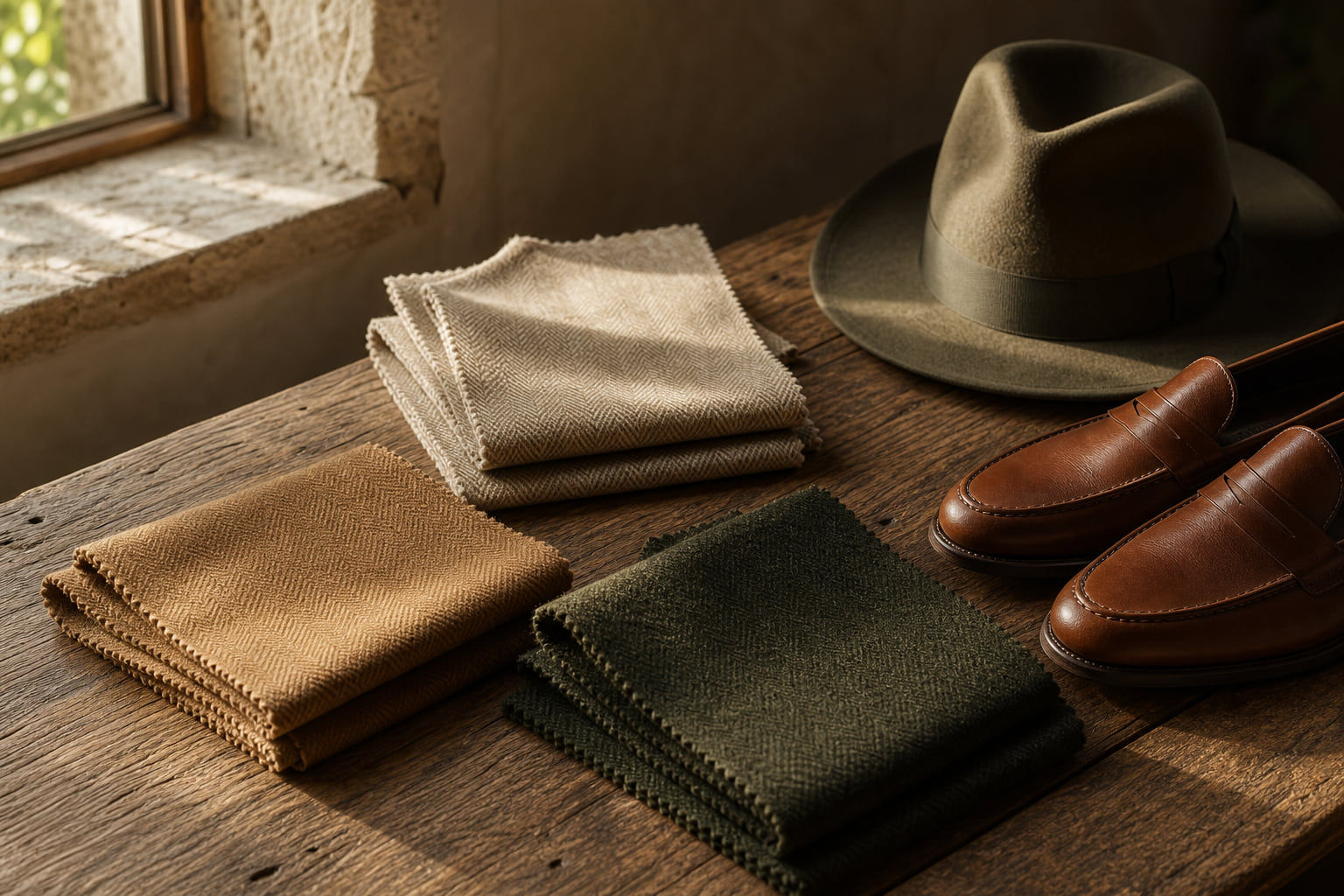
Among all vintage menswear categories, hats require the least alteration and carry the most immediate visual authority. A well-blocked felt fedora, a structured panama, or a classic flat cap from a quality maker translates directly into a modern wardrobe without a single visit to the tailor.
The key is proportion. A hat with a brim between 2.5 and 3 inches reads as contemporary across most styling contexts. Brims narrower than 2 inches tend to look theatrical, while brims wider than 3.5 inches read as costume unless you are dressing for a very specific occasion.
What makes a vintage hat worth buying: - A rigid, well-blocked crown that has not been crushed or distorted - A grosgrain ribbon in a neutral colour, navy, black, or tobacco brown, that has not frayed - A sweatband that, even if worn, is still intact and not cracked - A felt body, ideally rabbit or beaver felt, that has not been moth-damaged
For men building a complete old money wardrobe, a vintage hat is one of the most efficient investments. It works over a linen shirt in summer, over a wool jacket in autumn, and it requires nothing from you except wearing it with conviction.
Pair a mid-grey felt fedora with Naples striped high-waisted trousers and a white linen shirt for a look that has worked from the Lido to the Côte d'Azur for seventy years. The caps collection also offers structured options for men who want the same proportional authority in a more casual register.
Expert insightStore vintage felt hats on a stand, never stacked. A hat that has been stored flat for years will have a distorted crown that is very difficult to restore without professional re-blocking, which can cost more than the hat itself.

Assessing Construction Quality in Under a Minute
Speed matters when you are moving through a vintage market or a well-stocked secondhand shop. Knowing exactly where to look means you spend thirty seconds on a jacket that will not work and three minutes on one that will.
The five-point check:
1. Seam allowance. Turn the jacket inside out at the side seam. A generous seam allowance, at least half an inch, means the garment can be let out if needed. A paper-thin allowance means the piece is fixed in its current dimensions.
2. Button attachment. Pull gently on a button. If it moves, the thread is degraded and the button is close to falling off. This is fixable but worth factoring into your offer price.
3. Collar and lapel roll. Lay the jacket flat and look at the lapel. It should roll softly and return to its original position when you release it. A lapel that stays flat or creases sharply has been pressed incorrectly and may have canvas issues.
4. Lining condition. Check the armhole lining, which takes the most stress. Small tears here are common and cheap to repair. A lining that has separated entirely along the back seam is a more significant job.
5. Moth damage. Hold the fabric up to light and look for thin spots or small holes. Moth damage is not always visible on the surface but shows clearly in transmitted light. A single small hole in a non-structural area is acceptable. Scattered damage across the body is not.
For shoes and handmade leather loafers, the equivalent check is the welt: a Goodyear-welted sole can be resoled indefinitely, while a cemented sole cannot. Look for the visible stitch line running around the perimeter of the sole.

Styling Vintage Pieces So They Read as a Wardrobe
The most common mistake men make with vintage finds is wearing them in isolation, treating each piece as a statement rather than as part of a coherent wardrobe. A vintage jacket worn with equally vintage trousers, a vintage shirt, and vintage shoes produces a look that reads as period costume. The same jacket worn with contemporary pieces reads as personal style.
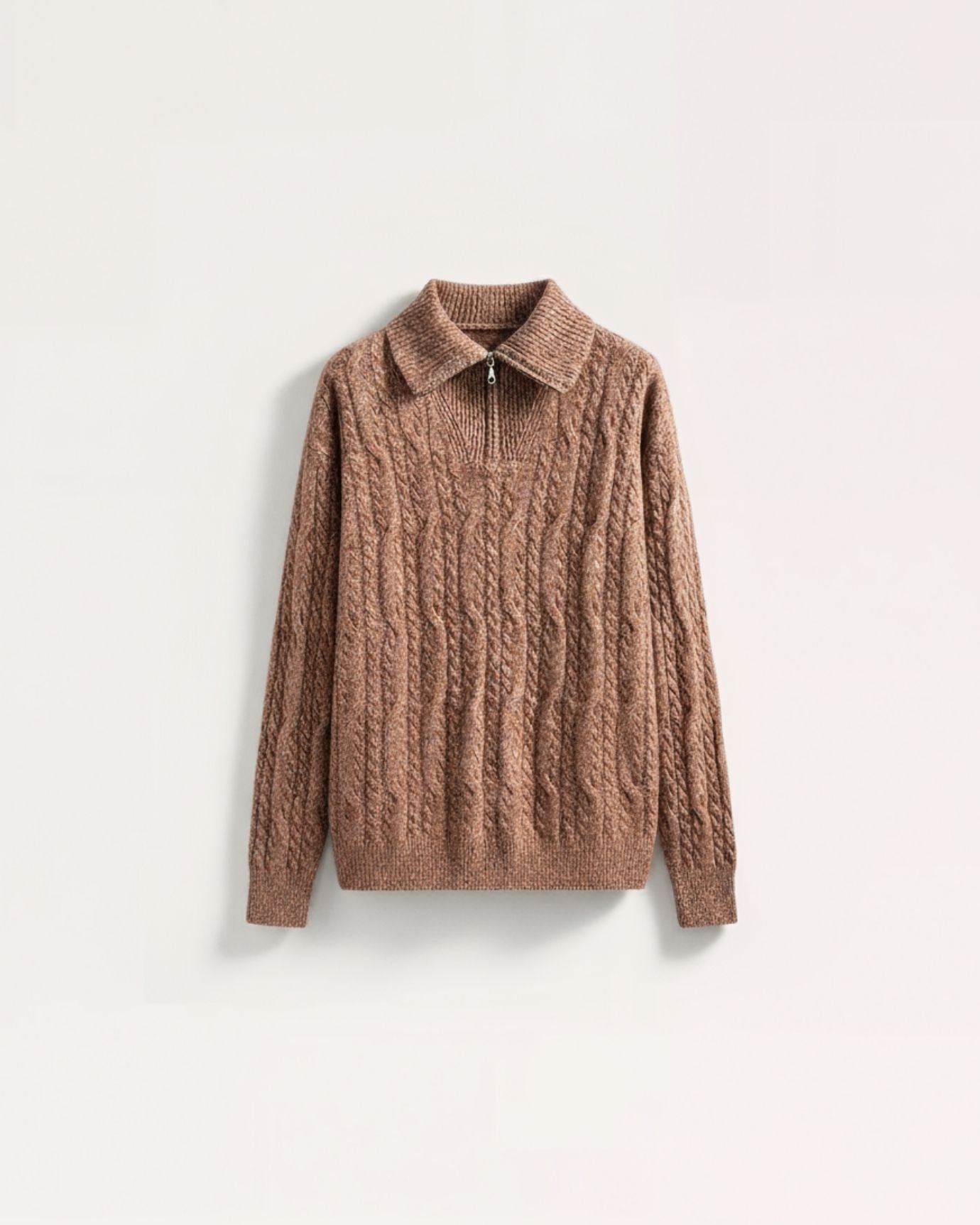
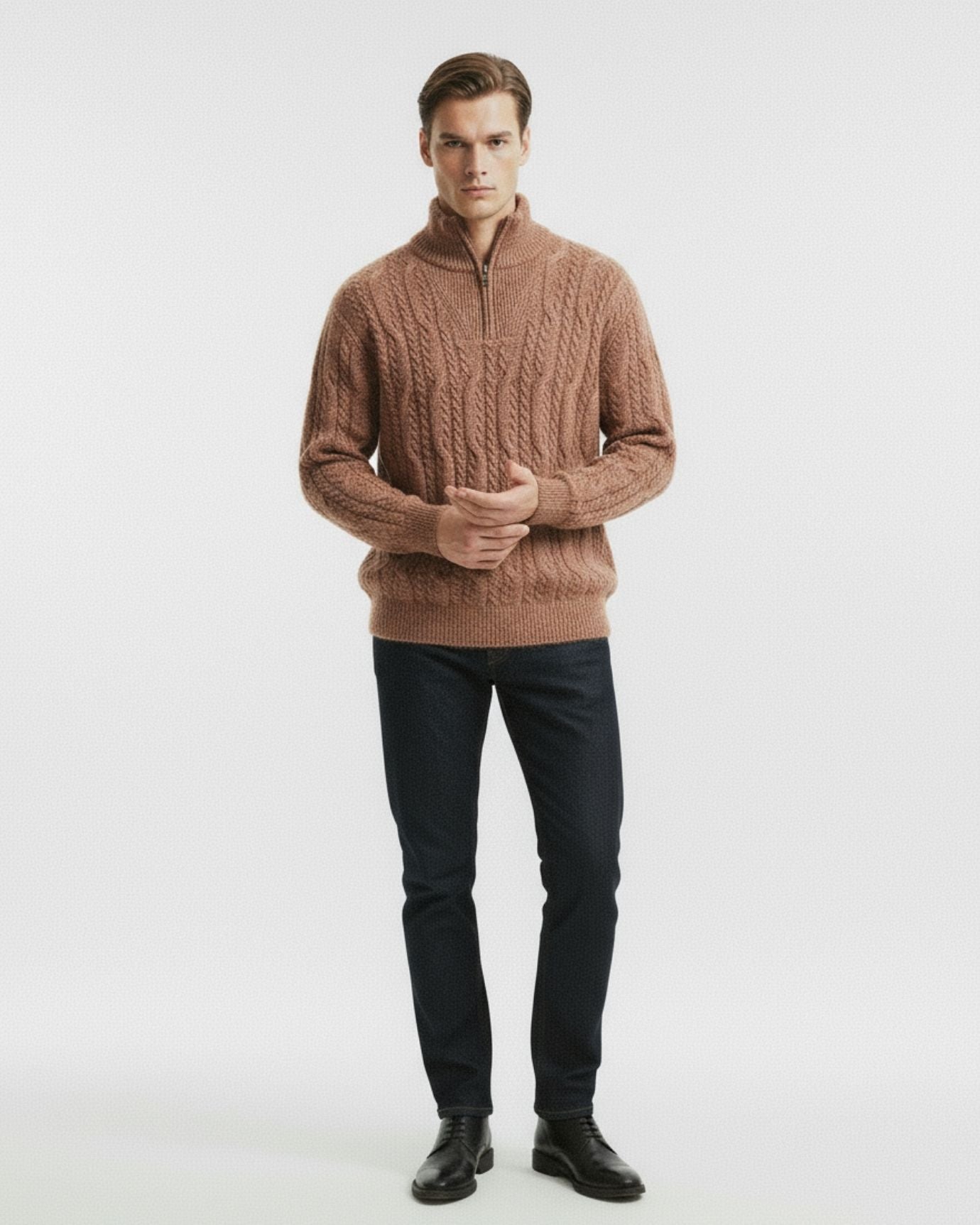
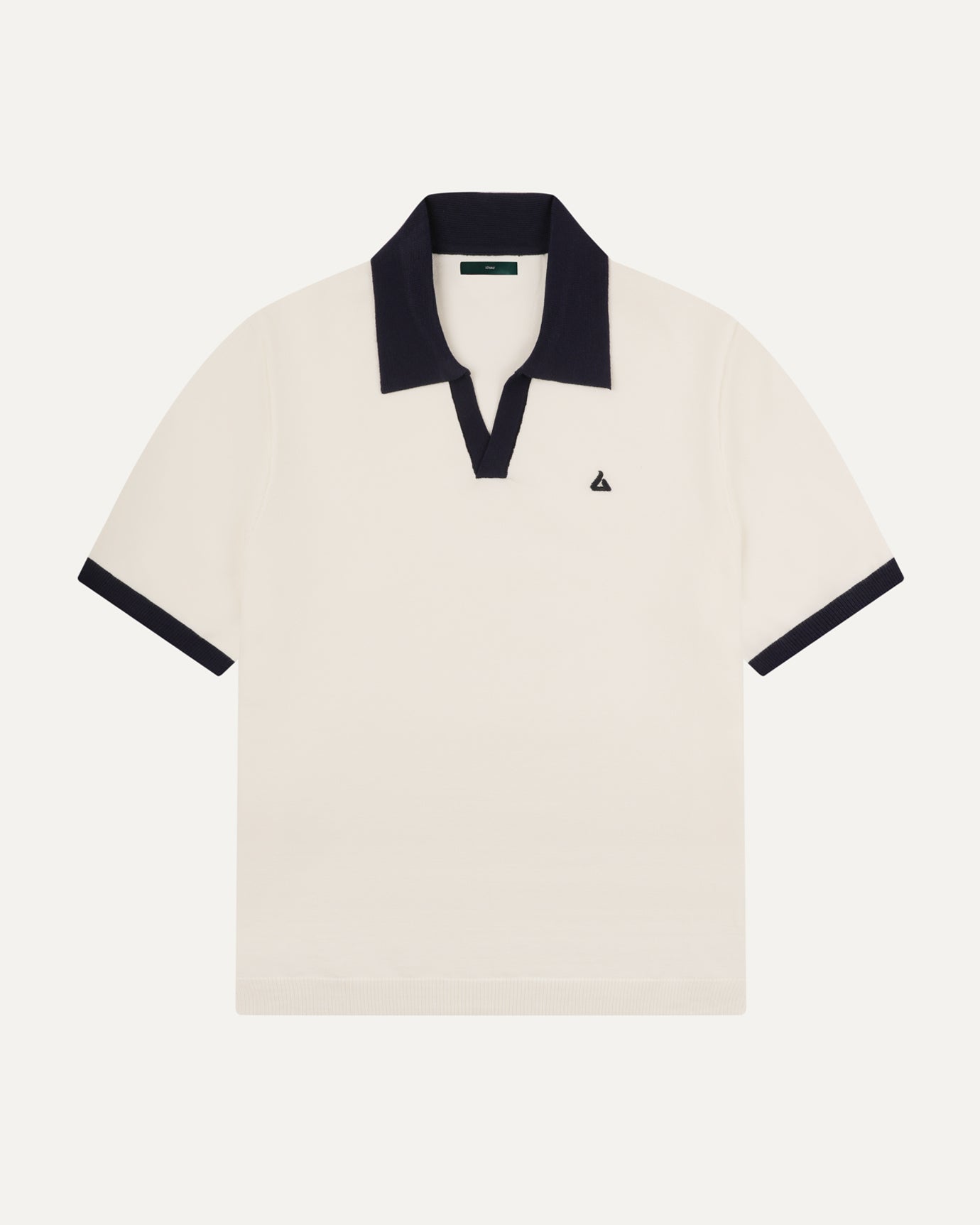
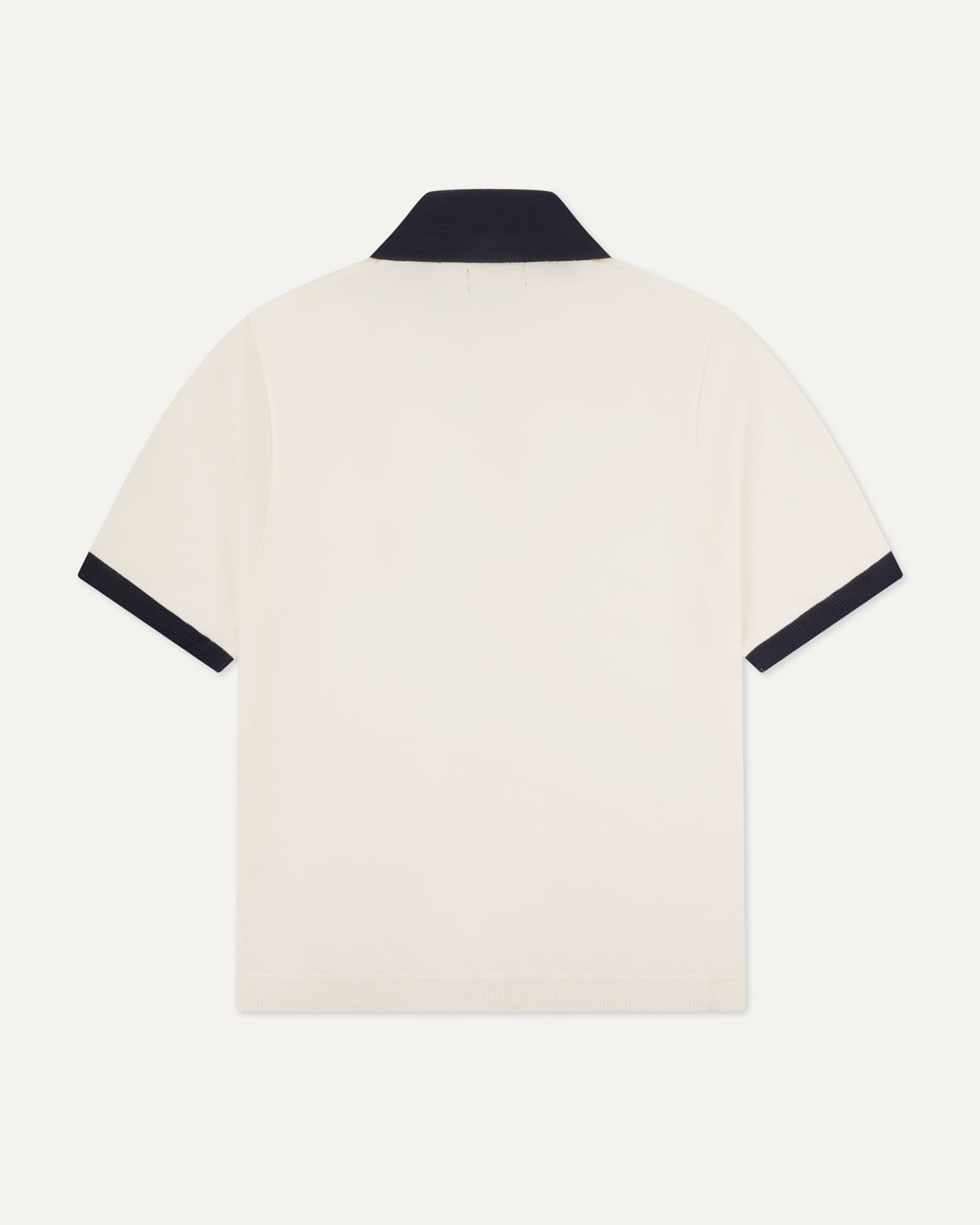
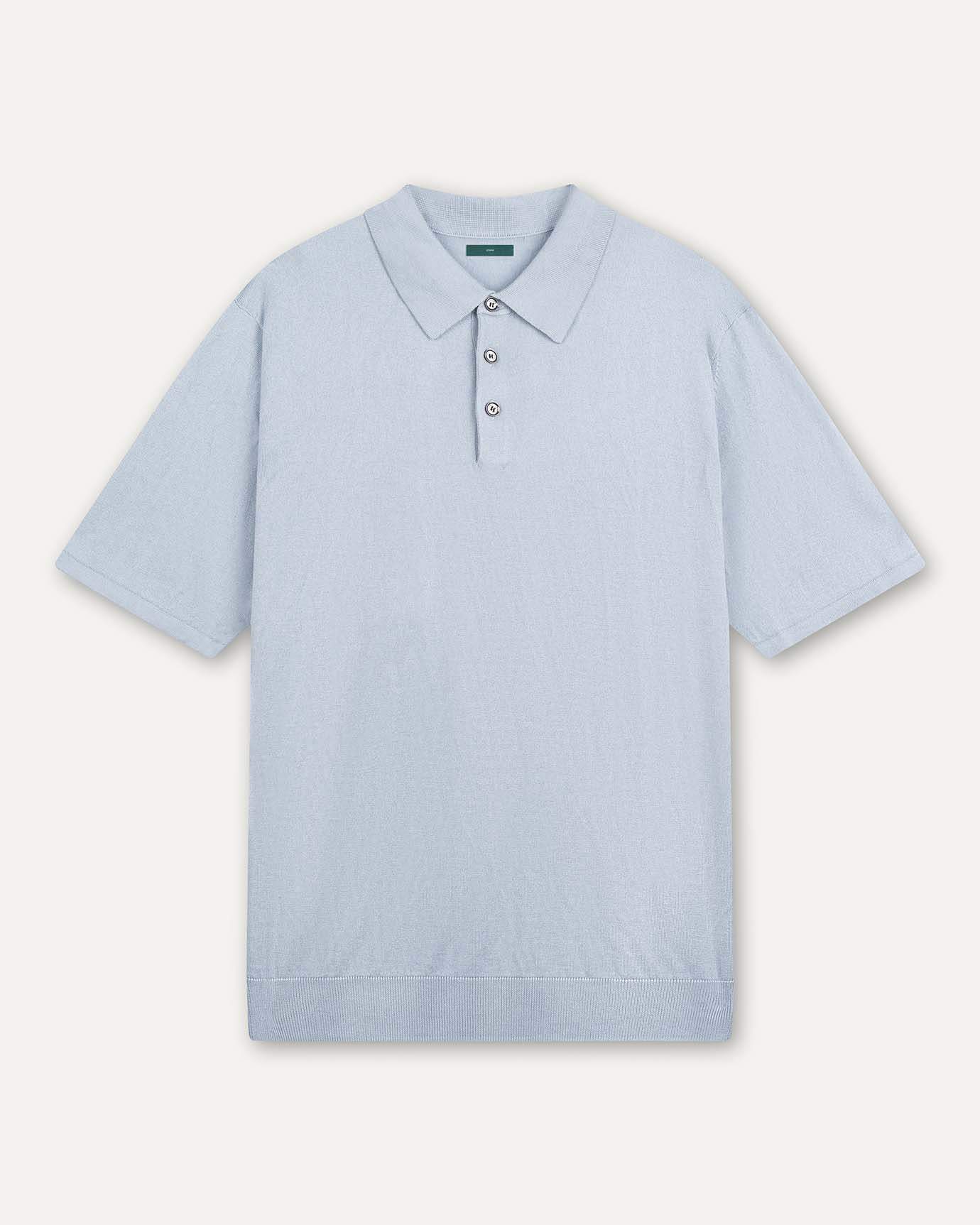
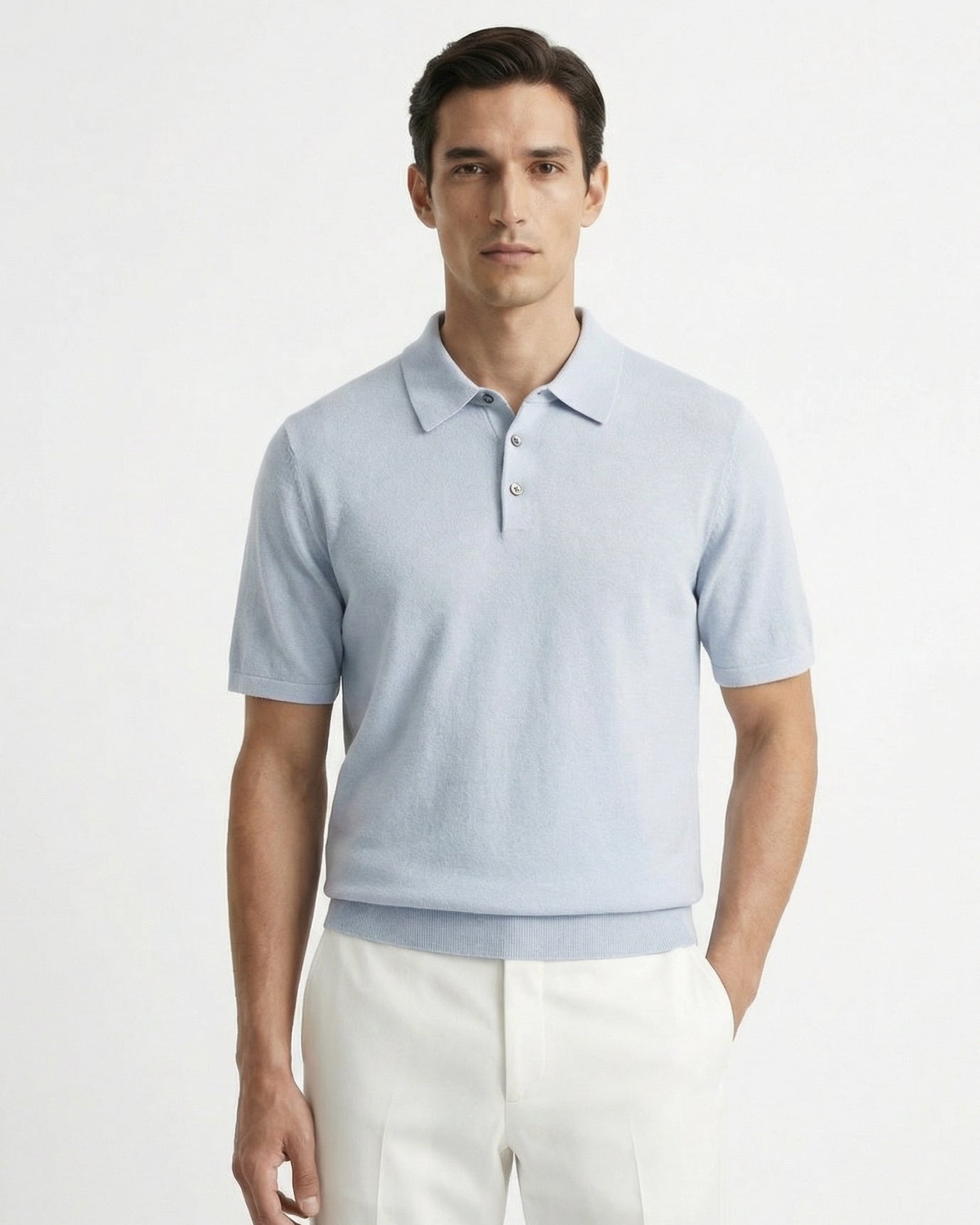
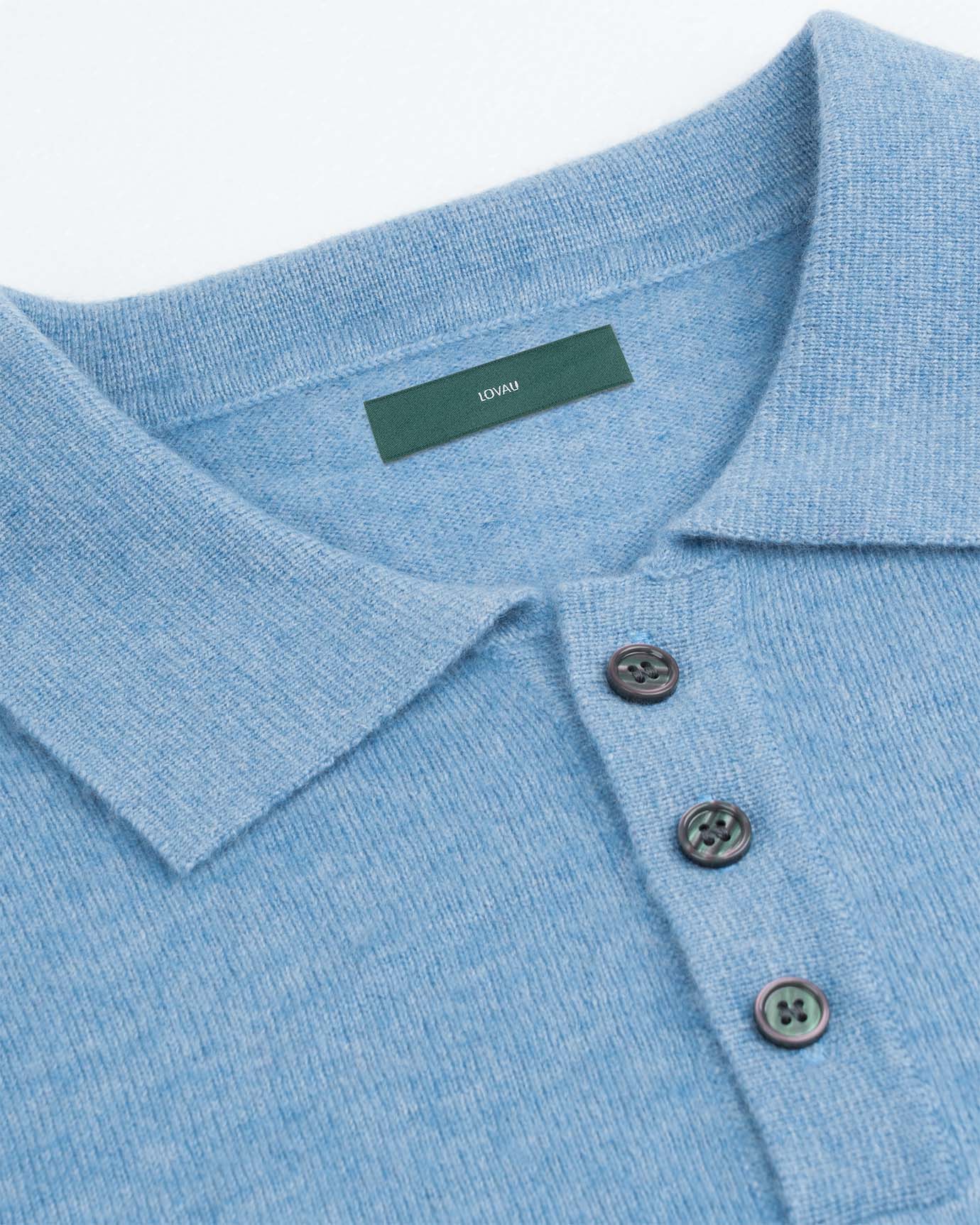
The working principle is simple: mix one or two vintage pieces with pieces that are clearly of the present. A vintage wool jacket pairs immediately with straight-leg old money trousers in a clean neutral and a contemporary linen blend knitted polo underneath. The vintage piece provides character and depth. The contemporary pieces provide proportion and clarity.
Colour is your anchor. Vintage pieces often come in colours that are slightly more complex than what is mass-produced today, deeper navies, warmer creams, more saturated greens. Build your contemporary pieces around those tones rather than fighting them with contrasting colours.
Shoes are the most important contemporary anchor. A pair of clean, well-made handmade genuine leather Chelsea boots grounds any vintage jacket or trouser in the present immediately. Equally, Paris vintage khaki blue loafers bring a Mediterranean lightness that stops a heavier vintage wool piece from feeling heavy-handed.
For a complete summer approach, consider a floral vintage short-sleeve shirt worn with double pleated linen shorts and clean leather sandals. The vintage print character of the shirt is balanced by the clean, contemporary cut of the shorts. Neither piece overwhelms the other.
Refer to guidance from Permanent Style on classic menswear proportions for a deeper understanding of how scale and proportion interact across vintage and contemporary pieces.

Where Price and Value Actually Meet in Vintage Menswear
Vintage menswear spans an enormous price range, from a two-dollar shirt at a church sale to a four-figure bespoke jacket at a specialist dealer. The useful question is not what something costs but what it costs relative to what a comparable new piece would require.
A vintage worsted wool jacket in excellent condition, requiring only minor tailoring, at sixty to one hundred and twenty dollars represents significant value when the equivalent fabric and construction in new production would cost three to five times as much. The same logic applies to vintage linen shirts and well-made leather shoes.
However, there is a category of vintage piece that looks inexpensive until you account for the tailoring it requires. A jacket that needs the shoulders re-set, the chest let out, and the sleeves shortened is not a bargain at any price. Shoulder re-setting alone can cost more than the jacket at most tailors.
For men who want the aesthetic of vintage without the variable condition risk, old money shirts and old money polo shirts built on vintage references offer a reliable entry point. The construction is new, the fit is predictable, and the aesthetic is continuous with the same European sensibility that produced the best vintage pieces in the first place.

| Category | Best Decades to Source | Alteration Risk | Modern Wearability | Value vs. New |
|---|---|---|---|---|
| Wool Jackets | 1950s to early 1970s | Medium to High (shoulders, chest) | High if natural shoulder | Excellent if condition is good |
| Trousers | 1950s to 1960s | Low (waist, hem only) | Very High (straight leg still current) | Very good, often underpriced |
| Linen and Cotton Shirts | 1960s to 1980s | Very Low (collar, cuff at most) | High with spread or straight collar | Good, check for staining |
| Felt and Straw Hats | 1940s to 1970s | None if correctly stored | Excellent across all seasons | Outstanding, often very cheap |
| Leather Shoes and Loafers | 1960s to 1990s | None (resoleable if Goodyear welt) | Very High if classic last shape | Excellent if Goodyear welted |
Frequently asked questions
How do I know if a vintage jacket will fit me without trying it on?
Measure the chest, shoulder width, and sleeve length directly on the garment with a tape measure. Chest and sleeve are adjustable within reason. Shoulders are not. If the shoulder seam does not sit at the edge of your actual shoulder, the jacket requires structural re-setting, which is expensive and not always successful. Always prioritise shoulder fit above all other measurements.
Is it worth buying a vintage hat if I have never worn one before?
Yes, with one condition: buy a style with a mid-width brim and a neutral colour first. A mid-grey or tobacco felt fedora, or a natural straw with a dark ribbon, integrates into almost any outfit without demanding a specific context. The caps collection offers structured options at a lower commitment level if you want to test the proportional logic before investing in a full vintage felt.
What is the best way to clean a vintage linen shirt without damaging it?
Hand wash in cool water with a small amount of mild detergent, or use the delicate cycle at thirty degrees Celsius maximum. Do not tumble dry. Roll the shirt in a clean towel to remove excess water, then hang it to dry slightly damp and press it while still damp with a hot iron. This restores the natural crispness of linen and removes any slight yellowing at the collar caused by storage.
How do I mix vintage pieces with new clothing without looking like I raided a costume wardrobe?
Keep the balance at one or two vintage pieces per outfit, never more. Anchor the look with contemporary footwear, a clean pair of handmade leather Chelsea boots or well-made loafers, and ensure at least one piece, usually the trouser or the shirt, is clearly modern in its cut. The vintage piece provides depth and character. The contemporary pieces provide legibility.
Buying vintage menswear well is not about nostalgia. It is about recognising that certain fabrics, proportions, and construction methods have always been correct and will continue to be. The man who understands this builds a wardrobe with genuine depth, pieces that improve with age and carry a quiet authority that no fast-fashion cycle can replicate. Start with natural fabrics, prioritise silhouettes that have appeared in multiple decades without embarrassment, and always let a good tailor finish the job. For pieces that carry the same principles in new production, the Lovau old money menswear collection offers a reliable foundation to build around.