


Best Trousers for Women in an Old Money Wardrobe
Reading time 13 min • 2675 words
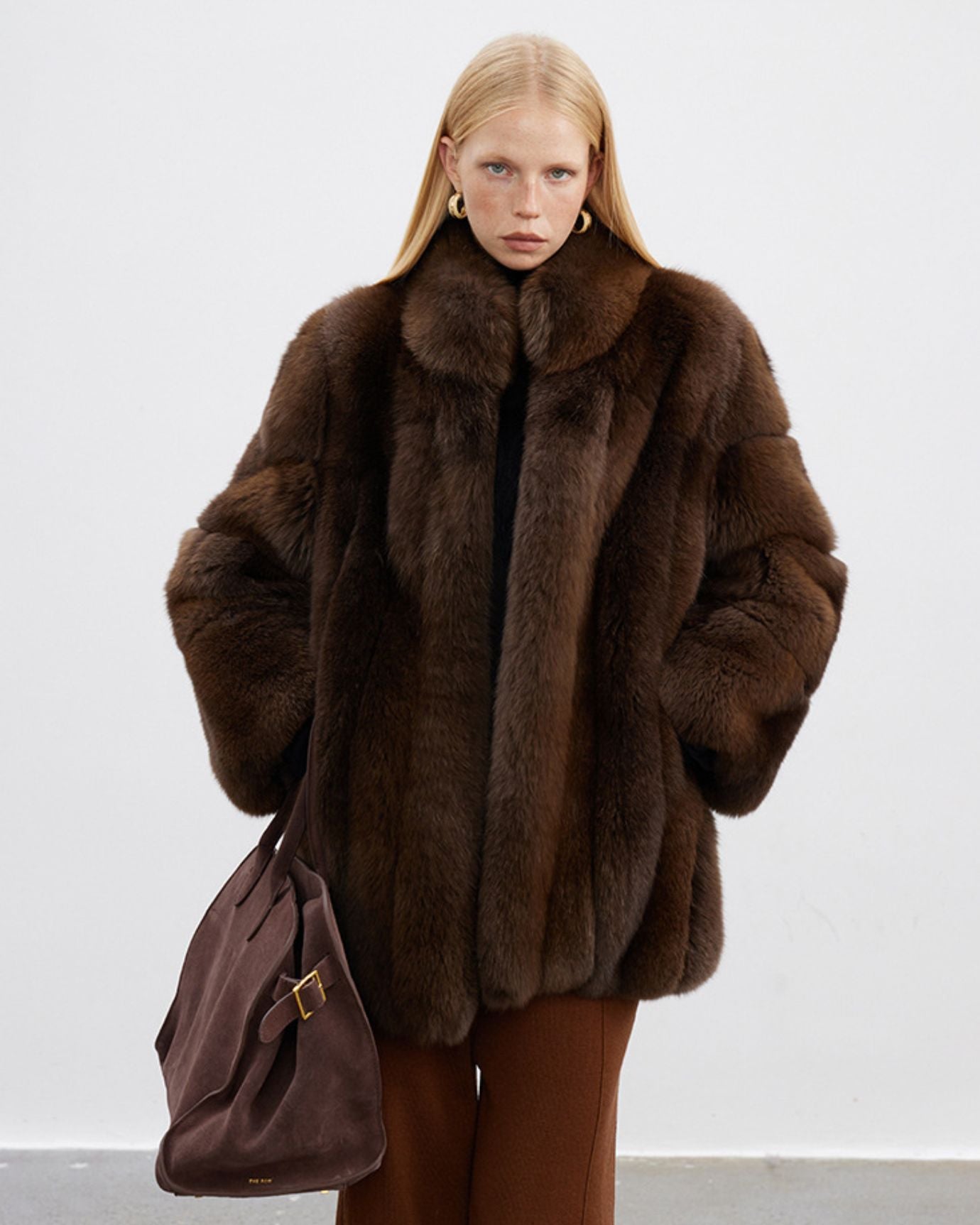
There is a particular kind of trouser that never needs to announce itself. It hangs correctly, presses cleanly, and holds its shape through a full day without pulling at the knee or gaping at the waist. That trouser is not a trend. It is a decision, made once, with care.
The old money approach to dressing has always prioritised fabric quality and precise construction over novelty. Trousers are the foundation of that philosophy. A well-cut pair in the right weight of wool or cashmere-blend does more for a wardrobe than any statement piece, because it works quietly with everything else you own.
This guide covers the specific trouser styles, fabrics, and fits that belong in a refined women's old money wardrobe, with honest advice on how to choose, wear, and build a small but complete collection. These are garments designed to be worn for a decade, not a season.
Key takeaways
- Fabric determines longevity: cashmere-wool blends and fine corduroy outlast synthetic alternatives by years.
- A high waist is the most versatile and most flattering cut for classic tailored trousers, anchoring both tucked blouses and relaxed knits.
- Neutral tones, navy, and charcoal function as the backbone of an old money trouser wardrobe; colour comes through accessories.
- Fit at the hip and thigh matters more than the hem length, which can always be adjusted by a tailor.
- Three well-chosen pairs of trousers, each in a different fabric weight, can carry a wardrobe across all four seasons.
In this guide
- Why Fabric Is the First Decision, Not the Last
- The High Waist: Why It Remains the Definitive Cut
- Corduroy and the Case for Textured Tailoring
- The Madrid Trousers and the Art of the Relaxed Tailored Leg
- How to Complete the Trouser Wardrobe: Shoes, Knits, and Proportion
- Building a Three-Trouser Wardrobe That Covers Every Season
- Frequently asked questions
Why Fabric Is the First Decision, Not the Last
Most women choose trousers by silhouette first and fabric second. The more considered approach is the reverse. Fabric determines drape, which determines silhouette. It also determines how the garment ages, how it responds to cleaning, and whether it still looks worth wearing in five years.
For year-round tailoring, wool and cashmere blends are the most reliable choice. Wool provides structure and recovery, meaning it resists the bagging at the knee and seat that ruins cheaper trousers after a few wears. Cashmere adds softness and a finer surface finish that reads as unmistakably luxurious without being showy. The result is a trouser that drapes with weight, falls cleanly from the hip, and maintains its line through a full day of wearing.
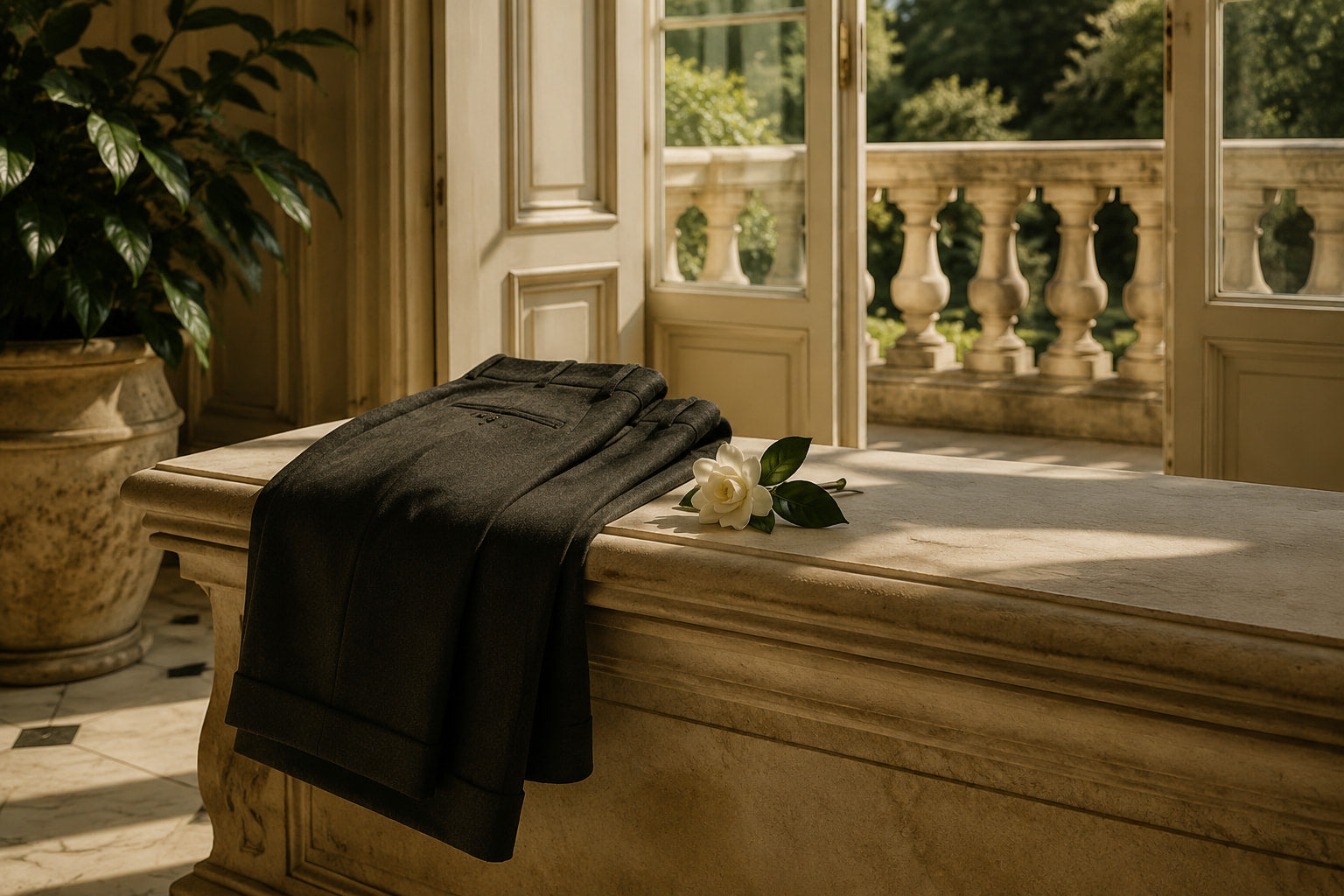
The high-end cashmere and wool trousers in the Lovau collection are a direct expression of this principle: a limited-edition piece in a cashmere-wool blend that prioritises the quality of the cloth above all else. At $95, they sit at a price point that reflects real material cost rather than marketing.
Corduroy is the cooler-weather alternative worth taking seriously. Its ribbed surface gives visual texture without pattern, making it easier to style than checks or prints. Fine-wale corduroy in particular, with narrow ribs, reads as thoroughly polished when cut well. Cotton gabardine works for spring and early summer, offering a smooth, firm hand that holds a crease beautifully. For the full cashmere collection, the range extends beyond trousers into coordinating pieces that build naturally into complete outfits.
As a rule, avoid trousers with more than five percent synthetic fibre in the blend. Polyester traps heat, pills quickly, and develops a surface sheen after washing that no amount of ironing can fully correct.
Expert insightWhen assessing fabric quality in person, hold the trouser cloth up to light. A tightly woven wool or cashmere blend will show an even, dense weave with no loose threads or thin patches. A fabric that looks slightly translucent at this point will not hold its shape under regular wear.

The High Waist: Why It Remains the Definitive Cut
The high-waisted trouser has been the dominant silhouette in European tailoring for women since the mid-twentieth century, and it has never genuinely gone away. It sits at or just above the natural waist, which is the narrowest point of the torso, creating a long, clean line through the leg regardless of height.
Low-rise trousers require a very specific body proportion and a very specific wardrobe to work. High-waisted trousers are far more forgiving and far more versatile. A tucked silk blouse, a fitted knit, a structured vest, all work equally well over a high waist. The trouser does the structural work, so the top does not have to.
The Paris High Waist Trousers are the clearest example of this in the Lovau range. At $85, they are cut with a true high rise, a straight leg that skims rather than clings, and a clean front with minimal detailing. The result is a trouser that photographs well, moves well, and reads as expensive without being fussy.
For women building a wardrobe from a timeless fashion perspective, a high-waisted straight-leg trouser in a neutral, charcoal, navy, or ivory, is the single most useful garment to own in multiples. Two pairs in different fabrics, one in wool for autumn and winter, one in cotton or linen for spring, will cover the vast majority of occasions a polished wardrobe needs to address.
Fit guidance: the waistband should sit flat without gaping at the back. The seat should be smooth, not tight. The thigh should allow a hand's width of ease. Hem length is the one dimension that should always be adjusted to the individual, as it determines whether the trouser reads as sharp or sloppy.
Expert insightA trouser that fits perfectly at the waist and hip but needs a hem adjustment is a better purchase than one where the hem is right but the seat pulls. Hemming costs very little. Restructuring a seat does not.

Corduroy and the Case for Textured Tailoring
Corduroy has a specific place in the old money vocabulary. It is the fabric of country estates, university libraries, and long autumn afternoons, and when cut with precision rather than worn casually, it carries genuine authority. The key is proportion: fine-wale corduroy in a tailored cut reads entirely differently from the wide-wale styles associated with workwear.
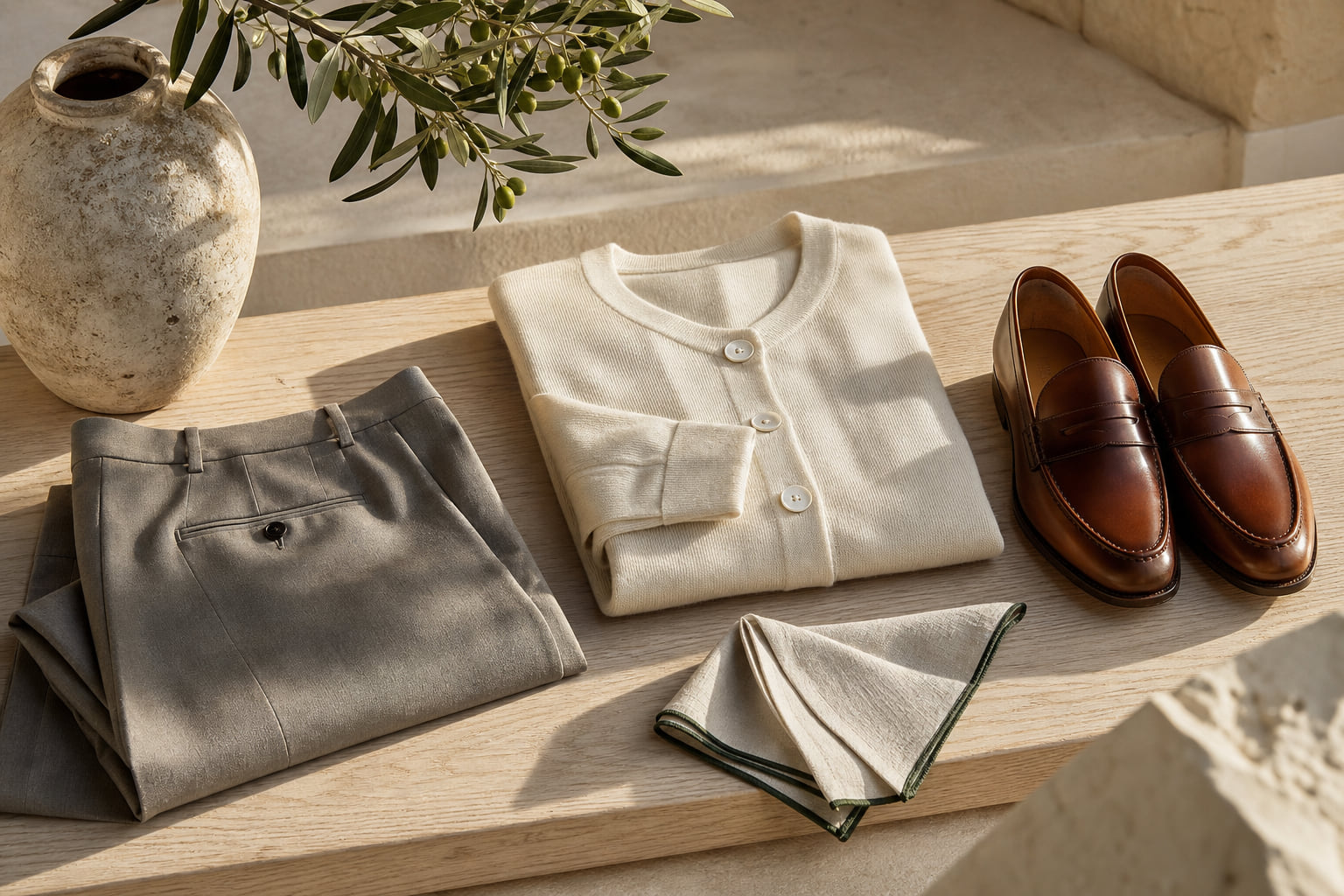
The Corduroy Pants in High-Waisted Old Money Style at $79 demonstrate this balance. The high waist anchors them firmly in tailored territory, while the corduroy surface adds the kind of quiet texture that a flat wool trouser cannot. Worn with a cashmere pullover sweater and leather loafers, this combination is the autumn uniform of anyone who has grown up understanding that real luxury is not loud.
Corduroy also has a practical advantage: it is more forgiving of casual wear than smooth wool. It can be taken from a morning walk to a lunch without looking overdressed in either direction. For women who want a trouser that works across the relaxed end of smart dressing, it is the most useful textured option available.
Colour advice: the most versatile corduroy tones are tobacco brown, forest green, and deep navy. All three pair naturally with cream, ivory, camel, and charcoal knitwear. Avoid very pale corduroy, which shows marks quickly and reads as less deliberate.
For further guidance on building a wardrobe that balances investment and practicality, the affordable quiet luxury wardrobe guide for women covers the broader framework.
Expert insightCorduroy should always be brushed in one direction when pressing. Pressing against the pile flattens the ribs and creates an uneven surface that catches light differently across the garment.

The Madrid Trousers and the Art of the Relaxed Tailored Leg
Not every occasion calls for a sharply pressed straight leg. There is a category of trouser that sits between full tailoring and casual wear, cut with enough structure to read as polished but with enough ease to feel genuinely comfortable through a long day. This is the relaxed tailored trouser, and it is perhaps the most undervalued piece in a woman's wardrobe.
The Madrid Satis Trousers at $75 represent this category well. The cut allows movement without sacrificing the clean line that separates a tailored trouser from a casual one. The name references a deliberate design philosophy: satis, enough. Enough structure, enough ease, enough detail, nothing more.
This style works particularly well for women who find themselves moving between different contexts in a single day, from an office to a lunch to an evening engagement. The relaxed tailored trouser adapts more gracefully to these transitions than a very rigid cut, which can look incongruous by the end of a long day.
Styling note: pair with a structured top to compensate for the ease in the leg. A fitted old money vest or a precisely tucked blouse keeps the silhouette intentional. Avoid oversized tops with a relaxed trouser, as the combination loses all definition.
For women building a complete wardrobe rather than individual pieces, the smart elegant wardrobe checklist provides a structured framework for assessing what you have and what you genuinely need.

How to Complete the Trouser Wardrobe: Shoes, Knits, and Proportion
A trouser is only as good as what it is worn with. The old money approach to dressing is built on proportion and restraint, and both of those principles apply directly to how trousers are styled.
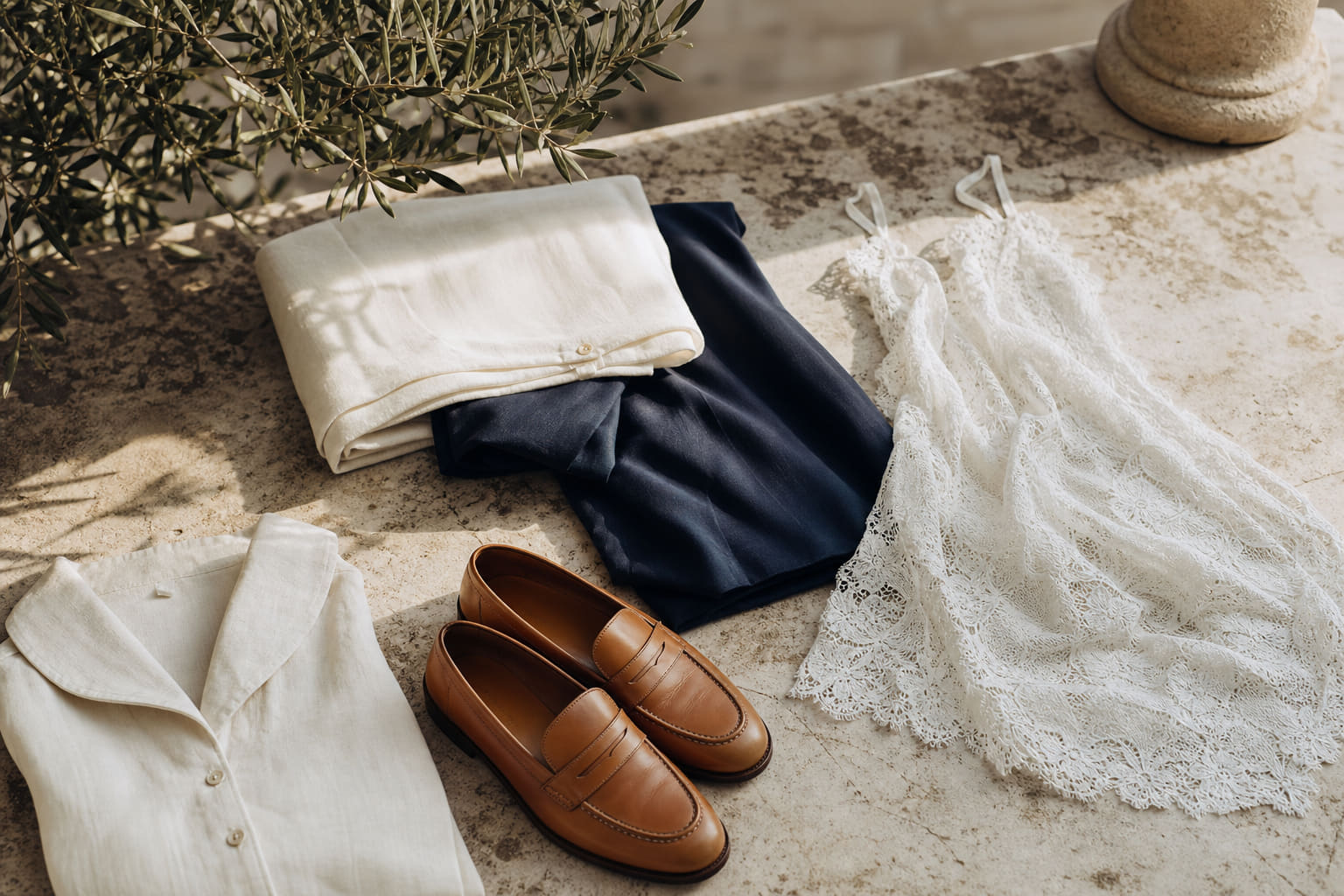
Footwear is the most important decision. A loafer with a leather sole is the correct shoe for tailored trousers in almost every context. It is flat enough to be practical, structured enough to be polished, and carries enough heritage to reinforce the aesthetic without trying. The old money style women's leather loafers at $119 are a direct complement to any of the trouser styles discussed here. Genuine leather, a clean silhouette, and a sole that ages rather than deteriorates.
Knitwear is the most natural top pairing for tailored trousers in the cooler months. The combination of a fine-gauge knit tucked into a high-waisted trouser is perhaps the most classically European way to dress. It requires nothing else, no jewellery, no belt, no layer, to read as complete.
Proportion is the governing principle. A wide-leg trouser needs a close-fitting top. A straight leg works with both fitted and slightly relaxed tops. A tapered leg looks best with a top that does not add volume at the hip. These are not rigid rules, they are observations about how volume distributes across a silhouette.
For women who want to extend the trouser wardrobe into full outfit coordination, the women's old money collection includes coordinating pieces designed to work together. The Diana Old Money Style loafers offer an alternative silhouette in the same leather quality at the same price point, for those who prefer a slightly different last shape.
The broader context for all of this is understanding old money style as a complete system, where each piece is chosen to reinforce the others rather than compete with them. Wool trousers sit at the centre of that system for good reason: they are the garment that everything else can be built around.

Building a Three-Trouser Wardrobe That Covers Every Season
The practical question is not which single trouser to buy. It is how to build a small collection that covers the full range of occasions and seasons without redundancy. Three pairs, chosen deliberately, can do exactly that.
Pair one: cashmere-wool blend, high waist, straight leg, charcoal or navy. This is the most formal and most versatile piece. It works from September through March, pairs with everything from fine-gauge knitwear to structured blazers, and holds its shape through repeated wearing. The cashmere and wool trousers are the natural choice here.
Pair two: corduroy, high waist, straight or slightly relaxed leg, tobacco or forest green. This is the texture piece, the one that adds visual interest without pattern. It works from October through February and carries the wardrobe through weekends and less formal occasions without losing elegance.
Pair three: cotton or lightweight wool, high waist, straight leg, ivory or pale stone. This is the spring and summer piece. Lighter in weight and colour, it works from March through September and anchors the warmer half of the wardrobe in the same way the wool blend anchors the cooler half.
With these three pairs, a woman has a trouser for every temperature, every occasion from relaxed to formal, and a colour range that coordinates naturally with any knitwear, blouse, or shoe in a considered wardrobe. The Celina Trousers at $79 are worth considering as an entry point for the lighter-weight third pair, offering a clean cut that transitions naturally into the warmer months.
For women building a quiet luxury wardrobe from a practical standpoint, this three-trouser framework is the most efficient place to start. It requires a modest initial investment and returns years of reliable use.
The science behind why wool performs so consistently, its natural crimp creating elasticity that synthetic fibres cannot replicate, is well documented. Wool's unique fibre structure is what gives it both its resilience and its ability to regulate temperature, making it genuinely suitable for a wider range of conditions than most alternatives. This is also why the old money aesthetic has always defaulted to natural fibres: they perform better over time, not just in the moment.

| Fabric | Best Season | Formality Level | Care | Longevity |
|---|---|---|---|---|
| Cashmere-wool blend | Autumn / Winter | Smart casual to formal | Dry clean or hand wash cold | 10+ years with proper storage |
| Fine corduroy | Autumn / Winter | Smart casual | Machine wash cold, air dry | 7-10 years |
| Cotton gabardine | Spring / Summer | Smart casual to business | Machine wash, press while damp | 5-8 years |
| Wool crepe | Year-round | Business to formal | Dry clean preferred | 10+ years |
| Linen-cotton blend | Spring / Summer | Casual to smart casual | Machine wash, accept natural creasing | 4-6 years |
Frequently asked questions
What is the best trouser fabric for women who want a truly timeless wardrobe?
A cashmere-wool blend is the most reliable choice for longevity and versatility. It drapes well, resists bagging, and maintains its surface quality through years of wear. The high-end cashmere and wool trousers are a direct example of this principle applied at a considered price point.
Are high-waisted trousers flattering for all body types?
Yes, more so than any other rise. The high waist sits at the narrowest point of the torso, which creates a long, uninterrupted line through the leg regardless of height or hip width. The waistband also provides a clean anchor point for tucked tops, which is why it has remained the dominant cut in European tailoring for decades.
How many pairs of tailored trousers does a woman actually need?
Three pairs, chosen in different fabric weights, covers the full year and the full range of occasions. One cashmere-wool blend for autumn and winter formality, one textured pair such as corduroy for casual autumn wear, and one lighter cotton or fine wool pair for spring and summer. Beyond three, additional pairs are additions rather than necessities.
What shoes work best with tailored women's trousers in an old money style?
A leather loafer is the most consistently correct choice. It is flat enough to be practical, structured enough to be polished, and carries the right heritage associations for the aesthetic. The old money style women's leather loafers are designed specifically to complement this silhouette.
The right trouser does not ask for attention. It holds its shape, wears gracefully, and makes every other garment in the wardrobe work harder. That is the standard worth building to, not trend, not novelty, but clothing that performs over time and ages with dignity. Start with fabric, settle the fit with a tailor if needed, and invest in the pieces that will still be worth wearing in ten years. The full range of women's old money trousers at Lovau is built on exactly that principle.