


Best Midi Dress Colors for 2026
Reading time 13 min • 2570 words
Color is the first decision a dress makes for you. Before cut, before fabric, before occasion, the shade you choose signals something about how you see yourself and how you want to be seen. In 2026, the palette for midi dresses has settled into a satisfying tension between deep, grounded anchor tones and softer, more luminous shades that suit the season's quieter approach to dressing.
This is not a trend report. The colors discussed here are chosen because they are flattering across a range of skin tones, practical across occasions, and genuinely worth the investment of a quality garment. A midi dress is a significant piece in a wardrobe. It deserves a shade you will reach for in three years as readily as you reach for it today.
If you are still deciding whether the midi length is right for you at all, the article Midi Dresses: The Most Elegant Length for 2026 covers that question in full. For those already committed to the length, read on.
Key takeaways
- Navy and black midi dresses are the most versatile anchor shades for 2026, moving from daytime to evening with a change of shoes.
- Burgundy is the standout deep tone for autumn and winter wear, particularly flattering on warm and olive skin undertones.
- Soft sky blue and pale pink work across seasons in fluid, lightweight fabrics and photograph beautifully in natural light.
- White midi dresses require a structured cut and a quality fabric weight to avoid looking casual rather than polished.
- Matching your dress shade to your skin undertone, rather than just your personal preference, produces the most consistently flattering result.
In this guide
- The Case for Deep, Grounded Shades: Navy, Black, and Burgundy
- The Soft Palette: Sky Blue, Pale Pink, and Ivory White
- Colour and Skin Tone: A Practical Framework
- Green and Yellow: The Shades Worth Reconsidering
- Pattern and Print: When Color Works in Combination
- Building a Color-Led Midi Dress Wardrobe for 2026
- Frequently asked questions
The Case for Deep, Grounded Shades: Navy, Black, and Burgundy
Deep colors anchor a wardrobe in a way that lighter shades cannot. They read as intentional, they photograph well in any light, and they allow accessories and shoes to do more work without competing with the dress itself.
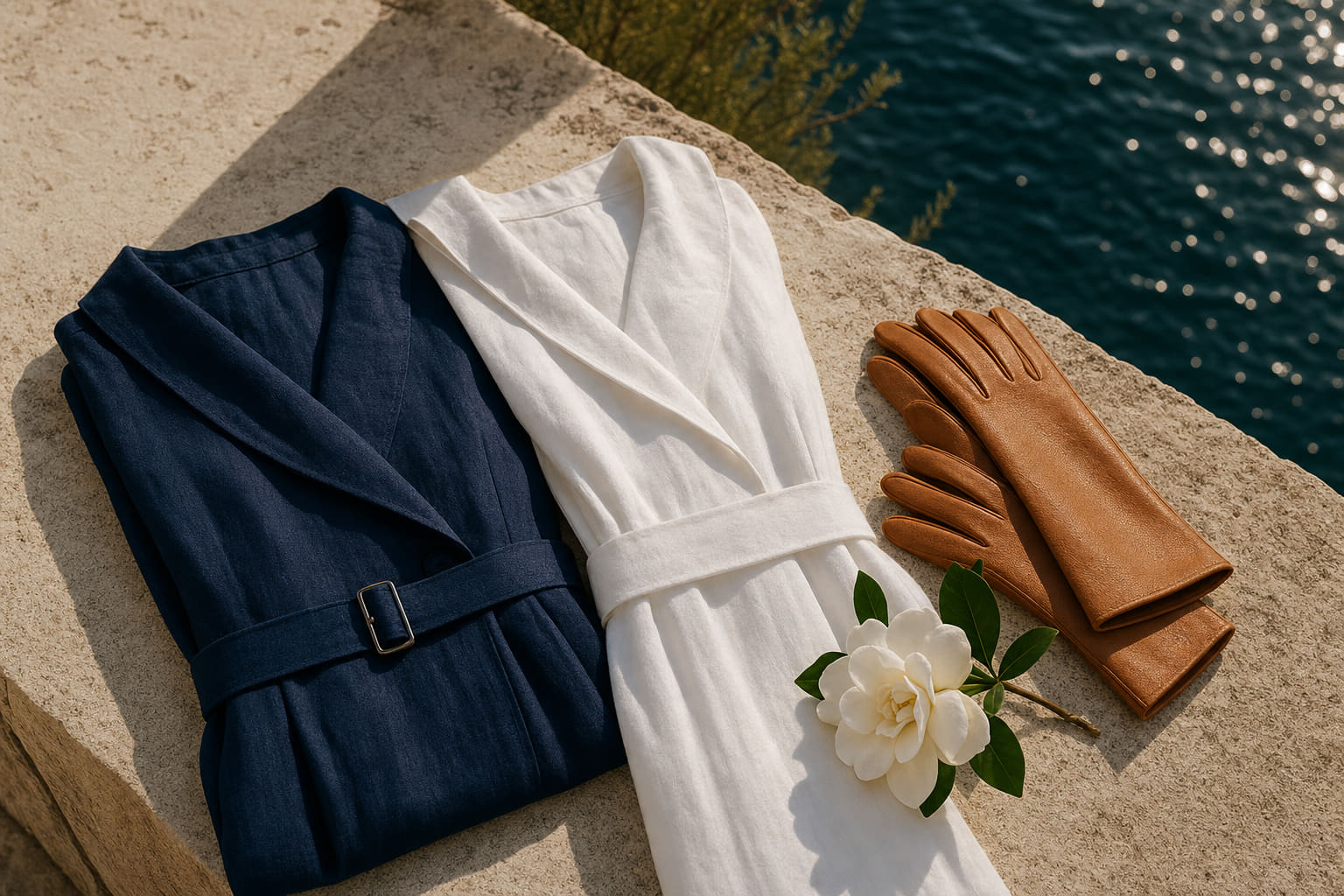
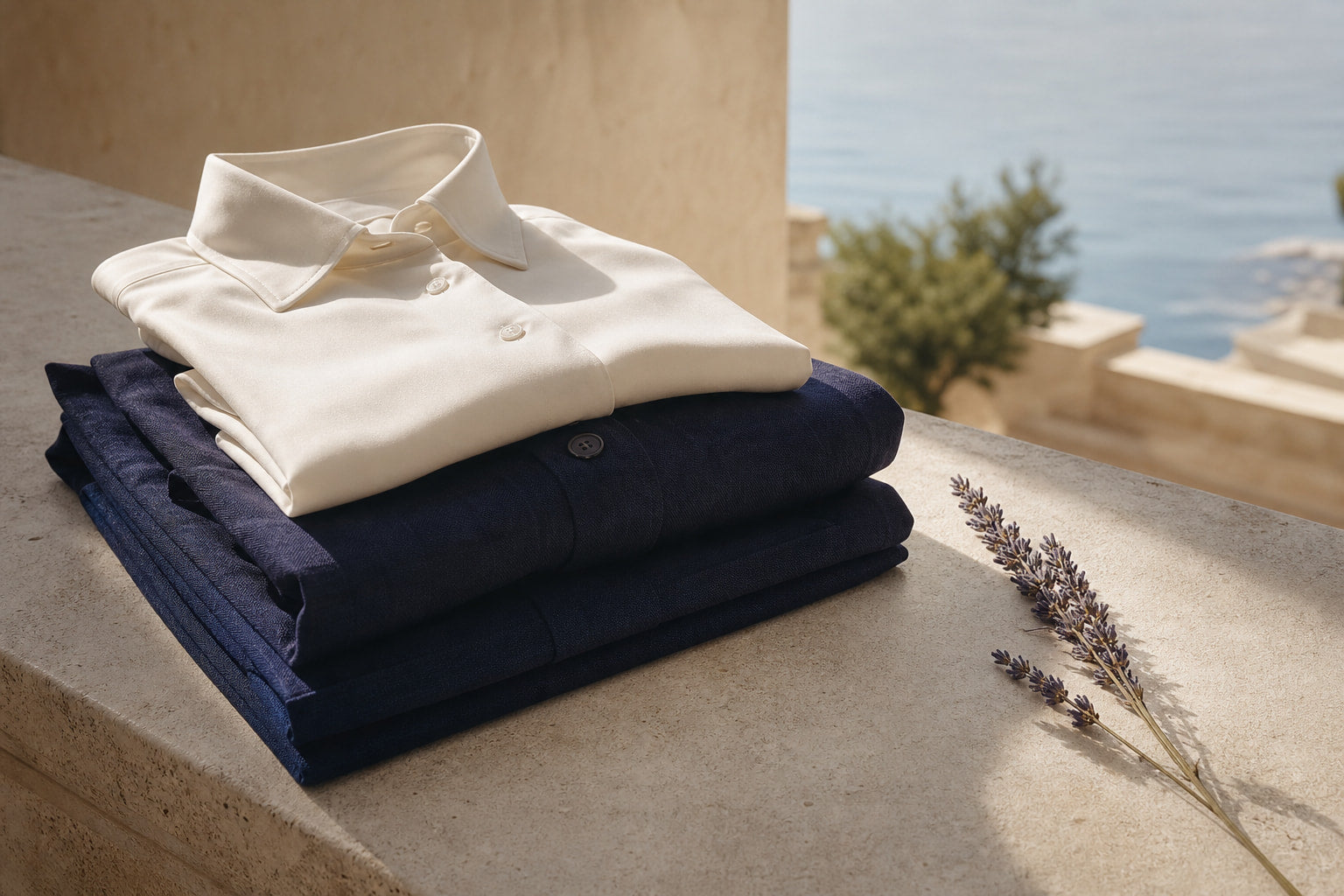
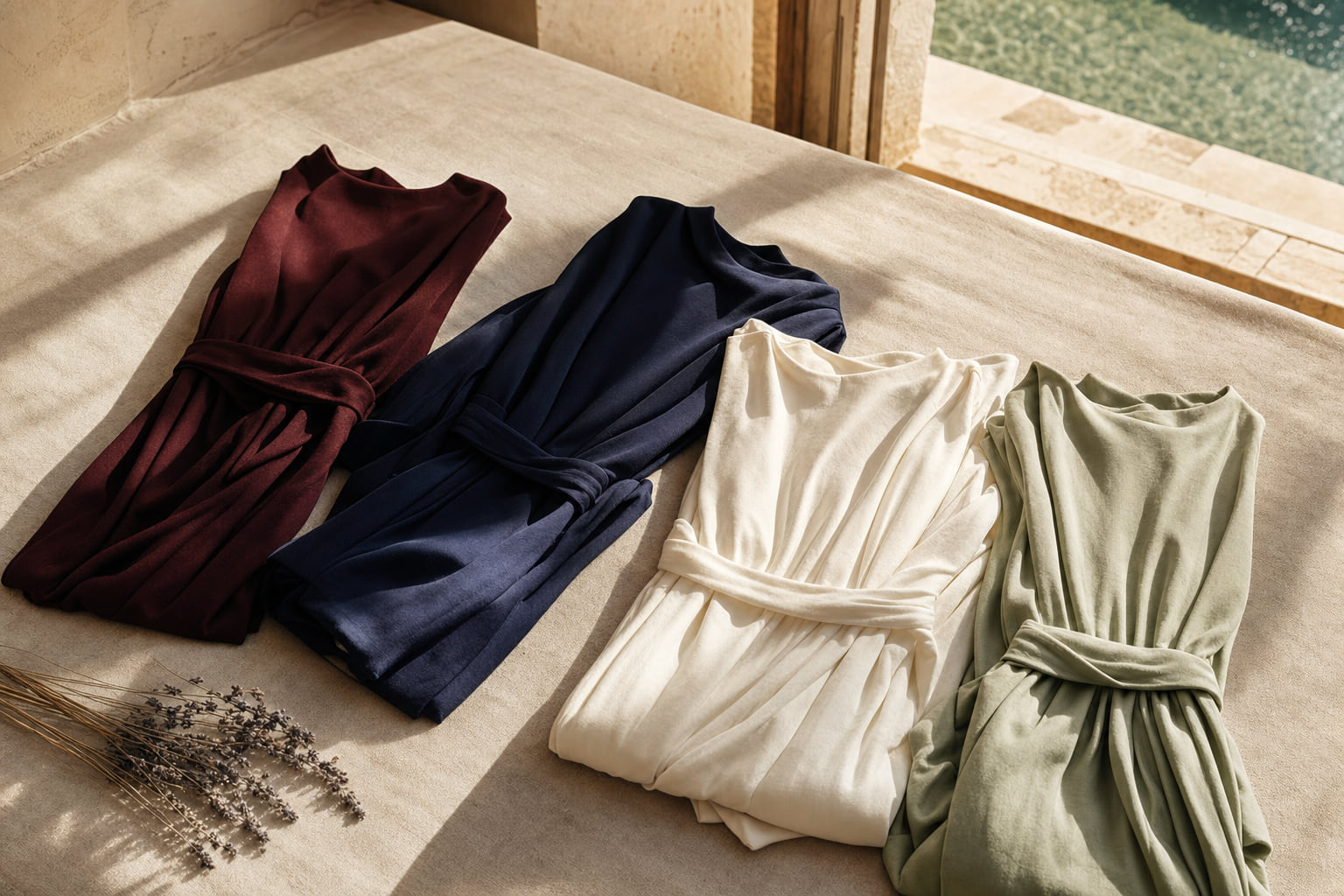
Navy blue is the most wearable deep shade in this category. It flatters cool, neutral, and olive undertones equally well, and it carries none of the severity that true black can sometimes project. A navy midi dress in a smooth, structured fabric, worn with tan leather mules and a linen jacket, is the kind of outfit that looks considered without appearing overdressed. Navy also transitions into evening cleanly: swap the mules for a block-heeled sandal, add a simple gold necklace, and the dress holds its own at a dinner table.
Black is the shade most women already own in some form, but a well-cut black midi dress is a different proposition from a casual black shift. The key is fabric weight and structure. A black midi dress in a slightly heavier woven fabric, with a defined waist and a clean hem, earns its place as a genuine wardrobe foundation. It works for office wear, afternoon events, and evening occasions with minimal restyling.
Burgundy is the most characterful of the three. It is a shade with real depth, particularly flattering on warm, olive, and deep skin tones, and it reads as rich rather than sombre. A burgundy midi dress pairs naturally with cognac leather shoes, ivory knitwear, and gold jewellery. For autumn and winter dressing, it is arguably more interesting than black while remaining just as versatile. According to color theory principles documented on Wikipedia's article on color theory, warm deep tones like burgundy create visual contrast that draws the eye upward, which is particularly useful for emphasizing the face and neckline.
Expert insightWhen wearing a deep shade from head to hem, break the line with a shoe in a contrasting warm neutral, such as camel or cognac leather. It grounds the look and prevents the silhouette from reading as too uniform.

The Soft Palette: Sky Blue, Pale Pink, and Ivory White
Softer shades require more precision in cut and fabric to avoid reading as delicate in the wrong way. The difference between a pale pink dress that looks polished and one that looks washed out is almost always in the fabric. Fluid, slightly weighty materials, such as crepe, satin-backed fabrics, or structured cotton blends, give soft shades the body they need to hold their shape and drape with intention.
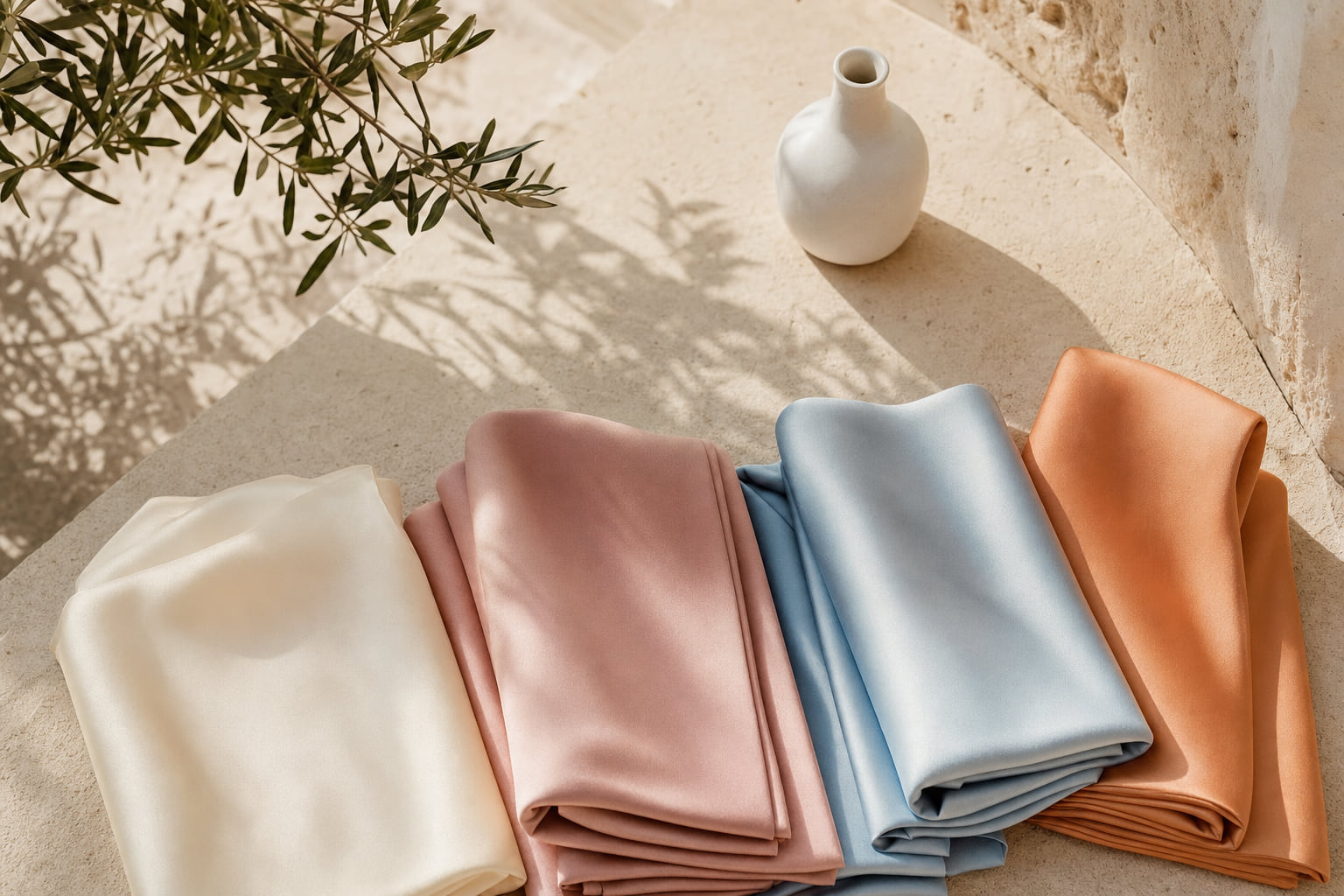
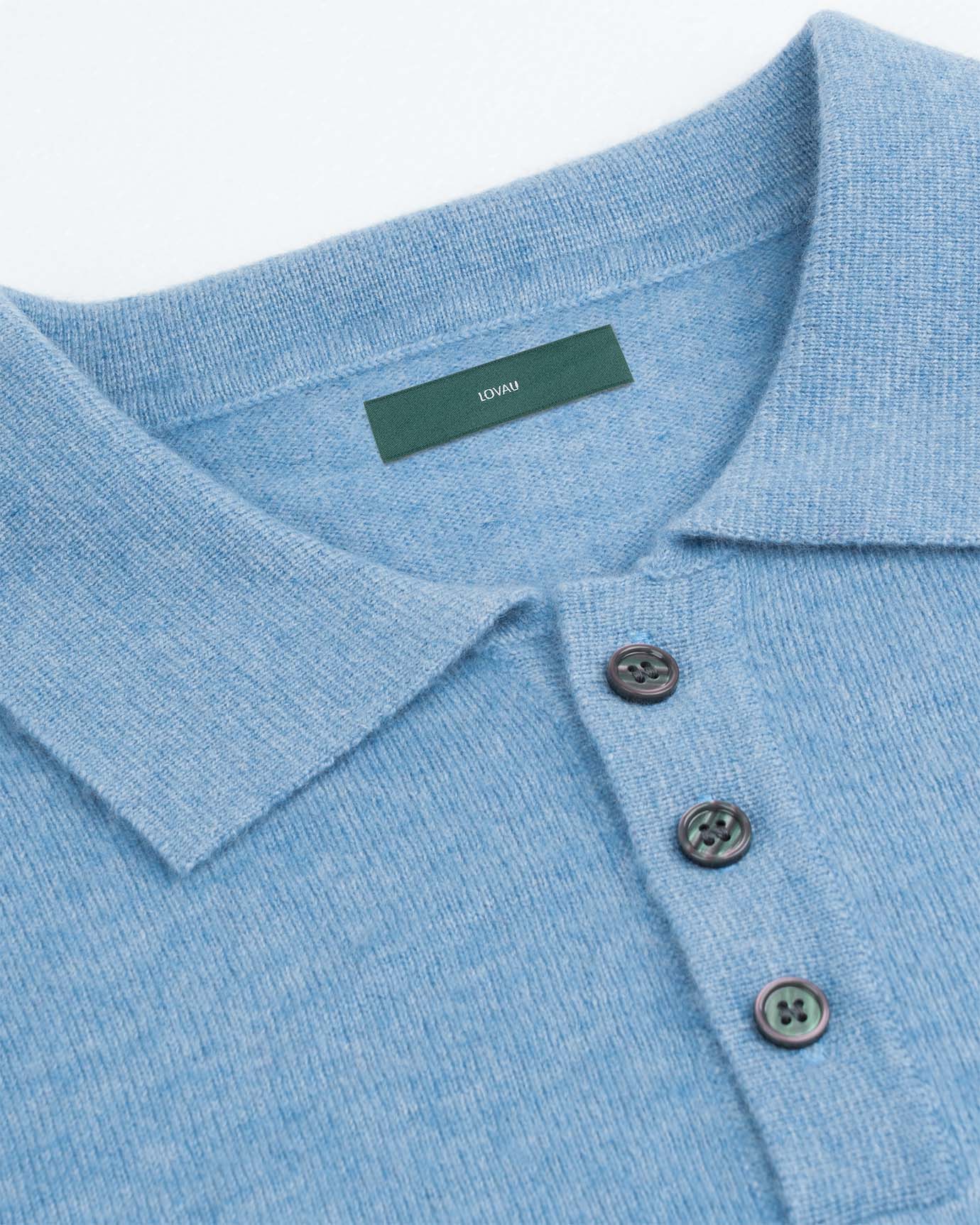
Sky blue is one of the most flattering shades in the soft palette, particularly for cool and neutral undertones. It reflects light upward toward the face in a way that brighter blues do not, and it reads as calm and composed rather than summery. A light blue midi dress worn with white leather sandals and minimal silver jewellery is a complete outfit that requires no further thought. It suits both daytime and early evening occasions in spring and summer.
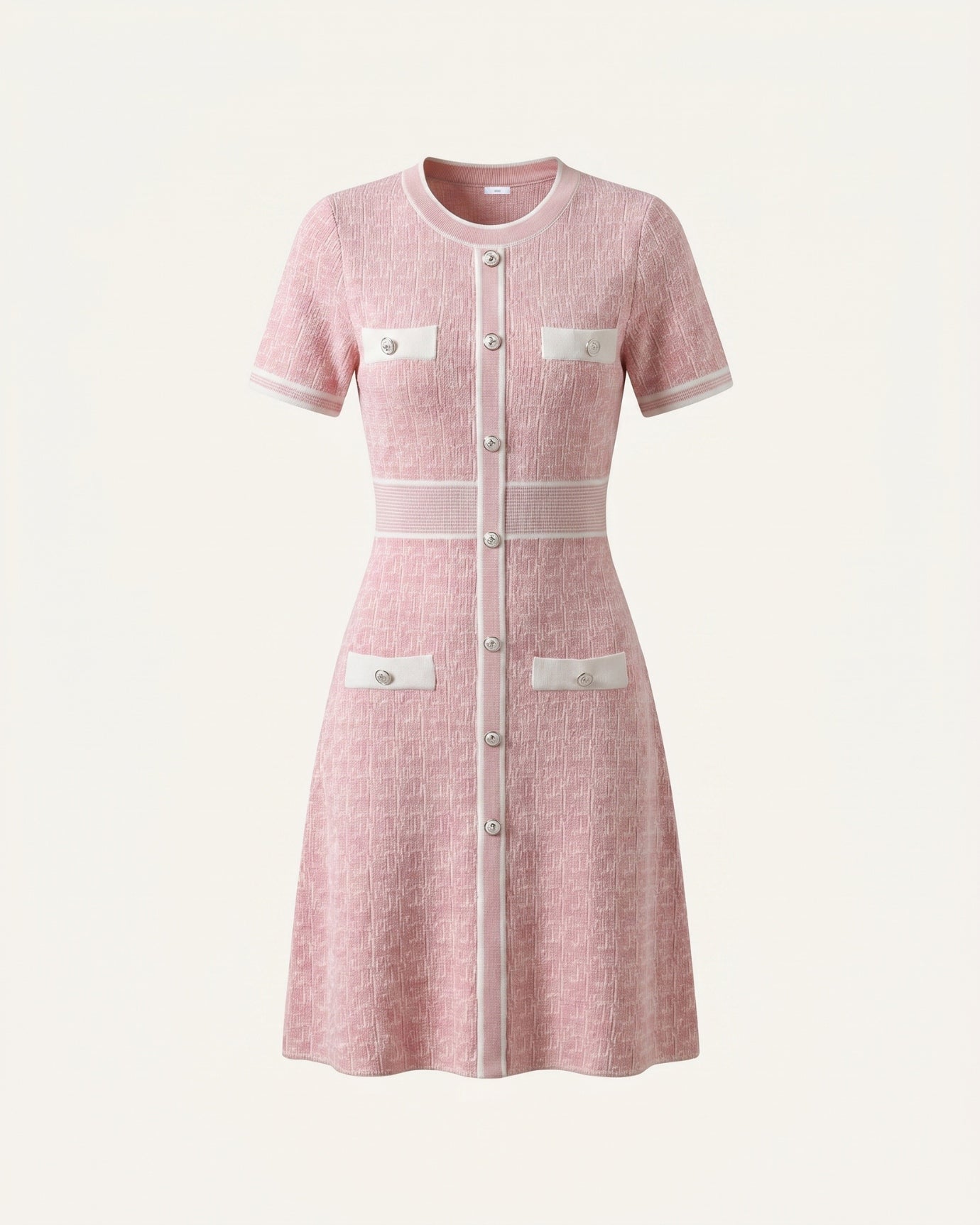
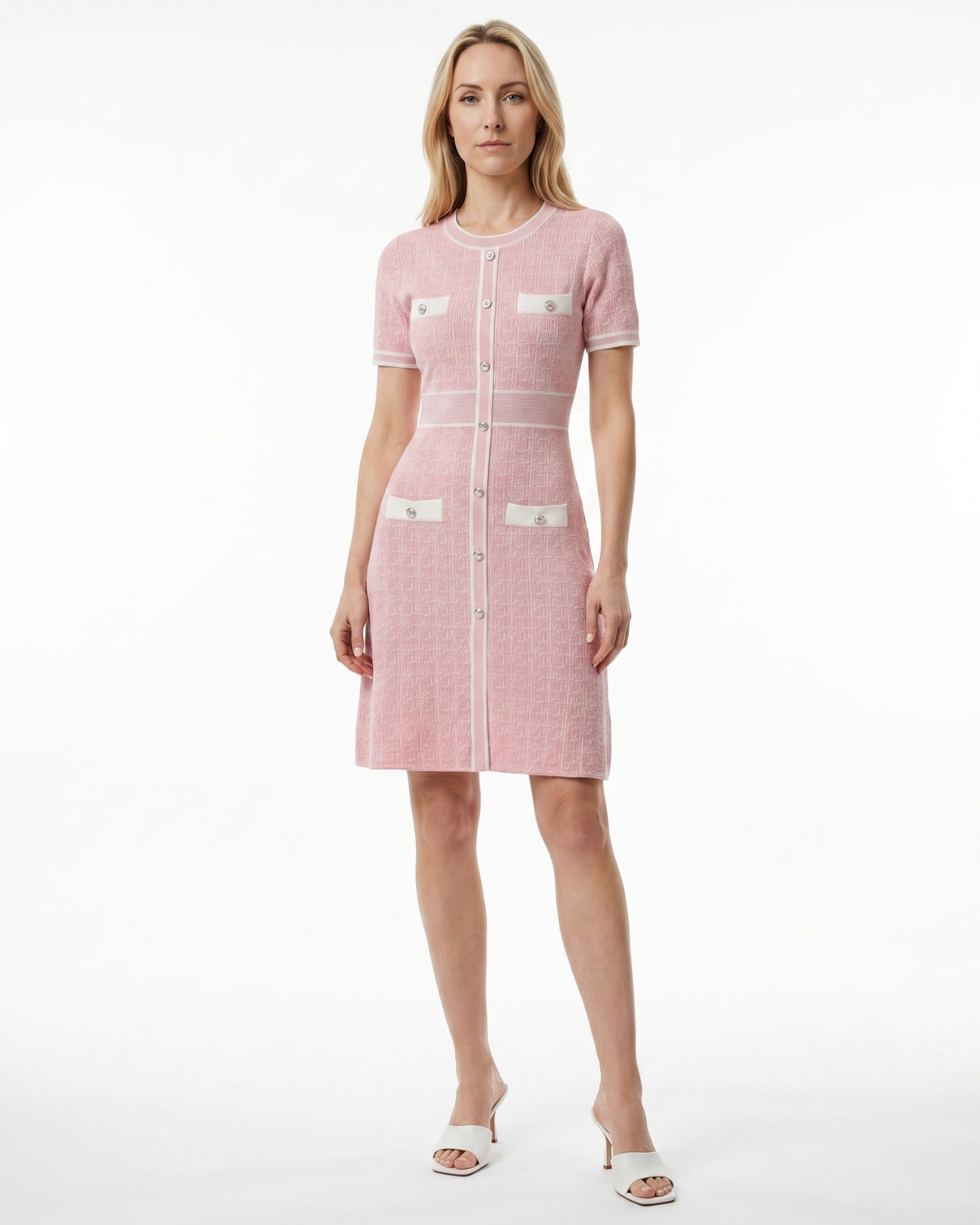
Pale pink is a shade that many women dismiss as too sweet, but in the right cut, it is genuinely sophisticated. The version to avoid is candy pink or anything with a strong warm cast, which can overwhelm fair skin. The version to choose is a muted, slightly dusty rose or a clean pale pink in a structured fabric. A pink midi dress with a fitted bodice and a clean A-line skirt sits in the same register as ivory or champagne, just with more warmth. It pairs well with nude or blush leather shoes and minimal accessories.
White is the most demanding shade in this group. It requires a fabric with enough weight to avoid transparency and a cut precise enough to prevent the dress from reading as casual. A well-made white midi dress is a genuine wardrobe investment, particularly for summer travel, garden occasions, and resort dressing. Pair it with tan leather sandals and a single gold bracelet. The simplicity is the point. For more on building a summer wardrobe around light shades, the summer dresses collection offers a useful starting point.
Expert insightSoft shades show fabric quality more honestly than dark ones. Before buying a pale midi dress, check the fabric weight by holding it up to natural light. If the weave is visible, the dress will need a slip, which adds bulk and changes the drape.

Colour and Skin Tone: A Practical Framework
Choosing a flattering shade is not a matter of personal preference alone. Skin undertone, which is the underlying warmth or coolness in your complexion, has a measurable effect on how a color reads against your face.
Warm undertones, which appear golden, peachy, or olive, are generally flattered by shades with warmth in them: burgundy, warm green, camel, ivory, and dusty rose. Cool blues and stark white can create a slightly grey effect against warm skin.
Cool undertones, which appear pink, beige, or bluish at the wrist, tend to work best with navy, sky blue, true white, soft lavender, and deep plum. Warm earthy shades can make cool skin look sallow.
Neutral undertones are the most flexible and can wear most shades, but tend to look best in balanced tones rather than very warm or very cool extremes.
For a more detailed breakdown of this framework, the article How to Dress for Your Specific Skin Undertone: Warm vs Cool covers the practical application in full. Harper's Bazaar also maintains a consistently useful guide to color and skin tone that is worth reading alongside this one.
The practical implication for midi dress shopping is this: if you are drawn to a shade but uncertain whether it works for you, hold the fabric up to your face in natural daylight before purchasing. The difference between a flattering shade and a draining one is immediately visible in that context.
Expert insightNatural daylight is the only reliable test for whether a shade flatters your complexion. Artificial lighting in fitting rooms, particularly warm-toned retail lighting, makes almost every shade look acceptable. Step outside or stand near a window.

Green and Yellow: The Shades Worth Reconsidering
Green and yellow occupy an interesting position in the 2026 palette. Both have been present in womenswear for several seasons, but both require more precision than the anchor shades to wear well.
Green in a deep, muted register is one of the most sophisticated choices available. Forest green, deep sage, and olive all sit comfortably alongside navy and burgundy as grounded, year-round shades. A green midi dress in a fluid fabric works particularly well for autumn and transitional dressing, and it flatters warm and neutral undertones strongly. Pair it with tan leather shoes, a cream or camel knit, and understated gold jewellery. The combination is complete and requires nothing more.
Yellow is the shade that most women hesitate over, and the hesitation is usually justified when the yellow in question is bright or warm-leaning. However, a soft, slightly muted yellow, sometimes described as butter yellow or pale gold, is a genuinely flattering shade for medium and deep skin tones and adds a quality of light that few other shades can match. A yellow midi dress in this register, worn with white or tan accessories, reads as considered and warm rather than bold. The key is to keep the accessories neutral and the silhouette clean.
For those building a broader wardrobe around these shades, the midi dresses collection includes options across this full color range.

Pattern and Print: When Color Works in Combination
Not every midi dress in 2026 is a solid shade. Prints and patterns are a legitimate way to introduce color into a wardrobe, and in some cases, they are more flattering than a single solid tone because they break up the silhouette and add visual interest at the eye level.
The prints most consistent with a refined, timeless wardrobe are small florals, classic polka dots, and refined color-blocked arrangements. A floral midi dress with a ground color of navy or deep green and a small repeating motif in ivory or blush reads as genuinely elegant rather than casual. The ground color anchors the print and determines how formal or relaxed the dress reads overall.
Polka dots in a classic scale, neither too large nor too small, are a print with genuine longevity. A polka dot midi dress in a navy or black ground with white dots is a specific, confident choice that photographs well and suits a wide range of occasions from a gallery visit to a summer lunch.
For print dresses, the same undertone logic applies to the ground color as to a solid shade. Choose the ground color as you would choose a solid dress, and treat the secondary colors in the print as a bonus rather than the primary consideration. For shoe pairing with any of these colors, the article The Best Shoe Pairings for Midi Dresses in 2026 provides specific and practical guidance.

Building a Color-Led Midi Dress Wardrobe for 2026
A considered midi dress wardrobe does not require many pieces. It requires the right pieces in shades that work both independently and in relation to each other.
The most practical starting point is a dark anchor shade: navy or black, in a structured fabric, for formal and semi-formal occasions. From there, a mid-tone shade such as deep green or burgundy adds warmth and versatility for daytime and transitional seasons. A light or soft shade, either white or sky blue, covers resort, summer, and warm-weather occasions.
Those three dresses, chosen carefully and in quality fabrics, cover the majority of occasions a woman will face across a year. Additional shades, pale pink, yellow, or a print, can be added as the wardrobe matures, chosen to fill specific gaps rather than to add variety for its own sake.
For those comparing the midi length with longer options, the article Maxi vs Midi Dresses: Which Is More Flattering? addresses the length question directly. For afternoon occasions specifically, How to Dress for Afternoon Tea in Style provides concrete outfit guidance across several of these shades.
The day dresses collection is also worth browsing for shades and styles that complement a midi-focused wardrobe.

| Color | Best Undertones | Primary Season | Best Occasion | Key Pairing |
|---|---|---|---|---|
| Navy Blue | Cool, Neutral, Olive | Year-round | Work, Evening, Travel | Tan leather mules, gold jewellery |
| Black | All undertones | Year-round | Evening, Office, Formal | Block heel sandal, minimal silver |
| Burgundy | Warm, Olive, Deep | Autumn, Winter | Dinner, Weekend, Cultural events | Cognac leather shoes, ivory knit |
| Sky Blue | Cool, Neutral | Spring, Summer | Daytime, Garden, Resort | White sandals, silver jewellery |
| Pale Pink | Neutral, Cool | Spring, Summer | Afternoon, Brunch, Garden party | Nude leather shoes, rose gold |
| White | All undertones | Spring, Summer | Resort, Garden, Formal day | Tan sandals, single gold bracelet |
| Deep Green | Warm, Neutral, Olive | Autumn, Spring | Weekend, Lunch, Travel | Camel shoes, gold accessories |
| Butter Yellow | Medium, Deep, Warm | Spring, Summer | Daytime, Holiday, Brunch | White or tan accessories |
Frequently asked questions
What is the most versatile midi dress color for 2026?
Navy blue is the most versatile single shade. It works across seasons, suits most skin undertones, and moves between casual and formal occasions more naturally than black. A navy midi dress in a quality fabric is the most reliable starting point for a color-led wardrobe.
Which midi dress colors are most flattering for warm skin undertones?
Warm undertones are flattered by shades with warmth in them: burgundy, deep green, butter yellow, ivory, and dusty rose. Cool blues and stark white can create a slightly flat effect against warm skin. The key is to avoid shades with a strong cool or grey cast.
Can I wear a white midi dress beyond summer?
Yes, with the right fabric and styling. A white midi dress in a heavier woven fabric, paired with a camel or tan coat and ankle boots, reads as intentional and considered in autumn. The mistake is wearing lightweight white fabrics past their natural season, which looks underdressed rather than elegant.
How do I choose between a solid color and a printed midi dress?
The ground color of a printed dress should be chosen using the same logic as a solid shade. If navy works for you as a solid, a navy-ground floral or polka dot will also work. Prints add visual interest and can be more forgiving in terms of fit, but they require simpler accessories to avoid a cluttered look. The Midi French Dress Flowery is a good example of a print with a grounded, wearable base color.
Color is not a superficial decision. The shade you choose determines how a dress reads in different lights, how it works with the rest of your wardrobe, and whether you will reach for it consistently over time. The shades covered here, from deep navy and burgundy to soft sky blue and pale pink, are not trend-driven choices. They are colors with staying power, chosen because they flatter, because they work across occasions, and because they hold their quality in a well-made fabric. Start with one anchor shade, choose it well, and build from there. Browse the full midi dresses collection to find the shade and cut that belongs in your wardrobe.