


Günstiger Old Money Style Guide für jeden Tag
Für diejenigen, die eine Aura von zurückhaltender Eleganz und zeitloser Raffinesse ausstrahlen möchten, bietet der Erschwingliche Old Money Style Guide für den Alltag einen umfassenden Leitfaden zur Zusammenstellung einer Garderobe, die von Vintage-Charme und klassischer Eleganz geprägt ist. Die Ästhetik des „Old Money“ – einst der wohlhabenden Elite vorbehalten – hat sich zu einer begehrten Modesprache entwickelt, die durch hochwertige Stoffe, subtilen Luxus und tadellose Schneiderei definiert wird. Dieser Leitfaden führt Sie durch die wesentlichen Prinzipien, Styling-Taktiken und Investitionstipps, um diesen dezent opulenten Stil zu verkörpern, ohne Ihr Budget zu sprengen.
Inhaltsverzeichnis
- Eine zeitlose Garderobe aufbauen: Wesentliche Old-Money-Stücke
- Stoff & Textur: Hochwertige Materialien budgetfreundlich auswählen
- Herrenmode-Styling: Klassische Looks mit moderner Praktikabilität
- Damenmode-Styling: Eleganz in Einfachheit
- Accessoires: Die subtilen Merkmale wohlhabender Mode
- Vintage- und klassische Stücke erschwinglich beschaffen
- Ihre Old-Money-Garderobe für dauerhafte Eleganz pflegen
- Häufig gestellte Fragen
- Fazit: Werten Sie Ihren Alltagslook mit erschwinglichem Old-Money-Stil auf
Wir werden sieben Schlüsselbereiche untersuchen: grundlegende Garderobenstücke, Stoff- und Texturauswahl, Styling für Herren- und Damenmode, saisonale Anpassungen, Accessoire-Auswahl, erschwingliche Beschaffung von Vintage- und klassischen Artikeln sowie praktische Wartungstipps. Egal, ob Sie neu in der „Old Money“-Garderobe sind oder Ihren Modeansatz verfeinern möchten, dieser Leitfaden liefert Ihnen umsetzbare Erkenntnisse, gestützt auf Branchenexpertise und zeitlose Designphilosophien.

Eine zeitlose Garderobe aufbauen: Wesentliche Old-Money-Stücke
Wesentliche Herrenmode-Grundlagen
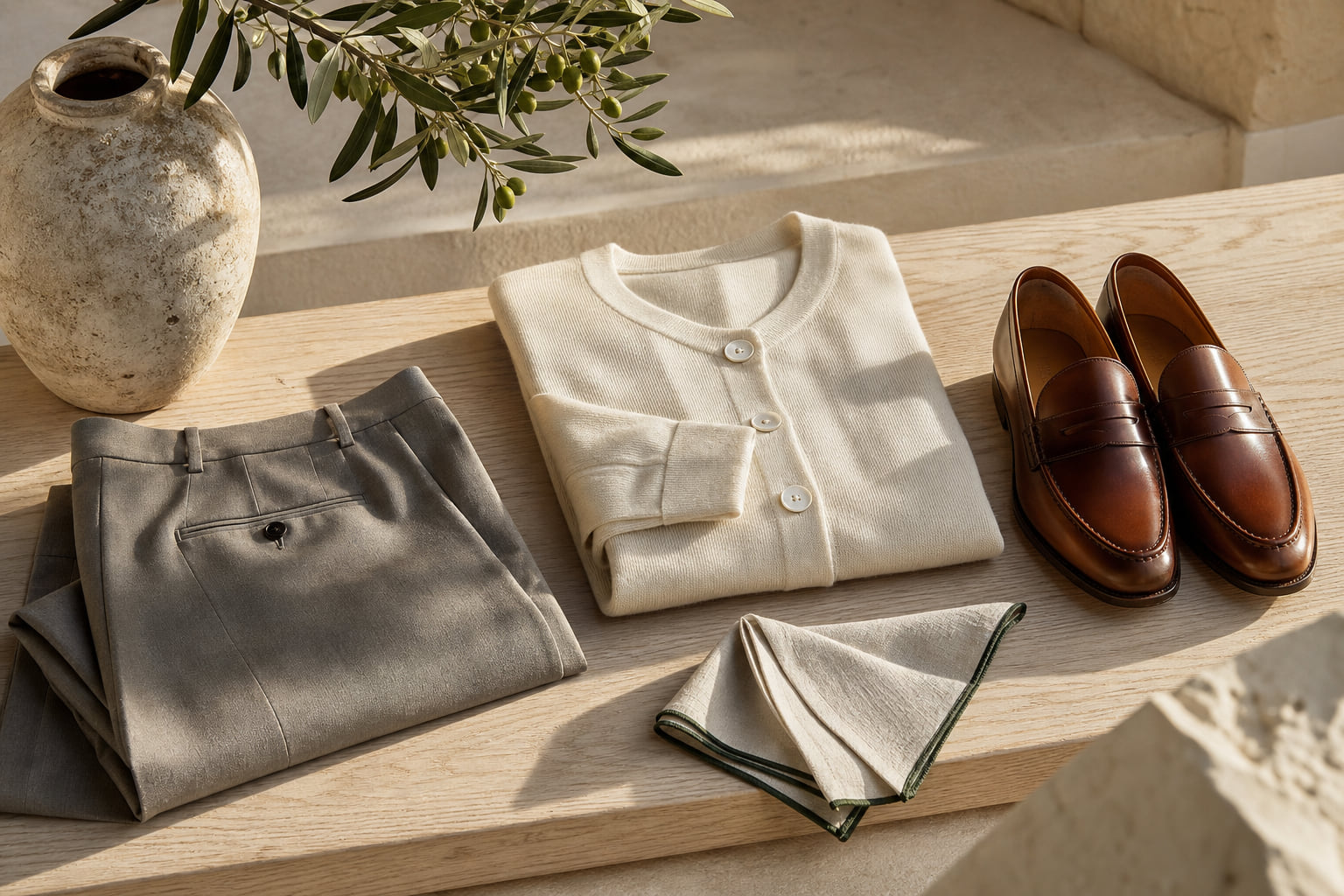
Das Markenzeichen des Old-Money-Stils ist eine subtile Raffinesse, die durch klassische Schnitte und edle Stoffe erreicht wird. Für Männer beginnen Sie mit maßgeschneiderten Hosen, makellosen Button-Down-Hemden und hochwertiger Strickware. Ein klassisches Stück ist die Plisseehose – so konzipiert, dass sie Struktur ohne Steifheit bietet. Lovau’s Old Money Style Plisseehosen sind ein Beispiel für diese Balance mit einem dreidimensionalen, maßgeschneiderten Schnitt, der den Alltagslook aufwertet.
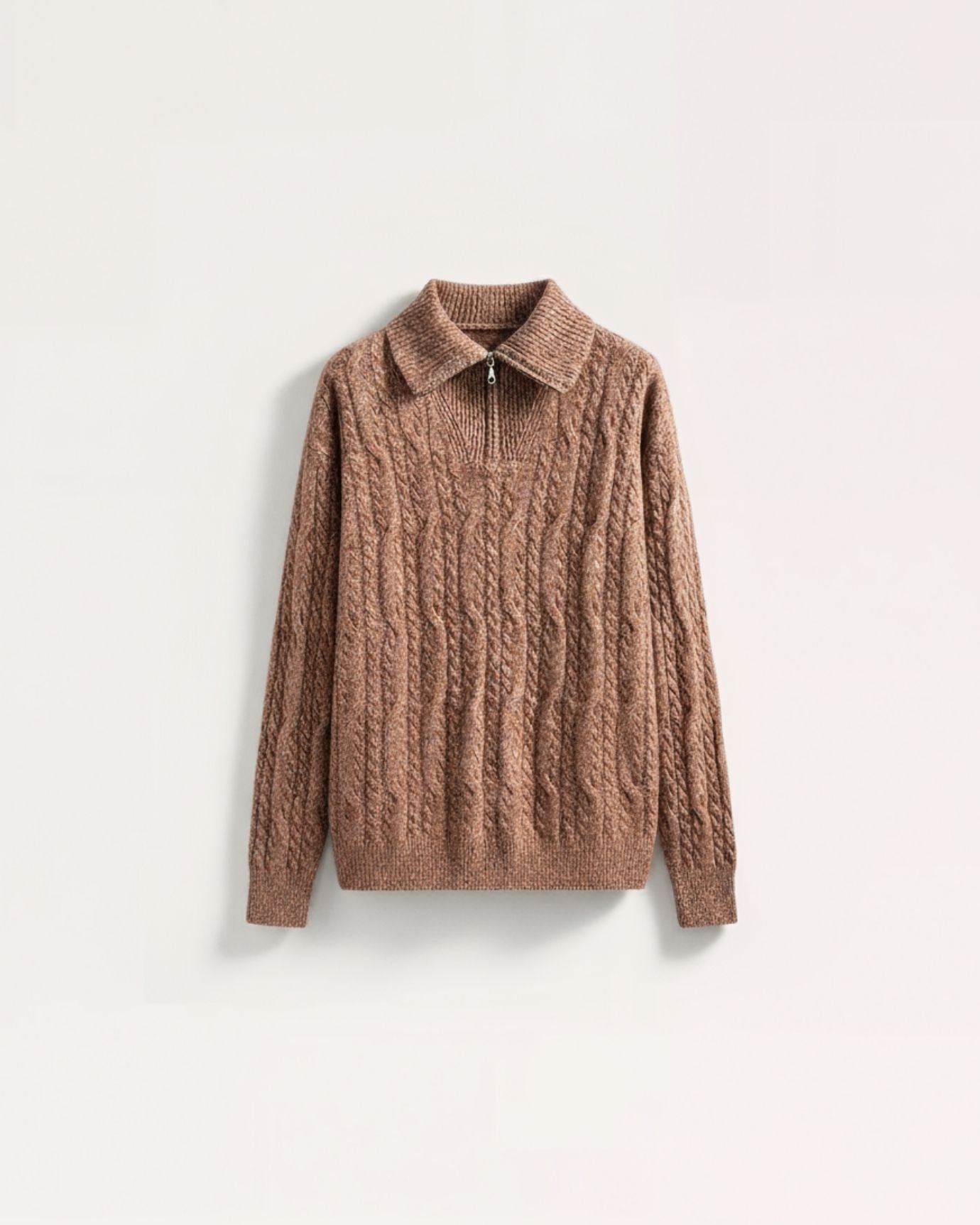
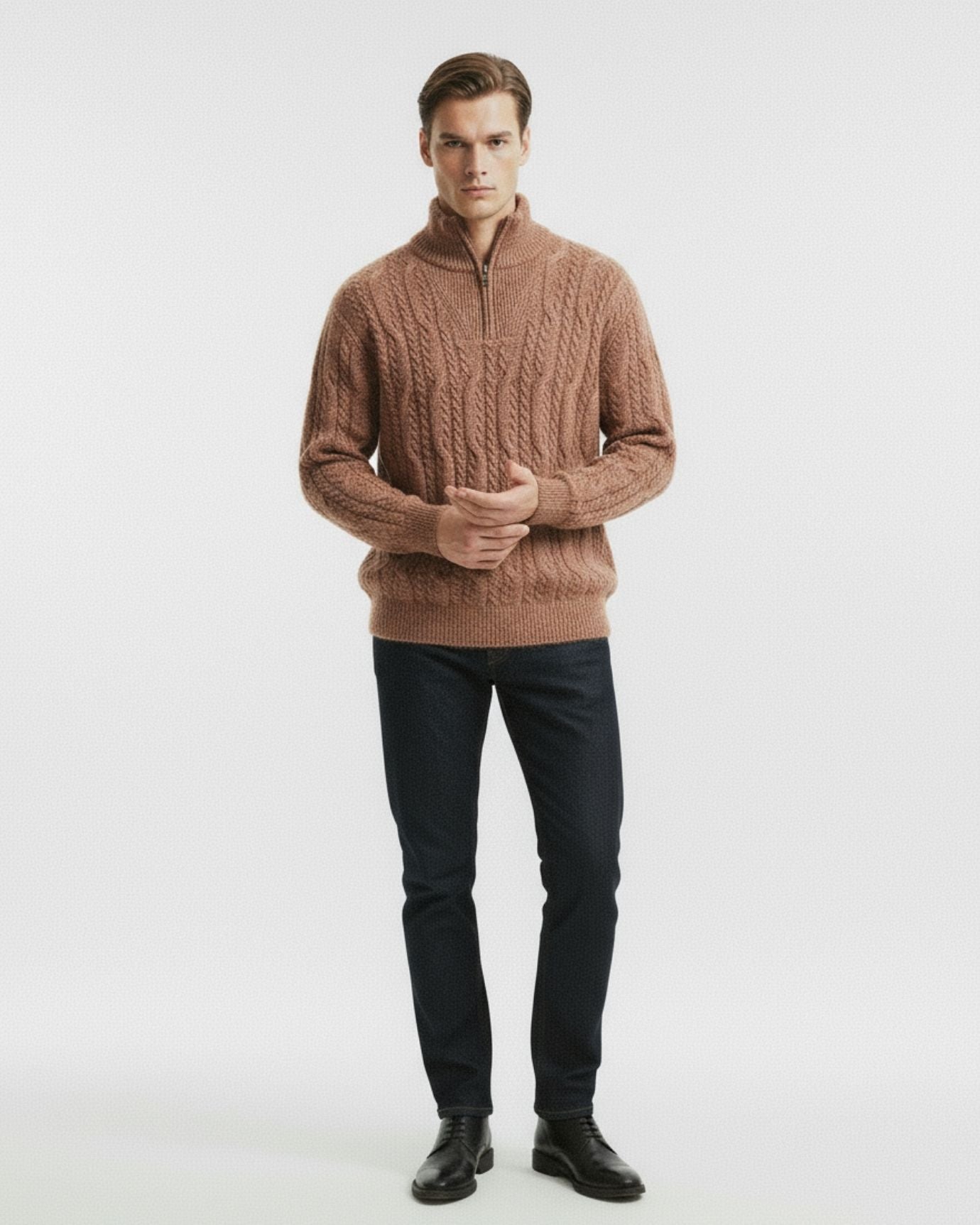
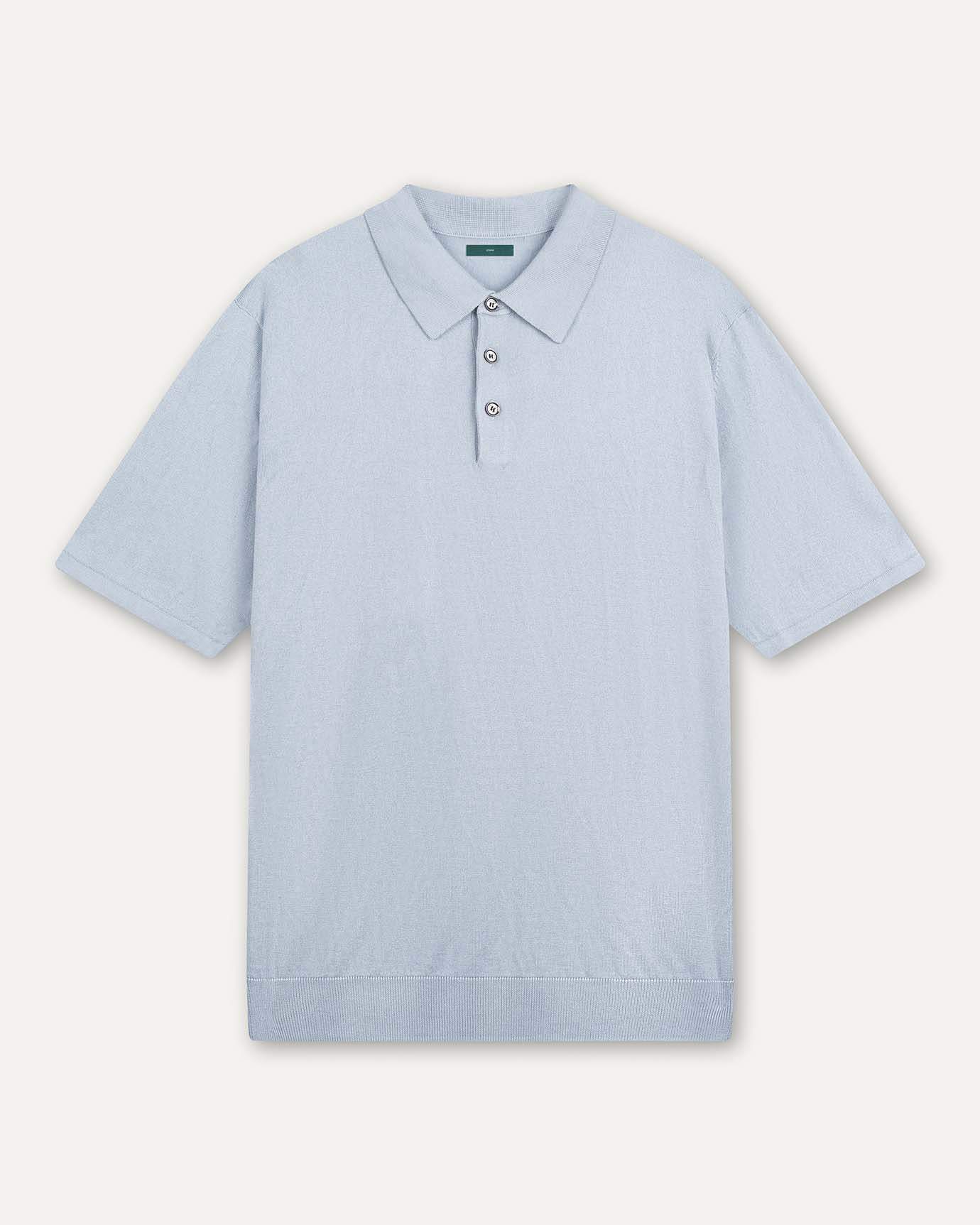
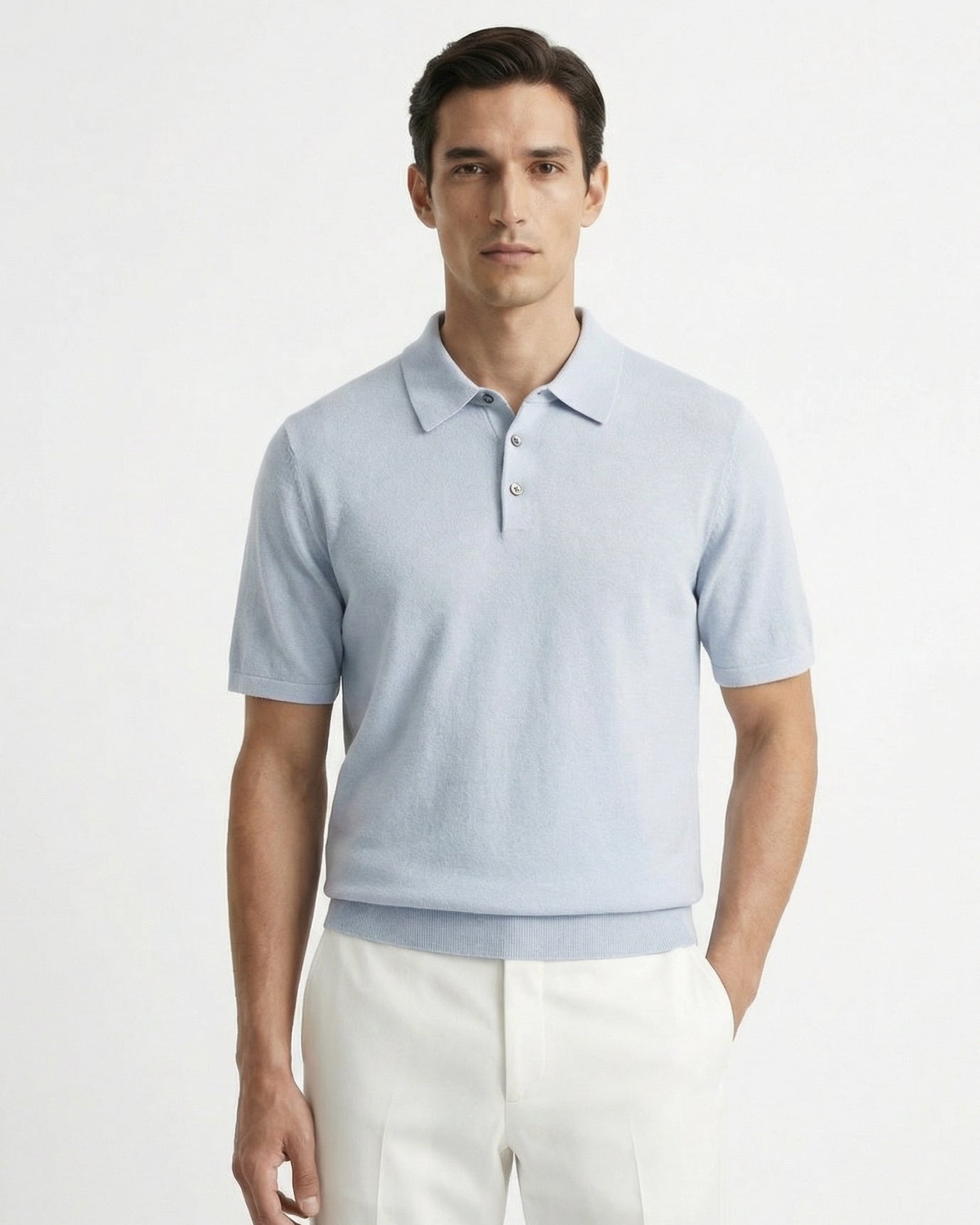
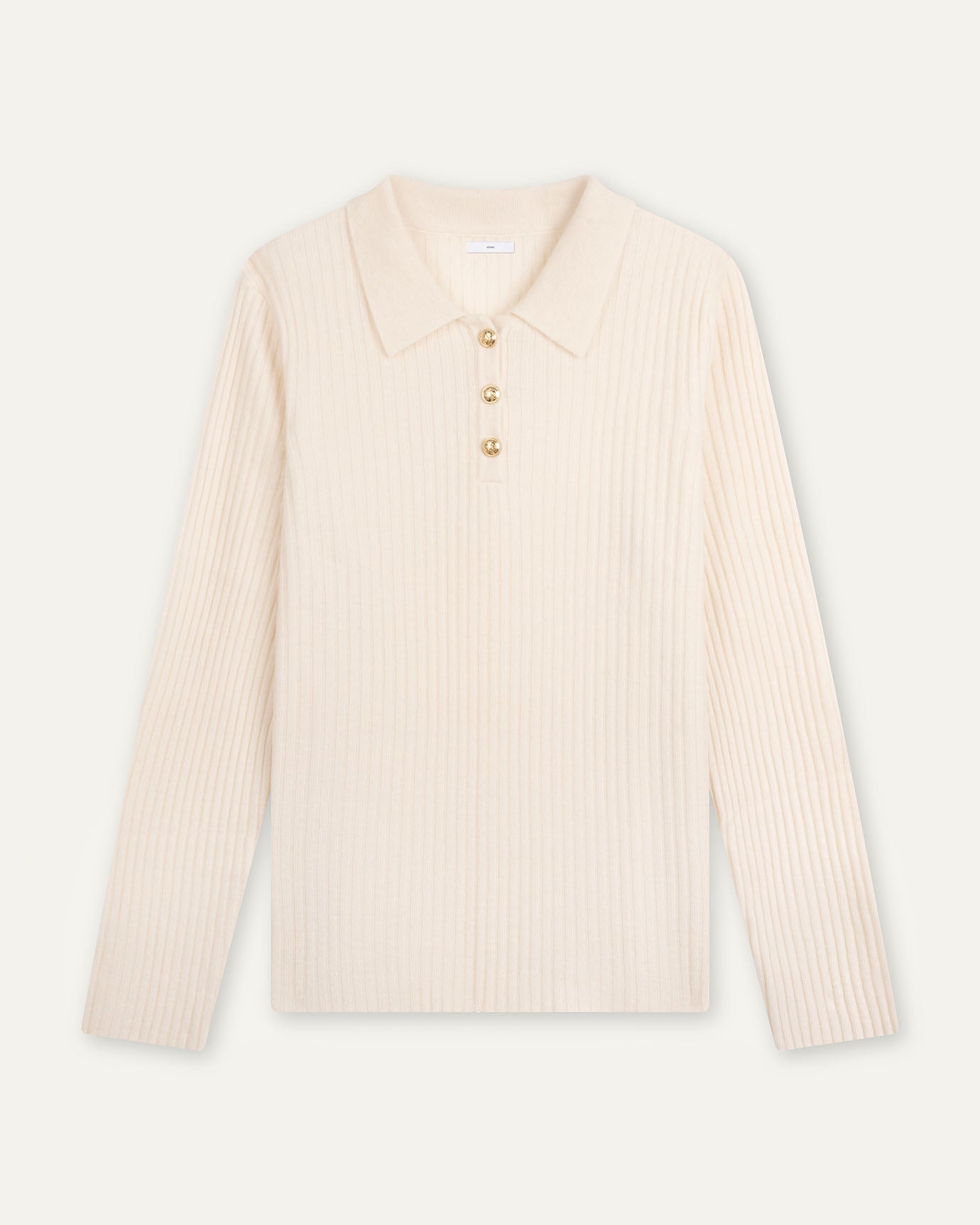
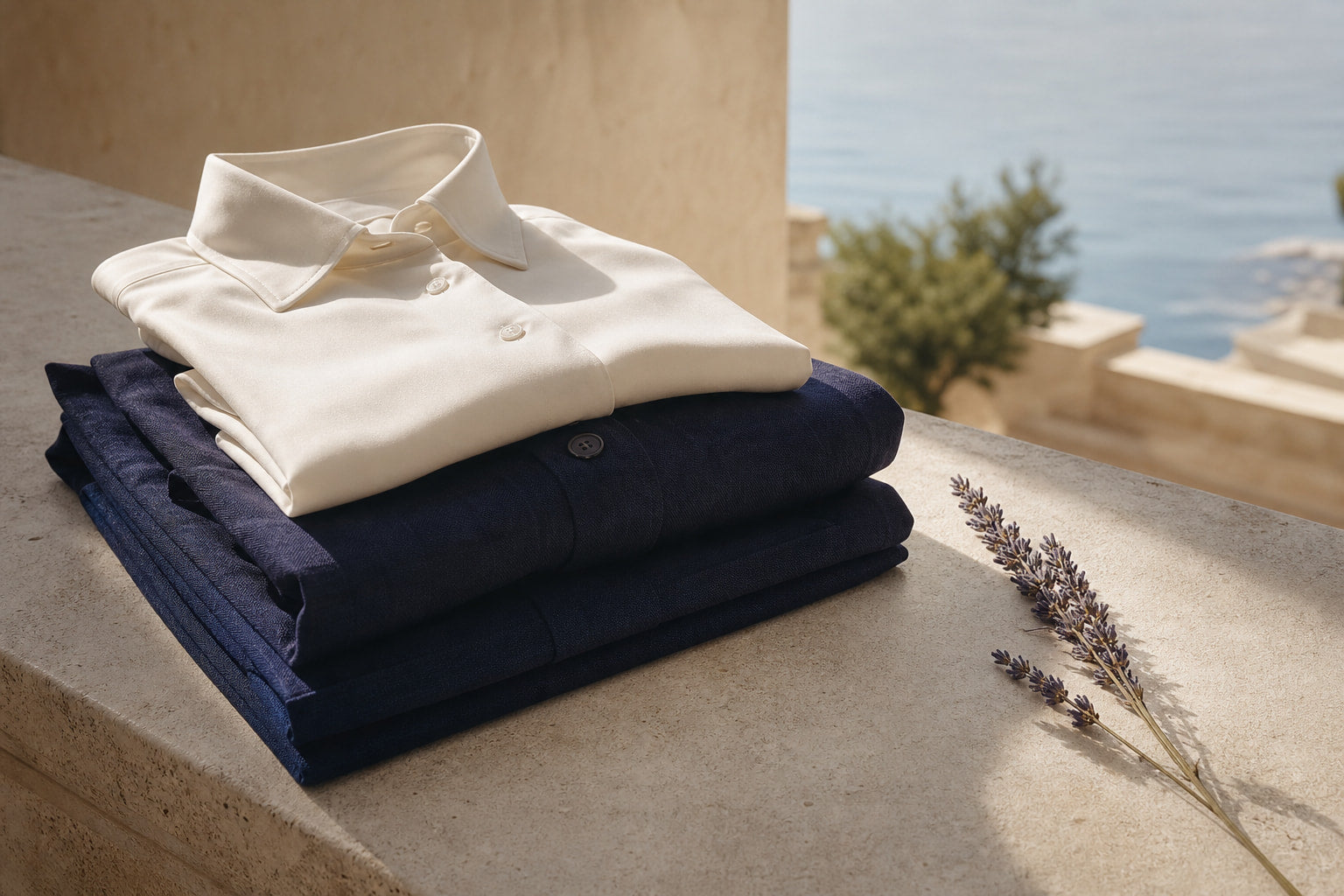
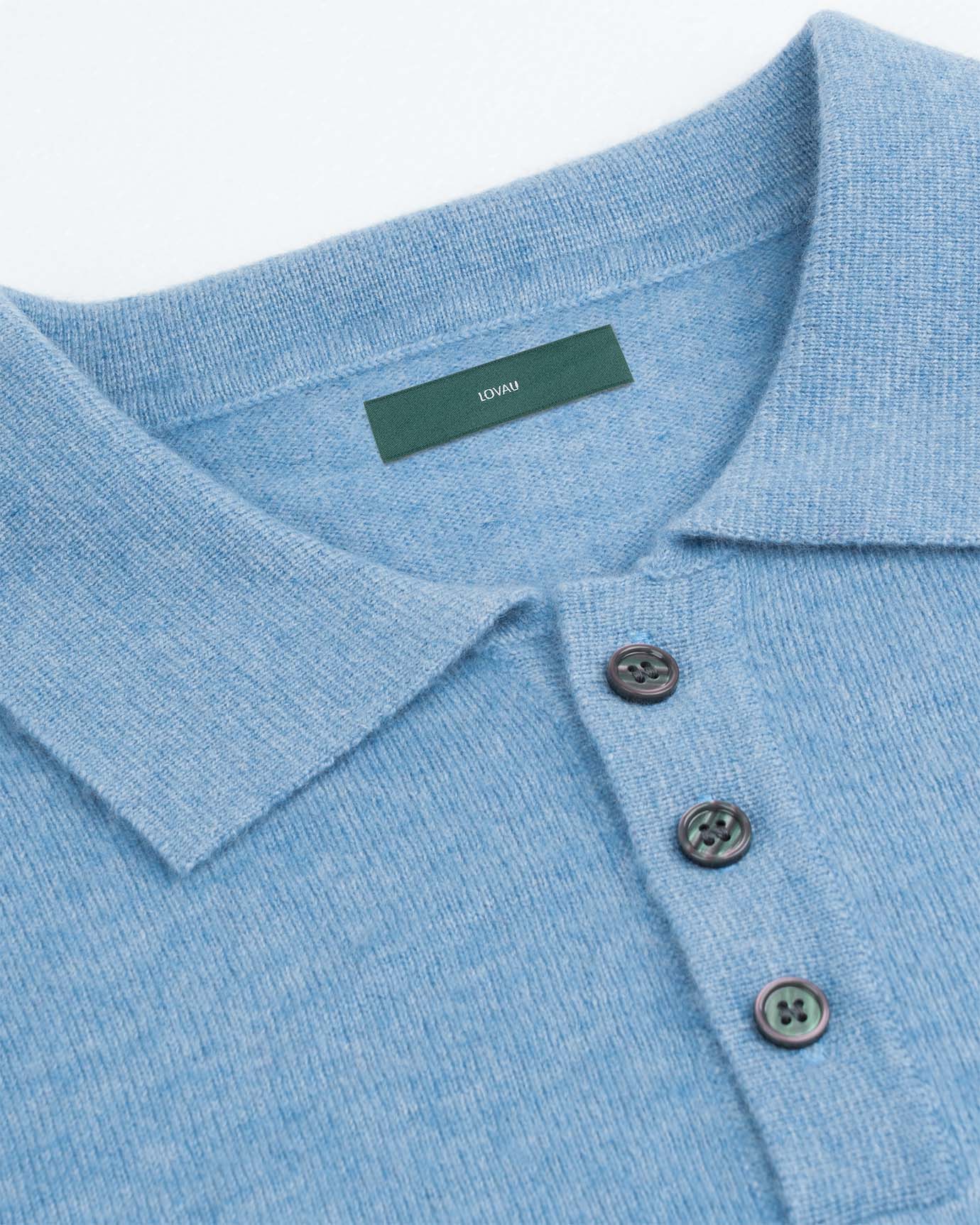
Investieren Sie in Button-Down-Hemden in subtilen, gedeckten Tönen wie Elfenbein, Hellblau oder Zartrosa. Das Old Money Retro Style Hemd kombiniert Vintage-Flair mit moderner Schneiderei und ist somit ein vielseitiges Garderoben-Grundnahrungsmittel. Wählen Sie bei Strickwaren feines Kaschmir oder Merinowolle in neutralen Farben wie Camel, Marineblau und Grau, um sie mühelos zu schichten.
Unverzichtbare Damenmode-Komponenten
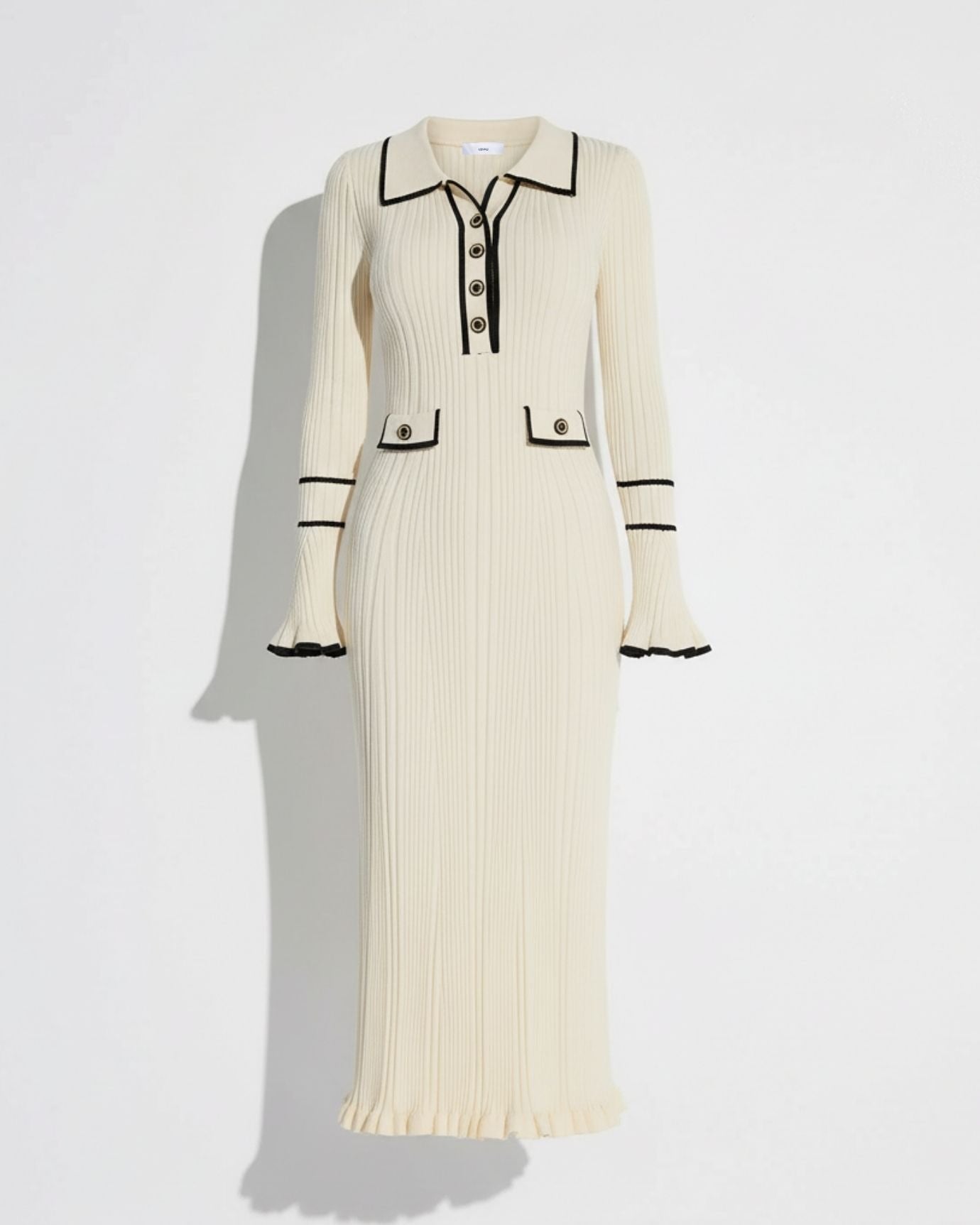
Der Old-Money-Stil für Frauen zeichnet sich durch elegante Einfachheit und Investitionen in zeitlose Silhouetten aus. Hoch taillierte Hosen aus klassischen Stoffen wie Wolle und Kord sind grundlegend. Lovau Woman’s Cordhosen für Damen im High-Waist Old Money Style sind ein perfektes Beispiel und bieten sowohl Vintage-Textur als auch einen schmeichelhaften Schnitt.
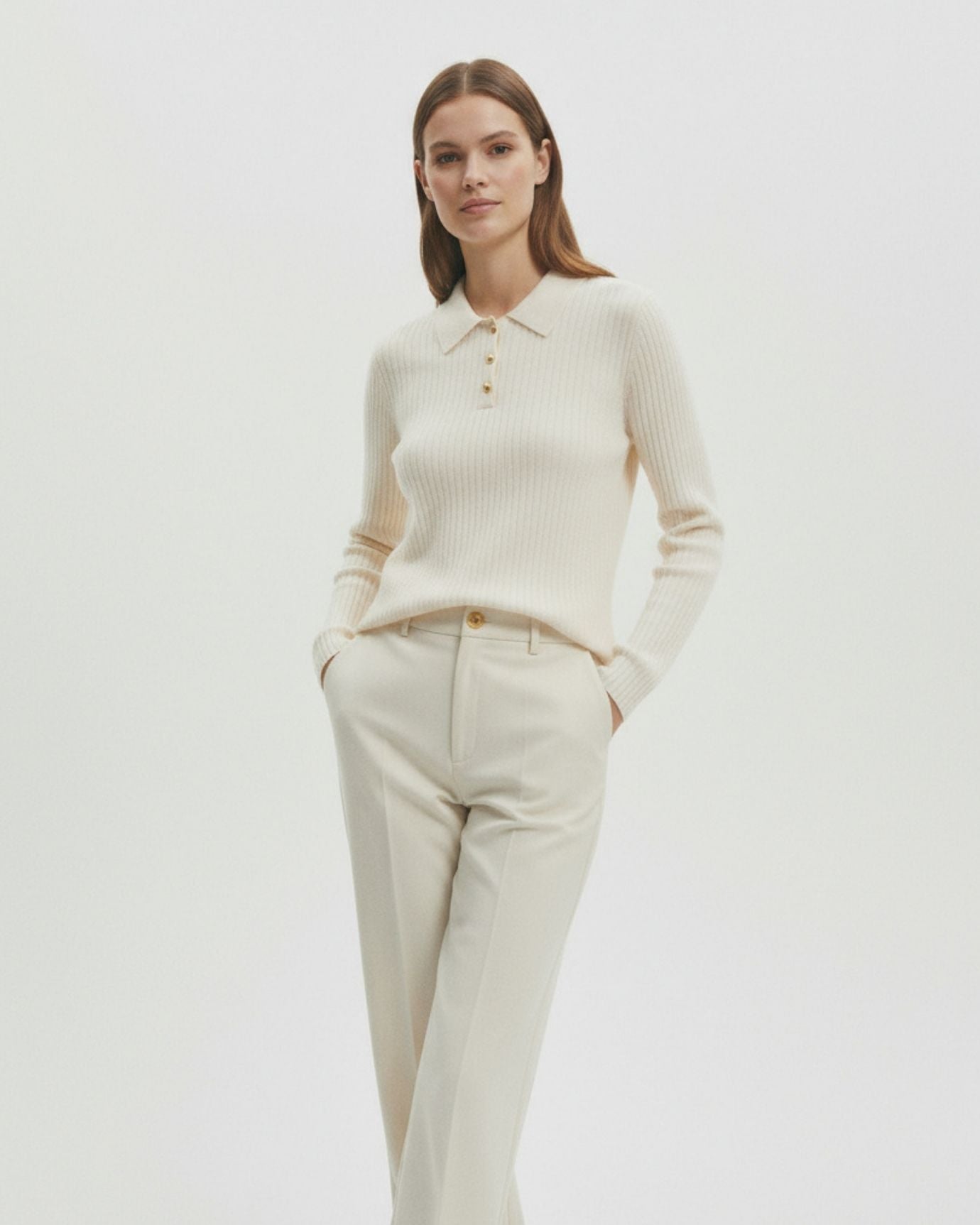
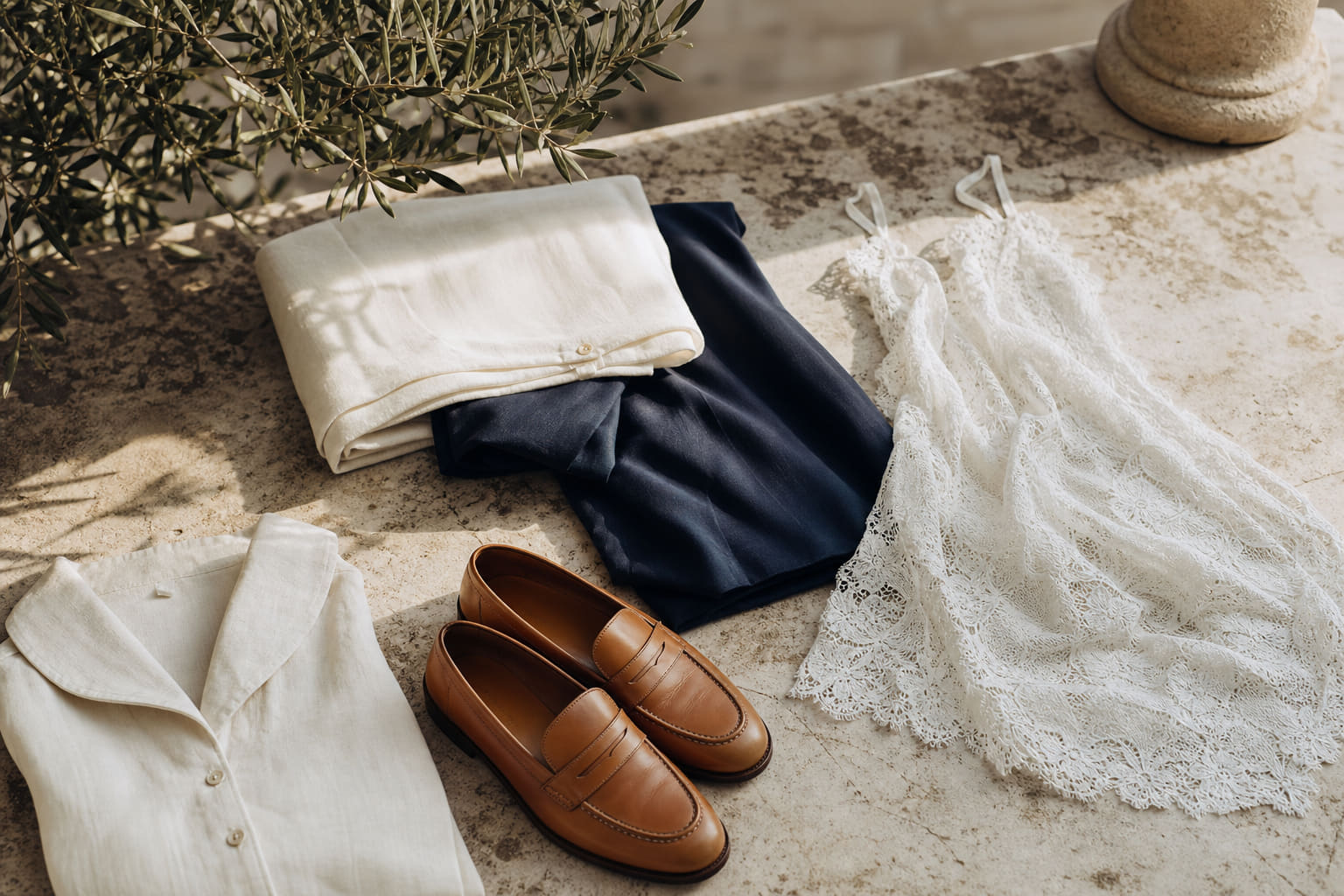
Ergänzen Sie Hosen mit Blusen aus Seide oder Baumwolle, dezenten Strickwaren und strukturierten Blazern. Schuhe sollten Qualität und Zurückhaltung widerspiegeln; die Investition in klassische Loafer wie die Diana Old Money Style Damen-Loafer kombiniert Komfort mit einer raffinierten Silhouette. Diese Stücke können gemischt und aufeinander abgestimmt werden, um eine mühelos schicke Garderobe zu erhalten.

Stoff & Textur: Hochwertige Materialien budgetfreundlich auswählen
Die Rolle von Naturfasern
Ein prägendes Merkmal des Old-Money-Stils ist die Vorliebe für Naturfasern, die elegant altern und Komfort bieten. Kaschmir, Seide und Wolle sind die Säulen einer zeitlosen Garderobe. Kaschmirpullover und -schals spenden Wärme und Weichheit, die von Synthetikmaterialien unübertroffen werden, was sie zu einer lohnenden Investition macht. Während reines Kaschmir für hochwertige Stücke zwischen 100 und 300 US-Dollar liegen kann, können Mischgewebe aus Kaschmir eine Erschwinglichkeit bieten, ohne das Gefühl zu beeinträchtigen.
Seidenblusen und -schals verleihen jedem Outfit einen luxuriösen Glanz und Fall, der es aufwertet. Wählen Sie Maulbeerseide oder Charmeuse für diese glatte Textur; die Preise beginnen typischerweise bei etwa 80 US-Dollar für Seidenaccessoires und 150 US-Dollar für Blusen. Wolle, insbesondere feine Merinowolle oder Kammgarn, bietet Haltbarkeit und Vielseitigkeit für alle Jahreszeiten. Wollmäntel und -hosen sind zwischen 150 und 400 US-Dollar erhältlich, wobei der Bezug über Vintage-Quellen noch günstigere Optionen bietet.
Stoffpflege für Langlebigkeit
Die Pflege von Naturfasern ist entscheidend, um die Lebensdauer Ihrer Old-Money-Garderobe zu verlängern. Befolgen Sie immer die Pflegeetiketten, verwenden Sie milde Waschmittel für empfindliche Stoffe und investieren Sie in hochwertige Kleidersäcke und Kleiderbügel, um Beschädigungen zu vermeiden. Regelmäßiges Bürsten und Lüften von Wollkleidung verhindert Mottenbefall, während Seide von Hand gewaschen oder chemisch gereinigt werden sollte. Richtige Pflege verbessert die Stofftextur und bewahrt die Fülle von Farbe und Form.

Herrenmode-Styling: Klassische Looks mit moderner Praktikabilität
Schichten und Maßanfertigung
Das Schichten ist eine Kunst in der „Old Money“-Herrenmode, die Funktion und Stil in Einklang bringt. Kombinieren Sie ein makelloses Hemd mit einem Kaschmirpullover oder einem Wollblazer für einen eleganten Look. Maßanfertigung ist unerlässlich; selbst Konfektionsstücke können von kleineren Änderungen profitieren, um eine perfekte Passform zu gewährleisten. Die Pflege klassischer Silhouetten umfasst schmale, aber nicht hautenge Schnitte und moderate Falten für Hosen. Das Mischen von Texturen, wie ein weicher Kaschmirpullover mit strukturierter Wolle, schafft visuelles Interesse und bewahrt gleichzeitig eine dezente Eleganz.
Farbpalette und Muster
Halten Sie sich an eine raffinierte Farbpalette aus Marineblau, Beige, Creme, Oliv und Anthrazit, mit gelegentlichen Akzenten in Burgunderrot oder Tannengrün für mehr Tiefe. Klassische Muster wie Fischgrät, dezente Nadelstreifen und gedeckte Karos verstärken den Vintage-Flair, ohne das Ensemble zu überladen. Diese Farben und Muster stimmen mit dem Old-Money-Ethos des stillen Luxus und nicht mit lauter Markenbildung überein.

Damenmode-Styling: Eleganz in Einfachheit
Vintage und Zeitgenössisches mischen
Der Old-Money-Stil für Damen lebt von der Mischung aus Vintage-Stücken mit zeitgenössischen Artikeln für einen Look, der sowohl zeitlos als auch aktuell wirkt. Der Einkauf von Vintage-Seidenblusen oder Kaschmir-Cardigans passt wunderbar zu modernen High-Waist-Hosen oder Röcken. Die Cordhosen für Damen im High-Waist Old Money Style können mit einer Vintage-Seidenbluse kombiniert werden, um ein raffiniertes und dennoch zugängliches Outfit zu kreieren.
Saisonale Anpassungen
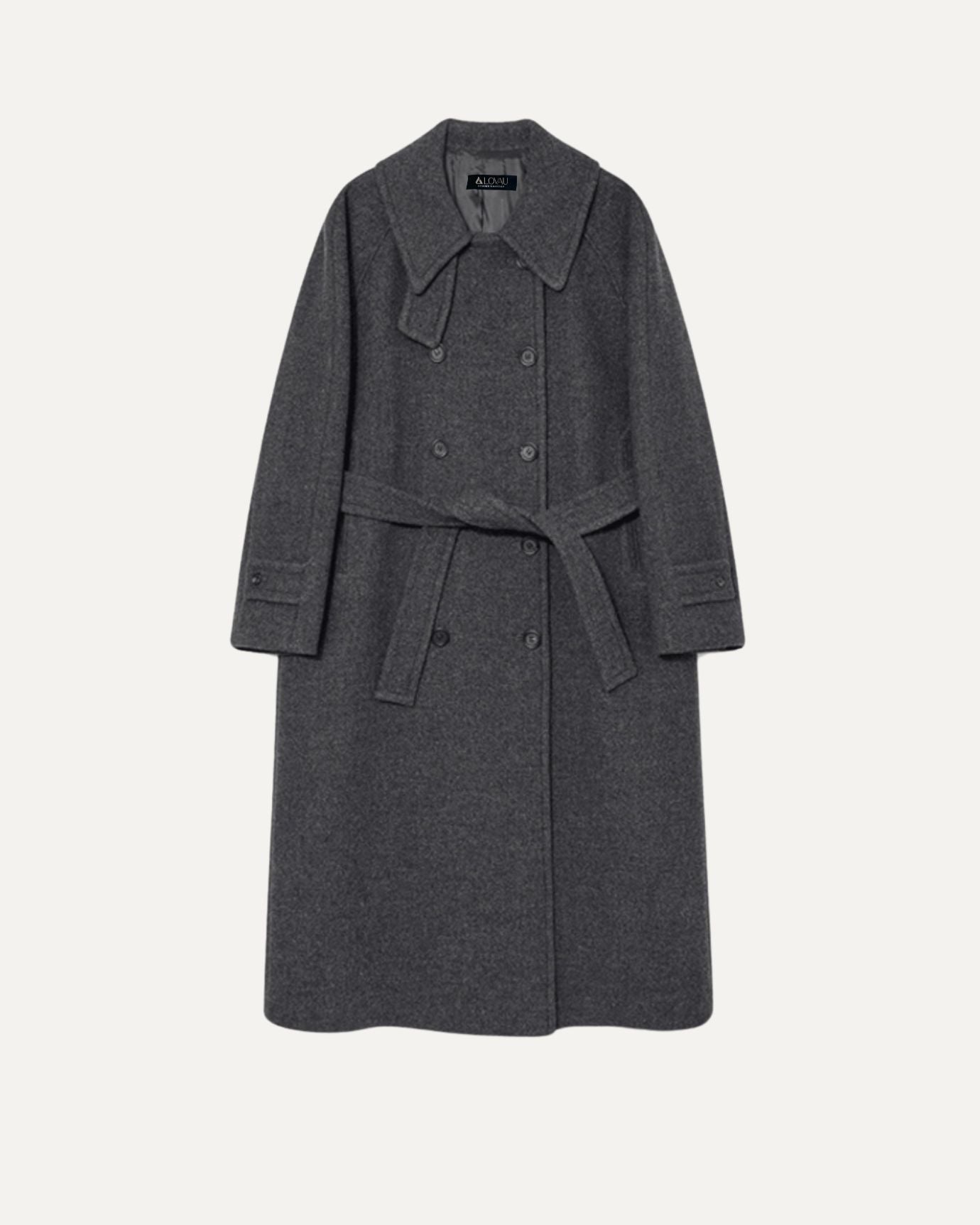
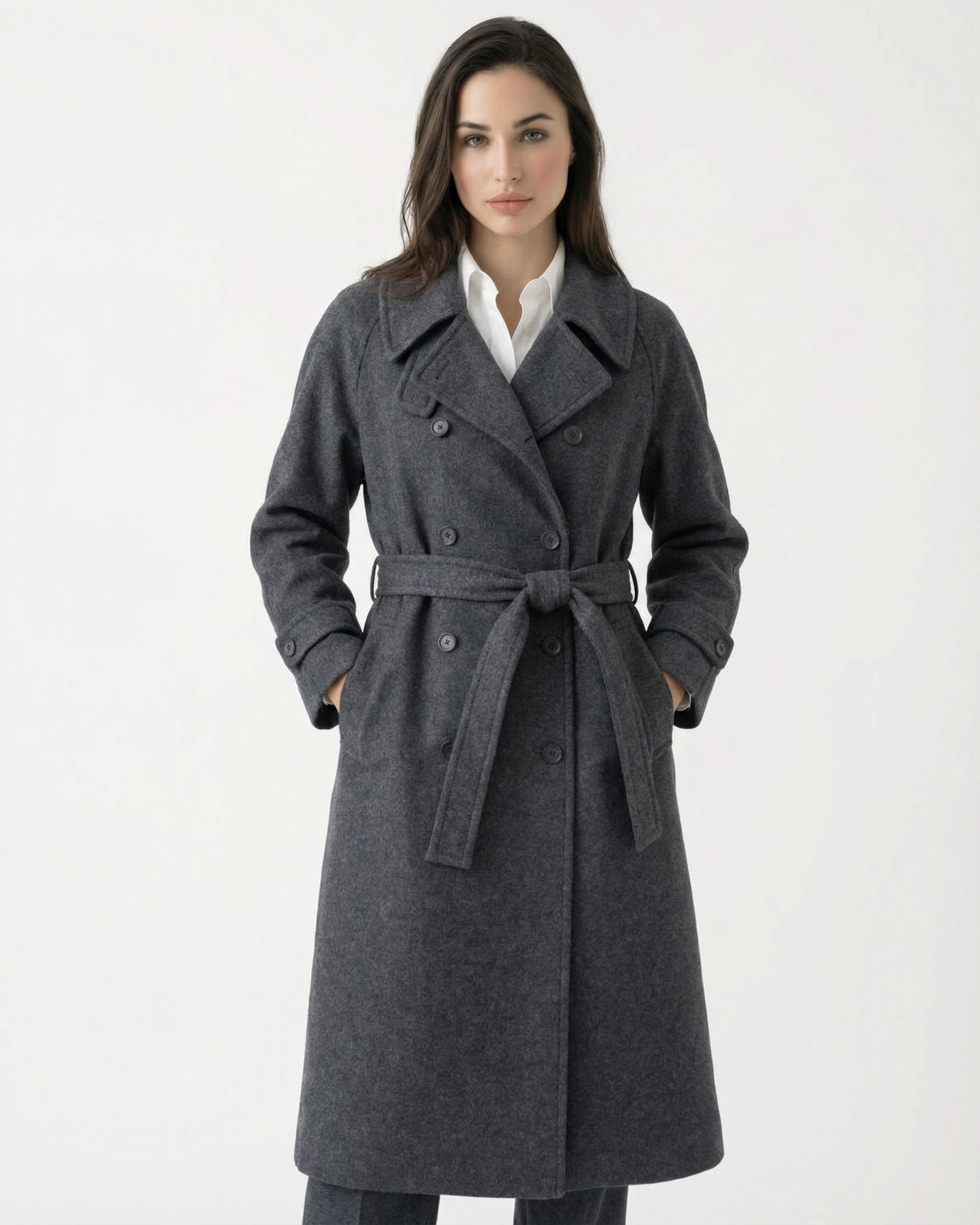
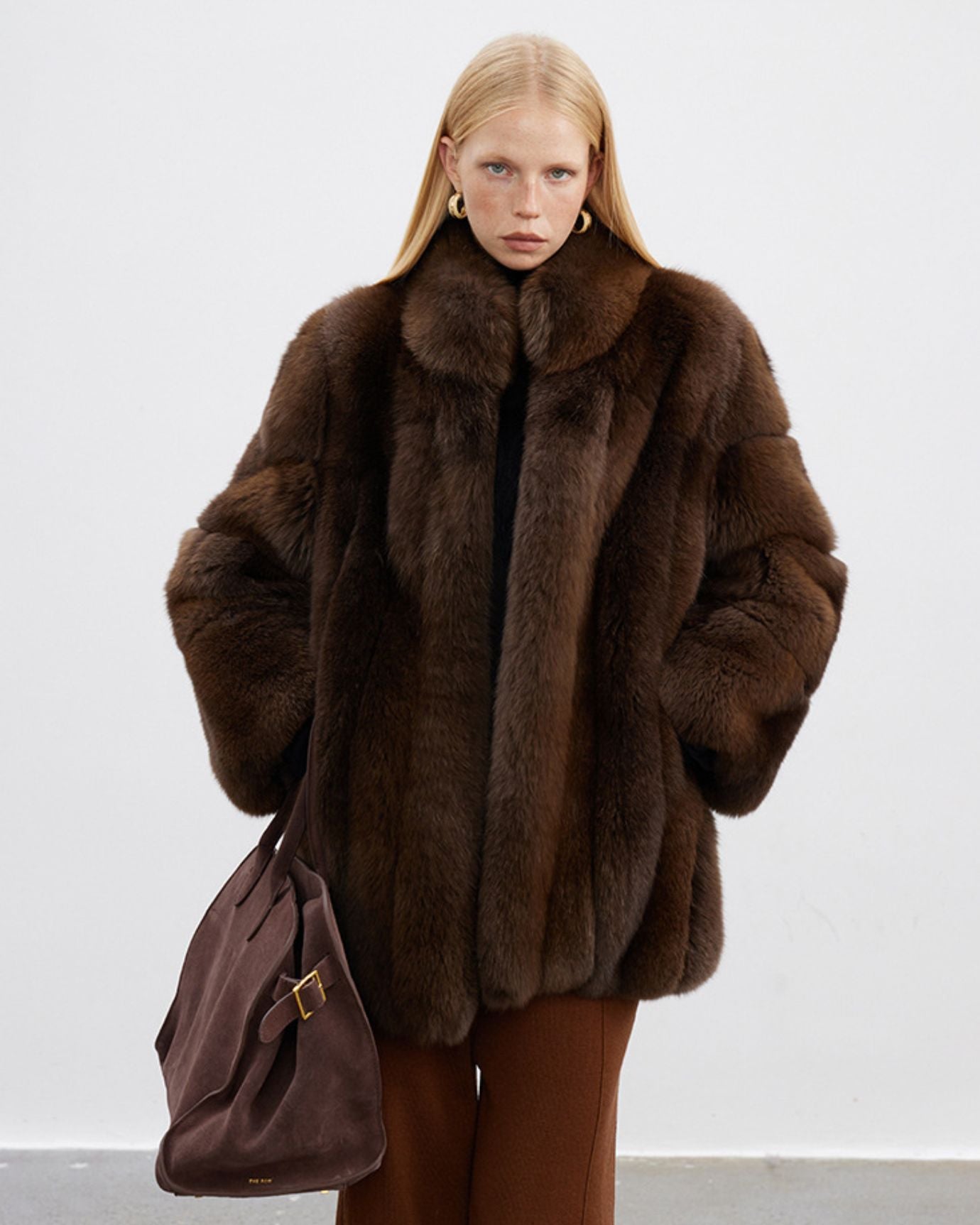
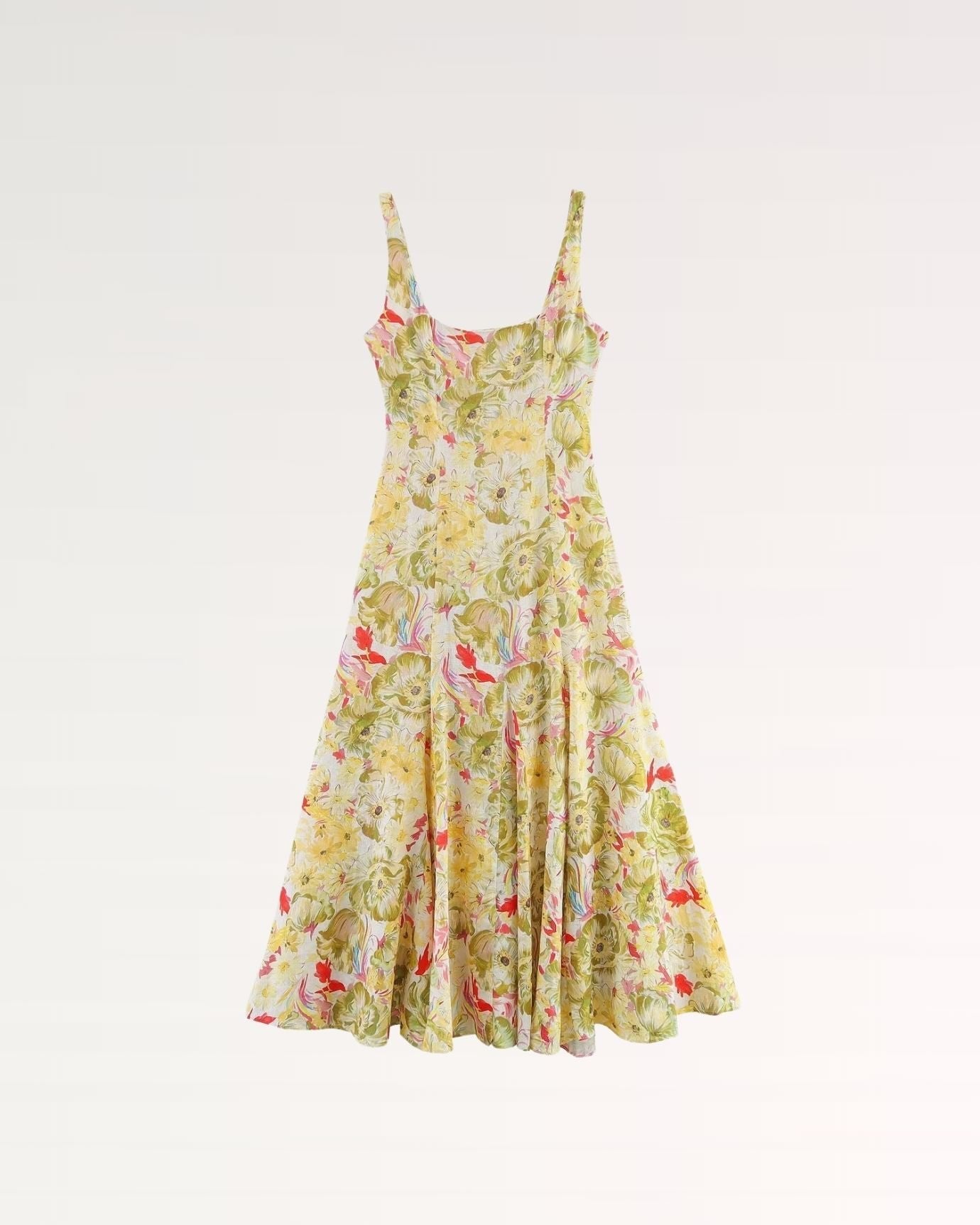
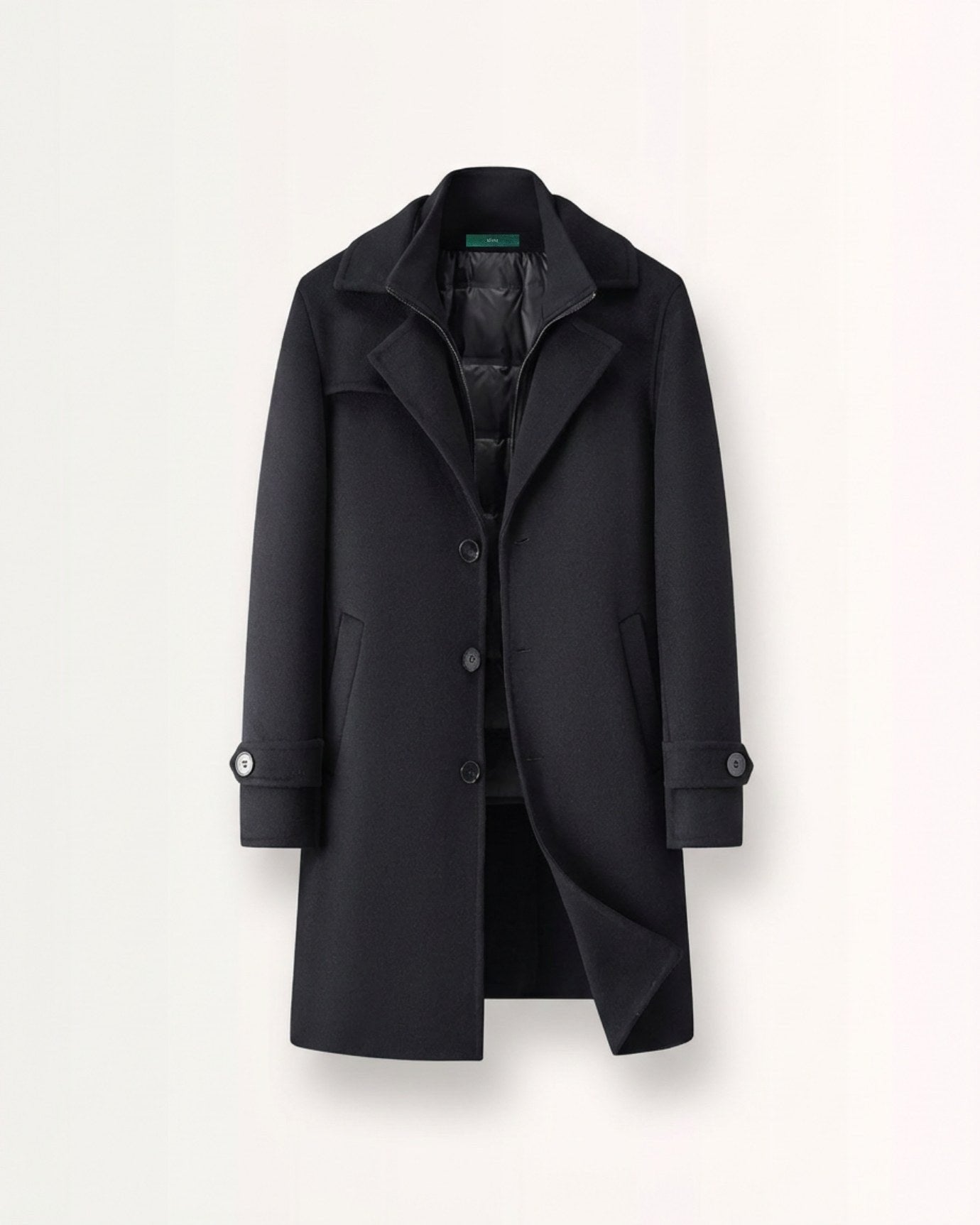
In den wärmeren Monaten entscheiden Sie sich für atmungsaktive Stoffe wie Leinen und leichte Seide, wobei Sie klassische Schnitte beibehalten. Blusen mit dezenten Retro-Prints und weichen Drapierungen sind ideal. In den kälteren Jahreszeiten sorgen Kaschmirpullover unter strukturierten Wollmänteln und Accessoires wie Lederhandschuhe oder Seidenschals für Wärme, ohne an Eleganz einzubüßen. Die Schuhe sollten entsprechend angepasst werden; die Diana Old Money Style Damen-Loafer sind vielseitig genug für Frühling bis Herbst.

Accessoires: Die subtilen Merkmale wohlhabender Mode
Qualität vor Quantität wählen
Accessoires im Old Money Stil sind dezent und dennoch wirkungsvoll. Denken Sie an feine Ledergürtel, Seidenschals, minimalistischen Gold- oder Silberschmuck und klassische Brillen. Vermeiden Sie auffällige Logos oder prunkvolle Details. Ein hochwertiger Ledergürtel kann je nach Marke und Lederqualität zwischen 60 und 200 US-Dollar kosten, während Seidenschals ab 50 US-Dollar aufwärts liegen. Die Investition in diese Stücke verleiht Raffinesse und Vielseitigkeit.
Praktische Ergänzungen
Für Männer ist eine klassische Lederuhr mit minimalistischem Design ein unverzichtbares Accessoire im Old Money Stil. Frauen können Outfits mit strukturierten Handtaschen in neutralen Tönen ergänzen. Sonnenbrillen mit Vintage-inspirierten Fassungen verleihen einen Hauch von Nostalgie und Raffinesse. Denken Sie daran, dass das Ziel Raffinesse ohne Redundanz ist – jedes Accessoire sollte einen Zweck erfüllen und das Gesamtbild aufwerten.
Vintage- und klassische Stücke günstig beschaffen
Wo man einkaufen kann
Vintage- und klassische Stücke sind wahre Schatztruhen für den Old Money Stil, aber das Finden erschwinglicher, hochwertiger Artikel erfordert Strategie. Erkunden Sie seriöse Vintage-Boutiquen, Flohmärkte und kuratierte Online-Marktplätze wie The RealReal oder Vestiaire Collective. Lokale Secondhand-Läden und Kommissionsgeschäfte bieten ebenfalls versteckte Schätze, wenn Sie die Zeit haben, danach zu suchen. Priorisieren Sie Artikel aus Naturfasern mit minimalem Verschleiß und zeitlosen Schnitten.
Investitionsstücke bewerten
Bei der Investition in Vintage-Luxus sind Authentizität und Zustand von größter Bedeutung. Recherchieren Sie die Herkunft des Designers, überprüfen Sie die Qualität der Nähte und achten Sie auf klassische Merkmale wie Lederetiketten oder charakteristische Futterstoffe. Stücke von Marken wie Hermès, Chanel oder Burberry sind zu unterschiedlichen Preisen erhältlich, manchmal unter 500 US-Dollar, wenn sie gebraucht sind, und bieten eine unübertroffene Langlebigkeit in Stil und Qualität.
Pflege Ihrer Old Money Garderobe für dauerhafte Eleganz
Aufbewahrungs- und Reinigungspraktiken
Die richtige Aufbewahrung ist entscheidend für den Erhalt des Zustands von Luxuskleidung. Verwenden Sie gepolsterte Kleiderbügel für Mäntel und Seidenblusen und falten Sie Strickwaren sorgfältig. Bewahren Sie saisonale Artikel in atmungsaktiven Kleidersäcken auf, um sie vor Staub und Schädlingen zu schützen. Eine regelmäßige chemische Reinigung wird für Wolle und Seide empfohlen, aber vermeiden Sie übermäßiges Reinigen, um eine Stoffverschlechterung zu verhindern.
Reparatur und Instandhaltung
Kleine Reparaturen wie das Nachnähen von Säumen oder das Ersetzen von Knöpfen verlängern die Lebensdauer von Kleidungsstücken. Bauen Sie eine Beziehung zu einem erfahrenen Schneider oder einer Näherin auf, die mit klassischen und Vintage-Schnitten vertraut ist. Überprüfen Sie Schuhe regelmäßig auf Sohlenabnutzung und polieren Sie Lederwaren, um ihren Glanz zu erhalten. Diese Praktiken erhalten das raffinierte Erscheinungsbild, das den Old Money Stil auszeichnet.
Expertenmeinung
Wie die Modehistorikerin Valerie Steele bemerkt: „Der Old Money Stil dreht sich nicht um Pomp, sondern um ein kultiviertes Selbstbewusstsein und Zurückhaltung. Die Stoffe, die Sie wählen, die Schnitte, die Sie bevorzugen, und wie Sie Ihre Kleidung pflegen, sprechen Bände, ohne ein Wort zu sagen.“ Nehmen Sie diese Philosophie an, um eine stille Luxusästhetik zu meistern, die Trends überwindet.
Häufig gestellte Fragen
Was zeichnet den Old Money Stil im Alltag aus?
Der Old Money Stil zeichnet sich durch zeitlose, hochwertige Stoffe, dezente Farben und klassische Schnitte aus, die Reichtum ohne Prunk vermitteln. Er legt Wert auf Naturfasern wie Kaschmir, Wolle und Seide, mit minimalem Branding und einem Fokus auf Passform und Handwerkskunst.
Kann ich den Old Money Stil mit kleinem Budget erreichen?
Absolut. Priorisieren Sie die Investition in Schlüsselstücke wie hochwertige Hosen, maßgeschneiderte Hemden und klassische Loafer und ergänzen Sie diese dann mit erschwinglichen Vintage-Funden und vielseitigen Basics. Richtige Pflege und gezieltes Einkaufen ermöglichen es Ihnen, eine elegante Garderobe erschwinglich aufzubauen.
Welche Stoffe eignen sich am besten für die Old Money Mode?
Kaschmir, Seide und Wolle sind aufgrund ihrer Haltbarkeit, ihres Komforts und ihrer Assoziation mit Luxus die bevorzugten Stoffe. Diese Naturfasern behalten ein raffiniertes Aussehen und bieten eine hervorragende Langlebigkeit, wenn sie richtig gepflegt werden.
Wie integriere ich Vintage-Stücke in eine moderne Old Money Garderobe?
Kombinieren Sie Vintage-Seidenblusen oder Wollmäntel mit modernen, maßgeschneiderten Hosen oder Röcken. Balancieren Sie Texturen und Farben aus, um einen stimmigen Look zu schaffen. Accessoires wie Lederloafer oder minimalistischer Schmuck können das Outfit nahtlos miteinander verbinden.
Für weitere Lektüre über stillen Luxus und Old Money Mode bieten die redaktionellen Einblicke der Vogue zum Aufbau einer klassischen Garderobe unschätzbare Inspiration (Vogue – So baut man eine klassische Garderobe auf).
Fazit: Heben Sie Ihren Alltagslook mit erschwinglichem Old Money Stil auf ein neues Niveau
Die Beherrschung des Erschwinglichen Old Money Style Guides für den Alltag ist eine Investition nicht nur in Kleidung, sondern auch in einen Lebensstil raffinierter Einfachheit und dauerhafter Eleganz. Durch die Konzentration auf klassische Schnitte, Naturfasern und subtile Luxusakzente kann jeder eine Garderobe zusammenstellen, die Reichtum und Raffinesse ohne Extravaganz ausstrahlt. Lovaus kuratierte Herren- und Damenkollektionen bieten sorgfältig entworfene Stücke, die dieses Ethos perfekt verkörpern, von Bundfaltenhosen bis hin zu Hemden im Retro-Stil und eleganten Loafern.
Entdecken Sie die gesamte Palette der Lovau Old Money Style Bundfaltenhosen, Old Money Retro Style Hemden, Diana Old Money Style Damen Loafer und Cordhosen Damen High-Waisted Old Money Style, um Ihre Reise zu einer mühelos eleganten Garderobe unter lovau.com zu beginnen.