



The Secret to Keeping Your Cashmere Moth-Free All Year
Reading time 12 min • 2446 words
Cashmere is among the most rewarding fibres you can own. It softens with wear, holds its shape across decades when properly maintained, and carries a warmth-to-weight ratio that no synthetic can replicate. It is also, unfortunately, precisely what the common clothes moth is looking for.
Tineola bisselliella, the webbing clothes moth, does not eat your garments out of spite. Its larvae feed on keratin, the protein found in animal fibres including wool, cashmere, silk, and alpaca. A single female can lay up to fifty eggs on a garment, and the damage is done before you ever see a moth flutter across the room. By the time you notice the characteristic small, ragged holes, the larvae have long since moved on.
Protecting your cashmere is not complicated, but it does require consistency. The steps below are drawn from textile conservation practice and the routines of people who have maintained fine wardrobes for generations. Follow them and your investment in quality knitwear will reward you for many years.
Key takeaways
- Clothes moths feed on keratin in natural fibres, so clean cashmere before storage, as soil and perspiration attract them.
- Cedar and lavender repel moths effectively, but must be refreshed every few months to remain active.
- Airtight storage, whether vacuum bags or sealed cedar chests, is the single most reliable physical barrier against infestation.
- Freezing an affected garment at minus 18 degrees Celsius for 72 hours kills moth larvae without damaging cashmere fibres.
- Regular inspection every four to six weeks, even during the off-season, catches any infestation before it becomes destructive.
In this guide
Why Moths Target Cashmere Specifically
Not all fibres carry equal risk. Moths ignore cotton, linen, and most synthetics entirely. Their larvae require keratin, a protein present in high concentrations in animal-derived fibres. Cashmere, sheared from the undercoat of Cashmere goats, is particularly vulnerable because its fine, soft fibres are easy for larvae to penetrate and digest.
What makes the problem worse is that soil accelerates the damage. Body oils, food residue, and perspiration left on a garment before storage are a powerful attractant. A clean cashmere sweater stored in a sealed environment is far less appealing to a moth than one folded away after a season of wear without washing.
Understanding this is the foundation of every effective prevention strategy: clean first, then store. This is not optional. It is the single most important habit you can build.
If you are unsure how to wash your knitwear without causing shrinkage or distortion, our guide on washing delicate knitwear safely covers the process in full detail. For a broader look at long-term fibre maintenance, caring for cashmere so it lasts is worth reading before you put anything away for the season.
Expert insightDry cleaning is not automatically better than hand washing for moth prevention. What matters is that the garment is genuinely clean and fully dry before storage. Residual moisture is its own problem, encouraging mildew as well as attracting pests.

The Most Effective Natural Repellents
The two most reliable natural deterrents are cedar and lavender, and both work through scent rather than toxicity. Cedar contains natural oils that disrupt the sensory environment moths use to locate food sources. Lavender contains linalool and linalyl acetate, compounds that moths find actively repellent.
The important caveat with both: they lose potency. Cedar blocks and balls need to be sanded lightly with fine sandpaper every two to three months to expose fresh wood and release active oils. Dried lavender sachets should be replaced or refreshed with a few drops of pure lavender essential oil each season. If you cannot smell the cedar or lavender, neither can the moth, but neither can you attract them away from your wardrobe.
Other natural options that have a solid track record:
- Cloves and rosemary, placed in small muslin sachets, produce scents that moths avoid.
- Dried citrus peel, particularly orange and lemon, is a traditional European remedy still used in Mediterranean households.
- Camphor, the active ingredient in older commercial mothballs, is effective but has a strong odour that can transfer to fabric. Use it only in very well-ventilated storage or avoid it for garments you wear regularly.
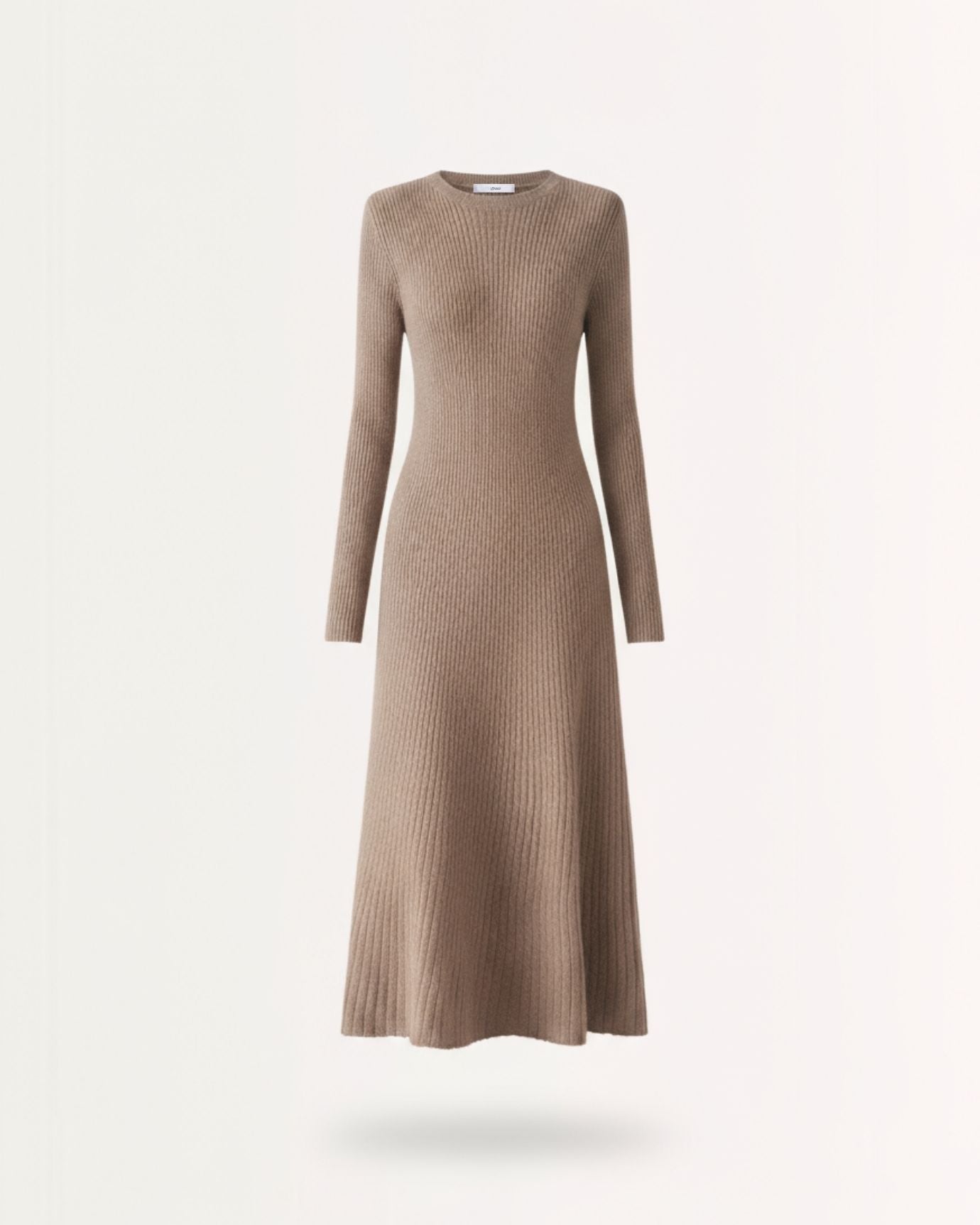
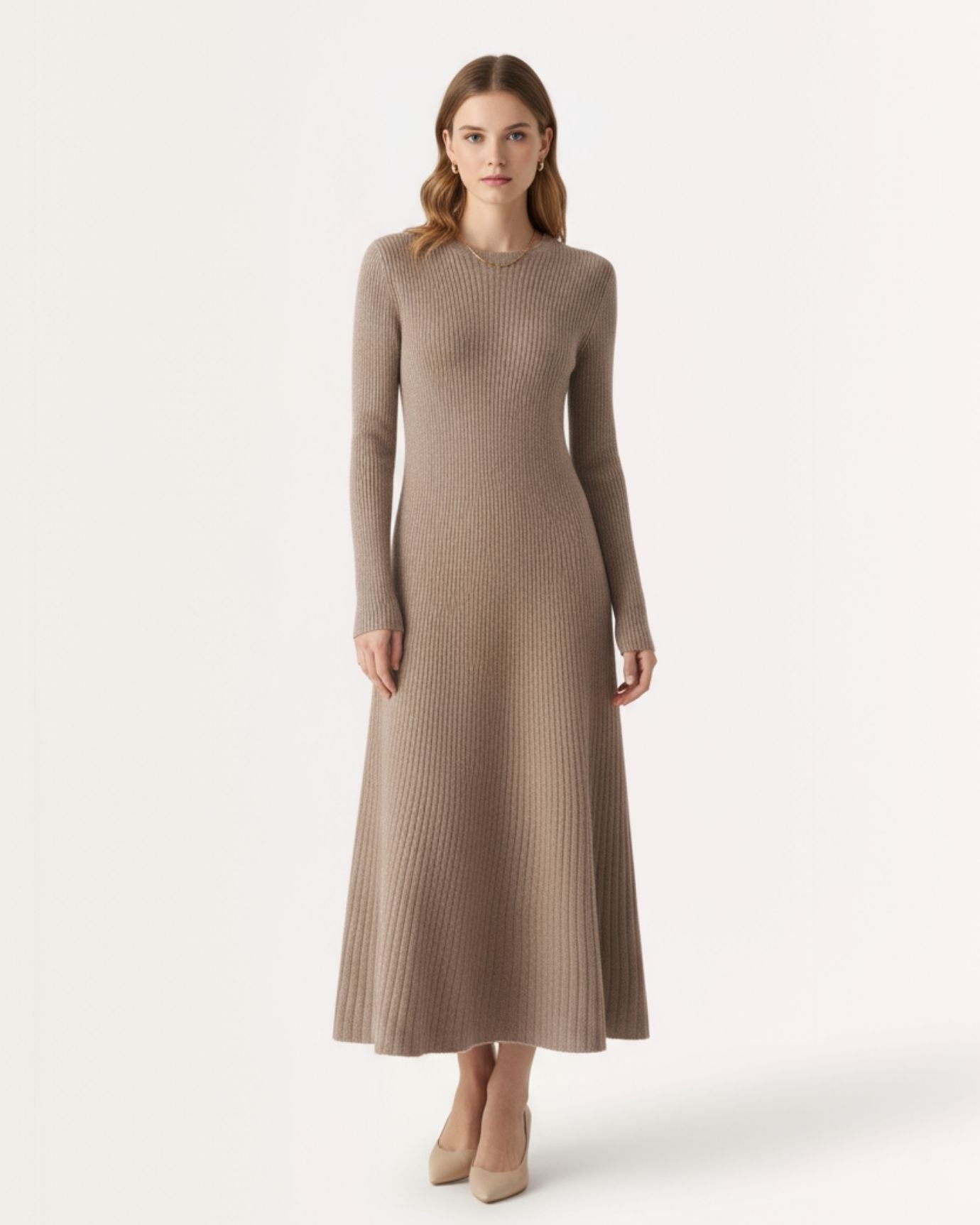
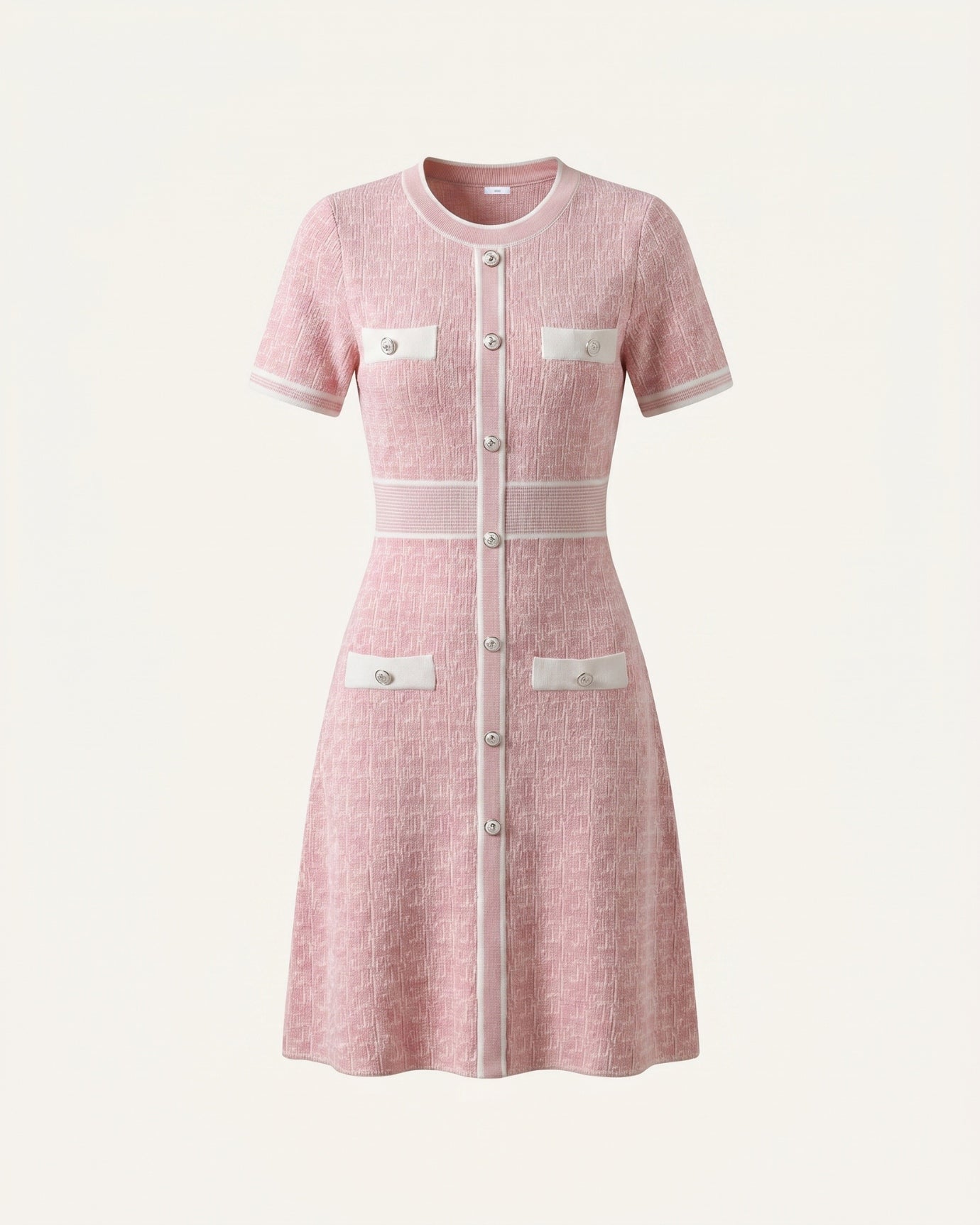
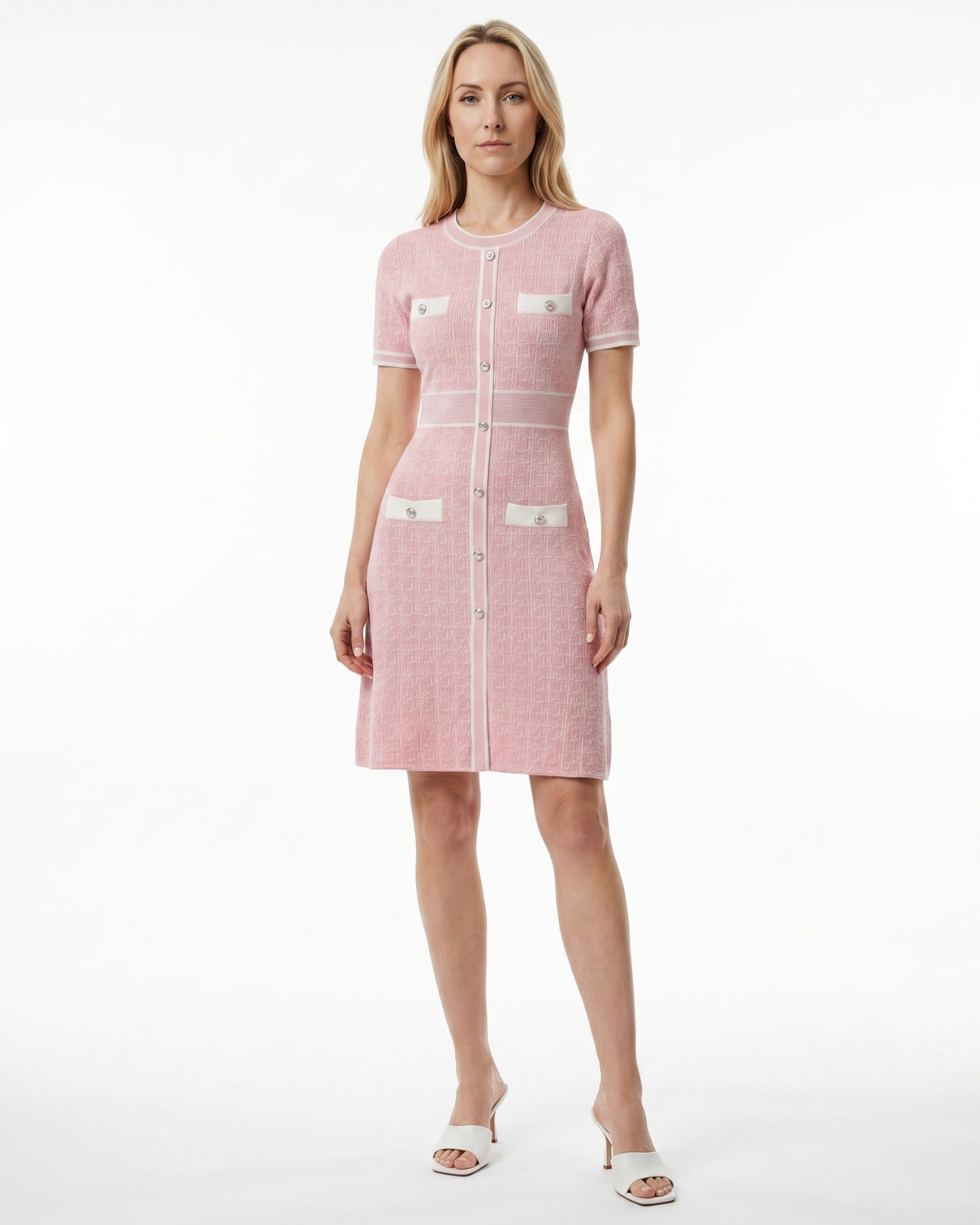
For the women's cashmere collection, where pieces like a cashmere pullover sweater or a cashmere dress with a V-neck represent real investment, placing cedar blocks and lavender sachets directly in the drawer or storage box, rather than simply in the general wardrobe, makes a measurable difference.
According to The Textile Museum and conservation textile science, natural keratin fibres are uniquely susceptible to insect damage, and physical barriers combined with aromatic deterrents remain the most practical solution for domestic storage.
Expert insightNever place cedar directly against cashmere. The oils can transfer and leave faint marks on pale or delicate fibres. Wrap cedar in a thin cotton cloth or keep it at a slight distance within the storage container.

Storage Methods That Actually Work
The physical method of storage matters as much as any repellent. Moths need air circulation and access. Denying them both is the most reliable long-term strategy.
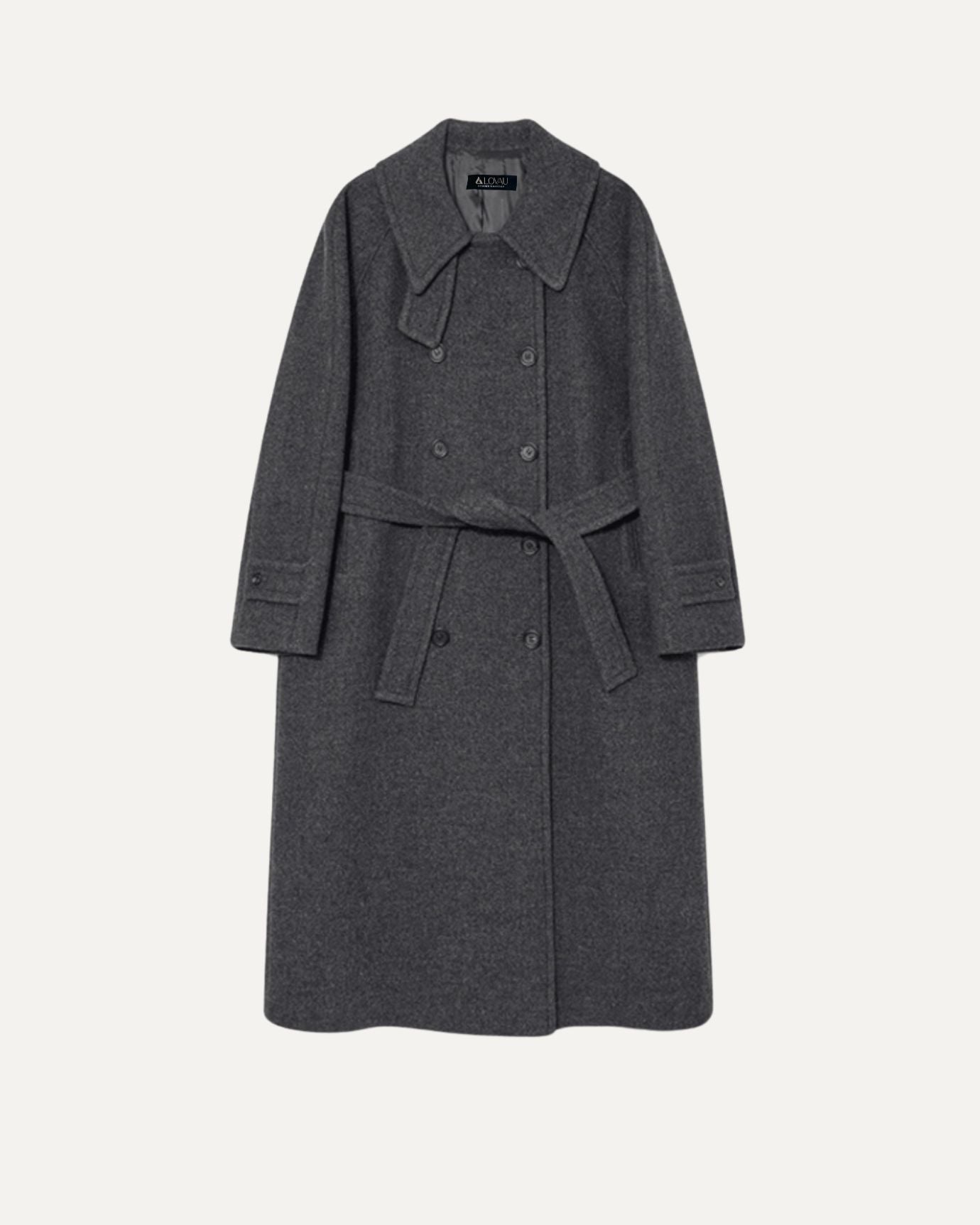
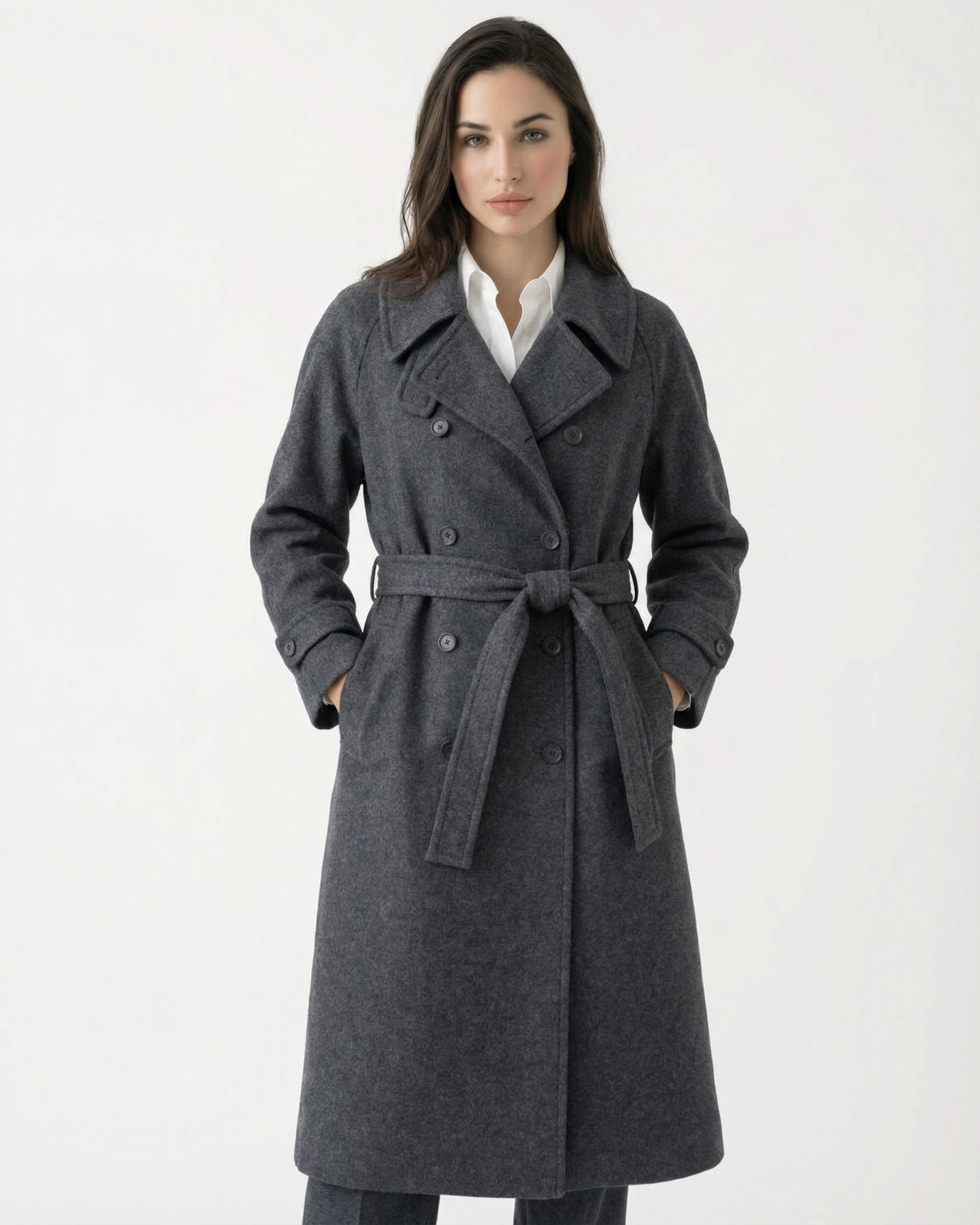
Airtight storage is the gold standard. Vacuum-seal bags compress your cashmere, remove the oxygen moths need, and create a physical barrier no larvae can breach. They work well for bulkier pieces like a cashmere and wool coat in a loose fit or a lined cashmere and wool cardigan jacket that take up significant wardrobe space during the warmer months.
For everyday drawer storage, zippered cotton storage bags or acid-free archival boxes offer good protection with less compression. Avoid standard plastic bags that are not sealed, as they trap moisture and create a damp, warm environment that is actually hospitable to both moths and mildew.
Cedar-lined chests and wardrobes provide passive, ongoing protection, but only if the cedar is maintained as described above. A cedar chest with exhausted, unrefreshed wood is no more protective than any other wooden box.
For accessories, the same rules apply. A cashmere knitted hat or a pair of cashmere and wool breathable socks stored loose in an open drawer are just as vulnerable as a sweater. Keep small accessories in sealed pouches within your main storage area.
Our article on how to properly fold and store expensive cashmere knits goes deeper on the folding and organisation side, which is worth pairing with the protection steps here.
Expert insightFor long-term seasonal storage, placing a clean white cotton sheet over folded garments before closing the box adds one more layer of physical protection and helps you spot any signs of activity immediately when you open it again.

What To Do If You Find Moth Damage
Finding a small hole in a cashmere piece is not necessarily cause for despair, but it does require immediate, methodical action.
Step one: isolate the garment. Remove it from your wardrobe immediately and place it in a sealed bag. Do not shake it vigorously inside your wardrobe, as this can scatter eggs onto adjacent pieces.
Step two: inspect everything nearby. Check every natural-fibre garment in the same drawer, shelf, or section. Look for the larvae themselves, which are small cream-coloured grubs, and for the silken tubes or cases they leave behind. Also look for adult moths, which are small, buff-coloured, and prefer dark corners.
Step three: treat the affected garment. The most reliable non-chemical treatment is freezing. Place the garment in a sealed bag and put it in a domestic freezer set to minus 18 degrees Celsius or below for a minimum of 72 hours. This kills eggs and larvae at every stage of development. After freezing, allow the garment to return to room temperature gradually, still sealed, to avoid condensation on the fibres.
Step four: clean the storage area. Vacuum thoroughly, including corners and the underside of shelves. Wipe surfaces with a cloth dampened with white vinegar or a diluted cedar oil solution.
Step five: reassess your storage. An infestation means something in your current system failed. Return to the basics: clean before storage, seal properly, and refresh your repellents.
If the damage to the garment itself is significant, a skilled knitwear reweaver can repair cashmere holes to near-invisibility. This is a specialist service, but it is worth seeking out for a piece of real quality. Our guide to building a cashmere collection that lasts discusses which pieces are worth that level of investment.

Year-Round Habits That Prevent Infestation
Moth prevention is not a seasonal task. It is a set of habits maintained throughout the year.
Inspect regularly. Every four to six weeks, briefly check your stored cashmere. You are looking for larvae, silken debris, or the moths themselves. Catching an infestation early limits the damage to one or two pieces rather than an entire wardrobe section.
Rotate and air your garments. Moths prefer undisturbed, dark, still environments. Garments that are worn, aired, and moved regularly are far less likely to be targeted. This is one practical reason why building a high-end cashmere wardrobe around pieces you actually wear regularly makes sense from a care perspective as well as a style one.
Never put worn cashmere away without at least airing it. If you cannot wash after every wear, hang the piece in open air for several hours before returning it to storage. This reduces the keratin-rich residue that attracts pests.
Be cautious with secondhand or gifted pieces. A beautiful vintage cashmere piece or a gift from a friend's wardrobe can introduce moths to your own. Freeze any new natural-fibre acquisition for 72 hours before adding it to your wardrobe, regardless of its apparent condition.
Use pheromone traps as an early warning system. These sticky traps attract male moths and indicate whether you have active moth activity in a room. They do not eliminate an infestation, but they tell you one is beginning before visible damage occurs.
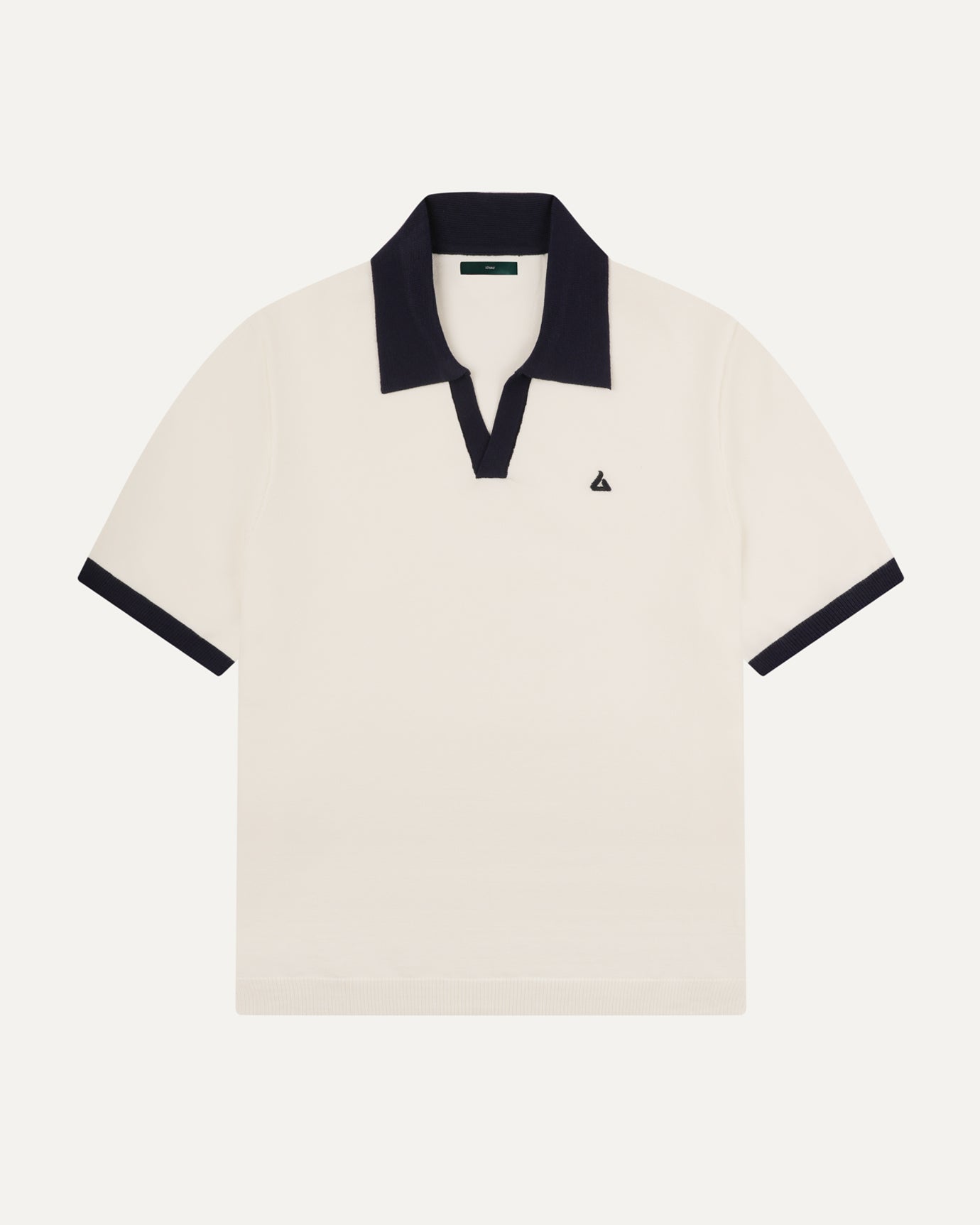
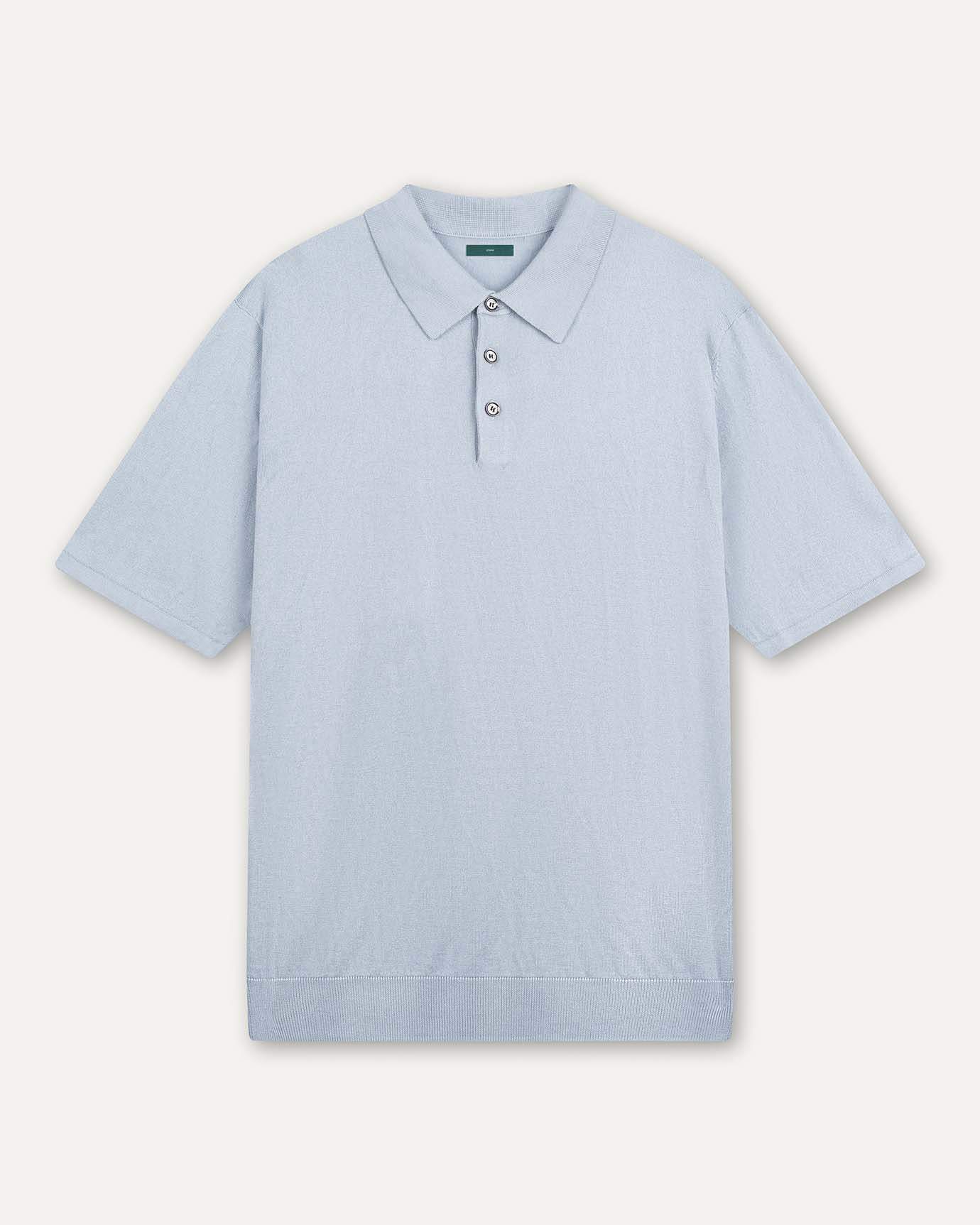
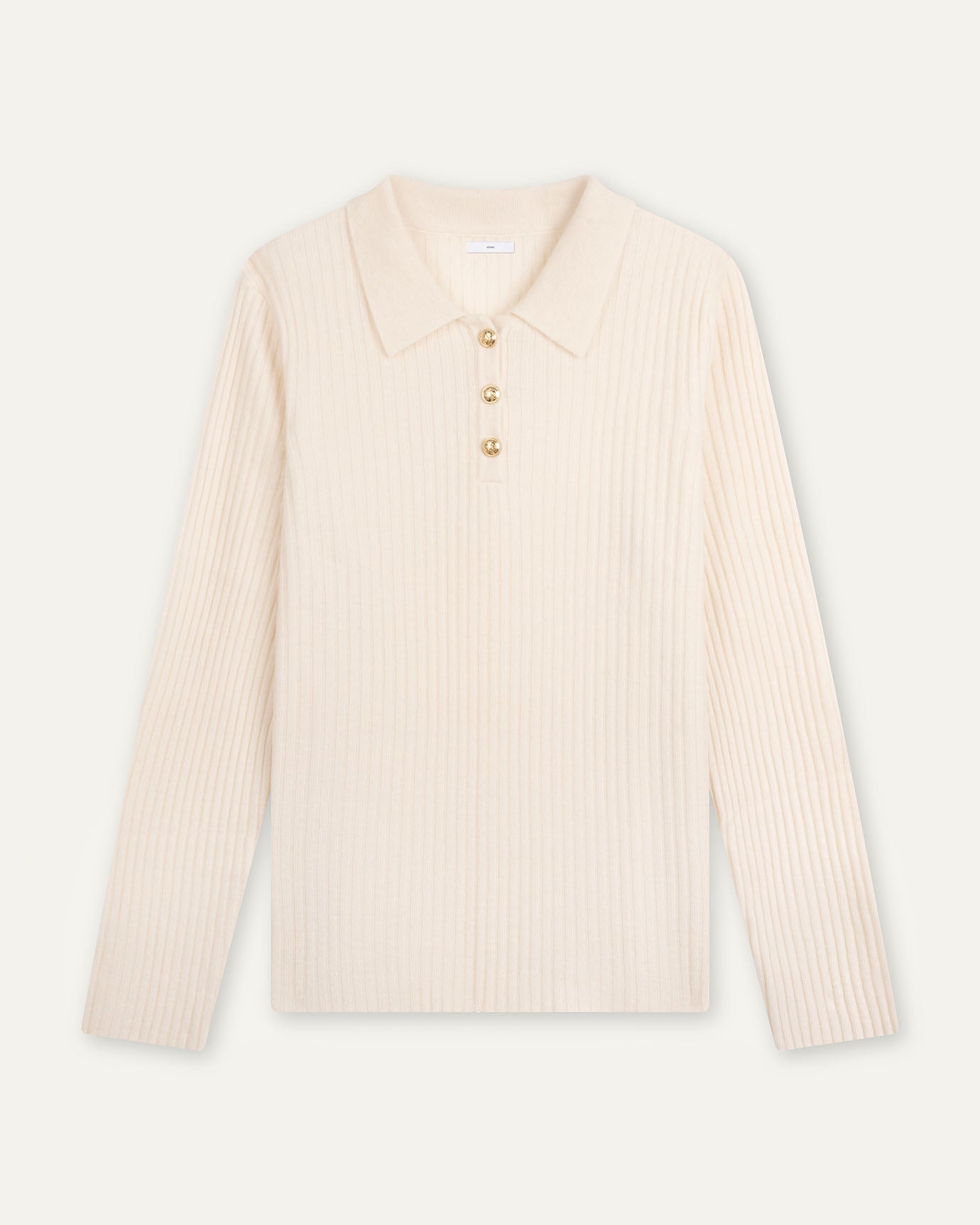
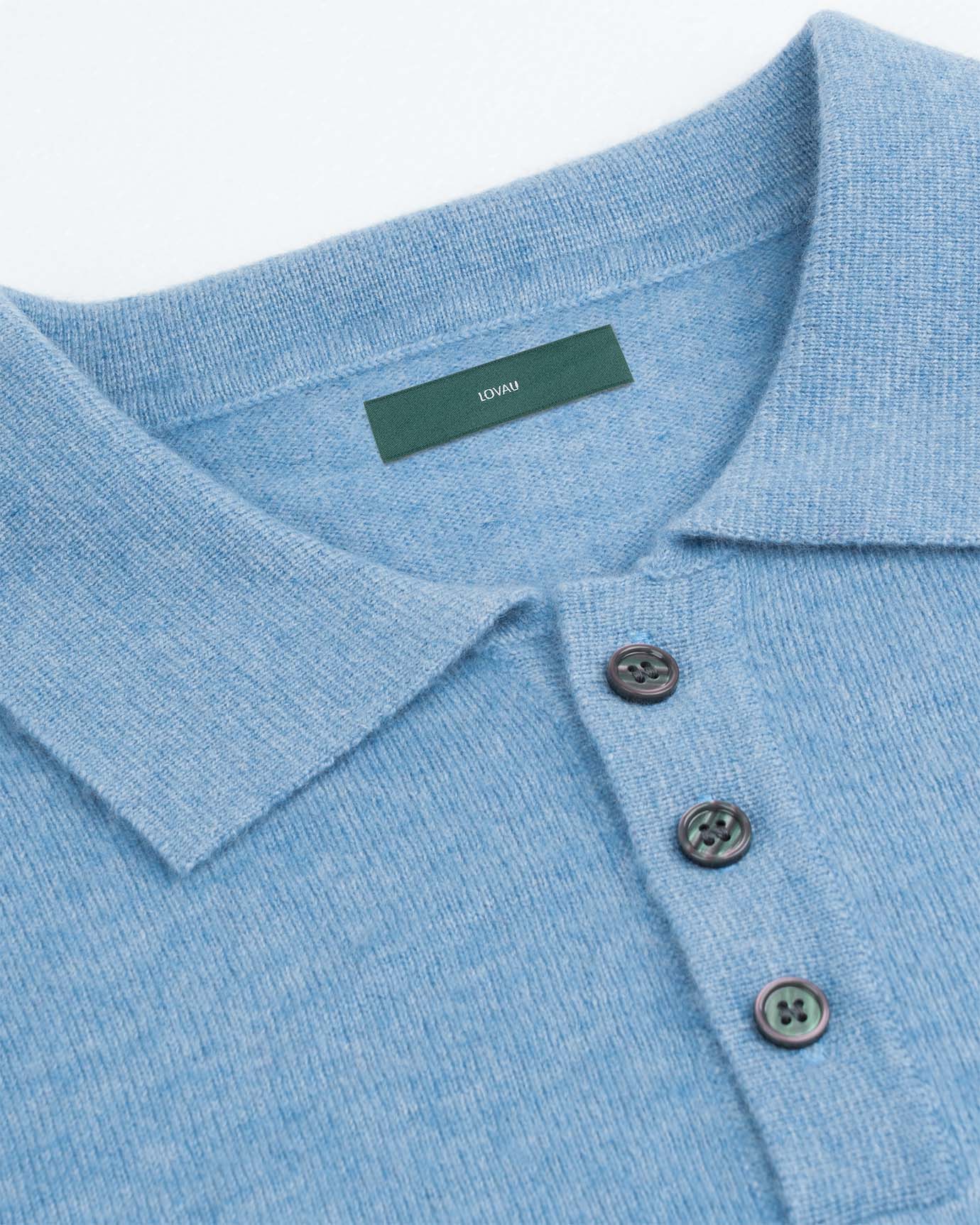
For men building a core knitwear wardrobe, pieces from the cashmere collection for old money style represent the kind of investment that justifies this level of care. A cashmere and wool polo with long sleeves or a piece from the man cashmere and wool sets will reward consistent maintenance with years, often decades, of wear.
For further reading on the biology of the clothes moth and why natural fibres are so specifically targeted, the Wikipedia article on Tineola bisselliella provides a clear and detailed overview of the pest's lifecycle and habits.

Choosing Cashmere Worth Protecting
All of the above effort is proportional to the quality of the piece. Loosely constructed, low-grade cashmere with a high pill rate and short fibre length will not repay years of careful storage. Genuine, long-fibre cashmere, properly finished, is a different proposition entirely.
Knowing what you own matters. Our guide on how to tell if cashmere is real quality covers the specific tests and indicators worth knowing before you invest, and why cashmere is worth the investment makes the case for spending carefully rather than frequently.
For women looking to anchor a refined knitwear wardrobe, the woman cashmere collection offers a considered range of pieces worth the care they require. For men, the high end mulberry silk and worsted cashmere set represents the upper tier of what a well-maintained natural fibre wardrobe can look like.
The logic is straightforward: a piece that costs more but lasts twenty years with proper care costs far less per wearing than a cheaper alternative replaced every two seasons. Moth prevention is part of what makes that calculation work.

| Method | Effectiveness | Safe for Cashmere | Active Duration | Approximate Cost |
|---|---|---|---|---|
| Cedar blocks | Moderate, higher when refreshed | Yes, if not in direct contact | 2 to 3 months per sanding | Low |
| Lavender sachets | Moderate | Yes | 1 to 2 months before refresh | Very low |
| Pheromone traps | Detection only, not elimination | Yes | 3 months per trap | Low |
| Vacuum seal bags | High, physical barrier | Yes, if garment is clean and dry | Indefinite while sealed | Low to moderate |
| Freezing (minus 18C, 72 hours) | Very high, kills eggs and larvae | Yes | One-time treatment per event | No additional cost |
| Traditional mothballs (naphthalene) | High | Risk of odour transfer | Several months | Low, but odour problematic |
Frequently asked questions
How often should I check stored cashmere for moths?
Every four to six weeks is a sensible interval. Brief visual checks, looking for larvae, silken debris, or adult moths in the corners of your storage area, take only a few minutes and can prevent significant damage. If you live in a warm climate or have had previous infestations, check monthly without exception.
Can I use mothballs in my cashmere drawer?
Traditional mothballs containing naphthalene or paradichlorobenzene are effective against moths but carry real drawbacks. Their strong chemical odour transfers readily to cashmere fibres and can be very difficult to remove. For garments you wear regularly, cedar and lavender are far preferable. If you use mothballs for long-term archival storage, ensure the storage container is extremely well sealed and air the garments thoroughly before wearing.
Does dry cleaning protect cashmere from moths before storage?
Dry cleaning removes the body oils and residues that attract moths, so it does contribute to protection. However, it is not a repellent treatment in itself. A dry-cleaned garment stored in an open, unsealed environment is still vulnerable. Clean by whatever method suits the piece, then store in a sealed container with appropriate repellents. Our guide to washing delicate knitwear without shrinking it covers the hand-washing alternative in detail.
Will moths damage cashmere accessories like hats and scarves as well as sweaters?
Yes. Any natural keratin fibre is at risk, regardless of the form it takes. A cashmere knitted scarf or a cashmere hat with ear protection stored loosely in a drawer is just as vulnerable as a sweater. Keep all cashmere accessories in sealed pouches or containers alongside your other moth prevention measures.
Protecting cashmere from moths is not a complex discipline. It is a consistent one. Clean before you store, seal properly, refresh your repellents, and inspect regularly. These four habits, maintained without gaps, are sufficient to keep a quality cashmere wardrobe intact across decades. If you are thinking carefully about which pieces deserve that level of attention, the high end cashmere collection is a good place to begin.