


The Ruffled Tie Dress: Adding Romance to Your Wardrobe
Reading time 15 min • 3021 words
The ruffled tie dress occupies a specific and valuable place in a well-considered wardrobe. It is not a trend piece. Ruffles have appeared on women's clothing since the sixteenth century, used by dressmakers across Europe to add softness and movement to an otherwise structured silhouette. The tie waist, meanwhile, is one of the most practical and universally flattering details in tailoring, cinching at the narrowest point and allowing the skirt to fall naturally from there.
Together, these two elements produce a dress that feels romantic without being fussy, and polished without being severe. It is the kind of garment that reads differently depending on how you style it: understated at a Sunday lunch, quietly striking at an evening gathering, composed on a city afternoon.
This guide addresses the questions most women have when they encounter this silhouette: which fabrics work best, how to style it for different occasions, how to care for it properly, and which details to look for when choosing one that will last more than a single season.
Key takeaways
- A tie waist creates shape without structure, making ruffled tie dresses flattering across a wide range of body types.
- Fabric choice determines occasion: lightweight cotton voile reads as daytime, while satin or crepe moves the same silhouette into evening.
- Ruffles placed at the hem or collar add visual detail without requiring bold accessories.
- Wash delicate ruffled garments inside-out on a gentle cold cycle, or hand-wash, to preserve the ruffle's shape and prevent fraying.
- A single block-heel mule or low kitten heel keeps the romantic aesthetic grounded and polished rather than overly girlish.
In this guide
- What Makes a Ruffled Tie Dress Work: Cut and Construction
- Fabric Guide: Which Materials Suit the Ruffled Silhouette Best
- Styling the Ruffled Tie Dress: Occasion by Occasion
- How to Care for a Ruffled Dress Without Losing Its Shape
- Building Around the Ruffled Tie Dress: The Rest of the Wardrobe
- Choosing the Right Ruffled Tie Dress for Your Proportions
- Frequently asked questions
What Makes a Ruffled Tie Dress Work: Cut and Construction
Not all ruffled tie dresses are made equally, and the difference between one that looks considered and one that looks costumey comes down almost entirely to construction.
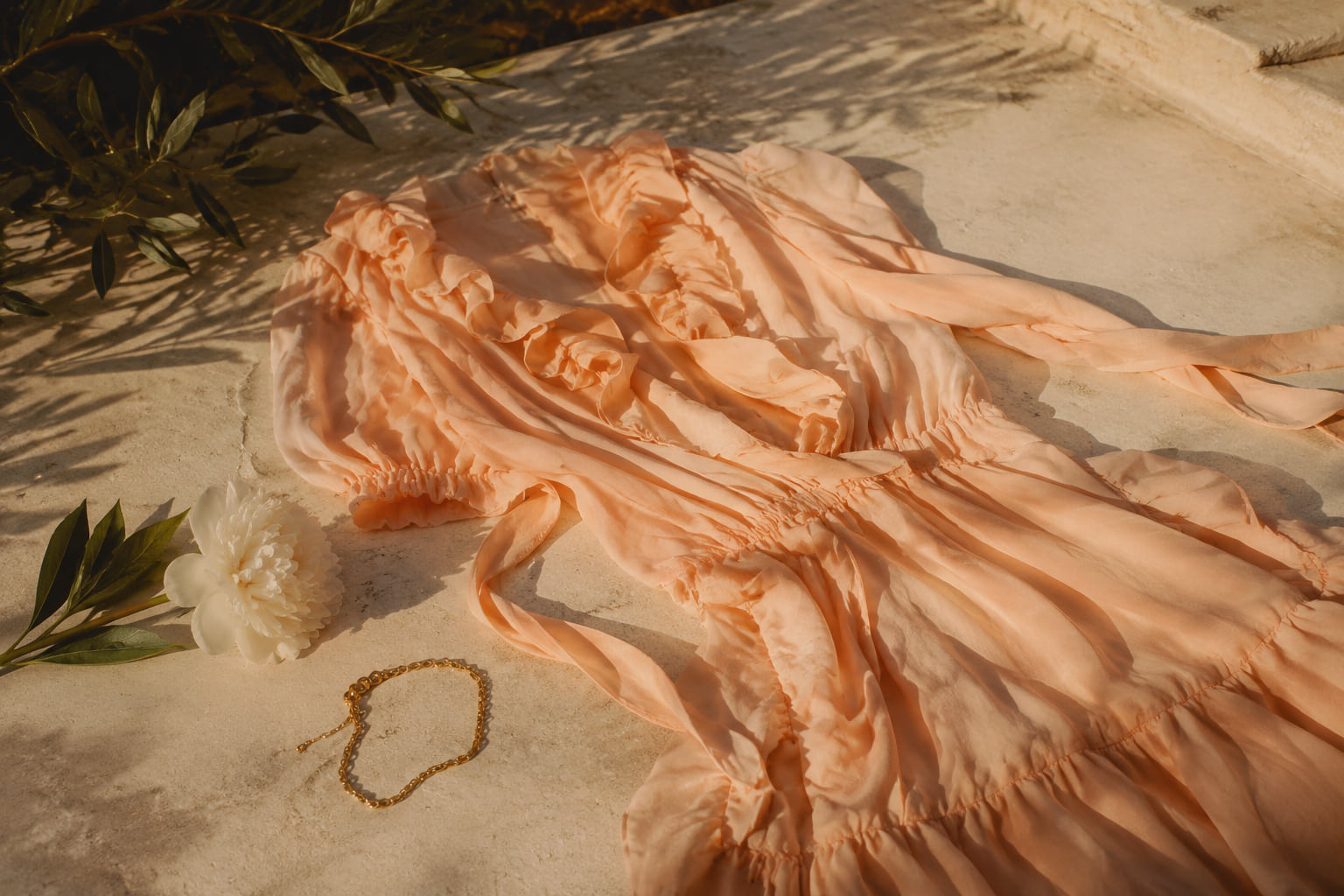
The ruffle placement is the first thing to assess. Ruffles at the neckline or collar add softness around the face without adding volume to the body. Ruffles at the hem create movement and a slight dramatic quality that works especially well in midi and maxi lengths. Ruffles used as a sleeve detail, particularly a short flutter sleeve, are the most versatile, adding femininity without affecting the overall silhouette of the dress.
The tie waist should be cut from the same fabric as the dress body, or from a closely related one, so it reads as part of the garment rather than an afterthought. A self-fabric sash that ties at the front creates a neat bow and a focal point; one that ties at the back gives a cleaner front line. Both are correct. The key is that the tie should be long enough to make a proper bow, with tails that fall gracefully rather than sticking out stiffly.
Look also at how the bodice is finished. A ruffled tie dress with a well-set collar or neckline detail holds its shape through repeated wearing and washing in a way that a poorly finished bodice simply does not. Check the seams at the shoulder and underarm. These are the points of stress, and where cheaper construction reveals itself first.
Finally, consider length relative to your proportions. A knee-length or midi ruffled tie dress is the most versatile option for most women. It transitions between seasons and occasions with minimal adjustment to the rest of the outfit.
Expert insightWhen trying on a tie-waist dress, tie the sash once before you assess the fit. The waist tie changes the entire fall of the skirt and the proportion of the bodice, so judging the dress untied gives you an incomplete picture.

Fabric Guide: Which Materials Suit the Ruffled Silhouette Best
Fabric is what determines whether a ruffled tie dress feels luxurious or limp. The ruffle is a detail that depends entirely on drape: a fabric with no movement will produce a ruffle that stands out stiffly, while one with too much drape will collapse the ruffle entirely.
Cotton voile and cotton lawn are the traditional choices for warm-weather ruffled dresses. They are lightweight, breathable, and have just enough body to hold a small ruffle's shape while still moving with the wearer. They press well and respond to hand-washing reliably. The limitation is that they crease easily, which requires either careful packing or a cool iron before wearing.
Crepe in polyester or viscose blends is the modern workhorse for ruffled dresses intended to cross seasons. It resists creasing, drapes beautifully, and gives ruffles a softer, more fluid appearance than cotton. A crepe ruffled tie dress can be worn to a dinner in a way that a cotton version cannot, simply because the fabric reads as more formal.
Satin and satin-back crepe move the ruffled tie dress firmly into evening territory. The sheen catches light and gives the ruffle a sculptural quality. These fabrics require more careful handling, as snags and pulls are visible, and they do not respond well to machine washing.
Lace and lace trim introduce texture to the ruffle detail and work particularly well when used as an accent rather than for the full garment. A lace-trimmed dress with a tie waist sits at the intersection of romantic and refined. The lace should be cotton or cotton-blend where possible, as synthetic lace tends to look flat and ages poorly.
For those interested in the broader history of how fabric construction shapes garment silhouette, Wikipedia's entry on textile weaving provides useful background on how drape properties are determined at the weaving stage.
Expert insightHold the fabric up to light before purchasing. A good ruffled dress fabric should be translucent enough to show movement but opaque enough that it does not require a slip. If it needs a slip, factor that into your wearing decision.

Styling the Ruffled Tie Dress: Occasion by Occasion
The ruffled tie dress is more adaptable than it first appears. The romantic quality of the silhouette can be dialled up or down through the choices made around it.
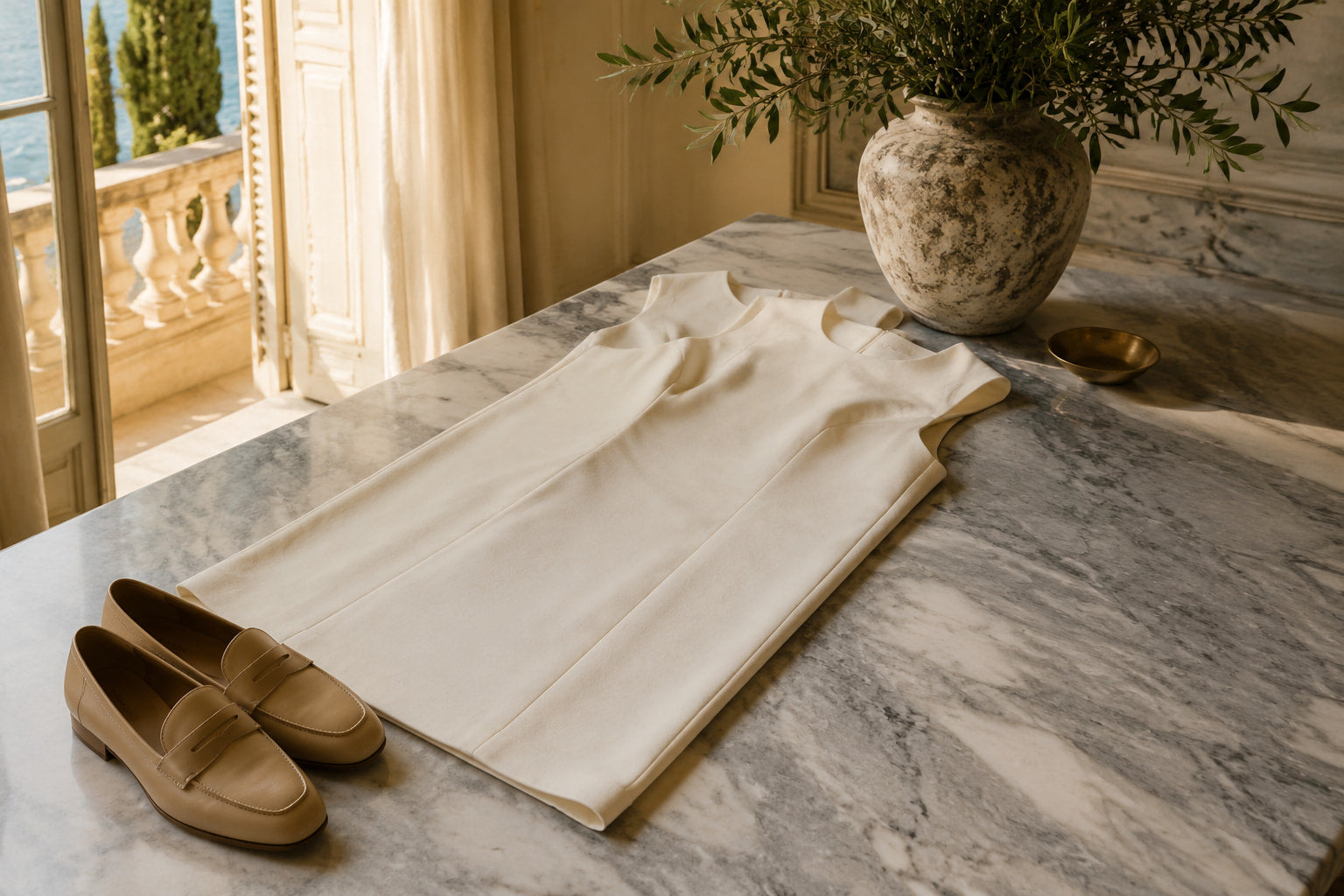
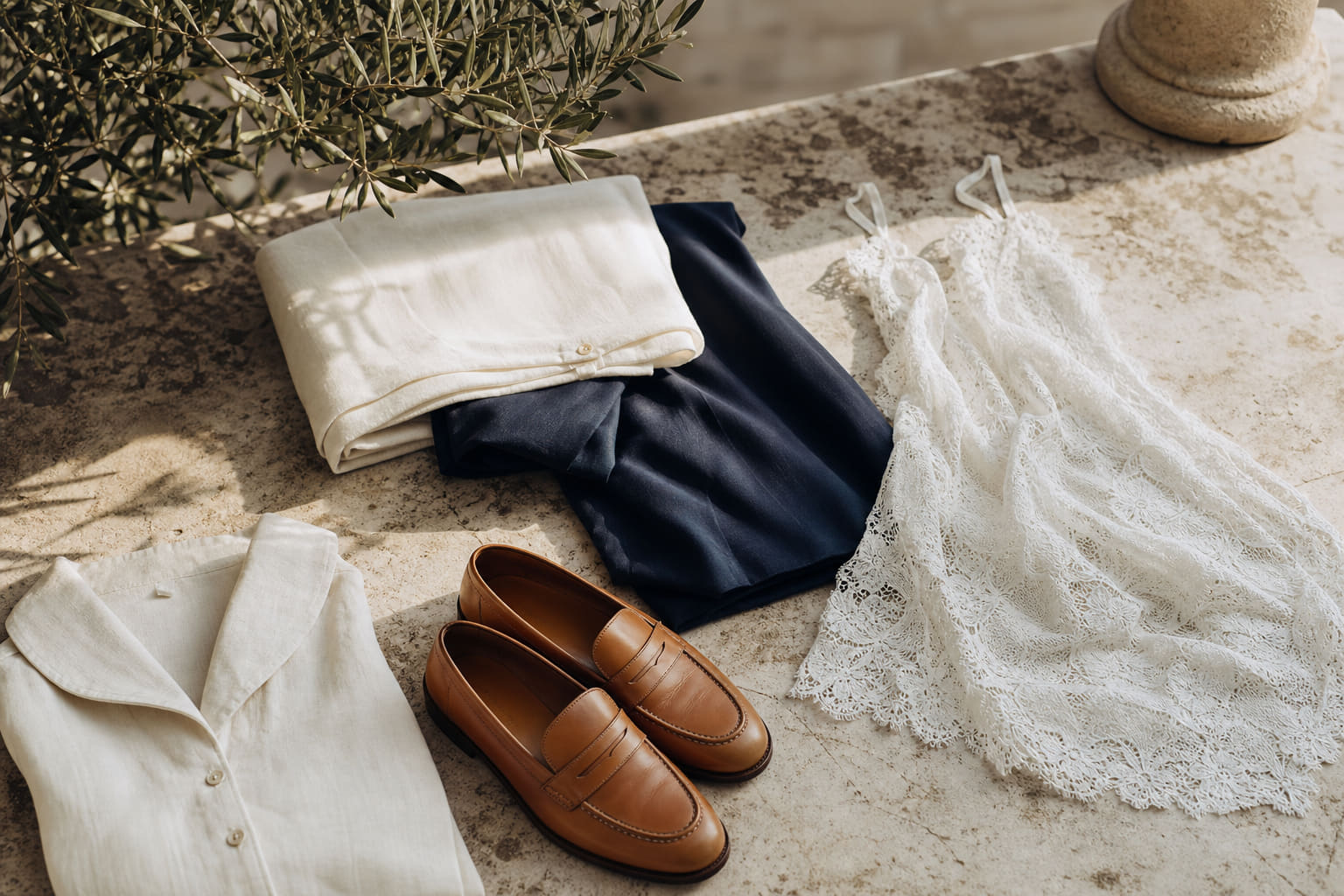
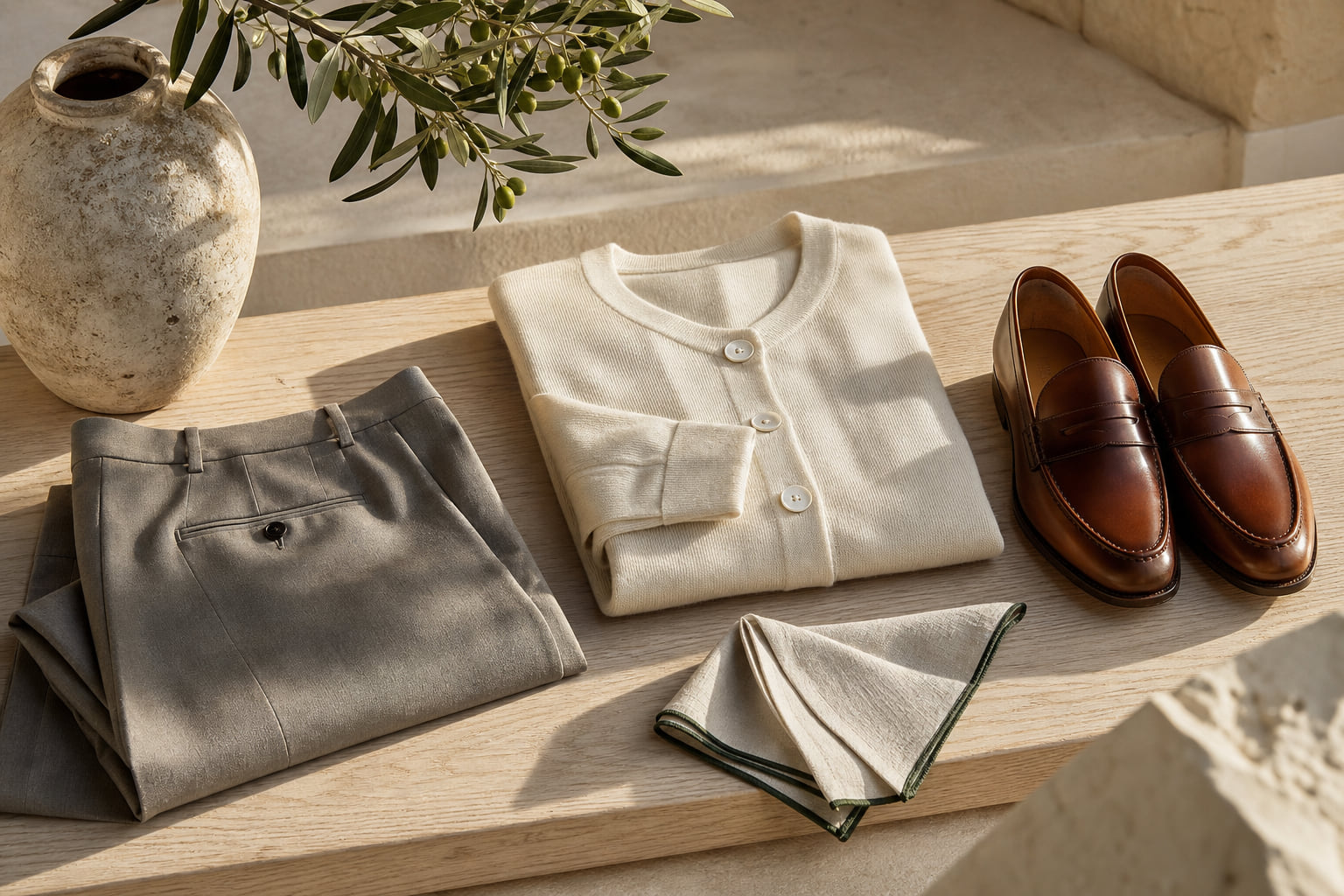
For a daytime occasion, whether a weekend lunch, a gallery visit, or a summer market, keep accessories minimal and footwear low. A pair of loafers in a neutral tone grounds the femininity of the dress without competing with it. A small structured bag, a woven basket, or a leather clutch all work. Avoid large statement jewellery, which fights the delicacy of the ruffle detail.
For a garden party or outdoor event, the ruffled tie dress is essentially ideal. Choose a midi length in a light colour, cotton voile or crepe, and add refined dress shoes with a low block heel. A pair of classic sunglasses with a subtle frame complete the picture without over-styling it. The dress does the work here. Let it.
For an evening occasion, move toward a crepe or satin fabric, a deeper or richer colour, and swap the flat shoe for a low heel. The Celia Long Dress with ruffled edges is a strong example of how the ruffled silhouette translates to a more formal context: the length and fabric bring the formality, while the ruffle retains the softness. Add a simple gold chain and a small evening bag.
For work or a smart daytime meeting, the ruffled tie dress works best in a solid colour or quiet print, with the ruffle confined to the collar or hem rather than dominating the bodice. A fine knit cardigan over the top, or a tailored blazer, gives the outfit enough structure to read as professional. Explore the broader range of day dresses if you are building a wardrobe that covers this ground regularly.
For more ideas on building outfits around feminine dress silhouettes, the guide on modern elegant outfit ideas for everyday wear covers the principles that apply across seasons.
Expert insightThe tie bow is itself a styling decision. A bow tied at the front, sitting just below the natural waist, draws the eye to the centre of the body and creates a focal point. A tie worn to the side is subtler and slightly more casual. Both are intentional choices, not accidents.

How to Care for a Ruffled Dress Without Losing Its Shape
This is the practical question most women search for and rarely find a direct answer to. Ruffled dresses require specific handling because the ruffle is a shaped detail, and it can be distorted by heat, aggressive agitation, or improper drying.
Washing: Turn the dress inside out before placing it in the machine. Use a mesh laundry bag. Select a cold gentle cycle with a low spin speed, ideally 400 rpm or below. High spin speeds are the primary cause of ruffle distortion in machine-washed dresses, as the centrifugal force pulls the gathered fabric outward and can permanently stretch the stitching that holds the ruffle in place. For lace-trimmed or satin ruffled dresses, hand-washing in cool water with a small amount of delicate detergent is the safer choice.
Drying: Never tumble dry a ruffled dress. Remove it from the machine promptly and reshape the ruffles by hand while the fabric is still damp. Hang it on a padded hanger, not a wire one, and allow it to air dry away from direct sunlight. Direct sun fades fabric and can cause certain dyes to shift unevenly.
Ironing: Iron ruffled sections on the reverse side using a pressing cloth, particularly for cotton and crepe. Use the steam setting at the appropriate temperature for the fabric. Never press directly onto a ruffle from the front: this flattens the gathered volume and removes the very quality that makes the detail work. A handheld steamer is often a more practical tool for refreshing ruffles between wears without the risk of direct heat damage.
Storage: Hang ruffled dresses rather than folding them. Folding a garment with ruffle details creates sharp creases across the gathered fabric that can be difficult to remove without pressing. If storage space requires folding, place tissue paper inside the ruffle folds to prevent hard creasing.
For guidance on caring for other delicate garments in your wardrobe, the article on how to wash delicate knitwear without shrinking it covers closely related principles that apply to fine fabrics broadly.

Building Around the Ruffled Tie Dress: The Rest of the Wardrobe
A ruffled tie dress does not exist in isolation. The pieces around it determine whether the overall impression is cohesive or confused.
Outerwear: A fine wool coat in camel, ivory, or deep navy sits over a ruffled tie dress without competing with its detail. Avoid heavily textured or embellished outerwear, which creates too much visual noise against the ruffle. A trench coat is the most versatile option across seasons. For cooler months, the article on how to take a sundress from summer to autumn with layering covers the layering logic that applies directly to the ruffled dress silhouette.
Knitwear: A fine-gauge cardigan in a complementary tone is the most practical layering piece for a ruffled tie dress. It adds warmth without adding bulk, and it can be removed when moving indoors. The Candie Knit Dress with embroidered lapel and ruffled skirt is worth noting here as a single garment that combines knit construction with ruffle detail, effectively solving the layering question within one piece.
Colour logic: The ruffled tie dress works best in solid colours or small-scale prints, because the ruffle detail is itself a form of visual texture. A large floral print combined with significant ruffle volume produces a garment that is competing with itself. If you prefer prints, choose a small repeat or a tonal print, and keep the ruffle detail confined to one area of the dress.
Accessories: The tie waist of the dress already provides a focal point at the waist. This means you do not need a belt. Simple stud earrings or a single fine chain necklace are appropriate. Avoid layering multiple necklaces against a ruffled neckline: the two details occupy the same visual space and neither reads clearly. Browse the full woman dress collection to see how different dress silhouettes handle this balance of detail.
Harper's Bazaar has documented the return of romantic dress dressing as a considered aesthetic choice rather than a purely seasonal trend, noting that the most enduring versions of the silhouette are those built on quality fabric and precise construction rather than volume alone.

Choosing the Right Ruffled Tie Dress for Your Proportions
The ruffled tie dress flatters a wide range of proportions precisely because the tie waist is adjustable and the ruffle adds visual interest without adding physical volume. That said, specific details within the silhouette can be chosen to work with or against your natural proportions.
For a petite frame: A knee-length or just-above-knee ruffled tie dress in a solid colour or small print will elongate the silhouette. Avoid very full hem ruffles, which can visually shorten the leg. A single ruffle at the collar or sleeve is a better placement choice. Pair with a low heel rather than a flat shoe to maintain the line.
For a taller frame: A midi or maxi ruffled tie dress works beautifully. The length allows the hem ruffle to read as a deliberate detail rather than an afterthought. Consider the Celia Long Dress with ruffled edges in this context: the length and the hem ruffle work together to create a coherent silhouette that reads as intentional from head to hem.
For a fuller bust: A V-neck or sweetheart neckline ruffled tie dress is more flattering than a high ruffled collar, which adds visual volume to the chest. The tie waist draws attention to the narrowest part of the torso and creates proportion. Look at how the Olivia Classic Square Neck Waist-Tie Mid-Length Dress handles this balance: the neckline opens the chest, and the tie waist creates structure below it.
For a straighter silhouette: The tie waist is your primary tool here. Tie it firmly enough to create definition, and choose a dress where the skirt has some fullness below the tie so that the contrast between waist and hip is emphasised by the fabric fall rather than requiring it to come from your body alone.
For further guidance on how neckline and waist details interact with the overall silhouette, the article on how to style a square neck dress for maximum elegance covers the underlying principles in useful detail.

| Fabric | Best Occasion | Season | Care Level | Ruffle Quality |
|---|---|---|---|---|
| Cotton voile | Daytime, garden events | Spring, Summer | Machine wash cold, gentle | Crisp, structured ruffle |
| Crepe (viscose/poly) | Lunch, evening, travel | Year-round | Machine wash cold or hand-wash | Soft, fluid ruffle |
| Satin / satin-back crepe | Evening, formal occasions | Autumn, Winter | Hand-wash or dry clean | Sculptural, light-catching |
| Cotton lawn | Casual daytime, weekend | Spring, Summer | Machine wash cold, gentle | Light, delicate ruffle |
| Lace trim on crepe base | Garden parties, dinners | Spring, Summer | Hand-wash recommended | Textured, romantic ruffle |
| Fine knit (cotton/wool blend) | Smart casual, cooler days | Autumn, Winter | Hand-wash cold, lay flat to dry | Structured ruffle with body |
Frequently asked questions
Can a ruffled tie dress be worn to a formal event?
Yes, provided the fabric is appropriate. A ruffled tie dress in crepe, satin, or satin-back crepe reads as formal. Choose a midi or maxi length, keep accessories restrained, and opt for a deep or rich colour rather than a casual print. The evening dresses collection includes options that take the ruffled silhouette into formal territory with the right fabric and construction.
How do I stop the tie bow from coming undone during the day?
Tie the sash with a double knot rather than a single bow. Alternatively, make the bow and then pass one tail through the knot a second time before tightening. This creates a secure bow that holds its shape through movement without being difficult to undo. A self-fabric sash in a heavier weight fabric will also hold a knot more reliably than one in a very lightweight voile.
What shoes work best with a ruffled tie dress?
A low block heel, kitten heel, or leather loafer are the most reliable choices. They provide enough height to elongate the silhouette without competing with the femininity of the dress. Flat sandals work for casual warm-weather occasions. Avoid very high stilettos with a ruffled midi dress, as the contrast in formality between a delicate dress and a very high heel can read as mismatched rather than intentional.
How do I iron a ruffled dress without flattening the ruffles?
Always iron ruffled sections from the reverse side, using a pressing cloth between the iron and the fabric. Use steam at the temperature appropriate for the fabric type. Work around the ruffle rather than pressing directly across it. A handheld garment steamer is often more practical for ruffled dresses than a flat iron, as you can hover the steam over the ruffle without making contact with the fabric and risk flattening the gathered volume.
The ruffled tie dress is a silhouette with genuine staying power precisely because it is built on two details that have never gone out of style: the tie waist, which creates proportion, and the ruffle, which adds movement and softness. Chosen in the right fabric for the occasion, styled with restraint, and cared for properly, it is a dress that earns its place in a wardrobe built for the long term. If you are beginning to build or refine your collection of dresses that carry this quality, the full woman dress collection offers a range of silhouettes grounded in the same principles of quiet elegance and considered construction.