


The Best Fabrics for Evening Gowns That Drape Perfectly
Reading time 12 min • 2481 words
The silhouette of an evening gown lives or dies by its fabric. A skilled cut in the wrong material falls flat, literally. Understanding which fabrics produce that long, liquid movement, that sense of a dress that follows the body rather than fighting it, is the most practical knowledge any woman can carry into a formal wardrobe decision.
This is not about chasing trends. The fabrics that drape well in an evening gown have not changed in a century, because the physics of weight, weave, and fibre have not changed. Silk, velvet, chiffon, crepe, and a small number of technical alternatives each do something specific and distinct. Knowing the difference lets you shop with confidence and dress with precision.
At Lovau, we work within a Mediterranean tradition that prizes restraint and quality of material above decoration. The gowns we return to season after season are the ones where the fabric does the speaking. This guide is our honest assessment of which materials deserve a place in your wardrobe, and why.
Key takeaways
- Silk charmeuse and bias-cut satin produce the most fluid, body-skimming drape for formal gowns.
- Velvet drapes with weight and structure, making it ideal for colder-season evening occasions.
- Chiffon layers beautifully but requires lining to hold its shape and feel substantial.
- Fabric weight determines silhouette: lighter fabrics flow, heavier fabrics sculpt.
- Finishing touches, including how you accessorise with a hat or wrap on arrival, affect the overall impression as much as the gown itself.
In this guide
- Silk Charmeuse: The Gold Standard for Fluid Drape
- Velvet: Weight, Depth, and a Different Kind of Drape
- Chiffon: The Case for Layers
- Crepe and Duchess Satin: Structure with Softness
- Accessorising the Arrival: Where a Hat Fits Into Evening Dressing
- How to Choose the Right Fabric for Your Specific Occasion
- Frequently asked questions
Silk Charmeuse: The Gold Standard for Fluid Drape
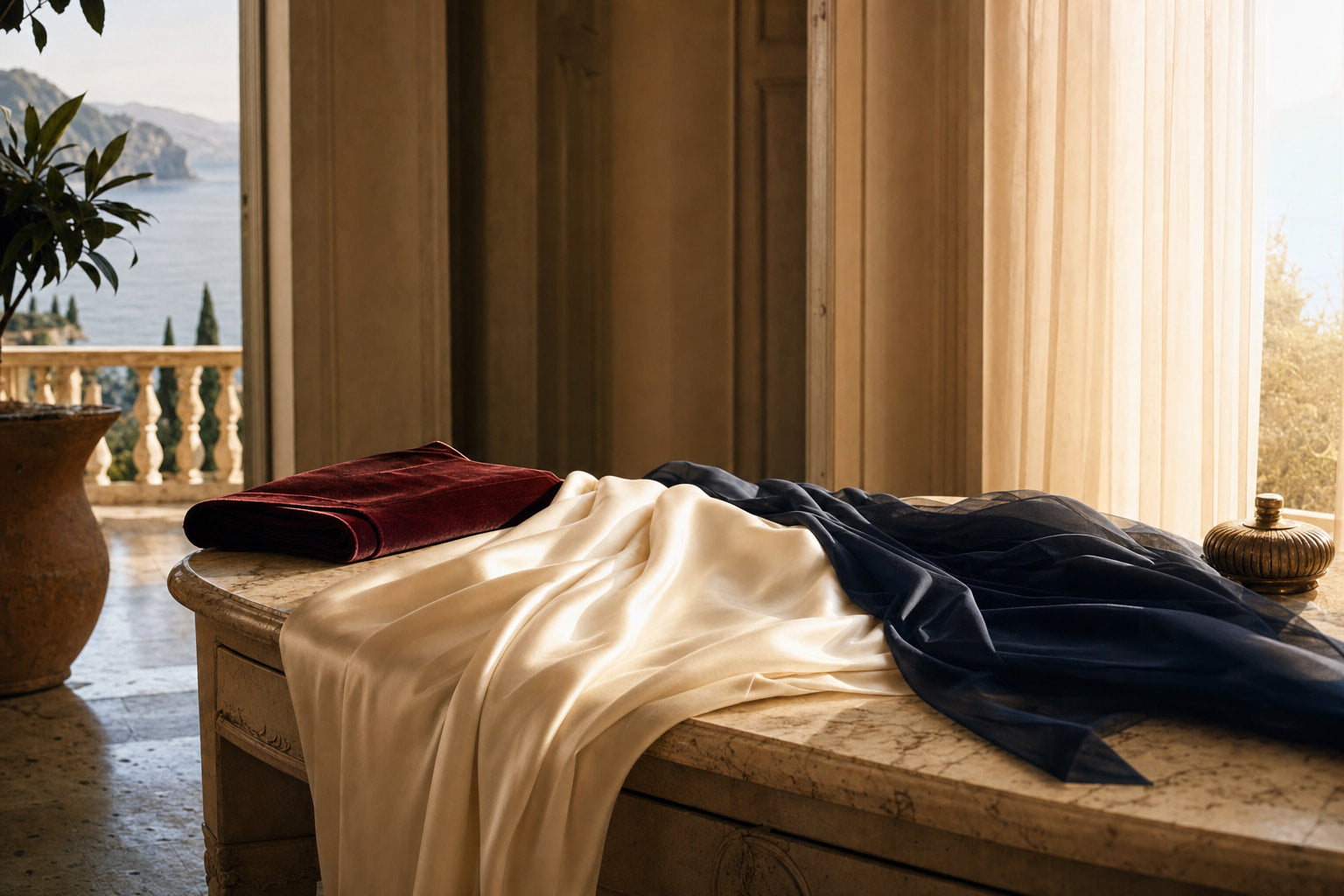
Silk charmeuse is the fabric most synonymous with the evening gown silhouette. It is a lightweight silk woven with a satin weave on the face and a matte finish on the reverse, which gives it that distinctive liquid quality. When cut on the bias, meaning diagonally across the grain, charmeuse follows every contour of the body and moves with the wearer rather than holding a fixed shape.
The bias cut is what separates a charmeuse gown from simply a silk blouse made longer. The diagonal cut allows the fabric to stretch slightly, which is why a well-made charmeuse gown feels as though it was made specifically for you. It also means the gown will shift and settle differently depending on how you stand and move, which is part of its appeal.
For a backless evening dress, charmeuse is the natural choice. The fabric's weight keeps it hanging clean and close to the body without pulling or bunching at the open back, which stiffer fabrics cannot manage.
One practical note: charmeuse shows body heat and marks easily. Store it hung, never folded, and have it professionally cleaned. It is not a low-maintenance fabric, but the result justifies the care. According to Britannica's overview of silk production, silk's tensile strength and natural protein structure make it uniquely responsive to draping compared to synthetic alternatives.
Expert insightIf you find pure silk charmeuse out of budget, look for silk-blend charmeuse with at least 70% silk content. Below that threshold, the drape becomes noticeably stiffer and the surface loses its characteristic depth of colour.

Velvet: Weight, Depth, and a Different Kind of Drape
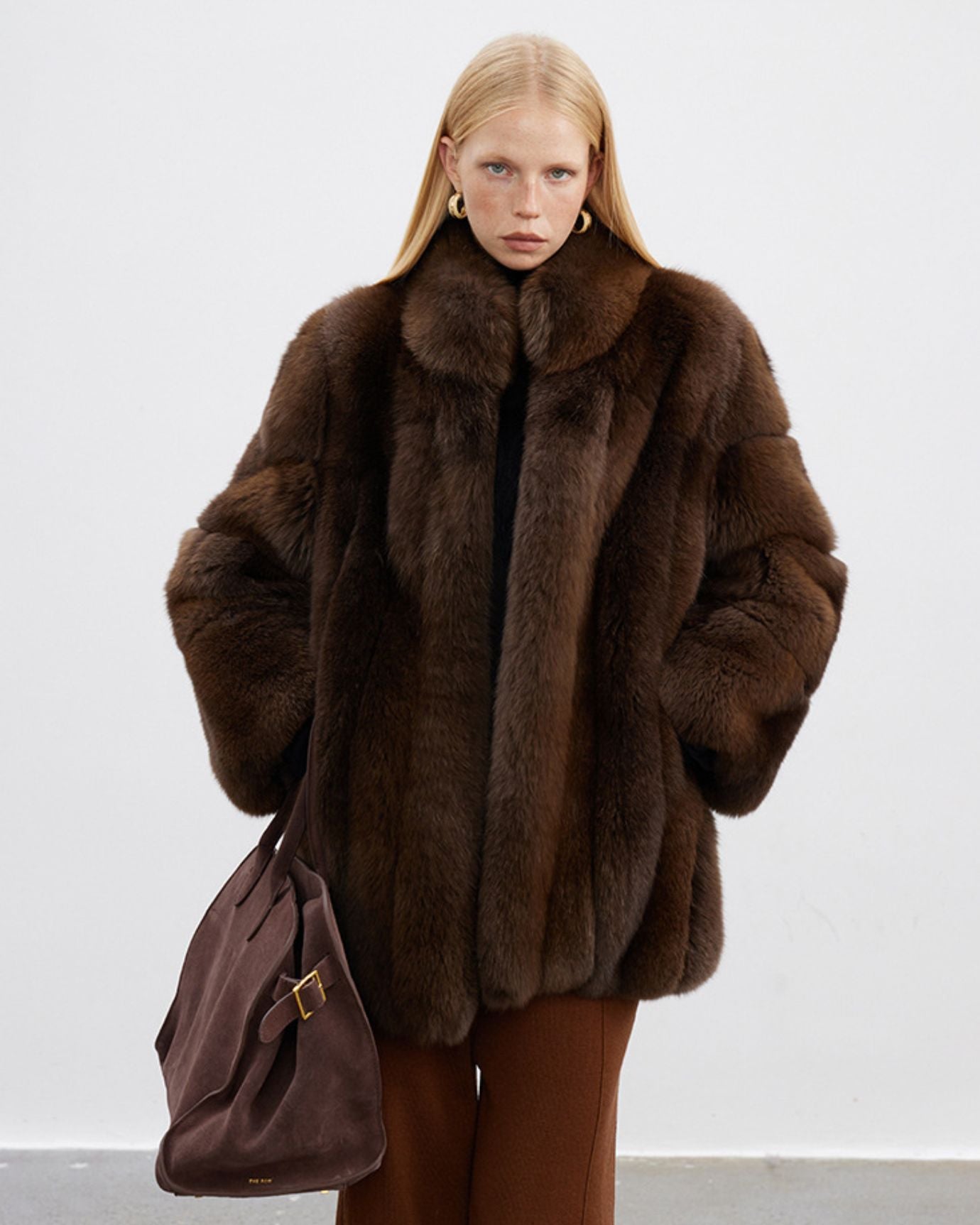
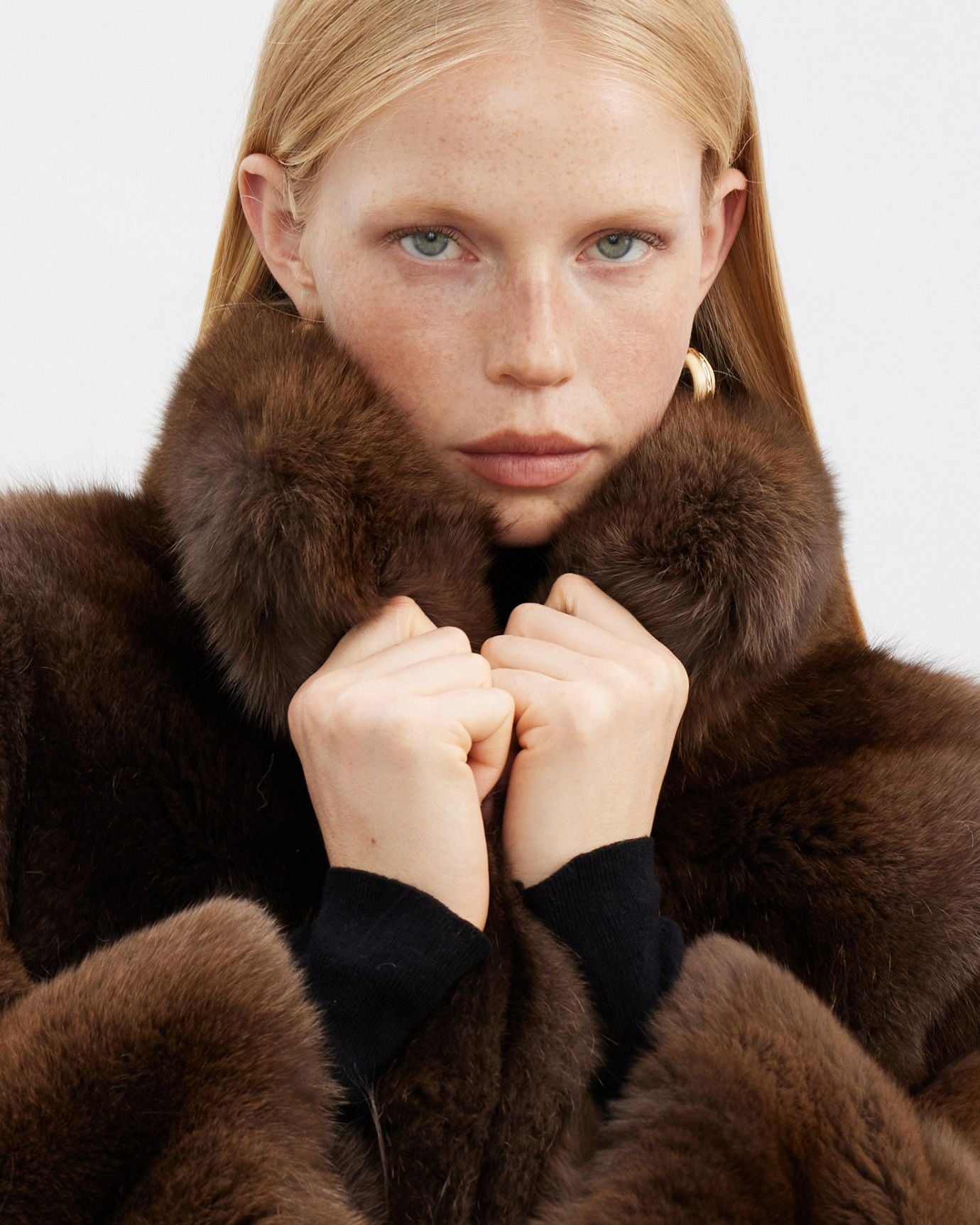
Velvet does not drape the way charmeuse does. It does not flow. What it does is hang with authority. The pile construction gives velvet a natural weight that pulls it downward in clean, vertical lines, which creates a silhouette that feels sculptural rather than fluid. For a formal gown, this is not a compromise. It is a different aesthetic entirely.
Velvet gowns work best in cooler months, autumn through early spring, when the fabric's warmth and richness suit both the temperature and the mood of the occasion. A velvet designer old money style dress in a deep jewel tone, midnight blue, forest green, or burgundy, reads as genuinely luxurious without any effort toward ornamentation.
The key consideration with velvet is cut. Because the fabric does not stretch or bias, the cut must do the work of flattery. A well-placed seam at the waist, a subtle A-line skirt, or a column silhouette all work well. Avoid excessive gathering or ruching in velvet, as the pile will bunch rather than fall.
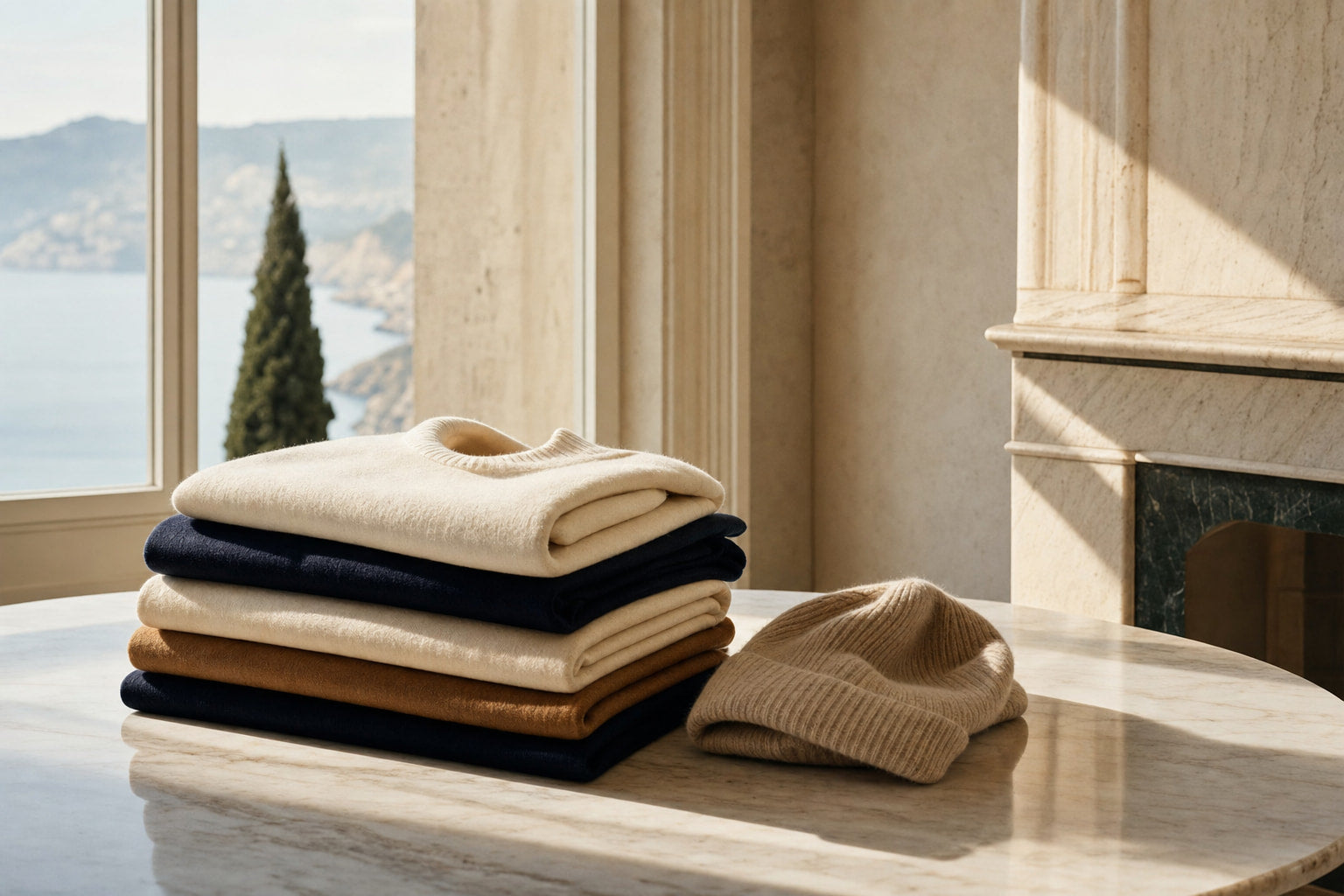
Velvet also pairs naturally with structured accessories. If you are arriving to an evening event from outdoors in cooler weather, a cashmere knitted hat worn over a velvet gown creates a contrast of textures that feels considered and polished, not mismatched. The softness of the cashmere against the pile of the velvet is a combination with genuine visual intelligence.
Browse the full evening dresses collection to see how velvet and other formal fabrics translate into finished silhouettes.
Expert insightAlways check the pile direction before purchasing velvet. Run your hand along the fabric: it should feel smooth in one direction and slightly resistant in the other. The pile should run downward on a finished garment, which gives the colour its deepest, richest appearance.

Chiffon: The Case for Layers
Chiffon is a plain-weave fabric made from highly twisted yarns, historically silk but now commonly polyester, which gives it its characteristic sheer, lightweight quality. On its own, a single layer of chiffon has almost no structure. Layered, it creates movement and volume without weight, which is why it appears so frequently in formal skirts, overlays, and sleeves.
The critical rule with chiffon is that it must be lined. An unlined chiffon gown clings unpredictably and loses the graceful fall that makes the fabric appealing. A silk or crepe lining underneath gives chiffon something to move against, and the two layers together produce a soft, floating effect that is genuinely elegant.
Chiffon is particularly well-suited to maxi dresses and gowns with movement in the skirt. A fitted bodice in a more structured fabric, crepe or duchess satin, paired with a chiffon skirt is a construction that has remained in formal dressing for good reason: the contrast of textures creates visual interest without relying on embellishment.
For warmer-season formal events, chiffon is the most practical luxury fabric available. It breathes, it packs relatively well compared to velvet, and it photographs beautifully because the layers catch light differently at different angles.
Expert insightPolyester chiffon has improved considerably in quality over the past decade. A high-grade polyester chiffon will drape almost identically to silk chiffon and is significantly more resistant to water spotting, which matters at evening events.

Crepe and Duchess Satin: Structure with Softness
Crepe is the workhorse of formal dressing. Its slightly pebbly surface texture comes from the way the yarns are twisted during weaving, and that texture is what gives crepe its body. It drapes with more control than charmeuse, holds a seam cleanly, and does not cling the way satin can. For a woman who wants a formal gown that moves with her but does not reveal every contour, crepe is the correct choice.
Crepe comes in varying weights. Crepe de chine is lighter and more fluid, closer to charmeuse in behaviour. Heavy crepe or double crepe has a structured quality that makes it excellent for column gowns and tailored evening silhouettes. The contrast collar pleated dress demonstrates how a fabric with inherent body can hold pleating without stiffness.
Duchess satin sits at the opposite end of the spectrum from charmeuse. It is a heavy, tightly woven fabric with a pronounced sheen on the face. It does not drape fluidly, but it holds a shape with extraordinary precision. Duchess satin is the fabric of structured ballgowns and fitted bodices where the silhouette is architectural. It photographs with a luminosity that few other fabrics can match.
For a gown that transitions from a formal dinner to a late evening, the long sleeve dresses in crepe constructions offer the practicality of coverage with the refinement of a formal fabric.
The in Paris style long-sleeved dress with belt is a strong example of how crepe-weight fabric behaves when cut with a defined waist and clean lines: structured without rigidity, formal without effort.

Accessorising the Arrival: Where a Hat Fits Into Evening Dressing
There is a moment before every formal evening that tends to be overlooked in the planning: the arrival. How a woman walks into a venue, what she is wearing as she removes a wrap or coat, is part of the impression. For autumn and winter evenings, a hat worn over a gown on arrival is one of the most quietly confident choices a woman can make.
This is not a theatrical gesture. It is a practical one, rooted in European tradition, where the distinction between outdoor and indoor dressing has always been clearly observed. A structured or softly knitted cashmere hat removed upon entering a room creates a moment of transition that is inherently graceful.
The Carina Hat in cashmere pairs particularly well with velvet and crepe gowns. The matte, soft texture of cashmere complements the pile of velvet without competing with it. Against a crepe gown, the hat adds warmth and texture that the fabric alone cannot provide.
For a more relaxed formal occasion, the cashmere soft knitted hat offers a less structured silhouette that suits fluid fabrics such as charmeuse and chiffon. The softness of the hat echoes the softness of the gown, and the overall effect is one of deliberate, unhurried dressing.
The woman wool dress old money style is worth noting here as well: for transitional-season formal occasions where a full gown feels excessive, a refined wool dress with a cashmere hat achieves the same register of dressing with considerably more practicality.
For a broader view of how hats integrate into a complete formal wardrobe, the Lovau Woman Designer collection provides useful context on how individual pieces relate to one another.

How to Choose the Right Fabric for Your Specific Occasion
The fabric of an evening gown should match the formality, season, and physical demands of the occasion. A charity gala in a ballroom in December calls for a different fabric than an outdoor garden dinner in June. Getting this right is not complicated once you have a clear framework.
For seated dinners and indoor formal events, prioritise fabrics that do not wrinkle under pressure and that look as good at the end of the evening as they did at the beginning. Crepe and velvet both perform well here. Avoid duchess satin for long seated occasions.
For dancing or events with significant movement, bias-cut charmeuse and chiffon overlays are the most forgiving. They move with the body and recover their shape. Velvet and duchess satin can feel restrictive if the silhouette is not generous.
For outdoor or transitional-season events, layering becomes relevant. A chiffon gown over a silk slip, combined with a cashmere wrap or the cashmere thickened heavy weight hat for arrival, handles temperature variation without sacrificing the formality of the look.
For destination formal events, consider packability. Crepe de chine and lightweight chiffon travel far better than velvet or duchess satin. The blue striped dress in a lighter fabric weight is a useful reference for how a dress can be both travel-friendly and genuinely polished.
As Vogue has noted in its coverage of couture fabric traditions, the most enduring formal dresses are built around the inherent properties of their fabric rather than against them. A gown that works with its material, rather than constraining it, will always look more considered.

| Fabric | Drape Quality | Best Season | Formality Level | Care |
|---|---|---|---|---|
| Silk Charmeuse | Fluid, body-skimming | Spring / Summer / Autumn | Very High | Dry clean only, hang stored |
| Velvet | Weighted, vertical | Autumn / Winter | Very High | Dry clean, pile-direction storage |
| Chiffon (layered) | Floating, light | Spring / Summer | High | Hand wash or dry clean, air dry flat |
| Crepe de Chine | Soft, controlled | Year-round | High | Hand wash, low-heat iron |
| Double Crepe | Structured, tailored | Autumn / Winter | High to Very High | Dry clean recommended |
| Duchess Satin | Stiff, architectural | Autumn / Winter | Formal / Ballgown | Dry clean only, avoid pressure |
Frequently asked questions
What is the best fabric for an evening gown that needs to drape without clinging?
Crepe de chine is the most reliable choice for drape without cling. It has enough weight to fall cleanly and enough surface texture to resist the body-revealing quality of charmeuse or satin. For a fitted silhouette that still moves well, look at the in Paris style long-sleeved dress with belt as a reference for how crepe behaves in a tailored context.
Can I wear a hat with an evening gown?
Yes, and in European formal tradition it is entirely appropriate for arrival. A structured or softly knitted cashmere hat worn over an evening gown as you enter a venue is a considered choice, not an eccentric one. Remove the hat once you have greeted your host and before being seated. The Carina Hat in cashmere is designed with exactly this kind of occasion in mind.
Is polyester chiffon acceptable for a formal evening gown?
High-quality polyester chiffon is genuinely acceptable for formal evening wear. The drape difference between silk and high-grade polyester chiffon is minimal to the eye at a distance. The practical advantages, including greater resistance to water spotting and easier care, make it a reasonable choice. The distinction that matters more is the quality of the construction and lining, not the fibre content alone.
How do I store an evening gown between wearings to preserve the drape?
Always hang formal gowns rather than folding them. Use a padded hanger wide enough to support the full shoulder width. For velvet, store in a breathable garment bag with the pile facing inward against itself to prevent crushing. For charmeuse and satin, a cotton or silk garment bag prevents static and surface snagging. Avoid plastic dry-cleaning bags for long-term storage, as they trap moisture.
The fabric of an evening gown is not a secondary decision. It is the decision from which everything else follows: the silhouette, the movement, the way the light falls, the impression you leave. Silk charmeuse for fluid intimacy, velvet for authoritative weight, chiffon for layered lightness, crepe for controlled refinement. Each has a specific role, and choosing correctly is simply a matter of understanding what each material is built to do. For occasions where the gown itself is the centrepiece, start with the evening dresses collection and let the fabric guide the rest.