


The Best Breathable Fabrics for Heavy Sweaters in Summer
Reading time 11 min • 2161 words
The assumption that sweaters and summer are mutually exclusive reflects a misunderstanding of how natural fibres actually work. A heavy sweater in the wrong fabric will trap heat and moisture with no mercy. But the right fabric, knitted at the right gauge, regulates body temperature as competently in July as it does in October.
For anyone who travels between air-conditioned interiors and warm terraces, or who simply wants to dress with the same composed authority in summer as in autumn, understanding fibre behaviour is not optional. It is the foundation of a functional warm-weather wardrobe.
This guide covers the specific fabrics that perform best in heat, explains why they work at a structural level, and points to the pieces worth owning. The goal is not a wardrobe overhaul. It is a clear-eyed decision about which sweaters earn their place in your summer rotation.
Key takeaways
- Fine-gauge cashmere under 12-ply is genuinely breathable and appropriate for warm weather when worn as a single layer.
- Silk-wool blends regulate temperature actively, making them among the most practical summer sweater fabrics available.
- Alpaca fibre is hollow, which reduces thermal retention and makes it lighter than equivalent wool weights.
- A zip-neck or open collar construction dramatically improves ventilation in any sweater fabric during summer.
- Fabric weight matters as much as fibre type: look for garments described as fine-knit, lightweight, or single-ply for summer wear.
In this guide
- Why Fabric Structure Determines Summer Comfort
- Cashmere: The Counterintuitive Summer Fibre
- Silk-Wool Blends: The Most Practical Summer Sweater Fabric
- Alpaca: Lightweight, Hollow, and Underestimated
- Construction Details That Make or Break Summer Wearability
- How to Style a Summer Sweater Without Looking Overdressed
- Frequently asked questions
Why Fabric Structure Determines Summer Comfort
Before naming specific fibres, it is worth understanding what makes any fabric breathable. Breathability is the capacity of a textile to allow moisture vapour to pass through it, drawing perspiration away from the skin and releasing it into the air. Natural protein fibres, meaning those derived from animal sources, manage this through a process called moisture wicking, where the fibre's cellular structure absorbs and releases humidity without feeling wet against the skin.
Knit gauge is equally important. A tightly knit heavy fabric in even the finest cashmere will restrict airflow. A loose, open gauge in the same fibre breathes freely. When evaluating a summer sweater, look for terms like fine-knit, single-ply, or lightweight construction alongside the fibre description.
Synthetic blends, by contrast, lack the cellular moisture-management capacity of natural fibres. Acrylic and polyester trap heat and hold perspiration against the skin. For anyone with sensitivity to warmth, these are the fabrics to avoid entirely in summer, regardless of how light they feel off the hanger.
Expert insightA single-ply fine-knit sweater in natural fibre will often feel cooler against the skin than a short-sleeved synthetic shirt. The fibre's moisture regulation, not its weight, determines comfort.

Cashmere: The Counterintuitive Summer Fibre
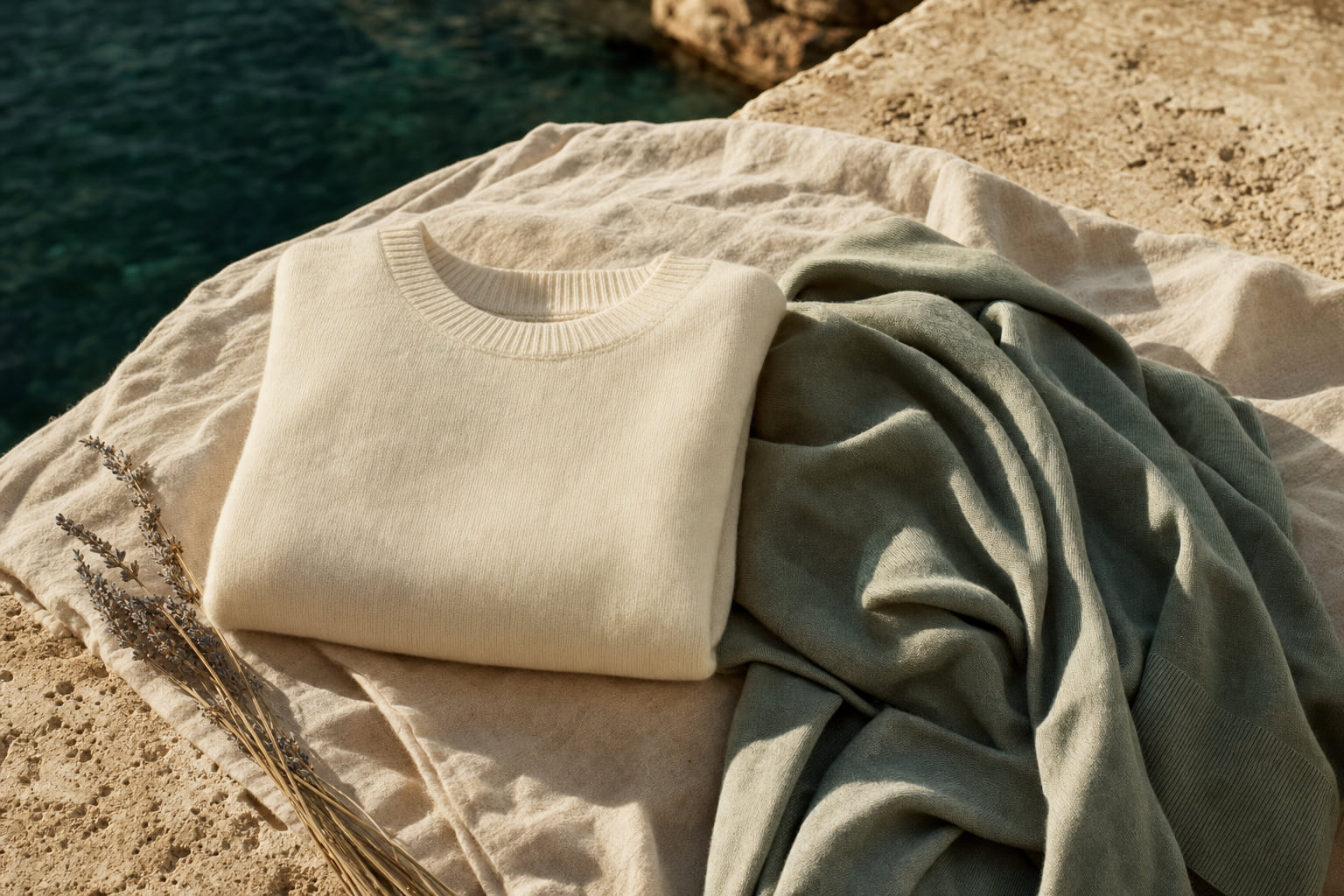
Cashmere has a reputation as a cold-weather luxury, which is understandable but incomplete. The fibre comes from the undercoat of Cashmere goats, and its structure is uniquely hollow at the core, which means it insulates against cold but also regulates against heat. Fine-gauge cashmere, particularly single-ply or two-ply constructions, breathes with surprising efficiency.
The key distinction is ply count and knit weight. A thick, multi-ply cashmere is a winter garment. A fine two-ply cashmere in an open knit is a legitimate warm-weather option, especially in Mediterranean climates where evenings cool down and air-conditioned spaces are aggressive.
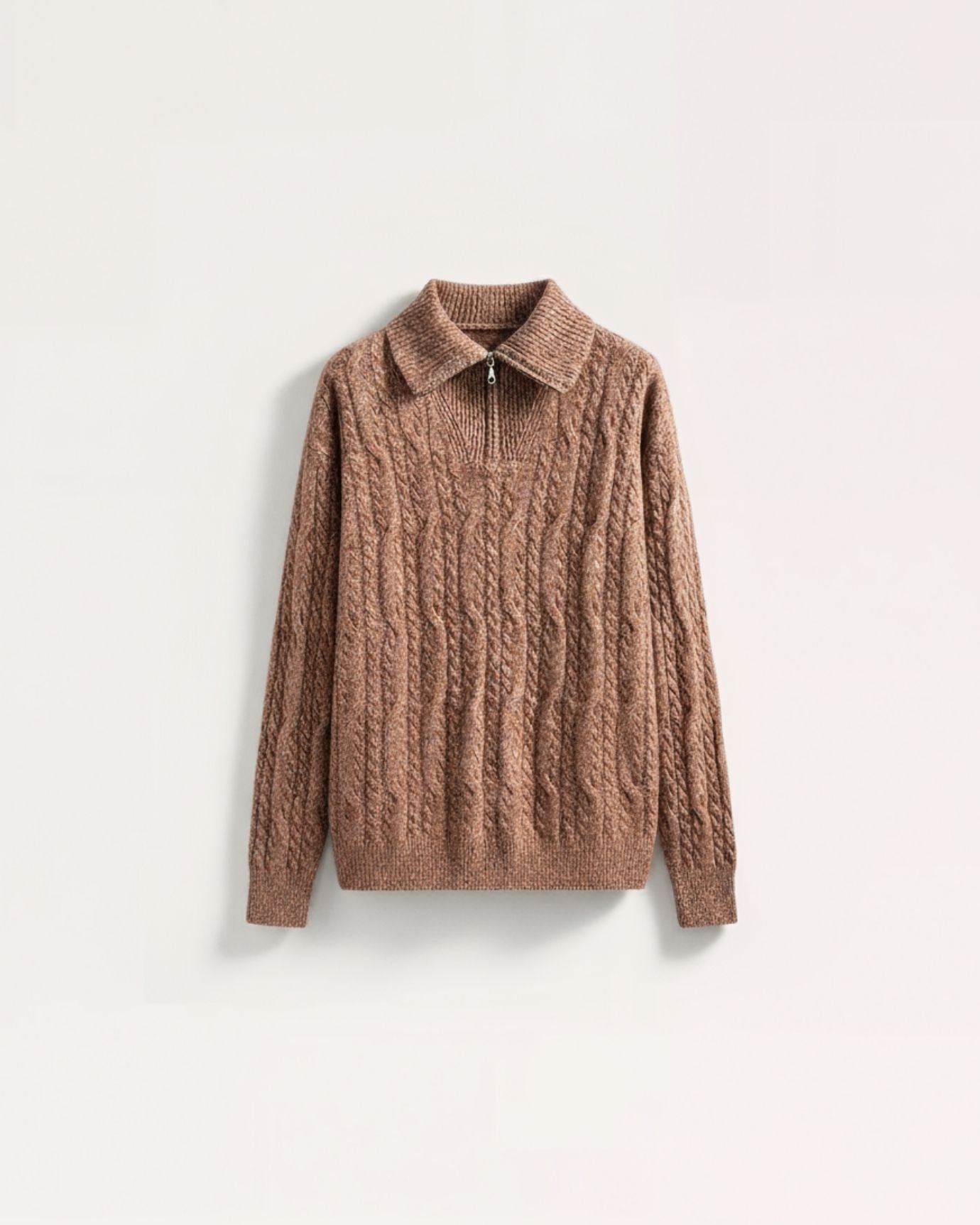
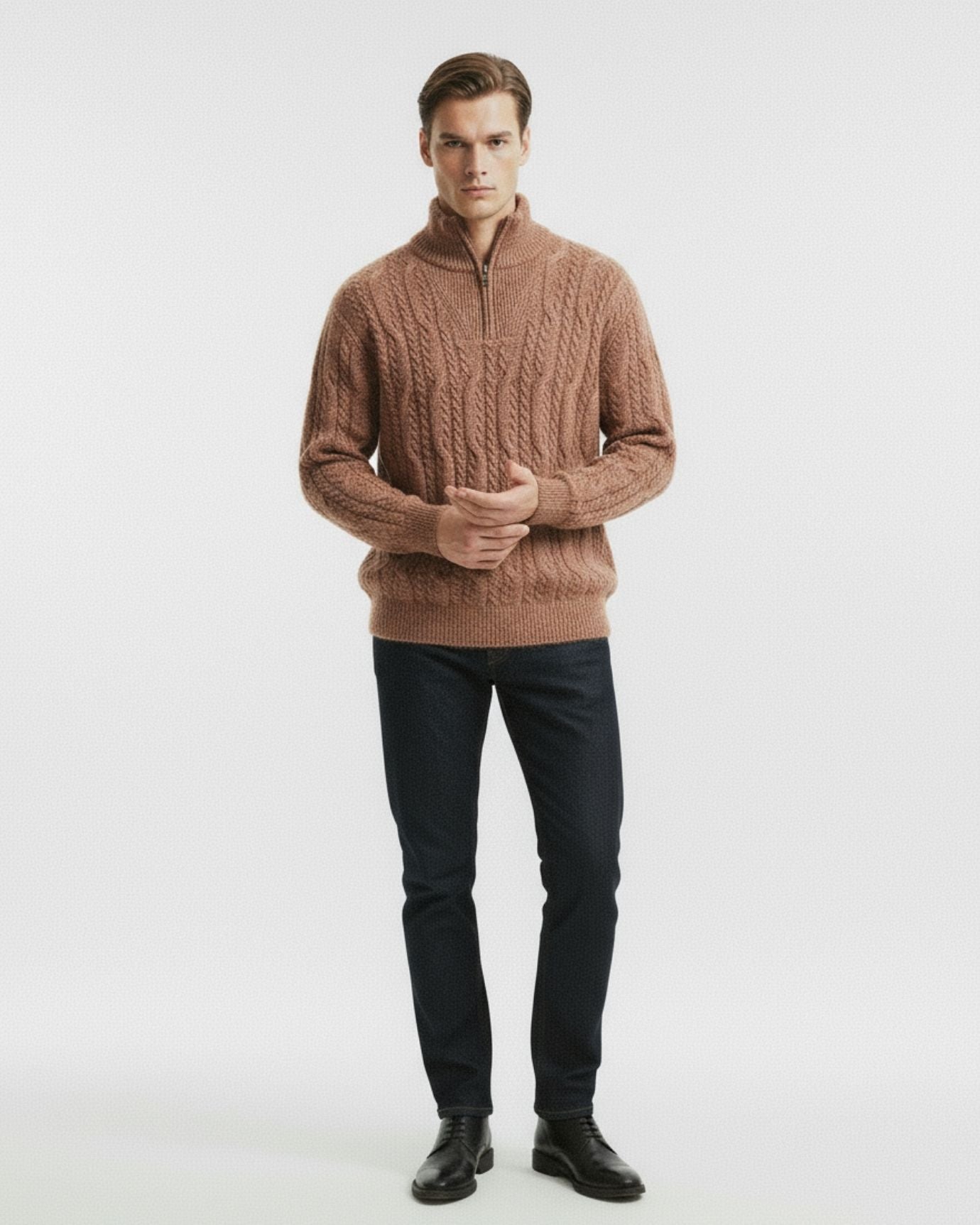
The Mulberry Silk Wool Sweater Shirt pairs a fine wool base with silk for exactly this reason: the silk adds a natural temperature-regulating sheen and reduces the thermal retention of wool alone. For a pure cashmere option with summer versatility, the Madrid Cashmere Zip Sweater is cut in a fine gauge with a zip neck that allows immediate ventilation when temperatures climb.
For those who want a classic pullover silhouette, the Fine Cashmere & Wool Sweater Pullover blends both fibres at a weight that works from a cool gallery interior to an outdoor terrace in the late afternoon.
Expert insightIn warm climates, choose cashmere in pale or mid-tone colours. Dark cashmere absorbs more radiant heat from sunlight, which compounds the thermal load regardless of how breathable the fibre itself is.

Silk-Wool Blends: The Most Practical Summer Sweater Fabric
If there is one fabric combination that earns the description of genuinely functional in summer heat, it is the silk-wool blend. Silk is one of the most breathable natural fibres in existence. Its smooth protein structure allows air to circulate freely while its natural sheen reflects rather than absorbs heat. When blended with fine wool or cashmere, silk reduces the overall thermal weight of the garment while adding a subtle surface quality that reads as considered and polished.
The Mulberry Silk Wool Sweater Shirt is the clearest expression of this logic in the Lovau range. Mulberry silk, specifically, is the highest grade of cultivated silk, with a finer and more uniform fibre than wild-spun alternatives. Its combination with fine wool produces a fabric that moves with the body, manages moisture actively, and holds its structure across a long day.
A silk-wool sweater also transitions between formal and relaxed contexts with very little effort. Worn over a light collar in a business setting or alone against the skin on a warm evening, the fabric maintains its composure. For women looking for the same principle in a different silhouette, the Cashmere & Wool Pullover Sweater delivers comparable breathability in a fine-knit pullover cut suited to both warm interiors and cool coastal evenings.

Alpaca: Lightweight, Hollow, and Underestimated
Alpaca fibre is structurally hollow, which is the physical reason it performs differently from standard wool in warm weather. The hollow core reduces the fibre's capacity to retain body heat while still providing the soft texture and drape that makes a knitted garment feel considered rather than casual. Fine alpaca, sometimes called baby alpaca when sourced from the first shear, is also naturally hypoallergenic and lacks the lanolin that makes some wool fibres irritating in heat.
The Vintage Sweater Alpaca is a good reference point for what well-sourced alpaca looks and feels like in a classic knit silhouette. The drape is softer than merino and the weight sits lighter on the body, which matters considerably when ambient temperatures are high.
For women, the Aus Alpaca Sweater Cardigan takes the same fibre logic and applies it to an open-front cardigan, which is arguably the most practical summer sweater format available. An open front means the garment can be worn as a layer without closing off ventilation entirely. Thrown over a dress or light blouse, it adds polish without adding warmth in any oppressive sense. Paired with pieces from the Spring Summer Old Money Woman collection, it reads as entirely intentional.
Expert insightBaby alpaca is not a marketing term without meaning. It refers specifically to fibre from the first shear of a young alpaca, which produces a diameter under 22 microns, finer than most cashmere grades and significantly smoother against warm skin.

Construction Details That Make or Break Summer Wearability
Fibre choice accounts for roughly half of a sweater's summer performance. The other half is construction. A few specific details determine whether a fine-knit sweater in an excellent fibre becomes genuinely wearable in heat or remains a theoretical option.
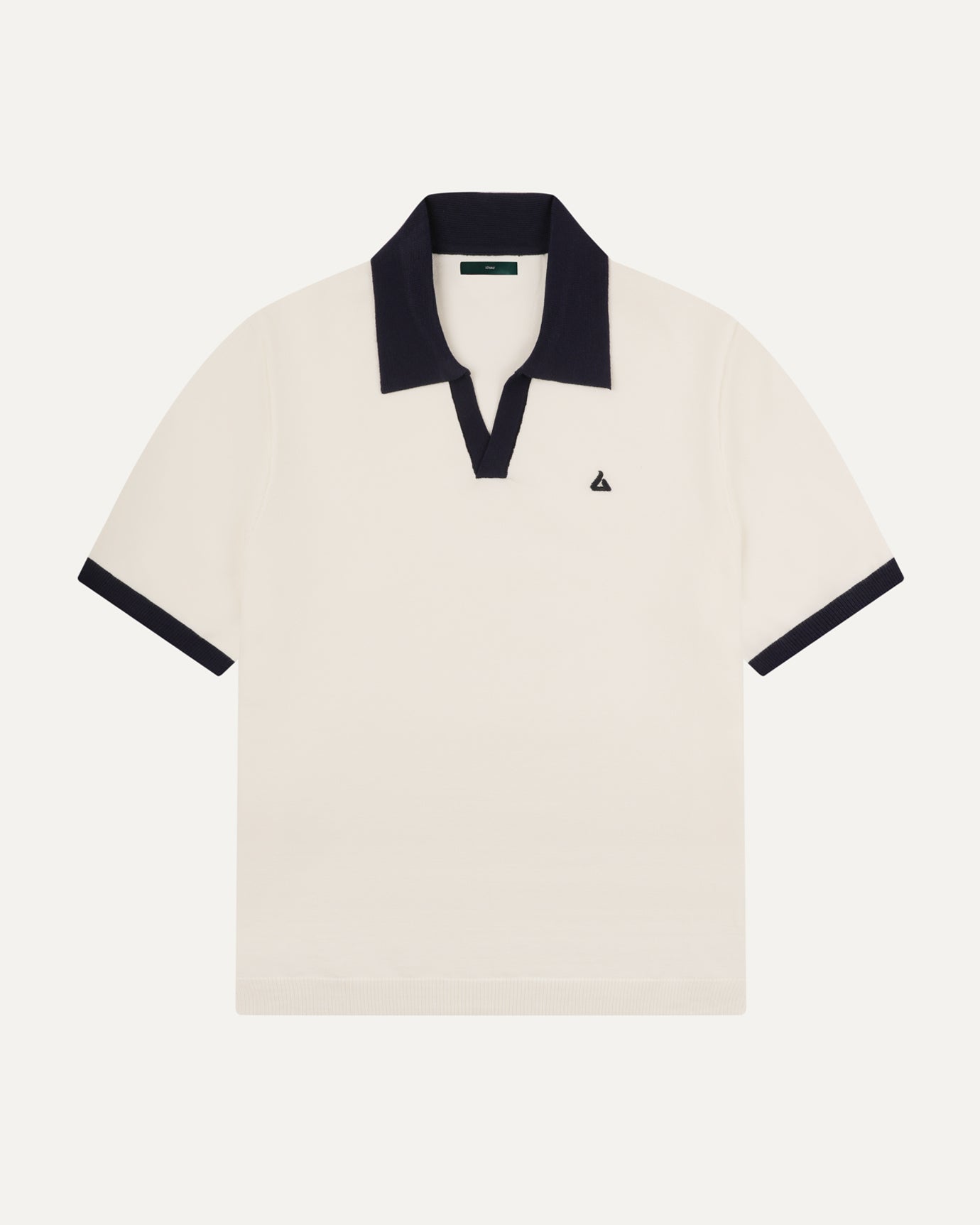
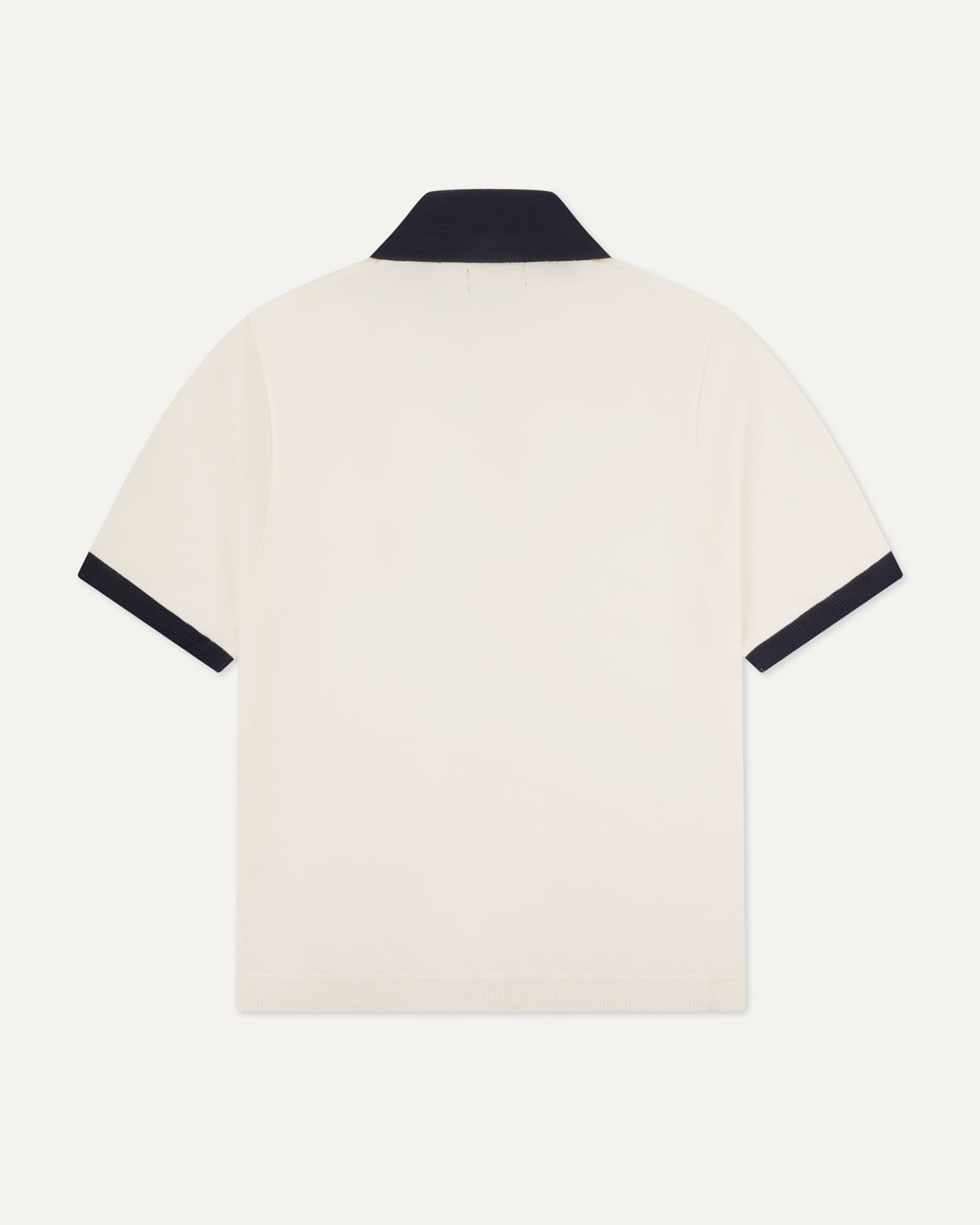
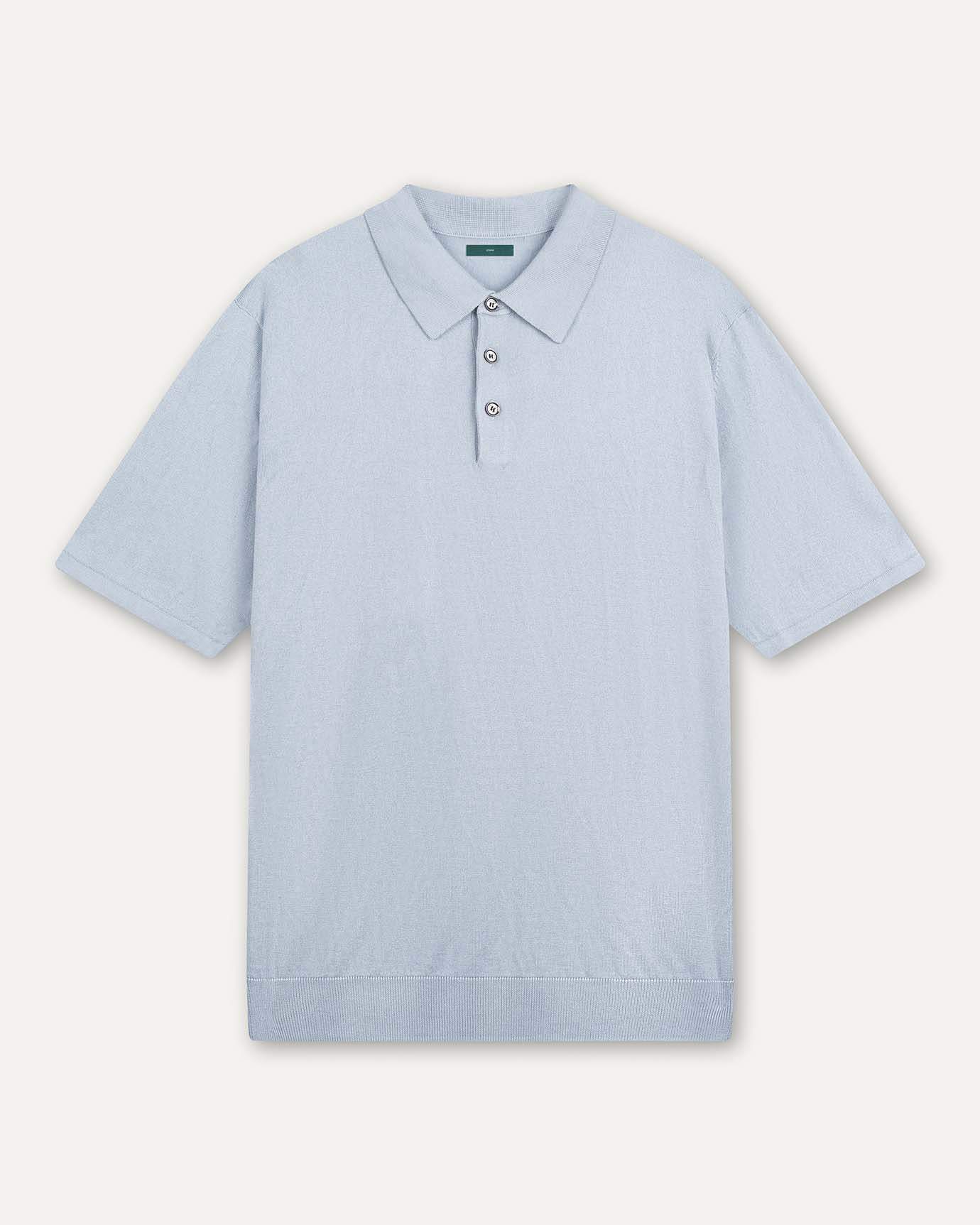
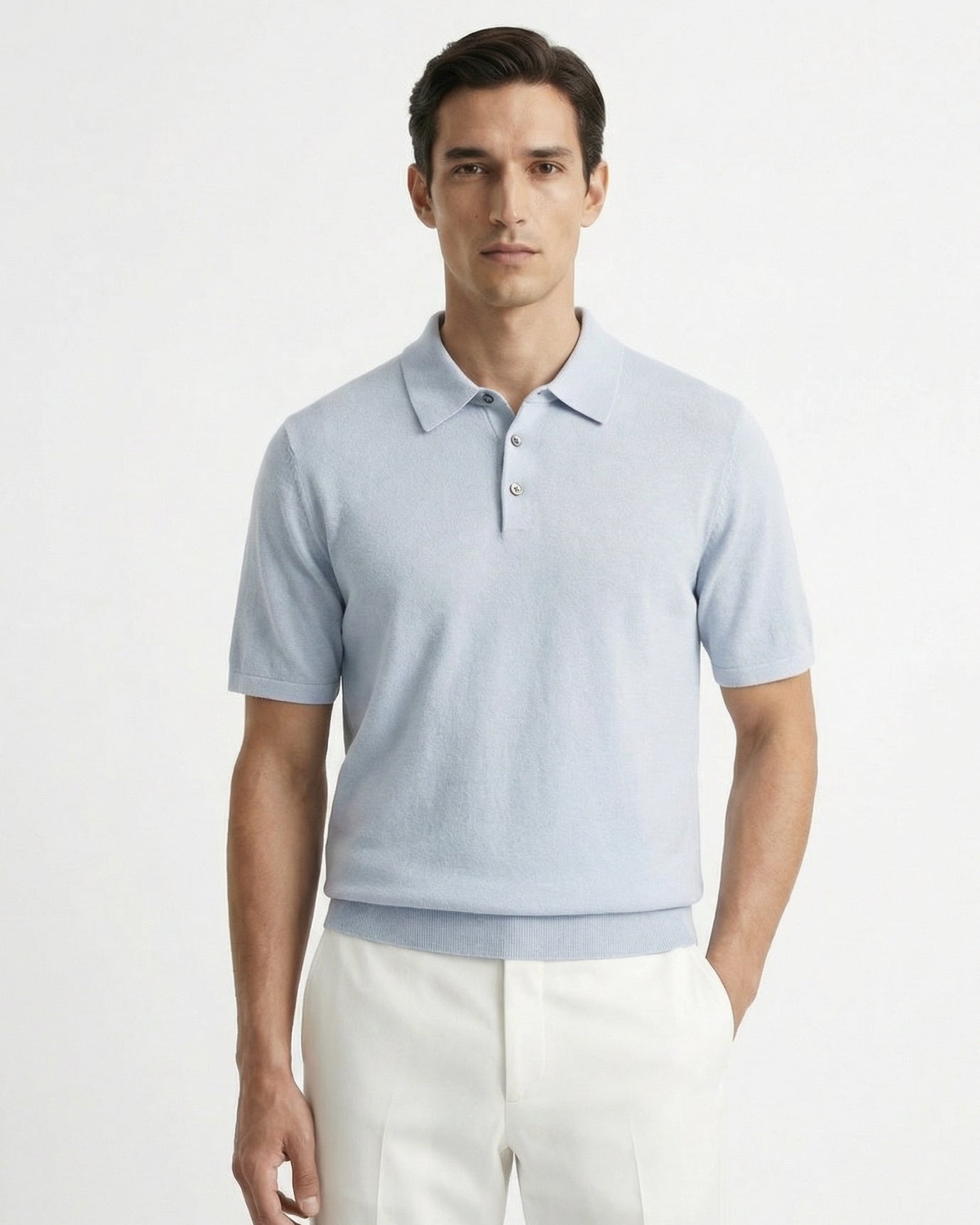
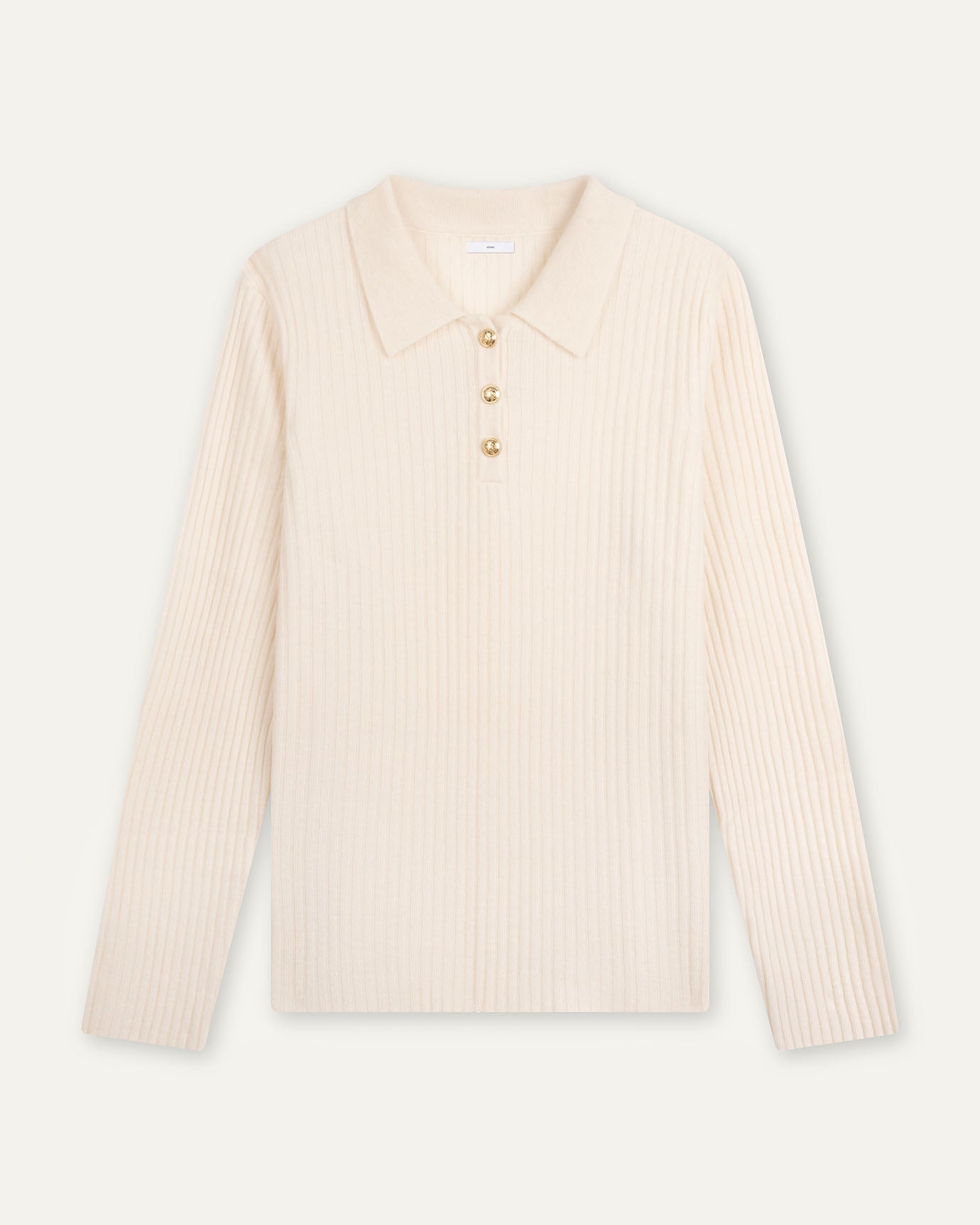
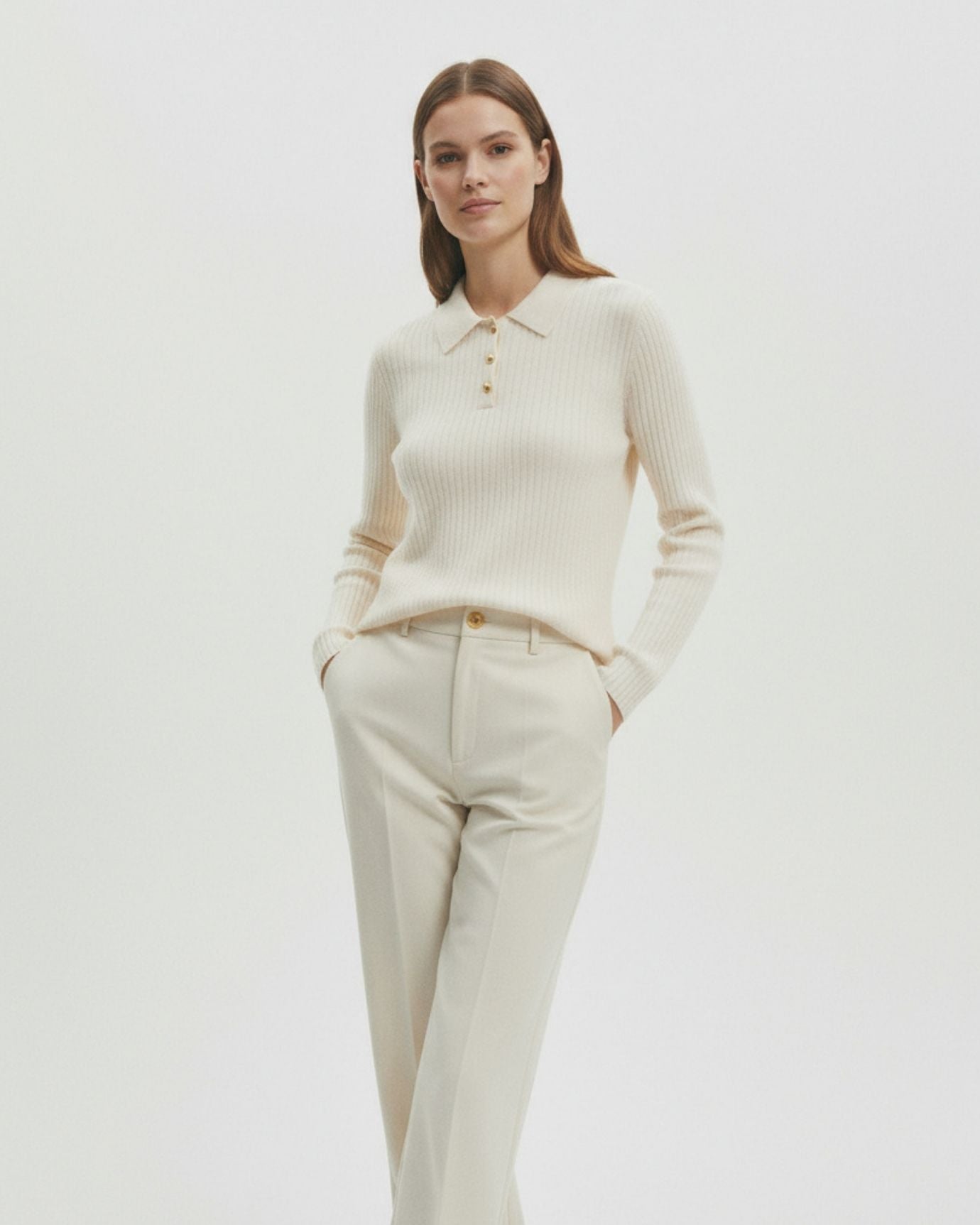
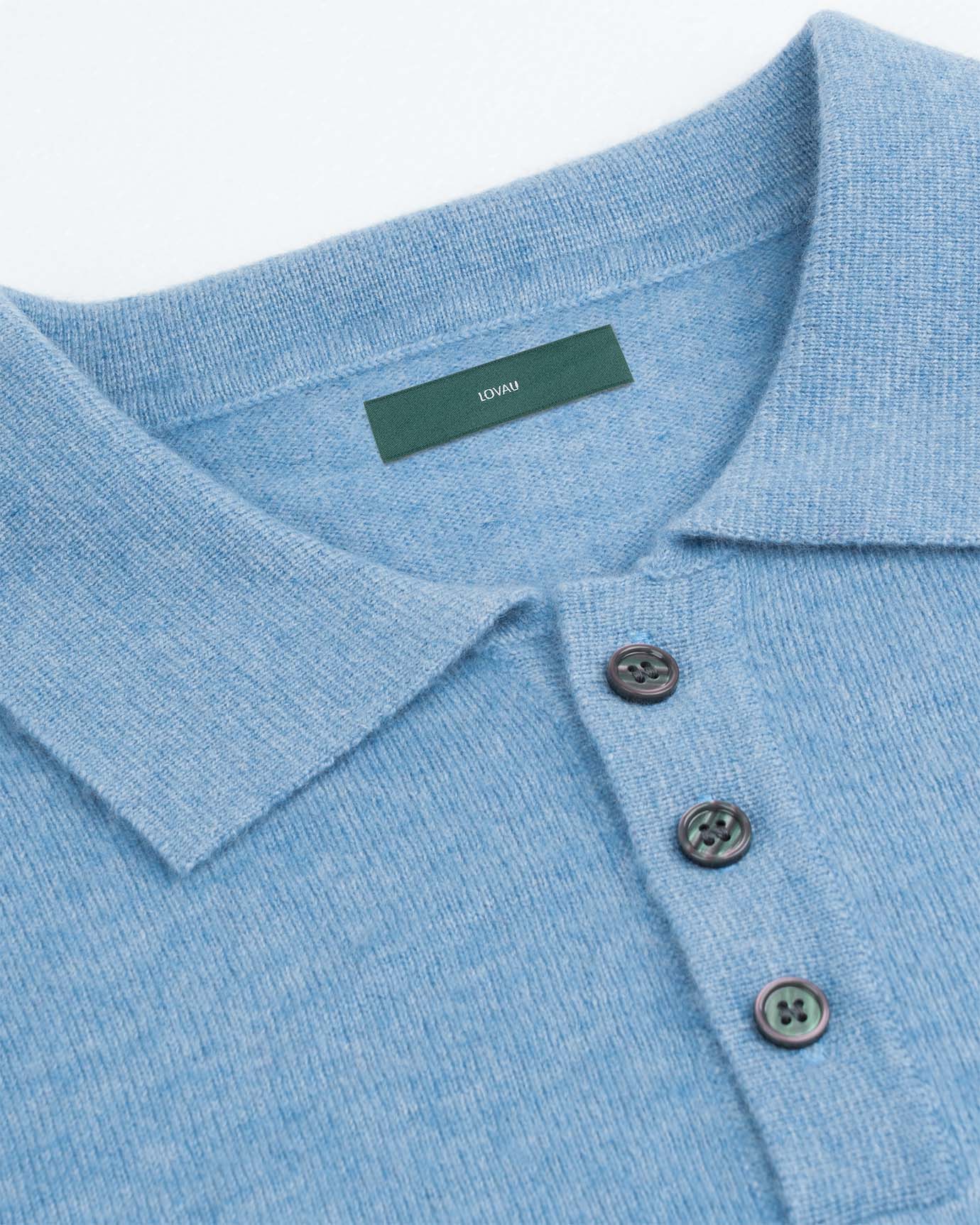
Zip or open neckline. A crew neck traps heat around the neck and chest, which is the body's primary zone of heat dissipation. A zip neck or V-neck opens this area immediately and allows temperature to regulate. The Knitted Sweater Summer Polo Shirt takes this principle directly: the polo collar structure keeps the neckline open while the knitted construction breathes along the body. Similarly, the Lovau Old Money Sweater Zip allows the wearer to adjust ventilation precisely rather than committing to a fully closed or fully open neck.
Knit openness. A tighter knit, regardless of fibre, restricts airflow. Look for a visible but refined open-knit structure in summer pieces. This does not mean a loose, casual fisherman's knit. It means a fine-gauge construction where individual stitches allow minor air movement across the fabric surface.
Fit at the body. A sweater that sits close to the body without pressing against it creates a microclimate of air between skin and fabric. Too tight eliminates this layer; too loose creates an insulating pocket of warm air. A slightly relaxed but shaped fit is optimal for warm-weather wearing.
For those building a considered summer wardrobe around these principles, the Man Spring Summer Old Money 25 collection groups pieces selected with exactly this seasonal logic in mind.

How to Style a Summer Sweater Without Looking Overdressed
The practical question after selecting the right fabric is how to integrate a sweater into a summer wardrobe without the result reading as autumnal or out of place. The answer lies in contrast and proportion.
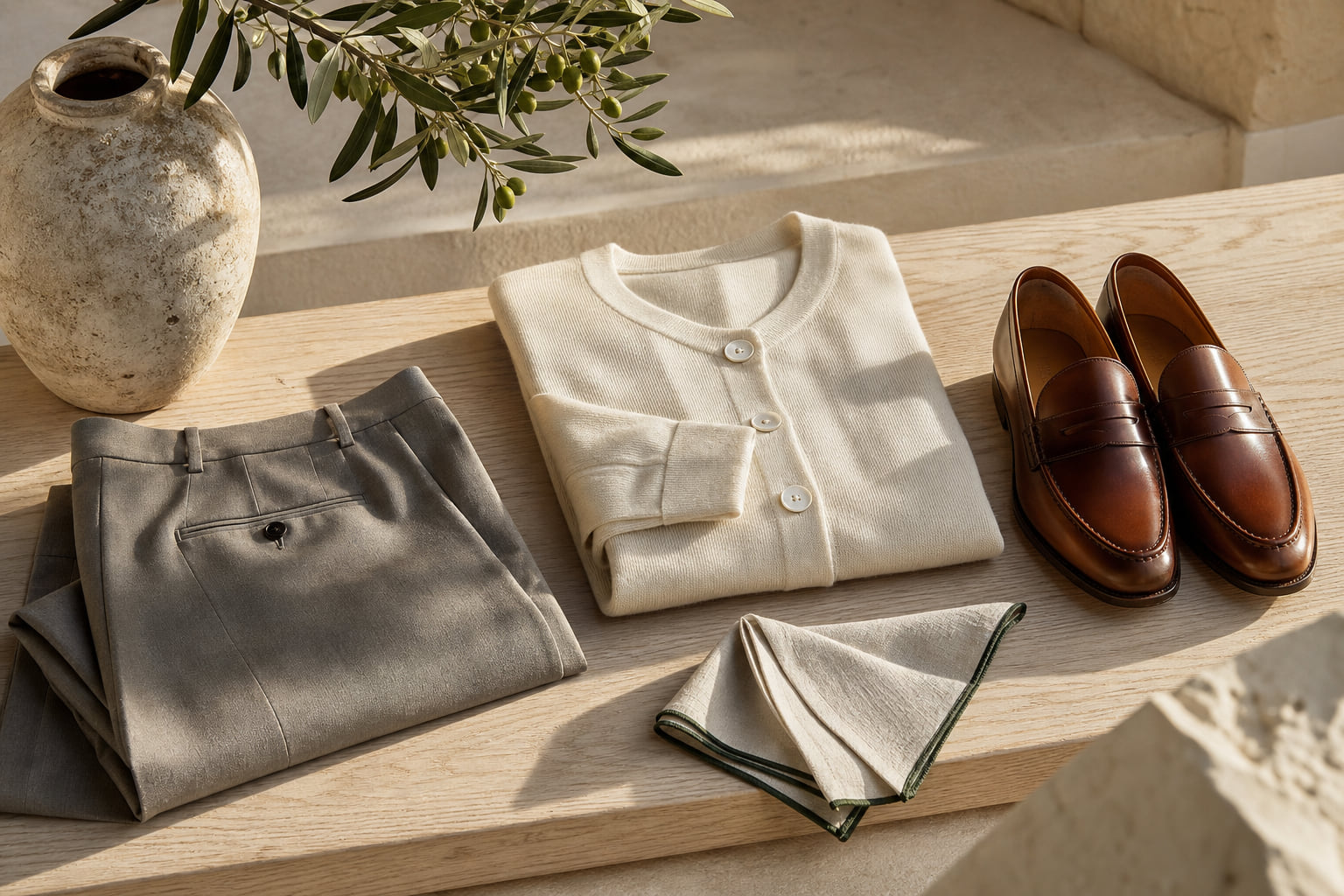
A fine-knit sweater in a pale neutral, ivory, sand, or dusty blue, worn over tailored linen trousers or a light cotton short, communicates deliberate layering rather than seasonal confusion. The sweater becomes the composed element in an otherwise relaxed outfit. This is the old money principle applied directly: restraint in one garment allows freedom in another.
For evenings, a fine cashmere or silk-wool sweater worn alone over a simple collar or even against the skin reads as complete without effort. The Berlin Cashmere Sweater Zip in a muted tone achieves this balance precisely, dressed down with clean chinos or dressed up under a light unstructured jacket.
Women working with the same logic will find that a fine-knit sweater over a French Niche Style White Dress or layered with pieces from the Spring Woman Old Money Collection 2026 creates the kind of considered, unhurried look that defines the aesthetic. The sweater is not an afterthought. It is the layer that signals intention.
Footwear matters in summer sweater styling as much as it does in any other context. A clean leather loafer or a refined sandal grounds the look. Overly casual footwear undermines the composure the sweater establishes. The Loafers Old Money Style collection provides the right anchor for this kind of outfit.

| Fabric | Breathability | Typical Weight | Best Summer Use | Care Consideration |
|---|---|---|---|---|
| Fine Cashmere (2-ply) | High | Lightweight | Evenings, air-conditioned interiors, travel | Hand wash or dry clean, reshape when damp |
| Mulberry Silk-Wool Blend | Very High | Ultra-lightweight | All-day warm weather, business casual | Hand wash cold, lay flat to dry |
| Baby Alpaca | High | Lightweight to medium | Coastal evenings, cool summer days | Hand wash, avoid agitation |
| Fine Merino Wool | Medium-High | Lightweight | Active travel, variable climates | Machine wash on wool cycle |
| Cashmere-Wool Blend | Medium-High | Lightweight to medium | Transitional summer days, evening layering | Dry clean or gentle hand wash |
| Cotton Knit | Medium | Medium | Casual daywear, beach towns | Machine wash, but prone to stretching |
Frequently asked questions
Can you actually wear a cashmere sweater in summer without overheating?
Yes, provided the cashmere is fine-gauge and single or two-ply. The fibre's hollow structure regulates temperature in both directions. A thick multi-ply cashmere is not appropriate in heat, but a fine-knit cashmere like the Madrid Cashmere Zip Sweater works well in air-conditioned environments and cool summer evenings.
What is the single most breathable natural fibre for a summer sweater?
Silk-wool blends perform best overall. Pure silk is technically the most breathable natural fibre, but it is rarely used alone in sweater construction. When blended with fine wool or cashmere, it reduces thermal retention significantly while maintaining the structure needed for a knitted garment.
Is alpaca warmer than wool in summer?
No. Alpaca's hollow fibre core means it retains less body heat than equivalent wool weights. Fine or baby alpaca is lighter in thermal terms than merino of the same knit weight, which makes it a practical choice for warm-weather sweaters.
What sweater construction is best for hot weather?
An open or zip neckline is the single most impactful construction detail for summer wearability. It allows immediate ventilation at the neck and chest, where the body dissipates heat most efficiently. A fine, slightly open-gauge knit in the body of the sweater compounds this benefit.
Choosing a sweater for summer is not a compromise. It is a precise decision about fibre, gauge, and construction. Fine cashmere, silk-wool blends, and baby alpaca all perform genuinely well in warm weather when the knit is light and the cut allows airflow. The result is a wardrobe that functions across the full range of summer conditions, from a cool marble-floored restaurant at noon to a warm terrace at ten in the evening, without requiring a change of clothes or a concession on composure. Start with one piece that earns its place year-round, such as the Knitted Sweater Summer Polo Shirt, and build from there.