


Premium Old Money Style Guide for Men
Premium Old Money Style Guide for Men offers an essential blueprint for cultivating a wardrobe that exudes timeless wealth and understated elegance. Rooted in vintage inspiration and classic tailoring, this style transcends passing trends by focusing on quality fabrics, impeccable fit, and subtle luxury. Whether you are refining your look or building a new sartorial foundation, understanding the nuances of affluent fashion equips you to present yourself with confidence and quiet sophistication. This comprehensive guide outlines practical steps, seasonal considerations, and key investment pieces to embody the quintessential old money aesthetic that Lovau champions. From selecting cashmere knits to mastering the art of layering with classic trousers, you will learn how to craft a menswear ensemble that reflects both heritage and contemporary refinement.
Table of Contents
- Understanding the Foundations of Old Money Style
- Building a Capsule Wardrobe of Classic Pieces
- Fabric Selection: The Pillar of Affluent Fashion
- Mastering the Art of Tailoring and Fit
- Seasonal Styling: Navigating Weather with Elegance
- Incorporating Vintage and Heritage Pieces
- Accessories: The Subtle Signals of Affluence
- Troubleshooting Common Style Challenges
- FAQ: Premium Old Money Style Guide for Men
Understanding the Foundations of Old Money Style
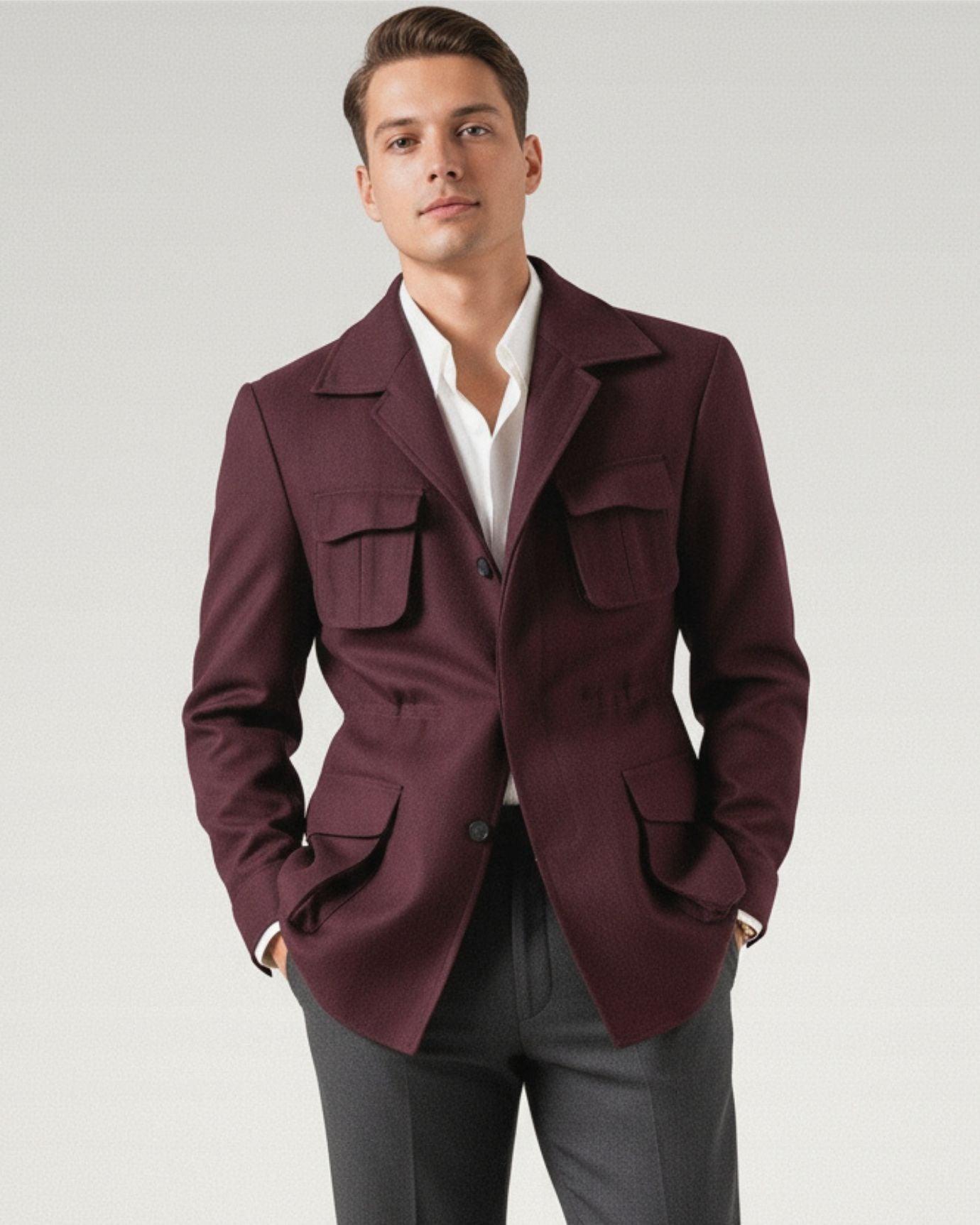
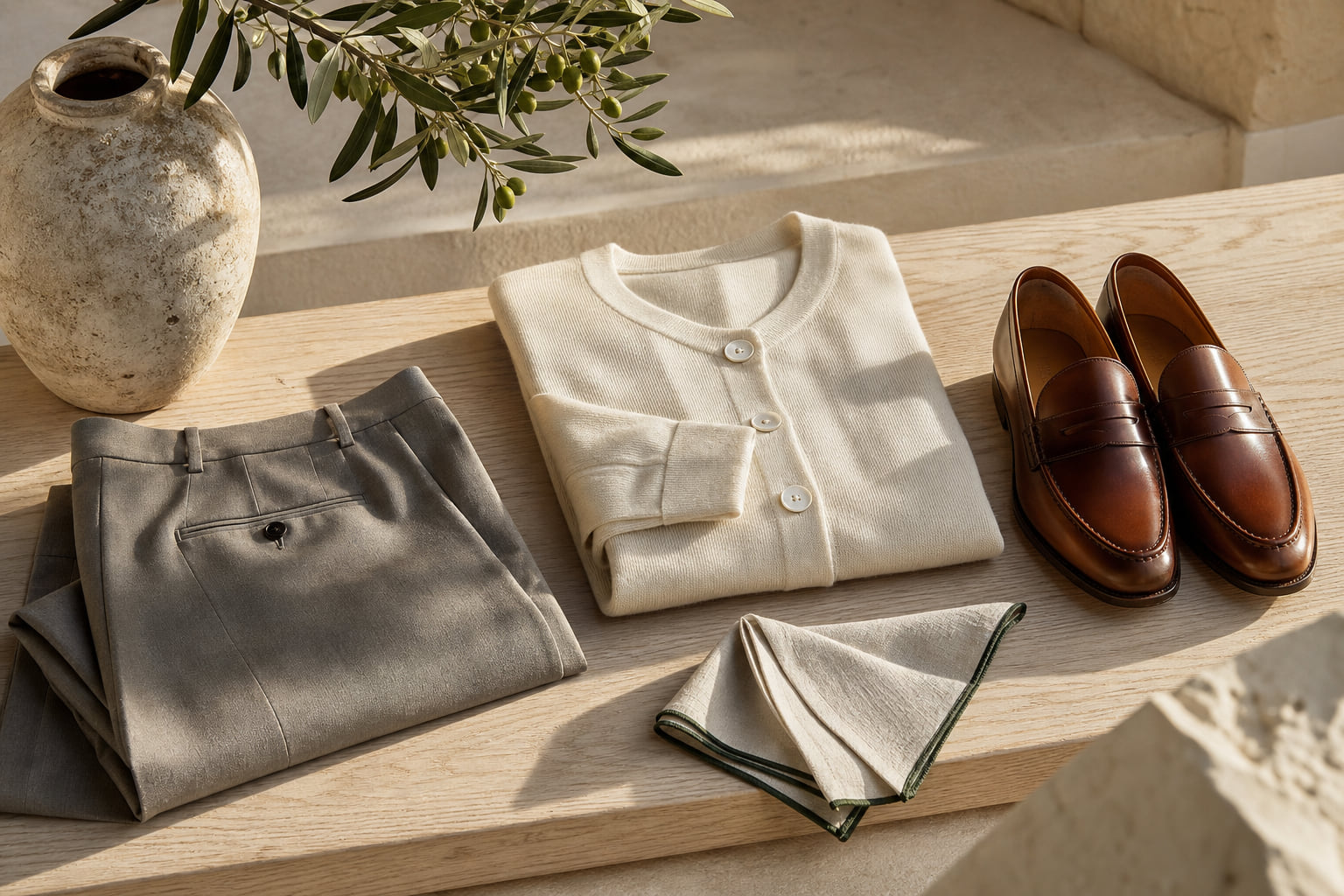
At its core, old money style is less about ostentation and more about refined restraint. It harks back to the sartorial heritage of affluent families whose wealth is inherited rather than flaunted. This style celebrates classic cuts, muted color palettes, and high-quality natural fabrics like wool, cashmere, and silk. Unlike fast fashion, it values longevity and timelessness over novelty. Think tailored blazers, pleated trousers, crisp button-downs, and understated accessories.
Understanding these principles helps men avoid common pitfalls such as logos that scream wealth or overly trendy items. Instead, the look is polished yet approachable, effortlessly communicating status without the need for labels. Brands like Brunello Cucinelli, Loro Piana, and Ralph Lauren’s Purple Label embody this ethos with their focus on craftsmanship and subtle elegance.
Building a Capsule Wardrobe of Classic Pieces
A premium old money style guide for men is incomplete without a thoughtfully curated capsule wardrobe. Start with foundational items that offer versatility and longevity:
- Blazers and Jackets: Opt for structured yet relaxed pieces like the Denim Blue Jacket American Style - a perfect blend of vintage Americana and modern tailoring.
- Trousers: Invest in both pleated and straight-leg trousers such as the Lovau Old Money Style Pleated Trousers and Old Money Style Trousers Loose Straight-Leg Pants for a sophisticated silhouette.
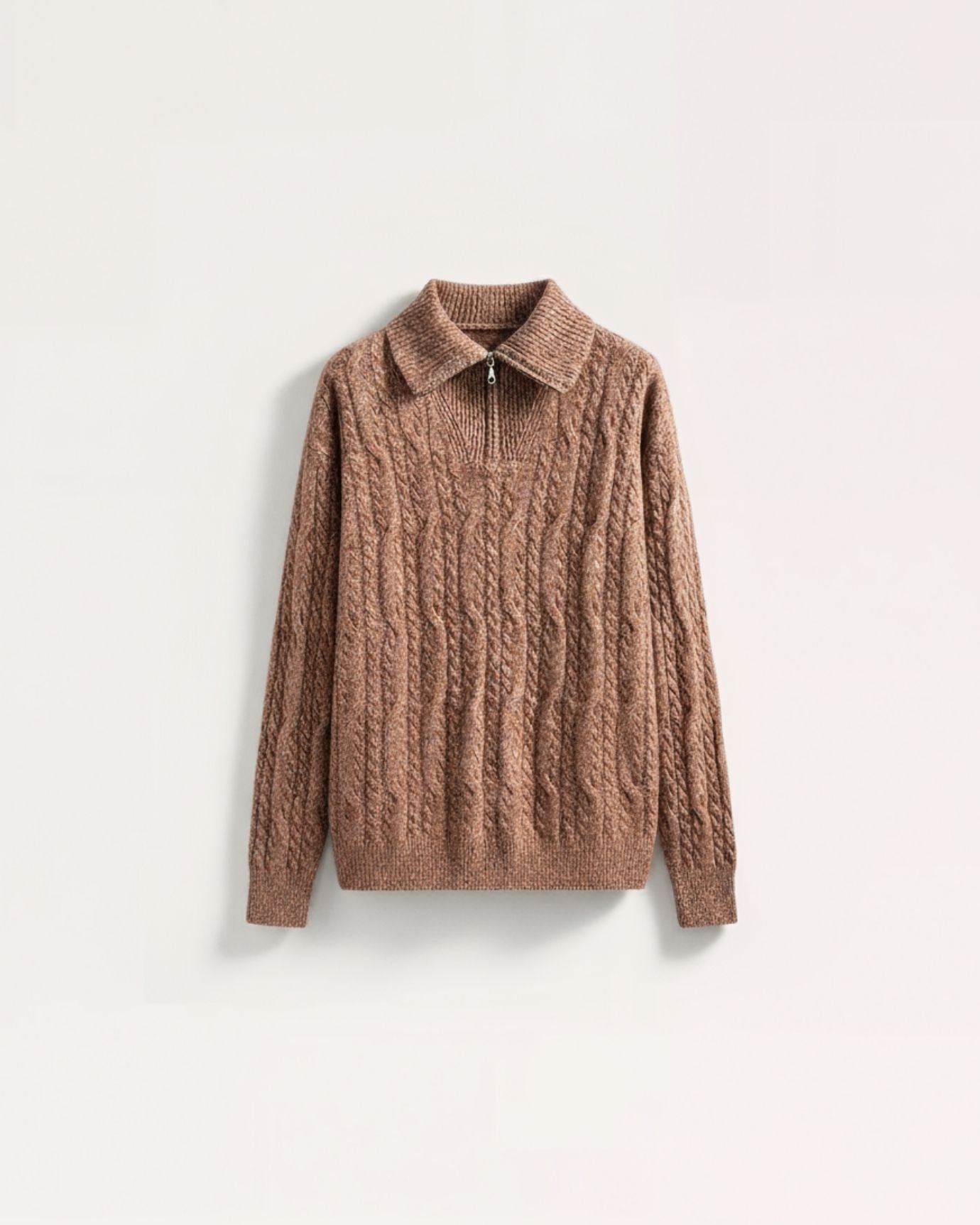
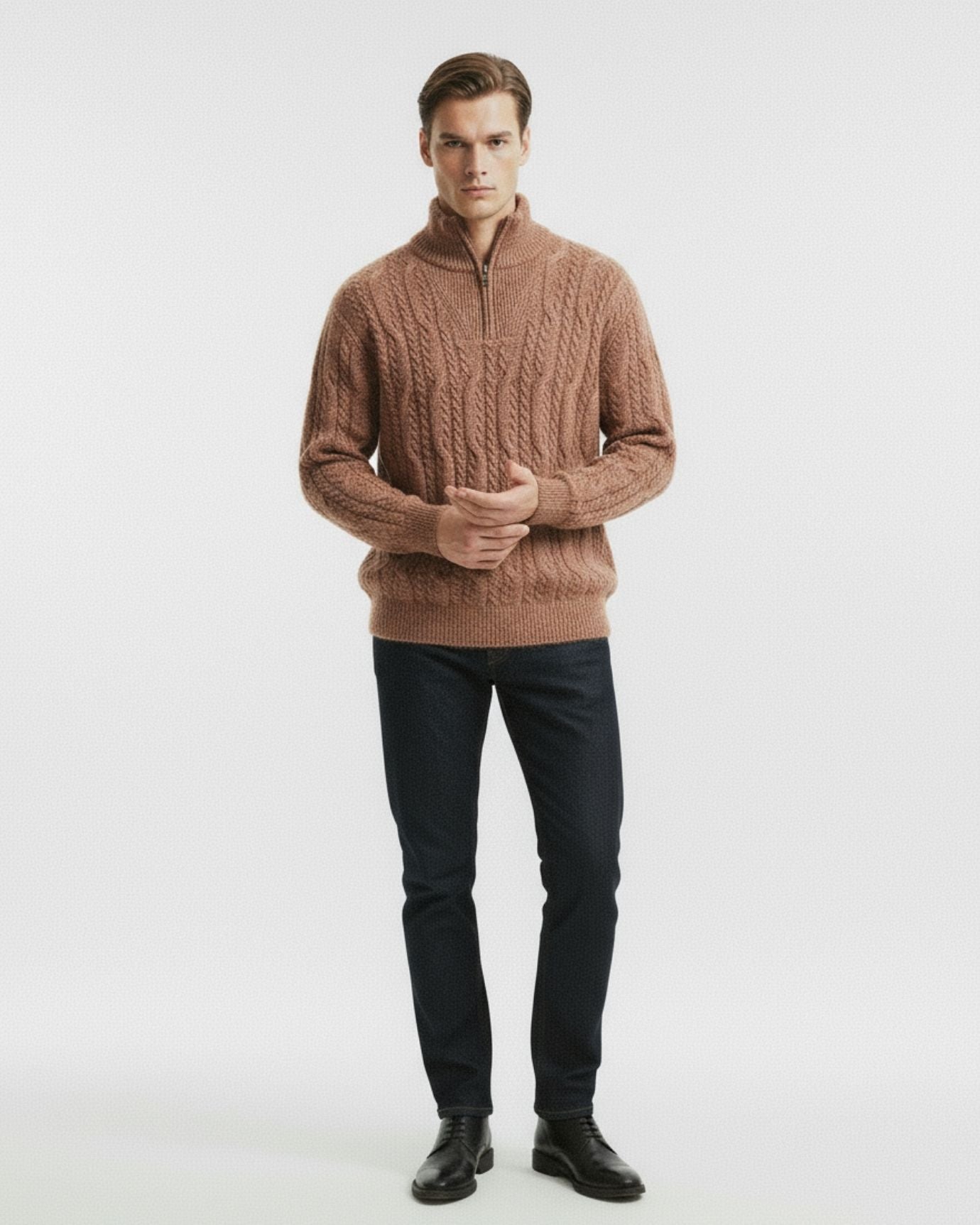
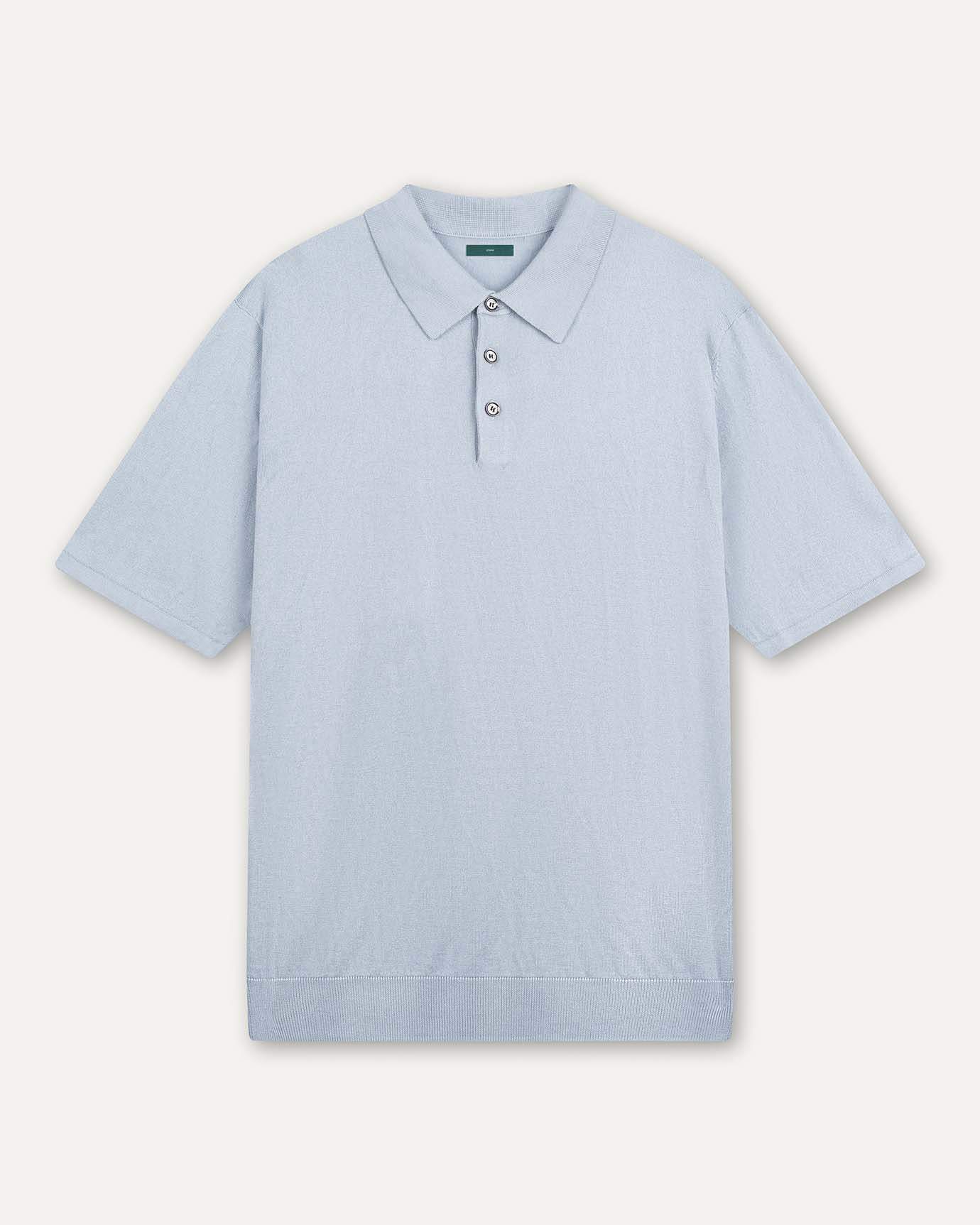
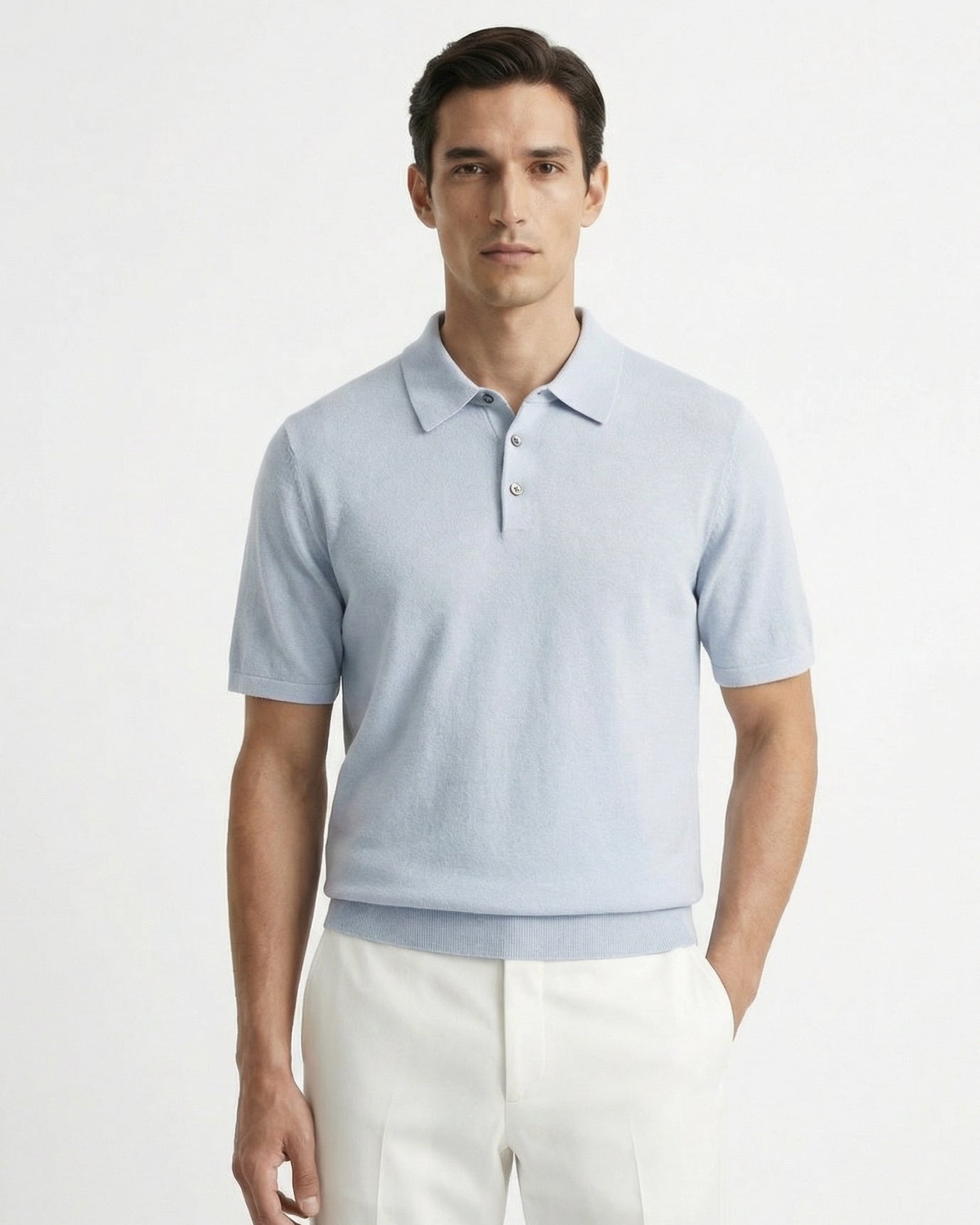
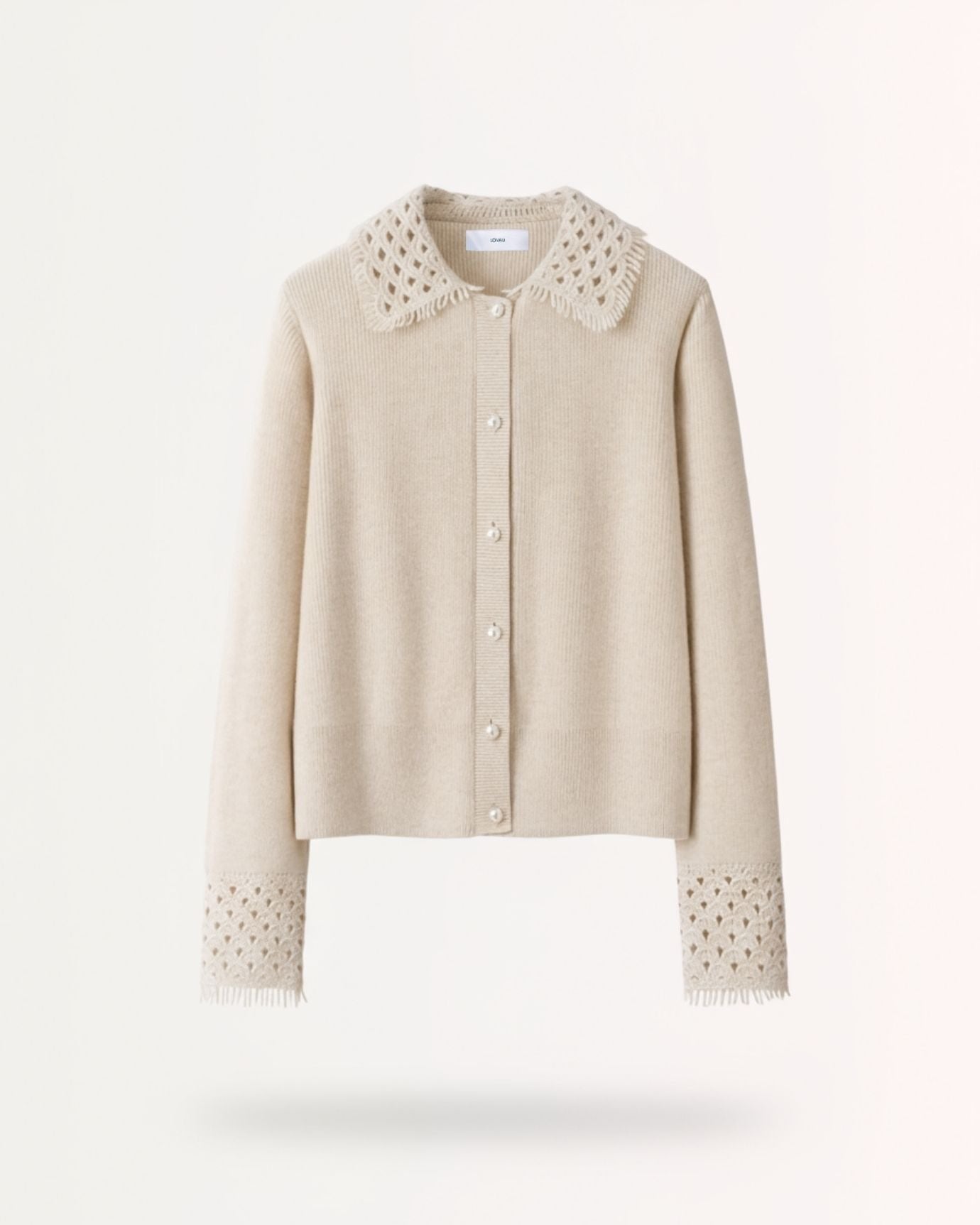
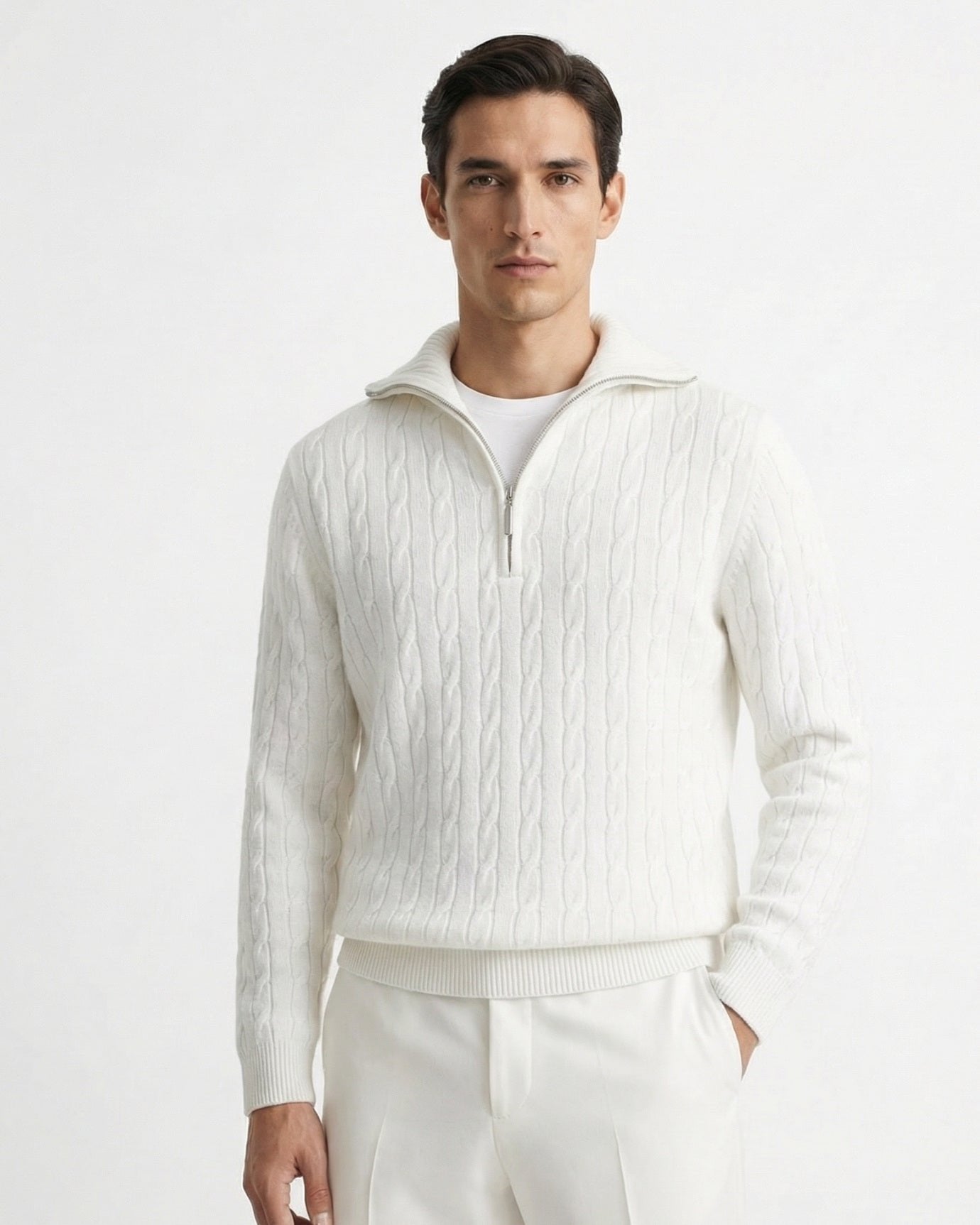
- Knitwear: Cashmere crewnecks and silk-cotton blends elevate layering options while maintaining softness and warmth.
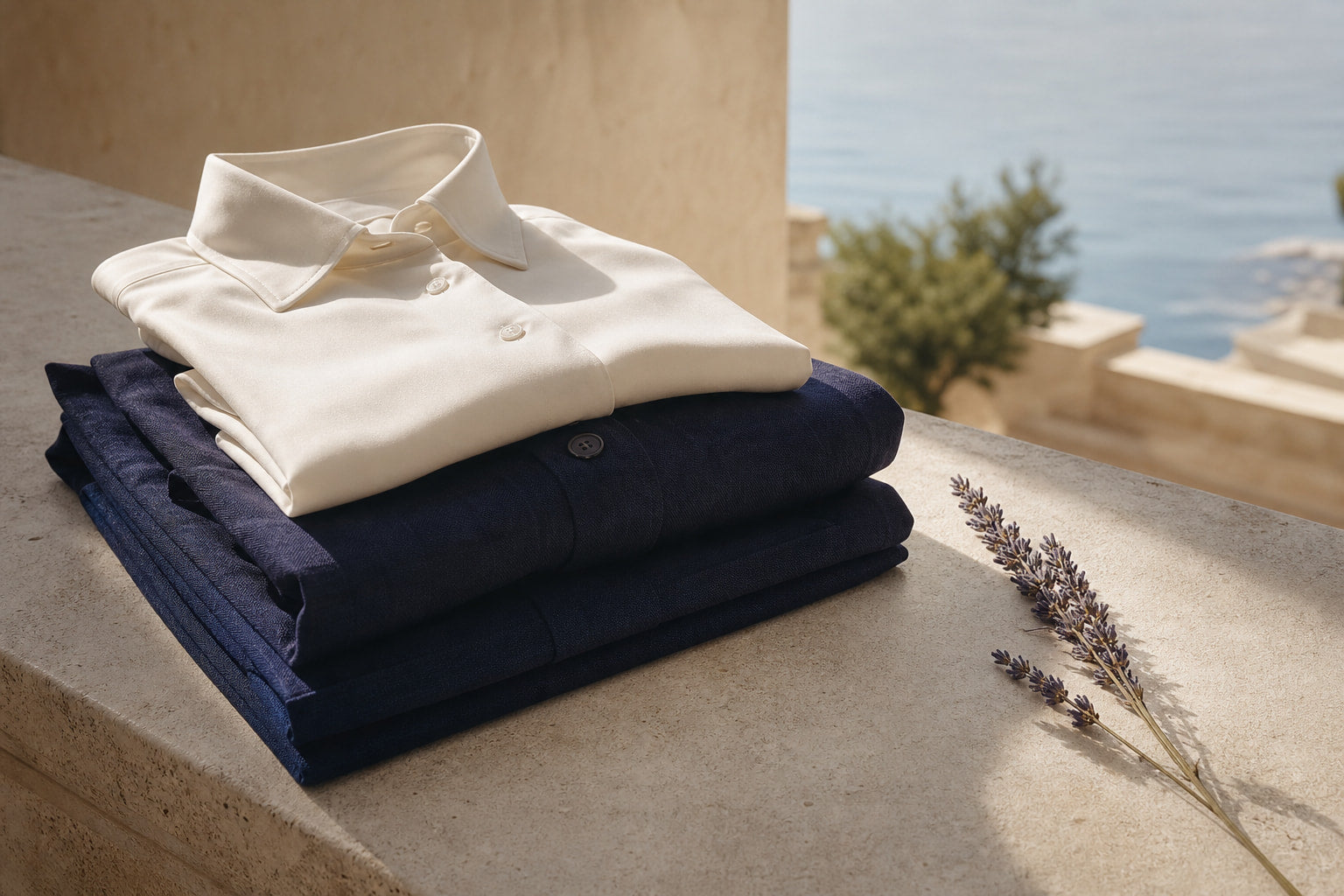
- Shirts: Crisp white and light blue button-downs in premium cotton are indispensable.
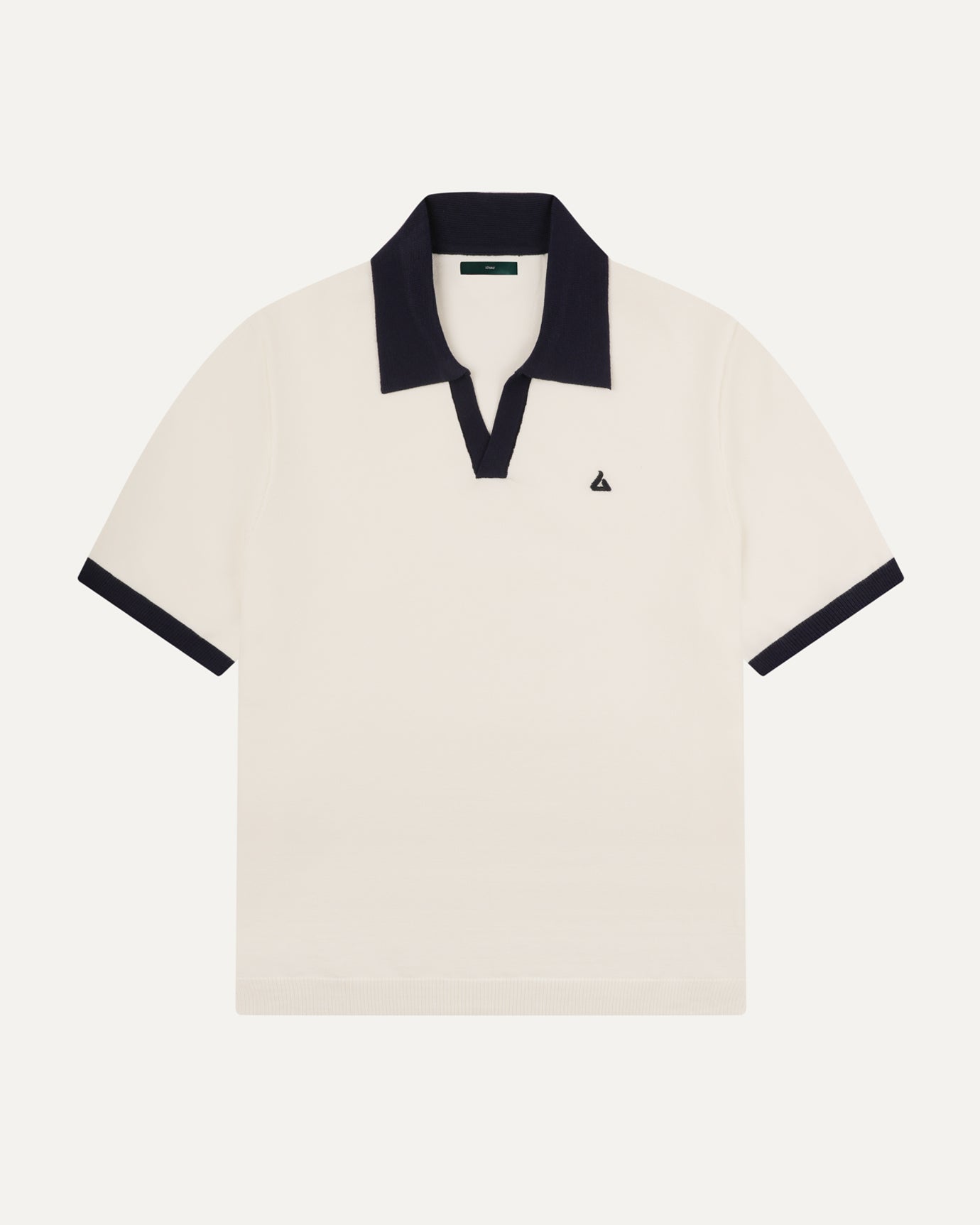
- T-Shirts: For casual refinement, the Lovau Black Contemporary Old Money T-Shirt offers a minimalist yet luxe option.
These items typically range from $200 to $1000 depending on fabric and craftsmanship. Consider these purchases as investments; quality pieces will last years and remain stylish through evolving trends.

Fabric Selection: The Pillar of Affluent Fashion
Selecting the right fabric is paramount in embodying the premium old money style. Natural fibers not only enhance comfort but also age gracefully, developing character over time. Here are the top fabric choices and their benefits:
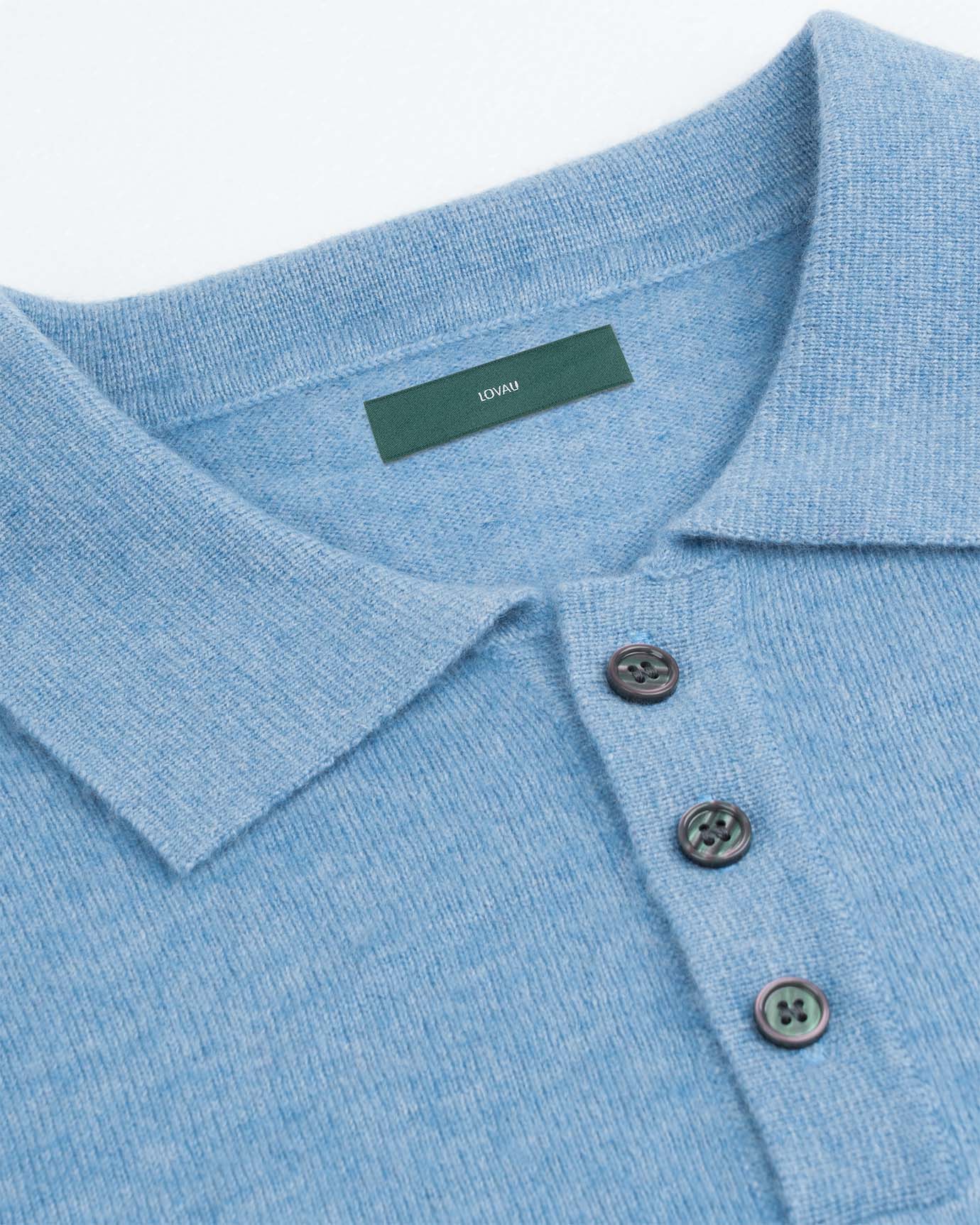
- Cashmere: Luxuriously soft and insulating, ideal for sweaters and scarves. Premium cashmere pieces start around $300 and are a worthwhile investment.
- Wool: Especially merino and worsted wool, perfect for tailored trousers and blazers due to their durability and breathability.
- Silk: Adds subtle sheen and smoothness, best reserved for shirts, ties, or pocket squares.
- High-Quality Cotton: Essential for shirts and casual wear, with Egyptian or Sea Island cotton as superior choices.
Avoid synthetic blends that often degrade quickly and lack the elegance of natural fabrics. When shopping, check fabric composition carefully and seek out brands that disclose sourcing and care instructions transparently.
Mastering the Art of Tailoring and Fit
No amount of luxury fabric or classic design can compensate for poor fit. Tailoring is the secret language of old money style — it signals attention to detail and respect for craftsmanship. Key tailoring tips include:
- Shoulders: The jacket’s shoulder seam should align perfectly with your natural shoulder line.
- Chest and Waist: Allow enough room for comfort without excess fabric; a slight taper enhances silhouette.
- Trousers: Opt for a clean break or no break depending on personal style and shoe choice.
- Sleeve Length: Shirt cuffs should peek out about half an inch from jacket sleeves.
Consider investing in a skilled tailor to refine off-the-rack pieces. Tailoring costs vary by region but budgeting $100-$300 per item is common for quality alterations.

Seasonal Styling: Navigating Weather with Elegance
The affluent gentleman knows how to adapt his wardrobe to seasonal shifts without sacrificing the integrity of his style. Here’s how to approach each season:
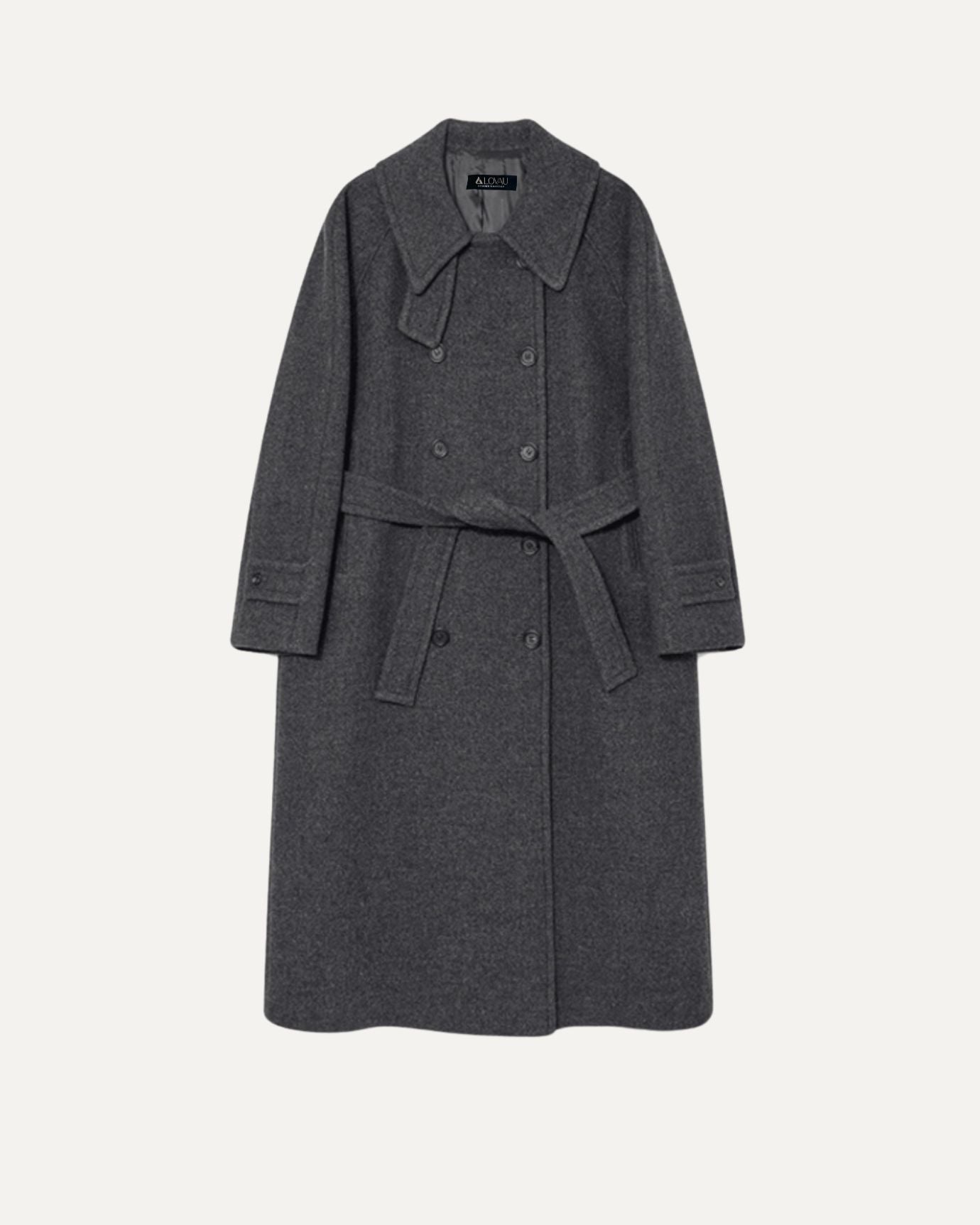
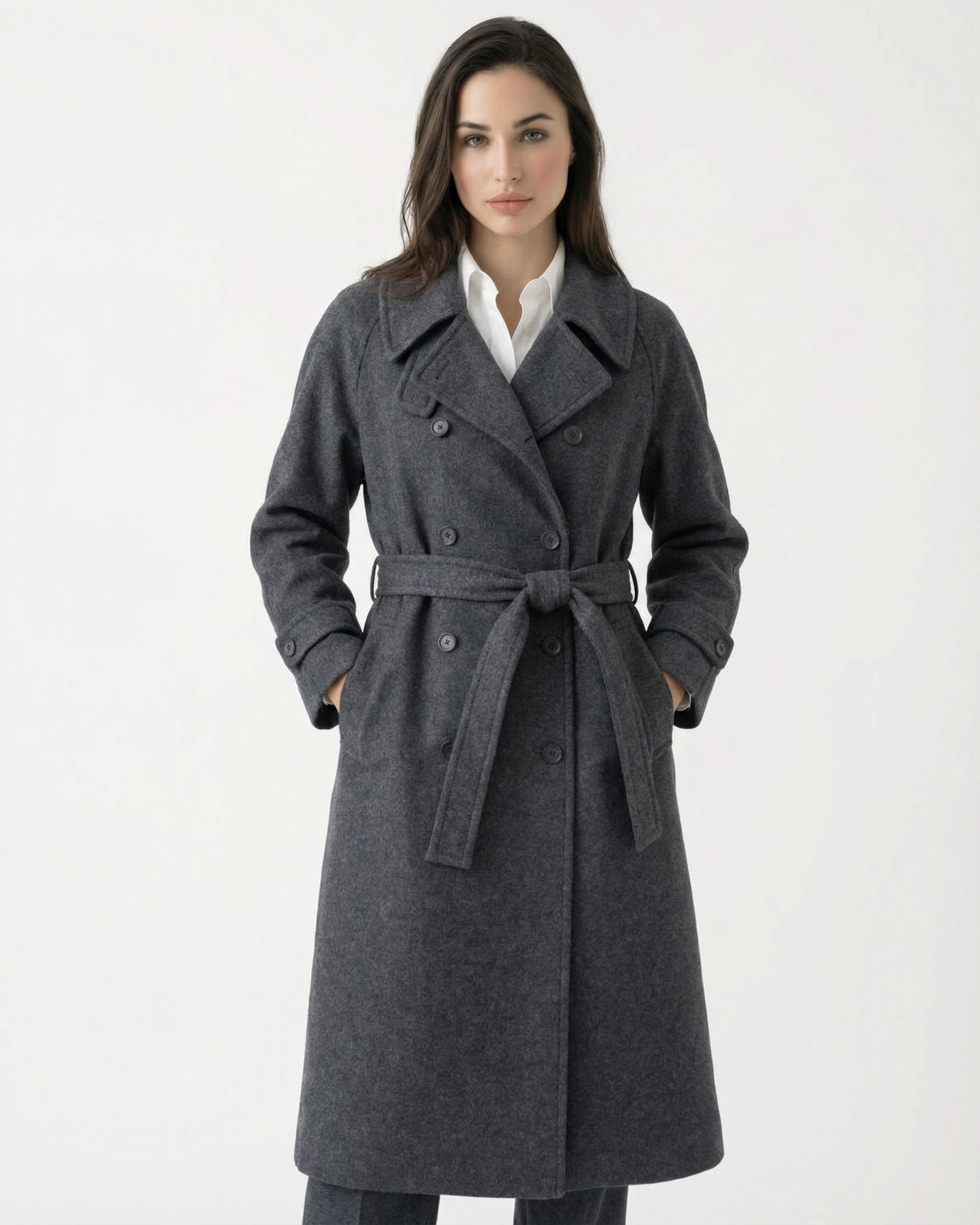
- Winter: Layer cashmere sweaters under wool blazers, accessorize with silk scarves, and opt for heavier fabrics like tweed.
- Spring: Transition to lighter wools and cotton blends. Incorporate pastel tones subtly for freshness.
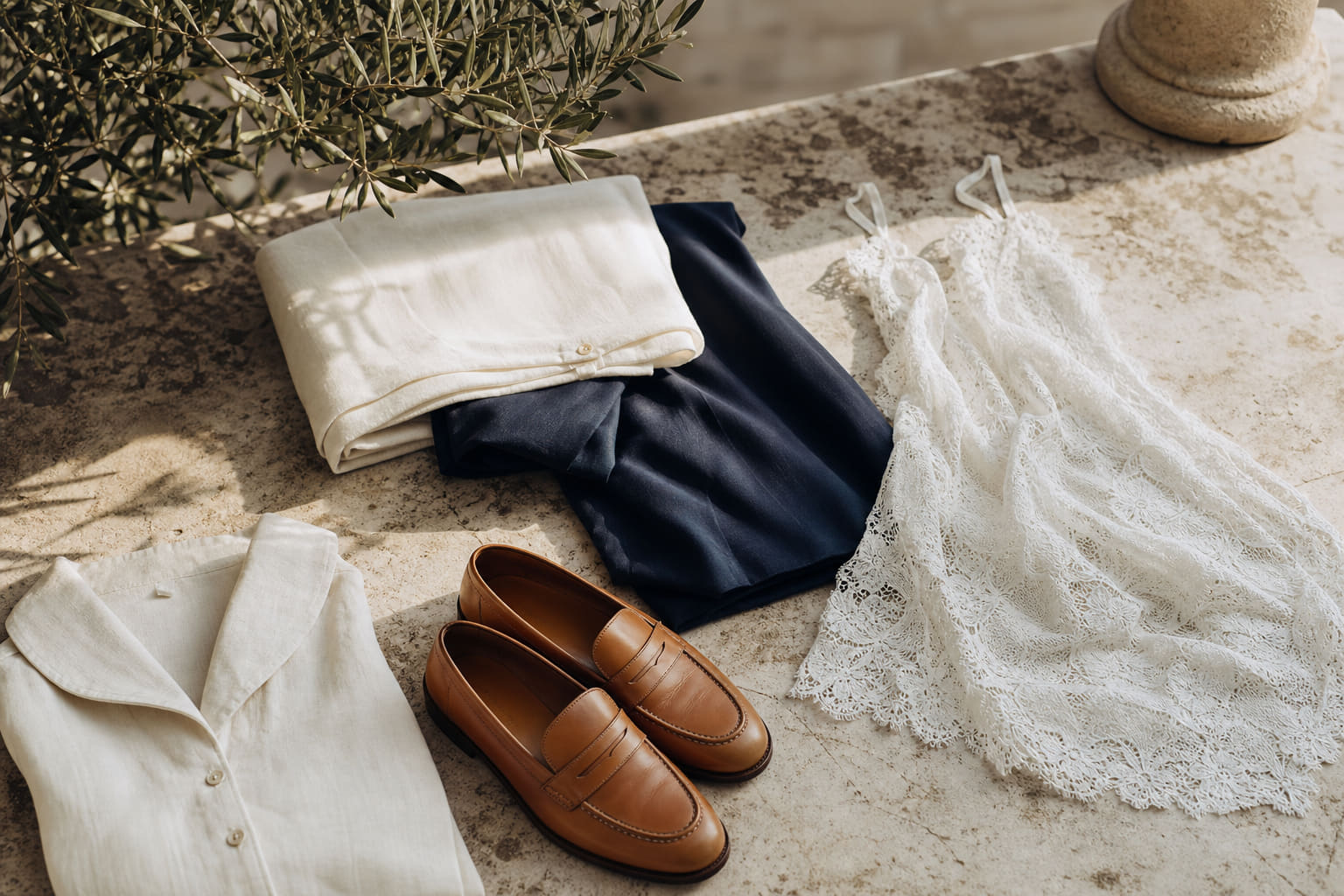
- Summer: Choose breathable linens, lightweight cotton, and silk-cotton blends. Unstructured jackets and loafers enhance comfort.
- Fall: Embrace earth tones with mid-weight wool and cashmere layers. A denim jacket can add casual vintage flair.
Seasonal rotation also preserves garment quality by reducing wear and tear. Proper storage and care, including dry cleaning and fabric-specific treatments, extend the life of your wardrobe.
Incorporating Vintage and Heritage Pieces
Vintage clothing is a cornerstone of old money fashion, linking sartorial history to modern expression. Incorporating vintage pieces adds character and exclusivity to your wardrobe. When selecting vintage:
- Condition: Prioritize well-preserved items with minimal wear.
- Authenticity: Seek reputable dealers or certified vintage sellers to avoid reproductions.
- Styling: Balance vintage items with contemporary staples to maintain modernity.
Examples include a vintage silk tie, a classic leather briefcase, or heritage wool coats from brands like Burberry or Hermès. These pieces often appreciate in value, offering both aesthetic and financial returns.

Accessories: The Subtle Signals of Affluence
Accessories in old money fashion are never loud but always purposeful. They complement rather than dominate your look. Key accessories to consider include:
- Leather Goods: Invest in belts, wallets, and shoes crafted from fine leather, preferably from Italian or English tanneries.
- Watches: Opt for classic mechanical watches from brands like Patek Philippe or Vacheron Constantin—understated and timeless.
- Ties and Pocket Squares: Silk or cashmere materials in muted patterns enhance formal attire.
- Eyewear: Choose frames with minimal branding and classic shapes like tortoise shell or black acetate.
Remember, in the world of quiet luxury, less is more. The goal is to convey refinement through quality and discretion rather than flashy logos or trends.
Troubleshooting Common Style Challenges
Even the most discerning men encounter sartorial challenges. Here’s how to troubleshoot common issues encountered when cultivating an old money style:
- Over-Accessorizing: If your outfit feels cluttered, remove one accessory at a time until the look feels balanced.
- Fit Issues: Avoid settling for ill-fitting garments; a tailor can adjust most pieces to perfection.
- Fabric Mismatch: Pair fabrics with similar weights and textures to maintain cohesion, e.g., heavy wool trousers with a thick cashmere sweater.
- Seasonal Incompatibility: Layer strategically and switch key pieces seasonally to avoid discomfort or style dissonance.
For ongoing inspiration and expert advice, authoritative style publications such as Vogue and GQ offer invaluable resources.

FAQ: Premium Old Money Style Guide for Men
What defines old money style in menswear?
Old money style is characterized by timeless, understated luxury emphasizing quality fabrics, impeccable tailoring, and subtle details rather than overt branding or trends. It reflects a heritage of discreet wealth and classic elegance.
How can I incorporate vintage pieces without looking outdated?
Pair vintage items with modern staples to create balance. For example, a vintage blazer can be worn with contemporary trousers and accessories. Ensure vintage garments are in good condition and fit well.