


Old Money vs New Money Fashion: What's the Real Difference?
The phrase "old money" gets used constantly in fashion conversations right now, often interchangeably with "quiet luxury" or simply "expensive-looking." But old money style is a specific thing, and it is genuinely different from the way new money dresses. Confusing the two is easy, especially when both can involve designer labels and high price points.
The distinction is not really about how much something costs. It is about intention. Old money dressing communicates that you have nothing to prove. New money dressing, at its most recognizable, communicates the opposite: look closely, notice this, understand what this means. Neither is morally superior, but they produce very different wardrobes.
This article maps out those differences concretely, piece by piece, so you can identify each style on sight and make deliberate choices about which direction your own wardrobe takes.
The Core Philosophy: Proof vs. Presence
The most useful way to understand the gap between old money and new money fashion is to ask what the clothes are doing socially.
New money dressing is communicative. It uses visible logos, recognizable brand signatures, and statement pieces to signal status to strangers. Think of the oversized logo belt, the monogrammed canvas bag carried front-facing, the sneaker in a colorway that retailed for four times its production cost. These are not bad choices aesthetically, but they are choices designed to be read, decoded, and acknowledged by people who know the codes.
Old money dressing assumes the audience either already knows or does not need to know. The quality speaks in texture and cut, not in lettering. A man in a cashmere set in stone or navy does not need a logo on the chest. The fabric weight, the drape, the fit at the shoulder: these are the signals, and they are legible only to people who handle good clothes regularly.
This is why old money style is sometimes described as "quiet." It is not modest in terms of investment. It is simply not performing.

Fabric and Construction: Where the Real Money Goes
If you want a single reliable test for old money versus new money dressing, put your hand on the fabric.
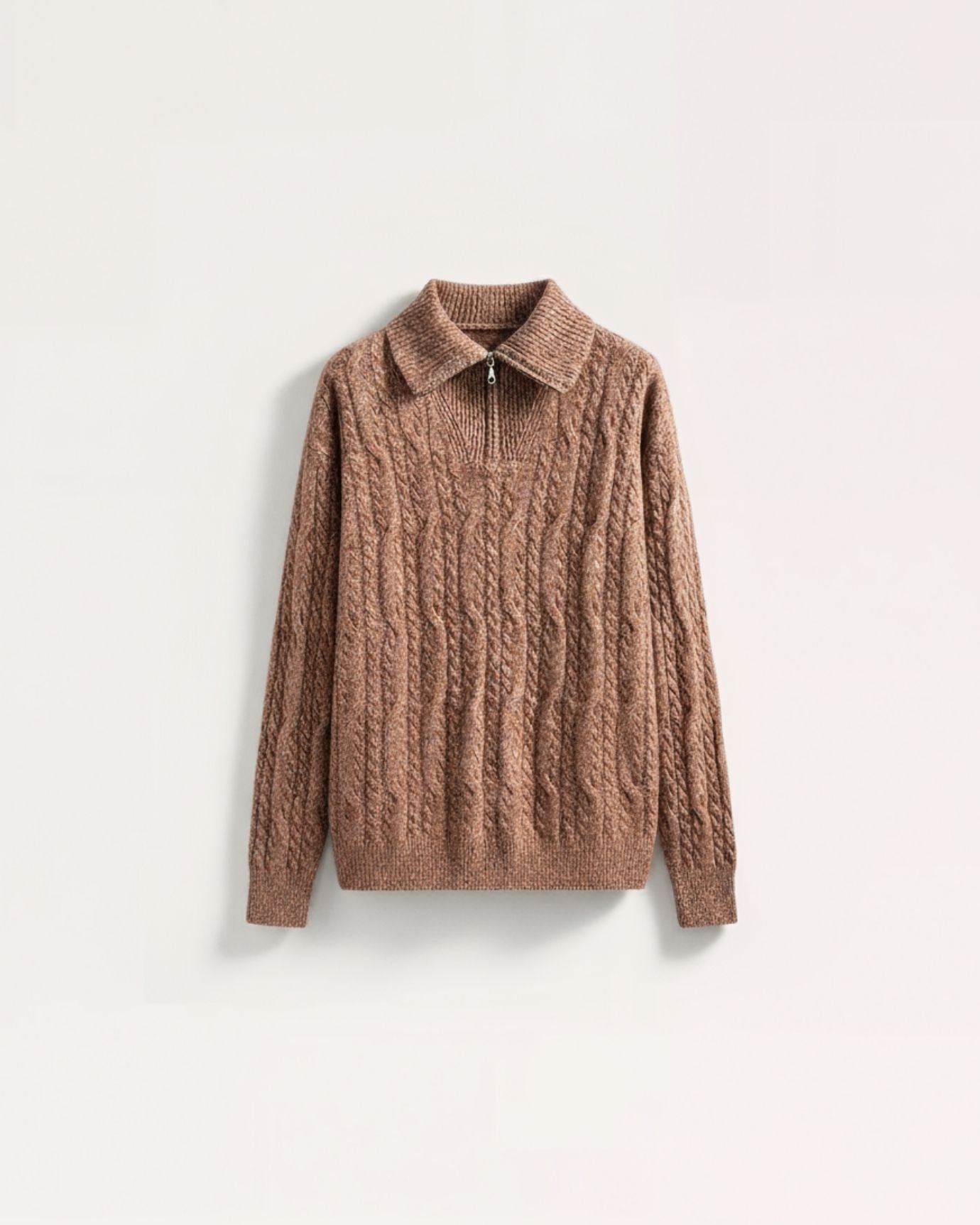
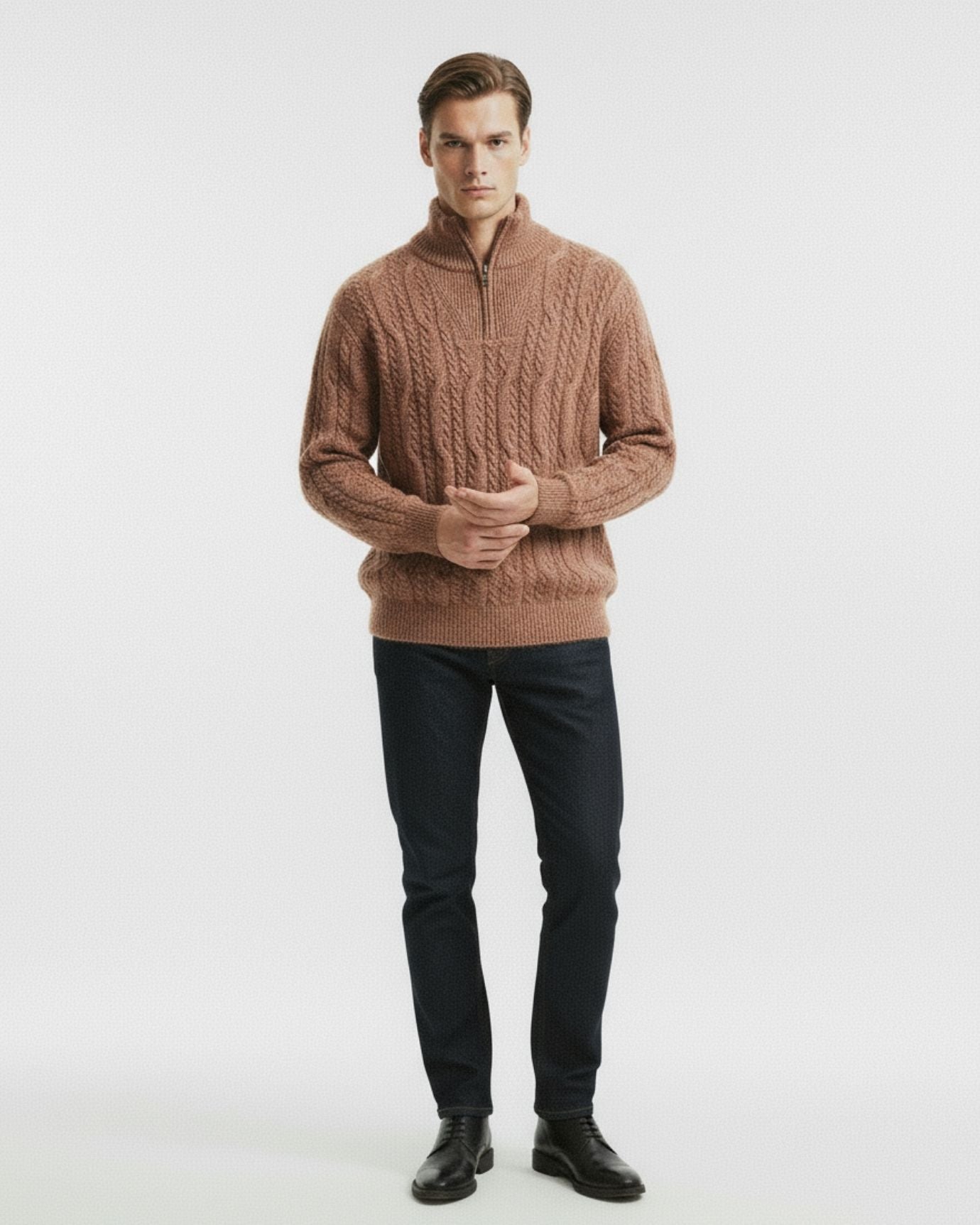
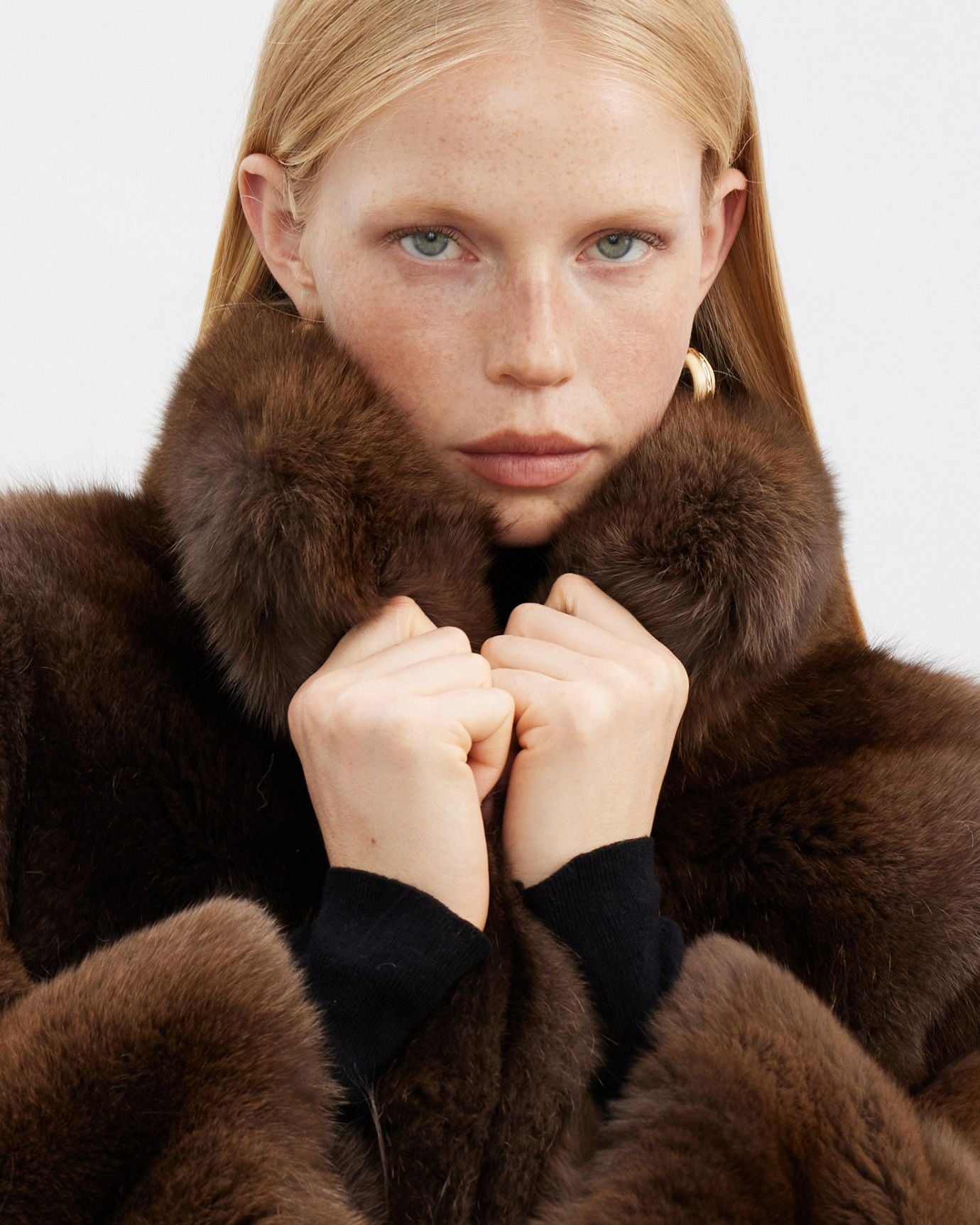
Old money wardrobes are built on natural fibers: cashmere, wool, silk, linen, cotton poplin. These materials age well, hold their shape, and feel immediately different from synthetic blends. A cashmere turtleneck sweater in a fine gauge will outlast three fast-fashion seasons without pilling badly or losing its structure, provided it is cared for properly. The investment is in longevity.
New money fashion is not necessarily cheap, but it often prioritizes novelty over material quality. A jacket might cost a great deal because of the brand name on the label, the limited-edition colorway, or the celebrity who wore it last month. The fabric itself may be a polyester blend. The construction may not be intended to survive five years of regular wear.
Key construction details to look for in old money pieces:
- Full canvas or half canvas in blazer and coat construction, rather than fused interlinings that bubble after dry cleaning
- Natural fiber linings in coats, which breathe and move differently from acetate
- Reinforced seams at stress points, visible when you turn a garment inside out
- Consistent stitch density, particularly at collars and cuffs
The Lovau Cashmere Blend Cardigan Jacket is a good example of the old money approach: the investment is in the blend itself and the tailored structure, not in branding.

Silhouette and Fit: Tailored Restraint vs. Statement Proportion
New money fashion has embraced extreme proportion as a signature: very oversized outerwear, very cropped tops, exaggerated shoulders borrowed from archival couture. These proportions read as fashion-forward and intentional, which is the point. They say: I follow this closely, I am current, I am in the conversation.
Old money silhouettes are measured and consistent across decades. Trousers break at the top of the shoe or just above it. Coat shoulders sit exactly at the natural shoulder seam. Shirts are neither boxy nor body-con. The fit is close enough to show that the garment was made or altered for the body wearing it, but never tight enough to look like it is working hard.
This is why a wool and cashmere set in a classic cut still looks right in photographs taken twenty years apart. The proportions do not date because they were never chasing a trend in the first place.
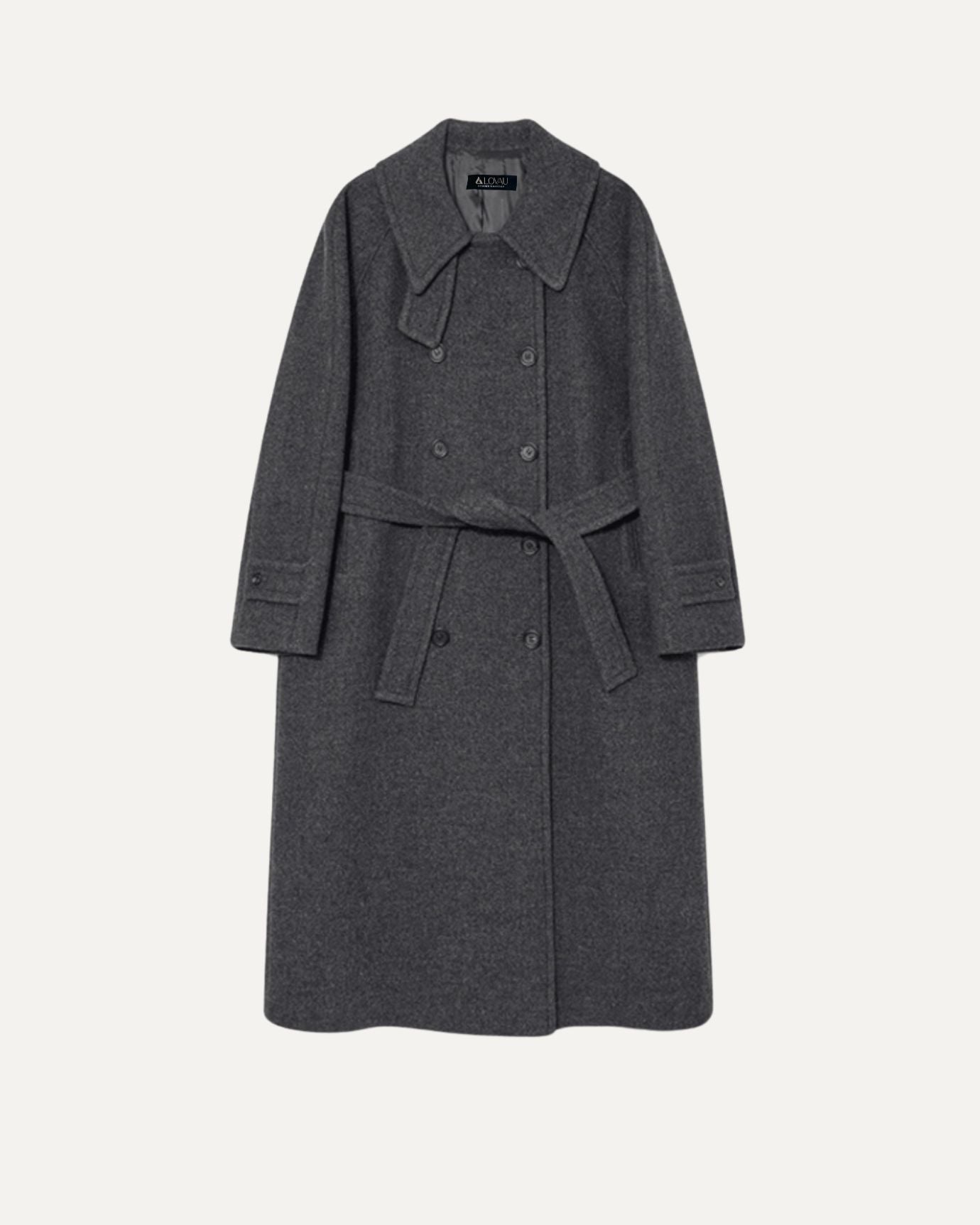
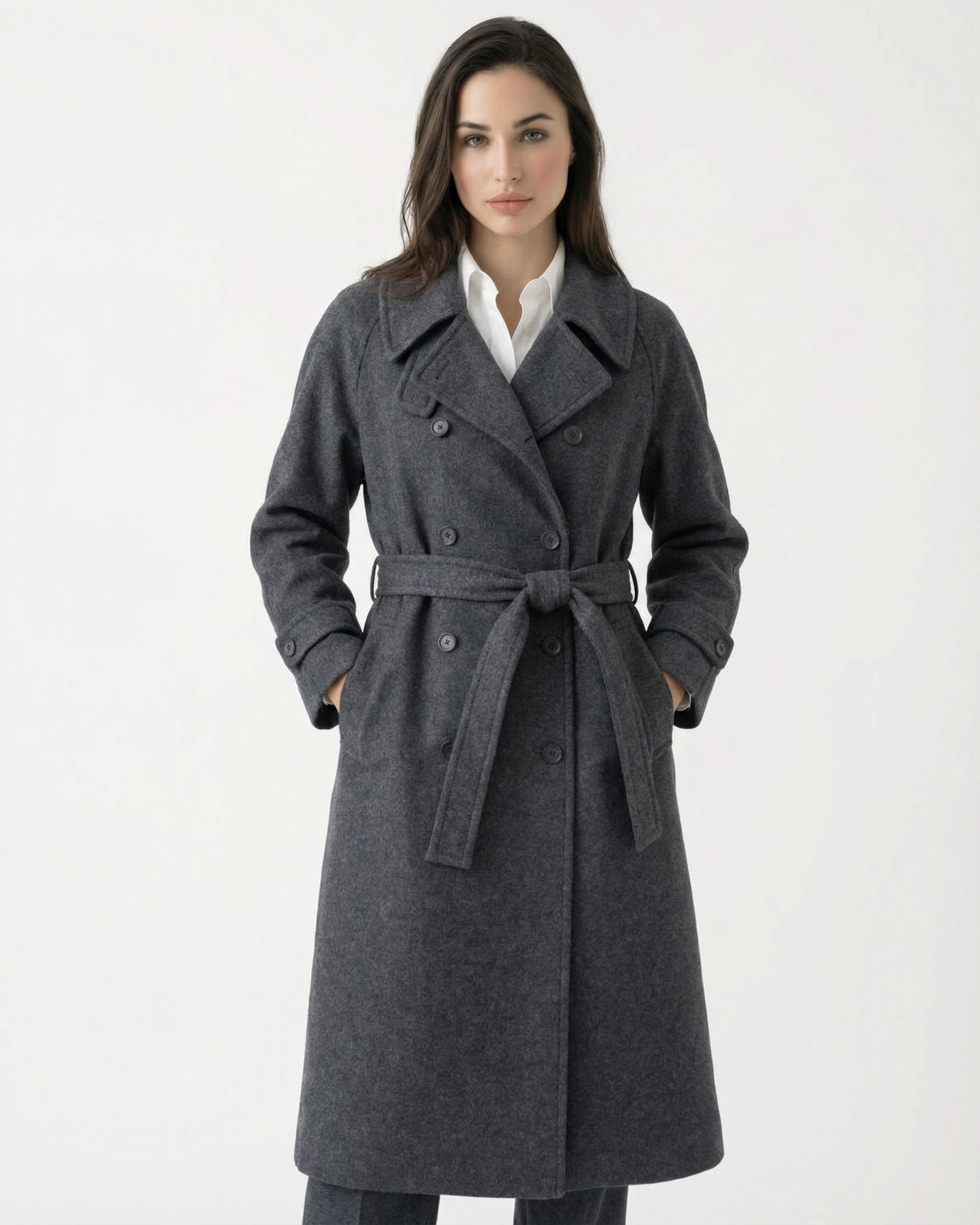
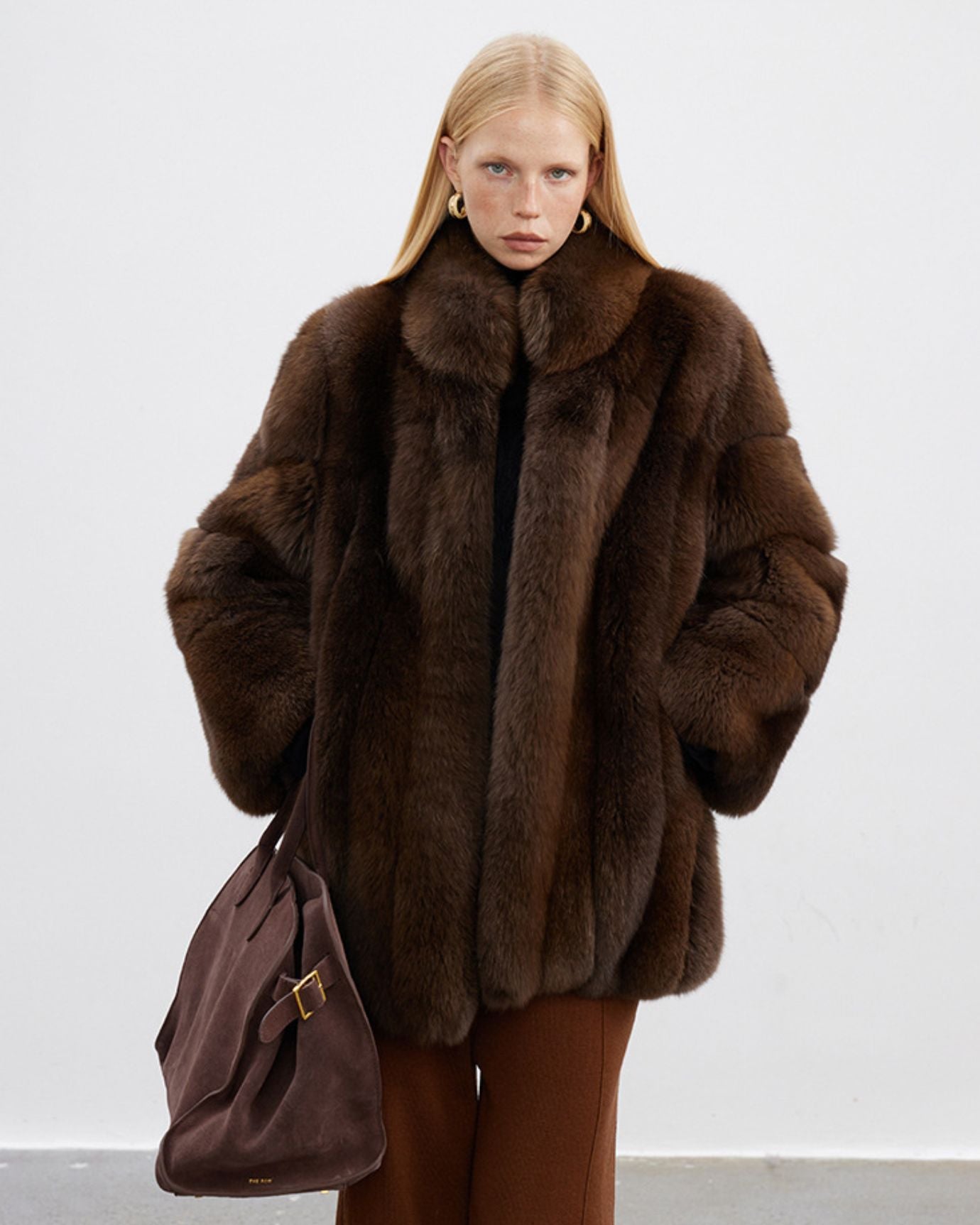
For outerwear specifically, the old money designer coat sits at or just below the knee, has structured shoulders without padding excess, and comes in colors that work across a decade: camel, charcoal, navy, stone, ivory. The new money coat might be floor-length in a neon colorway with an enormous logo embroidered across the back. Both can be expensive. Only one will still look right in 2034.

Color Palette and Pattern: The Discipline of Restraint
Old money dressing operates within a narrow, consistent palette. This is not timidity. It is a deliberate choice that makes every piece in the wardrobe combinable with every other piece.
The old money palette runs through neutrals and muted earth tones: cream, ivory, camel, tan, taupe, navy, forest green, burgundy, charcoal, soft grey. Patterns, when they appear, are classic: fine stripes, houndstooth, glen plaid, subtle windowpane. Nothing competes with itself.
New money fashion tends toward high contrast, bold color blocking, and patterns that are immediately recognizable as belonging to a specific brand or trend cycle. The point is visibility and impact. A head-to-toe monochrome look in a brand's signature color, or a pattern that is instantly associated with a single fashion house, achieves exactly that.
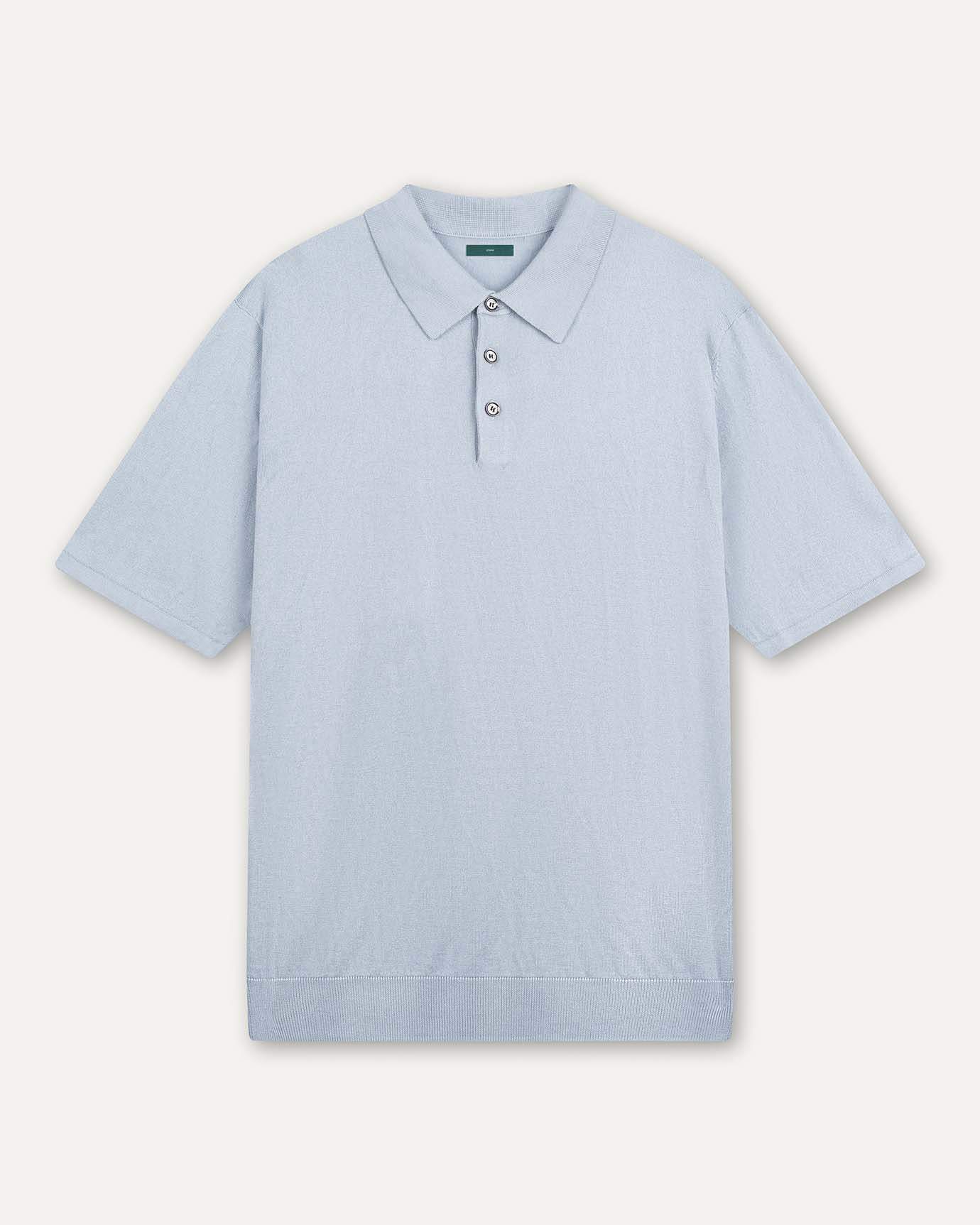
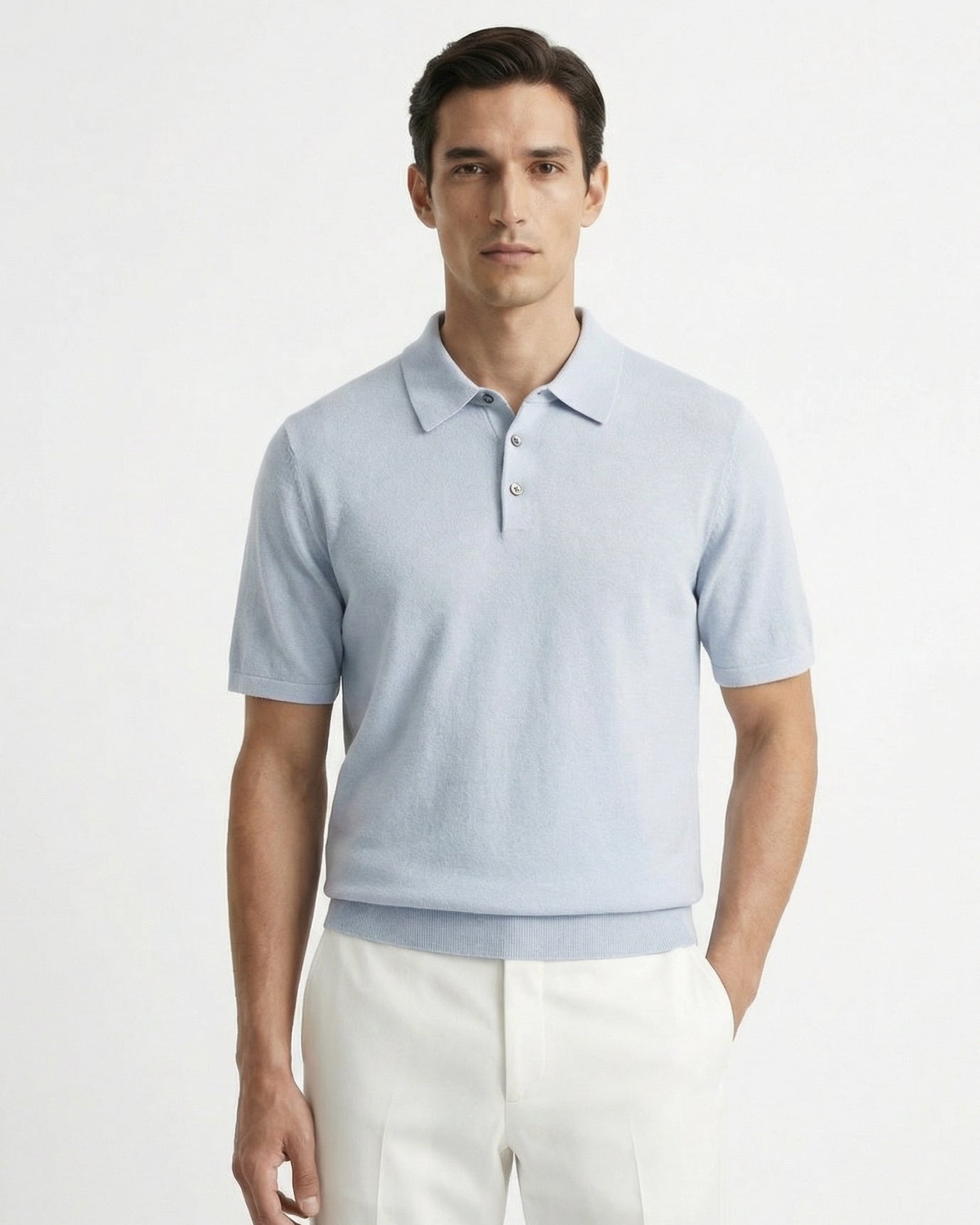
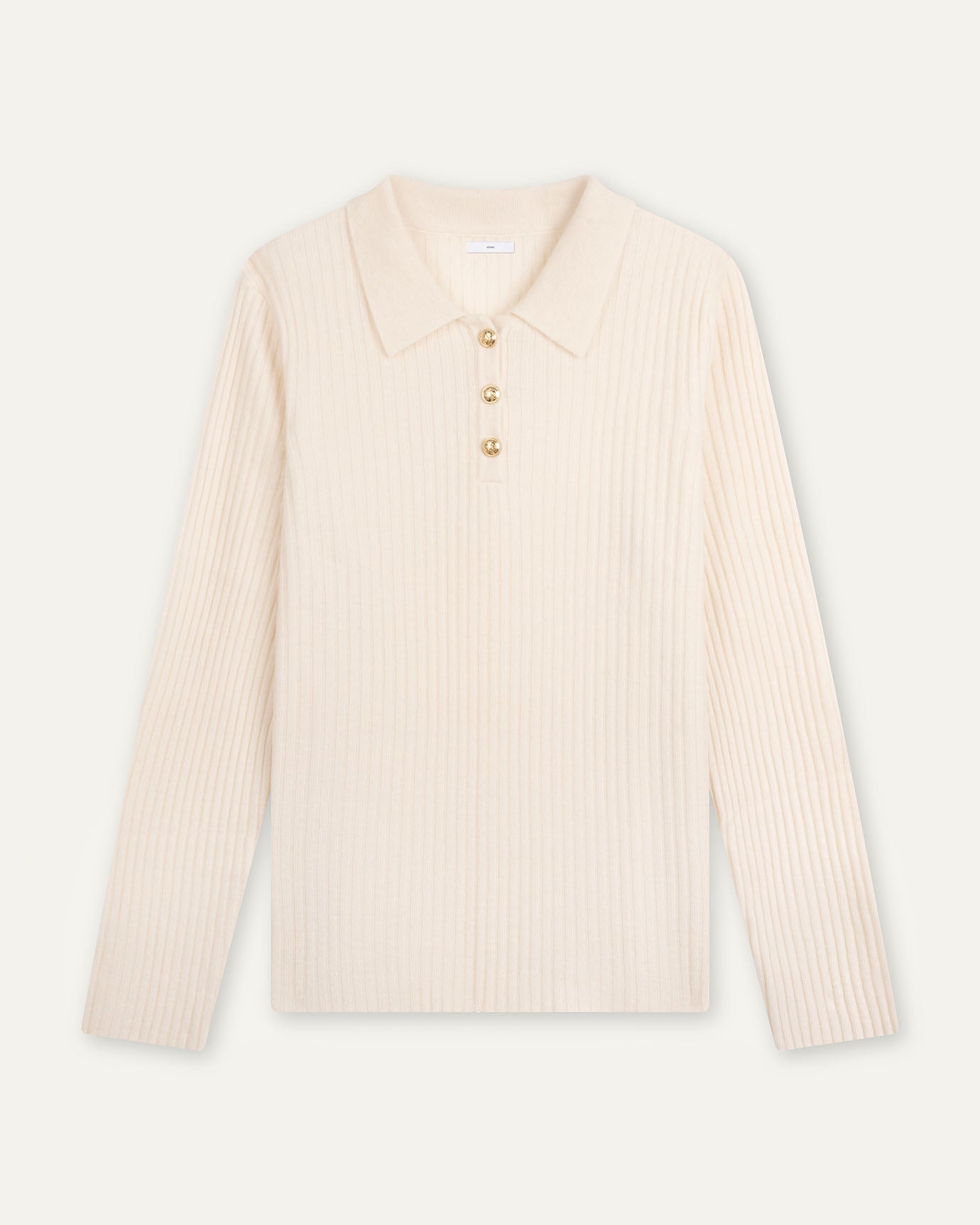
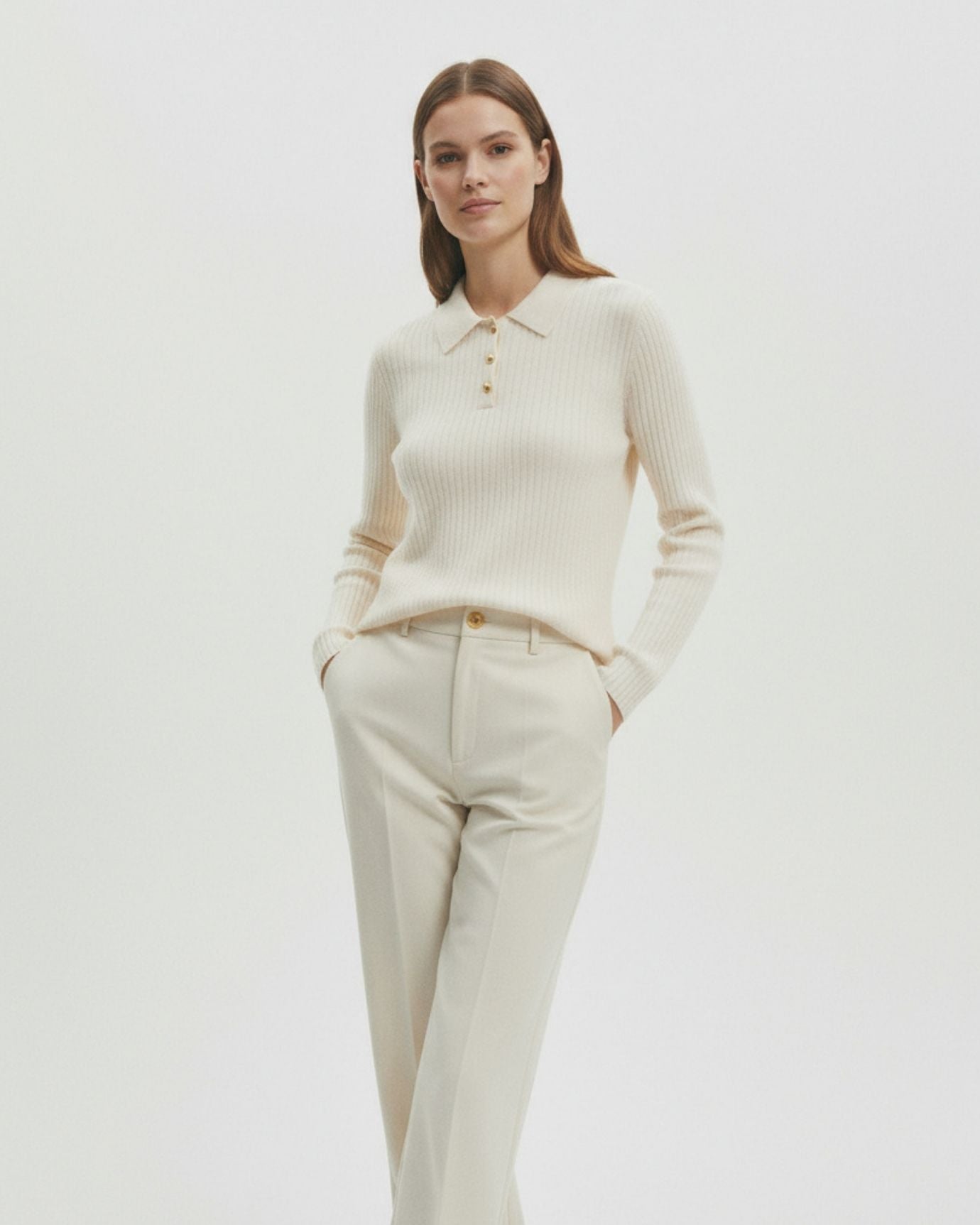
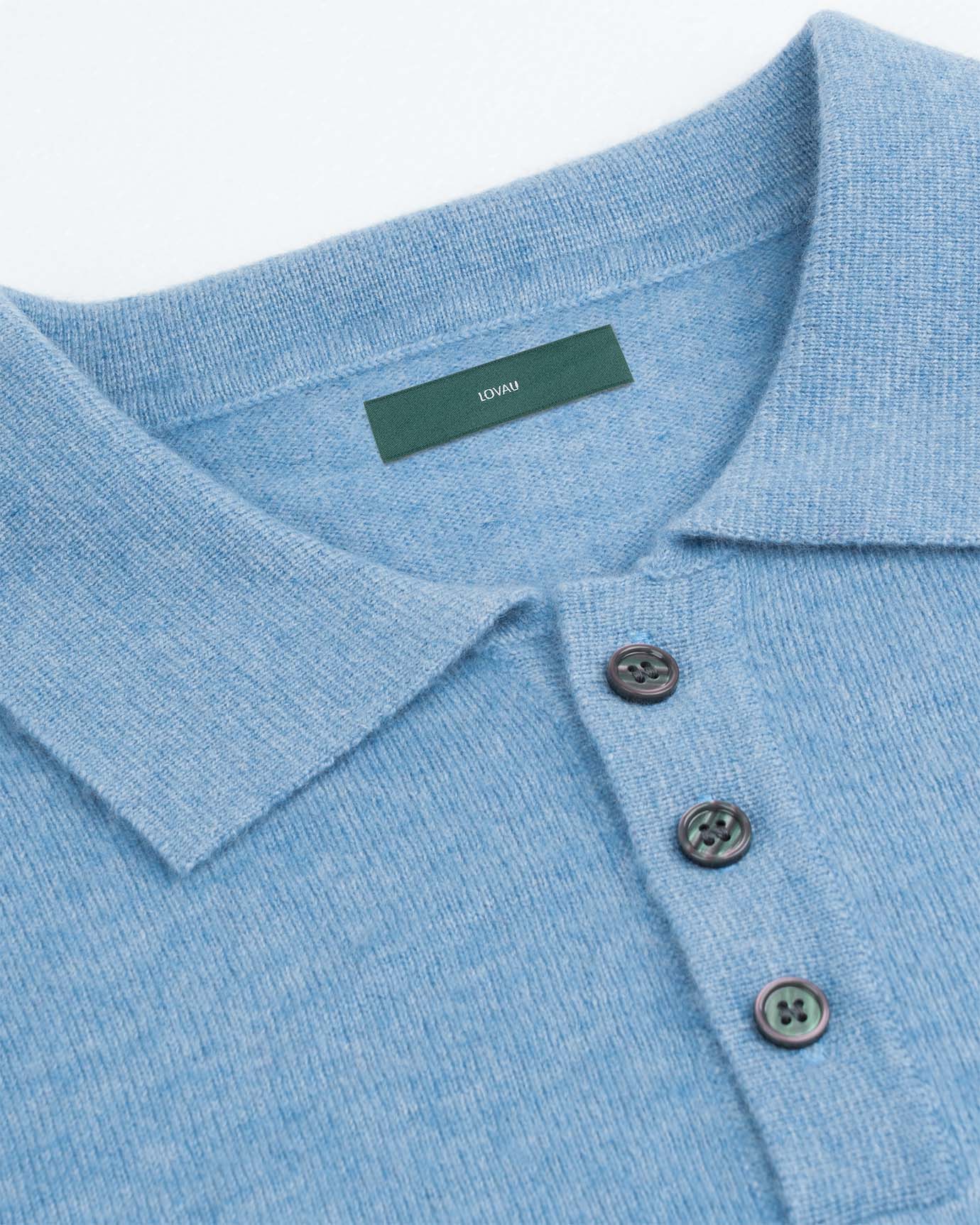
For men building an old money wardrobe, the Fine Cashmere Polo Long Sleeve in a neutral tone is a practical illustration of this principle: the quality is in the fabric and the cut, the color is versatile, and the piece works whether you are at a country lunch or a client meeting.
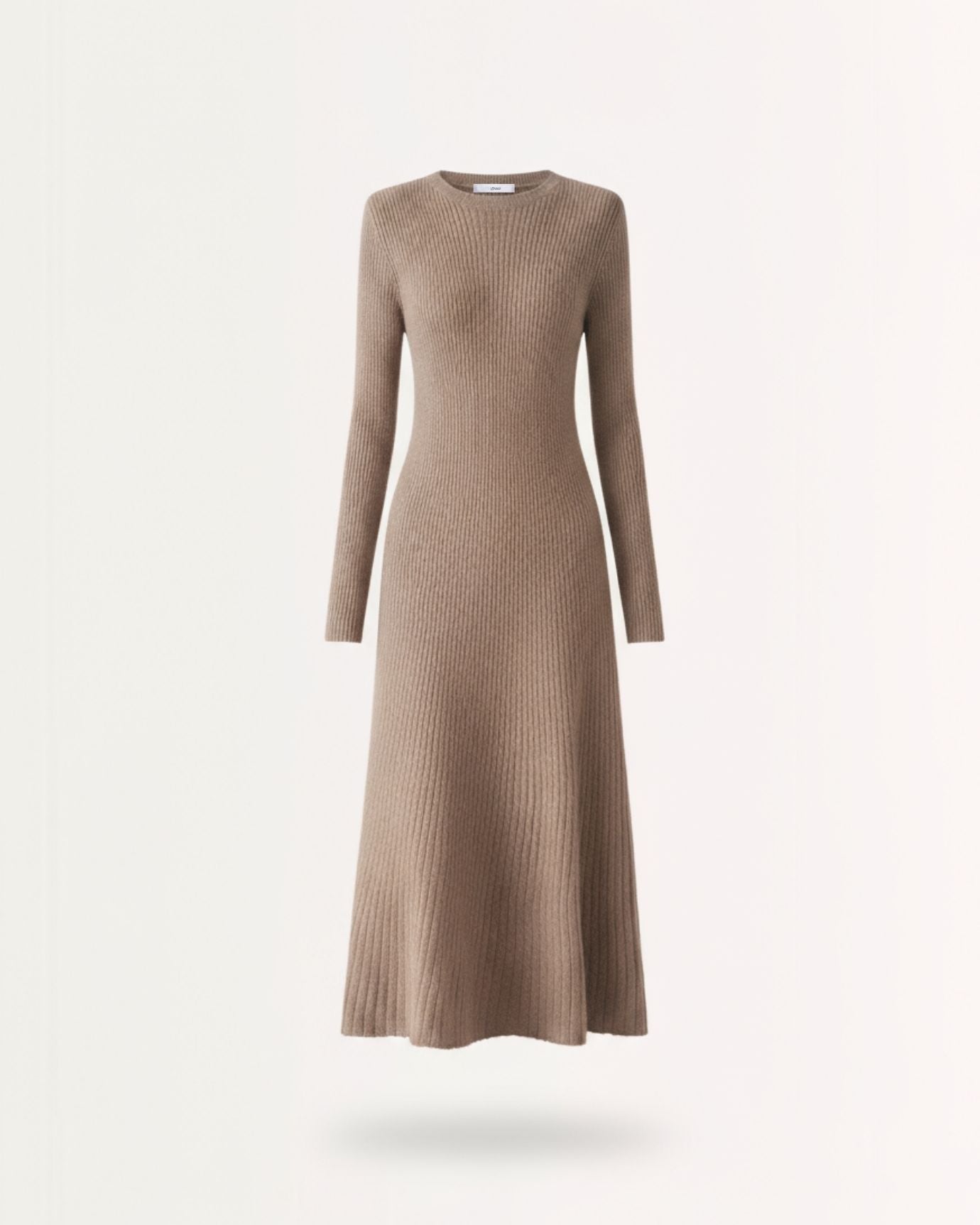
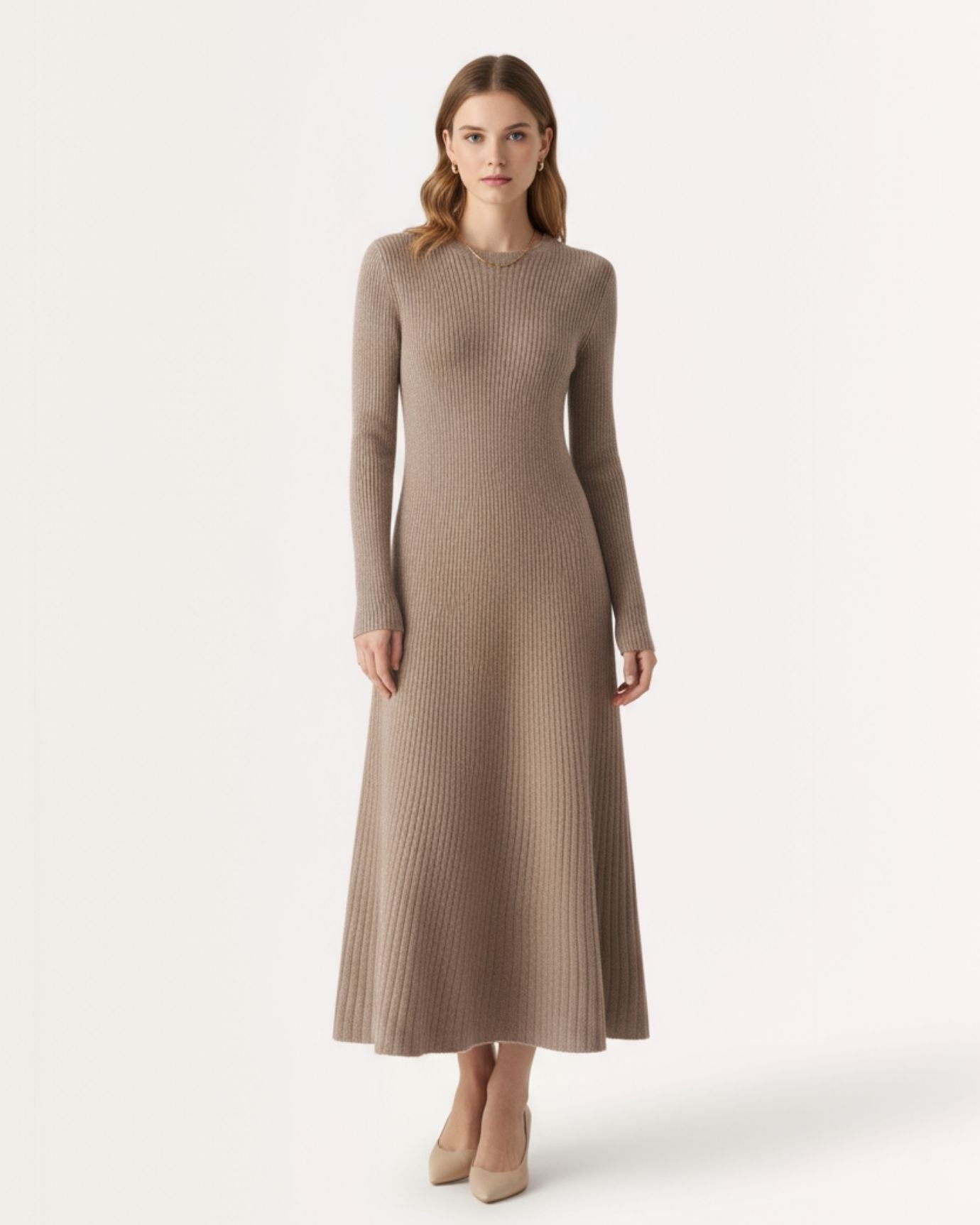
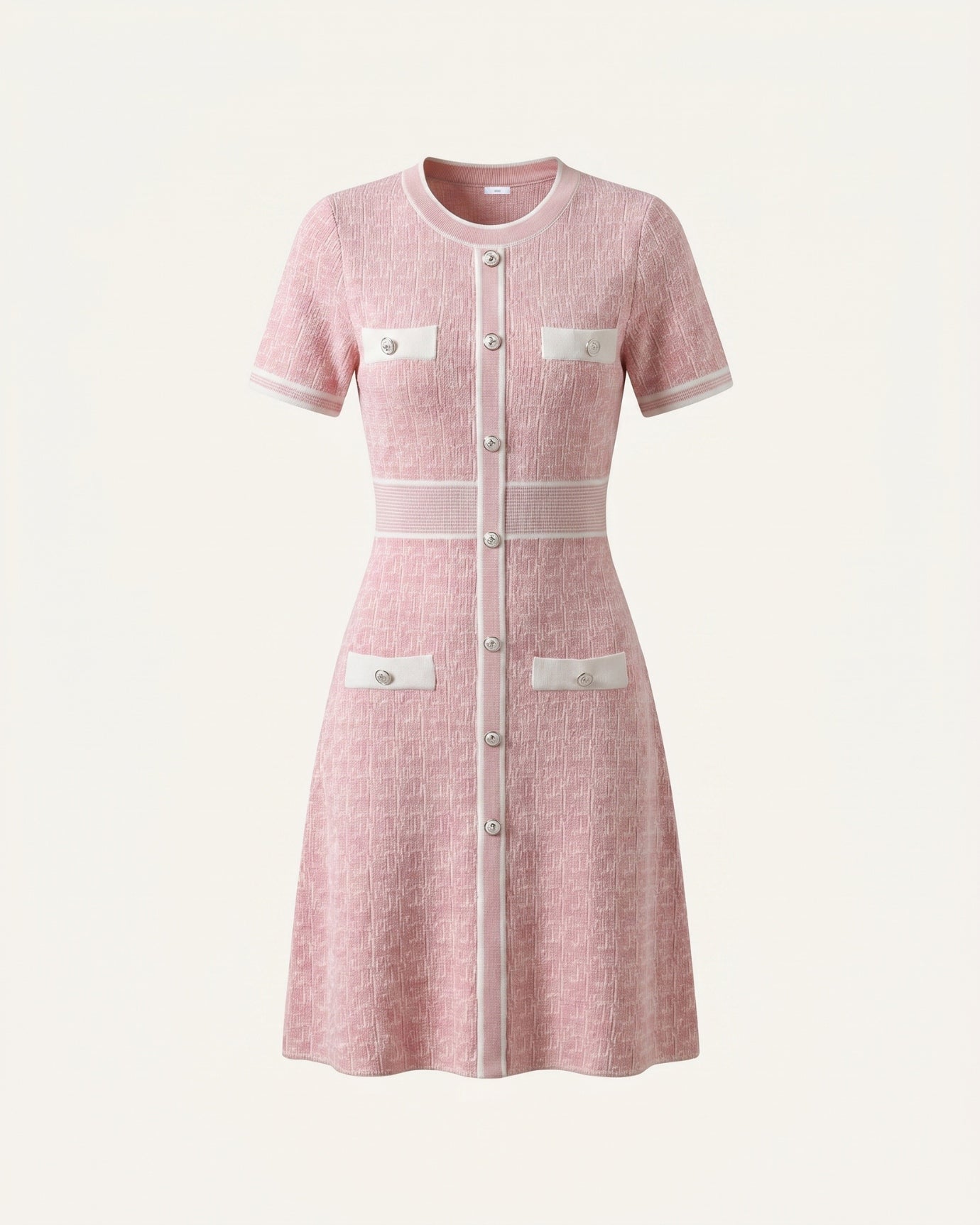
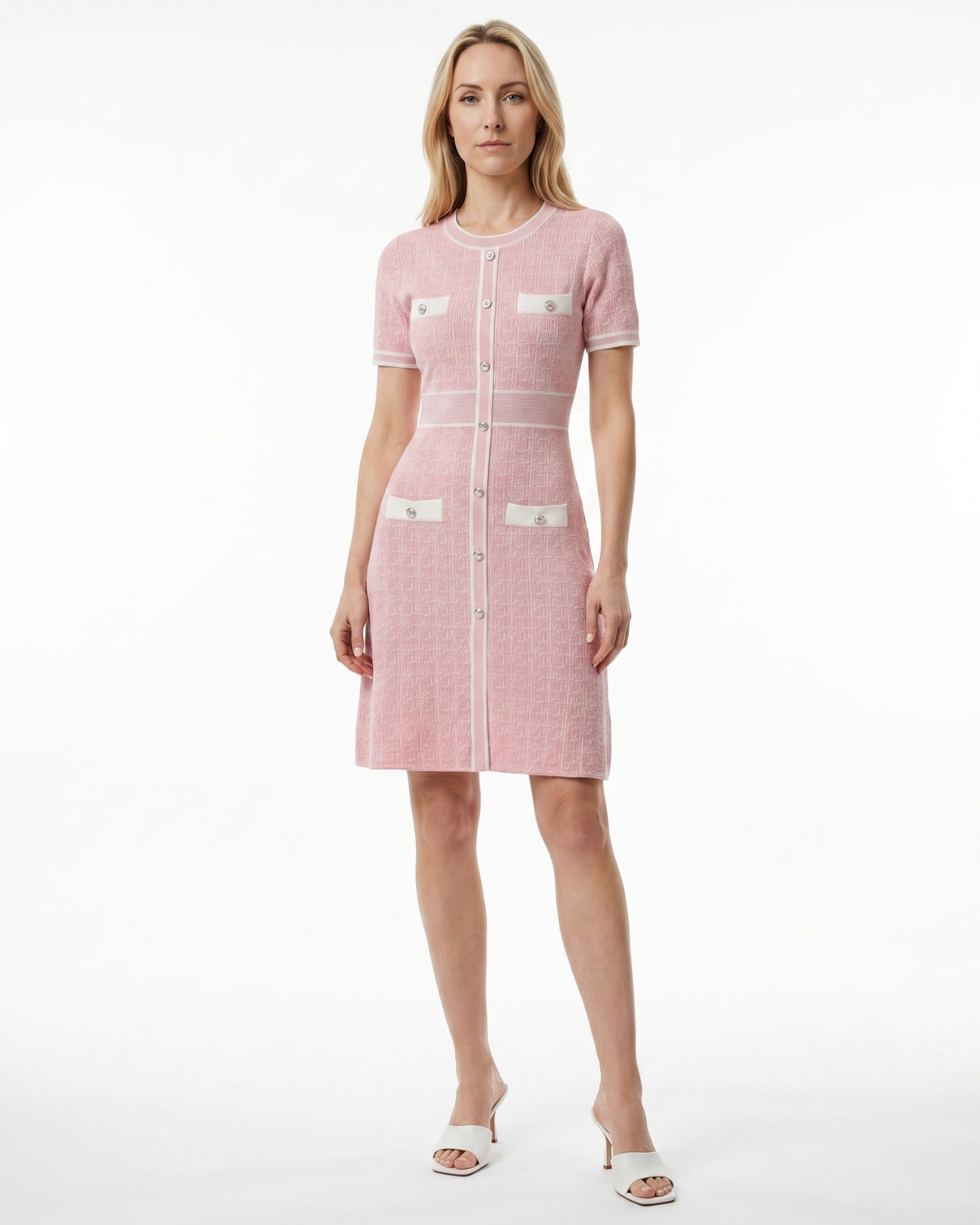
For women, the same logic applies. A velvet old money style dress in a deep, single color reads as considered and polished in a way that a heavily printed or logo-covered piece simply does not.

How to Build an Old Money Wardrobe Without Starting Over
The practical question most people arrive at after understanding the difference is: how do I move toward old money style without discarding everything I own?
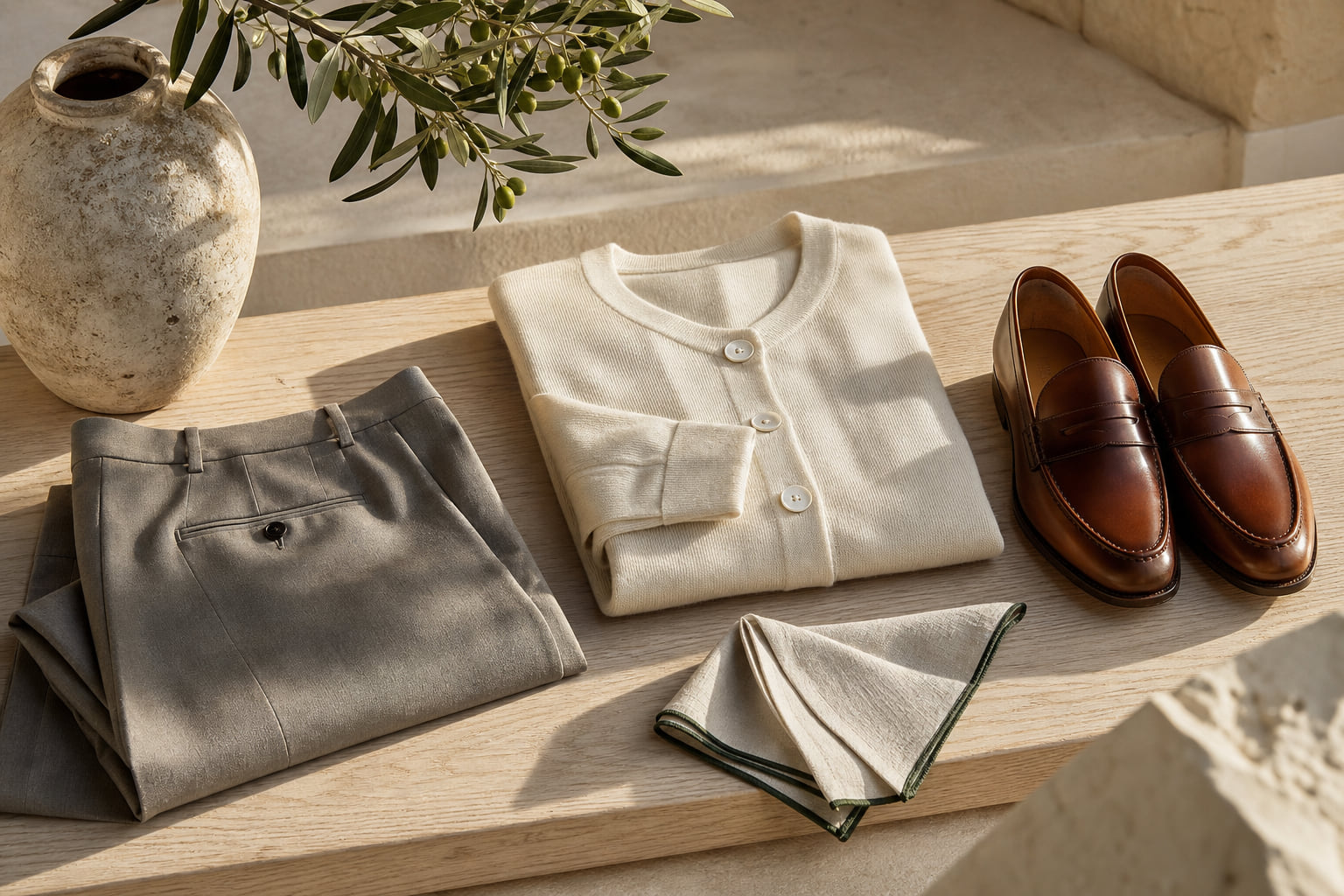
Start with anchor pieces in natural fibers. A single good cashmere sweater or a properly constructed coat does more for the overall impression of a wardrobe than ten trend pieces. The Cashmere Set Sweater and Pants is the kind of investment that anchors an outfit immediately, because the fabric and the coordinated cut do the work without requiring anything complicated around them.
Next, audit your color situation. Pull out anything that is not combinable with at least three other things you own. If a piece only works in one very specific outfit, it is a trend piece, not a wardrobe piece.
Then consider fit and tailoring. Old money style depends on fit more than any other single variable. A $100 cashmere sweater that fits the shoulder correctly looks better than a $500 designer piece that pulls across the back. Find a tailor you trust and use them.
Finally, slow down the buying cycle. Old money wardrobes are built over years, not assembled in a single haul. Buying one excellent piece, wearing it until you understand exactly how it works and what it needs, and then buying the next: this is the actual method. For more practical guidance on building this kind of wardrobe, the Minimalist Elegant Wardrobe Checklist for Beginners is a useful starting point.
You can also explore the full Cashmere Collection to see what a coherent old money wardrobe looks like in practice.

Frequently asked questions
Can new money fashion ever look like old money style?
Yes, but only when the logos and trend signals are removed from the equation. A new money wardrobe that shifts toward natural fabrics, classic cuts, and a neutral palette will read as old money to most observers, regardless of the actual brand. The garments do the communicating, not the label inside them. For practical outfit ideas that put this into practice, see Modern Old Money Outfit Ideas for Everyday Wear.
Is old money fashion only for men?
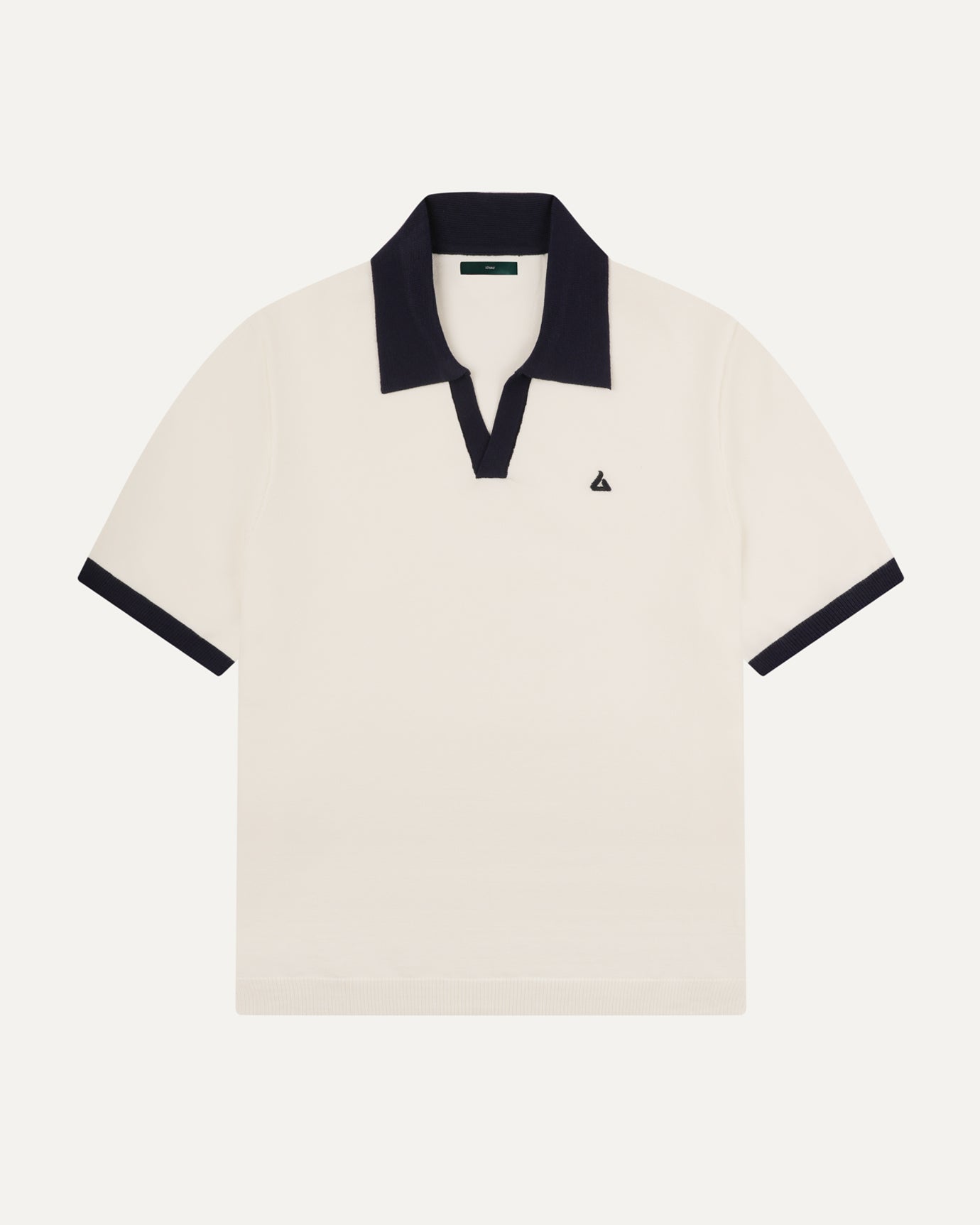
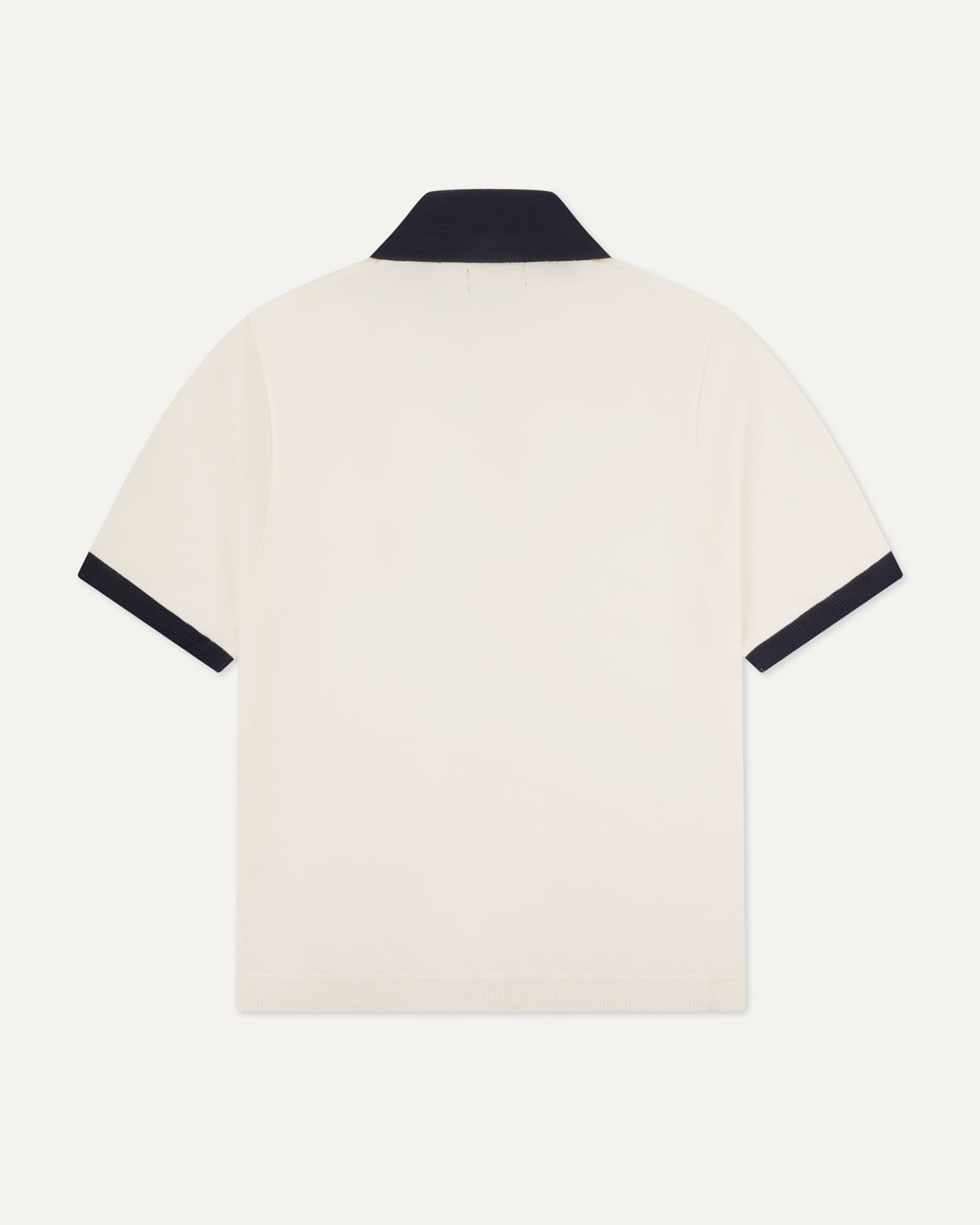
Not at all. The principles, natural fibers, restrained palette, tailored silhouette, longevity over novelty, apply equally to women's dressing. The specific pieces differ: a well-cut coat, a fine knit, a structured dress in a single deep color. The Contrast Collar Pleated Dress in Navy and White is a good example of old money thinking applied to women's occasion dressing.
Does old money style mean avoiding all designer labels?
No. Old money dressing often involves heritage designers, but the relationship is different. A camel coat from a house known for construction quality is an old money choice. The same coat covered in visible logos is not, regardless of the price. The label is incidental. The cut, the fabric, and the longevity of the piece are what matter.
What is the single most important piece to invest in for an old money wardrobe?
A well-constructed coat in a neutral color, camel, charcoal, or navy, is the highest-return investment in an old money wardrobe. It anchors every outfit beneath it and communicates quality immediately because the silhouette and fabric are visible from a distance. After that, a fine cashmere sweater in a versatile weight is the next most useful anchor piece.