


Mediterranean Style for Men: How to Dress Like You Summer in Italy
Reading time 14 min • 2844 words
There is a particular kind of man you notice on the terraces of Positano or at a harbour-side table in Porto Cervo. He is not trying very hard, and that is precisely the point. His clothes are clearly good, his palette is narrow, and nothing about his appearance announces itself. This is Mediterranean style at its best: quiet, warm, unhurried.
The look is not accidental. It is built on specific fabric choices, specific proportions, and a refusal to overcomplicate. Linen is the foundation. Tailoring, even in its loosest form, is the structure. And the details, a well-made shirt collar, a leather sole underfoot, a proper fit through the shoulder, are what separate the genuine article from a beach souvenir.
This guide covers every layer of that look, from the shirt you choose on a warm evening in Ravello to the footwear you wear walking cobblestones in Capri. Every recommendation is specific, every pairing is considered, and everything here can be worn by a man who wants to dress well without performing the act of dressing well.
Key takeaways
- Choose linen with a high thread count for shirts that drape cleanly and resist the kind of heavy creasing that reads as dishevelled rather than relaxed.
- Linen trousers with a double pleat or loose straight leg give the proportions that characterise Italian coastal dressing, not fitted chinos.
- A quality leather or suede flip-flop is the correct footwear for stone streets and yacht decks alike; cheap rubber undermines every other good choice.
- Restrict your palette to sand, ecru, stone, navy, sage and terracotta. Contrast comes from texture and cut, not colour.
- Fit matters more than price: a well-cut $89 linen shirt looks more considered than an expensive shirt worn too tight or too oversized.
In this guide
- Start With Linen: Why Fabric Is the First Decision
- The Linen Shirt: Collar, Cut and Occasion
- Linen Trousers and Shorts: Proportions That Actually Work
- Footwear: The Case for Quality Flip-Flops and Loafers
- Colour Palette and Outfit Construction
- The Evening Register: Moving From Afternoon to Dinner
- Frequently asked questions
Start With Linen: Why Fabric Is the First Decision
Before cut, before colour, before anything else, Mediterranean dressing is a fabric conversation. Linen is the dominant material of the Italian summer for reasons that are entirely practical: it is one of the oldest and most breathable natural textiles, woven from flax fibre in a way that allows air to circulate against the skin even at 35 degrees on a sun-exposed terrace.
Not all linen is equal, however. The weight and thread count of the fabric determine how a shirt drapes and how it creases. A coarser, lower-count linen will crease in thick, blunt folds that look untidy. A high-count linen, woven from finer yarns, creases in soft, narrow lines that read as texture rather than neglect. That distinction matters enormously when you are sitting at a restaurant or boarding a boat.
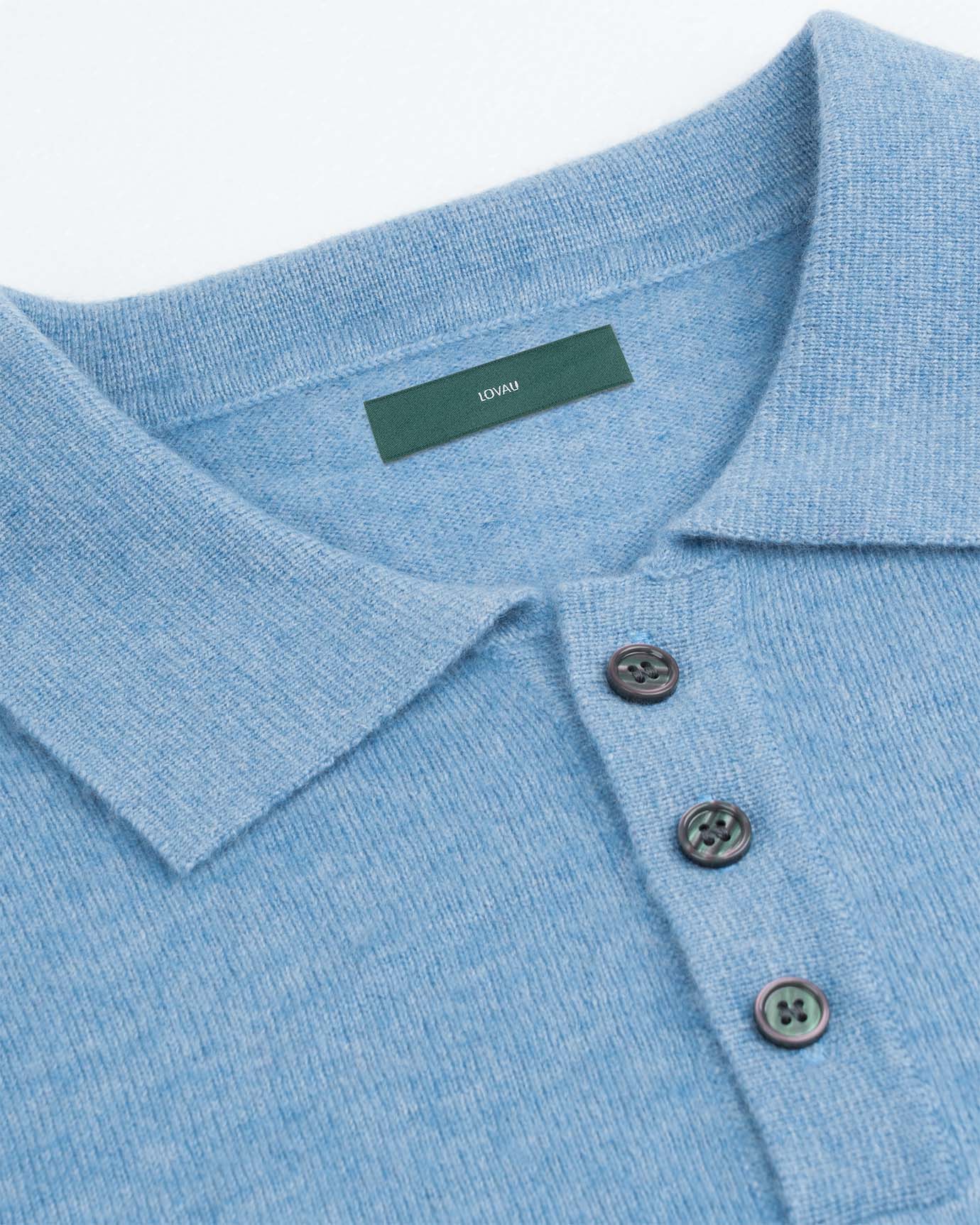
For shirts, look for fabrics that feel cool and slightly smooth to the touch, not stiff or papery. The High Count Fine Light Blue Linen Shirt is a good reference point: the fine-yarn construction gives it a surface quality that reads as refined rather than rustic, and the light blue sits comfortably within the coastal palette of pale sky and sea. The same fabric is available in navy for evenings when you want a deeper tone without switching to cotton.
For trousers, a linen blend, specifically linen combined with a small percentage of viscose or cotton, adds just enough body to hold a pleat or a clean break at the hem. Pure linen trousers can be wonderful but require a slightly heavier hand in the weave to avoid looking shapeless by midday.
Expert insightIron your high-count linen shirt while it is still slightly damp. The result is a clean, pressed surface that softens naturally over the course of the day into the kind of relaxed texture that looks considered rather than careless.

The Linen Shirt: Collar, Cut and Occasion
The linen shirt is the single most important garment in a Mediterranean wardrobe. Get it right and everything else follows. Get it wrong and no amount of good trousers or footwear will save the outfit.
Collar shape is the first variable. A standard spread or point collar works for any occasion, from lunch to a casual dinner. A Cuban collar, the open, camp-collar style with no lapels, is the correct choice for the hottest part of the day or for a more relaxed setting. It should be worn open at the throat, not buttoned to the neck. The Summer Linen Cuban Collar Short-Sleeved Shirt in short-sleeve cuts the right silhouette for this: it moves between beach bar and harbour restaurant without adjustment.
For a more structured look, a long-sleeved shirt with a standard collar and the sleeves rolled once to just below the elbow is the Italian formula. The roll should be a single, clean fold, not a multiple scrunch. The Positano Fine Linen Shirt is built for exactly this: the fine linen holds the roll cleanly and the Positano-inspired cut through the chest and shoulder is relaxed without being baggy.
Stripes are a legitimate Riviera choice, particularly narrow horizontal or vertical stripes in navy, ecru or terracotta. The Striped Linen Shirt Rome works well here, and the name is not marketing: Roman tailors have used this stripe weight for summer shirts for decades.
Fit should be relaxed through the body but precise at the shoulder. The shoulder seam must sit at the edge of the shoulder bone, not drooping onto the arm. A shirt that is too wide at the shoulder makes everything else look borrowed. If you are unsure how to keep linen looking sharp once you are wearing it, the guide on how to style linen shirts without looking wrinkled covers the practical techniques in detail.
For the broader old money linen shirts collection, the range of colours, collar styles and fabric weights gives you enough variation to dress every occasion from a beach lunch to an evening aperitivo without repeating a combination.
Expert insightKeep your shirt palette to three colours maximum for a trip: one white or ecru, one mid-tone (light blue, sage or stone), one deep tone (navy or terracotta). Every shirt then works with every trouser, which is how Italians actually pack.

Linen Trousers and Shorts: Proportions That Actually Work
The trouser silhouette of the Italian coast is not slim. It has not been slim for some time. The proportions that read as considered and relaxed in this context are wide through the thigh, with a slight taper or a clean straight leg to the hem. A pleat, either single or double, is not optional decoration: it gives the trouser room to move and prevents the fabric from pulling across the front when you sit down.
The Linen Blend Light Blue Trousers Herringbone Double Pleated are a strong foundation piece. The double pleat gives them the volume and movement associated with Italian coastal tailoring, and the herringbone weave in the linen blend adds visual interest without colour. They pair cleanly with any of the high-count linen shirts and with leather loafers for evening.
For a simpler, more casual trouser that works from morning to late afternoon, the Paris Linen Trousers in a straight cut offer the same relaxed width without the formality of a pleat. The question of linen versus chinos for this kind of trip is worth considering directly: linen breathes better, wrinkles more, and reads as more considered for a Mediterranean context. The detailed breakdown in Linen Pants vs Chinos: Which Is Better for Summer? covers the trade-offs honestly.
For shorts, the critical detail is length. Shorts that end above mid-thigh look wrong against the backdrop of Italian coastal style. Shorts that end at or just above the knee, with a clean hem and a relaxed fit through the seat and thigh, look correct. The Valencia Linen Shorts hit this proportion well, and in linen they remain cool even on a boat deck in full sun. The Monaco Linen Shorts with Elastic Waist offer a slightly more relaxed fit for beach-to-town transitions, with the elastic waist hidden under a shirt hem.
For a broader view of what separates a well-proportioned short from one that cheapens an outfit, the guide on men's shorts that don't look cheap in 2026 is worth reading before you pack.
Expert insightWear your linen trousers high on the waist, at the natural waist rather than the hip. This is how Italian men wear them, and it is what gives the silhouette its length and authority. A belt worn low on the hip collapses the whole proportion.

Footwear: The Case for Quality Flip-Flops and Loafers
Footwear is where Mediterranean style is most often undermined. The two shoes that define the look, flip-flops and loafers, are both simple in form and dramatically variable in quality. The difference between a leather-soled flip-flop and a moulded rubber one is immediately visible, and it communicates something about every other choice you have made.
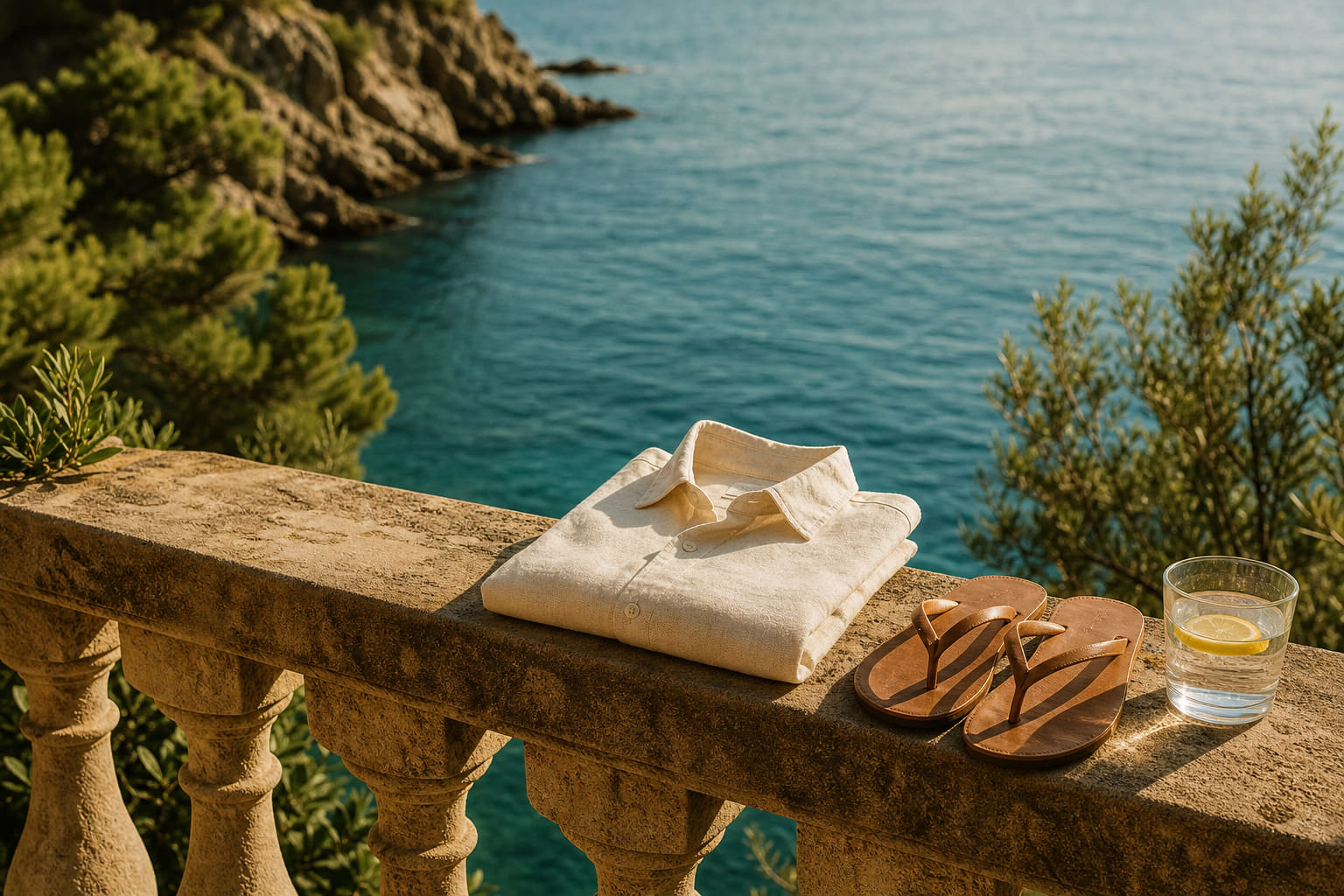
Flip-flops for this context should have a leather or suede footbed, a leather thong, and a sole with enough substance to make a sound on stone. The Men's High Quality Flip Flops collection at Lovau is built around exactly this standard. The argument for investing in quality here is not abstract: the article on leather flip-flops vs cheap rubber makes the case with specific detail on materials, longevity and how the footwear reads against the rest of an outfit.
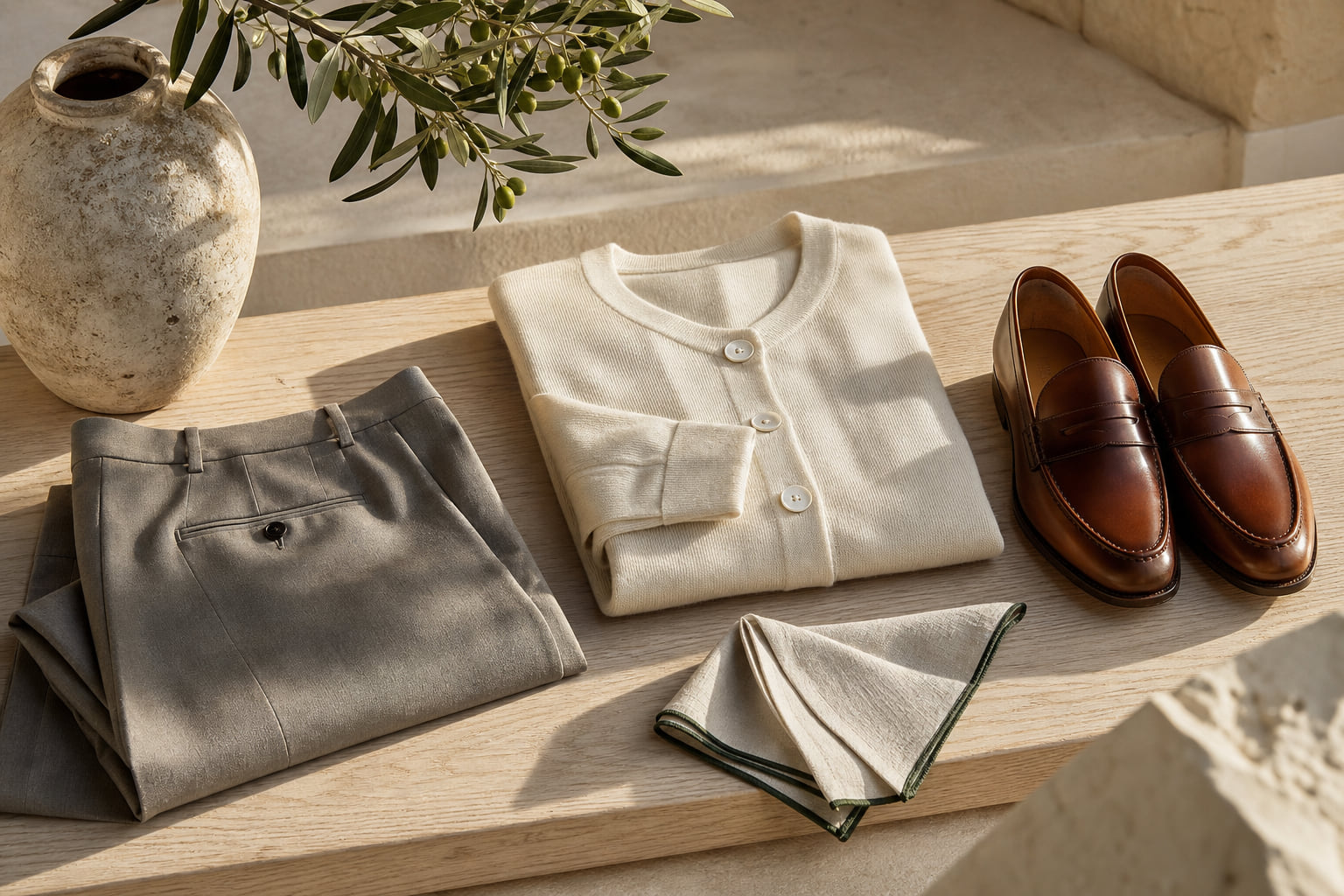
Loafers are the correct choice for evenings, for restaurant dinners, and for any occasion where a flip-flop would feel too casual. The Ibiza Linen Leather Loafers combine a linen upper with a leather sole, which is a combination that makes complete sense for a warm climate: the linen keeps the shoe cool and the leather sole gives it the weight and authority of proper footwear. The Mediterranean Suede Slip-On Loafers offer a slightly dressier option in suede, appropriate for a dinner on a yacht terrace or a late evening in town.
Wear loafers without socks, or with very short no-show socks in summer weight cotton. The ankle should be bare. This is not a relaxation of standards: it is the standard for this climate and this context. The detailed comparison in loafers vs flip-flops for a summer holiday covers how to choose between the two depending on the specific occasion.

Colour Palette and Outfit Construction
The Italian coastal palette is not accidental. It reflects the environment: bleached stone, pale sand, terracotta rooftops, deep blue water, the silver-green of olive trees. Working within this palette does not mean wearing only neutrals. It means choosing colours that belong to the same warm, sun-faded family and that read as intentional when placed together.
The core palette: ecru, white, stone, light blue, sage green, terracotta, navy. These seven tones cover every shirt, trouser and accessory you need for two weeks.
How to construct an outfit: - Pair a white or ecru shirt with stone or sand trousers for the most classically Italian combination. - Pair a light blue or sage shirt with navy or off-white trousers for contrast without noise. - Pair terracotta with stone or ecru for a warmer, more relaxed register. - Avoid black below the waist in summer. Black linen trousers are technically correct but they absorb heat and read as urban rather than coastal. Save black for a shirt, worn with pale trousers, for evening.
For a shirt that crosses the line between daywear and evening without changing, the San Marino Limited Edition Linen Shirt in its construction and weight is designed for exactly this transition. Paired with the Old Money Style Trousers Loose Straight-Leg Pants, the combination reads as dinner-ready without effort or over-dressing.
On the question of what colours work best against sun-tanned skin, the guide on the best shirt colours for tan skin gives specific recommendations that align closely with the coastal palette described here.
Accessories should be minimal: a simple watch with a leather strap, a linen or canvas tote rather than a structured bag, sunglasses with acetate or metal frames rather than sport wraps. Nothing branded. Nothing that announces a price point.

The Evening Register: Moving From Afternoon to Dinner
Mediterranean evening dressing for men is a specific mode that sits between casual and formal without touching either. It is not a jacket-and-tie occasion. It is also not a continuation of what you wore to the beach. The transition is achieved through small, deliberate changes.
Swap a short-sleeve or Cuban collar shirt for a long-sleeve linen shirt in a deeper tone, navy, sage or a fine black. The High Count Fine Black Linen Shirt in a high-count weave is the right tool here: the fine yarn construction gives it a surface quality that reads as dressier than a standard linen, and worn open at the collar with the sleeves rolled once, it is appropriate for any restaurant on the Amalfi Coast.
Swap shorts or casual trousers for the pleated linen blend trousers. Swap flip-flops for loafers. These three changes are all that is required. The Lovau Men Old Money collection covers this full range of evening-appropriate pieces within the same aesthetic framework.
For a complete picture of how to dress for the most formal context this aesthetic encounters, the guide on what to wear on a yacht covers the specific requirements of yacht dressing, which is the most demanding version of Mediterranean casual.
The principle that runs through all of this is consistency of register. Every piece you wear should belong to the same quiet, considered world. One item that is too casual, too loud or too formal breaks the coherence. Mediterranean style is not about individual statement pieces. It is about a complete picture that reads as natural.

| Shirt | Collar Style | Best Occasion | Sleeve | Best Trouser Pairing |
|---|---|---|---|---|
| Summer Linen Cuban Collar | Cuban / camp collar | Beach lunch, casual bar | Short | Valencia Linen Shorts or Monaco Shorts |
| Positano Fine Linen Shirt | Classic spread | Harbour lunch, afternoon town | Long (roll to elbow) | Paris Linen Trousers or stone chinos |
| High Count Fine Light Blue Linen | Classic spread | All-day, transitions to dinner | Long | Herringbone Double Pleated Trousers |
| Striped Linen Shirt Rome | Classic spread | Daytime, casual dinner | Long or short | Old Money Loose Straight-Leg Pants |
| High Count Fine Black Linen | Classic spread | Evening dinner, yacht deck | Long | Herringbone Double Pleated or Pleated Tailored |
Frequently asked questions
What is the correct fit for linen trousers in Mediterranean style?
Relaxed through the thigh and seat, worn at the natural waist rather than the hip. A single or double pleat adds the volume that allows the trouser to move without pulling. The hem should break cleanly at the top of the shoe, not pool on the ground. The Linen Blend Light Blue Trousers Herringbone Double Pleated are a useful reference for this proportion.
Can I wear flip-flops to a restaurant on the Amalfi Coast?
At lunch, yes, provided they are leather-soled and well-made rather than rubber beach sandals. For dinner at a proper restaurant, switch to loafers. The distinction is not about formality for its own sake: it is about the quality of the footwear reading as intentional. A leather flip-flop signals the same consideration as a loafer; a moulded rubber one does not.
How do I stop linen shirts from looking dishevelled by noon?
Choose a high thread count fabric, which creases in finer lines that read as texture rather than neglect. Iron the shirt while slightly damp, focusing on the collar and placket. Avoid stuffing a linen shirt into a bag: fold it flat or roll it loosely. The full technique guide is in how to style linen shirts without looking wrinkled.
What colours work for a Mediterranean summer wardrobe?
Build around ecru, white, stone, light blue, sage green, terracotta and navy. These tones reflect the actual colours of the coastal environment and work together in almost any combination. Avoid introducing strong contrast colours or anything with a print larger than a narrow stripe. The goal is a palette that reads as cohesive across every outfit you build from it.
Mediterranean style for men is not a costume and it is not a mood board exercise. It is a set of specific, considered choices about fabric, proportion, colour and quality that together produce the appearance of a man who is entirely comfortable in his surroundings. Start with the right linen, get the shoulder fit correct, choose footwear that has been made rather than moulded, and keep the palette narrow. Everything else follows from those decisions. If you are building this wardrobe from scratch, the Man Spring Summer Old Money 25 collection is the logical place to begin.