


High-Contrast Dressing: Making Sharp Color Pairings Look Elegant
Reading time 14 min • 2866 words
High-contrast dressing has a reputation it does not entirely deserve. The assumption is that pairing a very dark color against a very light one produces something loud, something better suited to a fashion week street-style photograph than to a real woman's life. The truth is the opposite. Contrast, handled with discipline, is one of the quietest signals of confidence in a wardrobe.
The key is understanding what contrast actually does structurally. It draws the eye along seams, hems, and collar lines, so the quality of those lines matters enormously. A poorly cut dress in navy and white will look cheap precisely because the contrast highlights every imperfect seam. A well-structured dress in the same palette looks authoritative.
This guide works through the specific mechanics, which pairings hold their elegance across occasions, which silhouettes carry contrast best, how fabric weight affects the mood, and how to accessorize without tipping into costume territory. Think of it as a practical framework, not a mood board.
Key takeaways
- Limit a high-contrast outfit to two colors maximum to keep the effect disciplined rather than chaotic.
- The silhouette carries contrast, so choose structured, tailored cuts that hold the color boundary cleanly.
- Navy and white is the most versatile high-contrast pairing for women because it reads formal or casual depending on fabric weight.
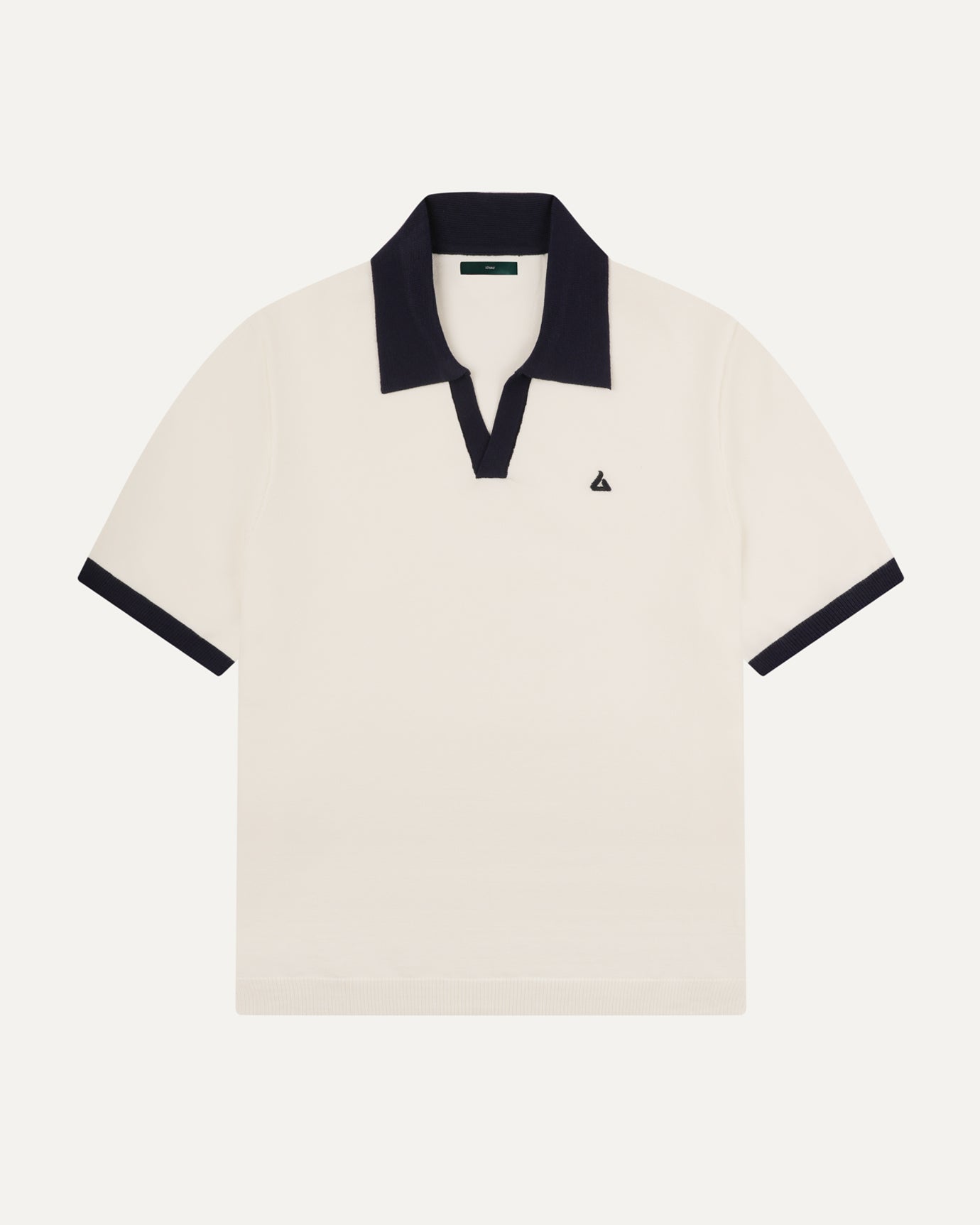
- A contrast collar or contrast hem detail gives you high impact with minimal commitment, ideal if you are new to bold pairings.
- Accessories should stay within the existing two-color palette or in a true neutral like tan or ivory, never a third competing color.
In this guide
- Why Contrast Reads as Either Elegant or Cheap (and How to Stay on the Right Side)
- The Three Pairings That Always Work and Why
- Silhouettes That Carry High Contrast Best
- Fabric Weight and Texture: How They Change the Mood of a Contrast Pairing
- Accessories: The Rule of Two Colors and One Neutral
- Occasion Mapping: Which Contrast Looks Work Where
- Frequently asked questions
Why Contrast Reads as Either Elegant or Cheap (and How to Stay on the Right Side)
The difference between elegant contrast and cheap contrast is almost always a question of proportion and structure. When a color boundary falls along a deliberate design line, a collar, a cuff, a waistband, a hem, the eye reads it as intentional and refined. When it falls arbitrarily, the result looks accidental.
This is why color blocking in women's fashion has such a long history in European couture. Designers like Valentino and Balenciaga used hard color boundaries to sculpt the silhouette visually, essentially painting architecture onto fabric. The lesson for everyday dressing is the same: let the seam or design detail justify the contrast.
A few concrete rules that hold in practice:
- The darker color should anchor the lower or larger portion of the outfit. Navy skirt, white collar. Black body, ivory sleeve. This creates visual weight at the base, which reads as stable and grounded.
- Avoid contrast that cuts across the widest part of your body horizontally unless the garment is specifically engineered for it.
- Matte fabrics, wool crepe, cotton twill, structured ponte, hold contrast more crisply than shiny ones. A high-gloss fabric in two high-contrast colors reads as costume.
For a masterclass in how a single design detail can do all the work, look at a contrast collar pleated dress in navy and white. The white collar sits against the deep navy body and immediately draws the eye upward to the face. The pleating in the skirt adds structure without adding visual noise. It is a study in how to let contrast serve the silhouette rather than fight it.
Expert insightA contrast collar is the single most face-framing detail in high-contrast dressing. It functions like a portrait frame, directing attention upward before the viewer registers anything else about the outfit.

The Three Pairings That Always Work and Why
Not every high-contrast pairing is equally versatile. Some combinations carry cultural and historical weight that makes them feel instinctively correct in a way that, say, red and yellow do not. These three are the ones worth building around.
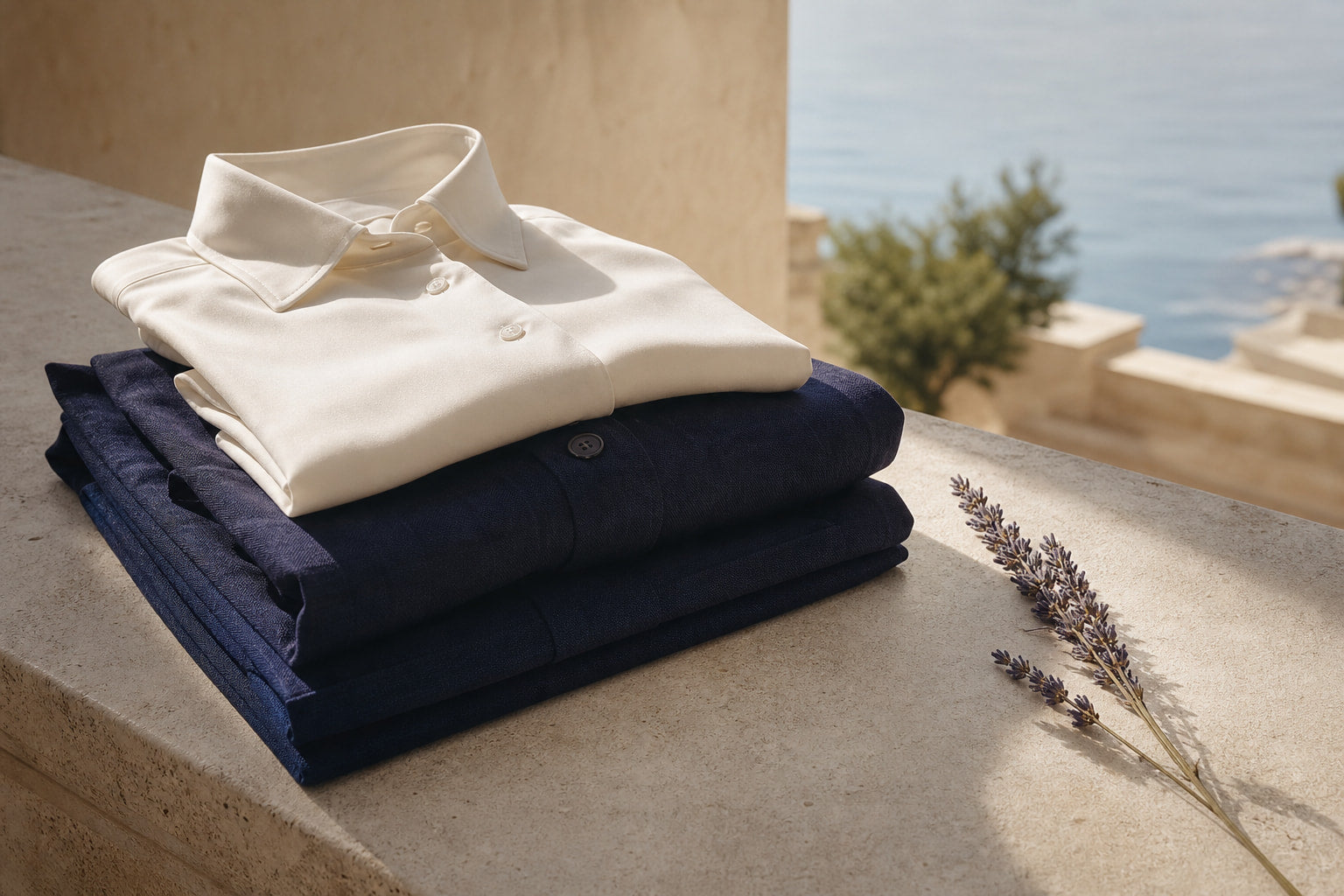
Navy and White This is the pairing with the deepest roots in European coastal and nautical dressing, and it transfers across occasions more gracefully than any other contrast combination. The navy reads formal enough for a lunch or a gallery visit, the white keeps it from becoming heavy. In a structured dress with clean seams, this pairing is genuinely all-weather in terms of occasion. See how a blue striped contrast dress uses the same tonal logic but distributes the contrast rhythmically across the body, which softens the impact slightly while keeping the graphic quality intact.
Black and Ivory or Cream Pure black against pure white can feel stark, particularly in strong sunlight. Substituting ivory or cream for white warms the contrast considerably and makes it far more wearable across skin tones. This pairing is the most evening-appropriate of the three. A black polkadot dress set in skirt and top shows how distributing a high-contrast pattern across a two-piece silhouette keeps the look from becoming severe.
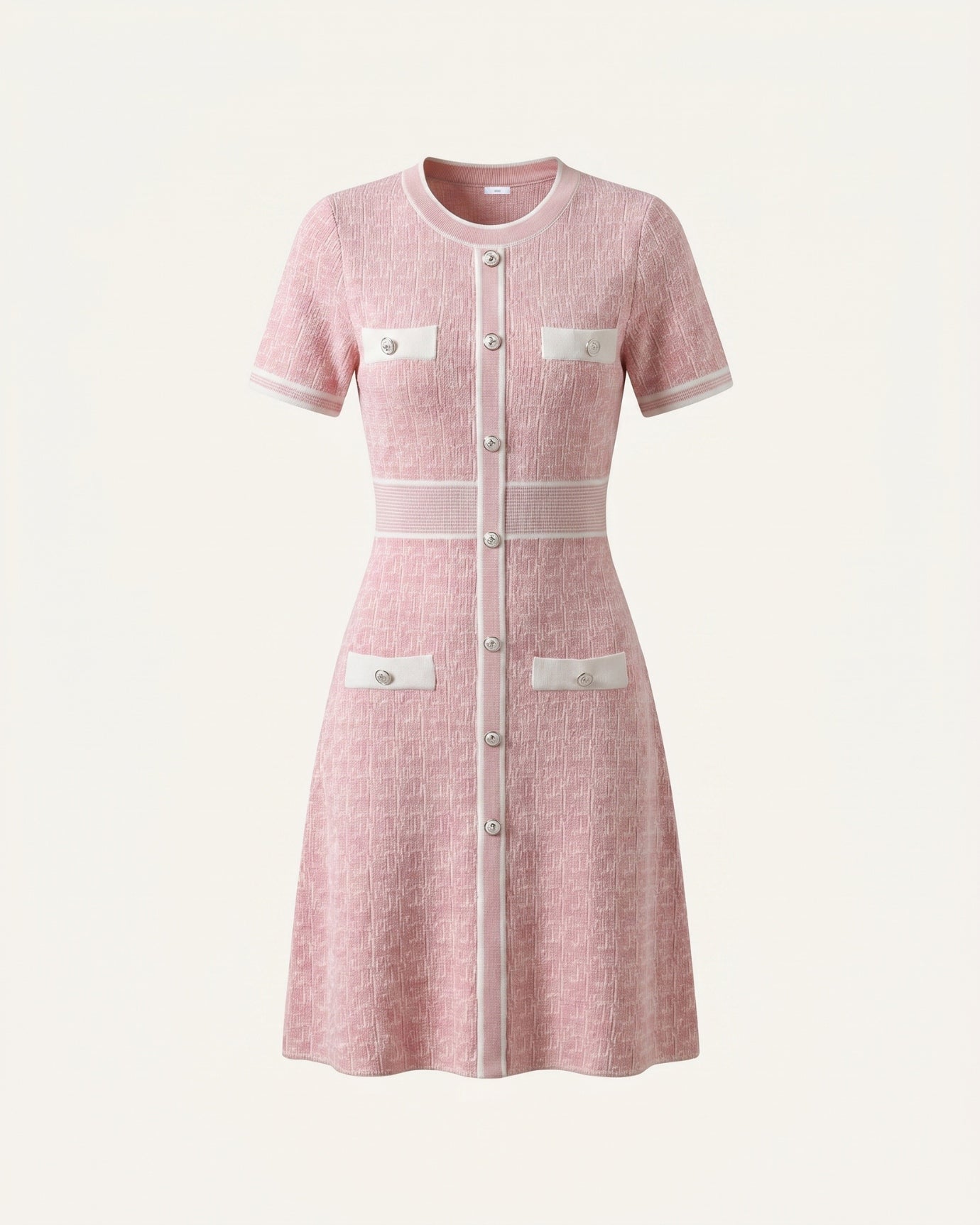
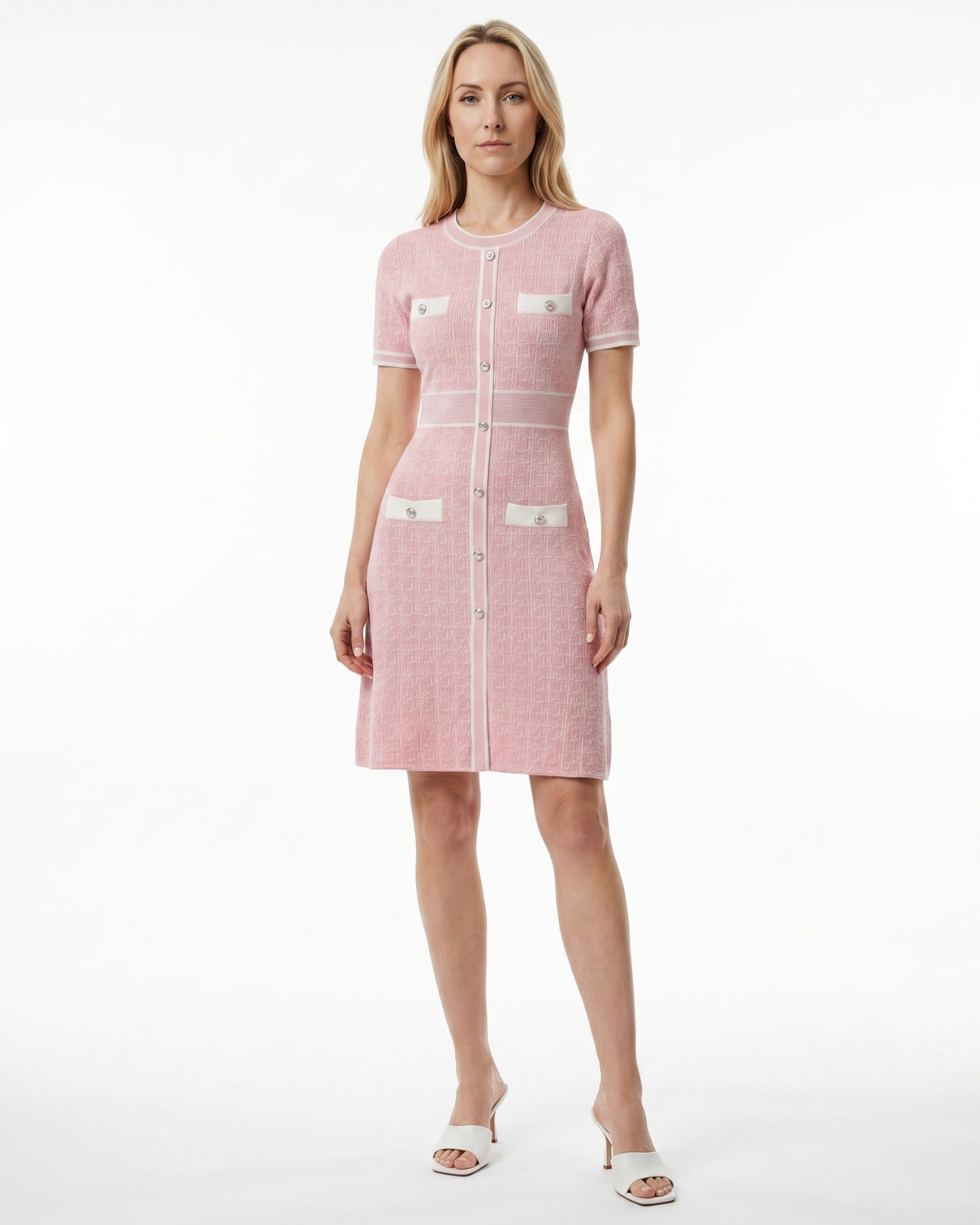
Midnight Blue and Pale Blush This is a softer contrast, not as sharp as the first two, but still high-impact because the temperature difference between a cool deep blue and a warm pale pink creates visual tension. It reads feminine without being saccharine. The Kiara high-end lace pink dress in blush is built for exactly this kind of pairing, worn against a navy jacket or a deep blue accessory.
For further reading on how color theory applies to personal dressing, our guide on what colors make you look rich covers the underlying principles in detail.
Expert insightIvory ages better on camera and in photographs than pure white, which can blow out in bright light. If you are dressing for an event that will be photographed, choose cream or ivory as your light anchor over stark white.

Silhouettes That Carry High Contrast Best
Not every dress silhouette is equally suited to high-contrast dressing. The silhouettes that work best share one quality: defined structure. The color boundary needs a clean architectural line to sit against, which is why floaty, unstructured, or heavily draped silhouettes tend to blur the contrast and make it look muddy.
Pleated and A-line skirts are among the most forgiving shapes for contrast because the pleating creates vertical movement that draws the eye downward in a controlled way. A contrast collar on an A-line dress creates a clear visual hierarchy, face, then waist, then hem, that feels composed.
Fitted midi and pencil silhouettes amplify contrast because the tighter fit means the color boundary sits precisely on the body. The Mandelieur color-blocked cardigan jacket and pencil skirt set is a precise example of this principle. The color block falls at the natural waist, which is the most flattering horizontal line on the body, and the pencil skirt carries the lower color down to the hem without interruption.
Mini dresses with contrast details work particularly well in casual and warm-weather contexts. The contrast collar mini pleated dress uses a white collar against a darker body to keep the silhouette feeling polished despite the shorter hem. The contrast detail at the neckline does the formal work that the hem length would otherwise undermine.
Silhouettes to approach with more care: bias-cut dresses, because the drape shifts the color boundary unpredictably across the body, and very voluminous skirts, where the contrast can read as theatrical rather than refined. If you are exploring day dresses for a polished daytime look, structured cotton and crepe cuts will serve high-contrast dressing better than anything soft or flowing.

Fabric Weight and Texture: How They Change the Mood of a Contrast Pairing
The same navy-and-white pairing in three different fabrics produces three entirely different social registers. This is one of the most practical and underused levers in dressing.
Heavyweight cotton or cotton twill in a high-contrast pairing reads crisp, nautical, and slightly sporty. This is the fabric weight for a summer lunch, a coastal walk, a market visit. The contrast is cheerful rather than formal.
Wool crepe or ponte in the same pairing reads authoritative and professional. The weight of the fabric slows the eye and adds gravity. This is the fabric choice for a board meeting, a gallery opening, or any context where you want the contrast to signal precision rather than playfulness. Our article on the best color schemes for high-end business meetings explores this register in more detail.
Silk or silk-adjacent fabrics in high contrast require the most care. The sheen can amplify the contrast to the point of stridency. If you are working with a silk or satin-finish fabric, soften one of the two colors slightly, cream instead of white, midnight instead of true black, to bring the contrast back into a comfortable range.
Lace introduces texture into the contrast equation in an interesting way. When a lace overlay sits against a contrasting lining, the contrast becomes layered and diffused rather than sharp. The Dina short-sleeve lace dress uses exactly this principle, the lace texture softens what would otherwise be a very hard color boundary.
For colder months, the same contrast principles apply in heavier weights. A woman wool dress in old money style in a deep color paired with a light-colored belt or collar detail carries the high-contrast logic into autumn dressing without losing warmth. You can also explore the full range of long sleeve dresses to find structured options suited to year-round contrast dressing.
Expert insightA matte finish on both colors in a high-contrast pairing is almost always the more refined choice. Save shine for accessories, a patent belt, a lacquered shoe, where it adds punctuation rather than competing with the garment's color story.

Accessories: The Rule of Two Colors and One Neutral
The most common mistake in high-contrast dressing is introducing a third color through accessories. A navy-and-white dress with red shoes and a green bag is not high-contrast dressing, it is a collision. The discipline that makes contrast work in the garment needs to extend to the full look.
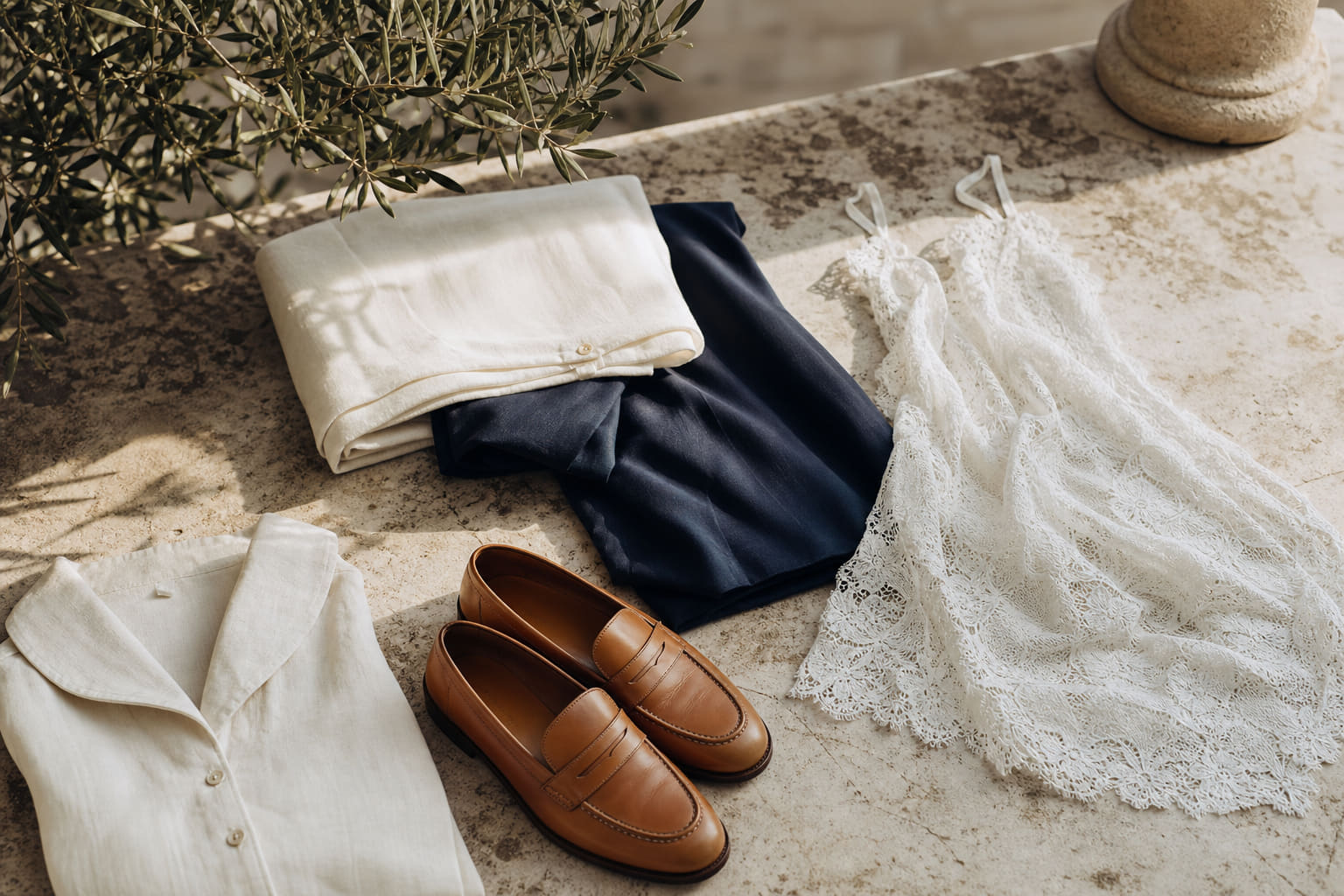
The practical rule: stay within your two existing colors and one neutral. If you are wearing navy and white, your accessories should be navy, white, tan, or cognac leather. The tan and cognac function as the neutral bridge that keeps the look from feeling too literal or uniform.
Shoes are where this decision is most visible. For a navy-and-white dress, the options that work are: white leather or canvas for a lighter, more summery register; navy suede or leather for a more serious, pulled-together look; tan or cognac leather as the neutral that warms the whole outfit. Our full collection of loafers in old money style covers the shoe shapes that suit structured, contrast-forward dressing best.
Bags should follow the same logic. A structured bag in one of the two outfit colors or in a clean neutral is the correct choice. Avoid printed or patterned bags when the outfit is already making a strong graphic statement.
Jewelry in high-contrast looks reads best in gold or pearl. Both have warmth that softens the hard edges of a strong color pairing. Silver can work in a black-and-white context but tends to add coldness to navy-and-white combinations.
For sunglasses, a tortoiseshell or dark acetate frame is the most versatile choice across all high-contrast pairings. The woman sunglasses in old money style collection has frames that suit this approach well.
If you want to understand how contrast dressing fits into a broader color philosophy, the article on the old money color palette provides useful grounding in the neutrals that anchor a refined wardrobe.

Occasion Mapping: Which Contrast Looks Work Where
High-contrast dressing is more occasion-flexible than most women assume. The key variable is not the pairing itself but the fabric weight, silhouette formality, and accessory register, all of which you can adjust while keeping the same fundamental color contrast.
Daytime, casual to smart casual: Lightweight cotton or linen in navy and white, a relaxed A-line or pleated silhouette, flat leather sandals or loafers. The blue striped contrast dress sits precisely in this register, graphic enough to be interesting, relaxed enough for a terrace lunch or a coastal afternoon.
Business and professional: Structured wool crepe or ponte in a fitted silhouette with a contrast collar or contrast seam detail. Heeled loafers or block-heeled pumps. A structured leather tote in one of the outfit colors. The in Paris style long-sleeved dress with belt in a deep base color with a contrasting belt demonstrates how a single contrast detail can make a work-appropriate dress feel precise and intentional.
Evening and formal: This is where black and ivory or midnight blue and cream come into their own. A fitted midi or column silhouette, silk or silk-blend fabric, gold jewelry, and a structured clutch. The diamond button mini dress in French style uses button detailing to introduce a tonal contrast that works beautifully for evening without requiring a full two-color palette.
For a broader view of how to dress for high-context social occasions, the article on how to dress for a yacht without screaming new money covers the specific social codes of European leisure dressing, where navy and white contrast has deep roots. You can also browse the full evening dresses collection for contrast-ready formal options.
The underlying principle across all occasions is the same: contrast announces itself, so let the rest of the look stay quiet. One strong pairing, clean lines, considered accessories. That is the full formula.

| Pairing | Mood / Register | Best Fabric | Best Silhouette | Occasion |
|---|---|---|---|---|
| Navy and White | Crisp, nautical, confident | Cotton twill, linen, wool crepe | A-line, pleated, contrast collar | Day, smart casual, business |
| Black and Ivory | Formal, architectural, evening | Silk crepe, ponte, wool | Fitted midi, column, pencil | Business, evening, formal events |
| Black and White (pure) | Graphic, modern, bold | Cotton poplin, ponte | Structured mini, tailored sheath | Creative professional, daytime events |
| Midnight Blue and Blush | Romantic, refined, feminine | Lace, silk blend, chiffon | Midi, A-line, empire waist | Evening, garden parties, cultural events |
| Deep Burgundy and Cream | Rich, autumnal, intellectual | Wool crepe, velvet, knit | Fitted midi, belted wrap | Autumn/winter evenings, formal dinners |
Frequently asked questions
How many colors should I use in a high-contrast outfit?
Two, with one optional neutral in accessories. The entire logic of high-contrast dressing depends on discipline. As soon as you introduce a third color, the eye loses the clean tension between the two anchor colors and the look becomes busy rather than bold. Stick to your chosen pairing and let a neutral like tan, cognac, or gold do the bridging work in shoes and bags.
Can high-contrast dressing work for petite or plus-size figures?
Yes, with attention to where the color boundary falls. The most universally flattering placement is at the natural waist or the neckline, both of which draw the eye to the narrowest or most expressive part of the body. Avoid a strong horizontal contrast line at the hip or bust unless the garment is specifically cut to flatter at that point. A contrast collar, for example, works beautifully on every body type because it frames the face without creating a horizontal division across the torso.
Is high-contrast dressing appropriate for a conservative workplace?
In the right fabrics and silhouettes, absolutely. A navy-and-white contrast collar dress in wool crepe is no less professional than a solid-color sheath. The key is keeping the silhouette tailored and the contrast detail architectural rather than decorative. Our article on the best color schemes for high-end business meetings goes into more detail on the color registers that read as authoritative in professional contexts.
How do I wear high-contrast dressing without looking like I am in a uniform?
The uniform effect comes from matching too literally, white bag with white collar, navy shoes matching navy dress exactly. The solution is to vary the texture and finish within each color. A matte navy dress with a slightly burnished navy leather shoe, a crisp white collar with a slightly textured ivory bag. The eye reads these as the same color family but the variation in texture keeps the look from feeling rigid. Skin undertone also plays a role here, and our guide on how to dress for your specific skin undertone can help you choose the version of each color that works best for you personally.
High-contrast dressing, done with structural awareness and restraint, is one of the most enduring expressions of confidence in a wardrobe. It requires no embellishment, no trend awareness, and no complex layering. Two colors in the right proportions, on a well-cut silhouette, in a fabric with the appropriate weight for the occasion, is a complete and self-sufficient statement. If you are building toward a wardrobe that works this way, the woman dress collection is the right place to start, with silhouettes designed around exactly this kind of quiet, deliberate elegance.