


Best Men's Vests for Layering in 2026
Reading time 12 min • 2462 words
The vest has a reputation problem. Too many men either ignore it entirely or reach for it without understanding how it actually functions within an outfit. The result is either a missed opportunity or a look that feels unfinished. Neither is acceptable.
Worn correctly, a vest is the most versatile mid-layer in a man's wardrobe. It adds visual structure and warmth without the commitment of a jacket. It lets the collar and cuffs of your underlayer do the work of framing the body. And unlike a cardigan, it keeps the arm silhouette clean, which matters enormously when you want to look composed rather than bundled up.
This guide covers the styles worth owning in 2026, the fabrics that justify the investment, and the specific combinations that actually work, drawn from the same Mediterranean sensibility that has defined understated European dressing for generations.
Key takeaways
- A knit vest works best over a collared shirt or polo, never over a bare crew-neck t-shirt unless the t-shirt is exceptionally fine.
- Fit is the single most important variable: the vest should skim the torso without pulling across the chest or hanging loose at the sides.
- Fabric determines occasion: fine cashmere or merino reads formal-casual, cotton knit reads weekend, quilted reads outdoors.
- The collar of your underlayer should always be visible above the vest neckline, framing the face and preventing a shapeless silhouette.
- A vest adds a mid-layer without the bulk of a full jacket, making it the most practical piece for transitional weather in spring and autumn.
In this guide
- Why Men's Vests Belong in a Serious Wardrobe
- The Four Vest Styles Worth Owning in 2026
- Fabric First: What to Look for and What to Avoid
- How to Actually Layer a Vest: Fit and Proportion
- Three Complete Vest Outfits That Actually Work
- Colour and Pattern: Keeping the Palette Coherent
- Frequently asked questions
Why Men's Vests Belong in a Serious Wardrobe
The vest, or waistcoat in its tailored form, has been a fixture of European men's dress for centuries. Its history runs from the court of Charles II through the tailored three-piece suits of Edwardian England, and the underlying logic has not changed: a vest provides warmth and structure to the torso while keeping the arms free and unencumbered.
In practical terms, a layering vest solves a specific problem that neither a shirt alone nor a full overcoat addresses well: the in-between temperature. A Mediterranean morning in October, a British afternoon in March, a continental spring evening. These are the moments where a vest earns its place.
The style also fits naturally within the old money aesthetic, where restraint and proportion matter more than visible branding. A fine knit vest in navy, camel, or oatmeal communicates exactly the right kind of quiet confidence. It says the wearer knows what he is doing without needing to explain it.
For men building a wardrobe around timeless pieces, understanding how to use a vest is not optional. It is foundational.
Expert insightThe most common mistake men make with vests is wearing them too long. The hem should end at or just below the trouser waistband, never mid-hip. Anything longer starts to read as a tunic rather than a layering piece.
The Four Vest Styles Worth Owning in 2026
Not all vests function the same way. Each style has a distinct occasion and a distinct set of underlayers it works with.
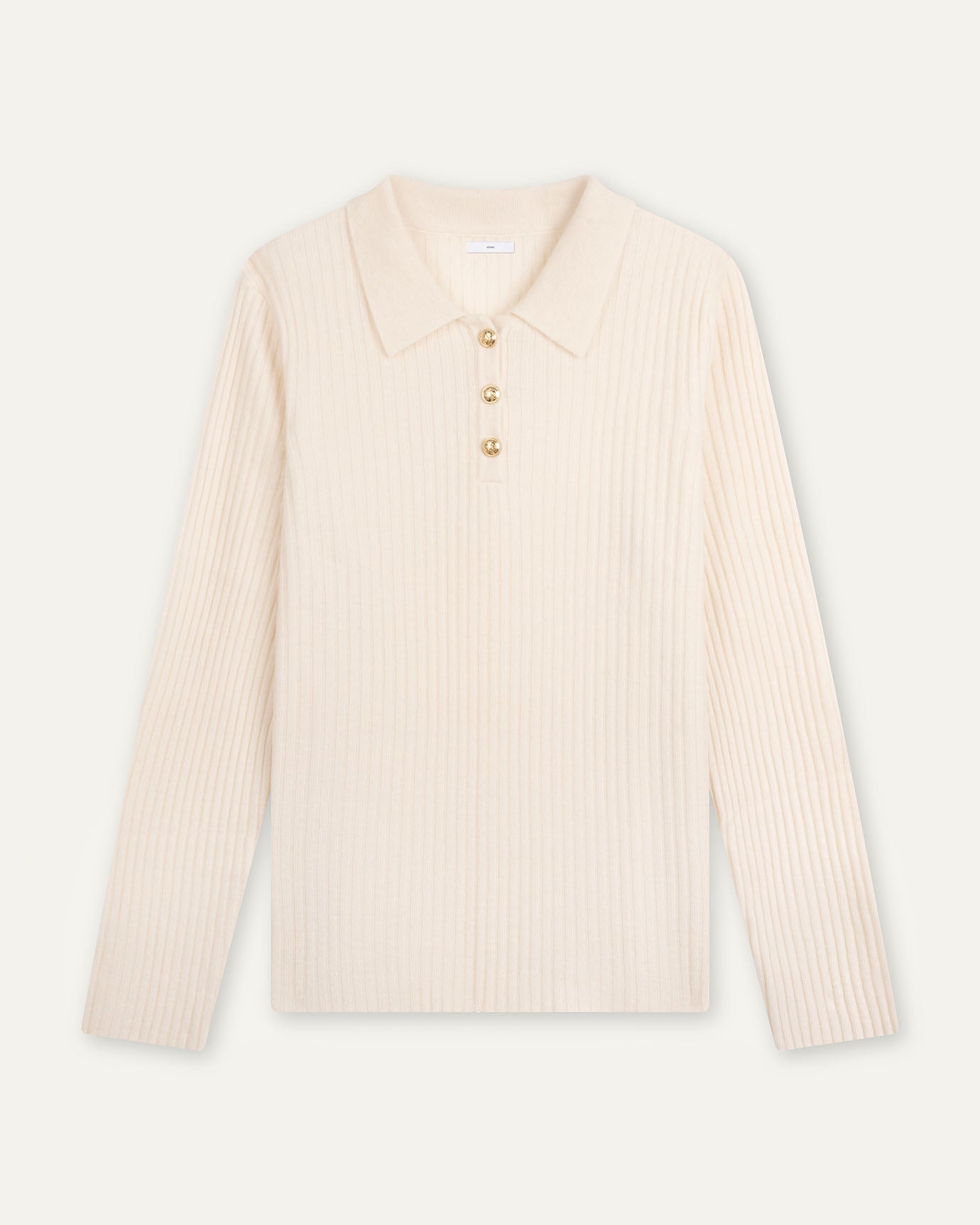
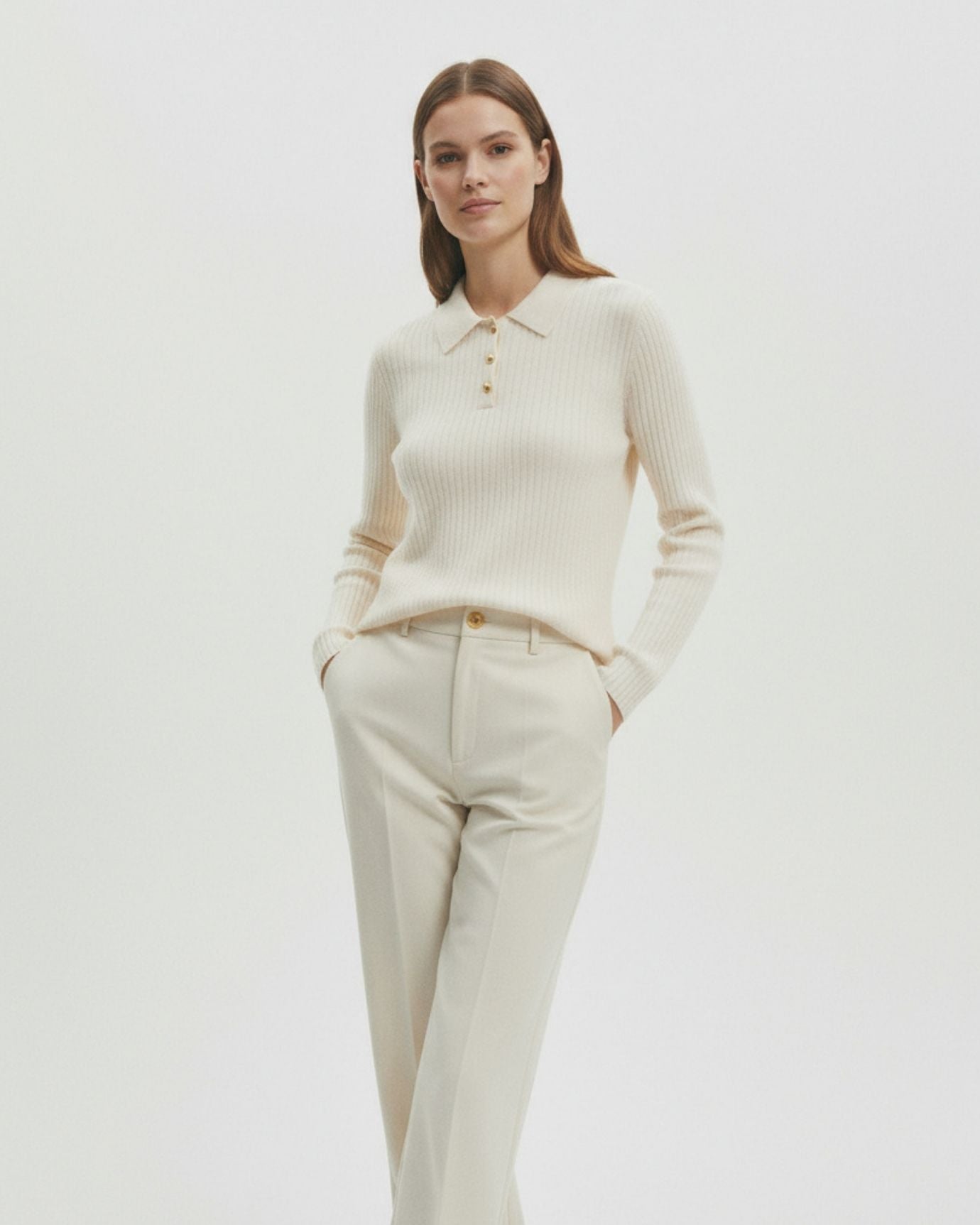
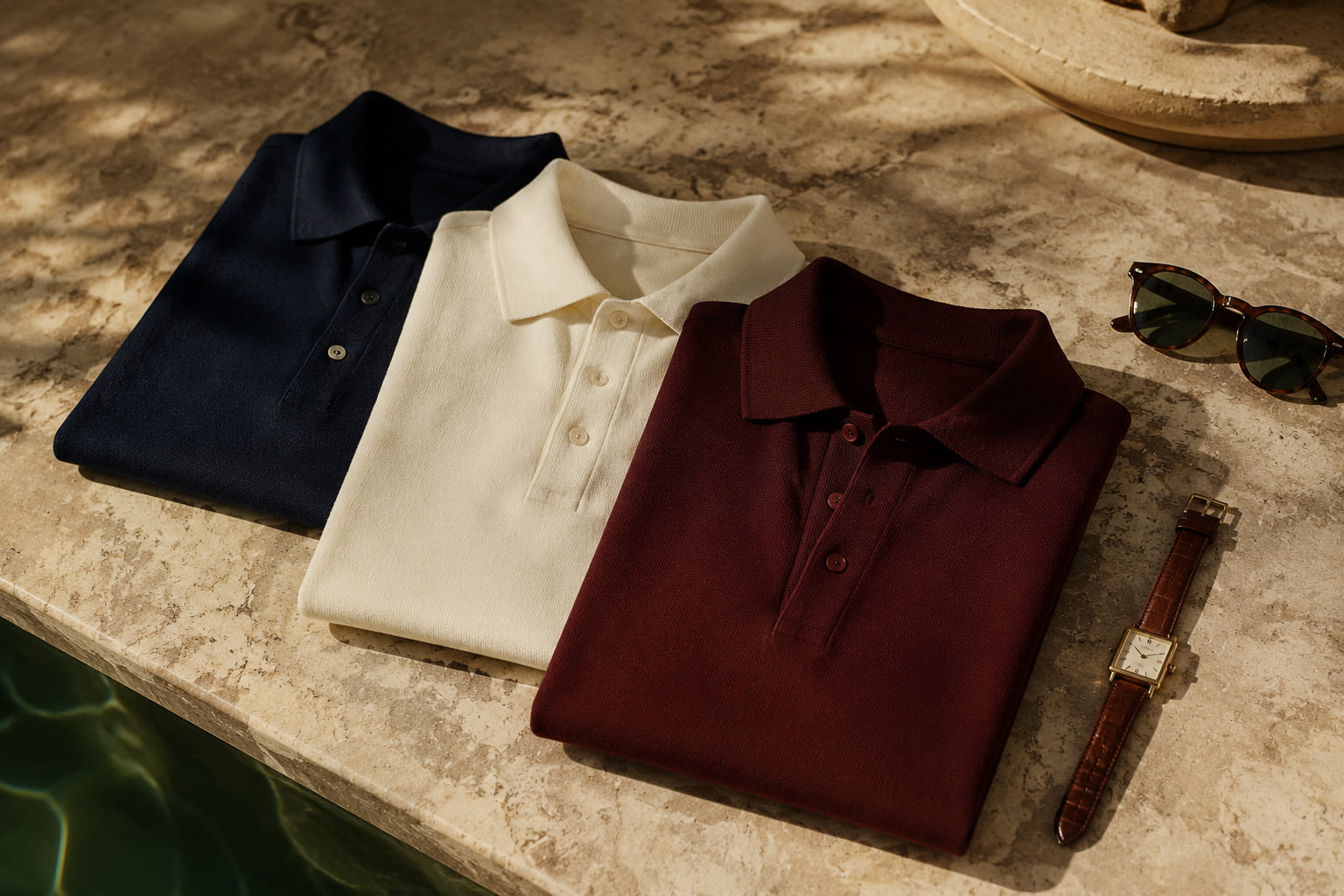
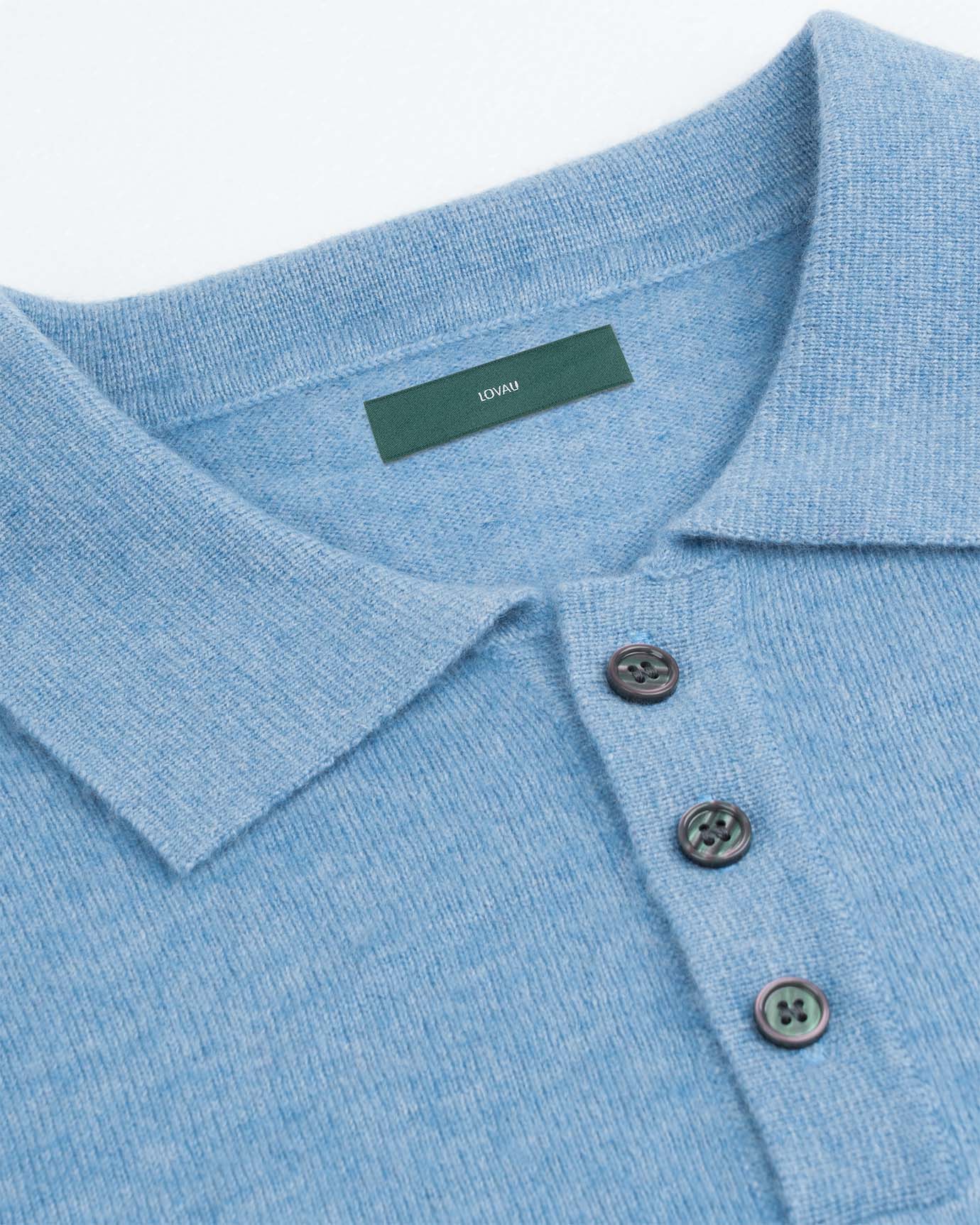
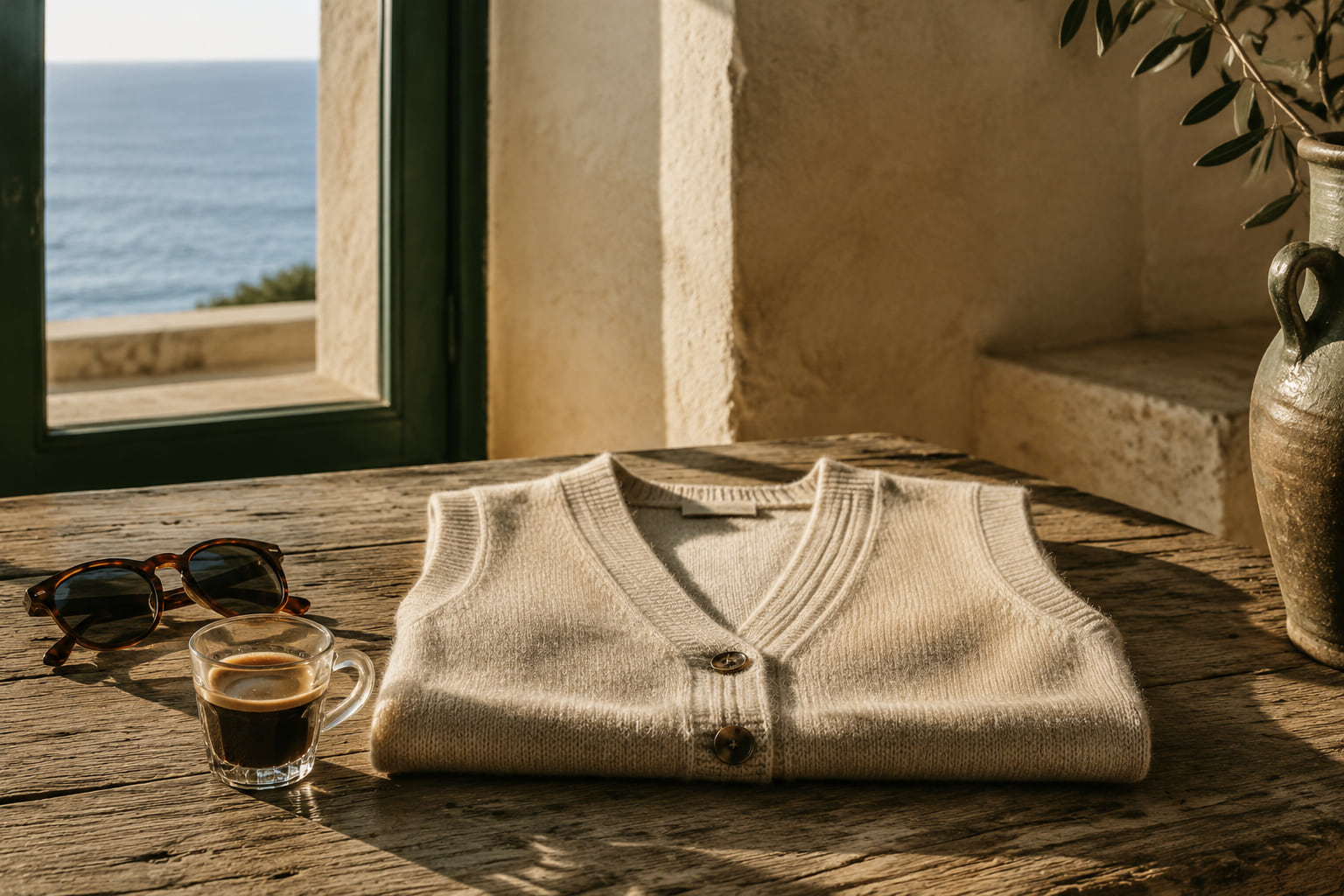
The Fine Knit Sweater Vest This is the most versatile option and the one to own first. A fine gauge knit in merino, cashmere, or a cashmere-wool blend sits close to the body, works over a collared shirt or polo, and moves from office to weekend without difficulty. Look for a V-neck or a shallow crew neck, both of which allow the collar beneath to frame the face. The cashmere wool polo long sleeve worn beneath a knit vest is a combination that photographs beautifully and holds up in person.
The Quilted Vest A quilted vest introduces a more outdoors, country-house register. It works over a heavy cotton shirt or a fine knit mid-layer when temperatures drop properly. The silhouette is slightly more casual, so pair it with cotton corduroy trousers rather than tailored wool to keep the register consistent.
The Tailored Waistcoat This is the formal end of the spectrum. Cut from suiting fabric, it functions as part of a three-piece suit or as a standalone piece over a dress shirt. It requires a trouser of equal seriousness, such as the business grey trousers herringbone, and a shirt with a proper collar.
The Zip-Through Performance Vest A more contemporary option, often in a lightweight technical fabric or a fine fleece. It works for active layering but reads casual. Keep it for weekends and travel rather than client-facing occasions.
Expert insightFor a sweater vest, the ideal gauge is 12 to 14 stitches per inch. Anything chunkier will add unwanted bulk at the shoulders and underarms when layered over a shirt.

Fabric First: What to Look for and What to Avoid
Fabric is where a vest either justifies itself or falls apart. The wrong material will pill, stretch, or simply look cheap after a few wears, which defeats the purpose of investing in a wardrobe piece that is supposed to last.
Cashmere and Cashmere-Wool Blends The benchmark for knit vests. A cashmere-wool blend offers more durability than pure cashmere while retaining the softness and the fine surface that makes the garment read as genuinely luxurious. The fine cashmere and wool sweater pullover gives a clear sense of what this quality feels like, and the same standard applies when choosing a vest.
Merino Wool Slightly more robust than cashmere, merino is the practical choice for a vest you plan to wear frequently. It regulates temperature well, resists odour, and drapes cleanly. A 100% merino vest in a mid-weight gauge is arguably the best single investment for transitional layering.
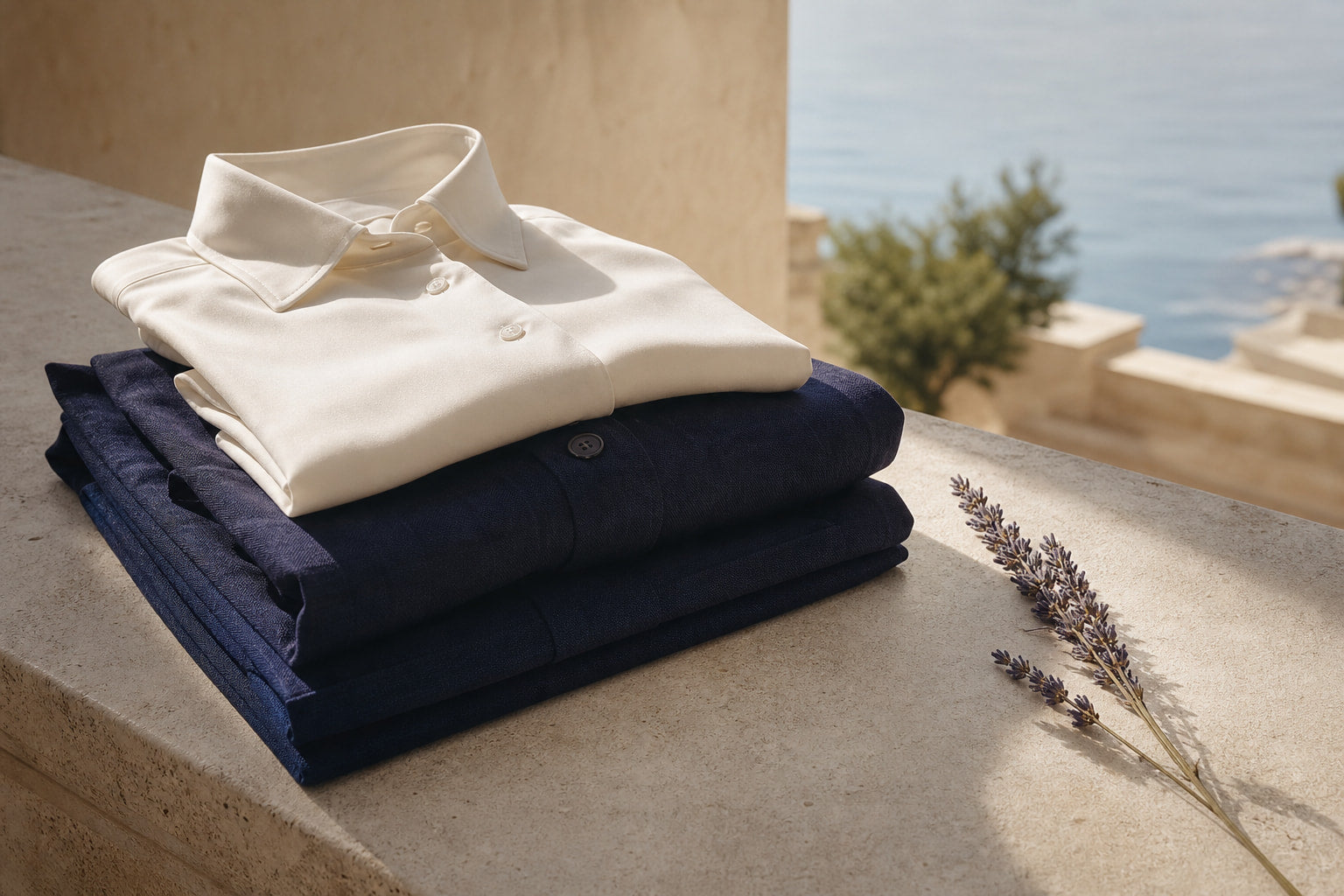
Cotton Knit For warmer months, a fine cotton knit vest provides structure without warmth. It works particularly well over a linen shirt, such as the Marbella square collar linen shirt, for a refined but breathable combination in late spring or early autumn.
What to Avoid Stay away from acrylic blends. They pill quickly, generate static, and never drape correctly. Synthetic performance fabrics belong in activewear, not in a vest you intend to wear to dinner. And avoid any vest with visible logos or graphic prints: a layering vest is a structural piece, not a statement piece.
Expert insightA simple test for knit quality: hold the fabric up to light. A well-constructed fine knit should be consistent and tight with no visible loops or irregularities. Loose, open construction means it will distort after the first wash.

How to Actually Layer a Vest: Fit and Proportion
The mechanics of layering a vest correctly come down to three variables: fit, collar exposure, and trouser weight.
Fit A vest should fit like a second skin across the chest and shoulders, with no pulling at the buttons or excess fabric at the sides. The armholes should be high enough that the underlayer does not bunch at the underarm. If you are between sizes, size down rather than up: a vest that is slightly snug reads intentional, one that is loose reads forgotten.
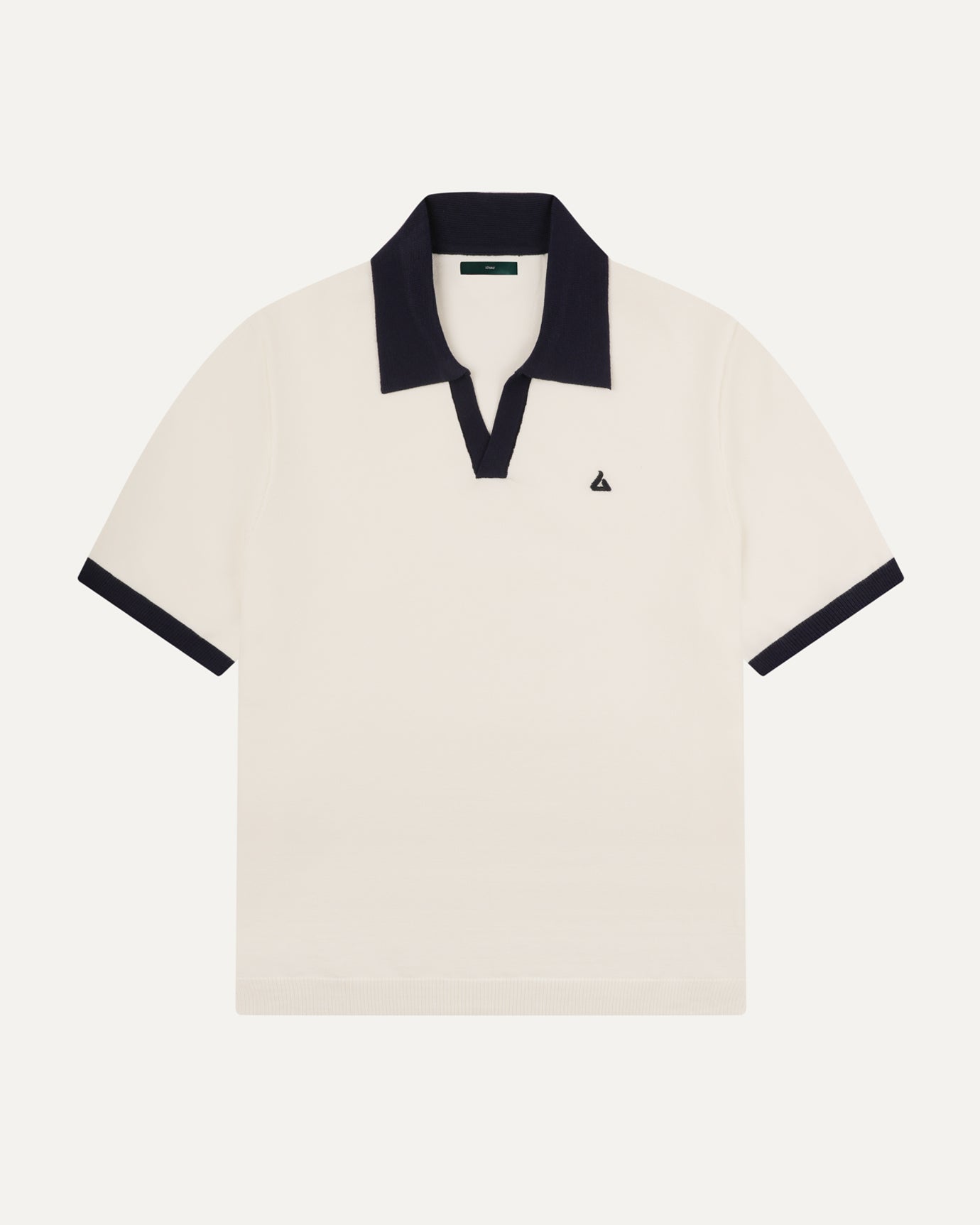
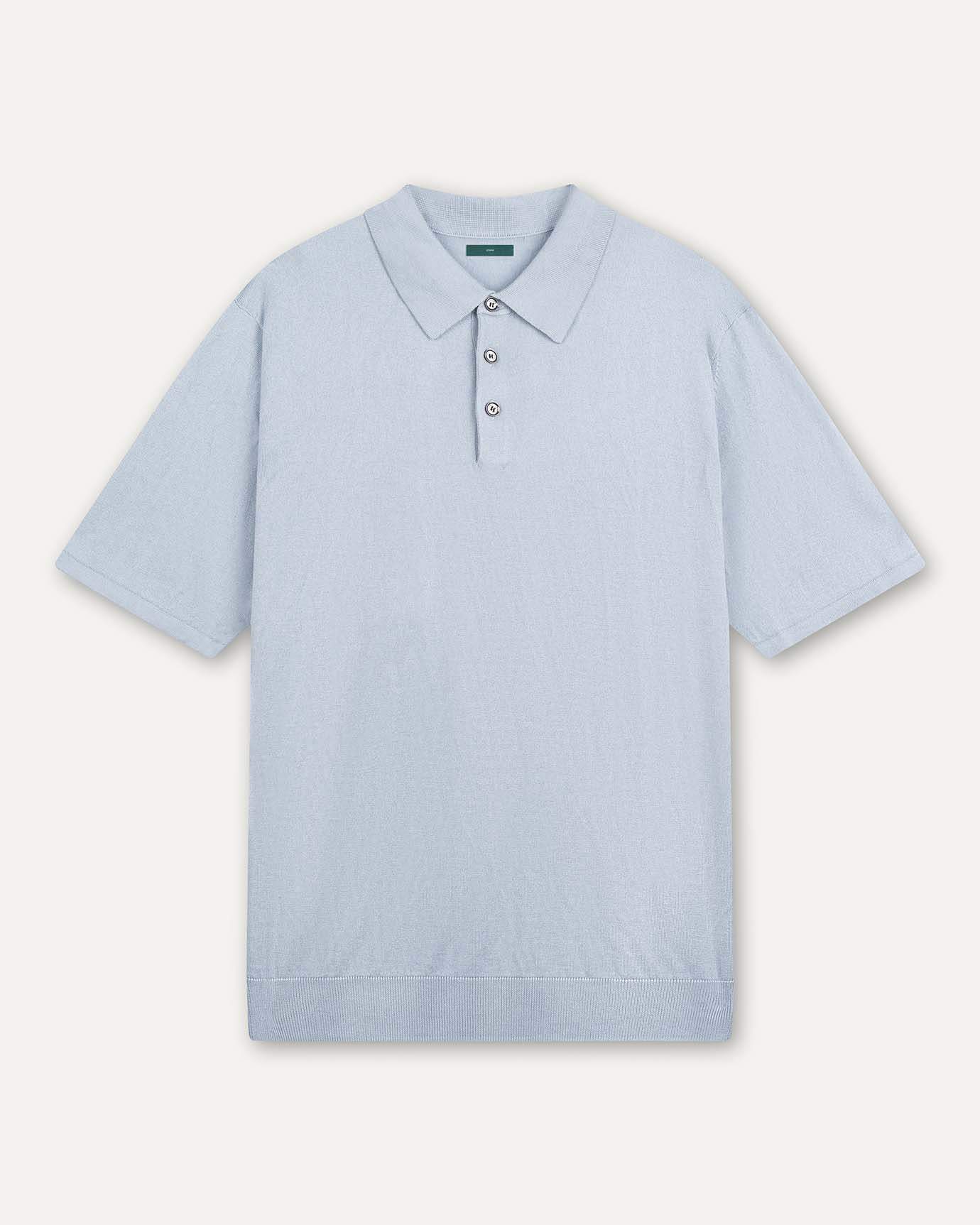
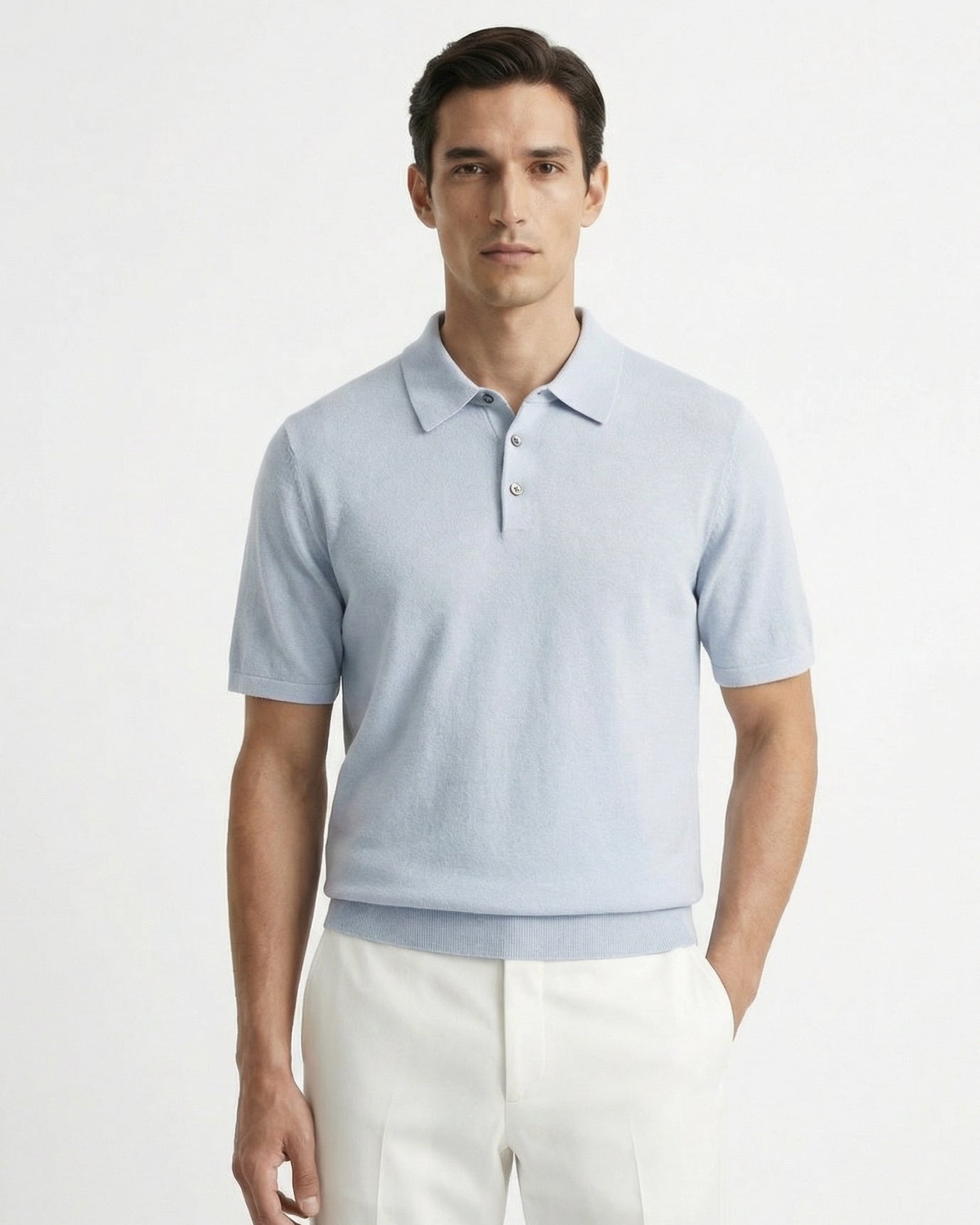
Collar Exposure This is the rule most men ignore. The collar of the underlayer must always be visible above the vest neckline. A V-neck vest over a spread collar shirt shows the collar points and the tie or open neck. A crew-neck vest over a polo shows the polo collar. Without this detail, the outfit lacks a focal point and the face is left visually unanchored. Pairing a knit vest with the cashmere polo short sleeve business casual underneath gives exactly this framing effect.
Trouser Weight The trouser below the vest should match the register of the vest. A fine knit vest over a dress shirt calls for tailored trousers. A quilted vest over a flannel shirt calls for something with more texture, corduroy or heavy cotton chino. Mixing a casual vest with very formal trousers, or vice versa, creates a register clash that is difficult to resolve with accessories alone.
For a full breakdown of how layering principles apply across a complete autumn outfit, the fall outfit ideas for men guide covers the broader context in useful detail. And if you want to understand the specific rules around luxury layering more deeply, the dos and don'ts of luxury layering article is worth reading alongside this one.

Three Complete Vest Outfits That Actually Work
Abstract advice is less useful than concrete examples. Here are three specific combinations, each for a different occasion, that demonstrate how a vest functions within a real outfit.
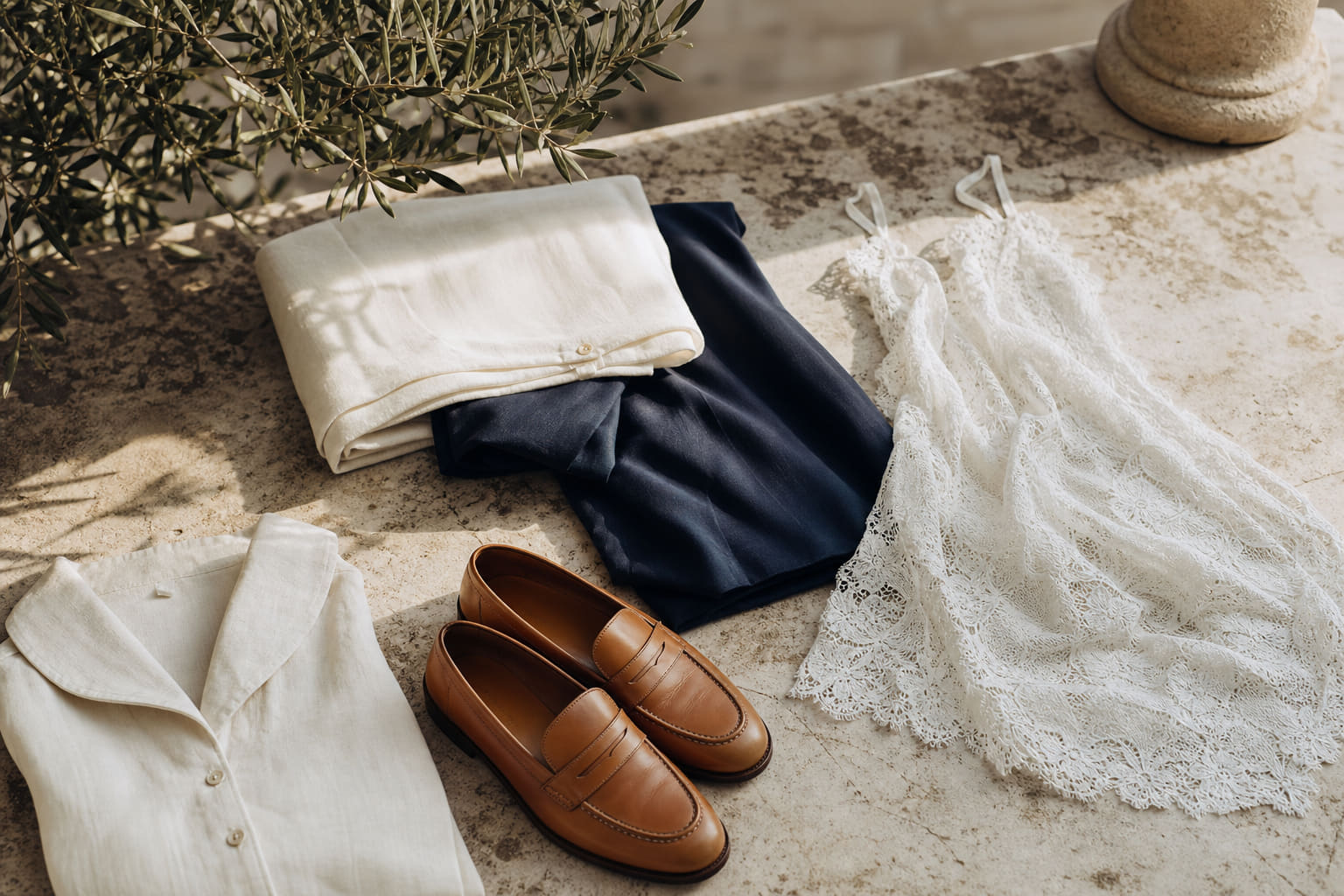
Outfit One: Smart Casual, Autumn Office A fine cashmere-wool vest in camel over a white or pale blue dress shirt with a soft collar. Below: the business grey trousers herringbone and a pair of leather loafers. No tie necessary. The vest replaces the jacket for most of the day and the shirt collar provides all the formality the situation needs. This combination reads polished without effort and translates from a morning meeting to a restaurant lunch without adjustment.
Outfit Two: Weekend, Mediterranean Register A cotton knit vest in navy or stone over the Marbella square collar linen shirt. Below: the Paris linen trousers in a natural or sand tone. The square collar of the shirt creates an interesting geometric note above the vest neckline. This is a warm-weather layering combination that works for a coastal lunch or an afternoon in the city when the breeze picks up.
Outfit Three: Country Weekend, Cooler Weather A quilted vest in dark olive or navy over a fine merino rollneck. Below: cotton corduroy trousers in tobacco or tan. This is a heavier, more textural combination suited to a colder day. The rollneck eliminates the collar-exposure rule since the neck is already fully covered, and the corduroy provides the weight to balance the quilted vest above.
For a broader look at how these pieces fit into a complete seasonal wardrobe, the men's winter collection and the layering guide for old money winter style both offer additional context.

Colour and Pattern: Keeping the Palette Coherent
A vest introduces a third layer of colour into an outfit, which means the risk of visual clutter increases. The rule is simple: one of the three layers (vest, shirt, trouser) can carry a mild pattern or a stronger colour. The other two should be neutral or tonal.
Neutral Vest, Patterned Shirt A camel, oatmeal, or navy vest over a subtle check or stripe shirt works because the vest acts as a frame rather than a competitor. Keep the trouser in a solid mid-tone.
Patterned Vest, Plain Underlayers A herringbone or fine houndstooth vest can work if the shirt beneath is plain white or pale blue and the trouser is a solid colour. This approach requires more confidence but, done correctly, is the most interesting of the three options.
Tonal Dressing The easiest approach and the one most consistent with a quiet luxury sensibility: wear the vest, shirt, and trouser in three tones of the same colour family. Navy vest, pale blue shirt, mid-grey trouser. Oatmeal vest, white shirt, sand trouser. The old money trends collection shows how this tonal logic plays out across a full range of pieces.
For men newer to this approach, the preppy vs old money style guide explains why restraint in colour reads more expensive than contrast, and why that matters if the goal is genuine refinement rather than simply looking dressed up. Permanent Style also covers the principles of tonal dressing in menswear with characteristic precision.

| Vest Style | Best Fabric | Occasion | Ideal Underlayer | Formality Level |
|---|---|---|---|---|
| Fine Knit Sweater Vest | Cashmere-wool blend or merino | Smart casual, office, dinner | Collared shirt or polo | Moderate to high |
| Quilted Vest | Lightweight nylon shell, down or synthetic fill | Country weekend, outdoor lunch | Heavy cotton shirt or fine knit rollneck | Casual |
| Tailored Waistcoat | Suiting wool or wool-silk | Business formal, occasion dressing | Dress shirt with tie | High |
| Cotton Knit Vest | Fine pima or Egyptian cotton | Warm weather, coastal, weekend | Linen shirt or lightweight polo | Casual to moderate |
| Zip-Through Performance Vest | Technical fleece or softshell | Travel, active weekend | Base layer or lightweight long-sleeve | Casual |
Frequently asked questions
Can you wear a vest without a shirt underneath?
Not in any context that calls for refinement. A vest worn directly over bare skin reads as sportswear at best and unfinished at worst. The underlayer, whether a collared shirt, a polo, or a rollneck, is structural. It frames the face, fills the neckline, and provides the contrast that makes the vest read as intentional rather than improvised.
What is the difference between a sweater vest and a regular vest?
A sweater vest is knitted, typically from wool, cashmere, or cotton, and functions as a soft mid-layer. A regular vest (or waistcoat) is cut and sewn from woven fabric, often suiting cloth, and belongs in a more formal register. Both are valid layering pieces but serve different occasions and require different underlayers.
How do you stop a knit vest from looking shapeless?
Fit is the answer. A vest that is too large across the chest or too long in the body will always look shapeless regardless of the fabric quality. Choose a size that skims the torso without pulling. If the vest has a button placket, make sure the buttons lie flat with no visible strain. Pairing it with a well-fitted underlayer such as the cashmere wool polo long sleeve also helps define the silhouette beneath.
Can you wear a vest with jeans?
Yes, but the jeans need to be the right kind. Dark, straight-cut denim in a clean wash works with a fine knit vest and a collared shirt. Distressed, faded, or heavily washed denim creates a register conflict with most vest styles. The goal is to ensure the trouser carries the same level of care as the layers above it.
A vest is not a complicated piece, but it rewards a man who understands how to use it. Get the fit right, respect the collar rule, choose the fabric that matches the occasion, and keep the palette coherent. Do those four things and the vest becomes one of the most reliable pieces in a wardrobe built for real life rather than for photographs. For men building that kind of wardrobe from the ground up, the Lovau men's collection offers a considered starting point across every category that matters.